
Reviewed · TIBET TOURS
8 Days Lhasa Gyantse Shigatse Mt Everest Group Tour
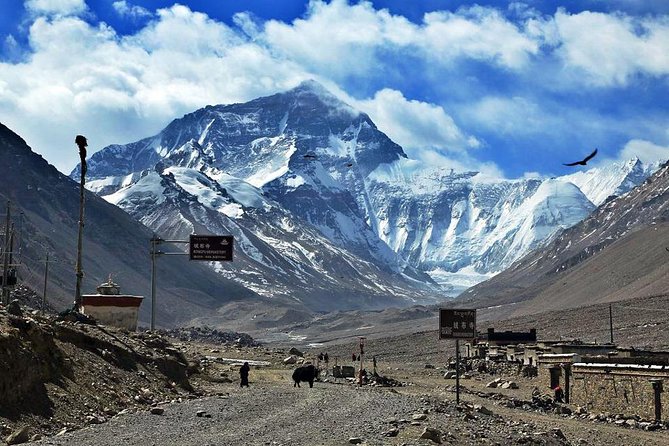
The great appeal here is distance: in eight days, you move from Lhasa’s sacred temples to the high passes, glacier views, and Everest region without having to arrange each ride and hotel yourself. I like the clear route and the small maximum group of 12, and I like that the package includes the Tibet permit, an English-speaking guide, breakfast, and emergency oxygen. You also get real time at places such as Drepung, Jokhang, and Yamdrok Lake, rather than racing through every stop.
The catch is altitude and the long road to Everest. One day involves about 10 hours on the road, and the Everest section includes a basic dorm bed or nomad tent instead of a standard hotel room. The tour is well suited to a first visit, but you should be comfortable with a fixed group schedule, cold conditions, simple lodging, and the possibility that weather or government restrictions may change the plan.
Key details before you book
- Everest is reached by road from Lhasa: The route includes Gyantse, Shigatse, high passes, and the Qomolangma National Nature Preserve.
- Lhasa sightseeing is strong: You visit Drepung Monastery, the Tibet Museum, Norbulingka, Potala Palace, Jokhang Temple, and Barkhor Street.
- The group stays small: Departures can include up to 12 people, with a licensed vehicle matched to the group size and season.
- One night is basic: Six nights are in twin en-suite rooms in three-star or four-star hotels, while one night is in a guesthouse dorm bed or nomad tent.
- The price covers key paperwork: At $1,100 per person, the package includes the Tibet Tourism Bureau Permit, transport, breakfast, water, and hotel costs.
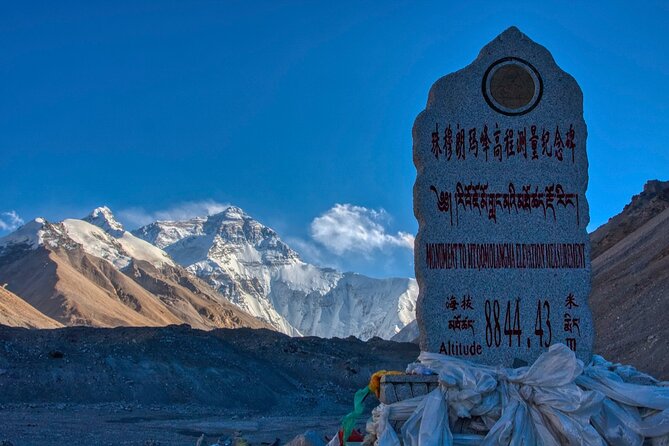
- Altitude matters from the start: The route includes Kampala Pass at 4,790 meters, and the Everest section is much higher than Lhasa.
Why this route works for a first visit
Tibet can be awkward to arrange independently. The permit process, required transport, long distances, and fixed sightseeing rules make a guided trip useful, especially if you have never been to the region.
This tour gives you a sensible first look at central Tibet. You begin with several days in Lhasa, then move gradually toward Gyantse, Shigatse, and Everest. That order matters. You get time to see major sights in the capital before tackling the higher roads.
I also like the mix of culture and scenery. Some Tibet tours lean heavily toward temples. This one gives you palace architecture, living religious sites, museum displays, a royal garden, a holy lake, a glacier, mountain passes, and Everest views.
The pace is active but not absurd. Lhasa sightseeing generally uses two-hour visits, with several stops in a day. The road days are harder, particularly the journey toward Everest, but the route includes breaks and overnight stops rather than trying to reach the mountain in one push.
The group format keeps the price lower than a private departure. It also means you share the vehicle, hotel arrangements, meal breaks, and timing with other people. If you want to stop whenever you like or choose your own hotels, a private trip would give you more control.
Other China days worth booking alongside this:
- From Beijing: Mutianyu Great Wall Tours with Options
★ 4.9 · 9,216 reviews - Beijing: Forbidden City Tour(Group/Private)-Tickets Included
★ 4.8 · 7,974 reviews - Beijing: T-Square & Forbidden City Group or Private Tour
★ 4.8 · 4,446 reviews
Days 1 to 3: settling into Lhasa
Your first day is mainly a pickup and hotel transfer. Airport pickup is offered at 9:30 a.m., 1 p.m., and 4 p.m. if your arrival fits those windows. Railway station transfer is free at any time on the first day.
Do not treat arrival day as a sightseeing day. Lhasa is high, and the sensible move is to rest, drink water, and let your body adjust. One person who took this tour arrived a couple of days early for acclimatization, a useful option if your schedule allows it. The itinerary itself begins sightseeing on day two, so you should not plan demanding private activities before then.
Day two starts at Drepung Monastery, with about two hours inside the complex. Drepung was once one of Tibet’s major monastic centers and served as a residence for the Dalai Lama before the Potala Palace became the main seat. The scale makes it a good first monastery visit, and the setting gives you a feel for how religious life shaped Lhasa.
The Tibet Museum follows in the afternoon. You can expect displays on clothing, homes, festival customs, and everyday Tibetan life. It is a useful counterpoint to the monasteries because it gives you objects and social context rather than only religious architecture.
Norbulingka completes the day. This summer garden of the Dalai Lama has Tibetan-style buildings and landscaped grounds. After the enclosed rooms and religious spaces at Drepung, the open garden provides a calmer change of pace.
Day three brings the tour’s most famous sight, Potala Palace. The visit lasts about two hours, which is enough to see the central highlights but not enough for an unhurried examination of every room. The palace sits above Lhasa and is the city’s defining building, with huge walls, stairways, and richly decorated interiors.
You should expect stairs and a fairly demanding visit at altitude. Take it slowly. The palace is not the place to prove your fitness.
In the afternoon, you visit Jokhang Temple in the center of Lhasa. This is one of Tibet’s most sacred religious sites, and pilgrims circle the temple as part of their devotion. The atmosphere here differs from the grand scale of the Potala. Jokhang feels more immediate and connected to daily religious practice.
The final stop is Barkhor Street, the traditional circuit around Jokhang. It also functions as a central market area. You get about two hours to walk, look at shops, and observe pilgrims making their circuit. Stay alert to the meeting time, since it is easy to lose track of your group in the busy central streets.
Day 4: Yamdrok Lake, Karo La Glacier, and Gyantse
Day four is when the tour leaves Lhasa and the scenery changes quickly. You travel toward Shigatse through Gyantse, stopping at Yamdrok Yumtso Lake and Karo La Glacier along the way.
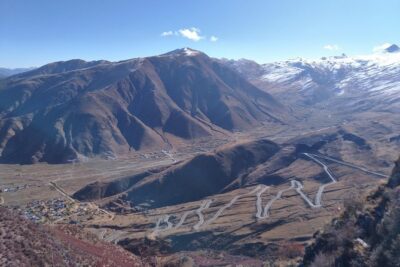
The road crosses Kampala Pass at about 4,790 meters. That altitude is not a minor detail. You might feel short of breath, tired, or headachy even during a short walk. Follow your guide’s pace and avoid treating the pass as a place for strenuous activity.
Yamdrok Lake is one of Tibet’s three holy lakes. The visit is free of an added admission charge and usually focuses on the shoreline and viewpoints. The blue water, high mountain surroundings, and open space make this one of the most memorable scenic stops on the route.
The lake stop is short, about an hour. That is enough for photographs and a look around, but not a long lakeside walk. If you prefer slow travel, this is one of the places where the group schedule may feel tight.
Karo La Glacier is viewed from the roadside, roughly 300 meters from the main highway. You do not need a separate excursion to reach it, which makes it an efficient stop on a long transfer day. The glacier adds a striking change from the dry high-altitude scenery around the passes.
In Gyantse, you visit Pelkor Chode Monastery. It is close to the town center and known for its unusual combination of monastic buildings and artistic detail. The stop gives you a look at a smaller Tibetan town, not just the capital’s headline attractions.
This is a full travel day, so keep your expectations realistic. You are not simply visiting three sights. You are crossing high roads, stopping for views, and transferring between overnight bases.
Days 5 and 6: the long road to Everest
Day five is the toughest day on paper. You leave Shigatse, pass through Lhatse, and continue toward Tingri and the Qomolangma National Nature Preserve. The scheduled road time is about 10 hours.
The distance is part of the experience, but it can also be tiring. Lunch is taken at a local restaurant during the journey, and the route includes breaks. Still, you should pack snacks, water, warm layers, and anything you need for a long day in a vehicle. Two bottles of mineral water per person per day are included, but extra drinks and personal snacks are your responsibility.
The package includes a licensed vehicle, fuel, and parking fees. That matters on a route like this, where arranging separate transfers would be difficult and expensive. The vehicle is selected according to group size and season, but the tour remains a shared road journey, not a private car service.
At the Everest area, your accommodation changes. One night is in a guesthouse dorm bed or nomad tent. This is the clearest comfort compromise in the package. If you require a private en-suite room every night, ask about an alternative before paying, and expect a single supplement if you do not share a twin room.
Day six is built around the Everest region. If weather cooperates, you can get up early for sunrise from the Everest Peak Lodge area. The listed visit lasts about four hours, giving you time to see the mountain area without rushing straight back onto the road.
Weather is the great unknown. A clear view of Everest is never something a tour operator can guarantee, and clouds, snow, road conditions, or official restrictions can alter the schedule. The tour includes an emergency oxygen tank, but that is not a substitute for taking altitude symptoms seriously.
One person on a departure had to leave because oxygen and medical support did not improve their condition. That detail is worth taking seriously. This is a high-altitude trip, not simply a sightseeing holiday with a cold-weather backdrop. Anyone with health concerns should seek professional advice before booking and carry appropriate personal travel insurance.
Same country, a completely different kind of day:
- Beijing: Mutianyu Great Wall Daily Tour with Ticket & Lunch
★ 5.0 · 3,056 reviews - All-Inclusive Tour: Tiananmen Square, Forbidden City, Great Wall
★ 5.0 · 2,873 reviews - MuBus: Mutianyu Great Wall ENG/ESP/RUS Guided Bus Tour
★ 5.0 · 2,361 reviews - 4-Hour Small Group Tour to Forbidden City with Entry Tickets
★ 5.0 · 1,863 reviews
Day 7: returning through Shigatse
The route returns to Shigatse for Tashilunpo Monastery. Founded in 1447 by the First Dalai Lama, Tashilunpo is the traditional home of the Panchen Lama and one of the most important religious sites in the city.
You have about two hours here. The visit helps connect the sights from earlier days: you have seen Lhasa’s great monasteries, Gyantse’s religious center, and now one of Shigatse’s main institutions. The guide’s explanations are particularly useful at sites where architecture, religious roles, and local customs are not obvious from looking alone.
The tour’s strongest human element is the local English-speaking guide. Lobsang has been specifically associated with praised departures, and the guide team is expected to keep the group on time while allowing some free time at the sights. Other staff names connected with trip arrangements include Jennie, Merry, Emily, and Beatrice, but your assigned guide may differ.
The next day is departure transfer only. You can be escorted to Lhasa airport or railway station. Airport drop-off is offered at 8:30 a.m., 12:30 p.m., and 2:30 p.m. If your flight falls outside the free transfer times, a private airport transfer costs $60 per vehicle per time.
What the $1,100 price really covers
At $1,100 per person, the price is appealing for an eight-day route that reaches Everest. You are paying not only for hotels and a vehicle, but also for the permit system and the coordination needed to travel through Tibet.
Included are six nights in twin en-suite rooms at three-star or four-star hotels, one basic night at a guesthouse or nomad tent, six breakfasts, transport, fuel, parking, an English-speaking guide, the Tibet Tourism Bureau Permit, liability insurance, government tax, permit delivery, emergency oxygen, and daily bottled water.
The package does not include flights or train tickets, a China visa, lunch, dinner, optional sights, tips, personal expenses, or personal travel insurance. That means the advertised price is a solid base cost, but you need to budget for meals each day and for the transport that gets you into Tibet.
Solo visitors should ask about the single supplement. The quoted price assumes twin-room sharing. If the operator later matches you with another person for the room, the supplement may be refunded, but you should not assume that will happen.
The tour also charges extra costs if permit documents are supplied late, and the permit usually takes about 12 working days to apply for. Start the paperwork early. This is not a trip to book casually a few days before departure.
Group size, pace, and practical tradeoffs
A maximum of 12 people is a reasonable size for this route. It should be small enough for the guide to manage and large enough to keep the shared cost down. You will still need patience at meal stops, hotel check-ins, and photo viewpoints.
The itinerary can be reordered in Lhasa, and attractions may change. Natural disasters, landslides, avalanches, road closures, public health orders, transport delays, and government action can also affect the route. If extra costs arise from these events, the conditions place them on you, and canceled visits generally do not receive a refund beyond certain entrance fees decided by the operator.
The tour is listed as suitable for most people, but that should not be confused with being easy. Children must be accompanied by an adult. The high passes, stairs at major religious sites, cold Everest night, and long vehicle days all require a reasonable level of stamina.
Food is another point to plan around. Breakfast is included, but lunch and dinner are not. One departure also raised concerns about vegetarian food choices, so if you have dietary needs, discuss them before booking and carry backup snacks.
The cancellation policy is strict: the experience is non-refundable and cannot be changed after booking. Do not pay until your Tibet entry plans, passport details, and dates are firm.
Who should book this Tibet tour
I would choose this tour if you want to see the major sights in Lhasa and add Gyantse, Shigatse, and Everest without managing the permits, road transport, and hotel chain yourself.
It suits first-time visitors who prefer a planned route, appreciate explanations from a local guide, and are happy to trade some independence for convenience. It also suits people who want a broad sample of Tibet in eight days rather than a slow stay in one city.
I would hesitate if you dislike long road journeys, shared accommodation, fixed departure times, or uncertain weather. I would also think carefully if altitude has caused serious problems for you before. The Everest section is the tour’s great prize, but it is also the physically demanding part.
Final verdict: a strong route with one rugged night
This is a well-priced way to connect Lhasa’s essential sights with Yamdrok Lake, Gyantse, Shigatse, and the Everest region. I especially like the included permit, organized transport, small group limit, and several full cultural stops before the road turns toward the mountain.
The main compromises are clear: meals are mostly your expense, the Everest night is basic, one road day is very long, and the non-refundable terms leave little room for a change of plans. If you prepare for altitude and accept those limits, I would book it for the route and the practical support. If comfort and flexibility matter more than reaching Everest, choose a private or slower trip instead.
FAQ
Is the Tibet permit included?
Yes. The Tibet Tourism Bureau Permit is included, along with government tax and express delivery of the permit. The permit usually takes about 12 working days to apply for.
Are flights or train tickets included?
No. You must arrange and pay for your flight or train ticket separately. China visa costs are also excluded.
What accommodation is provided?
The package includes six nights in twin en-suite rooms at three-star or four-star hotels, plus one night in a dorm bed at a guesthouse or in a nomad tent.
Are meals included?
Six breakfasts and a welcome meal are included. Lunch and dinner are not included, so you should budget for them separately.
How many people can join the group?
The group can have a maximum of 12 travelers. A licensed vehicle is provided according to the group size and season.
Are airport and railway transfers included?
Free Lhasa railway station transfers are available at any time on the first and last day. Airport pickup is offered at 9:30 a.m., 1 p.m., and 4 p.m., while airport drop-off is offered at 8:30 a.m., 12:30 p.m., and 2:30 p.m. A private airport transfer outside the pickup times costs $60 per vehicle per time.
Just added around China
- Lantau Island Private Tour to Big Buddha and Tai O Village★ 5.0 · 24 reviews
- Lantau Island Day Trip Big Buddha & Tai O Includes Cable Car★ 5.0 · 44 reviews
- Lantau Peak Sunrise Climb★ 5.0 · 4 reviews
- Small Group Hiking Day Tour to Lai Chi Wo★ 5.0 · 3 reviews
- Three Dragon Gorge River Walking Tour★ 4.5 · 3 reviews
- Hong Kong Lantau Tour with Big Buddha, Tai O Village & Snacks★ 4.0 · 34 reviews
- Introduction to Watchmaking★ 5.0 · 3 reviews
- Hong Kong Layover Tour Private & Personalized with Local Guide★ 5.0 · 5 reviews
Tibet Tours, compared.
Tibet Tour 8 Days Lhasa to Everest Base Camp Small Group Tour
Read our review →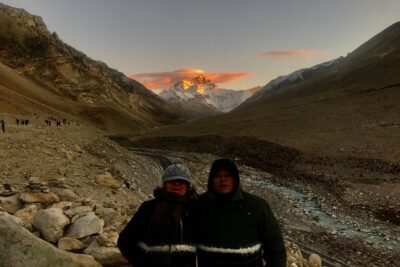
7 Days Lhasa to Kathmandu Overland Small Group Tibet Tour via EBC
Read our review →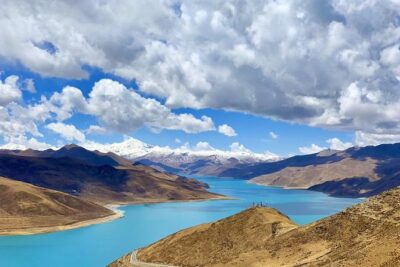
10 Days Tibet Everest Base Camp and Namtso Small Group Tour
Read our review →
Browse the lists this tour appears in