
Reviewed · WORKSHOPS
Noon Calligraphy Class
Chinese calligraphy is not just handwriting with a fancy brush. In this central Beijing class, you learn how ink strokes, brush pressure, rice paper, and rhythm turn language into visual art. The work takes patience, but the first few practice marks give you a clear sense of why calligraphy matters in Chinese culture.
I like the flexible class times and the choice of 30-minute, 1-hour, or 1.5-hour sessions. I also like that you work with traditional tools and take a finished piece home. The main drawback is simple: one hour passes quickly, especially if you want cultural background and plenty of practice.
Key points to know before booking
- A hands-on introduction: You practice with brushes, ink, rice paper, and ink stones rather than simply watching a demonstration.
- Central Wangfujing location: The class meets at No. 8 Wangfujing Dongjie, beside the Hilton Beijing Wangfujing.
- Several session lengths: Pick 30 minutes, 1 hour, or 1.5 hours, depending on your schedule and interest.
- Small group setting: The maximum group size is 15 people, with group discounts available.
- Good for families: Children can participate, but they must be accompanied by an adult.
- A calm rainy-day plan: The indoor class works well when Beijing weather spoils outdoor sightseeing.
Why Chinese calligraphy makes a good Beijing activity
Many Beijing activities show you the city from the outside. This one gives you a small role in a living cultural tradition. You hold the brush, manage the ink, and try to guide a single stroke across paper. That physical effort changes the way you look at Chinese characters afterward.
Chinese calligraphy treats writing as artistic expression. The line records movement, timing, and pressure. A stroke can begin firmly, soften as the ink runs, or finish with a controlled lift of the brush. Even a simple character demands attention.
You do not need to read Chinese to enjoy the class. The teacher explains the meaning behind the words you write, so the exercise is not only about copying shapes. It connects the character to ideas in Chinese culture and gives you a more useful frame for looking at signs, paintings, seals, and museum objects during the rest of your stay.
The class also has a meditative quality. You must slow down and concentrate on the brush touching the paper. That change of pace can be welcome after a morning among Beijing’s busy streets and large historic sights.
A few more Beijing trips to weigh up
- Beijing Calligraphy Class
★ 4.9 · 112 reviews - Chinese Calligraphy Class for Small Group
★ 5.0 · 104 reviews - Beijing: Dumpling Making Workshop with Meal and Tea
★ 4.7 · 69 reviews
Meeting at Wangfujing Dongjie
The meeting point is at Hilton Beijing Wangfujing, No. 8 Wangfujing Dongjie, in Dongcheng District. The address is also shown in Chinese as 北京东城区王府井东街8号. This is a practical location in central Beijing, near public transportation and within the Wangfujing area.
You should allow enough time to find the exact meeting point. Wangfujing is a major commercial district, and the English and Chinese versions of the address are useful if you need to ask for directions. A mobile ticket is accepted, and confirmation arrives when you book.
The activity finishes back at the meeting point. That makes the class easy to fit between other central Beijing plans. You can schedule it before shopping or sightseeing in Wangfujing, or use it as a quiet break from a full day outdoors.
Class times are offered several times daily. That flexibility is valuable in Beijing, where traffic, long museum visits, and timed attractions can disrupt a tightly planned day. You can choose a session that fits your route instead of giving up half a day.
What happens during the calligraphy lesson
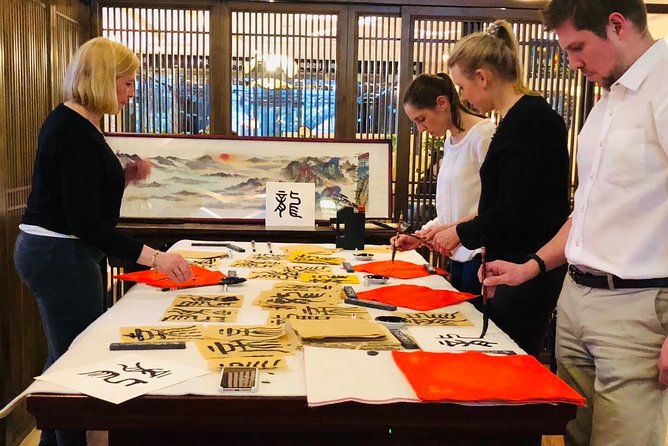
The class begins with an introduction to the basic materials. You learn about brushes, ink, rice paper, and ink stones, along with seal carvings and their place in Chinese calligraphy.
The supplies are provided, so you do not need to buy special equipment. This is important for first-time students. Calligraphy brushes behave differently from ordinary pens, and the amount of ink on the brush affects the line. Having the right tools lets you focus on the lesson rather than shopping for materials.
The teacher then explains how to handle the brush and make controlled strokes. You practice before creating a final piece. This practice time matters. Calligraphy looks simple when an experienced hand makes a mark, but controlling the brush is harder than it appears.
The class feedback describes plenty of early practice before the final work. That suggests a useful teaching approach: you get room to make mistakes, adjust your technique, and try again before putting your best effort on a finished sheet.
The teacher is available for questions throughout the session. Richard is praised for clear, kind instruction, while Li is described as practiced and effective at helping students accomplish a lot in a short time. The available feedback also points to a light-hearted class that can settle into a quiet, focused mood.
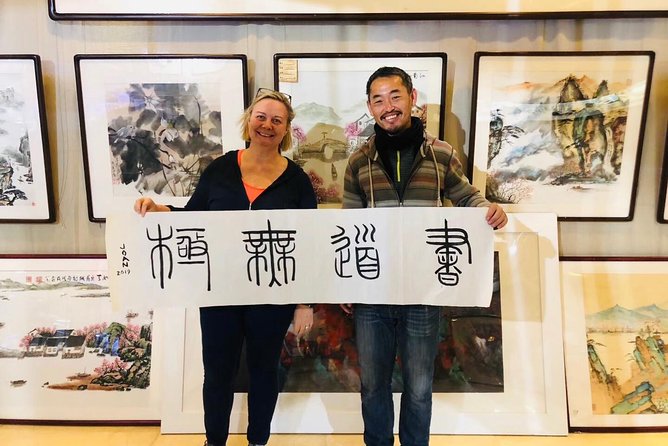
At the end, you create a final piece to take home. It may not look like the work of a master, and that is part of the appeal. The finished sheet records your first attempt and gives you a personal souvenir rather than a factory-made object.
The tools that give the class its character
The materials are not decoration. Each one changes the way you work.
A Chinese brush holds and releases ink in a way that a ballpoint pen cannot. You must pay attention to the angle of the brush, the amount of pressure, and the speed of your hand. The result is a line with variation and movement.
Rice paper is also less forgiving than ordinary writing paper. Ink can spread quickly, so hesitation may create a different mark than intended. That is frustrating at first, but it helps explain why calligraphy requires both control and confidence.
Ink stones are traditionally used with solid ink, and seals add another layer to the finished work. The class introduces these elements so you see calligraphy as more than a lesson in copying characters. It is a complete art form with tools and methods of its own.
I like this hands-on focus because it makes the culture easier to remember. You may forget a short explanation about brush types, but you are less likely to forget the feeling of a brush suddenly releasing too much ink onto rice paper.
Same country, a completely different kind of day:
- From Beijing: Mutianyu Great Wall Tours with Options
★ 4.9 · 9,216 reviews - Beijing: Forbidden City Tour(Group/Private)-Tickets Included
★ 4.8 · 7,974 reviews - Beijing: T-Square & Forbidden City Group or Private Tour
★ 4.8 · 4,446 reviews - Beijing: Mutianyu Great Wall Daily Tour with Ticket & Lunch
★ 5.0 · 3,056 reviews
Choosing between 30 minutes, 1 hour, and 1.5 hours
The booking options include 30-minute, 1-hour, and 1.5-hour classes. Choose based on how much time you want with the tools, not just on the price difference.
The 30-minute option suits a tight schedule or a family with young children. It gives you a quick introduction and a taste of the technique. The tradeoff is less time for repeated practice and cultural explanation.
The 1-hour class is the sensible middle choice for most people. You have enough time to learn the basic ideas, try the brush, ask questions, and produce a final piece. If this is your first calligraphy class, I would choose this option unless your Beijing schedule is unusually crowded.
The 1.5-hour session makes more sense for adults with a serious interest in Chinese art or for anyone who prefers a slower pace. Extra time can make the process less rushed. You have more room to repeat difficult strokes and absorb the explanations about characters, seals, and traditional materials.
Check the exact duration selected at booking. The general tour timing is listed as about one hour, but the available class choices include all three lengths.
A calm activity for families and couples
The class is suitable for adults and children. Children must be accompanied by an adult, so this is a shared activity rather than a drop-off lesson.
Families may appreciate the clear physical goal. A child can see the brush make a mark and work toward a final sheet. The task is quiet but active, and it offers a break from sightseeing that does not depend on fluent Chinese.
Couples and friends can also enjoy the class because each person produces a separate piece. You can compare results without needing artistic experience. The class feedback includes a couple who found they learned a lot together in a short time.
This is not a loud or fast entertainment activity. If your group wants constant action, it may feel too slow. If you need an hour to settle down, concentrate, and make something by hand, it fits well.
What the class teaches about Chinese culture
The best part of the lesson is the link between the physical act of writing and the ideas behind the characters. The teacher explains the deeper meaning of the words you write, giving the activity more weight than simple penmanship practice.
Calligraphy has long been valued as an expression of character, discipline, and personal style. The brush records the movement of the hand, so two people copying the same character may produce different results. The difference is not an error to erase. It is part of the art.
You may also gain a better understanding of why calligraphy appears so often in Chinese homes, temples, museums, and public spaces. The written character can carry both meaning and visual balance.
The lesson will not turn you into a calligrapher in one sitting. It does give you a way to look more closely at Chinese writing and to recognize the patience behind a polished piece.
Price, group size, and overall value
The listed price is $20 per person. For a central Beijing activity that includes instruction and all calligraphy supplies, that is a reasonable cost, especially if you choose the one-hour option and complete a piece to take home.
The value comes from participation. You are not paying only to sit in a room and hear a talk. You receive guidance from an art teacher, use traditional materials, practice several techniques, and learn about cultural details such as ink stones and seal carvings.
Group discounts may make the class more attractive for families, friends, or organized groups. The maximum group size is 15 people. That is not a private lesson, but it limits the class to a manageable number and allows for a shared atmosphere.
A larger group can mean less individual attention at busy times. If detailed correction from the teacher is your main goal, ask about the session arrangement when booking. For a general introduction, the stated group limit should keep the experience workable.
How it fits into a Beijing itinerary
The class takes place in Dongcheng District, making it easy to combine with other central activities. Since the meeting point is at the Hilton Beijing Wangfujing and the class ends there, you do not need to arrange a separate return transfer.
Its short length is one of its strengths. You can place it between major sights, use it on a free afternoon, or book it as an indoor plan when rain interrupts outdoor sightseeing. Several daily start times add to that flexibility.
Do not treat the class as a substitute for a full cultural tour. It focuses on calligraphy and related tools, not a broad survey of Beijing. Its value is narrower and more personal: you learn one traditional art by trying it yourself.
The location is near public transportation, but the information provided does not specify a hotel pickup service. Plan to reach the Wangfujing meeting point independently.
Who should book this calligraphy class
I would recommend it to you if you enjoy small cultural activities with direct participation. It is especially suitable for:
- First-time visitors who want an experience beyond major monuments
- Families looking for a child-friendly indoor activity
- Couples or friends who want a shared souvenir
- Art lovers curious about brush technique and traditional materials
- Mandarin students who want to connect characters with their visual form
- Anyone needing a quiet change of pace during a busy Beijing itinerary
You may want to skip it if you dislike guided instruction, have no interest in making art, or want a long historical tour. The class is short and focused. It offers a taste, not a full professional course.
The strongest reason to book is the chance to feel how Chinese writing works under your own hand. The calm mood, clear instruction, and final piece make the hour more memorable than a standard craft demonstration.
Practical details before you go
Confirmation is provided at booking, and you can use a mobile ticket. The meeting point is Hilton Beijing Wangfujing at No. 8 Wangfujing Dongjie, Dongcheng District.
Children must be accompanied by an adult. Most people can participate, and the venue is near public transportation. The maximum group size is 15 people, and group discounts are available.
The cancellation policy is generous if your plans change early. You can receive a full refund by canceling at least 24 hours before the local start time. Cancellations or changes made less than 24 hours ahead are not accepted for a refund.
Should you book the Noon Calligraphy Class?
Book it if you want a low-cost, central Beijing activity that combines culture, creativity, and a little quiet time. The $20 price is fair because supplies and instruction are included, and you leave with a piece made during the class.
Choose the one-hour session for the best balance. Pick 30 minutes only if your schedule is tight, and choose 1.5 hours if you want more practice and a slower introduction.
This class will not give you mastery. It will give you a better feel for the discipline behind Chinese characters, a chance to ask questions, and a personal reminder of your time in Beijing. For many people, that is exactly the right size cultural experience.
FAQ
Where does the calligraphy class meet?
The class meets at Hilton Beijing Wangfujing, No. 8 Wangfujing Dongjie, Dongcheng District, Beijing, China. The Chinese address is 北京东城区王府井东街8号.
How long does the class last?
You can choose a 30-minute, 1-hour, or 1.5-hour class when booking. The general experience is listed as approximately one hour.
Are calligraphy supplies included?
Yes. Calligraphy supplies are provided for use during the class.
Who teaches the class?
The activity is led by an art teacher who answers questions and explains the tools and techniques. Class feedback names Richard and Li as instructors.
Can children join the class?
Yes. Children can participate, but they must be accompanied by an adult.
Can I cancel for a full refund?
Yes, if you cancel at least 24 hours before the experience start time. Cancellations or changes made less than 24 hours before the local start time are not accepted for a refund.
Just added around Beijing
- Private Transfer to Mutianyu Great Wall with professional driver★ 5.0 · 19 reviews
- camp on the Great Wall overnight with sunrise and sunset on the wall★ 5.0 · 11 reviews
- One day tour to downtown Tianjin from Beijing by high speed train★ 5.0 · 3 reviews
- BusDa:Ancient Great Wall &Badaling Great Wall Full-day Bus Tour★ 4.5 · 6 reviews
- ZANBUS: Trip to the Jinshanling Great Wall Departing at 7:30 AM★ 5.0 · 5 reviews
- Yuxiandu Chinese Royal Cuisine Museum with Show and Royal Banquet★ 5.0 · 4 reviews
- Wild Great Wall Huanghuacheng Half Day Tour★ 5.0 · 15 reviews
- Wild Great Wall Hikes★ 5.0 · 10 reviews
Workshops, compared.

Half-Day Chengdu Cooking Class with a Local Market Visit
Read our review →
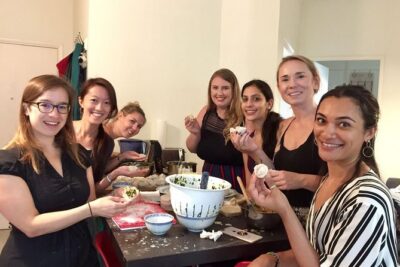
Organic Chinese Dumpling Class with Market Walk
Read our review →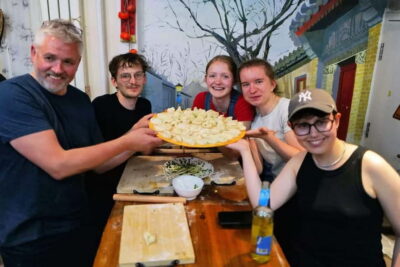
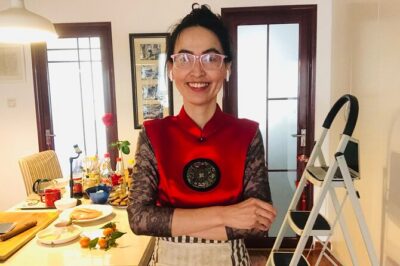
Online Cooking Class Beijing Dumplings and Cuisine by Sunflowerli Renowned Chef
Read our review →
Organic Xiao Long Bao Soup Dumpling Class & Market Walk
Read our review →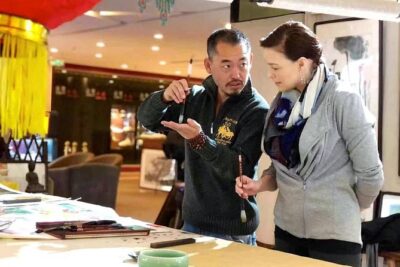
Beijing Wangfujing Calligraphy Class by Forbidden City
Read our review →Browse the lists this tour appears in