
Reviewed · MUSEUMS
Beijing: Prince Kung’s Palace Museum Ticket—Must-See Spot
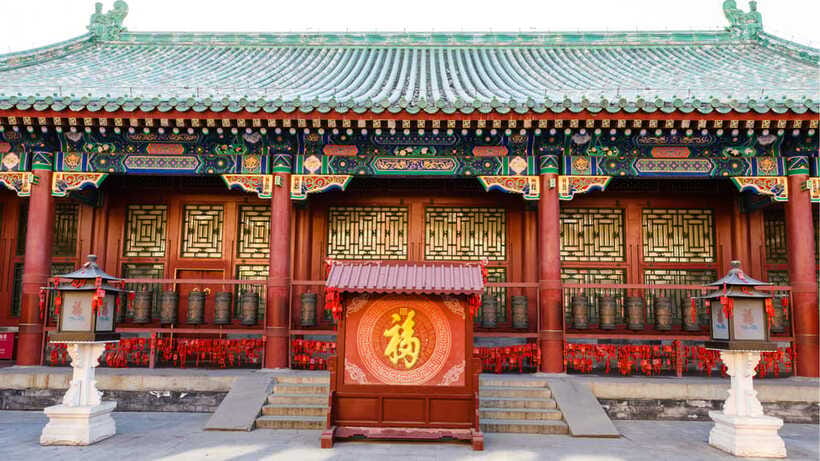
Prince Kung’s Palace gives you a close look at how Qing Dynasty power looked behind courtyard walls. This former residence of He Shen, a powerful minister under Emperor Qianlong, combines ornate halls, pavilions, rockeries, water features, and quiet garden paths in one manageable visit. I like the smaller scale compared with the Forbidden City and the chance to see refined domestic spaces rather than only grand imperial ceremony. I also like the self-guided freedom, since you can linger over architecture and photographs without keeping pace with a group.
The main consideration is timing. By late morning and especially in the afternoon, the palace can become crowded enough to make the narrower rooms and garden paths less enjoyable. The English PDF guide adds useful context, but you should not expect a live guide or audio commentary.
Key points to know before you go
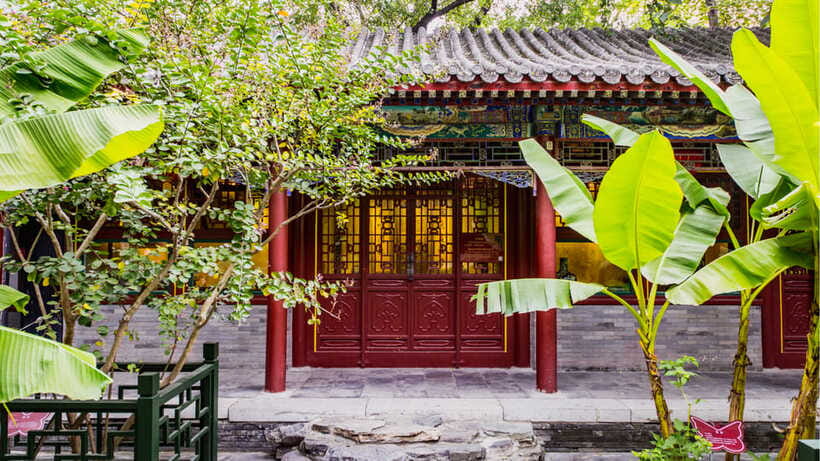
- Former home of He Shen: See the mansion built for one of the most influential and controversial officials of the Qianlong era.
- A compact alternative to the Forbidden City: You can explore grand halls and gardens without the same exhausting scale.
- Arrive early: The palace becomes much harder to appreciate after about 11:00, with afternoon crowds especially noticeable.
- English PDF guide included: Use it to identify key halls, garden features, artifacts, and details that are easy to pass by.
- Shichahai makes a good approach: The walk from Shichahai Metro Station passes scenic old Beijing streets and can include the Drum Tower.
- Evening entertainment may be available: A light show and cultural performance are promoted as part of the experience, but confirm the current schedule and access when booking.
Why Prince Kung’s Palace deserves a place on your Beijing plan
Beijing has no shortage of imperial sights, but Prince Kung’s Palace offers a different kind of historical visit. The Forbidden City shows the formal center of imperial rule. This palace lets you picture the private world of a Qing prince and the wealthy official who lived here before him.
The residence is often described as half of Qing Dynasty history, a dramatic phrase, but it points to something useful. The site connects court politics, elite architecture, household life, garden design, and the rise and fall of a major official. You are not simply walking through a collection of old buildings. You are following the remains of a powerful household and the social system that supported it.
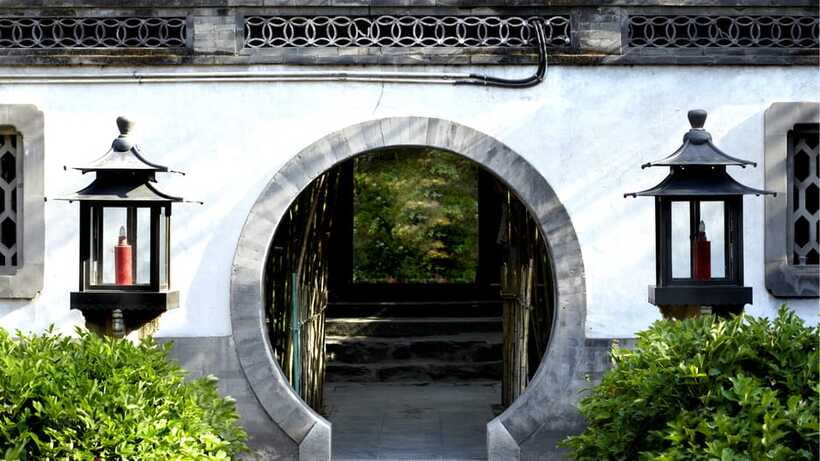
I especially like the balance between built space and garden space. One moment you are looking at formal halls with carefully arranged roofs and details. The next, you are moving past rockeries, pavilions, and water features designed according to traditional Chinese feng shui ideas.
The palace also works well for a first visit to Beijing. It is substantial enough to feel worthwhile, yet smaller and easier to navigate than the Forbidden City. Plan for at least two hours if you want to read the guide, inspect the rooms, and walk the gardens without rushing.
A few more Beijing trips to weigh up
- Beijing: Tianmen Square, Forbidden City & Royal Museum Tours
★ 4.6 · 1,288 reviews - Beijing:Jingshan Park (Palace Museum Garden) Ticket
★ 4.5 · 185 reviews - Beijing Half Day: National Museum of China In-depth Tour with Subway Transfer
★ 5.0 · 70 reviews
Entering the former residence of He Shen
The palace was built in the late 18th century and first served as the lavish home of He Shen, a leading minister during the reign of Emperor Qianlong. His wealth and influence shaped the scale and quality of the residence, so the architecture gives you a visual clue to his position at court.
As you move from courtyard to courtyard, pay attention to the change between public and private areas. Formal halls were designed to impress and to host important activity. Smaller rooms and residential sections give a more personal sense of how an elite Qing household might have functioned.
The ticket is aimed at visitors who want to explore independently. You receive entry to the Prince Kung’s Palace Museum and an English PDF guidebook. That guide can help you identify the important halls, garden features, and artifacts, which matters because many details are easy to overlook when you are simply following the crowd.
There is no live guide included. There is no audio guide either. I would treat the PDF as a helpful companion rather than a full substitute for an expert historian. If you enjoy setting your own pace, that is a fair trade. If you want stories delivered at every stop, you may find the visit less satisfying.
Reading the architecture through courtyards and halls
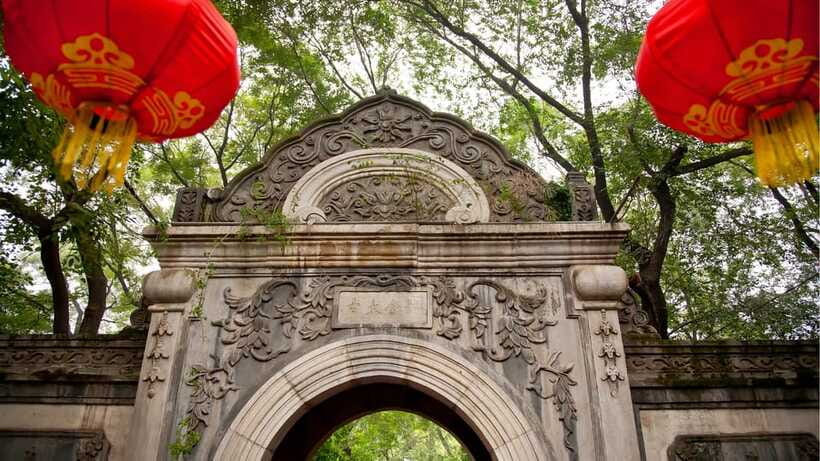
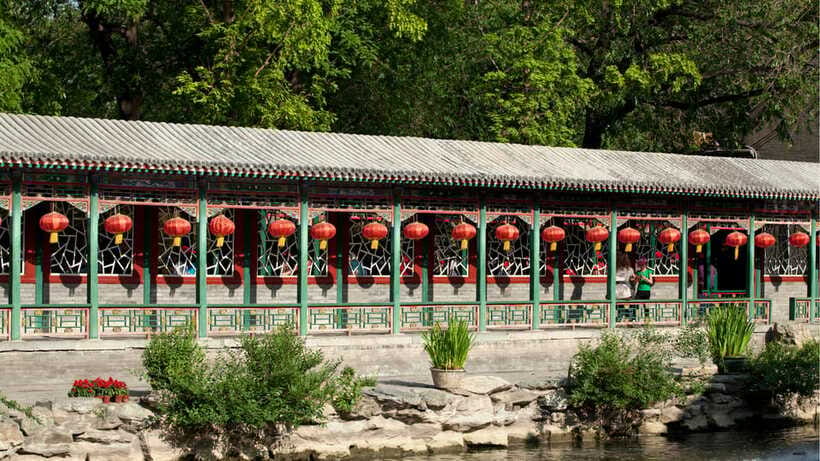
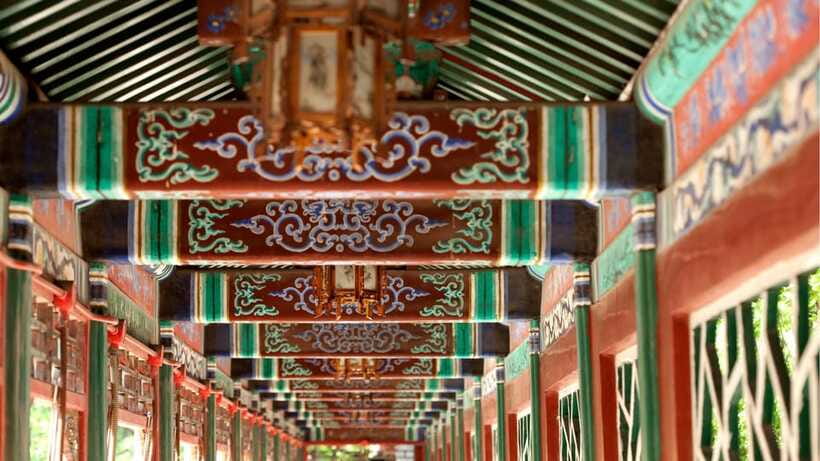
The palace’s appeal comes from its variety. Qing-era architecture is not reduced here to one giant ceremonial building. You see a sequence of halls, covered corridors, courtyards, pavilions, and garden structures, each with a different visual role.
The halls show the formality of elite life. Their arrangement, decoration, and position within the grounds reflect rank and ceremony. Look up and around rather than walking straight through. Rooflines, carved details, doorways, and the relationship between one building and the next help explain how the compound was organized.
The courtyards create pauses between the larger buildings. They also make the palace easier to handle than the Forbidden City. You can stop to study a doorway or take photographs without feeling that you still have miles of imperial buildings ahead of you.
The PDF guide is most useful here. Use it before entering each section, then compare its notes with what you see. A self-guided visit rewards curiosity, but only if you slow down. The people who hurry from hall to hall will see the outline of the palace. You can get much more from it by noticing how each space controls movement and attention.
The gardens, rockeries, and quieter corners
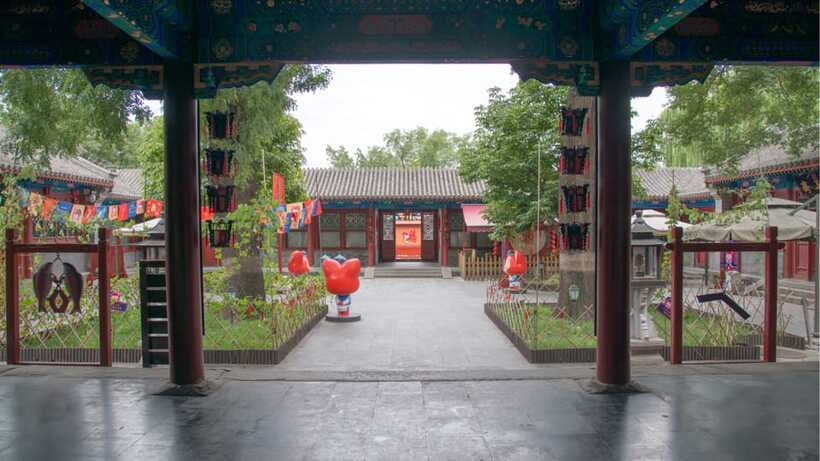
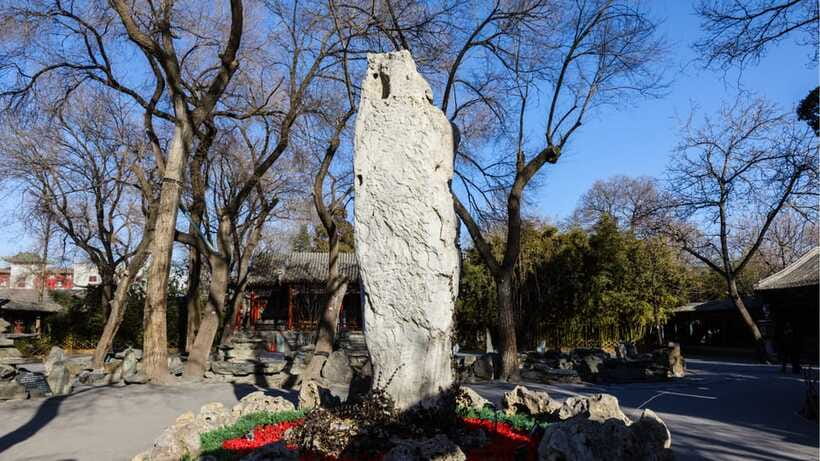
The gardens are the part I would protect the most time for. They soften the formal mood of the residence and offer a calmer view of Qing elite taste. Rockeries, water features, pavilions, and winding routes create a deliberate contrast with the straight lines and official order of the halls.
Traditional Chinese garden design often makes a small space feel larger than it is. Here, the placement of rocks, water, walls, and framed views gives you changing scenes as you walk. The garden is not just a pleasant break after the buildings. It is part of the palace’s cultural story.
Photographers should bring patience. The best image may not be the broad view of a pavilion. It may be a framed doorway, a roof detail, a reflection in the water, or the way a corridor opens toward a rockery. The experience is particularly good for people who like architectural details and composed views more than fast sightseeing.
A practical warning: garden paths and courtyards can feel crowded once the day gets busy. Arriving early gives you more room to stop, and it makes the garden feel more peaceful. After about 11:00, expect more people moving through the same attractive spots.
Same country, a completely different kind of day:
- From Beijing: Mutianyu Great Wall Tours with Options
★ 4.9 · 9,216 reviews - Beijing: Forbidden City Tour(Group/Private)-Tickets Included
★ 4.8 · 7,974 reviews - Beijing: T-Square & Forbidden City Group or Private Tour
★ 4.8 · 4,446 reviews - Beijing: Mutianyu Great Wall Daily Tour with Ticket & Lunch
★ 5.0 · 3,056 reviews
A smaller, easier visit than the Forbidden City
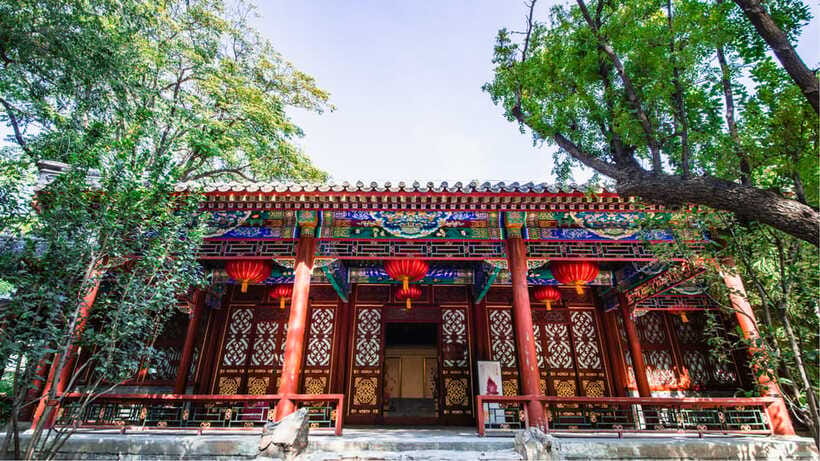
Many visitors pair Prince Kung’s Palace with the Forbidden City. That can work, but the order and timing matter. The palace is less tiring because it is smaller and easier to navigate, while the Forbidden City demands more walking and attention over a much larger area.
If you visit both on the same day, you may find the palace a more comfortable first stop. It gives you a focused introduction to Qing architecture before the grander imperial complex. On the other hand, the palace is not a replacement for the Forbidden City. It offers a residence and garden experience, not the full ceremonial and political center of the empire.
I would allow a minimum of two hours here. Add more time if you plan to read the guide closely, take photographs, or explore every garden section. The stated duration is one day because your ticket is valid for a flexible day visit, not because you need to spend all day inside.
The site can also fit neatly into a broader outing. It is within walking distance of other attractions in the surrounding area, and the route from Shichahai Metro Station can be scenic. That approach may let you see more of old Beijing, including the Drum Tower, rather than treating the palace as an isolated stop.
Making the most of the self-guided format
A self-guided visit works best when you prepare before entering. Download or save the English PDF guidebook where you can open it easily. Then decide whether you want a history-first visit, a photography-first visit, or a relaxed combination of both.
For a history-focused visit, begin with He Shen and the palace’s Qing Dynasty setting. The residence becomes more interesting when you understand that its scale was tied to power, wealth, and court position.
For an architecture-focused visit, compare the formal halls with the garden structures. Notice how the compound changes from ordered courtyards to more enclosed and irregular garden scenes.
For photography, arrive early and move slowly. Crowds make it harder to photograph narrow passages and popular garden features. The palace’s smaller scale helps here, since you can return to a courtyard or pavilion without losing your sense of direction.
The lack of a live guide also gives you privacy and control. You can skip sections that do not interest you and spend extra time on artifacts or decorative details. The tradeoff is that the PDF cannot answer questions or adjust its explanation to your interests.
Timing, crowds, and the best time to visit
Early morning is the clearest practical advice for this attraction. A verified booking from September specifically warned that the palace becomes overcrowded after 11:00, and another detailed visit found the afternoon more crowded. That pattern makes sense for a popular Beijing sight near other attractions.
An early start also improves the gardens. You have a better chance of finding quiet moments around the rockeries and water features, and you can examine the halls before visitor traffic fills the courtyards.
If morning is impossible, do not abandon the plan. You can still enjoy the architecture, but lower your expectations for calm photography and unhurried movement. A self-guided visit is easier to adapt than a fixed group tour, so you can pause when a room clears or move to a less crowded section.
The promotion also highlights a light show and cultural performance. These may appeal if you want an evening cultural element, but the core ticket details clearly include museum entry and the English PDF guide, not a guaranteed live performance. Check the current schedule and whether a separate arrangement is required before building your evening around it.
What the $20 ticket is worth
At $20 per person, this is not the cheapest casual stop in Beijing, but the value is reasonable if you care about architecture, Qing history, gardens, or photography. You are paying for access to a large historic residence with preserved halls, artifacts, and garden areas, plus the convenience of skip-the-ticket-line entry.
The price makes less sense if you only want a quick exterior photograph. The palace rewards time inside, and you should plan to spend at least two hours to see why it matters.
Compared with the effort required for the Forbidden City, Prince Kung’s Palace offers a more contained experience. You can see a lot without committing to a full-day physical workout. That makes the ticket a useful choice for an itinerary already packed with Beijing’s major sights.
The English PDF adds some value for independent visitors, especially if you have not studied Qing architecture. Still, remember what you are buying. This is an entry ticket with written guidance, not a private tour or a fully narrated cultural performance.
Free cancellation up to 24 hours before the visit and the reserve-now, pay-later option make it easier to fit into a changing Beijing schedule. Bring your passport or ID card, since identification is listed as necessary for entry.
Who will enjoy this palace most
I would recommend Prince Kung’s Palace to several kinds of visitors:
- History and culture enthusiasts who want more than a quick look at imperial buildings.
- Photographers who enjoy courtyards, rooflines, pavilions, rockeries, and water features.
- Independent sightseers who prefer a flexible route and their own pace.
- First-time Beijing visitors who want a manageable Qing-era site alongside the Forbidden City.
- Visitors staying near Shichahai who can combine the palace with a walk toward the Drum Tower and nearby sights.
I would be more cautious if you need detailed spoken explanations at every stop. The English PDF is useful, but there is no live tour guide and no audio guide included.
Families and mixed-interest groups may appreciate the shorter walking demands compared with the Forbidden City, though the appeal still depends on an interest in buildings, gardens, and history. If your main goal is shopping, nightlife, or modern Beijing, this may not be the best use of your limited time.
A practical route for your visit
Start with the main residence areas and use the PDF to understand the setting before moving quickly into the gardens. Give the formal halls enough attention to see the connection between design and status.
Next, follow the corridors and courtyard sequence at an unhurried pace. Look for changes in scale and mood. The compound becomes easier to understand when you see it as a series of connected spaces rather than one museum building.
Save generous time for the gardens. Stop at the pavilions, study the rockeries, and look for water features and framed views. This is where the palace feels most different from the Forbidden City.
Before leaving, revisit any hall or garden scene you skipped earlier. The self-guided format allows this, and the site is compact enough that you should not lose your bearings. If you are visiting later in the day, use quieter corners as a break from the busier central paths.
Should you book Prince Kung’s Palace?
Book this experience if you want a focused look at Qing Dynasty residence life, attractive gardens, and traditional Chinese architectural design without the scale and fatigue of the Forbidden City. The $20 price is fair for the setting, skip-the-line entry, and English PDF, especially when you plan to stay for two hours or more.
Choose an early visit. That single decision will do more for your experience than any extra planning. The palace is most rewarding when you can study the halls, take photographs, and walk the gardens without being pushed along by afternoon crowds.
Skip it if you want a live historian, an included audio tour, or a guaranteed evening performance. For everyone else, Prince Kung’s Palace is a sensible and culturally worthwhile addition to a Beijing itinerary, particularly when combined with Shichahai and the Drum Tower.
FAQ
Where is Prince Kung’s Palace Museum located?
It is in Beijing, in northern China. The palace is within walking distance of other attractions, and you can reach it from Shichahai Metro Station by a scenic route that can also include the Drum Tower.
How long should I spend at the palace?
Allow at least two hours for the halls, courtyards, gardens, artifacts, and the English PDF guide. The ticket is described as a one-day visit, so you have flexibility in how long you stay.
Is an English guide included?
Yes. The ticket includes an English PDF guidebook. It does not include a live tour guide or an audio guide.
Does the ticket let me skip the ticket line?
Yes. Skip-the-ticket-line entry is included with the activity.
What should I bring?
Bring your passport or ID card. Identification is listed as necessary for the visit.
Can I cancel the booking?
You can cancel up to 24 hours in advance for a full refund. The reserve-now, pay-later option also lets you hold your place without paying immediately.
Is the light show or cultural performance included?
A light show and cultural performance are promoted as possible highlights, but the listed inclusions specify museum entry and an English PDF guidebook. Confirm the current schedule and access details before booking for those evening elements.
Just added around Beijing
- Private Transfer to Mutianyu Great Wall with professional driver★ 5.0 · 19 reviews
- camp on the Great Wall overnight with sunrise and sunset on the wall★ 5.0 · 11 reviews
- One day tour to downtown Tianjin from Beijing by high speed train★ 5.0 · 3 reviews
- BusDa:Ancient Great Wall &Badaling Great Wall Full-day Bus Tour★ 4.5 · 6 reviews
- ZANBUS: Trip to the Jinshanling Great Wall Departing at 7:30 AM★ 5.0 · 5 reviews
- Yuxiandu Chinese Royal Cuisine Museum with Show and Royal Banquet★ 5.0 · 4 reviews
- Private Wild Great Wall Hiking tour at Simatai (Challenging)★ 5.0 · 16 reviews
- Wild Great Wall Huanghuacheng Half Day Tour★ 5.0 · 15 reviews
Museums, compared.

Tianmen Square, Forbidden City & Royal Museum Tours
Read our review →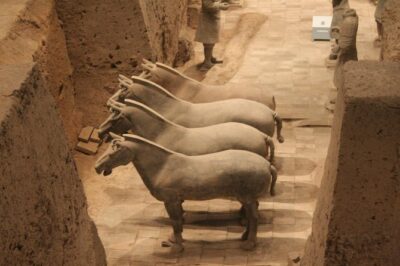
Half-Day Mini Group Xian Tour to Terracotta Warriors Museum
Read our review →
Beijing:Jingshan Park (Palace Museum Garden) Ticket
Read our review →
Private Chengdu Day Tour: Giant Pandas and Jinsha Site Museum
Read our review →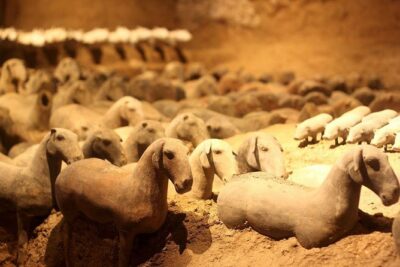
Private Xi’an Tour: Terracotta Warriors, Hanyangling Museum, Cave Homes
Read our review →
Beijing Half Day: National Museum of China In-depth Tour with Subway Transfer
Read our review →
Terracotta Warriors Museum Ticket with Professional English-speaking tour guide
Read our review →Browse the lists this tour appears in