
Reviewed · MUSEUMS
Beijing Half Day: National Museum of China In-depth Tour with Subway Transfer
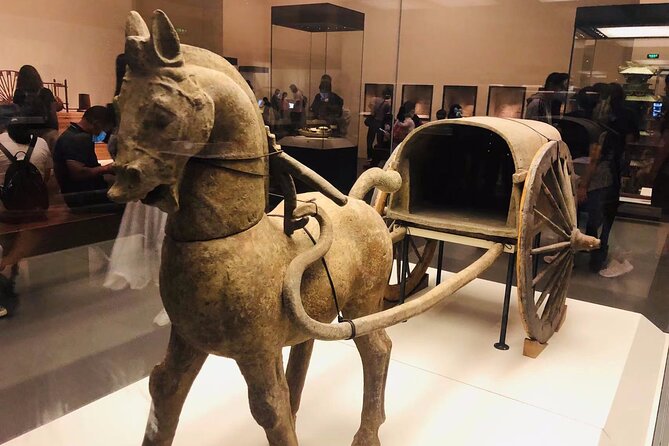
The best part of this four-hour tour is the way it turns a huge museum into a readable story. With a guide such as Mike or Cathy, you move from prehistoric pottery and jade dragons to imperial bronzes, Sanxingdui treasures, and Buddhist sculpture without getting lost in a maze of display cases.
I like the private format, which lets you ask questions and set the pace. I also like the practical ticket help, since securing National Museum admission can be difficult through the Chinese booking system. The main drawback is simple: four hours only covers a fraction of this enormous museum.
Key points to know before you book
- Ancient China is the main event: Spend about two hours tracing Chinese civilization from prehistoric times to the 1911 Revolution.
- The guide gives the objects a story: Mike, Cathy, William, Diana, Michael, and Herbie have all led tours, with strong praise for clear English and friendly explanations.
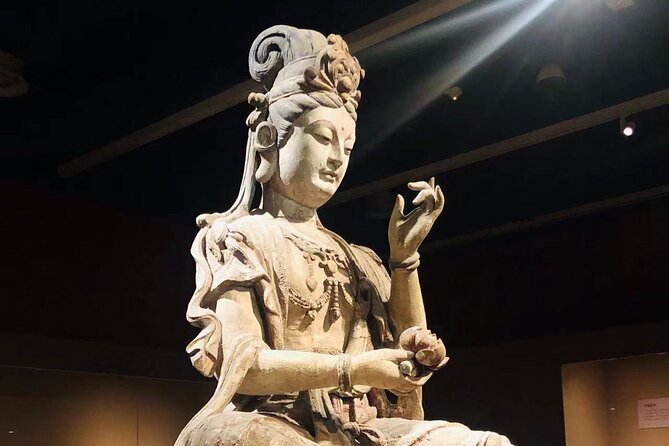
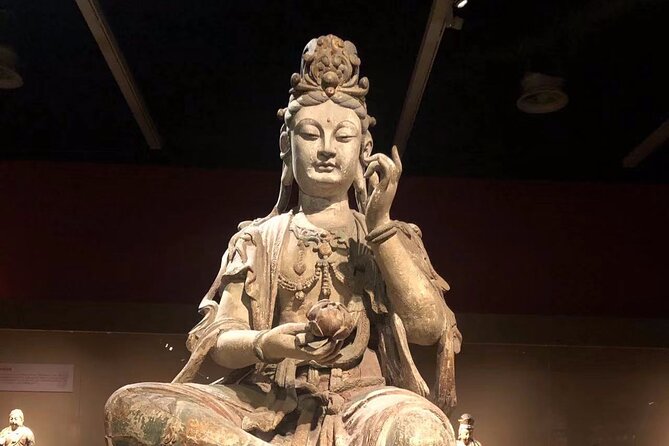
- Buddhist sculpture adds a second focus: Allow about an hour for Buddha figures, including a Song Dynasty painted wooden Guanyin.
- Hotel pickup keeps the morning easy: Meet your guide in your hotel lobby at 8:30 a.m. or 1 p.m.
- Ticket assistance has real value: The museum’s booking process can be tricky, and advance availability is limited.
- This is a private tour: Only your group takes part, with a single-way taxi transfer included.
Why the National Museum needs a guide
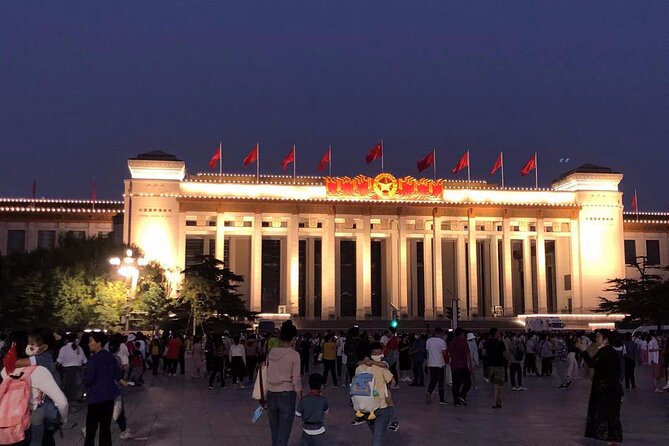
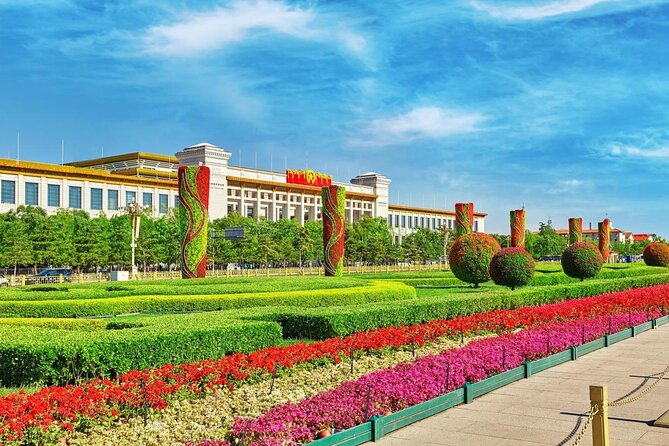
Beijing’s National Museum of China is not a small stop you can casually wander through in 45 minutes. Its collection contains more than 1.4 million relics, including nearly 6,000 objects classed as first-level cultural treasures.
That scale is both the attraction and the problem. You can see everything from prehistoric pottery to modern Chinese history, but without a plan, the visit may become a long march past labels. I like this tour because it gives you a clear route through the museum’s most important material instead of trying to cover every room.
Your guide meets you in your hotel lobby at either 8:30 a.m. or 1 p.m. From there, you travel to the museum by subway or taxi. The package includes a single-way taxi transfer, though the description also allows for subway travel, so confirm the exact transport plan when you book.
The private setup matters here. You are not tied to a large group waiting for every person to catch up. If a bronze vessel catches your eye, you can stop. If your children, partner, or friends have questions about Chinese religion, food, or archaeology, you can ask without holding up strangers.
A few more Beijing trips to weigh up
- Beijing:Mutianyu Great Wall Private Trip with English Driver
★ 5.0 · 1,263 reviews - Private Mutianyu Great Wall Trip with English-Speaking Driver
★ 5.0 · 927 reviews - Private Mutianyu Great Wall Trip With English-Speaking Driver
★ 5.0 · 899 reviews
Ancient China, from painted pottery to the 1911 Revolution
The Ancient China exhibition is the core of the visit, and it receives about two hours. This section takes you from a prehistoric period reaching back roughly two million years through the 1911 Revolution.
That is a huge span of time. A good guide helps you notice the changes rather than treating Chinese civilization as one long, unbroken block. Pottery, jade, ritual bronze, religious objects, and court artifacts each reveal a different period and a different way of organizing society.
Early painted pottery offers a useful starting point. Some vessels are decorated with designs whose meanings remain uncertain, a reminder that archaeology often gives you strong evidence but not every answer. You then move toward jade objects, including the famous Jade Dragon, an object linked with the early development of the dragon image in China.
The collection also includes an ancient refrigerator dating from about 2,000 years ago. That detail is especially useful because it makes old technology feel practical rather than remote. Ancient societies were not only producing ritual art and royal monuments. They were also solving everyday problems such as storing food.
The bronzes that make this visit worthwhile
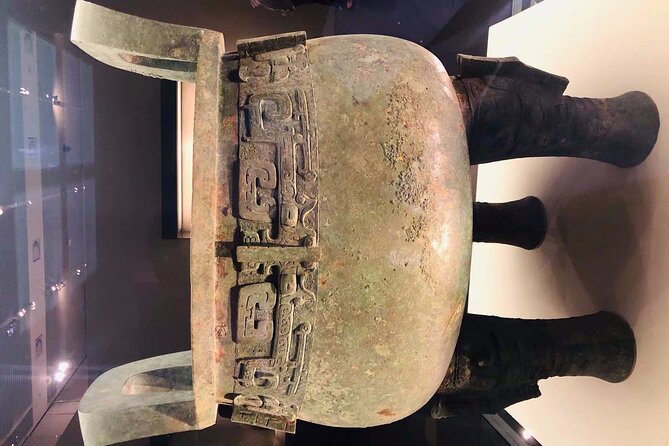
The National Museum’s bronze objects are among the major reasons to choose this tour. Chinese ritual bronzes were not just cooking or serving vessels. Their shape, decoration, and inscriptions could signal rank, political power, and religious purpose.
Your guide should point out the museum’s major treasures, including the Si Mu Wu Ding, unearthed in Henan Province in 1939. Its size and decoration make it an impressive object even before you know its story. With context, it becomes evidence of the skill, organization, and ceremony of ancient Chinese society.
The Siyang Fangzun is another highlight. Its four corners feature sheep heads with curling horns, giving the vessel a striking animal form. This is the kind of object that is easy to admire quickly but more rewarding when someone explains its ritual setting and artistic design.
I like this part of the tour because the guide can help you separate visual drama from historical importance. A large object may grab your attention, while a smaller inscribed piece may tell you more about government, belief, or social rank. That distinction is hard to make when you are moving alone through a crowded gallery.
Sanxingdui and the questions archaeology leaves behind
The Sanxingdui material adds a different mood to the Ancient China route. This civilization is known for unusual masks, faces, and ritual objects that look unlike the familiar imagery many people associate with early Chinese art.
The point is not simply to see strange-looking artifacts. Sanxingdui gives you a chance to think about how many different cultures contributed to early Chinese civilization. Your guide can explain what is known about the site and where uncertainty remains.
This is one place where a private guide earns the fee. Museum labels can tell you what an object is, but they may not explain why it matters or how it fits into the larger story. A guide can connect Sanxingdui to the broader development of ritual, art, and regional power.
The museum can become extremely crowded, especially around major exhibits. Mike is praised for finding workable routes around the crowds, and that kind of judgment matters. You may not avoid every busy room, but an experienced guide can help you spend more time looking and less time waiting behind a wall of people.
Same country, a completely different kind of day:
- From Beijing: Mutianyu Great Wall Tours with Options
★ 4.9 · 9,216 reviews - Beijing: Forbidden City Tour(Group/Private)-Tickets Included
★ 4.8 · 7,974 reviews - Beijing: T-Square & Forbidden City Group or Private Tour
★ 4.8 · 4,446 reviews - Beijing: Mutianyu Great Wall Daily Tour with Ticket & Lunch
★ 5.0 · 3,056 reviews
The Buddha gallery and the Song Dynasty Guanyin
After Ancient China, the tour spends about an hour with Buddhist sculpture. This gives you a useful change of pace after the long chronological march through archaeology and imperial history.
You can expect Buddha figures from different periods, with differences in posture, clothing, facial expression, and materials. These changes help show how Buddhist art developed in China rather than presenting it as one fixed style.
The most notable object in this section is a painted wooden statue of Guanyin from the Song Dynasty. Guanyin is associated with compassion, and the statue’s calm expression is a major part of its appeal. The work is often compared with the Mona Lisa because of its peaceful smile and carefully observed face.
That comparison should not lead you to expect an identical experience. The value of the sculpture comes from its own setting, materials, and religious meaning. A guide can help you look beyond the smile and notice the craftsmanship, paint, posture, and devotional purpose.
You may also see a food culture exhibition or other rooms, depending on the route and what is open. The schedule allows some flexibility, but this is not a full museum survey. The Ancient China collection and Buddhist sculpture receive the strongest attention.
What the guides add to the visit
The guide is the most important variable in a museum tour, and this experience has several named guides associated with it. Mike is praised for clear English, broad knowledge of Chinese history, and an entertaining style. Cathy is described as warm, energetic, easy to understand, and especially good at explaining culture and history in plain language.
William has led visits to both the National Museum and, when that museum was not possible, the Capital Museum. Diana has guided private visits with clear English and useful answers to questions. Michael and Herbie have also received strong comments for their friendly and helpful approach.
You cannot necessarily choose a particular guide unless the provider confirms it. Still, the repeated emphasis on clear English is important. Museum tours fail when the guide knows the material but explains it in a way that is hard to follow. Here, the available guide descriptions suggest a more conversational style.
I also like that the guides do not appear limited to memorized dates. Mike, for example, has been praised for discussing both Chinese history and contemporary China. Cathy has helped visitors understand culture as well as objects. That wider context can make the museum feel connected to present-day China rather than sealed inside the past.
One practical detail is worth noting: Cathy has helped arrange a taxi back to a hotel after a tour and checked that the return went smoothly. The package formally includes hotel pickup and a single-way taxi transfer, so do not assume a return vehicle is included. Ask if you need help getting back.
Crowds, timing, and the four-hour limit
You should plan on the museum being busy. The building has many rooms and permanent collections, and major exhibitions can attract heavy foot traffic. A guide who knows the building can adjust the route, but no guide can make a large national museum feel empty.
The morning and afternoon start times give you a useful choice. The 8:30 a.m. option leaves more of the day available afterward. The 1 p.m. option may suit you better if you prefer a slower morning or have another Beijing activity planned later.
Four hours is a sensible length for a focused first visit. Two hours in Ancient China and one hour with Buddhist sculpture leave roughly an hour for transport, entry, orientation, other rooms, and questions. You will not see all 1.4 million objects, and you should not expect to.
That limitation is actually helpful. A shorter visit with a clear theme can be more satisfying than trying to race through every gallery. If you are a museum specialist or want to study modern Chinese art, this tour will probably feel too selective. If you want a strong introduction to Chinese civilization, the route makes good use of limited time.
Is the $114 price good value?
At $114 per person, this is not a bargain-priced museum entry. The price includes the National Museum ticket booking, hotel pickup, a professional English-speaking guide, and a single-way taxi transfer. The tour is private, so the cost also buys time and attention for your own group.
The value depends on how difficult it would be for you to arrange admission independently. National Museum tickets can be hard to secure, with availability opening only seven days ahead through a Chinese-language booking system. One booking attempt was unable to obtain four tickets for the requested date and had to offer alternative dates.
That detail changes the price calculation. You are not simply paying for a ticket with an escort. You are paying for help getting through a difficult reservation process, plus an organized route through a very large museum.
I would consider the price worthwhile if you have only a few days in Beijing, do not read Chinese, or care about understanding what you see. It is less attractive if you are happy to spend a full day exploring independently and are confident handling the ticket system yourself.
Group discounts are available, so larger parties should check the final per-person rate. Gratuities are not included and are recommended, giving you the option to reward a guide who provides especially strong service.
Who should book this private museum tour?
I would suggest this experience to you if you want historical context but do not want a lecture filled with disconnected dates. It suits first-time visitors, couples, families, and small groups who prefer asking their own questions.
It is also a good fit if you have already visited Beijing’s headline sights and want to understand the country’s long past in one organized session. The route offers prehistoric objects, bronzes, jade, Sanxingdui material, Buddhist sculpture, and a glimpse of food culture.
You may want a different plan if modern Chinese history, contemporary art, or every museum gallery is your main goal. The tour focuses most strongly on Ancient China and Buddhist art, with only brief attention to other sections.
It may also be a poor match for anyone who dislikes indoor sightseeing or busy public institutions. The museum is large, and the visit involves sustained walking and standing, although the available information says most people can participate.
Booking and cancellation details
Confirmation is provided at the time of booking. The experience is private, meaning only your group participates.
You can cancel for a full refund up to 24 hours before the scheduled start time. Changes or cancellations made less than 24 hours before the start are not accepted for a refund, and the cut-off follows Beijing local time.
Because the museum’s ticket system can be difficult and preferred dates may not be available, I would not leave this booking until the last moment. The experience is booked, on average, 19 days in advance, which suggests that planning ahead is sensible.
Should you book the National Museum tour?
Book it if you want the National Museum to make sense, not just to occupy a few hours. The private guide and ticket assistance are the strongest reasons to choose it, especially if you have limited time or cannot easily manage the Chinese booking process.
The Ancient China route is the clear centerpiece. You will see major bronze vessels, jade, Sanxingdui objects, early pottery, and artifacts spanning an extraordinary period. The Buddha gallery, especially the Song Dynasty Guanyin, gives the visit a quieter artistic finish.
I would skip it only if you want a self-guided full-day museum visit or need a tour centered on modern art. For most first visits, $114 buys useful organization, a personal guide, and a better chance of getting through one of Beijing’s hardest museum reservations without wasting half a day.
FAQ
How long does the National Museum tour last?
The tour lasts approximately four hours. About two hours focus on the Ancient China exhibition, and about one hour is devoted to the Ancient Buddha Statue exhibition, with time also allowed for transport and other displays.
What time does the tour start?
You can meet your guide in your hotel lobby at 8:30 a.m. or 1 p.m. The exact option should be selected or confirmed when booking.
Is hotel pickup included?
Yes. Hotel pickup is included, with your guide meeting you in the hotel lobby.
Is transportation included?
A single-way taxi transfer is included. The tour information also says you may travel by subway or taxi to the museum, so confirm the exact transport arrangement with the provider.
Is this a private tour?
Yes. Only your group participates in the activity.
What is included in the price?
The price includes hotel pickup, a professional English-speaking guide, National Museum ticket booking, and a single-way taxi transfer. Gratuities are not included, but they are recommended.
Just added around Beijing
- Private Transfer to Mutianyu Great Wall with professional driver★ 5.0 · 19 reviews
- camp on the Great Wall overnight with sunrise and sunset on the wall★ 5.0 · 11 reviews
- One day tour to downtown Tianjin from Beijing by high speed train★ 5.0 · 3 reviews
- BusDa:Ancient Great Wall &Badaling Great Wall Full-day Bus Tour★ 4.5 · 6 reviews
- ZANBUS: Trip to the Jinshanling Great Wall Departing at 7:30 AM★ 5.0 · 5 reviews
- Yuxiandu Chinese Royal Cuisine Museum with Show and Royal Banquet★ 5.0 · 4 reviews
- Private Wild Great Wall Hiking tour at Simatai (Challenging)★ 5.0 · 16 reviews
- Wild Great Wall Huanghuacheng Half Day Tour★ 5.0 · 15 reviews
Museums, compared.

Tianmen Square, Forbidden City & Royal Museum Tours
Read our review →
Half-Day Mini Group Xian Tour to Terracotta Warriors Museum
Read our review →
Beijing:Jingshan Park (Palace Museum Garden) Ticket
Read our review →
Private Chengdu Day Tour: Giant Pandas and Jinsha Site Museum
Read our review →
Private Xi’an Tour: Terracotta Warriors, Hanyangling Museum, Cave Homes
Read our review →
Terracotta Warriors Museum Ticket with Professional English-speaking tour guide
Read our review →
Xi’an Full Day Sightseeing Tour – Shaanxi History Museum, Big Wild Goose Pagoda, Ancient City Wall
Read our review →Browse the lists this tour appears in