
Reviewed · MUSEUMS
Beijing: National Art Museum of China Entry Reservation
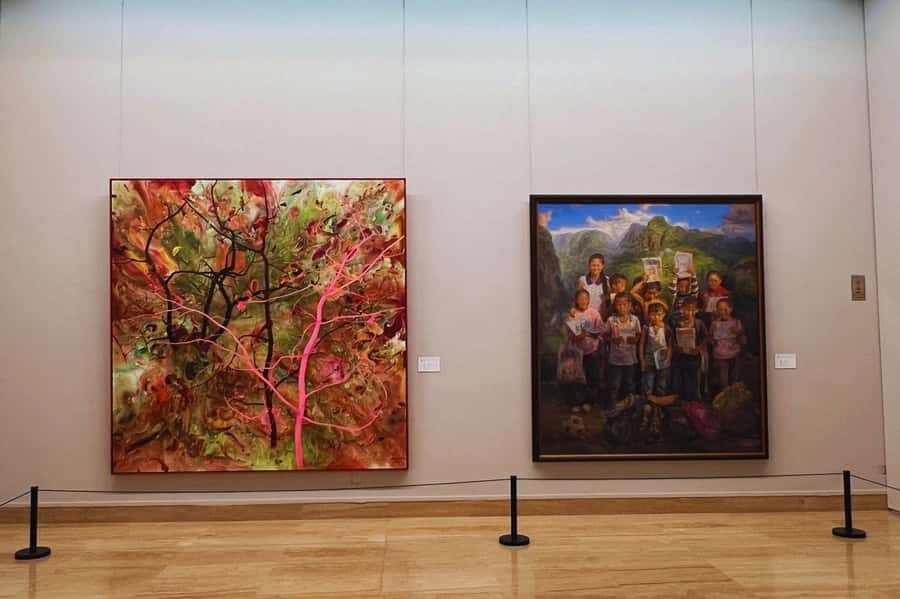
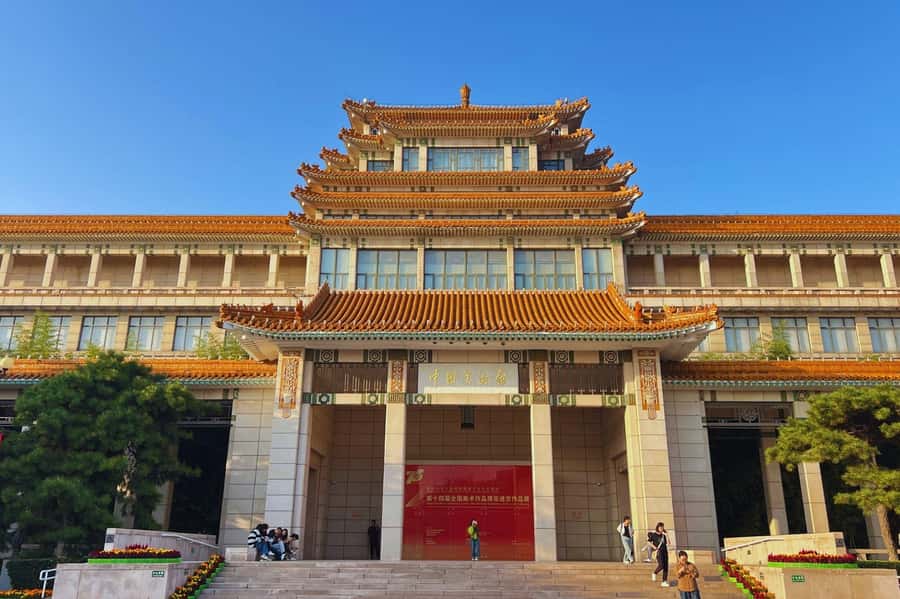
The National Art Museum of China gives you a clear look at China’s artistic story, from traditional ink painting and calligraphy to modern sculpture and contemporary work. With more than 100,000 pieces in its collection, this is a useful stop when you want culture without committing to a guided group.
I like the low $6 price and the freedom to set your own pace. I also like that the English textual and visual guide helps you make more sense of the displays. The main consideration is that this is an entry reservation, not a guided tour, so you should be comfortable exploring independently.
Key points to know before you book
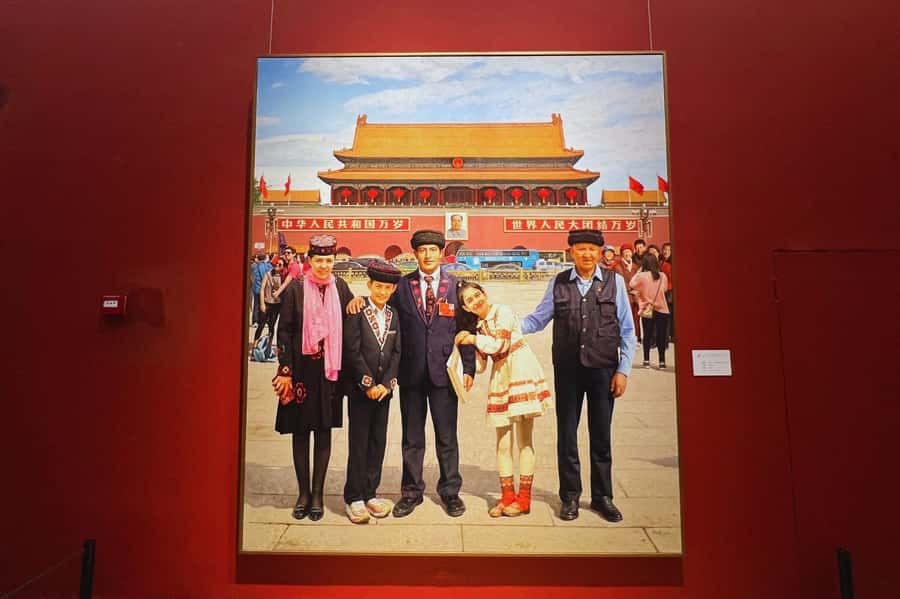
- More than 100,000 works: See traditional ink paintings, sculptures, calligraphy, and modern and contemporary Chinese art.
- Two hours is a sensible visit: The suggested duration gives you time to see a good selection without turning the museum into an all-day task.
- English support is included: Use the English textual and visual guide as you move through the collection.
- Bring your passport or ID card: You need identification for entry and ticket redemption.
- Easy ticket-office redemption: The reservation can be redeemed at the ticket office, according to the available booking information.
- Flexible booking terms: You can cancel up to 24 hours in advance for a full refund and reserve now while paying later.
Why the National Art Museum of China is worth your time
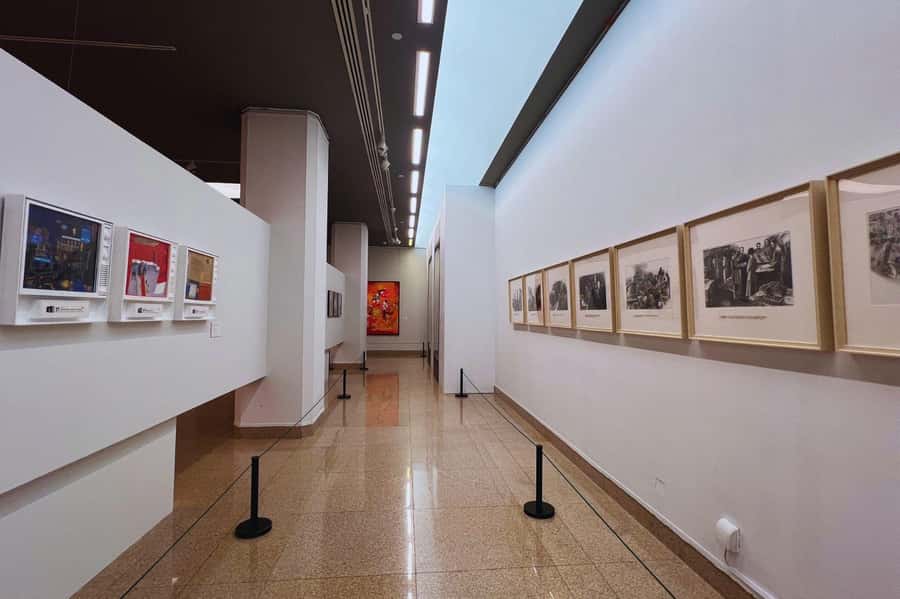
Beijing has no shortage of grand sights, but art can tell you things that monuments cannot. At the National Art Museum of China, you can see how artists have carried older Chinese traditions into modern and contemporary work.
The collection includes traditional ink painting, sculpture, calligraphy, and more. That mix matters. Chinese art is not limited to one style or one period, and the museum gives you a chance to compare familiar forms with newer approaches.
I especially like the way this visit can fill a gap in a Beijing sightseeing plan. You may already have seen imperial buildings, temples, or historic streets. Here, you get a different view of the country, one shaped by artists and changing ideas.
The museum also hosts special exhibitions and events. The exact displays can change, so the most useful approach is to arrive ready to see both the permanent collection and whatever temporary show is taking place during your visit.
A few more Beijing trips to weigh up
- Beijing: Tianmen Square, Forbidden City & Royal Museum Tours
★ 4.6 · 1,288 reviews - Beijing:Jingshan Park (Palace Museum Garden) Ticket
★ 4.5 · 185 reviews - Beijing Half Day: National Museum of China In-depth Tour with Subway Transfer
★ 5.0 · 70 reviews
What your two-hour visit looks like
Your booking provides entry reservation, rather than a scheduled guided walk through the museum. That gives you control over the pace. You can spend extra time with a painting that catches your eye, move quickly through a section that interests you less, or pause to read the English guide.
A two-hour visit works well as a focused museum stop. You should have time to explore a meaningful selection of rooms and still leave with energy for the rest of your day. You may find that the size of the collection makes it impossible to see everything in one visit, but that is not a problem. The goal is to choose well, not to race through every display.
Start by getting your bearings. Check the available textual and visual information, then decide which sections deserve the most attention. If a special exhibition is running, you may want to see that first while your attention is fresh.
The collection’s range gives your visit a natural rhythm. Traditional ink paintings may reward a slower look at brushwork and empty space. Calligraphy asks you to consider line, movement, and presentation. Sculptures give you a change of scale and texture. Modern and contemporary pieces may require more patience, since their meaning is not always obvious at first glance.
You do not need a background in art to enjoy this. I suggest asking simple questions as you go. What looks traditional? What feels new? How does the artist use space? What does the work suggest about the time in which it was made?
From ink painting to contemporary work
Traditional ink painting is one of the museum’s main draws. These works can look simple at first, but the combination of brush line, ink density, and open paper creates a very different visual language from Western oil painting.
Give yourself a little time with each piece. Instead of looking only for a clear subject, notice how the artist balances detail with blank space. The English guide can help you understand the work, but you can also appreciate the mood and technique before reading any explanation.
Calligraphy deserves similar attention. It is not simply writing placed on a wall. The form of the characters, the force of the brush, and the overall arrangement are part of the artwork. Even if you cannot read Chinese, you can still see the movement and control in the lines.
Sculpture offers a useful contrast. Three-dimensional works make you change position and think about shape from more than one angle. They also help break up a visit centered on framed art.
The modern and contemporary collection adds another layer. These works show artists responding to newer subjects, materials, and ideas. I cannot promise that every piece will appeal to you, but the contrast with traditional forms is exactly what makes the museum useful.
You may find some works immediately accessible and others harder to understand. That is normal. Use the guide for context, then trust your own response. A museum visit does not require you to like everything.
Using the English guide without losing your own pace
The included English textual and visual guide is important for anyone who does not read Chinese. It gives you a way to understand what you are seeing without needing to join a group or arrange a separate guide.
Use it selectively. Reading every line can turn a two-hour visit into a slow march, especially in a museum with a collection of more than 100,000 objects. I would first look at the artwork, then read the short explanation, and finally return to the piece with that context in mind.
Visual information can be particularly helpful with calligraphy and traditional painting. A short explanation of style, subject, or technique may help you notice details that would otherwise pass by.
The guide does not remove the need to make your own choices. Since there is no named personal guide included in the information provided, you should expect an independent museum experience supported by English material. That is a strength if you like freedom, but a limitation if you want a specialist explaining every room.
Same country, a completely different kind of day:
- From Beijing: Mutianyu Great Wall Tours with Options
★ 4.9 · 9,216 reviews - Beijing: Forbidden City Tour(Group/Private)-Tickets Included
★ 4.8 · 7,974 reviews - Beijing: T-Square & Forbidden City Group or Private Tour
★ 4.8 · 4,446 reviews - Beijing: Mutianyu Great Wall Daily Tour with Ticket & Lunch
★ 5.0 · 3,056 reviews
Entry, timing, and the ticket office
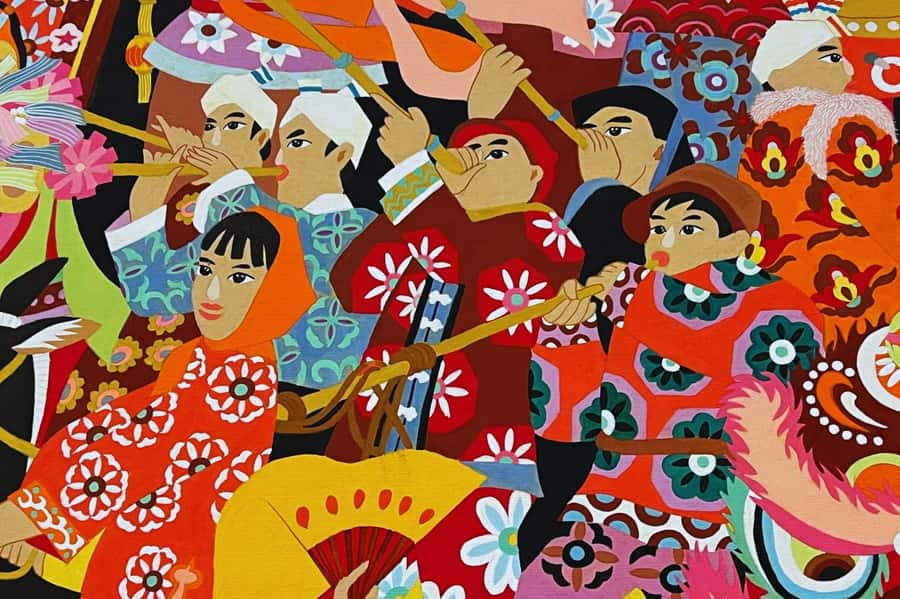
The activity is priced at $6 per person, which makes it one of the easier cultural additions to a Beijing itinerary. For that amount, you receive the entry reservation and English textual and visual guide. Other personal expenses are not included.
The booking information also says you can skip the ticket line. At the same time, the practical redemption detail is worth noting: the reservation is easy to redeem at the ticket office. You should not treat this as a promise that you will walk straight from the street into the galleries without any check. Allow a little time for entry and identification.
Bring your passport or ID card. This is not an optional extra, since it is specifically listed as something to bring. Having it ready should make the entry process easier.
The visit lasts about two hours, and you need to check availability for the starting times. Since the museum schedule and your other Beijing plans may not line up perfectly, the reserve-now-and-pay-later option is useful. You can hold your place without paying immediately, then keep your plans flexible.
Cancellation is allowed up to 24 hours in advance for a full refund. That gives you some protection if your schedule changes, but you still need to watch the deadline.
Who will enjoy this museum most
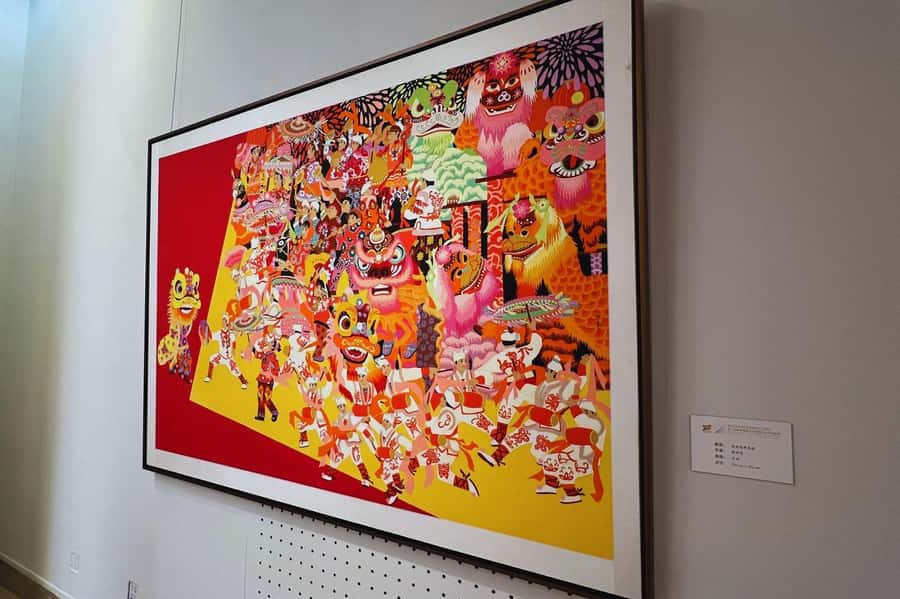
I would recommend this experience to anyone who wants a manageable introduction to Chinese art. It suits first-time visitors to Beijing, art lovers, and people who want a quieter cultural stop between larger city sights.
It also works well for independent explorers. You do not need to follow a group or keep up with a guide. You can spend ten minutes with a favorite piece or move on after a quick look.
The museum may be less suitable if you want a highly structured lesson. The booking does not include a live guide, and the information provided does not name a tour leader. You will need to use the English material and your own curiosity.
The activity is not suitable for children under two. It is wheelchair accessible, which makes it a practical choice for many people with limited mobility. Smoking is not allowed.
Families with older children may find the variety useful, since sculpture and contemporary art can offer a change from paintings. Still, the supplied information gives no child-specific program or family activity, so you should plan to guide younger children yourself.
The value of a short museum stop in Beijing
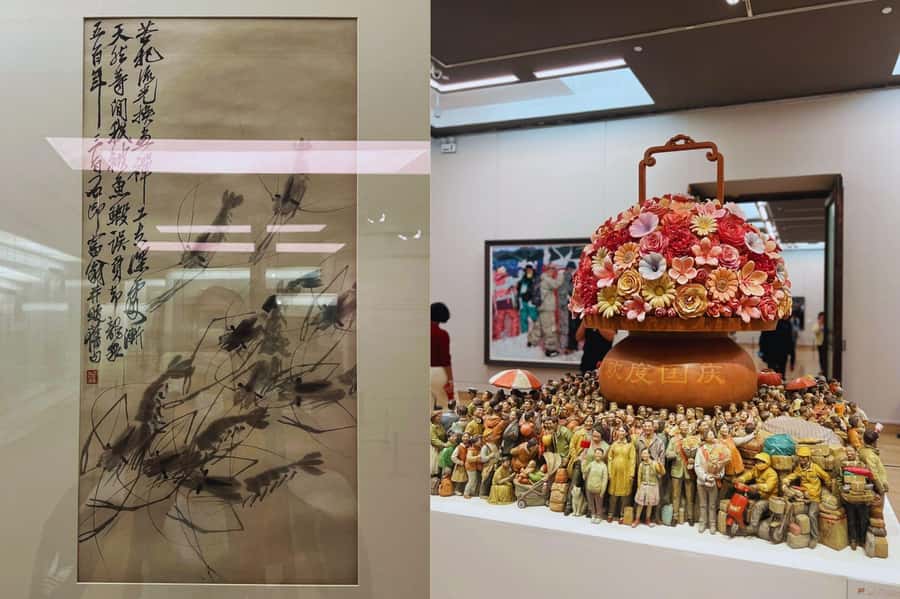
At $6, the value is strong if you want more than a quick photo stop. You are paying for access to one of China’s major art institutions and a collection that covers a wide span of styles.
The value is not only measured by how many galleries you see. The museum gives you a way to place Chinese art in context. Traditional ink painting and calligraphy connect the visit to older cultural practices, while modern and contemporary works show how artists have responded to change.
The low cost also makes it easier to accept an imperfect visit. If you are tired after two hours, you have still had a worthwhile look without spending a large part of your sightseeing budget. If a special exhibition catches your interest, you can stay engaged for longer, subject to the available visit arrangements.
The main risk is expecting a full guided tour for the price. This is best understood as convenient reserved entry with English support. The strong practical point is redemption at the ticket office, which makes the reservation easier to use.
Practical tips for making the most of your visit
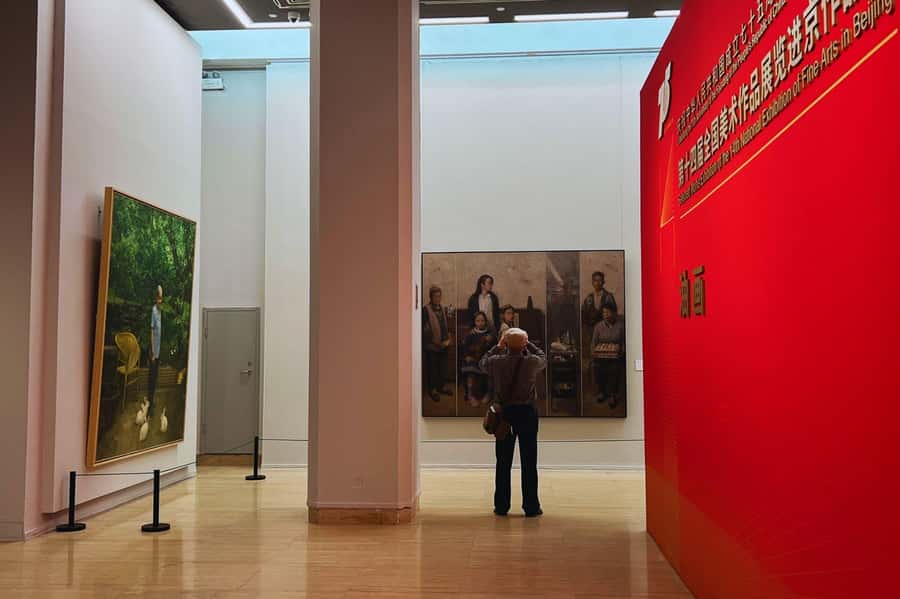
Plan your museum visit around your energy, not just your map. Two hours of looking closely can be tiring, even when the building itself is calm. Avoid trying to cover every work in a collection this large.
Bring your passport or ID card and keep the booking details accessible. Since the reservation can be redeemed at the ticket office, you should allow time for that step rather than arriving at the last possible minute.
Use the English guide as a tool, not a script. Look first, read second, and return to the artwork. This method keeps the visit personal while still giving you useful background.
If you are especially interested in one form, such as calligraphy or ink painting, make that your priority. Then use the remaining time for sculpture, modern pieces, and any special exhibition available during your visit.
Keep your expectations realistic. The collection is very large, but your visit is only around two hours. A focused selection will leave you with clearer memories than a hurried attempt to see everything.
Should you book the National Art Museum reservation?
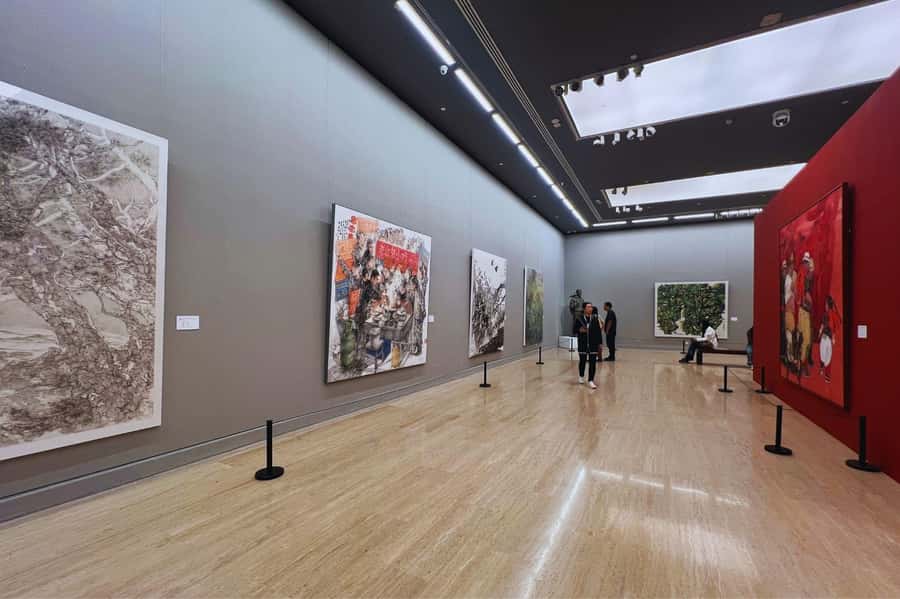
You should book this experience if you want a low-cost, self-guided look at Chinese art with English support. The $6 price, wheelchair access, flexible cancellation, and simple ticket-office redemption make it an easy addition to a Beijing schedule.
Book it especially if you enjoy choosing your own pace and want to compare traditional ink painting and calligraphy with modern and contemporary work. Skip it if you need a live art historian or a tightly planned guided route.
For most independent visitors, this is a practical way to spend two cultural hours in Beijing. Bring your identification, use the guide thoughtfully, and choose a few sections to enjoy rather than trying to conquer all 100,000-plus works.
FAQ
How much does entry to the National Art Museum of China cost?
Entry costs $6 per person.
How long does the museum visit last?
The activity duration is about two hours. Starting times depend on availability.
What does the reservation include?
It includes an entry reservation for the National Art Museum of China and an English version of the textual and visual guide.
Do I need to bring identification?
Yes. You should bring your passport or ID card.
Is the museum wheelchair accessible?
Yes, the activity is listed as wheelchair accessible.
Can I cancel the reservation for a refund?
Yes. You can cancel up to 24 hours in advance for a full refund.
Just added around Beijing
- Private Transfer to Mutianyu Great Wall with professional driver★ 5.0 · 19 reviews
- camp on the Great Wall overnight with sunrise and sunset on the wall★ 5.0 · 11 reviews
- One day tour to downtown Tianjin from Beijing by high speed train★ 5.0 · 3 reviews
- BusDa:Ancient Great Wall &Badaling Great Wall Full-day Bus Tour★ 4.5 · 6 reviews
- ZANBUS: Trip to the Jinshanling Great Wall Departing at 7:30 AM★ 5.0 · 5 reviews
- Yuxiandu Chinese Royal Cuisine Museum with Show and Royal Banquet★ 5.0 · 4 reviews
- Private Wild Great Wall Hiking tour at Simatai (Challenging)★ 5.0 · 16 reviews
- Wild Great Wall Huanghuacheng Half Day Tour★ 5.0 · 15 reviews
Museums, compared.

Tianmen Square, Forbidden City & Royal Museum Tours
Read our review →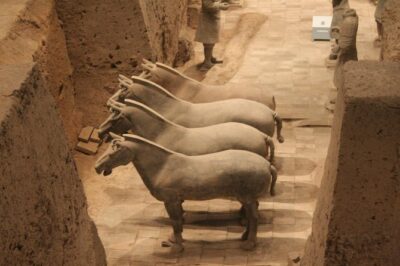
Half-Day Mini Group Xian Tour to Terracotta Warriors Museum
Read our review →
Beijing:Jingshan Park (Palace Museum Garden) Ticket
Read our review →
Private Chengdu Day Tour: Giant Pandas and Jinsha Site Museum
Read our review →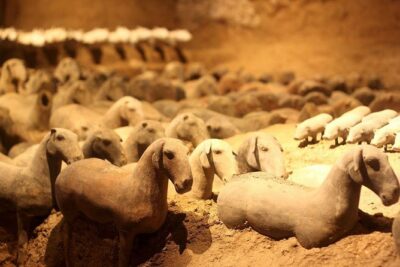
Private Xi’an Tour: Terracotta Warriors, Hanyangling Museum, Cave Homes
Read our review →
Beijing Half Day: National Museum of China In-depth Tour with Subway Transfer
Read our review →
Terracotta Warriors Museum Ticket with Professional English-speaking tour guide
Read our review →Browse the lists this tour appears in