
Reviewed · MARKETS
Beijing Market Tour with 10-course Family Feast
The best part of this Beijing food tour happens before you sit down to eat. You choose ingredients at a local market, then carry them into a family kitchen and help turn them into dinner. That link between market stall and dining table gives the meal a sense of place that a restaurant cannot match.
I like the tiny group size, limited to two people, and the chance to ask questions without fighting for the guide’s attention. I also like the generous food program: the advertised 10 courses may become closer to 20 different dishes, with dumpling-making, homemade drinks, and enough food to take a favorite dish back to your hotel.
The main consideration is pace and access. You will walk through a market, work in a private home, and spend several hours around food, so comfortable shoes are a must. The experience is not suitable for wheelchair users or people with food allergies.
Key points at a glance
- Meet at Liaogongzhuang Station: Exit D on Subway Line 6 is the starting point and return point.
- Shop for your own dinner: You help select fresh vegetables, fruit, meats, seafood, and other ingredients.
- Cook with a Beijing family: Dee, Susan, and the family cook guide you through kitchen tasks, including dumpling-making.
- Expect more than a simple 10-course meal: The feast can include a much wider range of dishes than the title suggests.
- Small-group attention: With only two participants, the tour feels personal and leaves room for questions.
- Four hours, with transport included: The market visit takes about an hour, followed by roughly three hours at the family home.
Starting at Liaogongzhuang Station
Your meeting point is Exit D at Liaogongzhuang Subway Station, 廖公庄地铁站, on Line 6. This is useful for anyone already moving around Beijing by subway, but remember that your fare to the station is not included.
The guide meets you outside the station and gives you a quick outline of the afternoon. Dee and Susan are the named hosts connected with the experience, and English, Chinese, and Korean are available. The introduction also sets up the food side of the visit, including the role of markets, family meals, and common Chinese ingredients.
I appreciate this kind of meeting point because it avoids the confusion of finding a private residence on your own. It also keeps the first part of the tour simple: reach the subway station, find Exit D, and let the guide handle the next step.
Round-trip transportation between the station and the host’s home is included. The vehicle has been described as fresh and comfortable, although the exact transport arrangement can vary. You should still allow enough time to reach Liaogongzhuang, especially if your hotel is on the other side of Beijing.
A few more Beijing trips to weigh up
One hour among Beijing market stalls
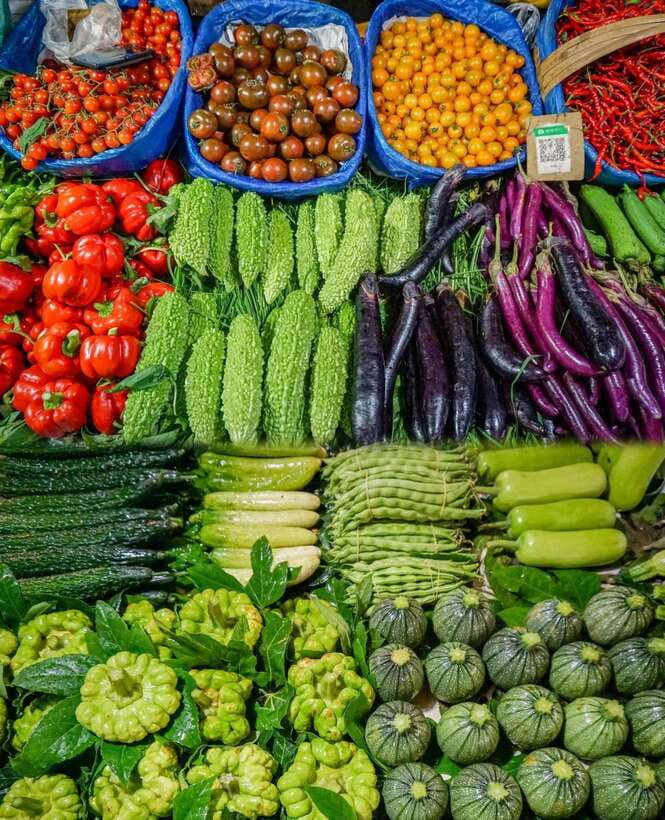
The market portion lasts about an hour. It is not just a quick stop to buy ingredients. You walk through food stalls with the guide, see what is being sold that day, and learn how those ingredients fit into everyday home cooking.
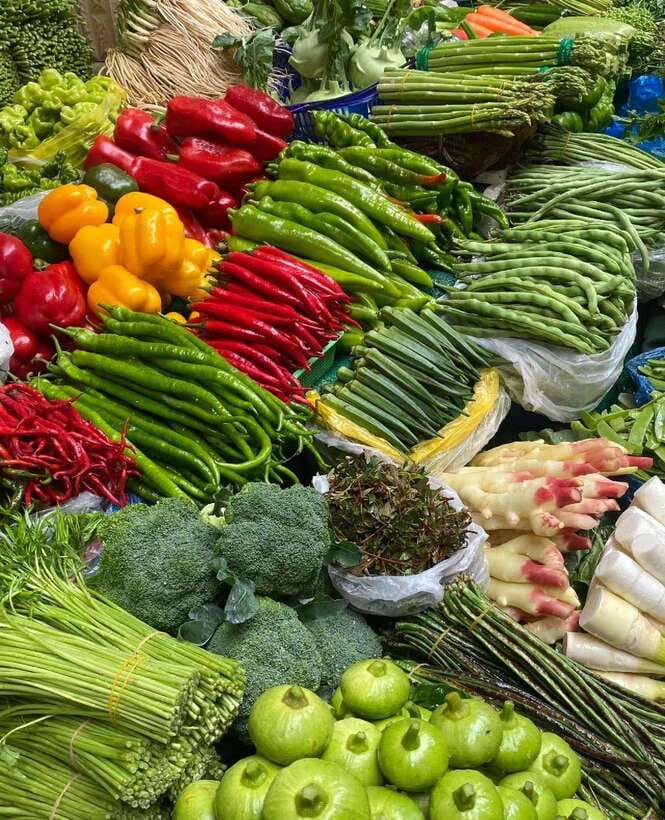
Expect fresh vegetables, fruit, spices, meats, and seafood. The exact selection will depend on the market and the day. That is part of the appeal. You are not following a fixed restaurant menu. The meal begins with what looks good and is available at the market.
The guide explains the uses of key ingredients and helps you select food for the meal. This gives you a practical look at how Chinese families shop. Instead of hearing a general talk about Chinese cuisine, you can connect names and flavors to actual food in front of you.
The market is also the tour’s most public and active section. Vendors, shoppers, displays, smells, and narrow walking routes make it feel like daily Beijing rather than a staged food attraction. I would keep your phone and wallet secure, stay close to the guide, and wear shoes that can handle hard pavement and a fair amount of walking.
You may also have friendly exchanges with vendors. The point is not to turn every purchase into a negotiation lesson, but to see how food shopping works in an ordinary neighborhood setting. For a first visit to China, this can be one of the most useful parts of the afternoon because it puts familiar categories such as vegetables, seafood, and fruit into a local setting.
Personal market spending is not included. The ingredients for the group meal are covered, but you should not assume every item you decide to buy for yourself is part of the tour price.
From fresh ingredients to a family kitchen
After shopping, you travel to the host family’s home. This is where the tour shifts from public market to private family life. The setting matters: you are not simply watching a chef work in a restaurant kitchen. You are entering a home and taking part in meal preparation under the host’s direction.
You may help with several simple cooking tasks, including making dumplings. For many people, dumpling-making will be the most hands-on part of the afternoon. You do not need to arrive with advanced cooking skills. The activity is built around guidance, participation, and conversation.
The kitchen session also gives you a better sense of how a family meal comes together. You can ask about ingredients, preparation methods, food customs, and the meaning of certain dishes. Dee and Susan share stories about Chinese food, culture, and history, while the family cook leads the actual preparation.
The experience has received especially strong praise for the warmth of the hosts and the care put into the food. That is important here. The value is not only in learning a recipe. It is in spending time with people who are happy to explain what they are doing and answer questions as the meal takes shape.
Because you are in a private home, the setting is more intimate than a standard cooking class. That is a strength for couples and food-focused visitors who prefer conversation over a large class. It may feel less suitable if you want a tightly timed demonstration with every minute planned.
A 10-course feast that can become 20 dishes
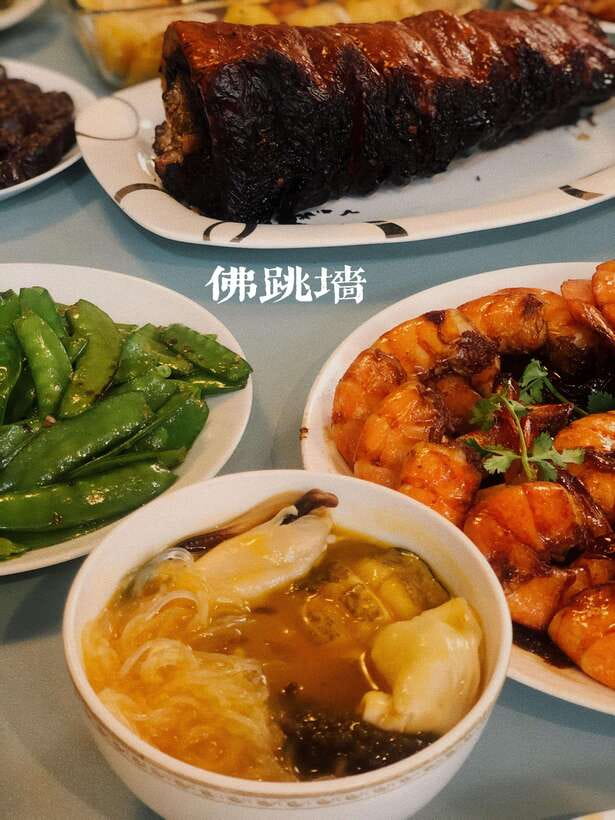
The meal is described as a traditional 10-course family feast, served with local drinks. In practice, the spread can be much larger. You may try around 20 different dishes, depending on what has been prepared and how the meal develops.
That difference is worth understanding before booking. The phrase 10-course does not mean ten small plates in a formal restaurant sequence. It points to a broad family-style meal, with several dishes arriving for everyone to share. The quantity can be substantial, and you should arrive hungry.
The ingredients you helped choose earlier now appear on the table. That makes the feast feel connected to the market rather than tacked onto it. You remember seeing the produce, then taste it in a finished dish. This simple before-and-after link is one of the tour’s strongest ideas.
Drinks are included, with local options served during the meal. The food and drink selection can include homemade juice, fresh coconut, and other Chinese beverages. You may also bring your own drinks if you have a particular preference.
The meal is designed for conversation. You can ask about family food habits, cooking methods, and the dishes in front of you. If you have a favorite dish, you may even be able to take some back to your hotel. That is a useful little extra, especially after a large meal when you are not able to finish everything.
Do not expect a quiet, formal tasting menu. This is a generous home meal with shared plates, local drinks, and a family atmosphere. If you want a polished restaurant setting or a menu tailored to strict dietary rules, this is probably not the right choice.
Same country, a completely different kind of day:
- From Beijing: Mutianyu Great Wall Tours with Options
★ 4.9 · 9,216 reviews - Beijing: Forbidden City Tour(Group/Private)-Tickets Included
★ 4.8 · 7,974 reviews - Beijing: T-Square & Forbidden City Group or Private Tour
★ 4.8 · 4,446 reviews - Beijing: Mutianyu Great Wall Daily Tour with Ticket & Lunch
★ 5.0 · 3,056 reviews
What the four-hour schedule feels like
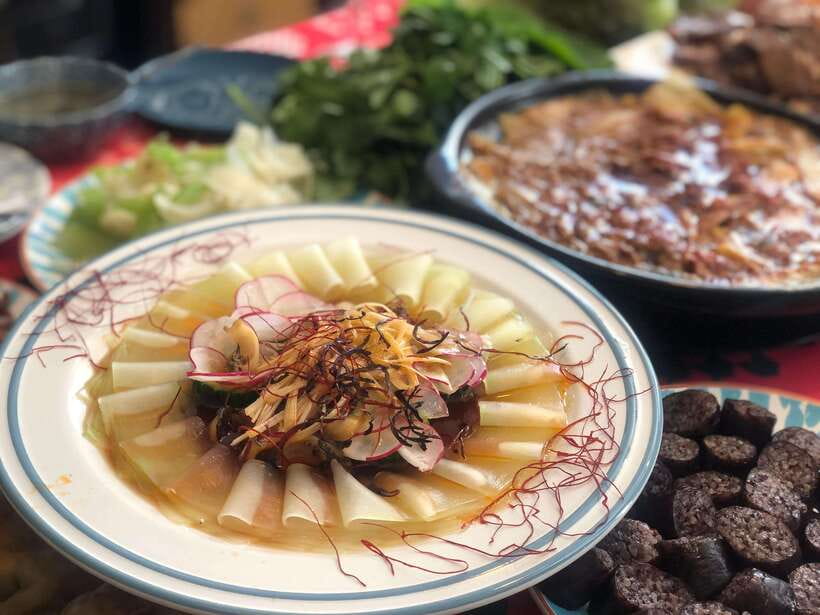
The full activity lasts four hours. About one hour is set aside for the market, while the family-home visit, cooking, lunch or dinner, and conversation take about three hours.
That split feels sensible. The market is long enough to understand the shopping process without leaving you tired before the meal. Most of the time is spent at the home, where the cooking and feast need room to unfold.
The exact starting time depends on availability. Since the meal may be lunch or dinner, check the available departure times before you book and make sure the schedule fits around your other Beijing plans.
I would avoid placing a major sightseeing appointment immediately afterward. The tour includes walking, transport, kitchen activity, a large meal, and conversation. Give yourself some breathing room rather than trying to race to another attraction across town.
The small group limit of two participants is a major practical benefit. You can ask about unfamiliar ingredients, request help with dumplings, and talk with the hosts in a way that would be harder in a large cooking class. It also means the experience may sell out quickly, so flexibility helps.
Is $119 a fair price?
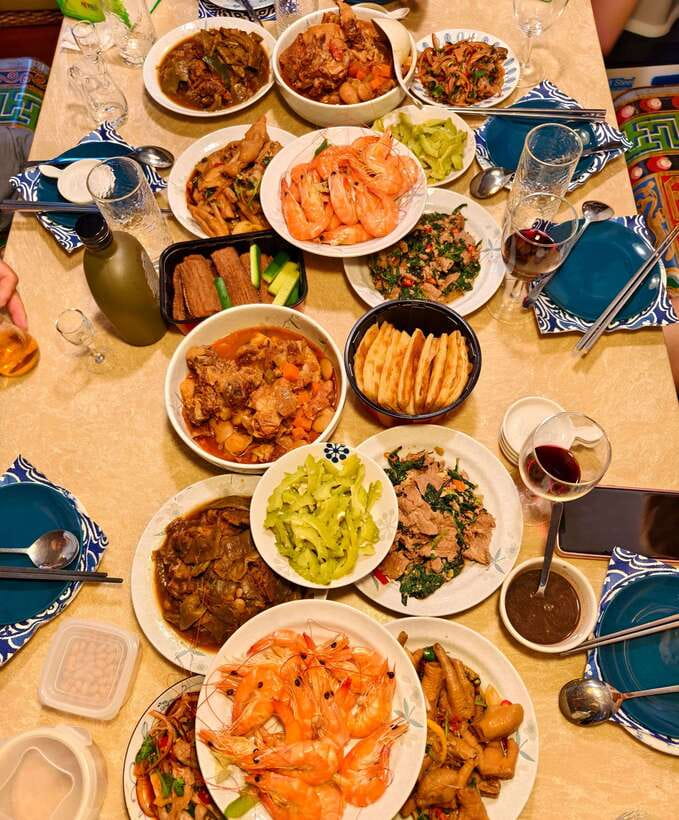
At $119 per person, this is not a cheap market walk or a basic cooking lesson. You are paying for a guide, the market visit, the meal ingredients, cooking instruction, local drinks, a large home-cooked feast, and round-trip transportation from the subway station to the home.
The price makes more sense when you view the experience as several activities combined:
- A guided Beijing food market visit
- Ingredient shopping for your meal
- A private or very small cooking session
- A family-home visit
- A large 10-course meal
- Local drinks and cultural conversation
- Transport between the meeting point and the home
The two-person limit also affects the value. You receive much more direct attention than you would in a class with a dozen or more participants. If you enjoy food, ask many questions, and care about personal contact, I think the price is defensible.
If you mainly want to eat cheaply, you can spend far less at Beijing restaurants and markets. This tour earns its higher price through access, guidance, and the family setting. It is best viewed as a cultural meal with cooking, not as a budget food stop.
Who should book this experience?
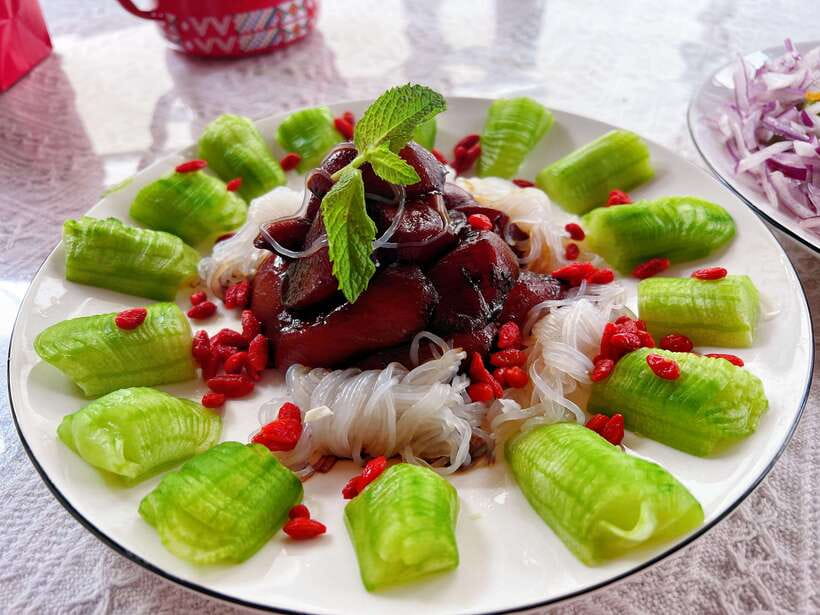
I would recommend it most strongly to food lovers, first-time visitors who want more than famous sights, and anyone curious about daily family life in Beijing. It also suits couples well because the group is limited to two participants.
It is a good fit if you:
- Enjoy trying unfamiliar ingredients
- Want to shop with a local guide
- Like hands-on cooking
- Prefer small groups
- Want a family meal instead of a restaurant tasting
- Have enough time for a relaxed four-hour activity
- Can comfortably walk through a market and home setting
It is less suitable if you have food allergies, since the activity specifically excludes people with food allergies. It is also not suitable for wheelchair users. Smokers should note that smoking is not allowed.
Bring comfortable shoes and a bottle of water. The market visit includes walking, and Beijing days can feel dry or tiring even when the activity itself is not strenuous.
How this compares with a standard Beijing food tour
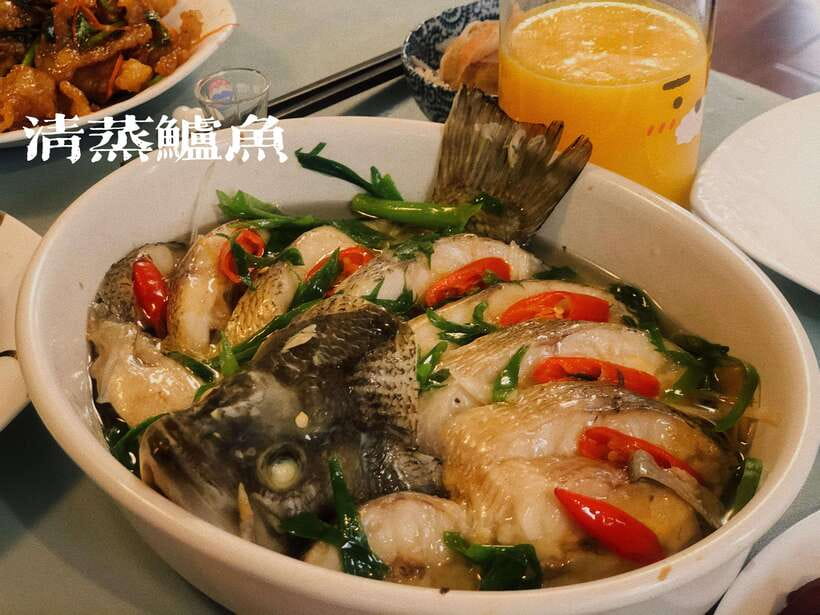
A typical food tour might move between restaurants or stalls, with the guide explaining dishes as you eat. This experience takes a different route. You begin with shopping, then help prepare food, then sit down in a family home.
That gives you more context. You see raw ingredients before they reach the plate and take part in at least one stage of preparation. You also get time for personal conversation, which can lead to questions about family meals, food history, and Chinese customs.
The trade-off is variety of location. You are not sampling several parts of the city, and you should not expect a long list of restaurant addresses. The market and home are the focus.
I think that is a worthwhile trade for visitors who want depth rather than a checklist. The tour gives you one neighborhood market and one family table, but those two settings reveal more about ordinary eating habits than a quick succession of tourist restaurants.
Should you book the Beijing family feast?
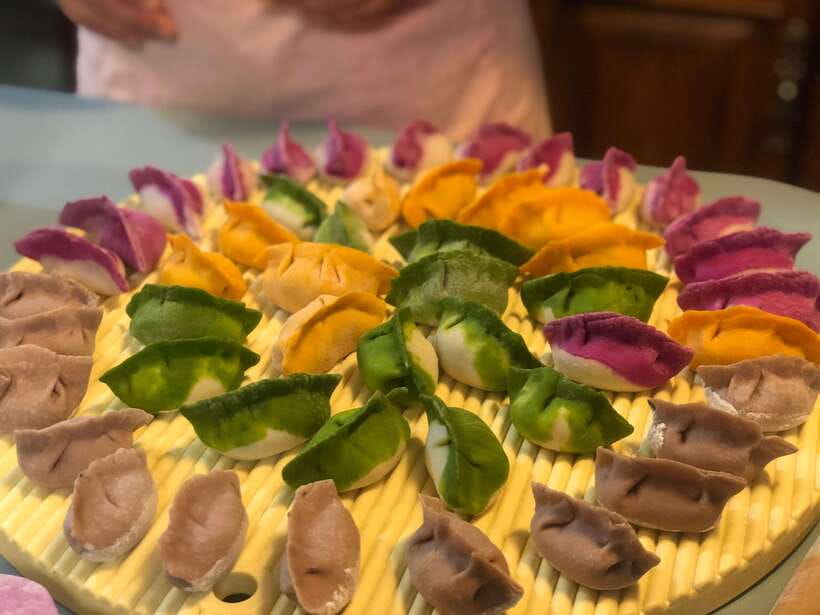
Book this tour if you want a personal food experience built around people, not just plates. The market shopping, dumpling-making, family kitchen, and oversized meal work well together, and the hosts Dee, Susan, and the family cook add the human touch that makes the afternoon memorable.
I would skip it if you need strict allergy control, wheelchair access, or a short and highly structured tasting. I would also skip it if your main goal is the lowest possible meal price.
For everyone else, the strongest reason to book is the full connection from market to table. You choose the ingredients, help prepare them, and then eat them in a Beijing home. That is a practical, warm way to understand local food culture, and the unusually small group makes the $119 price easier to justify.
FAQ
Where does the Beijing market tour begin?
The tour begins at Exit D of Liaogongzhuang Subway Station, 廖公庄地铁站, on Subway Line 6. It also returns to Liaogongzhuang.
How long does the experience last?
The experience lasts four hours. The market visit takes about one hour, and the family-home visit, cooking, and meal take about three hours.
Is transportation included?
Round-trip transportation from the designated subway station to the host’s home is included. Transportation to Liaogongzhuang Subway Station is not included.
What languages are available?
The live guide service is available in English, Chinese, and Korean.
Is the meal suitable for people with food allergies?
No. The experience is not suitable for people with food allergies.
What should I bring?
Bring comfortable shoes and water. Walking is involved during the market visit, and you are encouraged to stay hydrated. Smoking is not allowed.
Just added around Beijing
- Private Transfer to Mutianyu Great Wall with professional driver★ 5.0 · 19 reviews
- camp on the Great Wall overnight with sunrise and sunset on the wall★ 5.0 · 11 reviews
- One day tour to downtown Tianjin from Beijing by high speed train★ 5.0 · 3 reviews
- BusDa:Ancient Great Wall &Badaling Great Wall Full-day Bus Tour★ 4.5 · 6 reviews
- ZANBUS: Trip to the Jinshanling Great Wall Departing at 7:30 AM★ 5.0 · 5 reviews
- Yuxiandu Chinese Royal Cuisine Museum with Show and Royal Banquet★ 5.0 · 4 reviews
- Private Wild Great Wall Hiking tour at Simatai (Challenging)★ 5.0 · 16 reviews
- Wild Great Wall Huanghuacheng Half Day Tour★ 5.0 · 15 reviews
Markets, compared.
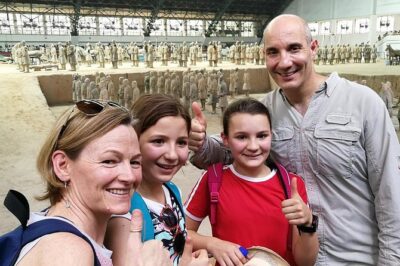
Mini Group Xian Day Tour to Terracotta Army, City Wall, Pagoda and Muslim Bazaar
Read our review →
Half-Day Chengdu Cooking Class with a Local Market Visit
Read our review →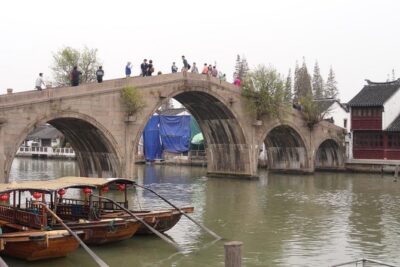
Shanghai Day Tour to Zhujiajiao Water Town, Yu Garden, Bazaar, Bund
Read our review →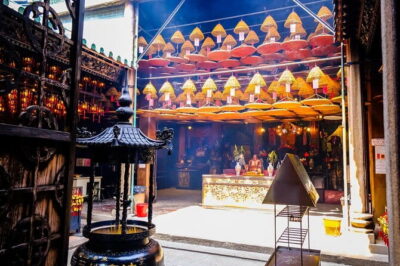
Kowloon Street Market & Food Culture Walking Tour
Read our review →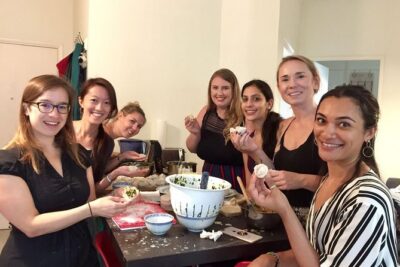
Organic Chinese Dumpling Class with Market Walk
Read our review →
Terracotta Army, Lunch, City Wall, Pagoda, Bazaar
Read our review →
Organic Xiao Long Bao Soup Dumpling Class & Market Walk
Read our review →
Lijiang Naxi Cuisine Cooking Class & Market Visit
Read our review →Browse the lists this tour appears in