
Reviewed · MARKETS
Beijing: Dumpling-Making Class with wet Market visit
Beijing’s food culture makes the most sense when you see the ingredients first, then learn how they reach the table. This experience takes you through a local wet market before bringing you into a family home to prepare dumplings, tea, and several Chinese dishes.
I like the market-to-kitchen format, and I like the chance to talk with hosts about everyday life rather than simply watch a cooking show. Guides such as May, Peter, and Sonia have been praised for being warm, funny, and good at explaining cultural details. The main drawback is timing: although advertised as five hours, one booking lasted less than three, so leave some flexibility in your schedule.
Key points at a glance
- Market first, cooking second: See fruits, spices, vegetables, and other ingredients before using them.
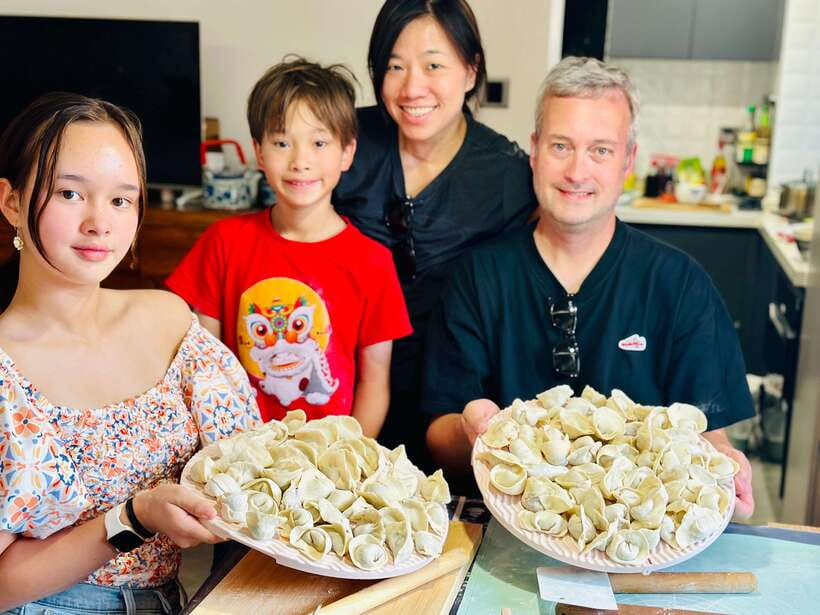
- Dumplings made by hand: Prepare fillings and wrappers, then practice folding them neatly with help from your hosts.
- A real family setting: Cook and eat in a local home rather than in a formal cooking school.
- More than dumplings: You can choose two additional dishes, including Kung Pao Chicken, sweet and sour pork, or tomato with scrambled egg.
- Tea and conversation: Finish with tea and a chance to hear about your hosts’ lives.
- Convenient transport: Private transportation and optional downtown hotel pickup are included, though the exact duration may vary.
From Shaoyaoju to the wet market
The experience begins with a driver meeting you at your hotel, if you select pickup, or at Subway Line 10’s Shaoyaoju station, Exit A. That station meeting point matters if you are staying outside the downtown pickup area. Confirm the exact arrangement before you set out, since the information gives both hotel pickup and the Shaoyaoju meeting point.
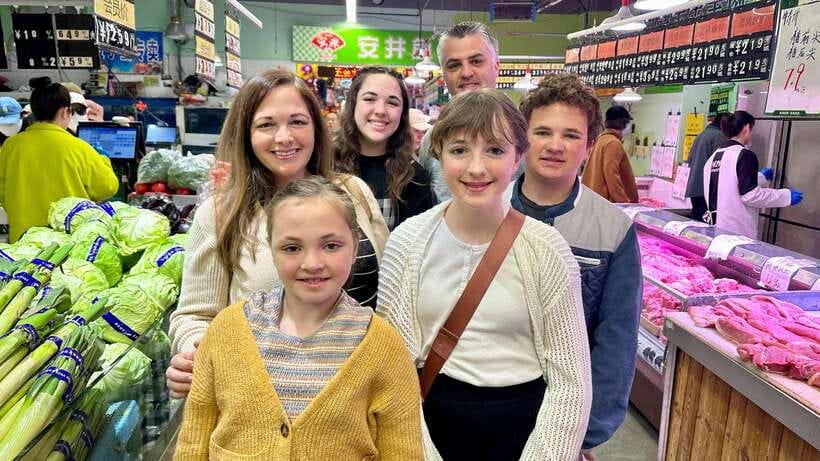
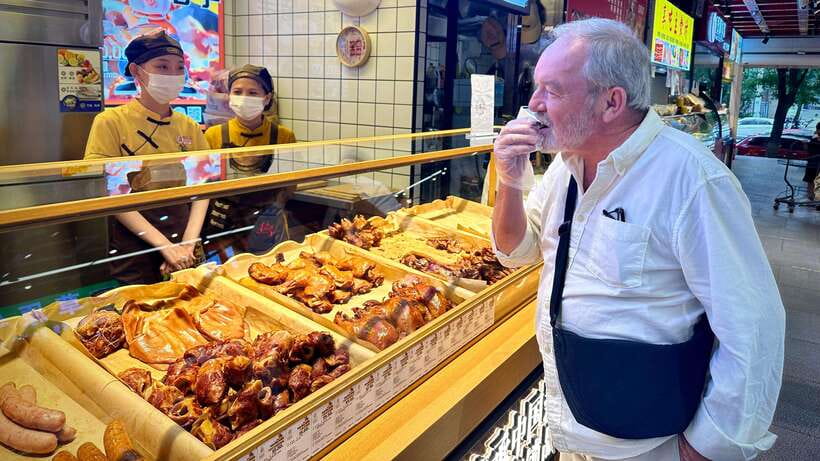
The ride takes you toward a local market, where the tour shifts from sightseeing to food education. A wet market is useful here because it shows Chinese cooking in its working form. Instead of seeing ingredients only after they have been chopped, seasoned, and plated, you can look at the raw materials first.
You may see unfamiliar fruits, spices, vegetables, and other cooking ingredients. One particularly useful part of the visit is learning what these items are used for. The market gives you a better sense of why Chinese home cooking depends on fresh produce, sauces, aromatics, and careful preparation.
I would not treat the market as a quick photo stop. Ask questions about ingredients you do not recognize, especially if you plan to order or cook similar food later in your trip. The English-speaking guide can help connect what you see at the stalls with the dishes you will prepare at the family home.
The market also gives the tour a local feel without pretending that daily life is a museum display. You are seeing a place where people shop for food, not a staged demonstration made only for visitors. Still, market conditions can vary, and the experience is about observing and learning rather than receiving a formal culinary lecture.
A few more China trips to weigh up
- Mini Group Xian Day Tour to Terracotta Army, City Wall, Pagoda and Muslim Bazaar
★ 5.0 · 1,320 reviews - Half-Day Chengdu Cooking Class with a Local Market Visit
★ 5.0 · 465 reviews - Shanghai Day Tour to Zhujiajiao Water Town, Yu Garden, Bazaar, Bund
★ 5.0 · 162 reviews
Inside a Beijing family kitchen
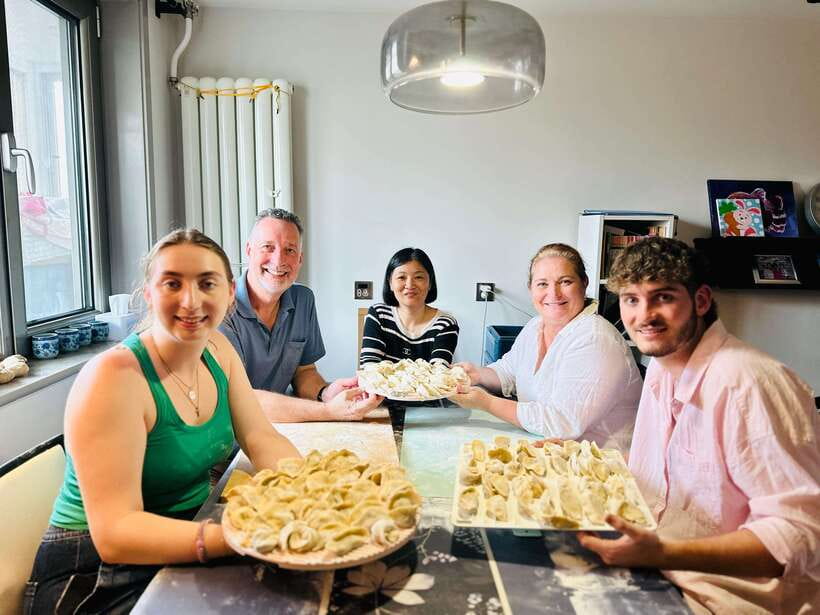
After the market, you go to a local family’s home. This is the heart of the experience. The setting gives you a chance to see how a shared meal comes together in an ordinary domestic space, with the hosts guiding you through the work.
The family visit is also social. You are not only learning a recipe. You can ask about the hosts’ lives, compare food customs, and share a little about your own home. That human contact is one of the strongest reasons to choose this activity over a standard restaurant meal.
The guides help bridge the language and cultural gap. May has been singled out for looking after her group carefully, while Peter has been described as friendly and engaging, with an easy way of making cross-cultural comparisons. Sonia has been praised for being funny, kind, and talkative, which can help keep conversation moving during the slower parts of preparation.
Because the activity is offered privately or in small groups, it can feel more personal than a large class. A private booking may suit couples, families, or anyone who wants more time to ask questions. A small group can be a good compromise if you want shared energy without a crowded classroom.
The exact home setup is not specified, so you should expect a practical cooking visit rather than a polished restaurant kitchen. Wear comfortable clothes that you do not mind cooking in. Smoking is not allowed.
Folding dumplings without making a mess
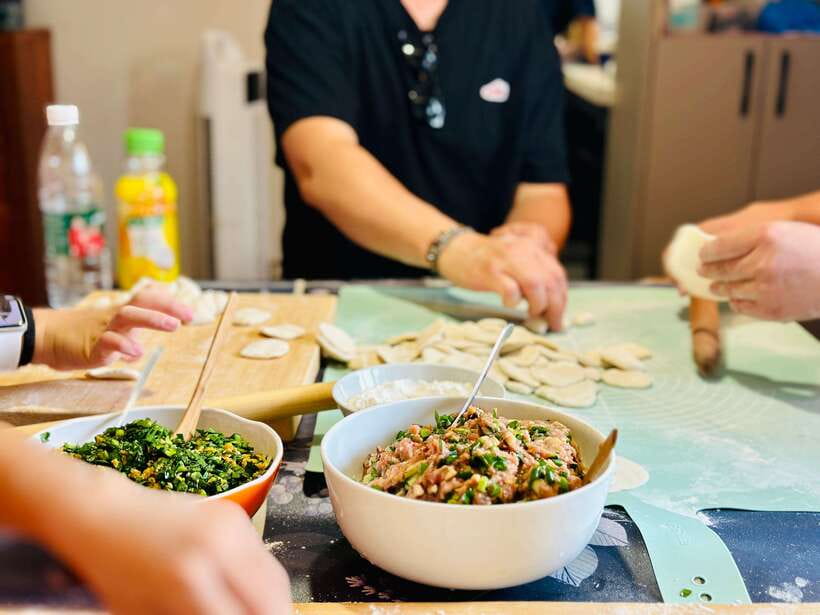
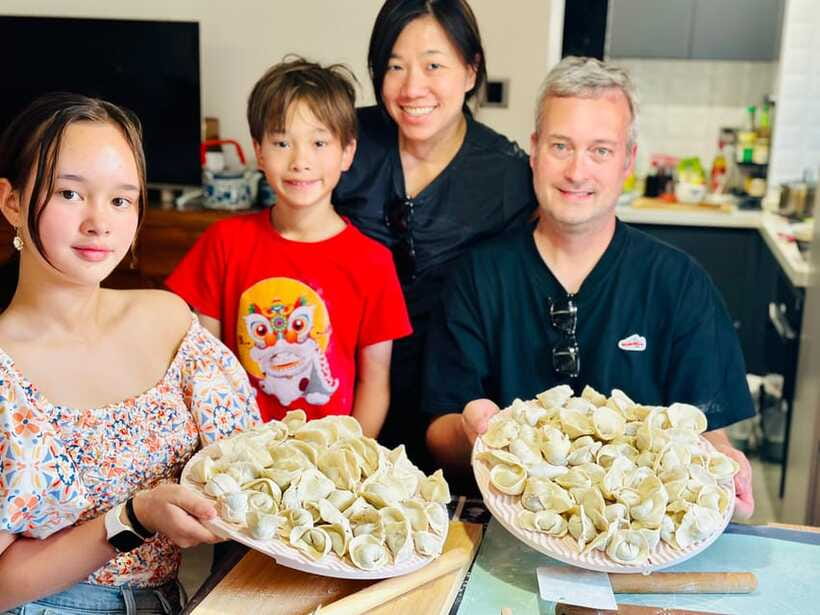
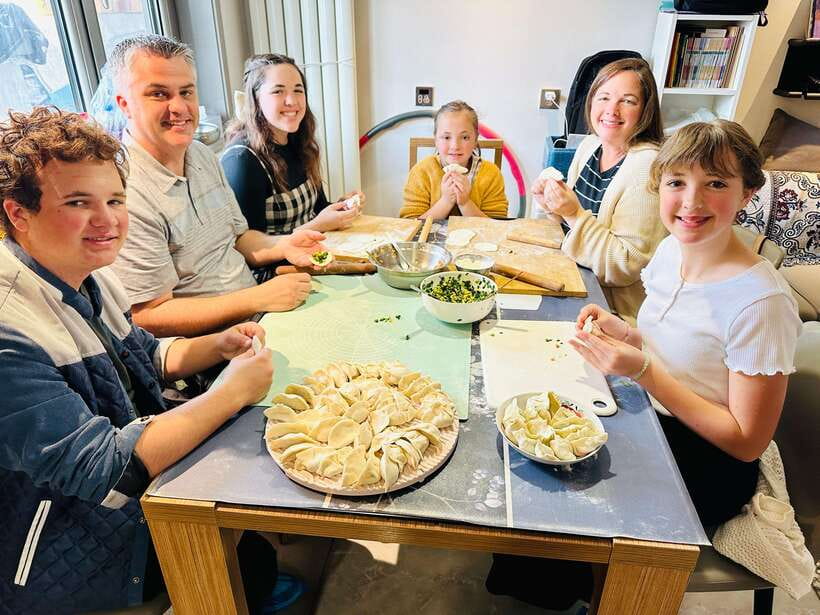
The dumpling lesson covers both the filling and the wrappers. You help prepare the mixture, work with the dough, and practice folding each dumpling into a neat shape.
This is the kind of cooking task that looks simple until you try it. The wrapper must hold enough filling without tearing, and the edges need to close properly. Your first few may look uneven. That is part of the fun, and the hosts can show you how to improve your technique.
The hands-on format makes the class worthwhile even if you already know Chinese food. You are not simply given a plate of dumplings and told what is inside. You handle the ingredients, learn the basic process, and then eat the result with the people who helped you make it.
The dumpling session may also be the most family-friendly part of the activity, provided children are accompanied by an adult. It gives younger participants a clear task, though food preparation does require attention and patience.
The supplied information says to bring ingredients, but it does not explain which ingredients or why. I would clarify this with the provider before the day of the class. Since the market visit and cooking session are connected, it is possible that the wording refers to ingredients used during the activity, but you should not assume that you need to shop for them yourself.
Choosing two dishes beyond dumplings
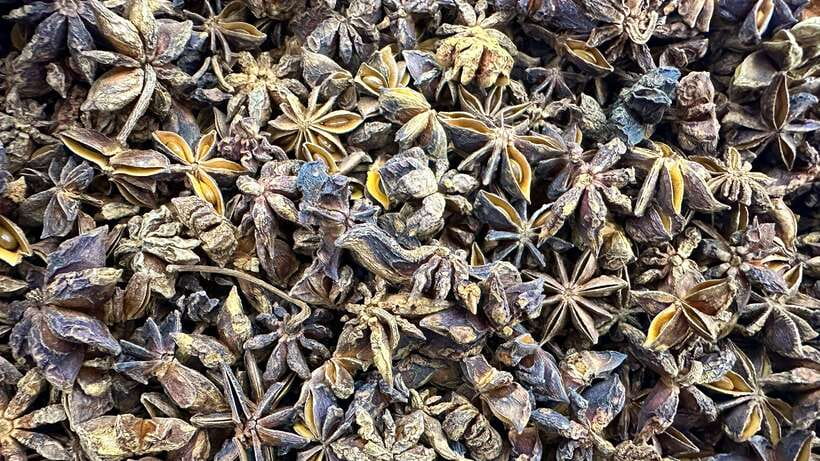
You can choose two more dishes to prepare with the family. Options include:
- Kung Pao Chicken
- Sweet and sour pork
- Scrambled egg with tomato
- Soy sauce cabbage
- Green bean with pork
This choice adds useful flexibility. Kung Pao Chicken and sweet and sour pork will appeal to you if you want familiar restaurant-style dishes. Scrambled egg with tomato gives you a simpler home-cooking option, while cabbage or green beans may suit you if you want more vegetables.
The choice also lets you shape the class around your own interests. If you are curious about sauces and stir-frying, choose dishes with more seasoning and several preparation steps. If you prefer a relaxed meal with less complicated cooking, the vegetable and egg dishes may be a better fit.
Do not expect a full restaurant menu. The point is to prepare a small selection of home dishes and understand how they are made. You will eat lunch or dinner afterward, along with the dumplings and the other local foods prepared during the session.
Food allergies need careful attention. The experience is specifically listed as unsuitable for people with food allergies, and you are asked to provide dietary requirements when booking. That warning should be taken seriously. If your restriction is severe, contact the provider before paying and ask exactly what can be changed.
Same country, a completely different kind of day:
- From Beijing: Mutianyu Great Wall Tours with Options
★ 4.9 · 9,216 reviews - Beijing: Forbidden City Tour(Group/Private)-Tickets Included
★ 4.8 · 7,974 reviews - Beijing: T-Square & Forbidden City Group or Private Tour
★ 4.8 · 4,446 reviews - Beijing: Mutianyu Great Wall Daily Tour with Ticket & Lunch
★ 5.0 · 3,056 reviews
Tea, conversation, and the meal
Tea is included as part of the visit, not added as a rushed drink at the end. You can expect time to taste tea and talk with the family and guide after the cooking.
This portion has earned particular praise. The tea session is described as fascinating, with lychee and fruit teas noted as favorites. The experience may include several tea varieties, but the supplied details do not specify a fixed menu, so do not book it expecting one exact ceremony or tea list.
The conversation is what makes the tea useful. You can ask about food habits, family life, and daily routines while sharing your own experiences. A guide such as Sonia, who is described as talkative and funny, can help if the conversation needs a little direction.
Then comes the meal. Expect a generous spread of dumplings and the dishes you helped prepare, served with the family. It is a satisfying close to the class, and it gives you a chance to taste the difference between handling ingredients yourself and simply ordering a dish in a restaurant.
I especially like that the meal is not separated from the lesson. You prepare food, sit down with your hosts, and talk over what you have made. That makes the cooking feel connected to real household life.
How much value do you get for $50?
At $50 per person, the price is reasonable if you value personal contact, transport, and a meal as much as the cooking lesson. You are paying for a wet market visit, private transportation, a family visit, an English-speaking guide, dumpling making, two extra dishes, tea, and lunch or dinner.
A restaurant meal in Beijing can cost much less, especially if you are eating simple local food. This experience is not the cheapest way to eat dumplings. Its value comes from the access and structure: someone takes you to the market, explains what you are seeing, guides you through preparation, and helps you communicate with the family.
The price also makes more sense for two or more people who want a shared activity. Solo visitors should consider the cost against the social benefit. If your main goal is a large amount of food, spend the money at restaurants. If you want a personal food lesson with cultural conversation, the fee is easier to justify.
Private and small-group options are available. A private option may cost more depending on the booking choice, but it can be useful if you want to set the pace or have dietary and family considerations to discuss.
Timing: plan for flexibility
The listed duration is five hours, with starting times based on availability. That gives you enough room for the market, transport, cooking, meal, tea, and conversation.
However, one booking finished in under three hours. The guest still considered the activity long enough, but the shorter timing caused a planning problem. I would not schedule a major museum ticket, train departure, or evening show immediately afterward.
The duration may depend on the selected pickup arrangement, traffic, group size, how many dishes you choose, and how long the conversation lasts. Ask the provider for a realistic door-to-door estimate, especially if you are trying to fit this between other Beijing sights.
The activity can be booked with free cancellation up to 24 hours before the start, and reserve-now-pay-later booking is available. Those options help if your Beijing plans are still moving around, but they do not remove the need to confirm the meeting point and expected end time.
Who will enjoy this most?
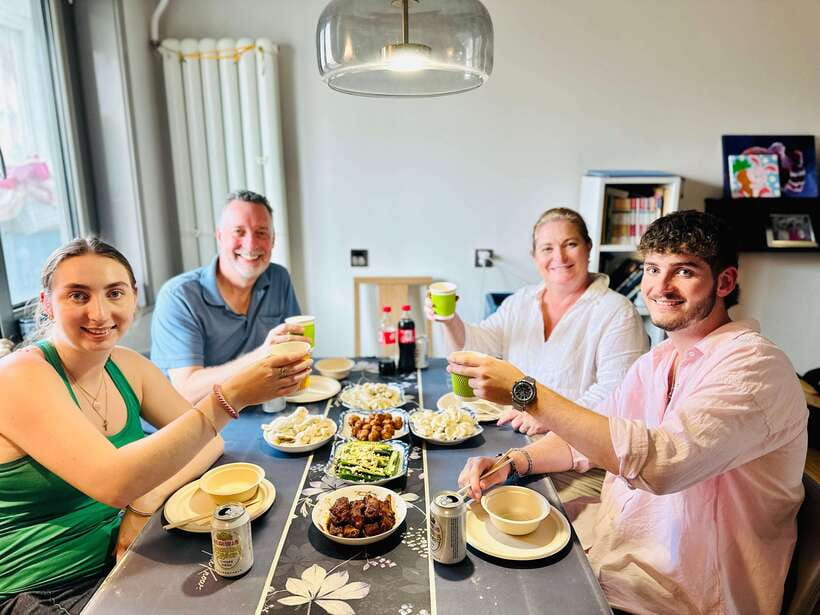
I would recommend this experience to you if you want food to be a way into local life. It suits couples, families with older children, small friend groups, and solo visitors who enjoy conversation and hands-on activities.
It is also a good choice for anyone who has already seen Beijing’s major monuments and wants a quieter, more personal afternoon. The market and family home offer a different view of the city than a palace, temple, or formal restaurant.
You may want to skip it if you dislike shared meals, are uncomfortable cooking in an unfamiliar home, or need strict control over ingredients. People with food allergies should not book without first receiving clear confirmation about safety. The tour is listed as wheelchair accessible in one section, but another section says it is not wheelchair accessible. If accessibility affects your decision, ask the provider for exact details about the vehicle, market route, home entrance, and bathroom before booking.
English is the stated tour language. The guides named in the feedback include May, Peter, and Sonia, but the assigned guide can vary. If a particular guide matters to you, request that person rather than assuming availability.
Should you book this Beijing food experience?
Book it if you want more than a meal and prefer a real activity with a market visit, cooking practice, tea, and family conversation. The strongest parts are the connection between shopping and cooking, the handmade dumplings, and the time spent talking with local hosts.
I would book with three checks in mind: confirm the actual duration, clarify the pickup or Shaoyaoju meeting point, and discuss all dietary needs in advance. If those details work for you, $50 buys a friendly, useful look at Chinese home cooking rather than just another restaurant stop.
FAQ
How long does the Beijing dumpling-making experience last?
The stated duration is five hours, but the actual timing can be shorter. One booking lasted under three hours, so avoid arranging an important activity immediately afterward.
Where is the meeting point?
The listed meeting point is Subway Line 10 at Shaoyaoju station, Exit A. Optional pickup from a downtown hotel is also available.
Is hotel pickup included?
Hotel pickup and drop-off are included when the pickup option is selected. If you do not use hotel pickup, follow the instructions for meeting at Shaoyaoju station.
What dishes can I make?
You can make dumplings and choose two additional dishes. Options include Kung Pao Chicken, sweet and sour pork, scrambled egg with tomato, soy sauce cabbage, and green bean with pork.
Is lunch or dinner included?
Yes. A meal with local dishes is included after the cooking session, along with the dumplings and other food prepared during the activity.
Is tea included?
Yes. The experience includes tea drinking and time to chat with the hosts. Fruit teas, including lychee tea, may be available, but the exact tea selection is not specified.
Is the experience suitable for children?
Children must be accompanied by an adult. The activity may suit families, but cooking in a local home requires children to follow the host’s instructions.
Can people with food allergies take part?
The activity is listed as unsuitable for people with food allergies. You should provide dietary requirements when booking and contact the provider before booking if you have any serious food restrictions.
More Workshops in China
- Beijing Calligraphy Class
★ 4.9 · 112 reviews - Chinese Calligraphy Class for Small Group
★ 5.0 · 104 reviews - Organic Chinese Dumpling Class with Market Walk
★ 5.0 · 88 reviews - Beijing: Dumpling Making Workshop with Meal and Tea
★ 4.7 · 69 reviews
Just added around China
- Hong Kong Airport to Hong Kong City Private Arrival Transfer★ 4.5 · 3 reviews
- Hong Kong Observation Wheel Ticket★ 5.0 · 3 reviews
- Hong Kong Palace Museum Ticket★ 5.0 · 3 reviews
- Hong Kong Peak Tram and Sky Terrace 428 Tickets (Optional)★ 3.5 · 22 reviews
- Hong Kong Private Walking Tour with a Local★ 5.0 · 6 reviews
- Hong Kong Market Walking Tour & Chinese Cooking Class★ 5.0 · 24 reviews
- Hong Kong : Must-See Attractions Walking Tour With A Guide★ 5.0 · 7 reviews
- Hong Kong: Lantau Island & Tai O Cruise, Skip The Line Cable Car★ 3.5 · 4 reviews
Markets, compared.
Mini Group Xian Day Tour to Terracotta Army, City Wall, Pagoda and Muslim Bazaar
Read our review →
Half-Day Chengdu Cooking Class with a Local Market Visit
Read our review →
Shanghai Day Tour to Zhujiajiao Water Town, Yu Garden, Bazaar, Bund
Read our review →
Kowloon Street Market & Food Culture Walking Tour
Read our review →
Organic Chinese Dumpling Class with Market Walk
Read our review →
Terracotta Army, Lunch, City Wall, Pagoda, Bazaar
Read our review →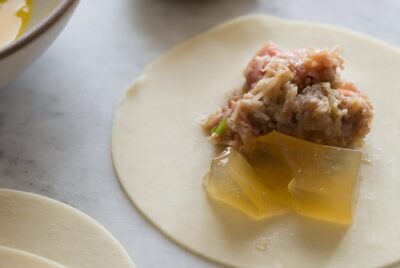
Organic Xiao Long Bao Soup Dumpling Class & Market Walk
Read our review →
Lijiang Naxi Cuisine Cooking Class & Market Visit
Read our review →Browse the lists this tour appears in