
Reviewed · WALKING TOURS
French Concession Walking Tour with Real Local
Shanghai’s French Concession is best understood on foot, where grand avenues give way to old lanes, wrought-iron railings, former clubs, and small traces of the city’s political past. Local guide Bill leads this 2.5-hour walk with stories about Shanghai’s growth, daily life, and changing neighborhoods.
I like the mix of French Concession architecture and serious modern history, especially the stops connected with the Chinese Communist Party. I also like ending at Xintiandi, where you can continue with lunch, coffee, shopping, or a drink. The main drawback is the pace: you cover a lot of ground, and the tour is not suitable for wheelchair users.
Key things to know before you book
- Bill’s local viewpoint: Bill was born and raised in Shanghai, and he brings personal knowledge of the city to the walk.
- A city of contrasts: Tree-lined streets, old villas, office towers, boutiques, and restored neighborhoods all appear within the same district.
- Important political sites: The route includes the Communist Delegation Office and the birthplace of the Chinese Communist Party.
- A useful final stop: The tour ends at Xintiandi, a convenient area for restaurants, bars, cafes, and shops.
- English-language walking tour: The guide leads the tour in English and welcomes questions about Shanghai, China, shopping, tea, and dining.
- Plan for a full walk: The experience lasts 2.5 hours, involves walking between several locations, and does not accept wheelchair users.
Why the French Concession deserves a walking tour
Shanghai can feel enormous and hard to read. Wide roads, towers, shopping malls, old apartment blocks, and crowded commercial streets often sit close together, but the story behind those changes is not always clear from a passing taxi window.
The French Concession gives you a more manageable part of the city to explore. France administered this area from 1849 until 1946, and parts of that period remain visible in the street layout and older buildings. The district is known for tree-lined avenues, fine houses, wrought-iron fences, and stair railings that recall Paris or Montreal.
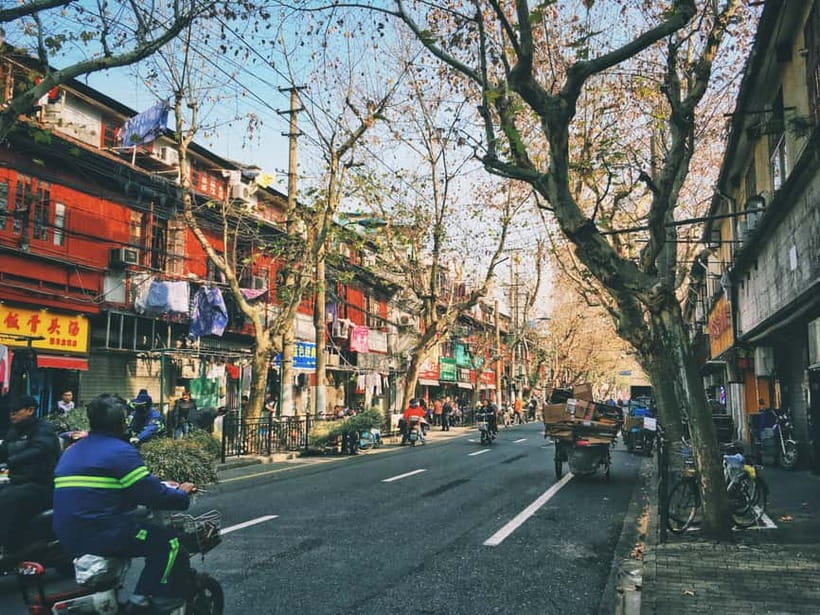
That comparison is useful, but it does not tell the whole story. This is not a preserved open-air museum. The former concession is now a fashionable, developed part of Shanghai, with large residential towers, office buildings, hotels, malls, cafes, galleries, bars, and boutiques. You see the old and new side by side.
That is why a local guide adds value here. Bill can explain not only what a building used to be, but also how the district fits into Shanghai today. He has lived in the city all his life and can answer questions about the city’s past, present, shopping areas, tea, and places to eat.
A few more Shanghai trips to weigh up
- Shanghai Highlights Walking Tour With A Real Local
★ 4.9 · 153 reviews - Shanghai Breakfast Walking Tour of Former French Concession
★ 5.0 · 139 reviews - Private Shanghai Evening Street Food Walking and Cruise Tour
★ 5.0 · 123 reviews
Meeting Bill near South Shaanxi Road
The walk begins in front of the Okura Garden Hotel, also called Garden Hotel Shanghai, at 58 Maoming South Road. The meeting point is about 100 meters to the left of Exit 3 at South Shaanxi Road subway station.
This is a practical starting point because South Shaanxi Road is served by Metro Lines 1, 10, and 12. If you use a taxi, the Chinese address is 花园饭店, 茂名南路58号. I would save that address on your phone before setting out, especially if you do not read Chinese.
The meeting point is not the most atmospheric part of the tour, but it is easy to reach by public transport. Arrive ready to walk, since the tour moves through several parts of the former French Concession rather than staying around one site.
The guide is Bill, a local Shanghainese who has led these walks for many years. His role is more than pointing out facades. He can place the buildings in the larger story of Shanghai and explain how the city changed over time.
Middle Huaihai Road and the Paris of the East
The early part of the walk takes you along Middle Huaihai Road and into the former French Concession streets. This is where the district’s famous visual character becomes clear.
Look for broad, shaded roads and older homes set behind fences. Wrought iron appears on gates, balconies, and stair rails. These details help explain why Shanghai was once called the Paris of the East, though the name can sound grander than the streets feel today.
You will also see how much the area has changed. Large buildings, upmarket residences, offices, hotels, and shopping centers have altered the skyline. At street level, however, older buildings and neighborhoods have been repaired and reused. Boutiques, galleries, bars, and cafes now occupy many of these fashionable streets.
I like this part because it gives you a better way to look at Shanghai’s architecture. Instead of treating every old building as a separate sight, you begin to notice the pattern: the road, the fence, the house, the trees, and the newer tower behind it.
Do not expect the whole route to feel quiet or old-fashioned. The French Concession is a working urban district, not a preserved village. Traffic, shops, modern construction, and commercial activity are part of the experience.
The Former French Club and Jinjiang Hotel
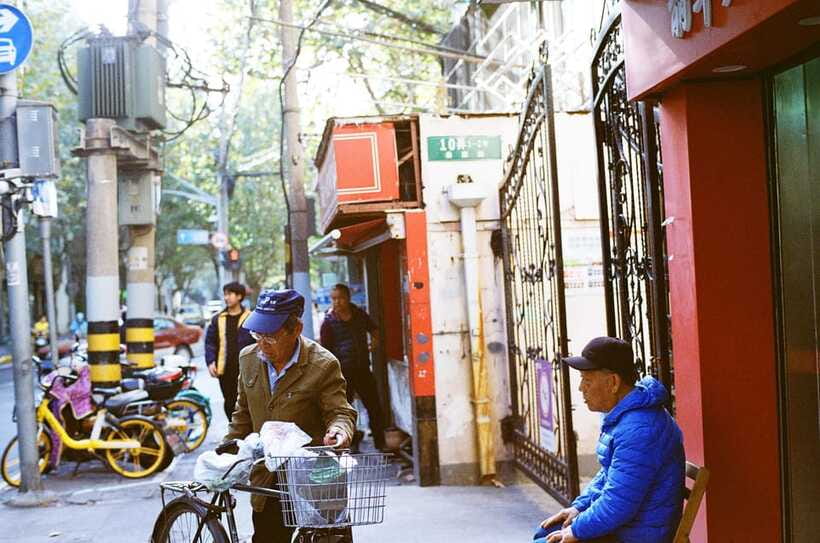
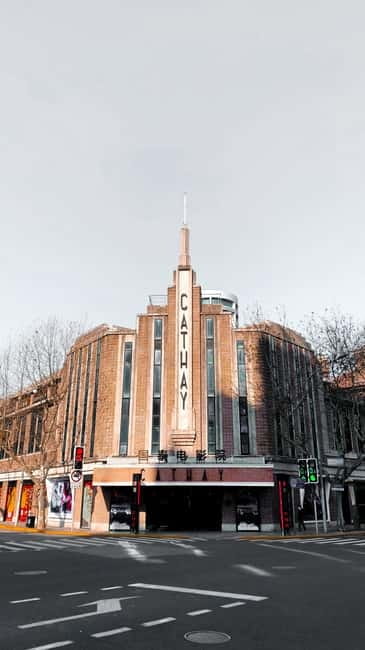
The Former French Club and Jinjiang Hotel add another layer to the walk. They help show how the concession served Shanghai’s foreign residents and later became part of the city’s wider political and social life.
The Former French Club points to the era when the French administration shaped local institutions and social spaces. A stop here is useful because it moves the story beyond pretty streets. The French Concession was not only a collection of attractive houses. It was also a place shaped by foreign power, privilege, administration, and sharply divided communities.
Jinjiang Hotel adds a different chapter. The hotel is one of the district’s best-known historic properties, and it connects the former concession with major events in modern Chinese history. Bill’s explanations are especially useful here because a building’s importance is not always obvious from the outside.
The precise order and timing of individual stops can vary, but the tour schedule allows about 20 minutes at Shanghai Culture Square, 30 minutes at one guided stop, 20 minutes at another, and 30 minutes at Xintiandi. This leaves limited time for long interior visits, so think of the experience as an urban history walk rather than a series of museum tours.
Same country, a completely different kind of day:
- Authentic Local Food Tour in Central Shanghai
★ 5.0 · 1,382 reviews - Zhujiajiao Water Town and Shanghai City Private Day Tour
★ 5.0 · 1,016 reviews - Private Shanghai Full Day City Tour with Old and New Highlights
★ 5.0 · 995 reviews - Shanghai: Hop-on Hop-off Bus Ticket and Optional Attractions
★ 3.4 · 692 reviews
Shanghai Culture Square and the changing city
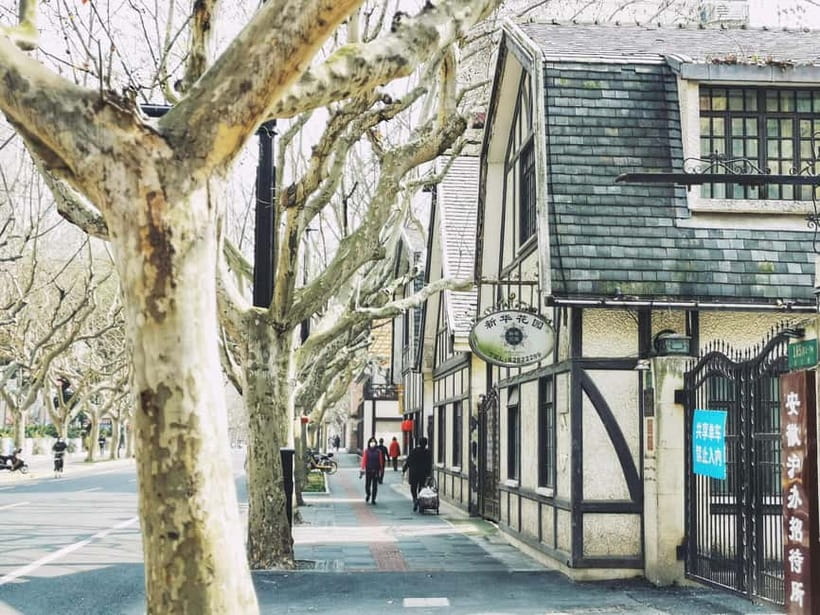
Shanghai Culture Square Theatre is one of the named stops, with about 20 minutes set aside for a guided visit. This brings the tour into a more modern cultural setting and shows how the district continues to be used today.
A theater may seem less connected to the old French Concession than a villa or former club, but that contrast is part of the point. Shanghai is constantly reworking its older neighborhoods. You move from colonial-era streets and historic hotels to a contemporary cultural venue without leaving the same broad district.
The stop also helps break up the architectural sightseeing. The tour is not only about facades and dates. It follows the city’s evolution through institutions, public spaces, political offices, homes, and commercial areas.
If you want a slow, detailed look at every building, the schedule may feel quick. If you want a clear introduction to the district, the pace gives you a useful range of subjects within one afternoon or morning.
The 1920s neighborhood and Sinan Mansions
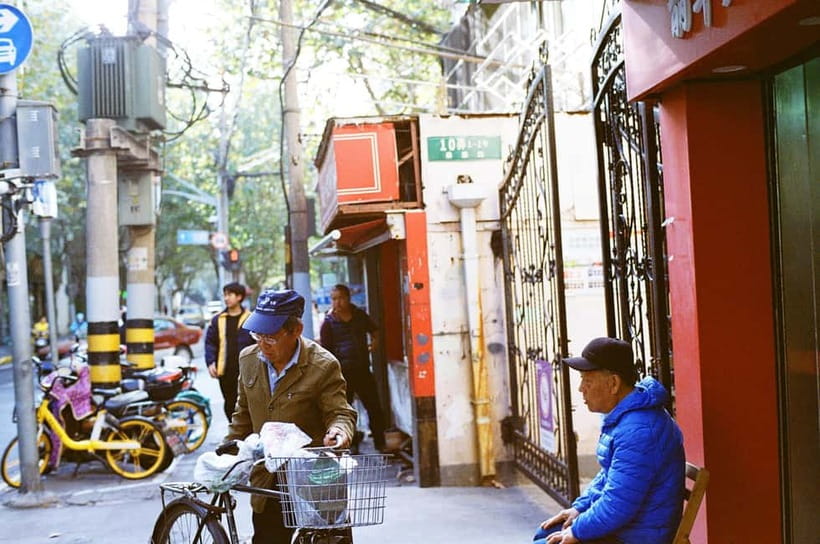
The 1920s old neighborhood is one of the more appealing parts of the route for anyone interested in everyday Shanghai. Grand landmarks tell you about famous people and institutions, but older residential streets show how the district was lived in.
You can expect Bill to point out the character of the buildings and explain how the area has changed. The appeal is in the small details: older walls, entrances, narrow lanes, restored facades, and the way private homes sit beside newer development.
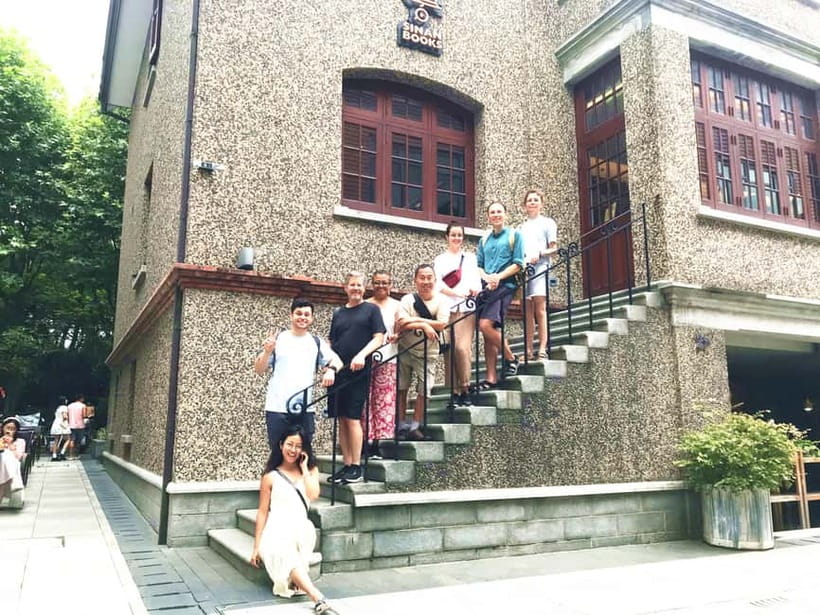
Sinan Mansions continues that theme. The area is associated with restored historic buildings and newer uses, reflecting the French Concession’s move from old residential district to fashionable urban quarter.
This is where I would keep my camera ready, but I would also pay attention to the guide’s context. A restored building can look attractive without telling you much. The useful question is what has been preserved, what has been altered, and how the space is used now.
The route includes boutiques, galleries, bars, and cafes, so you will see the commercial side of the neighborhood as well. These businesses make the district pleasant to explore, but they also mean prices can be higher than in less fashionable parts of Shanghai.
Communist Delegation Office and the party’s birthplace
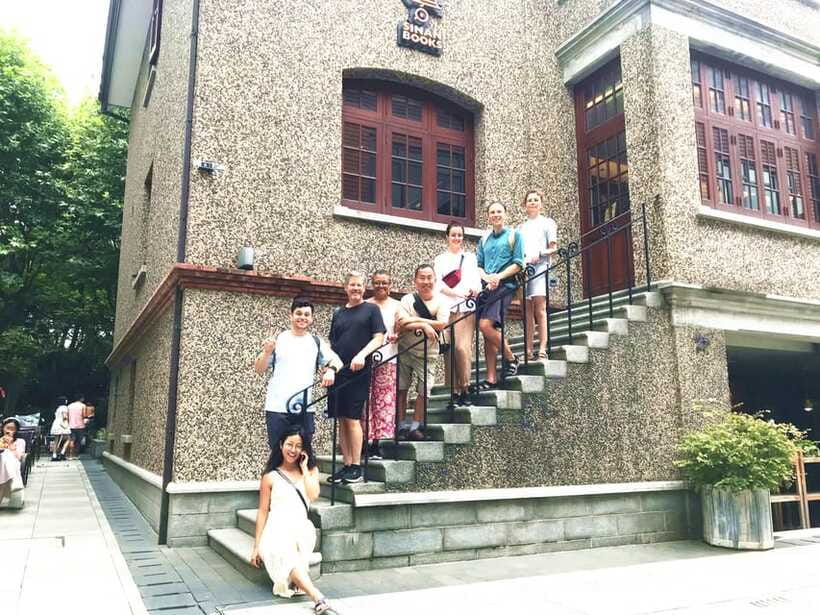
The political stops give this walk more weight than a simple architecture tour. The Communist Delegation Office and the birthplace of the Chinese Communist Party connect the French Concession to the early years of one of the most important political movements in modern China.
The birthplace of the Chinese Communist Party is particularly significant. It shows how a district associated with foreign administration and elite housing also became connected with revolutionary activity and the country’s later political direction.
This combination is one of the best reasons to choose the tour. You are not being asked to view the French Concession as only elegant or romantic. Its story includes foreign rule, social divisions, political meetings, cultural change, and redevelopment.
Expect the guide to explain the importance of these places rather than provide a long museum-style visit. The supplied schedule is built around guided stops within a walking route, so the emphasis is on understanding the city as you move through it.
For visitors with a strong interest in Chinese political history, this part may be the highlight. For others, it provides a useful counterpoint to the cafes and restored lanes. Shanghai’s past does not fit neatly into one mood.
Ending at Xintiandi
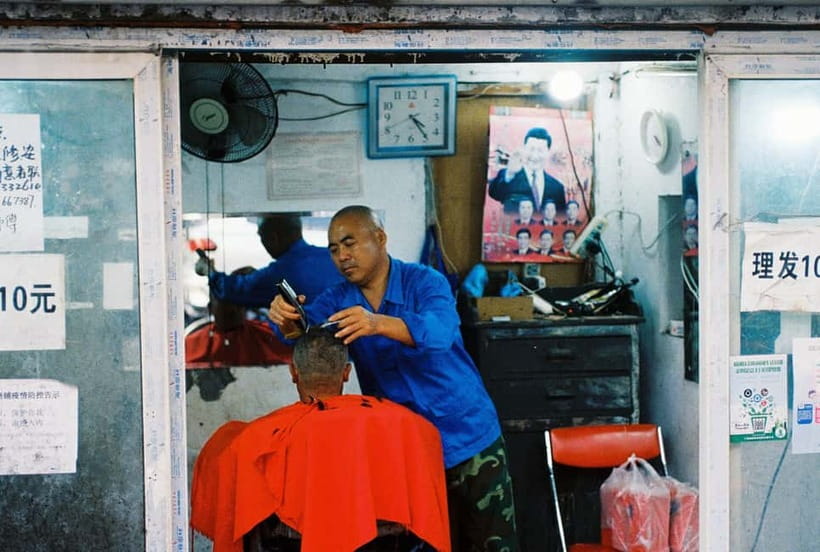
The tour finishes at Xintiandi, a fashionable compound filled with shops, bars, and restaurants. This is a smart ending because you do not have to return to the starting point after walking for 2.5 hours.
Xintiandi also gives you a clear example of how Shanghai packages its past for modern city life. The area is known for its restored older buildings and contemporary dining and retail businesses. It is polished and convenient, but it can feel more commercial than the quieter residential streets earlier in the walk.
I would use the final stop as a chance to continue your day. You can arrange a meal, sit down with a coffee, browse the shops, or have a drink. Bill can also suggest places for shopping, tea, and distinctive dining elsewhere in Shanghai.
The 30-minute guided portion at Xintiandi gives you an introduction, but you may want extra time after the tour. The finish works well for first-time visitors who want an easy place to pause and decide what to do next.
What the guide adds to the experience
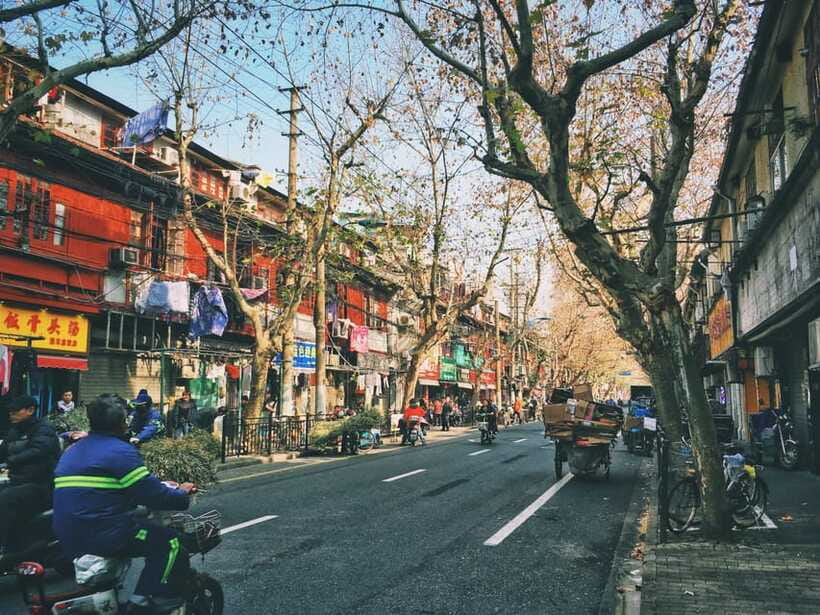
The strongest feature of this tour is the guide’s local perspective. Bill was born and raised in Shanghai, and his explanations cover both the city’s historical development and practical questions about visiting now.
You should feel free to ask about places to eat, where to buy something specific, tea, or which parts of the city suit your plans. Several comments about the tour point to Bill’s storytelling, humor, preparedness, and willingness to offer personal advice.
That matters because a walk through the French Concession can otherwise become a string of names and dates. A good guide helps you connect a street corner to a larger change in Shanghai.
Bill also pays attention to the group as it moves. That is important on city sidewalks, where people can easily get separated. Still, you should wear comfortable shoes and stay alert when crossing roads or moving through busy areas.
The tour is offered in English. If you want a private, highly specialized academic lecture, confirm the exact format before booking, since the information provided describes a guided walking tour rather than a private museum program.
Is $34 a fair price?
At $34 per person, this tour offers solid value if you want local explanation and a broad introduction to one of Shanghai’s most interesting districts.
You are paying for 2.5 hours with an English-speaking local guide, not for admission to a long list of indoor attractions. The value comes from the route, the historical context, and the chance to ask questions as you walk.
I think the price makes the most sense on a first visit to Shanghai. Without guidance, you can certainly walk the French Concession for free, but you may miss the significance of the Former French Club, Jinjiang Hotel, the Communist sites, and the older neighborhoods.
The price is less compelling if you only want to photograph old houses at your own pace. You will be moving between set stops, and the schedule does not promise long independent visits inside each place.
Free cancellation is available up to 24 hours before the tour for a full refund. You can also reserve now and pay later, which is useful if your Shanghai plans are still shifting. Last-minute booking remains possible until the tour starts, subject to availability.
Who should take this walk?
I would recommend the tour to first-time visitors, history-minded visitors, and anyone who wants to see Shanghai beyond its tallest towers. It also suits people who like to combine architecture, politics, neighborhood life, and modern cafes in one outing.
The tour is a good fit if you enjoy asking questions. Bill’s background means the conversation can extend beyond the planned stops into food, tea, shopping, and other parts of the city.
It may be less suitable if you have limited mobility. Wheelchair users cannot take part, and the experience requires walking between several sites. Smoking is not allowed during the activity.
Families with older children may appreciate the mix of visual sights and stories, though the supplied information does not state a minimum age or child pricing. If you need a fully private route, a specific start time, or an exact group size, ask before booking.
Practical tips for a better walk
Wear comfortable shoes and dress for the weather. The tour lasts 2.5 hours and takes place outdoors for much of its route.
Use the subway if possible. South Shaanxi Road station is served by Lines 1, 10, and 12, and Exit 3 gives you a clear reference point for the meeting area.
Save the hotel’s Chinese address, 花园饭店, 茂名南路58号, in case you take a taxi. Meet in front of the Okura Garden Hotel, about 100 meters to the left of Exit 3.
Keep some energy for Xintiandi. The tour ends there, but the area is well suited to extending your visit with food, shopping, or a drink.
Finally, bring questions. The best use of a local guide is not only listening to prepared explanations. Ask Bill what the city was like when he was growing up, how neighborhoods have changed, and where he would send you for tea or dinner.
Should you book the French Concession walk?
Book it if you want a well-rounded introduction to Shanghai with a local English-speaking guide, a manageable 2.5-hour route, and a useful finish at Xintiandi. The blend of old streets, French-era buildings, 1920s neighborhoods, cultural sites, and Communist history gives the walk more substance than a standard photo stroll.
I would skip it only if you dislike guided walking, need wheelchair access, or want to explore at a very slow and independent pace. For most visitors, $34 is a reasonable price for the context Bill adds to a district that is easy to admire but harder to understand on your own.
FAQ
How long does the French Concession Walking Tour with Real Local last?
The tour lasts 2.5 hours.
How much does the tour cost?
The listed price is $34 per person.
Who guides the walking tour?
The guide is Bill, a lifelong Shanghainese who was born and raised in Shanghai.
What language is the tour conducted in?
The live guided tour is conducted in English.
Where does the tour begin?
It begins in front of the Okura Garden Hotel Shanghai on South Maoming Road.
How do I find the meeting point by subway?
The meeting point is about 100 meters to the left of Exit 3 at South Shaanxi Road station, served by Metro Lines 1, 10, and 12.
Where does the tour finish?
The tour finishes at Xintiandi.
Which historic places are included?
The route includes the Former French Club, Jinjiang Hotel, a 1920s old neighborhood, the Communist Delegation Office, and the birthplace of the Chinese Communist Party.
Is last-minute booking possible?
Yes. Bookings remain open until the start of the tour, subject to availability.
Can I cancel for a refund?
Yes. You can cancel up to 24 hours in advance for a full refund.
Is the tour suitable for wheelchair users?
No. The activity is not suitable for wheelchair users.
Can I reserve now and pay later?
Yes. The reserve now and pay later option lets you book without paying immediately.
Just added around Shanghai
- Suzhou Private Guided Day Trip from Shanghai by Bullet Train★ 5.0 · 46 reviews
- Suzhou and Zhujiajiao Private Guided Day Trip from Shanghai★ 5.0 · 27 reviews
- Shanghai:Old Town, Yu Garden, Zhujiajiao Water Town Bus Tour★ 4.7 · 16 reviews
- Shanghai: Zhujiajiao Water Town with Calligraphy Experience★ 5.0 · 17 reviews
- Shanghai: Yu Garden with Entry Tickets(optional)★ 4.5 · 28 reviews
- Shanghai: Yuyuan, City God Temple Old City Tour-Tip Based★ 5.0 · 10 reviews
- Shanghai: Wild Animal Park Ticket★ 4.9 · 43 reviews
- Shanghai: Yu Garden Entry Ticket with PDF Guidebook★ 4.1 · 45 reviews
Walking Tours, compared.

Beijing Hutong Walking Food and Beer Tour at Hidden Restaurants
Read our review →
Private Beijing Walking Tour of the Forbidden City with 7 Options
Read our review →
Dark Side of Hong Kong – Kowloon Caged Homes Walking Tour
Read our review →
Forbidden City Private Walking Tour with Optional Sights
Read our review →
Introduction to Hong Kong: Central Tip Based Walking Tour
Read our review →
Shanghai Highlights Walking Tour With A Real Local
Read our review →Browse the lists this tour appears in