
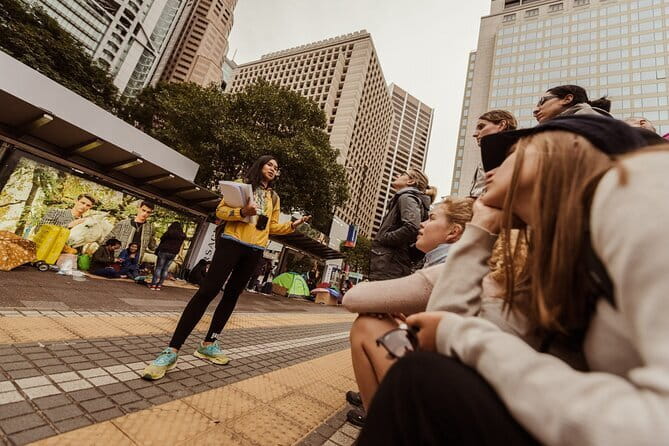
Reviewed · WALKING TOURS
Introduction to Hong Kong: Central Tip Based Walking Tour
Hong Kong’s story comes into focus as you walk from the Court of Final Appeal to Man Mo Temple. In two hours, this tip-based tour links British law, Chinese sovereignty, bank feng shui, cramped housing, local food, and smoky incense. It is a lively way to see how the city’s past still shapes daily life.
I like the route’s strong mix of big institutions and ordinary city life, and I like the personal angle offered by local guides such as Andy and Stephen. The main consideration is pace: ten minutes at each of several stops gives you a brisk introduction, not a long look inside every place.
- Court of Final Appeal: Learn how British Common Law and Chinese Continental law meet under One Country, Two Systems.
- Statue Square and HSBC: Compare British colonial power with Chinese sovereignty through architecture and feng shui.
- Mid-Levels Escalator: Use Hong Kong’s famous outdoor escalator as both transport and a lesson in urban planning.
- Wellington Street: Hear how wonton noodles and egg tarts fit into Hong Kong’s food culture.
- Man Mo Temple: Take part in offering incense, ringing the bell, and striking the drum.
- $2.63 starting price: The low booking price is attractive, but this is a tip-based tour, and food and drinks are not included.
A Two-Hour Walk Through Hong Kong’s Contradictions
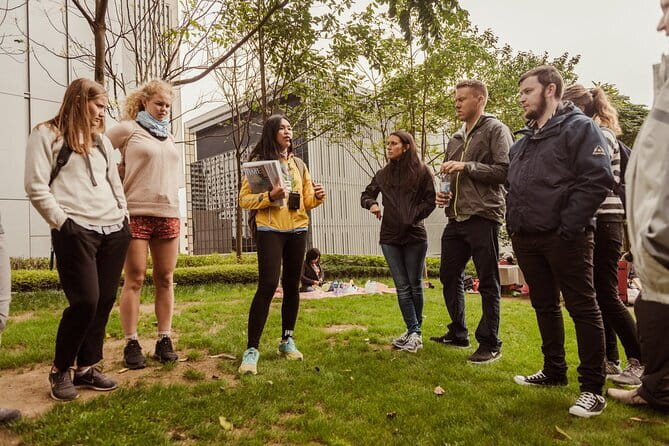
This tour is built around contrasts. You see old courthouses beside modern banks, colonial symbols beside Chinese institutions, and a popular temple surrounded by shops, offices, and steep city streets.
That approach works well in Hong Kong, where the past is rarely cordoned off from the present. The tour does not treat history as a museum subject. Instead, your guide explains how government, finance, housing, law, religion, and food continue to affect the city you are walking through.
The route begins at Central MTR Station at 11 a.m. and ends at Man Mo Temple in Sheung Wan. It lasts about two hours, with most stops taking ten minutes and the temple visit taking about fifteen. A group can include up to 30 people, so you should expect a shared walk rather than a private conversation with the guide.
At the listed price of $2.63 per person, the value is hard to ignore. But remember the format. This is a tip-based walk, so the booking price is not the complete cost of the experience in the same way a fixed-price guided tour would be. Food and drinks are also on your own.
Court of Final Appeal: Law at the Starting Line
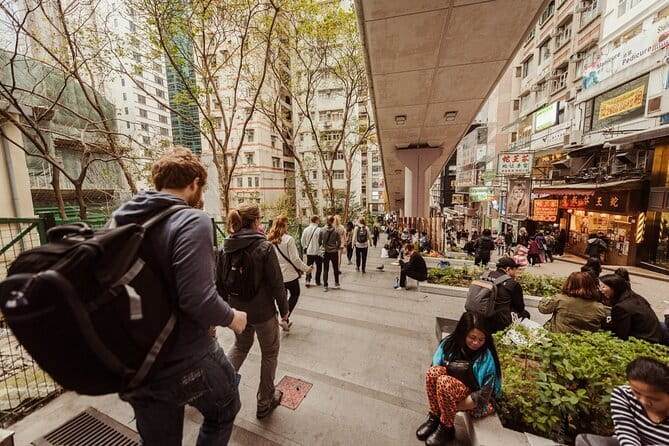
The first stop introduces one of the most important ideas in modern Hong Kong: One Country, Two Systems. Your guide explains the relationship between Hong Kong and China through the legal systems that operate side by side.
The Court of Final Appeal is a useful place to begin because it turns an abstract political arrangement into something concrete. You will hear about British Common Law and Chinese Continental law, and how those traditions interact in Hong Kong.
I like this opening because it gives the rest of the walk a framework. The banks, streets, and buildings later in the route are easier to understand once you have heard how Hong Kong’s legal and political identity developed.
The stop lasts about ten minutes and admission is free. Do not expect a courtroom visit or a lengthy legal lecture. The value comes from the guide’s explanation and the chance to connect the building with the larger question of Hong Kong’s place between British and Chinese systems.
A few more Hong Kong trips to weigh up
- Dark Side of Hong Kong – Kowloon Caged Homes Walking Tour
★ 5.0 · 418 reviews - Full-Day Private Customized Walking Tour of Hong Kong
★ 5.0 · 106 reviews - Hong Kong: Kowloon Street Market & Food Culture Walking Tour
★ 5.0 · 105 reviews
Statue Square: Banks, Power, and Feng Shui
At Statue Square, the focus shifts from law to money and symbolism. The route sets HSBC against the Bank of China, presenting their buildings as an architectural contest between British colonial influence and Chinese sovereignty.
This is where the tour’s attention to feng shui adds local color. Your guide explains the buildings as part of a feng shui battle for financial strength, not simply as office blocks. That gives you a different way to read Central’s skyline. In Hong Kong, architecture can carry political meaning, financial ambition, and traditional belief at the same time.
The stop is free and lasts about ten minutes. You will not be touring bank interiors, but the outdoor setting gives you a clear look at the buildings and their positions around the square.
For me, this is one of the most useful parts of the route for first-time visitors. Central can feel like a wall of glass and steel when you first arrive. A guide helps you notice the messages in the architecture rather than seeing only expensive offices.
HSBC Main Building: Money and a Changing Shoreline
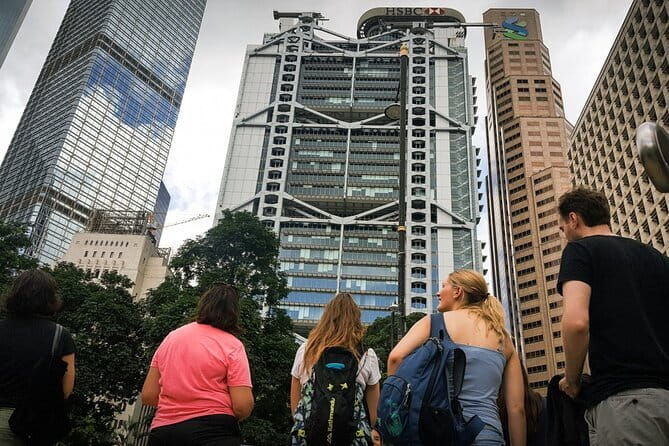
The next stop continues the financial story at the HSBC Main Building. The guide covers Hong Kong’s monetary stability, the bank’s role in the currency peg, and the guardian lions outside.
You also hear how the city’s coastline changed through reclamation since 1842. That detail matters because modern Central is not simply a district that grew in place. Parts of the ground beneath today’s financial center reflect the city’s long effort to create more usable land.
The lions are an easy visual anchor. Even if you know little about Hong Kong banking, you can connect the practical story of currency and stability with the symbolic protection associated with the statues.
Again, the stop lasts about ten minutes and costs nothing to enter or view. The short timing keeps the walk moving, but it also means you may want to return later if you want photographs or a closer look at the surrounding buildings.
St. John’s Cathedral: From British Rule to 1997
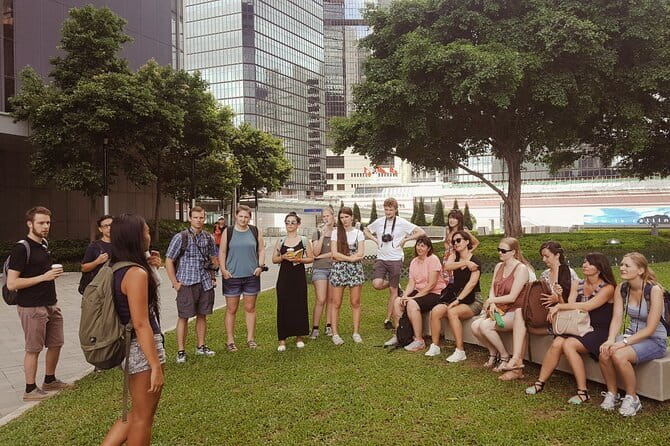
St. John’s Cathedral brings the colonial chapter into view. Here, your guide explains the development of Hong Kong under British rule, from British possession in 1842 to the handover to China in 1997.
The most distinctive feature is the personal element. Guides share their own Hong Kong stories, giving the political timeline a human scale. A guide such as Andy or Stephen may explain how local families experienced the city’s changes, though the assigned guide can vary.
That personal perspective is important. Dates alone can make the colonial period and the 1997 handover feel distant. A local guide can connect those events to questions of identity, family, and everyday life.
You will spend about ten minutes here, with no admission fee listed. The tour does not promise an extended religious or architectural visit, so treat the cathedral as a historical stop rather than a full interior tour.
Same country, a completely different kind of day:
- Hong Kong: Dolphin Cruise, Big Buddha & Lantau Island Tour
★ 4.2 · 1,512 reviews - Ngong Ping 360: Cable Car Return Tickets & Combos
★ 4.6 · 1,431 reviews - Lantau Island Day Trip – Big Buddha & Tai O
★ 4.5 · 1,328 reviews - Big Bus Hong Kong Open Top Hop-On Hop-Off Sightseeing Tour
★ 4.0 · 1,077 reviews
Queen’s Road Central: The Cost of Limited Space
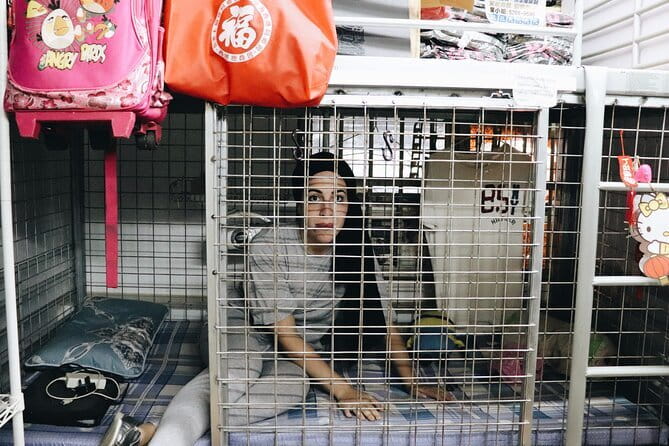
Queen’s Road Central introduces a less polished side of Central: the pressure created by high rents and limited space. The guide explains how Hong Kong’s rental economy has shaped the city’s buildings and living arrangements, including subdivided living units.
This is one of the subjects that gives the walk real weight. Skyscrapers and luxury shopping can make Central look like a place built only for global finance. The housing discussion reminds you that the city’s extreme land costs affect ordinary homes as well as corporate offices.
The stop lasts roughly ten minutes. You should not expect to enter a private apartment or inspect a subdivided unit. Instead, the guide uses the street and surrounding urban form to explain a difficult part of modern Hong Kong life.
I appreciate this stop because it keeps the tour from becoming a parade of famous buildings. It asks you to consider who can afford to live in the city and how housing pressure changes the way space is used.
The Mid-Levels Escalator: Hong Kong as a Vertical City
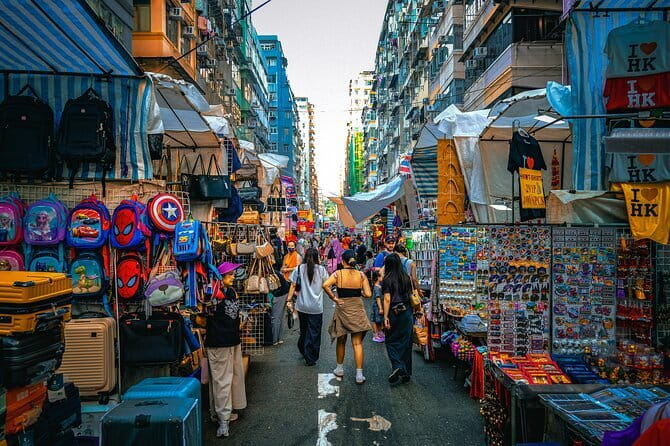
The Central-Mid-Levels Escalators provide one of the route’s most memorable experiences. You ride the world’s longest outdoor escalator system while learning why the government built it and what engineering problems came with connecting steep hillside neighborhoods.
This is a perfect example of Hong Kong solving a daily problem with an unusual piece of infrastructure. The escalator is not just a sightseeing attraction. It is part of the city’s transport system and a direct response to difficult terrain.
The ride also changes the way you see the streets. Hong Kong is often shown through its skyline, but the escalator reveals its vertical character. You move through different parts of the built-up city while remaining surrounded by ordinary urban activity.
The route lists about ten minutes here. That is enough to use the system and hear the main story, but not enough for a full exploration of every side street along the way. Wear comfortable shoes, since the tour remains a walking experience before and after the escalator.
Wellington Street: Food Stories Without Included Tastings

Wellington Street shifts the subject to food. Your guide introduces dishes such as wonton noodles and egg tarts, explaining what they say about Hong Kong’s local identity.
This is a welcome change after the political and financial stops. Food provides a practical way into culture. You begin to understand the city not only through institutions and famous buildings, but through the dishes people recognize as part of daily life.
The guide provides a list of recommended places in the area. That list may be one of the most useful takeaways if you plan to keep exploring after the walk.
There is an important limit: food and drinks are not included. You will hear about the dishes, but you should budget separately if you want to eat during or after the tour. Since this is a walking tour rather than a food tour, the route gives you suggestions instead of a series of tastings.
Man Mo Temple: A Hands-On Finish

The walk ends at Man Mo Temple on Hollywood Road in Sheung Wan. This is the longest stop, at about fifteen minutes, and it offers a direct look at a living neighborhood temple.
Your guide leads you through practices involving incense, the bell, and the drum. Offering incense gives you a simple way to take part rather than only observe from the doorway. The temple’s smoky atmosphere and active rituals provide a strong contrast with the banks and court buildings earlier in the morning.
This final stop also completes the tour’s main idea. Hong Kong is not divided neatly between old and new. Financial towers, colonial institutions, traditional worship, local food, and modern housing all occupy the same tight city.
The stop is free according to the tour details. As with any religious site, follow the guide’s instructions and be considerate while people are worshipping. The hands-on element is appealing, but it is still a functioning temple, not a staged performance.
What the Guide Adds to the Walk
The route covers familiar names, but the guide is what turns the walk into an experience. You receive local insight and personal stories rather than only dates and labels.
The strongest feedback focuses on guides who are patient, caring, helpful, and well prepared. Andy is specifically praised for his intelligence and assistance, while Stephen is described as offering a Hongkonger’s perspective on major events. Those names indicate the kind of guide experience available, but you should not assume one particular person will lead every departure.
The pace has also been a strength. Ten minutes per stop keeps the route from bogging down, while the two-hour length fits neatly into a morning or early afternoon plan. The tradeoff is that each subject receives an introduction, not a full lecture.
For a first visit, that is often the right balance. You get enough context to continue exploring Central on your own, and the food suggestions may help you plan the rest of the day.
Price, Group Size, and Practical Details
The listed price is $2.63 per person, which makes this one of the least expensive ways to get a structured introduction to Central. Its value is especially strong if you want history and local context but do not want to commit to a costly private tour.
The tip-based format deserves attention. You pay the low listed amount when booking, but you should think of the guide’s tip as part of the experience’s expected cost. No fixed tip amount is provided, so use your judgment based on the service you receive.
The tour uses a mobile ticket and confirmation is sent at booking. Meet at Central MTR Station, Exit K, on unnamed road in Central, at 11 a.m. The walk finishes at Man Mo Temple, 124 to 130 Hollywood Road, Sheung Wan. That ending point is useful because you can continue exploring the surrounding area afterward.
The group size can reach 30 people. A larger group may make it harder to hear on a noisy street, though it also keeps the cost low. Most people can participate, and service animals are allowed. The experience requires good weather, and a minimum number of participants is required. If weather or numbers force cancellation, you are offered another date or experience, or a full refund.
You can cancel for a full refund up to 24 hours before the start time. Changes or cancellations inside that window are not accepted for a refund.
Who Will Get the Most From This Tour
I would choose this walk if you are visiting Hong Kong for the first time and want a clear introduction before exploring on your own. It suits you if political history, architecture, urban planning, food, and local customs all interest you.
It also works well for travelers who prefer a short activity with a strong sense of place. The route does not require museum admission, and the free outdoor stops keep the price down.
You may want something else if you are looking for extensive interior visits, food tastings, or a quiet private tour. The group can reach 30 people, the stops are brief, and no food or drinks are included.
The route is also best for someone comfortable walking through Central and Sheung Wan. The escalator helps with the hills, but the experience is still built around moving through city streets.
Should You Book It?
Book this tour if you want to understand what you are seeing in Central instead of simply photographing it. The mix of courts, banks, colonial landmarks, housing issues, escalator infrastructure, food, and temple practice gives you a useful first picture of Hong Kong.
The low $2.63 price is appealing, but remember that it is tip-based and does not include food or drinks. If you accept that arrangement and are happy with a brisk group walk, this is a strong-value introduction, especially with guides such as Andy or Stephen available on some departures.
Skip it if you want a private guide, long visits inside each building, or a dedicated food tour. For most first-time visitors who want a practical two-hour orientation, I would book it early in the trip, then use the route’s ideas and food suggestions to shape the days that follow.
FAQ
How long does the Hong Kong Central walking tour last?
The tour lasts approximately two hours.
Where does the tour start?
It starts at Central MTR Station, Exit K, in Central, Hong Kong.
What time does the tour begin?
The stated start time is 11 a.m.
Where does the tour end?
The walk ends at Man Mo Temple, located at 124 to 130 Hollywood Road in Sheung Wan.
Is food included?
No. Food and drinks are not included, though the guide provides food recommendations around Wellington Street.
How many people can join the tour?
The maximum group size is 30 people.
What happens if the weather is poor?
The experience requires good weather. If it is canceled because of poor weather, you are offered another date or a full refund.
Just added around Hong Kong
- Hong Kong Airport to Hong Kong City Private Arrival Transfer★ 4.5 · 3 reviews
- Hong Kong Palace Museum Ticket★ 5.0 · 3 reviews
- Hong Kong Peak Tram and Sky Terrace 428 Tickets (Optional)★ 3.5 · 22 reviews
- Hong Kong Observation Wheel Ticket★ 5.0 · 3 reviews
- Hong Kong Private Walking Tour with a Local★ 5.0 · 6 reviews
- Hong Kong Market Walking Tour & Chinese Cooking Class★ 5.0 · 24 reviews
- Hong Kong : Must-See Attractions Walking Tour With A Guide★ 5.0 · 7 reviews
- Hong Kong: Lantau Island & Tai O Cruise, Skip The Line Cable Car★ 3.5 · 4 reviews
Walking Tours, compared.

Beijing Hutong Walking Food and Beer Tour at Hidden Restaurants
Read our review →
Private Beijing Walking Tour of the Forbidden City with 7 Options
Read our review →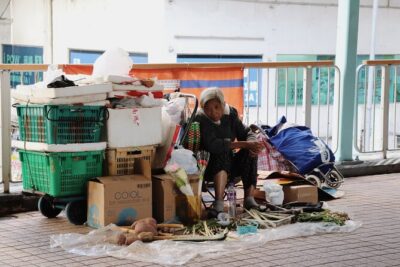
Dark Side of Hong Kong – Kowloon Caged Homes Walking Tour
Read our review →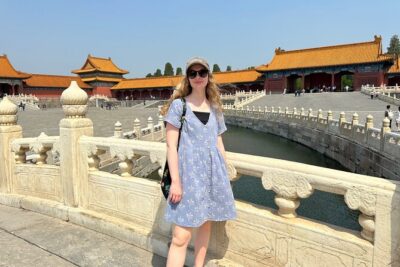
Forbidden City Private Walking Tour with Optional Sights
Read our review →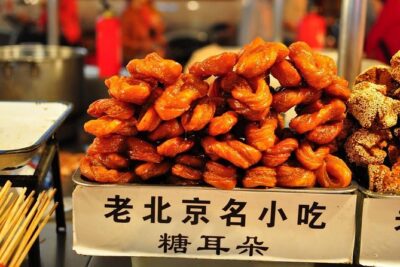

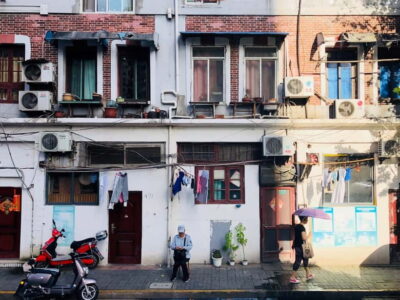
Shanghai Highlights Walking Tour With A Real Local
Read our review →
Beijing City Walk: Explore Hutongs Life and Old Beijing
Read our review →Browse the lists this tour appears in