
Reviewed · WORKSHOPS
Chinese Kungfu class in old temple beside Forbidden Ci
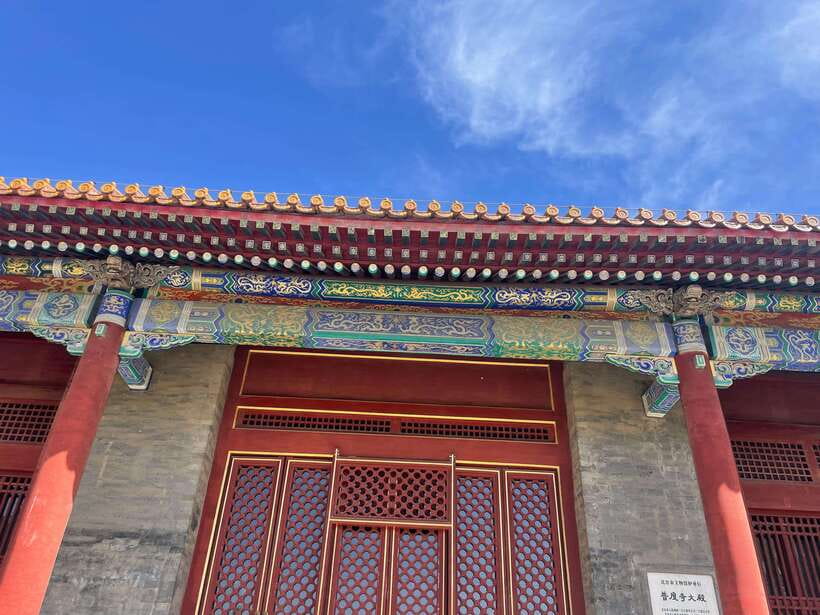
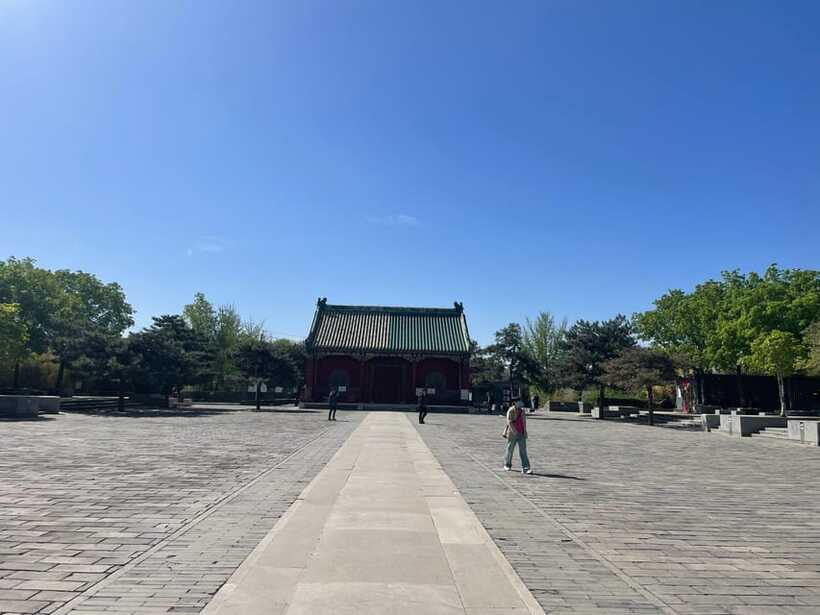
The remarkable thing here is the setting: you practice traditional Chinese kung fu inside Pudusi, a nearly 700-year-old royal temple tucked into a hutong beside the Forbidden City. This is not a stage show. You spend an hour learning movements, principles, and practical ways to use them.
I like the direct teaching from a master trained in Shaolin kung fu since childhood, and I like having Limeng or another English-speaking helper explain the lesson. The chance to add a tea ceremony and talk with local hosts makes this feel like a small cultural meeting, not just a fitness class.
The main consideration is physical effort. Even a beginner’s lesson can leave you warm and sweaty, so bring water and an extra T-shirt. The class is also relatively short, and you should see it as a strong introduction rather than a full martial arts course.
What makes this Beijing kung fu class special
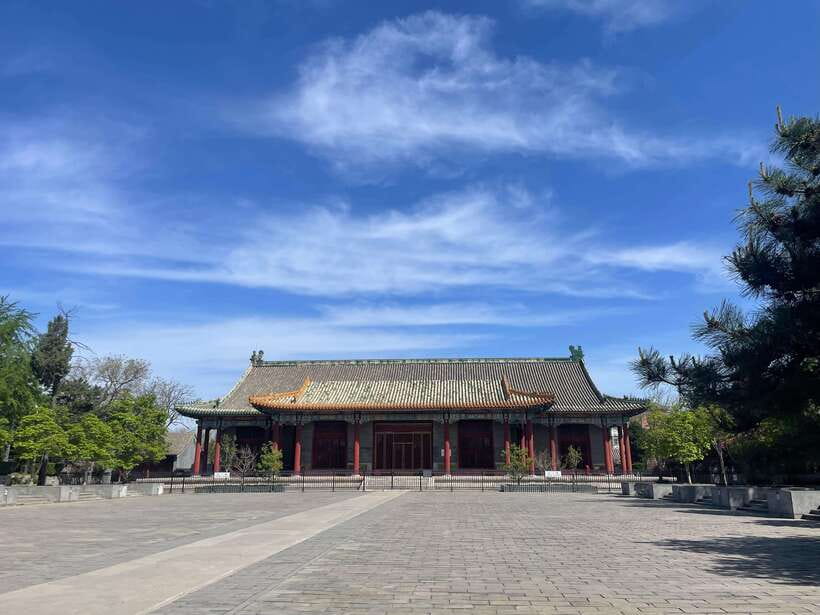
- A royal temple beside the Forbidden City: Practice in Pudusi, a historic site surrounded by Beijing hutongs.
- Shaolin training with practical use: Learn basic movements alongside defense and attack techniques.
- English support throughout: Limeng has translated lessons and answered questions for international visitors.
- Personal attention: One-on-one sessions and small groups have both been accommodated.
- A useful cultural pairing: Some bookings have included a tea ceremony in a local hutong home.
- Good value at $45: The price includes a professional instructor and about one hour of guided practice.
Practicing kung fu beside the Forbidden City
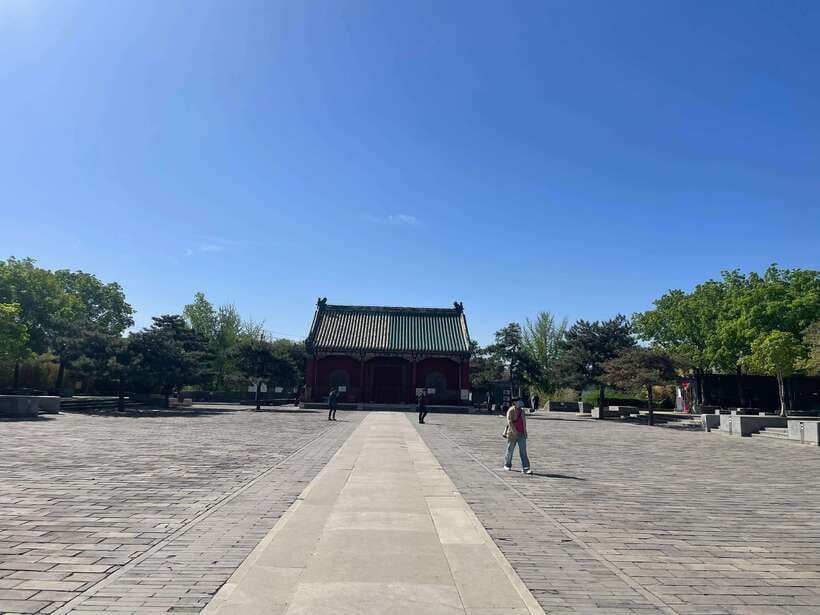
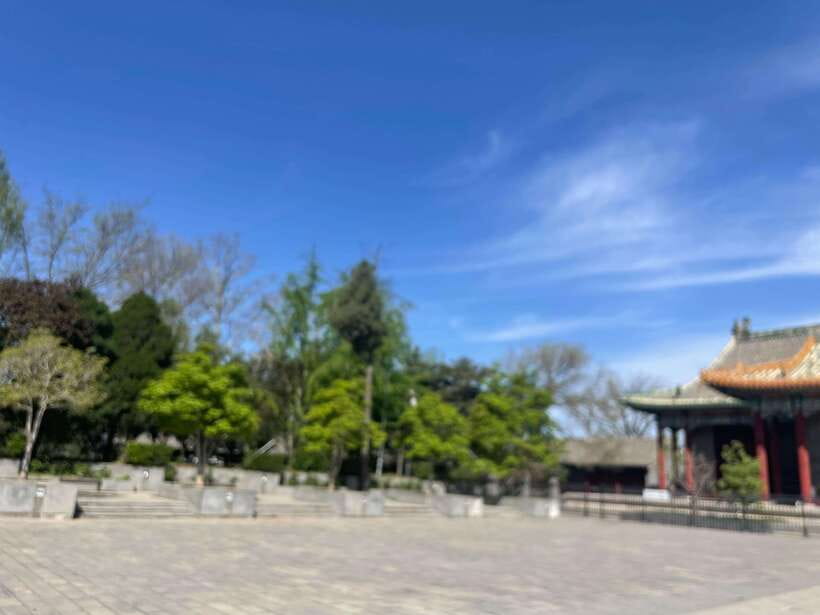
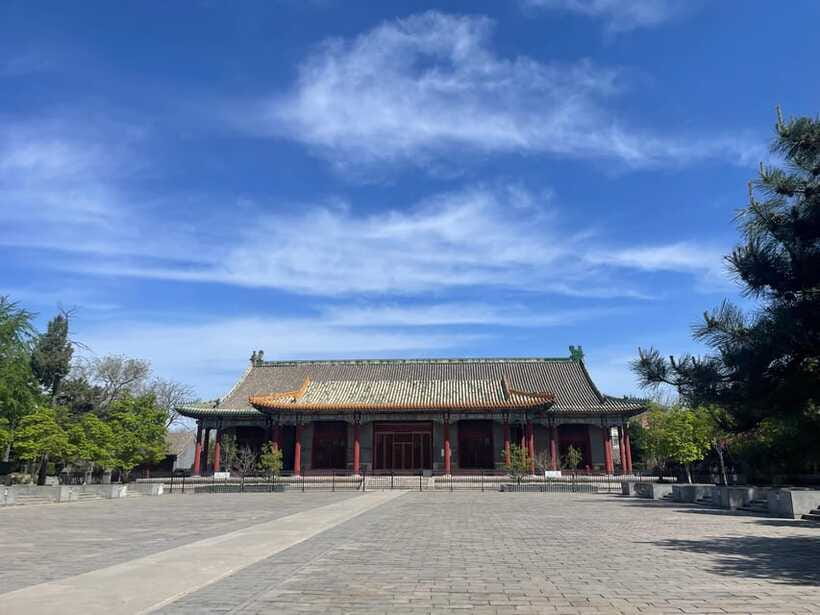
Many Beijing activities take place near famous sights but feel separate from them. This one uses the location as part of the lesson. Pudusi sits beside the Forbidden City’s east gate, in a hutong area with almost 700 years of history.
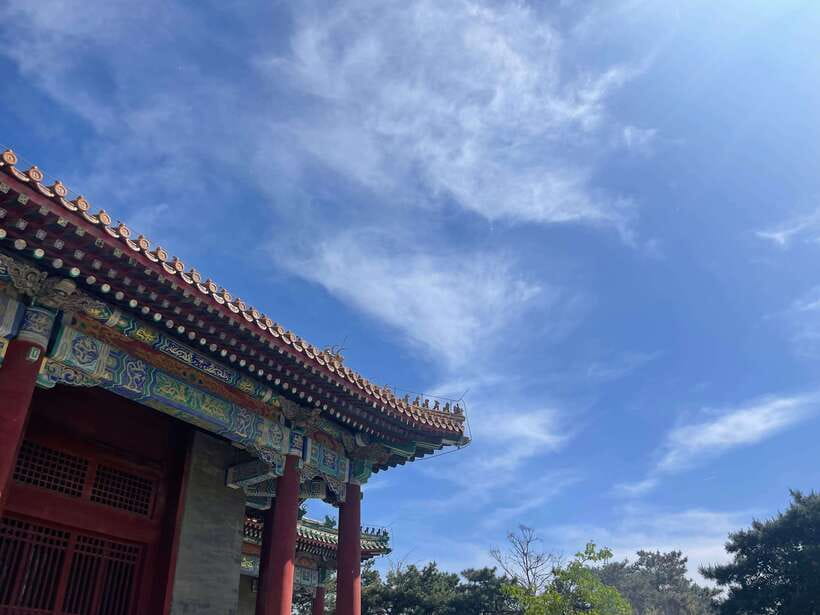
That setting changes the mood. You are not standing in a modern studio with mirrors and exercise mats. You are learning in a place tied to China’s imperial past, amid older residential lanes. The temple and hutong surroundings give the class a strong sense of place before the first movement begins.
You should not expect a long temple tour or a detailed study of Pudusi’s architecture. The focus is kung fu. Still, the location adds something you cannot get from an ordinary martial arts class at home: the lesson connects physical practice with a historic part of Beijing.
The activity provider, Bayi Teahouse, presents the experience as a traditional culture meeting as much as a lesson. That balance suits you if you want more than photographs at the Forbidden City but do not have time for a multi-day martial arts program.
A few more Beijing trips to weigh up
- Beijing Calligraphy Class
★ 4.9 · 112 reviews - Chinese Calligraphy Class for Small Group
★ 5.0 · 104 reviews - Beijing: Dumpling Making Workshop with Meal and Tea
★ 4.7 · 69 reviews
What the one-hour lesson covers
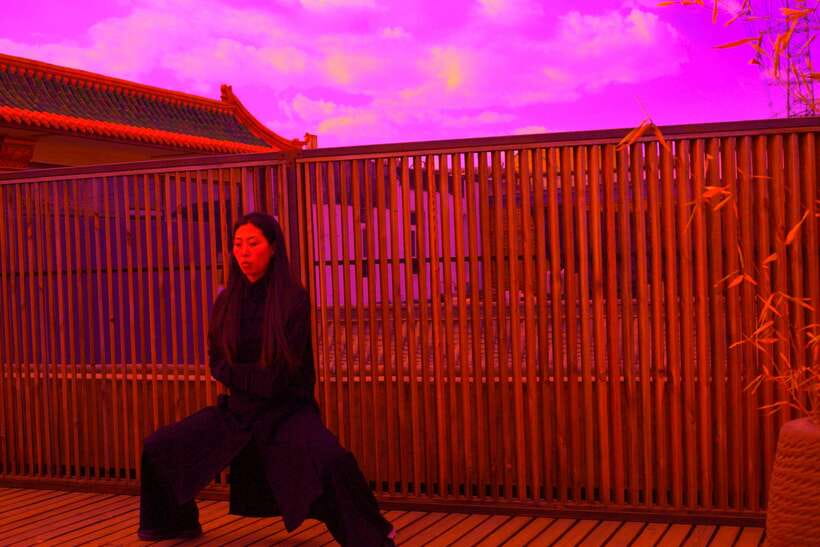
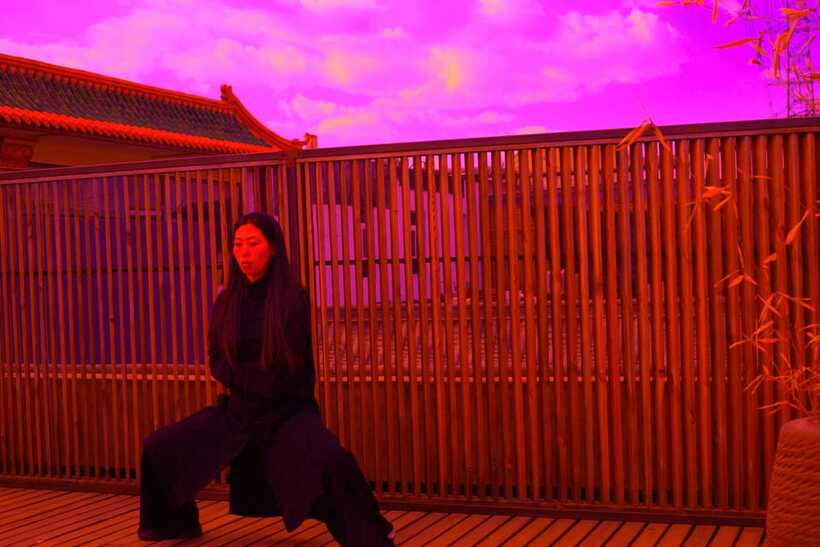
The class begins with an introduction to Chinese kung fu and its basic principles. The master then demonstrates movements for you to copy. You might work on stance, hand position, footwork, and simple forms, depending on your interests and the pace of the session.
The instruction is aimed at beginners, but it is not watered down into a purely theatrical demonstration. The teacher has trained in Shaolin kung fu since the age of five and has studied several traditional styles. His background allows him to show both the form of a movement and its purpose.
That distinction matters. In many tourist-oriented martial arts activities, you copy a sequence because it looks impressive. Here, you are also shown how a movement can work in a practical situation. The lesson may include ways to defend yourself and basic attack movements, with the teacher correcting your position as you practice.
I like this approach because it gives you something to remember after the class. You may not leave with mastery, but you can understand why balance, timing, posture, and controlled movement matter.
The class is not described as a hard-contact session, and the available information does not promise sparring. You should expect demonstration, guided practice, and practical examples rather than a fight or a full training workout.
Shaolin background and practical self-defense
The master’s Shaolin training is one of the strongest reasons to book this experience. He is described as having trained from age five and as being skilled in Shaolin kung fu and other traditional forms.
That does not mean you will receive years of instruction in one hour. It does mean the teacher can give a more useful introduction than someone hired only to perform a memorized routine. You can ask questions, watch careful demonstrations, and practice under direct correction.
Several elements of the class focus on real use. You may learn how to respond to a grab, how to position your body, or how to use a simple movement for defense. The exact techniques can vary, but the stated purpose is practical self-defense rather than performance alone.
This makes the activity especially appealing if you want a basic introduction for personal interest. One class cannot replace formal self-defense training, and you should not treat a short tourist lesson as complete preparation for danger. Still, it can teach you to pay attention to stance and movement while giving you a taste of the discipline behind Chinese martial arts.
One useful detail is that the lesson has been adapted for different interests. A participant with no martial arts background received a patient beginner session, while another person with greater interest in kung fu received more personalized attention. If you have a specific goal, tell the guide at the start.
Limeng’s role and the English translation
The language support is an important part of this activity. Limeng has helped explain the master’s instructions in English, translated demonstrations, and answered questions about the lesson.
That arrangement works better than relying on gestures alone. Martial arts depend on small details, and a translation can help you understand why your hands, hips, or feet should move in a particular way. It also gives you a chance to ask about the cultural meaning of kung fu instead of simply copying a sequence.
The available language is English. If your booking includes Limeng, she may help make the session more personal and easier to follow. Her role has also included adjusting the start time when needed and helping families and children take part.
Do not assume that every class will be private. Group size can vary. Some people have had one-on-one sessions, while others have attended in groups of three. A private lesson gives you more correction time, but a small group can make the practice more relaxed and social.
If personal attention matters most to you, ask about the expected group size before booking. The experience appears flexible, but a one-on-one session should not be treated as guaranteed.
Same country, a completely different kind of day:
- From Beijing: Mutianyu Great Wall Tours with Options
★ 4.9 · 9,216 reviews - Beijing: Forbidden City Tour(Group/Private)-Tickets Included
★ 4.8 · 7,974 reviews - Beijing: T-Square & Forbidden City Group or Private Tour
★ 4.8 · 4,446 reviews - Beijing: Mutianyu Great Wall Daily Tour with Ticket & Lunch
★ 5.0 · 3,056 reviews
Adding a hutong tea ceremony
A tea ceremony has been available alongside some bookings. In that version, Limeng first took the group to a small house in the hutong, where she explained the ceremony and served two types of Chinese tea with a small snack.
The tea portion lasted about an hour before the kung fu lesson. It offered a quieter introduction to local culture and a chance to talk about tea and different customs. You might find this a good pairing if you want a fuller morning rather than a single physical activity.
The tea ceremony is not listed among the core inclusions for the kung fu class, so confirm whether it is part of your chosen booking. Do not assume it comes automatically with the $45 price.
I see the tea as a useful extra, not a reason to book the martial arts class by itself. The main value remains the instruction in Pudusi. The tea makes the outing feel more rounded and gives you time to speak with the local hosts.
How much physical effort should you expect?
This is a beginner-friendly introduction, but it is still active. You will copy movements, repeat exercises, and practice defensive techniques for about an hour. The pace may feel manageable, yet you can work up a sweat, especially in warm weather.
Bring water and wear clothing that lets you move freely. An extra T-shirt is a smart addition, since one participant specifically wished for a change of clothes afterward. If you are buying a traditional kung fu uniform, you can ask the provider about available sizes and colors.
The provider offers a practice outfit made up of an outer and inner piece, plus trousers. The uniform is an optional purchase, not part of the stated $45 inclusion. Ask about cost, size, and color before the class if you want to wear or buy one.
I would not book this as a sightseeing stop where you remain perfectly dressed for photographs. The temple setting makes good pictures possible, and videos have been provided at the end of some sessions, but the activity is first a lesson.
The value of $45 per person
At $45 per person, this class is priced above a simple drop-in exercise session but below the cost of a private martial arts lesson in many major cities. The value comes from the combination of a professional master, English translation, historic setting, and practical instruction.
You are paying for access to a specialist, not just a demonstration. If the group is small, the teacher can correct your movements and respond to your interests. A one-on-one session would make the price especially appealing, although private attention depends on the group arrangement.
The setting also matters. A standard kung fu class in a modern training room might offer more space or equipment, but it would not place you in a royal temple area beside the Forbidden City. For a first introduction, the location gives the hour a memorable edge without requiring a full day.
The value is weaker if you already train seriously and want advanced instruction, long practice time, or formal progression. The class is best understood as a cultural experience with real teaching, not as a substitute for a martial arts school.
Timing, flexibility, and small practical details
The activity is listed as valid for three days, so you need to check available starting times when choosing a date. The three-day validity refers to the booking window, not a three-day kung fu course. The actual class lasts about one hour.
The provider has shown some flexibility with start times. A morning schedule was adjusted to fit one booking, and a late arrival was accommodated on another occasion. I would still plan to arrive on time, since the lesson is short and every minute of instruction matters.
Free cancellation is available up to 24 hours in advance for a full refund. You can also reserve now and pay later, which helps if your Beijing schedule is still changing.
The meeting details should be checked carefully before you go, especially since the temple and hutong lanes can be easy to confuse with nearby entrances. The information provided identifies Pudusi beside the Forbidden City’s east gate, but it does not give a precise street address or transport plan.
Who will enjoy this experience most?
I would recommend this class to first-time martial arts students, culture-focused visitors, couples, small groups of friends, and families whose children can follow a one-hour practical lesson. The teacher’s patience and the translation make it approachable even if you have never tried kung fu.
It also suits you if you have already spent time at the Forbidden City and want a different way to understand the area. Instead of only viewing imperial buildings, you connect the neighborhood with a living Chinese tradition.
The activity can work well for solo visitors too, especially if you are comfortable joining a small group. A one-on-one session may be possible, but it is not guaranteed.
I would be more cautious if you have limited mobility or want a passive cultural activity. The available information does not describe accessibility arrangements, and the class involves active movement. Ask the provider directly about your needs before booking.
What I would remember after the class
The strongest part of the experience is the link between place and practice. You are not simply learning a few kung fu gestures. You are doing so in an old royal temple area, with hutongs around you and the Forbidden City close by.
I also like the clear difference between performance and use. The teacher demonstrates traditional skill, but the lesson includes practical applications and self-defense ideas. That gives the activity more substance than a photo opportunity.
The limits are clear, too. One hour is enough for a taste, not mastery. Your experience will depend partly on group size, the starting time, your physical comfort, and how much individual correction is available.
The 4.8 rating from 53 reviews fits the pattern of the experience: praise centers on the teacher’s patience, Limeng’s translation, the beautiful temple setting, and the chance to practice rather than watch. Those are the areas where this class earns its price.
Should you book the Pudusi kung fu class?
Book it if you want an active cultural experience with a real teacher, English help, and an unusual location beside the Forbidden City. The $45 price is fair when you value the setting and personal instruction, especially if your group is small.
Skip it if you want advanced martial arts training, a long workshop, or a completely relaxed sightseeing activity. For most first-time students, though, this is a smart way to spend an hour in Beijing. Wear comfortable clothes, bring an extra shirt, and ask about the optional tea ceremony and uniform before you confirm.
FAQ
Where does the kung fu class take place?
The class takes place inside Pudusi, a nearly 700-year-old former royal temple in a hutong area beside the east gate of the Forbidden City.
How long does the kung fu lesson last?
The kung fu class lasts about one hour. The activity is listed as valid for three days, which refers to booking availability rather than a three-day course.
How much does the class cost?
The listed price is $45 per person.
Is the class suitable for beginners?
Yes. The lesson introduces basic Chinese kung fu, and beginners have been taught fundamental movements and practical self-defense techniques.
Is English translation available?
Yes. English-language support is provided, and Limeng has translated the master’s explanations and answered questions during classes.
Who teaches the kung fu?
A professional master teaches the class. He trained in Shaolin from the age of five and has experience with Shaolin kung fu and other traditional styles.
Does the class include self-defense?
Practical use of kung fu techniques is included. The lesson can cover defensive and attack movements, but it is an introduction rather than a complete self-defense course.
Is a tea ceremony included?
A tea ceremony has been available with some bookings, but it is not listed among the core inclusions for the kung fu class. Confirm this when booking.
Can I buy a kung fu uniform?
Yes. Traditional practice suits with an outer and inner piece and trousers are available for purchase. You should contact the provider about size and color.
Just added around Beijing
- Private Transfer to Mutianyu Great Wall with professional driver★ 5.0 · 19 reviews
- camp on the Great Wall overnight with sunrise and sunset on the wall★ 5.0 · 11 reviews
- One day tour to downtown Tianjin from Beijing by high speed train★ 5.0 · 3 reviews
- Yuxiandu Chinese Royal Cuisine Museum with Show and Royal Banquet★ 5.0 · 4 reviews
- BusDa:Ancient Great Wall &Badaling Great Wall Full-day Bus Tour★ 4.5 · 6 reviews
- ZANBUS: Trip to the Jinshanling Great Wall Departing at 7:30 AM★ 5.0 · 5 reviews
- Private Wild Great Wall Hiking tour at Simatai (Challenging)★ 5.0 · 16 reviews
- Wild Great Wall Huanghuacheng Half Day Tour★ 5.0 · 15 reviews
Workshops, compared.

Half-Day Chengdu Cooking Class with a Local Market Visit
Read our review →
Organic Chinese Dumpling Class with Market Walk
Read our review →

Online Cooking Class Beijing Dumplings and Cuisine by Sunflowerli Renowned Chef
Read our review →
Organic Xiao Long Bao Soup Dumpling Class & Market Walk
Read our review →
Beijing Wangfujing Calligraphy Class by Forbidden City
Read our review →Browse the lists this tour appears in