
Reviewed · TIBET TOURS
4 Days Lhasa Impression Small Group Tour
Lhasa packs its biggest spiritual sights into a short four-day trip, and this tour gets you to Potala Palace, Jokhang Temple, and Barkhor Street on the main sightseeing day. You then have a second full day for monasteries, village scenery, and the famous Sera debate.
I like the small maximum of 12 people, which gives a guide more room to answer questions than a large coach tour. I also like that the price includes the Tibet Permit, local transport, three hotel nights, breakfasts, entrance fees as described in the inclusions, and airport or train-station transfers.
The main catch is the tight schedule. Day 1 is mostly arrival and hotel transfer, while Day 4 is departure, so you get roughly two full sightseeing days. Check the exact entrance-fee arrangements before paying, since parts of the itinerary separately show admission as not included.
Key points to know before booking
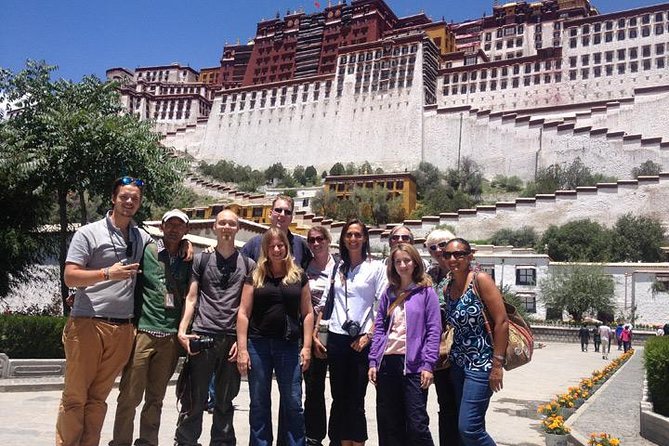
- Potala Palace and Jokhang Temple share the main sightseeing day: You get the essential Lhasa landmarks, but the pace is brisk.
- The group is capped at 12 people: That is a useful middle ground between private travel and a big bus.
- Sera Monastery is timed for the afternoon debate: The planned visit is around 3 to 5 pm, when monks conduct their lively philosophical exchanges.
- Dadong Village adds a quieter rural stop: The village is about 25 kilometers southwest of central Lhasa and is described as an old Tibetan settlement.
- Permits are part of the real cost: You need to book at least 20 days ahead and provide passport and Chinese visa copies.
- The $509 price is strongest for convenience: It covers the hotel, breakfasts, transfers, guide, permits, transport, and listed entrance tickets, but not your main transport to Lhasa, lunches, dinners, or tips.
What four days in Lhasa really means
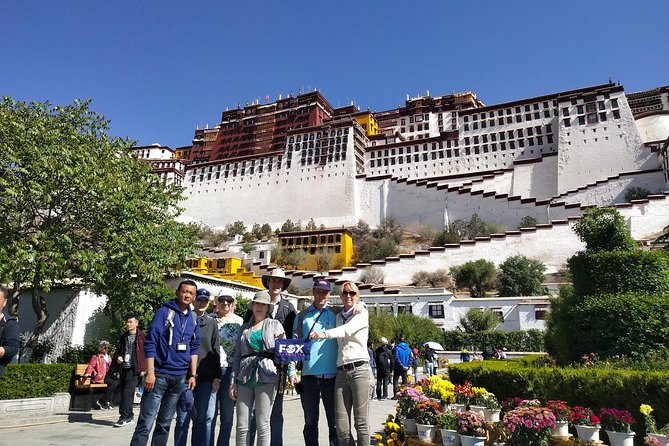
This is a compact introduction to Tibet, not a slow cultural stay. You spend three nights in a 3-star hotel and have two substantial touring days, with a local English-speaking Tibetan guide handling the route and explanations.
That arrangement matters in Lhasa. The permit process, airport or railway transfers, sightseeing schedule, and hotel coordination are not simple pieces to arrange separately. Here, the operator puts them under one booking, which can save you time and reduce the risk of arriving without a required document.
The small-group format should also help. With no more than 12 people, you can usually hear the guide more easily and ask questions without holding up a full-size coach. Past departures have featured guides including Pasang, Tsedon, Tseyang, Lobsang, Lopsong, and Lukpa. The strongest praise attached to these guides centers on clear explanations, care with the group, and quick help when problems came up.
Still, do not confuse four calendar days with four full touring days. Day 1 is an arrival transfer, and Day 4 requires you to leave Tibet by air or train because the permit for this trip is limited to the tour period. If you want a relaxed pace, add extra nights through a separate arrangement.
A few more China trips to weigh up
- 4-Day Zhangjiajie Tour to All Highlight Attractions with VIP Lift
★ 5.0 · 74 reviews - 4 Days Guilin Essence and Yangshuo Countryside Tour
★ 5.0 · 18 reviews - Huhhot 4D3N Inner Mongolia Grassland and desert nature tours
★ 5.0 · 12 reviews
Day 1: Arrival beside the Yarlung Tsangpo River
Your Tibetan guide meets you at the airport or train station, then takes you to your downtown Lhasa hotel. The transfer is more than a simple ride. The route offers views of the Yarlung Tsangpo River and the approach to Lhasa, giving you your first look at the high-altitude setting.
The schedule depends on your arrival time. Do not expect a full sightseeing program on this first day. The useful service here is the organized pickup, especially after a long train journey or flight.
You stay in 3-star accommodation on a twin-sharing basis, with breakfast included for three mornings. A single room costs extra and depends on availability. The welcome dinner is included when the group members meet in Lhasa, but your other lunches and dinners are your responsibility.
That first evening is also a practical chance to meet the guide and fellow group members. Since this is a small group, the dinner can help you understand the next day’s timing and any clothing or behavior reminders for religious sites.
Day 2: Potala Palace, Jokhang Temple, and the Barkhor circuit
The first full touring day covers the heart of Lhasa. It begins with Potala Palace, continues after lunch to Jokhang Temple, and ends around Barkhor Street.
Potala Palace
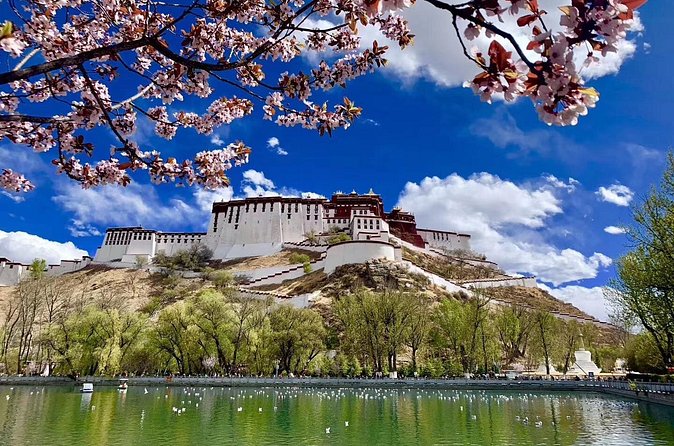
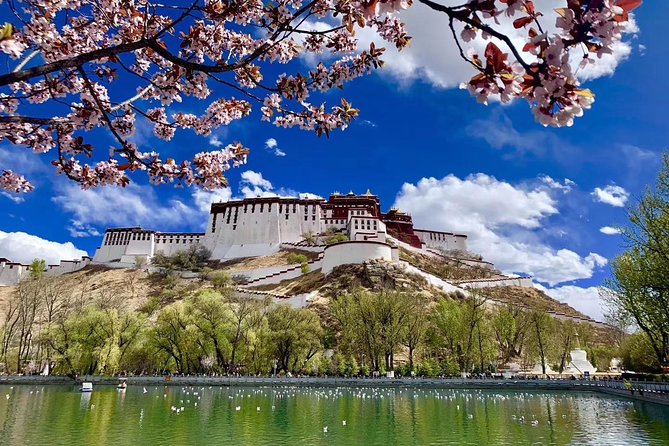
Potala Palace was the winter palace of the Dalai Lama and has served as one of Tibet’s major political and religious landmarks since the era of the 7th-century Tibetan king. The planned visit lasts about 90 minutes.
That is enough time for a guided introduction and a look at the palace interiors, but not enough for an unhurried exploration of every room. The palace is the kind of place where the guide adds real value. Architectural details, religious objects, and the role of the building make more sense when someone explains what you are seeing.
The palace visit can feel demanding because the tour moves through a major historic site in a short window. Take the guide’s timing seriously and stay with the group. Also confirm the ticket details before departure. The itinerary lists an admission charge at this stop, while the package inclusions say entrance tickets for listed sites are covered. That wording should be clarified in writing.
Same country, a completely different kind of day:
- From Beijing: Mutianyu Great Wall Tours with Options
★ 4.9 · 9,216 reviews - Beijing: Forbidden City Tour(Group/Private)-Tickets Included
★ 4.8 · 7,974 reviews - Beijing: T-Square & Forbidden City Group or Private Tour
★ 4.8 · 4,446 reviews - Beijing: Mutianyu Great Wall Daily Tour with Ticket & Lunch
★ 5.0 · 3,056 reviews
Jokhang Temple
After lunch, you visit Jokhang Temple for about 90 minutes. The temple was founded in the 7th century and is associated with a highly revered statue of Buddha Sakyamuni shown at age 12.
This is not just another historic building to check off. Jokhang is an active place of worship, and the experience depends as much on observing religious practice respectfully as on looking at the architecture. Your guide can explain the meaning behind the rituals and help you understand why pilgrims gather here.
The schedule gives you a focused visit rather than free time to wander. That is useful if this is your first visit to Tibet, though you may wish for longer to absorb the interior details.
Barkhor Street
Barkhor Street circles Jokhang Temple and gives you the most direct contact with daily religious life on this tour. The planned stop lasts about 30 minutes, and you can join the kora, the devotional circuit around a sacred building or mountain, alongside pilgrims and local residents.
You can also browse the old market and taste Tibetan tea in a local teahouse. This is one of the tour’s most appealing details because it moves beyond grand monuments and lets you see a living neighborhood tradition.
Thirty minutes is short. You may need to choose between walking part of the kora, looking through market stalls, and sitting for tea. If the guide offers a choice, I would favor the religious circuit first, then use any remaining time for tea or shopping.
The day is packed, but the order makes sense. Potala Palace introduces Tibet’s former political center, Jokhang brings you into its sacred center, and Barkhor shows how the area still functions as a place of worship and community.
Day 3: Dadong Village, Drepung, and Sera Monastery
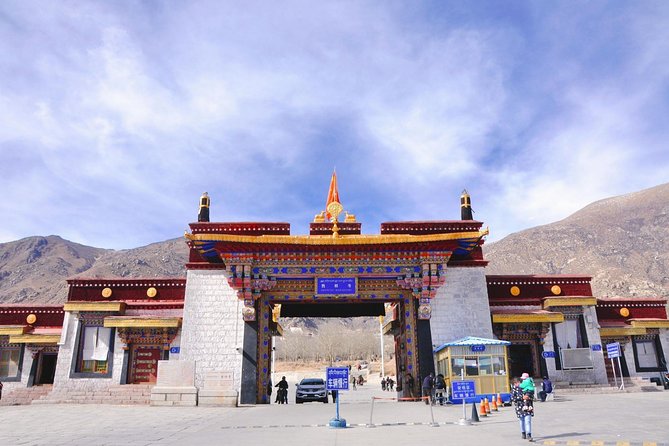
The second full day moves outside central Lhasa and then returns for a monastery visit in the afternoon. The schedule is listed as four hours for the first stop and two hours for Sera, so this is another substantial day.
Dadong Village and the Drepung listing
The itinerary names the first stop Drepung Monastery, but its description focuses on Dadong Village, about 25 kilometers southwest of central Lhasa. Dadong is presented as a well-protected old Tibetan village surrounded by rural scenery.
That mismatch is important. Drepung is one of Tibet’s great Gelug monasteries, yet the written stop description does not clearly say how much time you spend inside Drepung itself. Ask the operator to confirm whether the day includes Drepung Monastery, Dadong Village, or both.
If Dadong is included, it gives the tour a welcome change of pace. After the large monuments in central Lhasa, an older village setting can help you see how Tibetan life extends beyond palace walls and temple courtyards. The four-hour block suggests a fuller outing, but exact sightseeing time and lunch arrangements should be confirmed.
If Drepung is included as well, its importance fits the theme of the tour. It is one of the three great Gelug monasteries of Tibet, alongside Sera and Ganden. The supplied schedule, however, does not list a separate duration or clear admission detail for Drepung, so do not assume the visit is guaranteed without clarification.
Sera Monastery and the afternoon debate
Sera Monastery is scheduled for the afternoon, with about two hours on site. The key attraction is the monk debate, usually planned around 3 to 5 pm.
This is one of the smartest timing choices in the program. The debate gives you something more active than a silent look at temple rooms. Monks challenge one another through questions, gestures, and formal responses as part of Buddhist study. The guide’s explanation is especially useful here because the gestures can look theatrical if you do not know their purpose.
Two hours should let you see the debate and learn about the monastery, but the schedule leaves little room for getting lost in side chapels or browsing at leisure. Keep the afternoon timing in mind when arranging your day before or after the tour.
The monastery day also shows why a local guide matters. Past guides such as Tsedon and Pasang have been singled out for detailed explanations of Tibetan Buddhism and for making sure group members were cared for. Those are valuable qualities at Sera, where context turns an unusual public debate into a meaningful part of monastic education.
The $509 price and what it covers
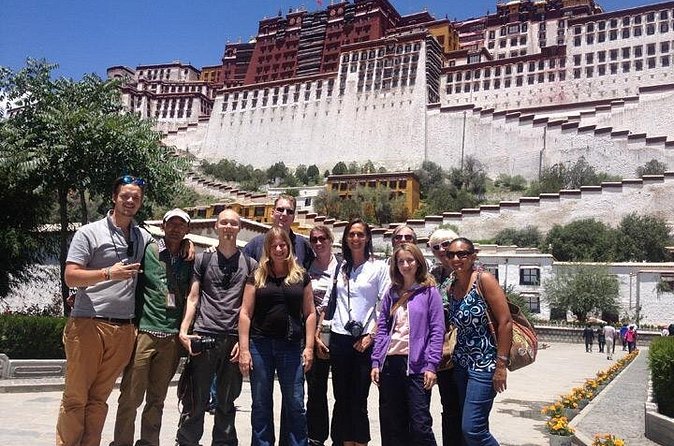
At $509 per person, the tour offers a fair convenience package if you need the permit and transfers. The price includes:
- Tibet Travel Permit and other necessary permits
- Transport in a comfortable van or minibus
- Experienced local driver and fuel
- English-speaking Tibetan guide
- Tourist accident and casualty insurance
- Airport or train-station pickup and drop-off in Lhasa
- Three nights of twin-share hotel accommodation
- Three breakfasts
- Welcome dinner
- Drinking water during the trip
- Entrance fees for listed attractions, according to the inclusions
- Platform service fee
Your main expenses outside the package are the flight or train ticket to Lhasa, lunches, dinners other than the welcome meal, tips, and a possible single-room supplement.
The value depends on how much help you want. If you are already arranging a longer Tibet trip, this four-day package may duplicate transport or permit work. If you want a short, organized first look at Lhasa, the permit service and arrival transfer are significant benefits.
I would not book based on the $509 figure alone. Confirm the hotel name, single supplement, entrance-ticket wording, and the exact Day 3 plan. Those details determine how much free time and out-of-pocket cost you really have.
Permits, visas, and booking timing
You need to book at least 20 days before departure so the operator can obtain the Tibet Permit. You must provide photocopies of your passport and Chinese visa at least 20 days before the trip, and the operator may contact you after confirmation to collect those details.
Confirmation is sent within 48 hours, subject to availability. The permit is delivered to your delivery or hotel address in one Chinese city, so you need to plan where you will be staying before entering Tibet.
Your visa route depends on how you reach Lhasa. If you fly from Kathmandu, do not apply for a China L Visa in advance. You need a Tibet Group Visa from the Chinese Embassy in Kathmandu through a travel agency, using an invitation letter from the tour operator.
If you fly or take the train to Lhasa from a city in China, you need a China L Visa obtained from the Chinese Embassy in your country. A valid passport and the China L Visa used for the permit application are required during the tour.
This paperwork is the least glamorous part of the trip, but it is central. Give yourself more time than the minimum if your route or visa situation is complicated.
Pace, group size, and practical comfort
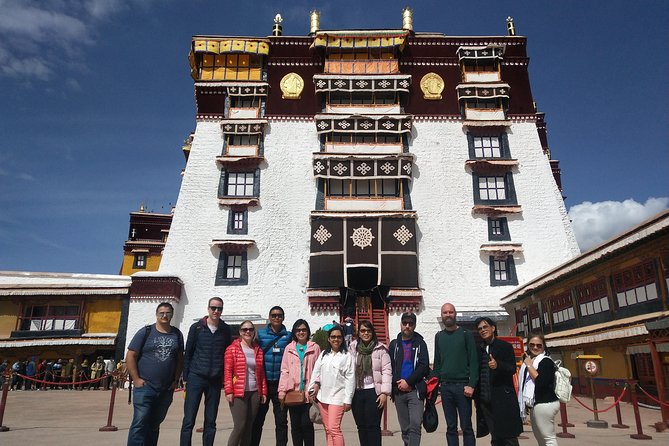
The tour starts at 9:00 am, uses a van or minibus, and is limited to 12 people. Transport between sites is included, which makes the program easier than arranging separate taxis in an unfamiliar city.
Most people can take part, and service animals are allowed. The information provided does not give a detailed mobility assessment for Potala Palace, Jokhang, or the monasteries, so anyone with access needs should ask the operator for site-specific advice before booking.
The altitude is not addressed in the supplied details, so you should raise that topic with the provider and your doctor before travel. The schedule is active, and even a comfortable vehicle does not change the demands of a high-altitude destination.
Breakfast is included each morning, but you need to budget for other meals. Drinking water is provided during the trip. Tips for the guide and driver are not included, so carry a separate amount for those at the end.
The cancellation terms are reasonably clear: a full refund is available when you cancel at least six full days before the start time. Cancelling two to six days ahead allows a 50 percent refund, while cancelling less than two full days ahead means no refund. Changes follow the same time limits.
Who should book this Lhasa tour?
I would choose this tour if you have only a few days, want the main Lhasa sights in one organized package, and prefer a small group to a private trip. It also suits first-time visitors who do not want to manage permits, hotel transfers, and local transport on their own.
The tour is a good match for a history and religion-focused visit. Potala Palace, Jokhang Temple, Barkhor Street, Drepung, and Sera cover the core cultural sights, while Dadong Village offers a quieter contrast.
I would hesitate if you want long free periods, independent photography time, or a slow monastery stay. The first and last days are mainly for transport, and the two sightseeing days are full. I would also ask direct questions about the Day 3 village and monastery combination, and about admission fees, before committing.
Should you book the 4 Days Lhasa Impression Small Group Tour?
Book it if you want an efficient first taste of Lhasa with the difficult paperwork and transfers handled for you. The small group, local Tibetan guide, Sera debate, Barkhor kora, and welcome dinner give the trip more substance than a simple monument shuttle.
Skip it if you need a flexible schedule or plan to spend a week or more in Tibet. In that case, a longer custom itinerary may give you better value and more time at each site.
For most first-time visitors with four days available, this is a sensible short introduction. Just confirm the two unclear points, entrance fees and the Day 3 Drepung or Dadong plan, before booking.
FAQ
How long is the tour?
The tour lasts approximately four days and includes three nights in Lhasa.
What is the maximum group size?
The group can include a maximum of 12 people.
What sights are visited?
The program includes Potala Palace, Jokhang Temple, Barkhor Street, Sera Monastery, and a Day 3 stop described as Drepung Monastery and Dadong Village.
Is airport or train-station pickup included?
Yes. Pickup and drop-off between the Lhasa airport or train station and the city are included and must be arranged by the tour supplier.
Is accommodation included?
Yes. Three nights in 3-star accommodation are included, based on twin sharing. A single-room supplement is available subject to availability and an extra charge.
Are meals included?
Three breakfasts and a welcome dinner are included. Lunches, other dinners, and tips are not included.
Is the Tibet Permit included?
Yes. The Tibet Travel Permit and other necessary permits are included.
How far in advance should I book?
You should book at least 20 days before the travel date so the operator can obtain the Tibet Permit. Passport and Chinese visa copies are also required at least 20 days before travel.
Can I cancel for a refund?
You can receive a full refund if you cancel at least six full days before the start time. Cancelling two to six full days ahead allows a 50 percent refund, and cancelling less than two full days ahead is nonrefundable.
Just added around China
- Hong Kong Airport to Hong Kong City Private Arrival Transfer★ 4.5 · 3 reviews
- Hong Kong Observation Wheel Ticket★ 5.0 · 3 reviews
- Hong Kong Palace Museum Ticket★ 5.0 · 3 reviews
- Hong Kong Peak Tram and Sky Terrace 428 Tickets (Optional)★ 3.5 · 22 reviews
- Hong Kong : Must-See Attractions Walking Tour With A Guide★ 5.0 · 7 reviews
- Hong Kong Private Walking Tour with a Local★ 5.0 · 6 reviews
- Hong Kong Market Walking Tour & Chinese Cooking Class★ 5.0 · 24 reviews
- Hong Kong: Lantau Island & Tai O Cruise, Skip The Line Cable Car★ 3.5 · 4 reviews
Tibet Tours, compared.
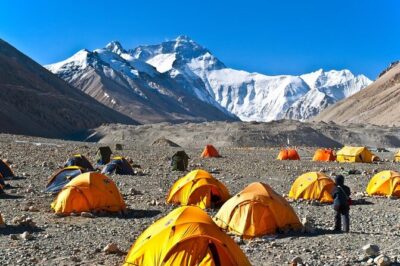
Tibet Tour 8 Days Lhasa to Everest Base Camp Small Group Tour
Read our review →
7 Days Lhasa to Kathmandu Overland Small Group Tibet Tour via EBC
Read our review →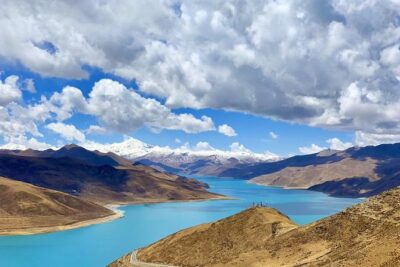
10 Days Tibet Everest Base Camp and Namtso Small Group Tour
Read our review →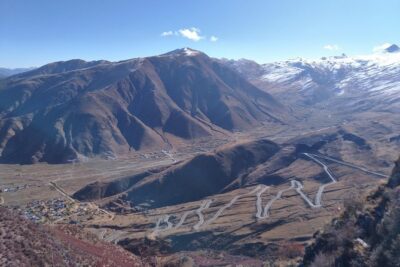
8 Days Lhasa Gyantse Shigatse Mt Everest Group Tour
Read our review →Browse the lists this tour appears in