
Reviewed · COOKING CLASSES
Half-Day Chengdu Cooking Class with a Local Market Visit
Chengdu’s food culture comes into focus when you see the ingredients before they reach the wok. This four-hour experience takes you through Liangjiaxiang market, then into Chilli Cool’s Kitchen to prepare several Sichuan dishes with a local chef. I like the market lesson and the chance to eat what you cook, rather than simply watching a demonstration.
I also like the human touch. Lance and Jerry are praised for clear English, translation, humor, and help with questions, while chefs including Chef Lei and Chef Lee guide the cooking. The main consideration is the pace: a market walk, tastings, tea, dumpling practice, and several dishes make this a full half-day, not a quick class.
Key details before you book
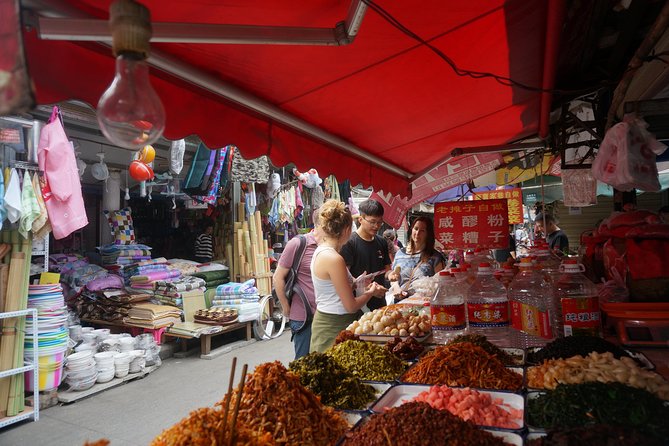
- Market first, kitchen second: Start at Liangjiaxiang market in Jinniu District, where you learn about vegetables, spices, fruit, and local food customs.
- Several dishes in one class: Past menus have included mapo tofu, kung pao chicken, twice-cooked pork, stir-fried cabbage, salads, dumplings, and wontons. The exact menu may vary.
- Lance and Jerry provide the bridge: English-speaking guides explain the market and translate the chef’s instructions during class.
- Your meal is included: You eat the dishes you prepare, with beverages, beer, tea, light refreshments, and food tastings included.
- Small group format: The maximum is 15 people, with group discounts and private options available.
- Plan for practical walking: Wear comfortable shoes, dress for the weather, and tell the operator about vegetarian or other dietary needs when booking.
Why this Chengdu food class works so well
Sichuan cooking is often reduced to one word: spicy. That misses the point. The cuisine also depends on aroma, fermented ingredients, fragrant oils, texture, heat control, and the balance between salty, sour, sweet, and hot flavors.
This experience gives you a useful introduction because it begins with the raw materials. At Liangjiaxiang market, you can see the produce and spices in their everyday setting before someone explains how they are used. That matters. A recipe card can tell you to add Sichuan pepper, but a market visit helps you understand what the ingredient looks like and why it belongs in the dish.
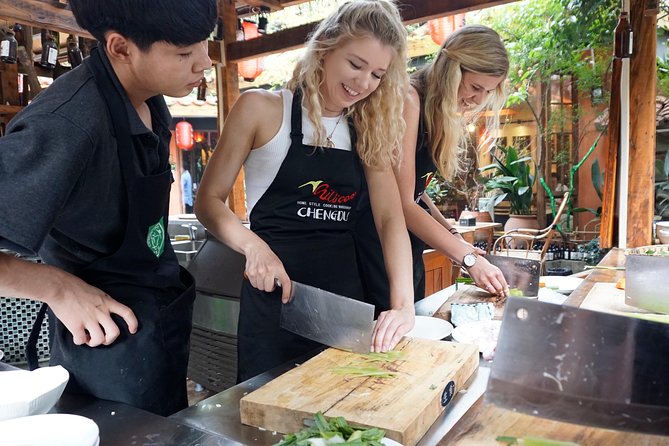
The cooking class then turns that information into action. You are not just sitting at a counter while a chef works. You chop, season, heat the wok, and follow the steps with help from the chef and English-speaking guide.
The result is a good mix of food, local life, and practical skill. It is also a useful choice if you want more than the usual famous sights in Chengdu.
A few more Chengdu trips to weigh up
- Chengdu: Cooking Class with Fresh Market Half Day Experience
★ 5.0 · 42 reviews - Half-Day steamed Buns Cooking Class with a Local Market Visit
★ 5.0 · 26 reviews - Half-Day Professional Mapo Tofu Cooking with a Local Market Visit
★ 5.0 · 19 reviews
Liangjiaxiang market: learning the ingredients before the cooking
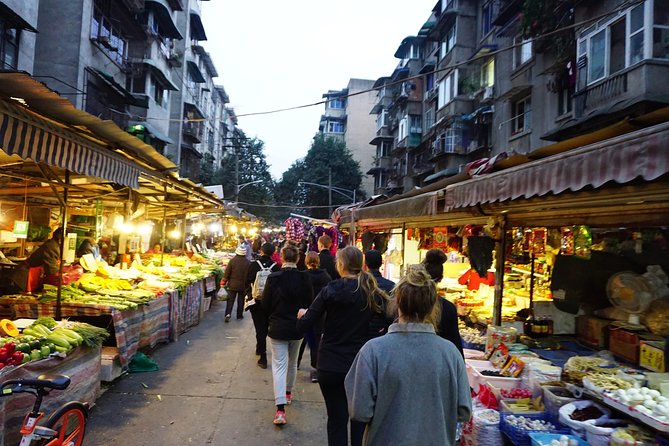
The meeting point is 163-11 Yi Huan Lu Bei San Duan in Jinniu District. The experience begins near public transportation, and the activity ends back at the meeting point, so you do not need to arrange a separate ride between the market and kitchen.
The market visit is the part that gives the class its local character. You walk through a real neighborhood market with a guide, looking at spices, vegetables, fruits, and other ingredients used in Sichuan meals. Lance or Jerry can explain what you are seeing and help with questions that may be difficult to handle without Chinese.
You might taste unfamiliar fruit or small local snacks along the way. Some groups have also had a chance to try making dumplings at a market stall and practice ordering food in Chinese. These details make the walk feel like more than shopping for ingredients.
The market is described as clean and easy to explore, but it remains a working food market rather than a polished attraction. You may not recognize many of the vegetables, and that is part of the lesson. If you like seeing how local people choose food for their kitchens, this is more useful than a display of packaged souvenirs.
The guide also adds context about local life and the meaning of the area. You can ask about ingredients, cooking habits, and the food you have already been eating in Chengdu. That open question-and-answer time is one of the strongest reasons to choose this class over a cooking lesson that begins and ends in a studio.
Tea, snacks, and a pause before the wok
After the market, the group goes to Chilli Cool’s Kitchen. Before cooking, you may have tea in a traditional workshop-style setting, along with light refreshments and food tastings.
This pause gives you time to settle in and look over the kitchen. The facilities are described as clean, comfortable, and well arranged for hands-on cooking. Ingredients are prepared for the class, so you are not left to spend the whole session washing and sorting vegetables.
That balance works well. You see the ingredients at the market, then get enough preparation in the kitchen to understand the process without wasting the limited four-hour schedule.
Some activities described by participants include tasting baijiu at a shop and purchasing bottles or spices to take home. These extras are not listed as guaranteed parts of every session, so treat them as possible additions rather than promised stops.
Cooking Sichuan dishes with local chefs
The class is led by a chef, with Lance or another English-speaking guide translating and explaining as needed. Names connected with the sessions include Chef Jerry, Chef Lei, and Chef Lee, also referred to as Auntie Lee in the kitchen.
The guide is important here. A wok class can become confusing if instructions move too quickly or if the chef’s cooking is not translated. Lance and Jerry are repeatedly praised for staying involved, answering questions, and helping the group understand both the ingredients and the technique.
You can expect to work through multiple dishes. Menus have included three-dish combinations such as stir-fried cabbage, kung pao chicken, and mapo tofu. Other sessions have featured twice-cooked pork, cucumber salad, pork dishes, tofu dishes, dumplings, or wontons.
Do not expect every class to use the same menu. Sichuan cooking changes with the season, the class format, and dietary needs. The important point is that you learn several preparations rather than one signature dish.
The class focuses on useful basics:
- Preparing vegetables and other ingredients before cooking
- Heating the wok and oil correctly
- Managing a fast cooking process
- Combining sauces and seasonings
- Adjusting flavor to suit your preference
- Handling Sichuan spices and chili-based ingredients
The wok work may look simple when a chef does it. At home, timing is harder. The value of the lesson is that you see the order of operations and practice it yourself. You may not produce restaurant-perfect food every time, but you leave with techniques you can try again.
Mapo tofu is a particularly good example. It is a dish many people order in Chengdu but never attempt at home. Preparing it with a chef helps explain how the tofu, sauce, chili, and seasoning fit together. You also learn that Sichuan food is not just about adding more heat.
Same country, a completely different kind of day:
- Chengdu: Giant Panda Breeding Research Base Ticket
★ 4.5 · 580 reviews - Tuktuk Food Tour Through Chengdu’s Local Eats
★ 5.0 · 435 reviews - Private Half-Day Chengdu Panda Breeding Center Tour with Optional Volunteer
★ 5.0 · 353 reviews - Chengdu: Sichuan Opera Shu Feng Yan Yun Evening Show Ticket
★ 4.7 · 185 reviews
Eating the food you prepared
At the end, you sit down and eat the dishes made during the class. Lunch or dinner is included, depending on the schedule, along with beverages and beer.
This is more satisfying than it may sound. You can compare your dish with the chef’s version, notice where your texture or seasoning differs, and ask what to change next time. The meal becomes the final lesson instead of a separate restaurant stop.
Dumplings or additional food may accompany the dishes, depending on the session. The meal is substantial enough to count as lunch or dinner, but the class also includes snacks and tastings earlier in the day.
For many people, this shared meal will be the best social part of the experience. You have worked together, made a few mistakes, and now have something to discuss at the table. Solo visitors are also welcome, and the small-group setting makes it easier to meet other people without the class feeling huge.
Vegetarian and dietary needs
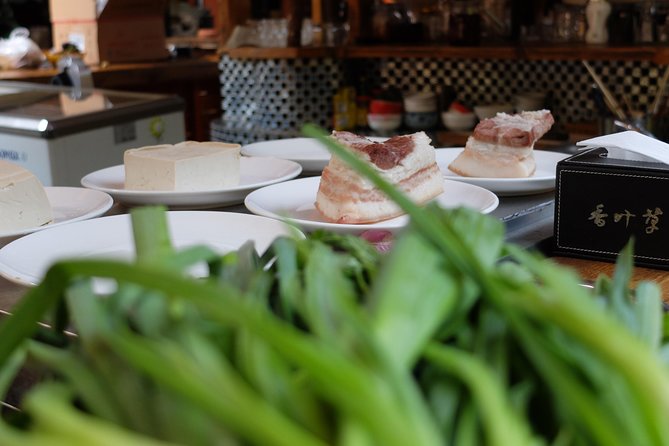
A vegetarian option is available, and several sessions have handled vegetarian diets well. You must advise the operator when booking, along with any other dietary requirements.
Do this early. Sichuan cooking can use meat, stock, fermented sauces, and other ingredients that are not obvious from a dish’s name. Clear notice gives the team a chance to plan suitable recipes and ingredients.
The cooking is hands-on, so tell the guide if you have concerns about chili, Sichuan pepper, or other strong flavors. The supplied information does not promise a specific spice level, so it is sensible to ask what can be adjusted.
The minimum age is five. That makes the class possible for families, though younger children may need close help around knives, hot oil, and a wok. The 15-person maximum keeps the class from becoming an auditorium demonstration, but the exact amount of individual attention can depend on the group.
Is $90 a fair price?
At $90 per person, this is not the cheapest meal-related activity in Chengdu. It is a fairer comparison to a guided market tour, a cooking lesson, a multi-course meal, and an English-language cultural introduction combined.
The price includes the guide, market tour, ingredients, tastings, refreshments, tea, beverages or beer, recipes, and lunch or dinner. You also avoid the usual small costs of buying ingredients, arranging transport between stops, and finding a separate meal afterward.
The recipes add lasting value. You can use them at home, though some Sichuan ingredients may require a visit to an Asian grocery or a specialty shop. The class also gives you a better basis for ordering food elsewhere in Chengdu because you will recognize more of the spices and cooking methods.
Group discounts may improve the price for families or friends. A private option is available if you want a more personal schedule or focused instruction, though the supplied details do not give the private-tour surcharge.
For a visitor who only wants to eat, $90 may feel high. For someone who wants to understand the food and take home practical skills, the package offers solid value.
Timing, meeting point, and what to wear
The experience lasts about four hours. That is long enough to cover the market and cooking without taking the entire day away from sightseeing.
You meet at 163-11 Yi Huan Lu Bei San Duan, Jin Niu Qu, Cheng Du Shi, Sichuan, postal code 610051. The activity ends at the same meeting point. It is near public transportation, and the market portion involves walking, so comfortable shoes are essential.
The class operates in all weather. Chengdu can be damp, and market conditions may change with rain, so dress in layers and bring suitable weather protection. There is no promise of hotel pickup, so check the confirmed meeting instructions before setting out.
Confirmation is provided at booking. A passport name, passport number, expiry date, and country are required for every participant. That is an important booking detail, especially if you are arranging the class for a family or group.
Free cancellation is available if you cancel at least 24 hours before the local start time. Changes or cancellations inside that window are not accepted for a refund.
Who should book this experience?
I would choose this class if you enjoy food but also want the story behind it. It suits first-time visitors to Chengdu who are curious about Sichuan ingredients, solo visitors who want a social activity, and couples or families looking for something more hands-on than a restaurant meal.
It is also a good fit if you want to learn dishes such as mapo tofu or kung pao chicken in a setting where you can ask questions. The recipes and technique lessons give you something useful after the holiday ends.
You should think twice if you dislike spicy food, crowded food markets, walking, or cooking in a group. You should also avoid treating it as a quiet private lesson unless you specifically book the private option.
The market is a key part of the experience. If you only want to sit at a worktable and cook, another class may suit you better. Here, the shopping walk, tastings, tea, translation, cooking, and shared meal are all part of the package.
Final verdict: a strong food choice in Chengdu
I would book this for a first or second visit to Chengdu, especially early in your stay. The market can help you recognize ingredients, and the cooking lesson can make later meals more understandable.
The strongest features are the local market setting, the clear help from Lance or Jerry, the chance to cook several dishes, and the meal at the end. The main trade-off is the fixed four-hour schedule and group format.
If you want a practical introduction to Sichuan food, not just another meal, this is a smart use of half a day. Bring comfortable shoes, give advance notice about dietary needs, and arrive ready to handle a little chili, a little chaos, and a lot of food.
FAQ
How long does the Chengdu cooking class last?
The experience lasts approximately four hours and includes the market visit, tastings or refreshments, the cooking lesson, and the final meal.
Where does the experience start and finish?
It starts and ends at 163-11 Yi Huan Lu Bei San Duan in Jinniu District, Chengdu. The meeting point is near public transportation.
What is included in the $90 price?
The price includes an English-speaking guide, the market tour, ingredients, beverages or beer, light refreshments, food tastings, lunch or dinner, and recipes.
Is a vegetarian option available?
Yes. A vegetarian option is available, but you must advise the operator when booking. You should also provide details of any other dietary requirements at that time.
What is the maximum group size?
The activity accepts a maximum of 15 participants. Group discounts and private options are available.
What is the cancellation policy?
You can cancel at least 24 hours before the experience start time for a full refund. Cancellations or changes made less than 24 hours before the start time are not accepted for a refund.
More Workshops in Chengdu
- Half-Day Sichuan Cooking Class Experience in Chengdu
★ 4.0 · 17 reviews - Private Panda Tour with Cooking Class One-day Trip
★ 5.0 · 11 reviews - Half day Chengdu Dumpling Class: Make from Scratch
★ 5.0 · 8 reviews - Half-day Chengdu Handmade Tofu Making and Mapo Tofu Cooking Class
★ 5.0 · 3 reviews
More Shopping Tours in Chengdu
- Half-day Dandan Noodles Cooking Class with a Local Market Visit
★ 5.0 · 8 reviews - Three-Hour Private Chengdu Tea Wholesale Market Tour
★ 5.0 · 4 reviews - 3-Hour Herbal Wholesale TCM Market and a Local Wet Market Tour
★ 5.0 · 4 reviews - Half-Day Private Hot-Pot Cooking Class with a Local Market Visit
★ 5.0 · 3 reviews
Just added around Chengdu
- Visiting Chengdu Panda Base in a Half Day★ 5.0 · 4 reviews
- Classsic sichuan Opera at sichuan Provincial Theater★ 5.0 · 4 reviews
- Tea Village in lost Town and Buddha 1 day tour★ 5.0 · 32 reviews
- Sichuan Opera with face-changing at Sichuan opera theater★ 4.5 · 6 reviews
- Sichuan Opera Show with Hotel Pickup★ 5.0 · 3 reviews
- Mini Group: Half-Day Chengdu Pandas Guided Tour★ 5.0 · 3 reviews
- Panda, Leshan, and Emei Mountain 2-day tour★ 5.0 · 4 reviews
- Shu Feng Ya Yun Sichuan Opera Ticket★ 5.0 · 13 reviews
Cooking Classes, compared.
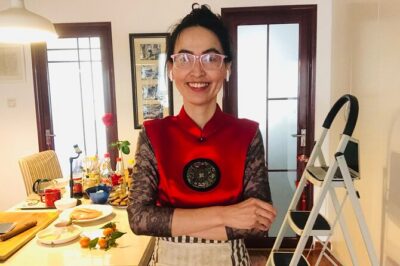
Online Cooking Class Beijing Dumplings and Cuisine by Sunflowerli Renowned Chef
Read our review →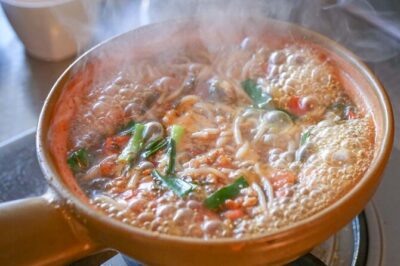
Lijiang Naxi Cuisine Cooking Class & Market Visit
Read our review →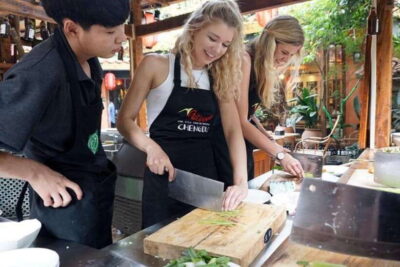
Cooking Class with Fresh Market Half Day Experience
Read our review →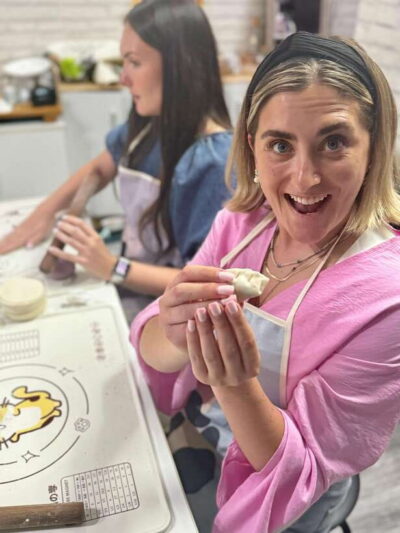
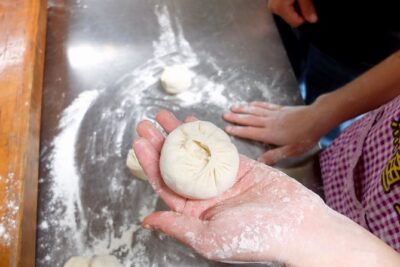
Half-Day steamed Buns Cooking Class with a Local Market Visit
Read our review →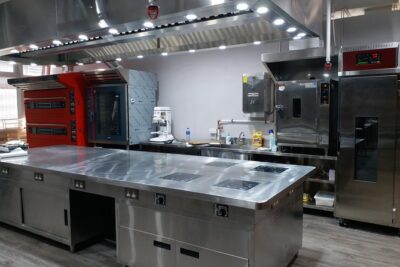
Hong Kong Market Walking Tour & Chinese Cooking Class
Read our review →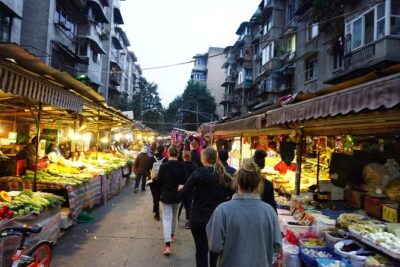
Half-Day Professional Mapo Tofu Cooking with a Local Market Visit
Read our review →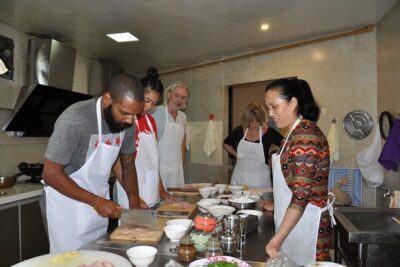
Half-Day Sichuan Cooking Class Experience in Chengdu
Read our review →Browse the lists this tour appears in