
Reviewed · COOKING CLASSES
Half-Day Private Hot-Pot Cooking Class with a Local Market Visit
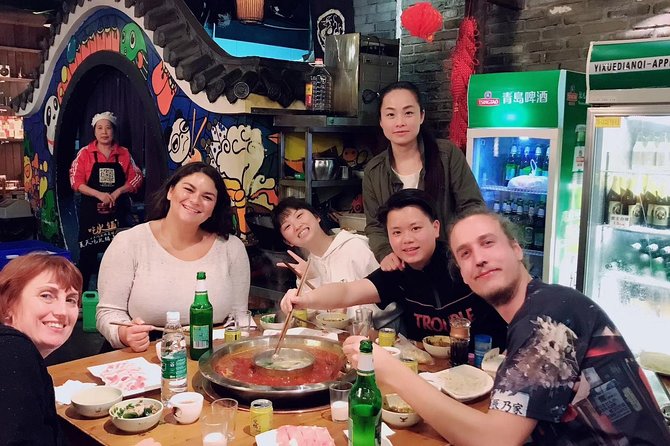
Chengdu’s hotpot is not just a meal. It is a lesson in balance: fiery chilies and numbing Sichuan peppercorns on one side, a gentle broth on the other. This 4.5-hour private class lets you prepare both versions, then sit down to eat your work.
I like the spice-market stop, which gives you a look at local ingredients before you cook. I also like the personal format, with guide Lance and a professional chef able to answer questions as you work. The main drawback is the price: at $90 per person, it costs more than simply ordering hotpot at a Chengdu restaurant.
Key points
- Two hotpots in one class: Prepare both the spicy red pot and the non-spicy white pot.
- A real market visit: Explore a spice market, sample local snacks, and see ingredients before they reach the cooking table.
- Hands-on food preparation: Learn to cut ingredients and arrange them with decorative presentation.
- Private experience: Only your group takes part, which gives you more room to ask questions.
- A calm start with Sichuan tea: Take a short break at the cooking venue before the chef begins.
- Book ahead: The experience is commonly reserved about 10 days in advance.
Why Chengdu hotpot works so well as a cooking class
Sichuan hotpot has been prepared in some form for at least 1,700 years. Its appeal is simple but powerful: a simmering pot sits at the center of the table, and you cook ingredients in it as you eat.
The classic red pot gets its punch from chili peppers and Sichuan peppercorns. The peppercorns do not simply make your mouth hot. They create a tingling, almost numbing sensation that changes how you taste the broth. The white pot uses a non-spicy broth, giving you a softer counterpoint.
This class prepares both. That is important, especially if your group has different tolerance for heat. You can compare the two broths rather than treating Sichuan food as one long test of courage.
I also like the double-pot setup because it shows how people can share a meal without eating the same way. You can move between the red and white sides, try different ingredients in each, and figure out which flavors suit you.
The cooking itself is part of the meal, not a separate demonstration. You learn how to prepare ingredients, cut them, and arrange them for the table. A professional chef guides that work, so the experience is designed for people who want more than a quick recipe card.
A few more Chengdu trips to weigh up
- Half-Day Chengdu Cooking Class with a Local Market Visit
★ 5.0 · 465 reviews - Chengdu: Cooking Class with Fresh Market Half Day Experience
★ 5.0 · 42 reviews - Half-Day steamed Buns Cooking Class with a Local Market Visit
★ 5.0 · 26 reviews
Starting with spices and snacks at the local market
The experience begins with a visit to a spice market. Your guide takes you through the market, points out local foods, and gives you a chance to try some snacks.
This first stop adds useful context. Instead of meeting Sichuan peppercorns only as a seasoning in a finished bowl, you see the food world around them. The market portion also gives you a practical way to get your bearings in Chengdu’s food culture before the class starts.
The snack tasting is a nice touch, but keep your appetite in reserve. The main meal comes later, and you will be eating hotpot that you helped prepare. The market is best treated as a preview rather than a full food tour.
The available details do not specify the exact market, the snacks, or how much time you spend there. That means you should expect an ingredient-focused visit, not a long, organized market tour with a fixed list of tastings.
Still, this is one of the more useful parts of the outing. A cooking lesson can feel disconnected from daily life if you arrive at a kitchen and immediately receive prepared ingredients. Seeing the spices and local foods first helps connect the class to Chengdu itself.
Sichuan tea before the chef takes over
After the market, you go to the cooking-class venue. You can take a break there with Sichuan local tea before the hands-on work begins.
That pause matters. A half-day activity with a market visit and a full meal has a fair amount packed into it. Tea gives you a moment to sit down, reset, and move from sightseeing mode into cooking mode.
The tea also fits the rhythm of the day. Chengdu’s food culture is not only about strong flavors and heat. A short tea break makes the experience feel less like a rushed demonstration and more like time spent around a table.
The venue details are limited, so you should not assume a particular type of kitchen, classroom layout, or tea service. What is clear is that the tea break happens after the market and before cooking begins.
Making both the red pot and the white pot
The main lesson covers both styles of Sichuan hotpot. The spicy red version brings chili peppers and Sichuan peppercorns to the table. The white version offers a non-spicy broth.
This is where the $90 price starts to make more sense. You are not paying only for a meal. You are paying for a guided food lesson, a market visit, a private group setting, and the chance to compare two broths in one sitting.
The class gives you a chance to understand how the ingredients affect the meal. The red pot is the obvious star for anyone curious about Sichuan cooking, but the white pot keeps the experience approachable for people who do not want every bite to burn.
I would still ask your guide about the heat level if you are sensitive to spice. The supplied details do not promise adjustments, substitutions, or special menus. The presence of a white pot helps, but it does not automatically answer questions about every ingredient or broth.
You also prepare the food yourself, then eat it with beer or another beverage. That makes the lesson social and relaxed. You are not watching a chef cook an impressive dish while remaining on the sidelines. You take part, then get the immediate reward of eating the result.
Same country, a completely different kind of day:
- Chengdu: Giant Panda Breeding Research Base Ticket
★ 4.5 · 580 reviews - Tuktuk Food Tour Through Chengdu’s Local Eats
★ 5.0 · 435 reviews - Private Half-Day Chengdu Panda Breeding Center Tour with Optional Volunteer
★ 5.0 · 353 reviews - Chengdu: Sichuan Opera Shu Feng Yan Yun Evening Show Ticket
★ 4.7 · 185 reviews
Cutting and arranging food with a professional chef
The class includes instruction on cutting ingredients and setting dishes with decoration. This may sound like a small detail, but it is one of the better reasons to choose a class over a restaurant meal.
Hotpot ingredients are cooked at the table, so size and presentation matter. Cutting affects how quickly something cooks and how easy it is to pick up. Arranging the ingredients also changes the look of the meal before the pot starts bubbling.
The professional chef provides the technical guidance. Your guide handles the wider experience, including the market visit and cultural explanation. That division gives you two kinds of help: a person who can put the food in context and a chef who can show you how to prepare it.
The instruction is not described as a formal culinary qualification or an advanced chef course. Think of it as a practical introduction. You will learn enough to understand the process and repeat some of it at home, but the focus is on enjoying the meal as much as mastering technique.
The private format helps here. Only your group participates, so you do not have to compete with a large class for the chef’s attention. If you want to ask why an ingredient is cut a certain way or how the two broths differ, a private setting should make that easier.
Eating what you prepared
Once the cooking is finished, you eat the hotpot you made. Beer and other beverages are available as part of the meal experience.
This final stage is more than a reward. It lets you test the choices you just made. You can compare ingredients in the red broth and the white broth, see how the cooking time changes texture, and decide which side of the divided pot you prefer.
The class is especially well suited to people who enjoy food as a shared activity. Hotpot is naturally social because the meal develops at the center of the table. You cook, wait, taste, and adjust together.
The tradeoff is time. A restaurant meal is faster and may offer a larger menu. This class asks you to spend roughly four and a half hours on one food tradition. If you have only a short stay in Chengdu or prefer to cover several attractions in a single morning, that time commitment deserves attention.
On the other hand, the experience gives you a stronger connection to the meal. You have seen the spices, handled the ingredients, worked with the chef, and then eaten the finished hotpot. That chain makes the dinner more memorable than simply arriving at a restaurant and pointing at a menu.
What Lance adds to the experience
Lance is the named guide for the experience, and the available details describe him as engaging, informative, and willing to answer questions. Those qualities matter in a food class because the guide sets the pace between the market, tea break, and kitchen.
A good guide can turn unfamiliar ingredients into something you understand. In this case, Lance helps connect the market visit to the cooking session and keeps the experience from feeling like two unrelated activities.
The class also includes clear explanations without a rigid speech, according to the experience details provided. That suggests a conversational format rather than a memorized lecture. You can expect the human side of the activity to be part of its appeal.
Still, guide performance can vary from one departure to another. Lance is specifically named in the information available, but the class may not guarantee that he leads every booking. If having him matters to you, ask when you reserve.
Is $90 per person a fair price?
At $90 per person, this is a premium food activity by Chengdu standards. The value depends on what you want from the day.
The price includes several layers: a private guide, a spice-market visit, local snack tasting, Sichuan tea, professional cooking instruction, two hotpot styles, the prepared meal, and beer or another beverage. Pickup is offered, and the experience is near public transportation, which may also reduce the effort of arranging your way around the city.
For a private activity, the cost is easier to justify for couples, families, or small groups. Group discounts are offered, so the per-person value may improve if you are booking with several people.
I would not choose this class if your main goal is simply to eat inexpensive hotpot. You can do that elsewhere for much less. I would choose it if you want a structured introduction to Sichuan flavors, prefer private guiding, and value the market-to-kitchen format.
The three published ratings are all 5 out of 5, with especially strong praise for Lance, the cooking instructor, the market visit, and the clear, personal explanations. That is a small sample, so I would treat it as encouraging rather than final proof. The details point to an experience with a strong human element, not just a meal packaged for tourists.
Who will enjoy this Chengdu food experience?
This class is a good fit for you if:
- You want to understand Sichuan food instead of only ordering it.
- You enjoy eating as a group activity.
- Your party has mixed spice preferences.
- You prefer a private tour to a large class.
- You want a market visit linked directly to the food you will cook.
- You have about half a day available in Chengdu.
Families may like the hands-on format, though the supplied information does not specify children’s ages or special arrangements. Couples and friends can make good use of the private setting, especially if they want to ask questions without holding up a larger group.
It is less suitable if you dislike spicy food, want a fast meal, or need detailed information about dietary substitutions before booking. The white pot offers a non-spicy choice, but no specific vegetarian, vegan, allergy, or religious-diet provisions are stated.
Practical details before you reserve
The experience lasts about four hours and 30 minutes. Pickup is offered, and the venue is near public transportation. Because only your group participates, the schedule may feel more personal than a fixed large-group tour.
Mobile tickets are available, and confirmation is received at booking. The experience is commonly booked around 10 days ahead, so do not leave it until the last moment if your Chengdu dates are fixed.
Good weather is required. If poor weather causes a cancellation, you are offered another date or a full refund. You can cancel for a full refund up to 24 hours before the start time. Cancellations or changes made within 24 hours are not refunded or accepted, based on local time.
You should arrive ready to eat and cook, not just observe. Wear something comfortable, and keep your schedule open enough that the four-and-a-half-hour duration does not squeeze your next activity.
Should you book the private hotpot class?
Book it if you want a practical introduction to Chengdu food and like the idea of tracing ingredients from market to table. The two-pot format is a real strength, and the private setting gives Lance and the chef room to make the class more personal.
Skip it if you only want the cheapest hotpot meal, have little time, or need guaranteed dietary arrangements that are not listed. At $90, this is best seen as a food lesson and cultural outing with dinner included, not simply a restaurant reservation.
For curious eaters, it offers a clear way to understand why Sichuan hotpot is more than heat. You see the spices, prepare the ingredients, cook both broths, and then sit down to share the results.
FAQ
How long does the hotpot cooking class last?
The experience lasts approximately 4 hours and 30 minutes.
Where does the experience take place?
It takes place in Chengdu, China. The itinerary includes a spice market and a separate cooking-class venue near public transportation.
Does the tour include a market visit?
Yes. Your guide takes you through a spice market, where you can explore local foods and try some local snacks.
Which types of hotpot will I prepare?
You will prepare both a spicy red pot with chili peppers and Sichuan peppercorns and a non-spicy white pot with broth.
Will a chef guide the cooking?
Yes. A professional chef guides the cooking, including ingredient cutting and decorative dish arrangement.
Is this a private activity?
Yes. Only your group participates in the tour.
Is pickup available?
Yes. Pickup is offered, and the experience is also near public transportation.
What is the cancellation policy?
You can cancel up to 24 hours before the start time for a full refund. Cancellations or changes made less than 24 hours before the start time are not refunded or accepted. If poor weather causes the experience to be canceled, you are offered another date or a full refund.
More Workshops in Chengdu
- Half-Day Sichuan Cooking Class Experience in Chengdu
★ 4.0 · 17 reviews - Private Panda Tour with Cooking Class One-day Trip
★ 5.0 · 11 reviews - Half day Chengdu Dumpling Class: Make from Scratch
★ 5.0 · 8 reviews - Half-day Chengdu Handmade Tofu Making and Mapo Tofu Cooking Class
★ 5.0 · 3 reviews
More Shopping Tours in Chengdu
- Half-Day Professional Mapo Tofu Cooking with a Local Market Visit
★ 5.0 · 19 reviews - Half-day Dandan Noodles Cooking Class with a Local Market Visit
★ 5.0 · 8 reviews - Three-Hour Private Chengdu Tea Wholesale Market Tour
★ 5.0 · 4 reviews - 3-Hour Herbal Wholesale TCM Market and a Local Wet Market Tour
★ 5.0 · 4 reviews
Just added around Chengdu
- Visiting Chengdu Panda Base in a Half Day★ 5.0 · 4 reviews
- Classsic sichuan Opera at sichuan Provincial Theater★ 5.0 · 4 reviews
- Tea Village in lost Town and Buddha 1 day tour★ 5.0 · 32 reviews
- Sichuan Opera with face-changing at Sichuan opera theater★ 4.5 · 6 reviews
- Sichuan Opera Show with Hotel Pickup★ 5.0 · 3 reviews
- Mini Group: Half-Day Chengdu Pandas Guided Tour★ 5.0 · 3 reviews
- Panda, Leshan, and Emei Mountain 2-day tour★ 5.0 · 4 reviews
- Shu Feng Ya Yun Sichuan Opera Ticket★ 5.0 · 13 reviews
Cooking Classes, compared.

Half-Day Chengdu Cooking Class with a Local Market Visit
Read our review →
Online Cooking Class Beijing Dumplings and Cuisine by Sunflowerli Renowned Chef
Read our review →
Lijiang Naxi Cuisine Cooking Class & Market Visit
Read our review →
Cooking Class with Fresh Market Half Day Experience
Read our review →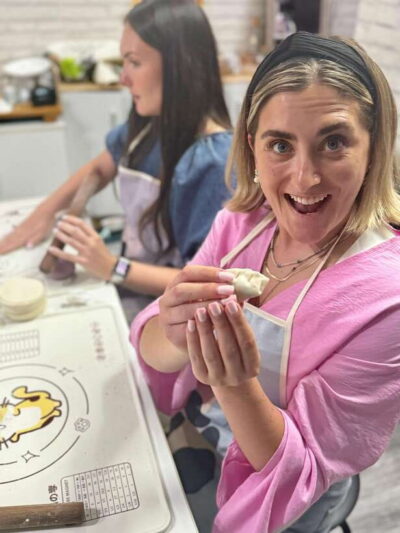
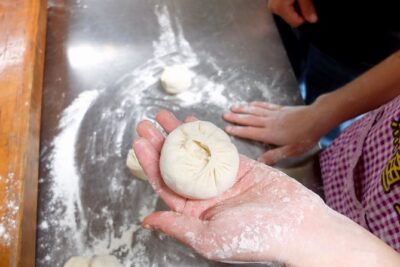
Half-Day steamed Buns Cooking Class with a Local Market Visit
Read our review →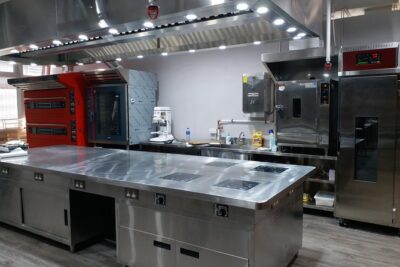
Hong Kong Market Walking Tour & Chinese Cooking Class
Read our review →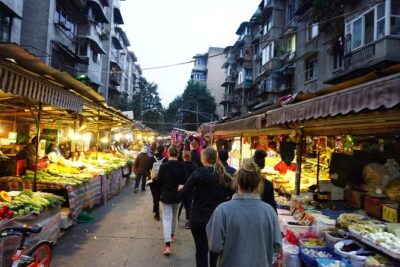
Half-Day Professional Mapo Tofu Cooking with a Local Market Visit
Read our review →Browse the lists this tour appears in