
Reviewed · WORKSHOPS
Water Color Class in Beijing
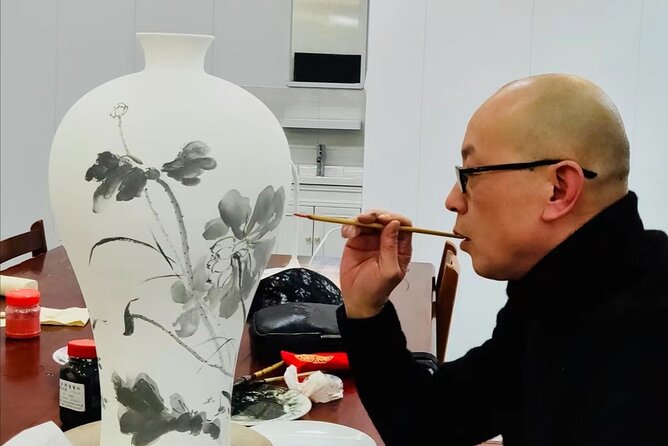
A painted fan makes a far more personal Beijing souvenir than another shop-bought trinket. In this 90-minute class, you learn basic water color techniques, practice with traditional brushes, and finish a handmade fan with help from instructor Richard Li or another member of the teaching team.
I like the small group limit of nine, which leaves room for calm, individual instruction. I also like the setting in the schedule: you can choose a morning or afternoon start, then return to sightseeing without giving up half your day. The class includes art materials, instructor help, and the finished fan.
The main consideration is that the class is simple in format but not effortless. Painting in this style takes control, patience, and a light touch. If you expect to produce a polished masterpiece in 90 minutes, reset your expectations. You are paying for guided practice and a meaningful keepsake, not an art-school diploma.
Key points to know before booking
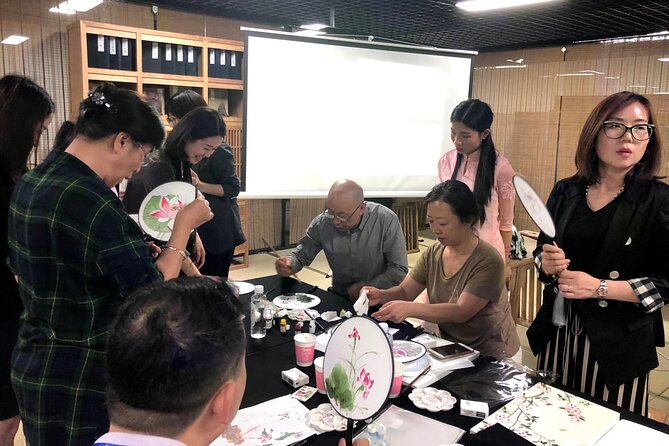
- Paint a traditional fan: Your final piece is a handmade, custom-designed souvenir rather than a pre-made purchase.
- Meet at Hilton Beijing Wangfujing: The class begins in the hotel lobby and ends at the same meeting point.
- Learn from Richard Li or another instructor: Richard is described as patient, calm, clear, and generous with tips.
- Sip jasmine tea while you work: The tea adds a quiet cultural touch during the painting session.
- Suitable for beginners and families: All ages and skill levels can take part.
- Plan around your sightseeing: Morning and afternoon class times make it easier to fit this into a busy Beijing schedule.
Why painting a fan works so well in Beijing
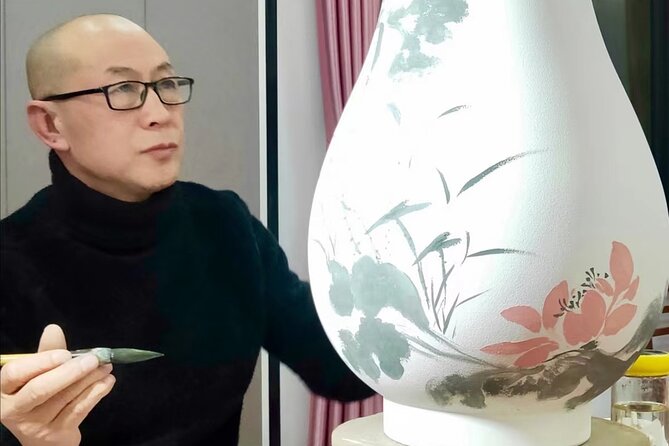
Beijing can be tiring in the best possible way. The Forbidden City, temple courtyards, grand avenues, and crowded shopping streets ask you to keep moving. A seated art class gives you a different way to spend part of the day. Instead of looking at Chinese art behind glass, you handle the brush yourself.
The fan also gives the class a clear purpose. You are not simply making practice marks on disposable paper. You are working toward an object you can pack, display, or give to someone at home. That practical finish makes the lesson more satisfying, especially if you are traveling with children or with a friend who wants a hands-on activity.
The class introduces Chinese art traditions through practice rather than a long lecture. You use brushes and colors, learn simple techniques, and apply them to the fan. The cultural material is woven into the activity, so you get a basic sense of how the art is approached while keeping your hands busy.
This is not presented as a formal museum course or a demanding technical workshop. It is a friendly introduction. That makes it a good fit if you are curious about Chinese painting but have little or no experience.
A few more Beijing trips to weigh up
- Beijing Calligraphy Class
★ 4.9 · 112 reviews - Chinese Calligraphy Class for Small Group
★ 5.0 · 104 reviews - Beijing: Dumpling Making Workshop with Meal and Tea
★ 4.7 · 69 reviews
Meeting Richard Li at Wangfujing
The meeting point is the lobby of the Hilton Beijing Wangfujing, at 8 Wangfujing East Street in Dongcheng District. That is useful for planning because you have a clear indoor location rather than an open street corner or a complicated neighborhood address.
Richard Li is identified as the art teacher, and the available feedback gives you a useful picture of his teaching style. He is described as patient, calm, kind, and clear. Those qualities matter in a painting class, where a rushed explanation can leave a beginner unsure how to hold the brush or apply color.
The teaching team may also include instructors referred to as Lee or Li in the supplied comments. The important point is that the instruction is personal and supportive. One participant received individual attention throughout a private session, while another stayed longer for an additional Chinese calligraphy class.
The group size can reach nine people. That is still intimate enough for questions and demonstrations, but the actual experience may vary depending on attendance. A full group will feel more social than a one-person lesson. A small group or private session can give you more time with the teacher.
The 90-minute painting session
The class lasts about one and a half hours. It begins with instruction in basic water color methods, followed by practice and work on the fan itself. You use art supplies and materials provided as part of the booking, so you do not need to carry brushes, paints, or paper from home.
The available feedback gives a useful clue about the rhythm. You first practice techniques, then move on to a lovely fan design. That order is sensible. A fan is not the place to make your very first uncertain brushstroke. Practice lets you learn how the colors behave before you commit to the final piece.
The class may include several small artworks or exercises before the fan. You can expect to handle different brushes and colors as you build control. The goal is not speed. Chinese brush painting rewards measured movement, and the process can feel calming after several days of sightseeing.
The phrase simple but not easy describes the activity well. The materials may look straightforward, but brush pressure, water, color, and movement all affect the result. You may find that a basic shape requires more care than expected. That is part of the lesson, not a flaw in the format.
Richard’s role is to give tips, demonstrate methods, and help you improve the result. This matters for beginners because a small correction can change the whole look of a stroke. You do not need to arrive with drawing skills. You do need to be willing to listen, practice, and accept that handmade work includes a few imperfect marks.
Jasmine tea and quiet cultural context
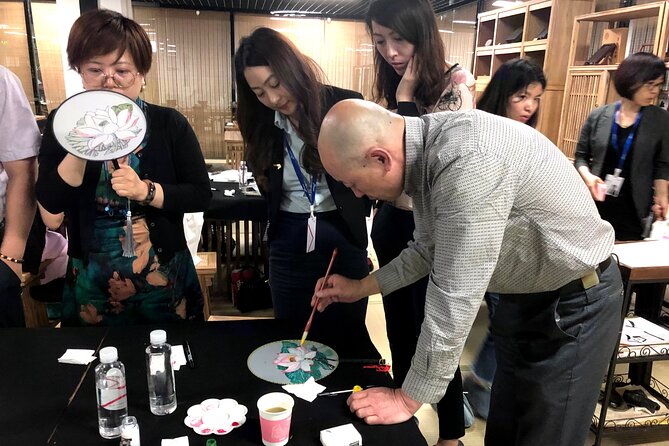
The session includes jasmine tea, according to the experience details. It is a small touch, but it helps the class feel like a cultural activity rather than a generic craft workshop. You can sip tea as you paint and enjoy a slower pace than you might find during a standard city tour.
The cultural teaching is practical rather than academic. You learn something about Chinese art traditions while using the tools and methods yourself. That approach is especially useful if you have already visited major museums or monuments and want to connect what you have seen with a simple creative activity.
The class also offers what one participant called Zen moments. You should not read that as a promise of a formal meditation session. It means the repeated brush practice and quiet concentration can be relaxing. After two crowded days in Beijing, a calm table, tea, and focused work may be exactly the change of pace you need.
Same country, a completely different kind of day:
- From Beijing: Mutianyu Great Wall Tours with Options
★ 4.9 · 9,216 reviews - Beijing: Forbidden City Tour(Group/Private)-Tickets Included
★ 4.8 · 7,974 reviews - Beijing: T-Square & Forbidden City Group or Private Tour
★ 4.8 · 4,446 reviews - Beijing: Mutianyu Great Wall Daily Tour with Ticket & Lunch
★ 5.0 · 3,056 reviews
Creating the finished fan
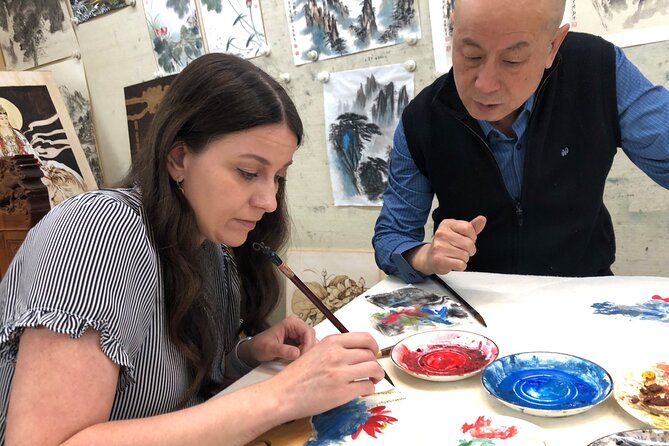
The fan is the central payoff. You design and paint your own piece, making it different from anything sold in a souvenir shop. The finished work may not look professional, especially if you are new to water color, but it will carry a memory of the time you spent learning.
This is also a good activity for families. The class is open to children and adults, and the project gives everyone a clear task. Younger participants may enjoy the colors and the idea of making something they can take home. Adults may appreciate the cultural explanation and the chance to try traditional materials.
A handmade fan is easy to understand as a Beijing memento. It has a direct connection to the class, the instructor, and the city. You can also use it as a gift, though you should take care when packing it because the item is a personal artwork rather than a mass-produced souvenir.
The class does not promise that every participant will create the same design. That is a strength. Your result depends on your choices and developing technique. If you want a perfectly uniform craft project, this may feel less predictable. If you like making something personal, the open-ended finish is part of the appeal.
How the $65 price measures up
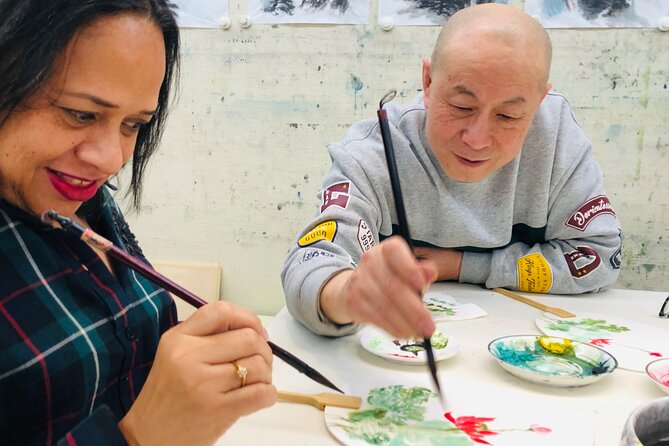
At $65 per person, this is not the cheapest way to spend 90 minutes in Beijing. You can visit public spaces and browse shops for far less. The value comes from the instruction, materials, cultural explanation, tea, and completed fan all being combined in one activity.
I would compare it with the cost of a short guided workshop rather than with the price of a souvenir. You are paying for a teacher’s time and for access to supplies you may not otherwise use. The small-group format also matters. A class capped at nine has a better chance of offering useful personal guidance than a large demonstration.
The value improves if you want a break from major sights. A city tour can become tiring when every hour is filled with walking, queues, and transport. This class gives you a planned pause without wasting an entire day. The morning or afternoon choices also make it easier to place the activity beside Wangfujing shopping or other central Beijing plans, though the supplied details do not promise travel time between the class and any other attraction.
It is less convincing value for someone who already paints Chinese brush art or wants advanced instruction. The lesson focuses on basic techniques and welcomes beginners. Experienced artists may enjoy the materials and cultural setting, but they should not expect a specialist master class.
Who will enjoy this activity most
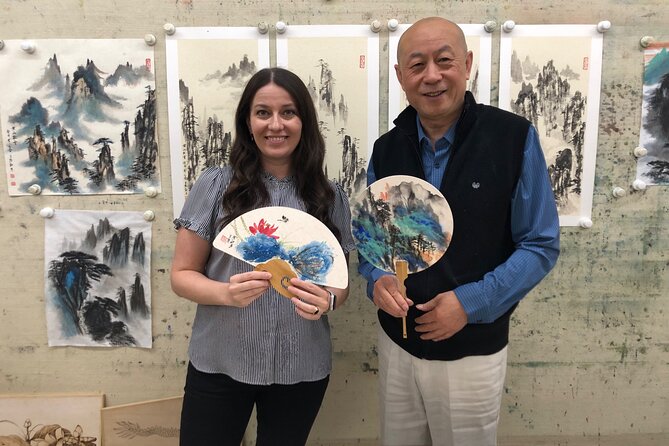
I would recommend this class to several kinds of visitors:
- First-time learners who want an easy introduction to Chinese painting.
- Families looking for an indoor activity that works across age groups.
- Couples or friends who prefer making something together to buying souvenirs.
- Art-minded visitors who want to use traditional brushes and colors.
- People needing a quiet afternoon after several days of sightseeing.
- Anyone who likes leaving a city with a personal object and a story.
It is also suitable for solo participants. One person received extended individual instruction, and a small group can make it easier to ask questions without feeling self-conscious.
I would be more cautious if you dislike guided activities or want to spend every available hour outdoors. The class follows an instructor-led format, and the project requires sitting, listening, and practicing. It is relaxing for many people, but it is still a lesson.
Timing, transport, and practical planning
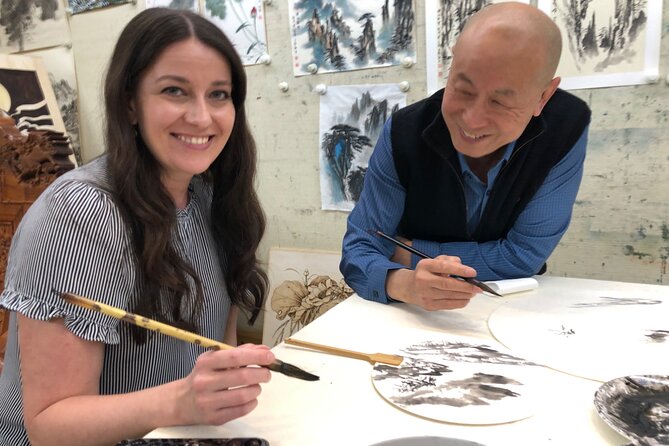
You choose between a morning class and an afternoon class. The broad choice of start times is useful in Beijing, where sightseeing plans can shift because of crowds and long distances. Check your booking carefully for the exact start time and arrive at the Hilton Beijing Wangfujing lobby as instructed.
The experience is near public transportation. The provided information does not specify a walking route, subway exit, or exact meeting procedure beyond the hotel lobby, so give yourself enough time to locate the hotel and reach the correct entrance.
The activity ends back at the meeting point. There is no separate drop-off at another attraction, and no other expenses are included beyond the class, supplies, and instructor fee. Plan separately for transport, food, and anything you buy afterward.
Confirmation is provided when you book, and mobile ticketing makes it convenient to keep the booking on your phone. Free cancellation is available if you cancel at least 24 hours before the local start time. Changes or cancellations inside that window are not accepted for a refund.
What the class does not include
This is a focused art class, not a full hutong tour or a general Beijing sightseeing experience. Despite the broader wording attached to the stop, the described activity centers on water color painting on a traditional fan.
You should not book it expecting hotel pickup, a meal, extended cultural touring, or a museum visit. None of those are included in the stated package. The meeting point is the Hilton Beijing Wangfujing, and the experience returns there when the lesson ends.
The class also does not guarantee a particular instructor in every case, although Richard Li is the named art teacher and receives the strongest personal praise in the supplied details. The teaching style is presented as patient and supportive, but the amount of individual attention will depend partly on group size.
Should you book the Beijing fan painting class?
Book it if you want a small, hands-on cultural activity with a finished souvenir and a slower pace. The strongest reasons are the patient instruction, the chance to practice with authentic materials, the jasmine tea, and the fact that you make the fan yourself.
At $65, the class makes the most sense when you value personal instruction and a meaningful object more than low-cost entertainment. It is particularly well suited to beginners, families, couples, and anyone who needs a calm break from Beijing’s major sights.
Skip it if you want advanced painting training, a long cultural tour, or a bargain activity. But if you are happy to learn slowly, make a few imperfect strokes, and take home something no shop can duplicate, this is a thoughtful way to spend 90 minutes in the city.
FAQ
Where does the water color class meet?
The class meets in the lobby of the Hilton Beijing Wangfujing Hotel at 8 Wangfujing East Street in Beijing’s Dongcheng District.
How long does the activity last?
The class lasts approximately 1 hour and 30 minutes.
What will I make during the class?
You will paint and create your own handmade traditional fan, which you can take home as a personal Beijing souvenir.
Are art supplies included?
Yes. Art supplies and materials are included, along with the 1.5-hour class and the instructor’s fee.
Is the class suitable for beginners?
Yes. The class is open to all ages and skill levels, including people with no previous water color experience.
How many people can join the class?
The activity has a maximum group size of nine participants.
Can I choose a morning or afternoon class?
Yes. You can choose between a morning class and an afternoon class when arranging the experience.
What is the cancellation policy?
You can cancel at least 24 hours before the local start time for a full refund. Cancellations or changes made less than 24 hours before the start time are not refunded or accepted.
Just added around Beijing
- Private Transfer to Mutianyu Great Wall with professional driver★ 5.0 · 19 reviews
- camp on the Great Wall overnight with sunrise and sunset on the wall★ 5.0 · 11 reviews
- One day tour to downtown Tianjin from Beijing by high speed train★ 5.0 · 3 reviews
- BusDa:Ancient Great Wall &Badaling Great Wall Full-day Bus Tour★ 4.5 · 6 reviews
- ZANBUS: Trip to the Jinshanling Great Wall Departing at 7:30 AM★ 5.0 · 5 reviews
- Yuxiandu Chinese Royal Cuisine Museum with Show and Royal Banquet★ 5.0 · 4 reviews
- Private Wild Great Wall Hiking tour at Simatai (Challenging)★ 5.0 · 16 reviews
- Wild Great Wall Huanghuacheng Half Day Tour★ 5.0 · 15 reviews
Workshops, compared.

Half-Day Chengdu Cooking Class with a Local Market Visit
Read our review →
Organic Chinese Dumpling Class with Market Walk
Read our review →
Online Cooking Class Beijing Dumplings and Cuisine by Sunflowerli Renowned Chef
Read our review →
Organic Xiao Long Bao Soup Dumpling Class & Market Walk
Read our review →
Beijing Wangfujing Calligraphy Class by Forbidden City
Read our review →Browse the lists this tour appears in