
Reviewed · WALKING TOURS
Shanghai Highlights Walking Tour With A Real Local
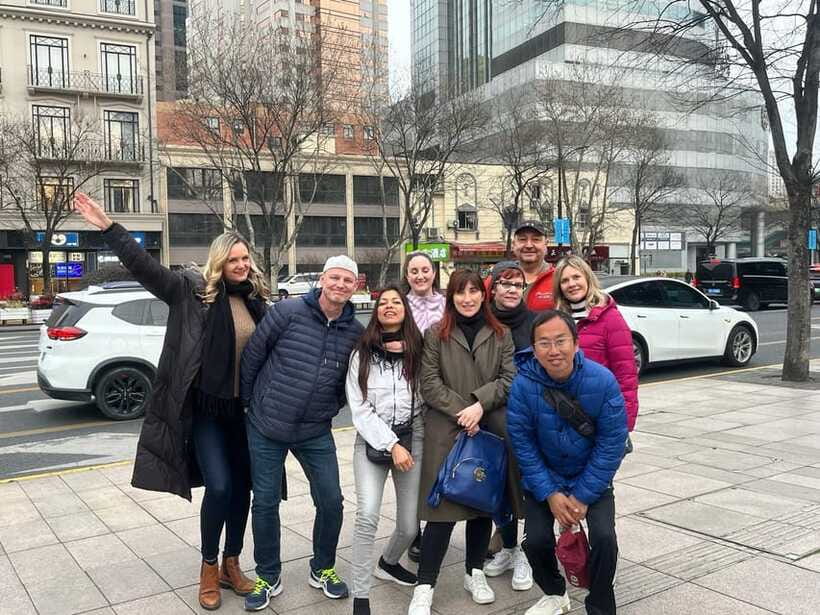
Shanghai makes more sense when you walk through the layers instead of viewing it from a bus window. This 2.5-hour route links the Bund, the Old Town, Yuyuan Bazaar, Nanjing Road, and People’s Park while a local guide explains how the city changed from a treaty-port banking center into modern China’s commercial powerhouse.
I especially like the personal Shanghainese perspective. Bill, the guide most often named for this experience, grew up in Shanghai and adds family memories to the history. I also like the practical food and restaurant advice, including the chance to try Shanghai fried dumplings on a local food street. The main drawback is that this is a fairly active city walk, and summer heat, crowds, and uneven streets may make it tiring.
Key points at a glance
- A local view of the Bund: Hear how Shanghai earned its reputation as the Wall Street of Asia during the 1930s.
- Old Town beyond the postcard: Walk among traditional buildings, Chinese pavilions, food stalls, and the 400-year-old Yuyuan Garden area.
- Personal stories from Bill: Expect history mixed with memories of growing up in a rapidly changing city.
- A useful first-day orientation: The route introduces major sights and leaves you with ideas for food, tea, shopping, and later exploring.
- A manageable pace: The walk covers a lot in 2.5 hours, with stops for explanations, shade, questions, and photographs.
- Flexible booking: You can cancel up to 24 hours before departure and reserve without paying immediately.
Why this walk works well in Shanghai
Shanghai can feel like several cities at once. The Bund presents grand colonial-era banks and hotels. The Old Town brings you into narrow lanes, traditional architecture, and everyday food culture. People’s Square then returns you to broad public spaces and the modern city center.
This tour is useful because it connects those areas on foot. You are not simply ticking off isolated landmarks. You are moving through the changes that shaped Shanghai, from foreign concessions and international finance to local neighborhoods and present-day urban life.
The guide’s local background adds something a standard sightseeing route often misses. Bill has lived in Shanghai all his life and can explain the city through both public history and personal experience. He also answers questions about daily life, food, shopping, tea, and places to eat during the rest of your stay.
I would book this early in a Shanghai visit. You get a useful mental map, learn which neighborhoods deserve another look, and can ask for advice before spending your limited time and money elsewhere.
A few more Shanghai trips to weigh up
- Shanghai Breakfast Walking Tour of Former French Concession
★ 5.0 · 139 reviews - Private Shanghai Evening Street Food Walking and Cruise Tour
★ 5.0 · 123 reviews - Shanghai: Evening Walking Food Tour
★ 4.9 · 115 reviews
Meeting near East Nanjing Road
The meeting point is Exit 1 of East Nanjing Road Metro Station, on Lines 2 and 10. Look near the Tissot store, opposite the Swatch store and close to the Swatch Megastore.
This is a busy area, so allow a few extra minutes to get out of the station and find the correct storefront. One useful detail is the luggage storage available near the meeting point. That can help if you are arriving from the airport or checking out of a hotel before an evening departure.
The tour is conducted in English. Last-minute booking is available up to the start time, subject to space. Still, I would not rely on that during a busy weekend or holiday period.
Wear comfortable shoes. Bring water, sunscreen, and a camera. Shanghai’s streets can be crowded, and the route involves standing and walking rather than sitting through a series of formal attractions.
Nanjing Road and the city’s public face
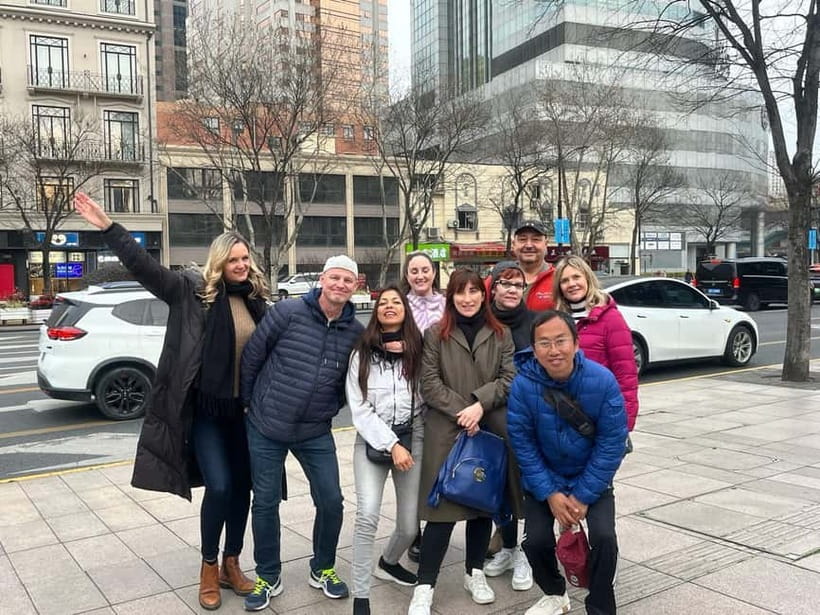
The walk begins around Nanjing Road, Shanghai’s best-known pedestrian shopping street. This gives you an immediate look at the city’s modern commercial side, with large stores, historic hotels, public buildings, and a constant flow of people.
You may see the Peace Hotel and the former Shanghai City Hall area along the way. These sights help set up the contrast between Shanghai’s grand international past and its current role as a major Chinese metropolis.
A good guide can make this part more than a stroll through shops. You learn how the central district developed, how old lane houses fit into the city’s growth, and how quickly Shanghai’s streets have changed. Personal stories are especially useful here, because the city’s recent transformation is still within living memory.
The route is not designed as a shopping tour, so do not expect long stops inside stores. Instead, treat Nanjing Road as an introduction to Shanghai’s scale and energy before the walk turns toward the river.
The Bund and the Wall Street of Asia
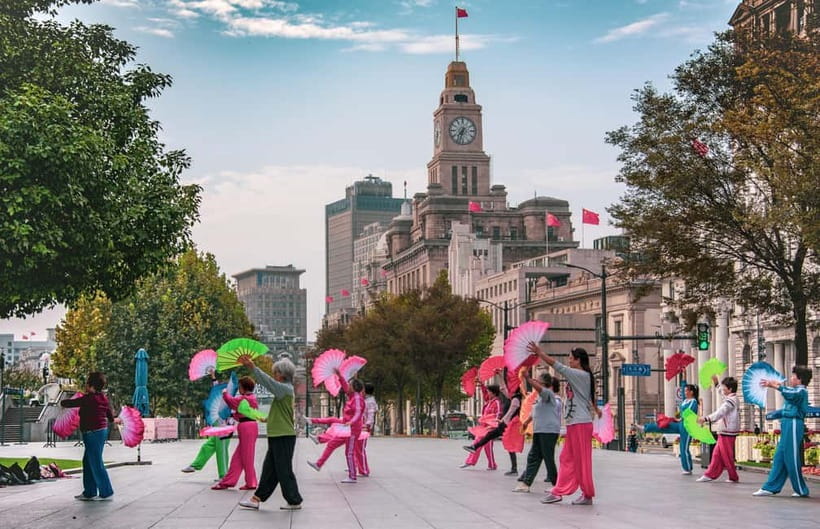
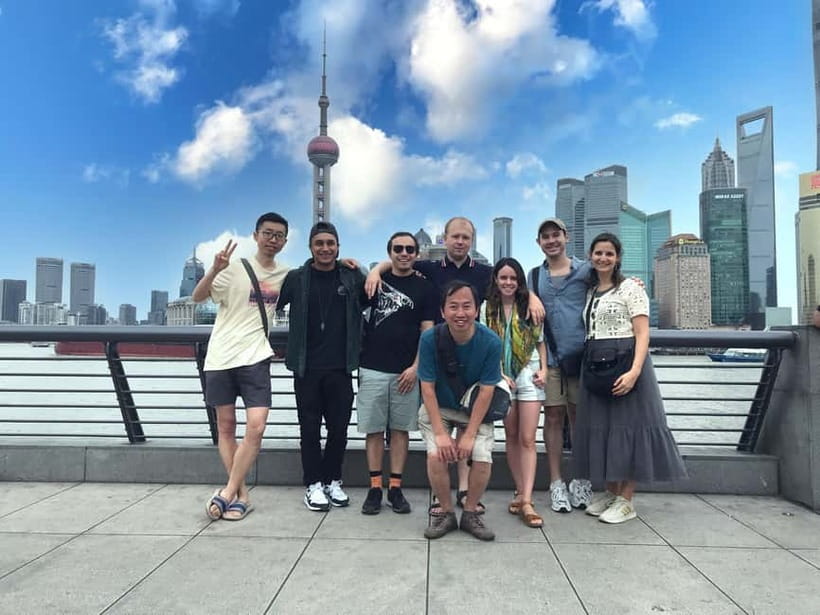
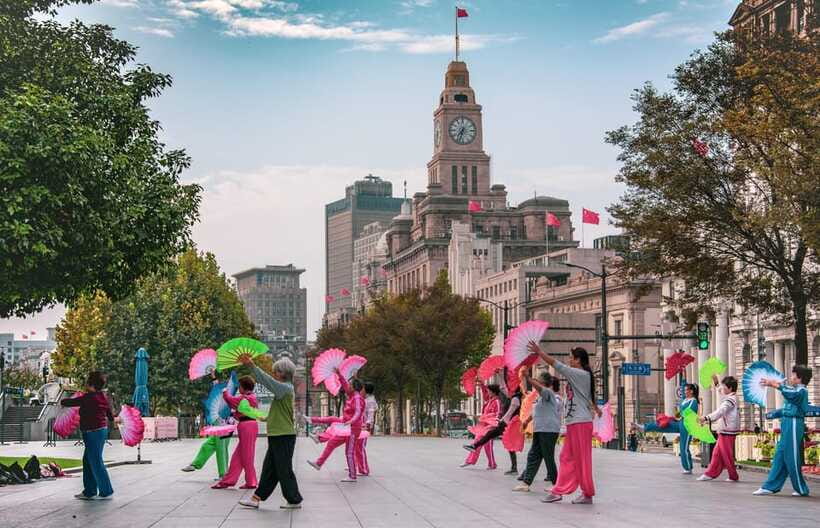
The Bund is the grand visual centerpiece of the route. Along the waterfront, historic buildings face the Huangpu River and the modern skyline beyond it. The Customs House, with its clock tower often compared to Big Ben, is one of the recognizable landmarks in the sequence.
The former HSBC Building is another important stop. Its exterior reflects the financial power that once concentrated here, when Shanghai was a major international banking center. The guide explains why the Bund was associated with the Wall Street of Asia in the 1930s and how foreign banks, trading firms, and shipping interests shaped the district.
I like this part because the buildings are easier to understand when someone explains their purpose. Without context, the Bund can become a quick photo stop. With a local guide, the grand facades become evidence of Shanghai’s complicated past, including foreign influence, commerce, and the city’s changing relationship with the outside world.
Allow time for photographs, but remember that the waterfront can be crowded. The views are best appreciated at a relaxed pace, and the guide may pause in a shaded area to speak rather than trying to lecture while the group walks.
The Bund is also one of the more exposed sections of the route. On a hot day, the sun and reflected heat can be tiring. Bring water and use sunscreen, especially from late spring through summer.
Same country, a completely different kind of day:
- Authentic Local Food Tour in Central Shanghai
★ 5.0 · 1,382 reviews - Zhujiajiao Water Town and Shanghai City Private Day Tour
★ 5.0 · 1,016 reviews - Private Shanghai Full Day City Tour with Old and New Highlights
★ 5.0 · 995 reviews - Shanghai: Hop-on Hop-off Bus Ticket and Optional Attractions
★ 3.4 · 692 reviews
Turning into the Old Town
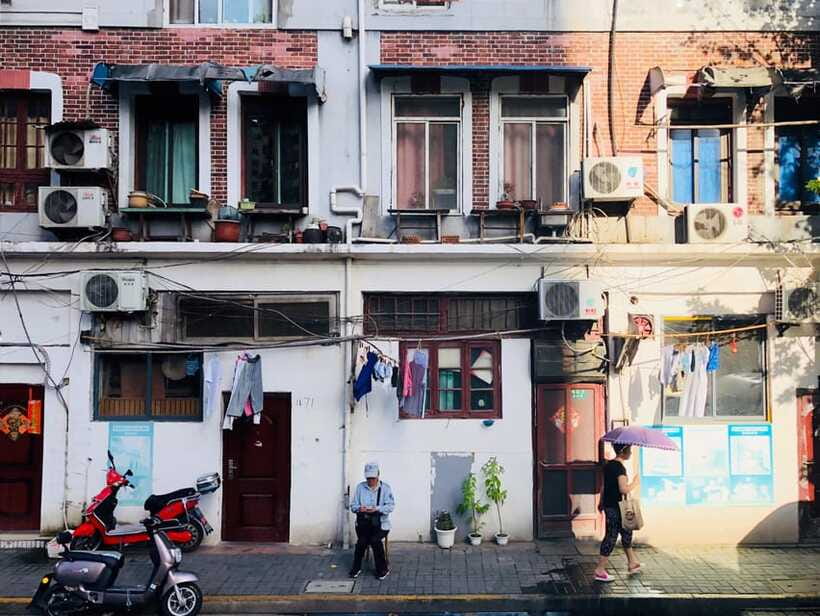
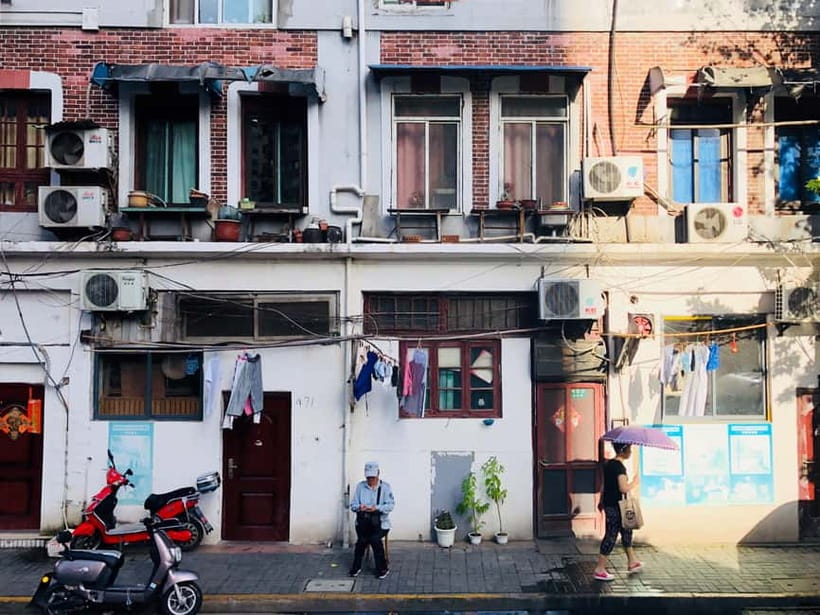
After the Bund, the tour shifts into Shanghai’s Old Town. The change is striking. Instead of wide waterfront views and formal stone buildings, you find older lanes, traditional architecture, shops, food stalls, and a more local street scene.
This is where the route feels most different from a typical city highlights tour. You see Shanghai as a lived-in place, not just as a collection of famous buildings. The guide can point out lane houses and explain how older residential areas fit into a city that is constantly rebuilding.
The Old Town also provides a useful counterpoint to the Bund. The Bund tells the story of international money and grand institutions. The Old Town shows the neighborhood scale of Shanghai, where food, housing, family life, and local commerce shape the experience.
You should expect crowds around the Yuyuan area. The route includes Yuyuan Bazaar, a popular area beside the ancient Yuyuan Garden complex. The garden itself is associated with roughly 400 years of history, while the bazaar is known for its Chinese-style pavilions, traditional-looking buildings, shops, and snack stalls.
This tour does not list entry to Yuyuan Garden as an included admission. The focus is on the surrounding Old Town and bazaar, so check the schedule if entering the garden is important to you.
Yuyuan Bazaar and fried dumplings
Yuyuan Bazaar is one of the liveliest sections of the walk. The architecture is designed in a traditional Chinese style, with decorative pavilions and older forms that make it a favorite place for photographs.
It is also a good place to discuss food. Shanghai cooking is not limited to expensive restaurants, and a street snack can tell you a lot about local habits. The route passes a popular food street where you may be able to try Shanghai fried dumplings.
These dumplings are usually valued for their crisp base, soft dough, and hot filling. Be careful with the first bite because the filling can be very hot. Food and drinks are not included in the tour price, so carry some Chinese yuan or use the payment method accepted by the vendor.
The food stop is not a full meal. Think of it as a chance to sample something and get recommendations for later. Bill is also known for giving suggestions for memorable dining, tea, and shopping, including places with something distinctive about them.
I would ask direct questions here. Tell the guide what you usually eat, your budget, and whether you want a simple local meal or a more polished restaurant. Specific advice is one of the most useful benefits of taking a local-led tour early in your stay.
People’s Square and People’s Park
The walk ends in the People’s Square area, near People’s Park and People’s Square Metro Station. This makes the finish convenient for continuing around central Shanghai or catching the metro to another part of the city.
People’s Square provides another change of scale. After the compact lanes of the Old Town, you return to broad public spaces and civic buildings. The route may include the City Hall area and People’s Park, giving you a look at how Shanghai uses central green space within a dense urban district.
On weekends, People’s Park is known for its marriage market. Parents and relatives gather there to post information and discuss potential matches for unmarried family members. It is a distinctive social custom and one of the more unusual sights on this route.
The marriage market is not guaranteed to be equally active at every moment, and the experience depends on the day and timing. If it is important to you, book a weekend departure and confirm the schedule with the guide.
Ending at People’s Park is practical. You are near the Former French Concession, although the tour does not cover that whole neighborhood. You can continue there independently, return to Nanjing Road, or use the metro.
The guide makes the difference
The strongest reason to choose this tour is the guide rather than any single landmark. The route covers familiar Shanghai sights, but the explanations and personal stories help them connect.
Bill is described as having excellent English, a lively personality, and an easy manner. He has handled groups with children by slowing the pace when needed, and he is comfortable answering questions about both historical events and present-day life.
That matters in Shanghai because the city’s past can be complicated. You may want to ask about foreign concessions, the Bund’s banking history, old neighborhoods, food customs, or the speed of redevelopment. A local guide who has lived through recent changes can add a human scale to those subjects.
The guide also appears to adjust the pace rather than forcing a march. The walk covers a lot of ground, but the route includes regular stops for stories and photographs. On hot days, shaded pauses are particularly welcome.
Guide assignments can vary. Most of the supplied feedback names Bill, while one experience names Miranda and another mentions Will. If having Bill specifically is important, ask when booking rather than assuming.
Pace, heat, crowds, and accessibility
The tour lasts 2.5 hours and is described as a steady walk, not a rushed race between landmarks. You cover several districts and major sights, so some walking is unavoidable.
The route can be manageable in warm weather because parts of it are shaded, but Shanghai summers can still be hot. Start hydrated, wear light clothing, and use sunscreen. Comfortable shoes are essential around the Old Town and bazaar.
Crowds are another consideration. The Bund, Nanjing Road, and Yuyuan Bazaar are popular areas. Stay close to the guide at busy crossings and keep your belongings secure.
There is conflicting information about accessibility. The activity details describe the tour as wheelchair accessible, while the same material says it is not suitable for wheelchair users or people with mobility impairments. Because the route includes extended walking and busy historic areas, contact the provider before booking if you have mobility needs. Do not assume a standard wheelchair-accessible label tells the whole story.
Is $34 a fair price?
At $34 per person, this is a good value if you want orientation, history, and local advice in one short outing. You are paying for an English-speaking guide, not for attraction admissions, food, hotel transfers, or transportation.
The value is strongest on your first day or two in Shanghai. A private guide for 2.5 hours would normally cost more, while a self-guided walk would cost less but would not provide personal memories, explanations, or restaurant suggestions.
You should budget extra for dumplings or other food, since meals and drinks are not included. You may also want to return later to Yuyuan Garden or spend more time in the Former French Concession, both of which require planning beyond this route.
The free cancellation period is up to 24 hours before departure, and you can reserve now and pay later. That gives you some flexibility if your Shanghai schedule is still changing.
Who should book this walk?
I recommend it for first-time visitors who want a broad introduction without committing to a full-day tour. It also suits people who prefer streets and neighborhoods to indoor museums.
Families can use it, especially if children are comfortable walking for several hours. The guide has adjusted the pace for younger members of groups, but the heat and crowds may still test small children.
Food-focused visitors will appreciate the Old Town stop and the chance to ask for local restaurant advice. History fans will get the most from the Bund’s banking story, the city’s foreign influence, and the discussion of Shanghai’s rapid changes.
You may want a different tour if you dislike crowds, need frequent seating, or want extended time inside each attraction. This is an overview walk, not a slow architectural study or a dedicated food tour.
Should you book it?
Book this Shanghai walking tour if you want the city explained by someone who grew up there. The route covers the Bund, Old Town, Yuyuan Bazaar, Nanjing Road, and People’s Park, while the guide adds personal memories, food suggestions, and useful answers about daily life.
The best plan is to schedule it near the start of your visit, wear good shoes, and leave room in your budget for a snack. If you need wheelchair access or have limited mobility, resolve the conflicting accessibility information before paying.
For $34, you get a strong introduction to Shanghai’s major contrasts: finance and neighborhood life, old lanes and new towers, public squares and crowded food streets. It is a sensible first walk for anyone who wants more than photographs.
FAQ
Where does the Shanghai walking tour meet?
Meet at Exit 1 of East Nanjing Road Metro Station on Lines 2 and 10, near the Tissot store and opposite the Swatch store.
Where does the tour finish?
The tour ends at People’s Square, near People’s Park and People’s Square Metro Station.
How long does the walking tour last?
The tour lasts 2.5 hours.
Is food included in the tour price?
No. Meals and drinks are not included. You may be able to buy Shanghai fried dumplings during the food street stop.
Is the tour conducted in English?
Yes. The listed tour language is English, and the guide provides explanations and answers questions in English.
Can I cancel the booking?
You can cancel up to 24 hours before the tour for a full refund. A reserve-now, pay-later option is also available.
Just added around Shanghai
- Suzhou Private Guided Day Trip from Shanghai by Bullet Train★ 5.0 · 46 reviews
- Suzhou and Zhujiajiao Private Guided Day Trip from Shanghai★ 5.0 · 27 reviews
- Shanghai:Old Town, Yu Garden, Zhujiajiao Water Town Bus Tour★ 4.7 · 16 reviews
- Shanghai: Yuyuan, City God Temple Old City Tour-Tip Based★ 5.0 · 10 reviews
- Shanghai: Zhujiajiao Water Town with Calligraphy Experience★ 5.0 · 17 reviews
- Shanghai: Yu Garden with Entry Tickets(optional)★ 4.5 · 28 reviews
- Shanghai: Wild Animal Park Ticket★ 4.9 · 43 reviews
- Shanghai: Yu Garden Entry Ticket with PDF Guidebook★ 4.1 · 45 reviews
Walking Tours, compared.

Beijing Hutong Walking Food and Beer Tour at Hidden Restaurants
Read our review →
Private Beijing Walking Tour of the Forbidden City with 7 Options
Read our review →
Dark Side of Hong Kong – Kowloon Caged Homes Walking Tour
Read our review →
Forbidden City Private Walking Tour with Optional Sights
Read our review →
Introduction to Hong Kong: Central Tip Based Walking Tour
Read our review →
Beijing City Walk: Explore Hutongs Life and Old Beijing
Read our review →Browse the lists this tour appears in