
Reviewed · BEIJING HUTONG TOURS
4-Hour Private Tour of Calligraphy Class, Hutong and Dumplings
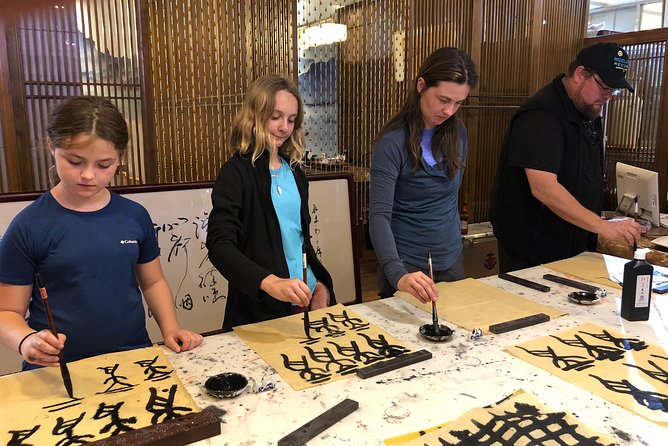
The most appealing part of this Beijing experience is its hands-on pace. You do not simply look at Chinese culture from behind a guide’s explanation. You hold the brush, practice the strokes, walk a local hutong area, and finish with a bowl of dumplings or Beijing-style noodles.
I like the private format, since Richard can slow down and correct your brush technique without rushing you along. I also like the mix of quiet concentration and ordinary neighborhood life: calligraphy first, then a hutong walk and a simple local meal.
The main consideration is transport and meeting-point clarity. One part of the information gives Line 16’s Beianhe Subway Station, Exit A, while the detailed meeting point gives Hilton Beijing Wangfujing at No. 8 Wangfujing Dongjie. Confirm the exact start point before setting out, and remember that subway and taxi fares are extra.
Key points to know before booking
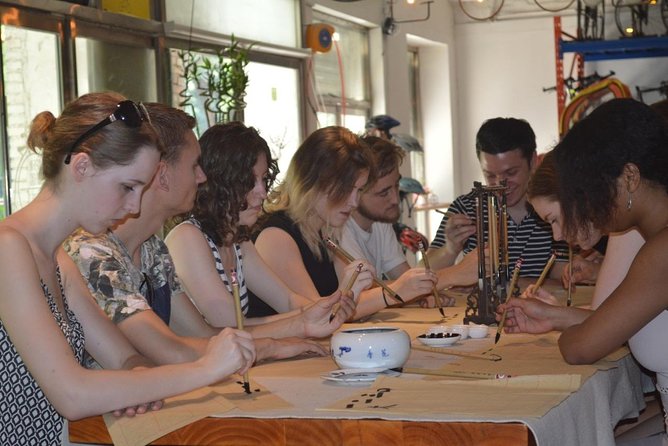
- A 1.5-hour private calligraphy lesson: Learn how to hold and move the brush, with time to practice at your own speed.
- Teacher Richard may lead the class: He is described as patient, calm, professional, and good at making beginners feel comfortable.
- Calligraphy is taught as more than handwriting: The lesson includes ideas tied to Chinese culture, mindful breathing, balance, and Yin-yang theory.
- The hutong walk adds street-level context: After class, you walk through older lanes and hear about the area’s past.
- Food is included: The tour provides dumplings or noodles, with vegetarian dumplings available according to the experience feedback.
- You choose morning or afternoon: The four-hour schedule can fit around other Beijing plans, but transport time and the meeting point need checking.
Why this four-hour Beijing experience works
Beijing offers plenty of grand sights, but a short cultural activity can sometimes tell you more about daily life than another large monument. This tour gives you three different ways into the city: brushwork, neighborhood streets, and food.
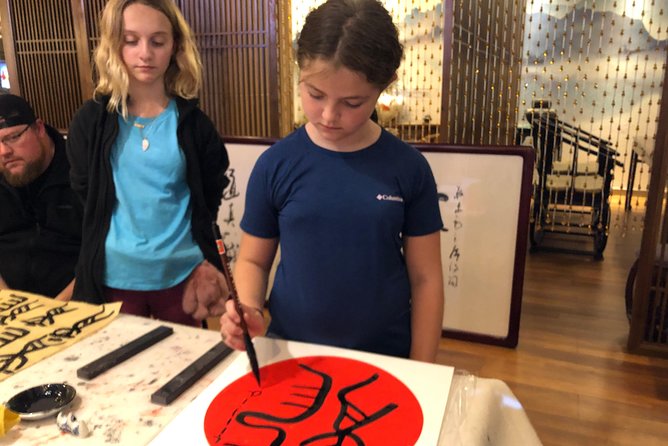
The calligraphy class is the heart of the experience. It lasts about 1.5 hours, long enough to learn basic brush handling rather than just copy one character and leave. The private setup matters here. Beginners need time to make awkward first attempts, ask simple questions, and repeat a stroke until it feels less strange.
The activity is also framed as a lesson in Chinese thought. You are introduced to ideas connected with balance, Yin-yang theory, and inner calm while practicing the writing. That does not turn the class into a formal philosophy lecture. It gives the brushwork a cultural setting, which makes the activity more meaningful than a quick souvenir workshop.
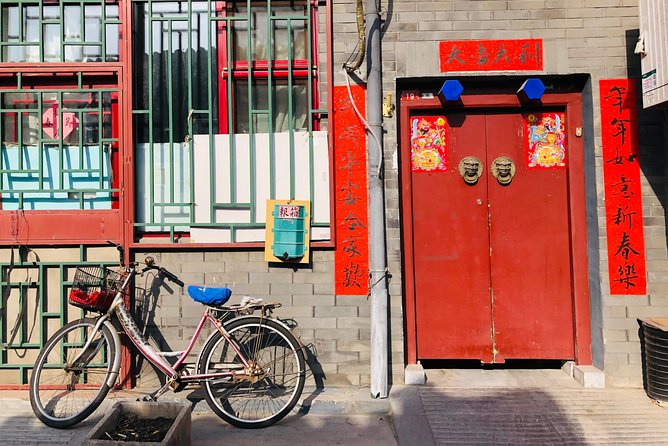
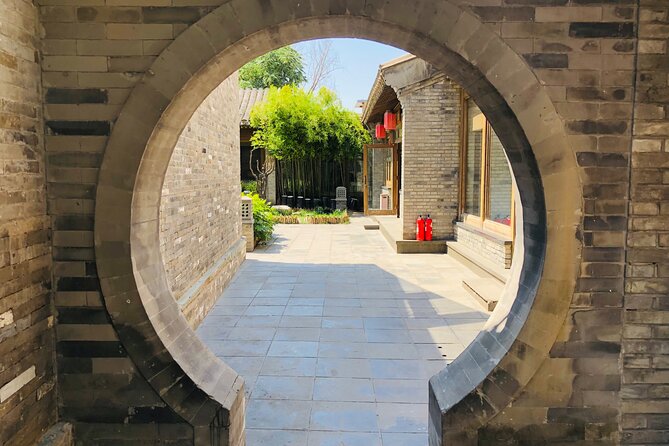
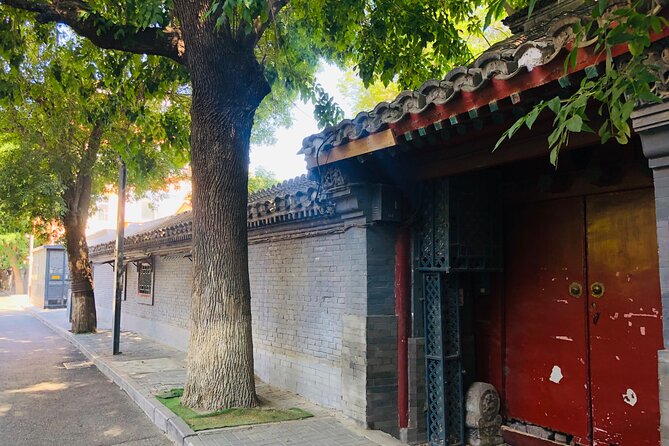
After the lesson, the tour shifts outdoors. You stroll through hutong lanes and hear about the area’s history and way of life. The walk is not presented as a major landmark visit. That is part of its appeal. You get a closer look at the narrow, zigzag streets and the texture of an older Beijing neighborhood.
The final stop is practical and welcome: food. Dumplings or Beijing-style noodles are included, depending on the arrangement. Vegetarian dumplings are available, which is useful if your group has different diets. Some feedback also describes a tea-house visit and tea ceremony, but tea is not listed among the standard inclusions, so treat that as something to confirm rather than a guaranteed part of the four-hour program.
More Beijing Hutong Tours in Beijing:
- Beijing Hutong Walking Food and Beer Tour at Hidden Restaurants
★ 5.0 · 1,132 reviews - Temple Heaven, Summer Palace, Lama Temple, Hutong Bus Tour
★ 4.7 · 319 reviews - Temple of Heaven, Summer Palace, Lama Temple, Hutong Tours
★ 5.0 · 311 reviews
Starting with brush, ink, and patient instruction
The class is described as taking place in the Wangfujing area, at No. 8 Wangfujing Dongjie in Dongcheng District. The detailed meeting point is the lobby of Hilton Beijing Wangfujing, and the listed end point returns to the meeting point.
The lesson begins with the basics. You learn how to hold and guide the brush, then practice the movement needed to form Chinese characters. This is important because calligraphy is not simply a matter of writing Chinese words with a different pen. Brush pressure, direction, breathing, and rhythm all affect the result.
Richard is named as the teacher for the experience. The strongest praise focuses on his manner in class. He is described as calm, patient, professional, and willing to explain things carefully, even when teaching a solo participant. That makes this a good choice for anyone who feels nervous about an art class.
The lesson also has a relaxed social side. Richard uses humor, and the teaching is meant to be friendly rather than showy. You are not expected to produce museum-quality work. The point is to understand the technique, practice the forms, and leave with something you made yourself.
That private setting can be especially useful for families and small groups. One person may want to focus on brush control while another is more interested in the cultural meaning of the characters. A private teacher can adjust the pace more easily than a large public workshop.
The class is not a good fit if you want a long, technical course in Chinese calligraphy. Four hours includes the lesson, walking, and food, so the art portion has a clear limit. It is best viewed as a serious introduction, not a complete education in the subject.
From the Wangfujing area into the hutongs
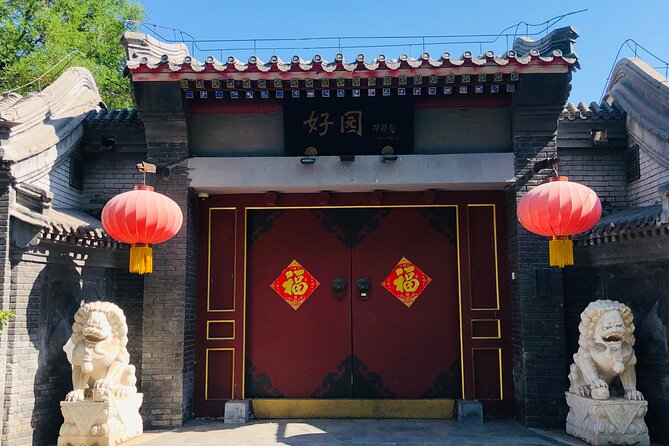
The hutong section changes the mood. After sitting and concentrating on brushstrokes, you walk through older lanes and listen to explanations about the neighborhood.
The route is described as a walk through zigzag hutongs that are less focused on major tourist stops. That gives the outing a more local feel, but it also means you should not expect a list of famous monuments or a carefully staged photo route. The value comes from seeing how the streets fit together and hearing the guide connect them to Beijing’s past.
I like this pairing because the two activities balance one another. Calligraphy asks you to slow down and pay attention to small movements. The hutong walk then lets you observe the city at street level. You move from a controlled indoor craft to a neighborhood where the details are less polished and more ordinary.
The walking portion may also give you useful context for the food stop. Beijing’s local character is not only found in palaces and temple complexes. It is also present in older residential lanes, small businesses, and the everyday rhythm of a neighborhood.
The information mentions a possible hike up the China and France Friendship pavilion if you like. Since the wording makes this optional, do not count on it as a fixed part of the route. Ask your guide about it at the beginning, especially if you want a little extra walking or a viewpoint.
Dumplings, noodles, and the value of a simple meal
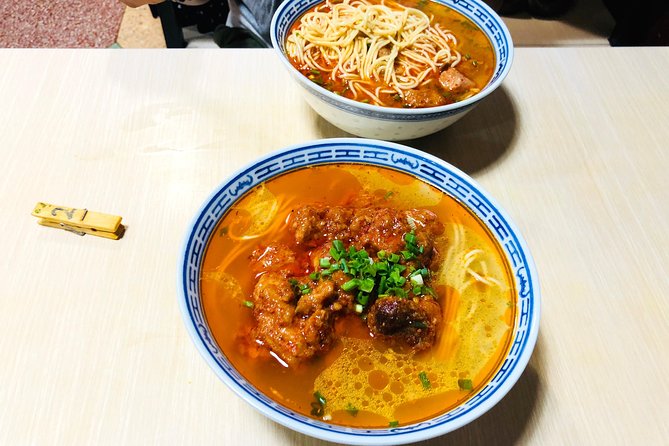
The meal is included, with dumplings or noodles listed as the choices. This is a small but useful feature. After a calligraphy lesson and neighborhood walk, you do not need to find a restaurant or guess what to order.
Dumplings are the better-known option for many visitors, but Beijing-style noodles offer a different taste of the city’s everyday food culture. The exact restaurant and serving style are not specified, so do not book this expecting a particular famous shop or a full food tour.
Vegetarian dumplings are available according to the experience feedback. If dietary needs are important to you, confirm the available choice when booking or before the class begins. The listed inclusion is the meal itself, while other food or drink is not specified.
Tea deserves a careful note. Several accounts of the experience include a tea house or tea ceremony, and the tea is described as excellent. However, the official inclusions name the teacher, calligraphy class, hutong walk, and dumplings or noodles, not tea. It may be added in some arrangements, but you should ask before assuming it is included or that the tour will run longer for it.
At $68 per person, the value depends on how much you use the private format. You are paying for a four-hour guided experience, a 1.5-hour lesson, a local walk, a meal, and a private group rather than a seat in a large class. That is a fair package for someone who wants instruction and cultural explanation in one booking.
It is less compelling if your only goal is a cheap meal or a quick calligraphy photo. Beijing has lower-cost ways to eat and see hutongs. The price makes more sense when you value personal teaching, a flexible pace, and a planned cultural activity that removes some of the guesswork.
Group discounts are available, which may improve the price for families or friends traveling together. Compare the total group cost rather than looking only at the individual rate.
A few more Beijing trips to weigh up
- Beijing Calligraphy Class
★ 4.9 · 112 reviews - Chinese Calligraphy Class for Small Group
★ 5.0 · 104 reviews - Beijing: Dumpling Making Workshop with Meal and Tea
★ 4.7 · 69 reviews - Online Cooking Class Beijing Dumplings and Cuisine by Sunflowerli Renowned Chef
★ 5.0 · 65 reviews
Timing, transport, and the meeting-point issue
The activity takes about four hours, with morning and afternoon classes available. That makes it easier to place beside a full day of sightseeing. I would still avoid scheduling a major attraction immediately afterward, since the hutong walk, meal, and city traffic can affect the finish time.
Subway and taxi fares are not included. Beijing’s subway can be a practical way to reach the city center, but you need to budget for the journey and allow time to find the correct exit or hotel lobby.
There is an important inconsistency in the supplied meeting information. The highlights say to meet at Line 16, Exit A of Beianhe Subway Station. The detailed itinerary says the teacher greets you at Hilton Beijing Wangfujing, and the meeting-point section lists the Hilton at No. 8 Wangfujing Dongjie.
Those are not interchangeable locations. Beianhe is associated with the Line 16 meeting instruction, while Wangfujing is given as the class address and start point. Contact the provider before the day of the activity and get the exact address, subway exit, and any instructions for finding the teacher. This is the one practical issue I would not leave to chance.
The tour is private, so only your group participates. That is useful if you are traveling with children, older relatives, or friends with different levels of interest. It also means you should consider the size and energy of your own group when deciding if four hours is right.
Most people can participate, and the experience is near public transportation. Still, the day includes walking through hutongs and possibly an optional hike, so ask about the expected walking distance if mobility is a concern.
Who will get the most from this tour
This experience suits first-time visitors who want a manageable introduction to Chinese culture without spending an entire day at a museum. It also works well for repeat visitors who have already seen Beijing’s major sights and want an activity with more personal contact.
Families may appreciate the change of pace. Children can make their own brushwork, walk the lanes, and finish with familiar food. The private format also gives the teacher more room to keep the lesson moving if attention wanders.
Solo participants can benefit from the private arrangement too. Richard is described as giving a solo student extra time and detailed explanations. You do not need to arrive with artistic ability or Chinese-language knowledge.
Couples and small groups who enjoy hands-on activities should find the combination appealing. The finished calligraphy painting gives you a physical reminder of the class, though the exact materials and take-home process are not detailed.
This is not the strongest choice for someone focused on famous Beijing landmarks, a formal art course, or a broad food itinerary. The hutong walk is a local neighborhood stroll, not a full survey of Beijing’s historic quarters. The meal is part of the experience, not the main event.
What to confirm before you pay
I would confirm four things in advance:
- The exact meeting point, since Beianhe Subway Station and Hilton Beijing Wangfujing are both listed.
- Whether your group receives dumplings or noodles, and how vegetarian requests are handled.
- Whether a tea ceremony is included in your specific booking, since it is not part of the stated standard inclusions.
- Whether the optional China and France Friendship pavilion hike fits your planned route and timing.
The booking includes free cancellation up to 24 hours before the local start time for a full refund. Changes or cancellations inside that 24-hour window are not accepted for a refund.
Confirmation is provided when you book. Since the activity is often booked about 29 days ahead, reserving early is sensible if you need a particular morning or afternoon slot, especially for a private group.
My verdict on the calligraphy, hutong, and dumpling tour
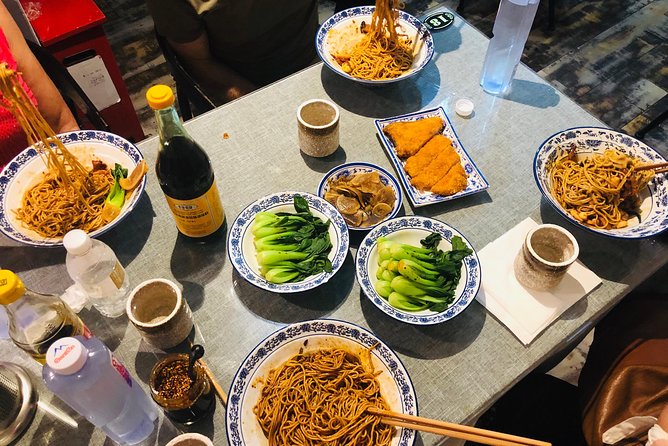
Book this tour if you want to learn by doing. The best part is the combination of a patient private teacher, a real attempt at Chinese brushwork, a hutong walk, and a local meal. Richard’s teaching style, as described for this experience, sounds particularly well suited to beginners and solo participants.
I would hesitate only if the unclear meeting point remains unresolved, or if you want a landmark-heavy Beijing tour. At $68 per person, the package offers good value when you take advantage of the private instruction and included food. Confirm the starting address and tea arrangements, then this is a thoughtful four-hour addition to a Beijing itinerary.
FAQ
How long does the experience last?
The activity lasts approximately four hours, including the calligraphy class, hutong walk, and dumplings or noodles.
Where does the tour begin?
The detailed meeting point is the lobby of Hilton Beijing Wangfujing, at No. 8 Wangfujing Dongjie, Dongcheng District, Beijing. Another part of the information gives Line 16, Exit A of Beianhe Subway Station. Confirm the exact location with the provider before departure.
Does the tour include transportation?
No. Subway and taxi fares are extra. The activity is near public transportation.
Is the calligraphy class private?
Yes. This is a private activity, so only your group participates.
How long is the calligraphy lesson?
The calligraphy lesson lasts 1.5 hours.
Is food included?
Yes. Dumplings or Beijing-style noodles are included. Vegetarian dumplings are available according to the experience information.
Are morning and afternoon classes available?
Yes. You can choose between a morning class and an afternoon class.
Can I cancel for a full refund?
Yes. You can cancel at least 24 hours before the local start time for a full refund. Cancellations or changes made less than 24 hours before the start are not refunded.
Just added around Beijing
- Private Transfer to Mutianyu Great Wall with professional driver★ 5.0 · 19 reviews
- camp on the Great Wall overnight with sunrise and sunset on the wall★ 5.0 · 11 reviews
- One day tour to downtown Tianjin from Beijing by high speed train★ 5.0 · 3 reviews
- BusDa:Ancient Great Wall &Badaling Great Wall Full-day Bus Tour★ 4.5 · 6 reviews
- ZANBUS: Trip to the Jinshanling Great Wall Departing at 7:30 AM★ 5.0 · 5 reviews
- Yuxiandu Chinese Royal Cuisine Museum with Show and Royal Banquet★ 5.0 · 4 reviews
- Wild Great Wall Hikes★ 5.0 · 10 reviews
- Private Wild Great Wall Hiking tour at Simatai (Challenging)★ 5.0 · 16 reviews
Beijing Hutong Tours, compared.

Beijing Hutong Walking Food and Beer Tour at Hidden Restaurants
Read our review →
Temple Heaven, Summer Palace, Lama Temple, Hutong Bus Tour
Read our review →
Temple of Heaven, Summer Palace, Lama Temple, Hutong Tours
Read our review →
Beijing City Walk: Explore Hutongs Life and Old Beijing
Read our review →Browse the lists this tour appears in