Reviewed · BEIJING TOURS
Traditional Chinese Tea Ceremony Experience
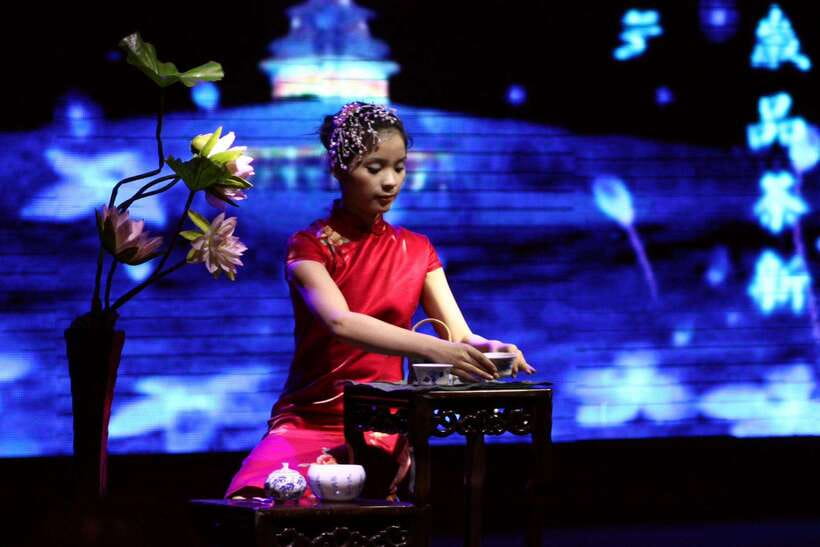
China’s tea culture comes alive in the small details: warming the pot, smelling dry leaves, judging water temperature, and pouring each cup with care. This traditional ceremony turns a cheap drink into a lesson in patience, hospitality, and taste.
I like the chance to sample several tea styles in one sitting, and I like the clear English explanations provided by hosts such as Richard, Feye, and Kostya. The main thing to watch is the meeting point, which can vary by booking, and the fact that this is not a guided Beijing sightseeing tour.
Key points to know
- Five mini cups are included: Expect a tasting of several Chinese tea styles, with the exact selection potentially varying.
- The brewing method is the real lesson: You learn about leaf quality, water temperature, steeping time, and pouring technique.
- English help is available: Hosts and tea masters have included Richard, Feye, Ricardo, and Kostya.
- It suits older children: Children under seven are not permitted, while one family found the activity enjoyable for children aged 10 and 13.
- The $9 price is hard to beat: The fee covers the ceremony and five mini cups, but not transport, shopping, or a separate tour guide.
- Allow for a flexible schedule: The experience may last from 30 minutes to three hours, so check your selected time and option carefully.
A quiet introduction to China through tea
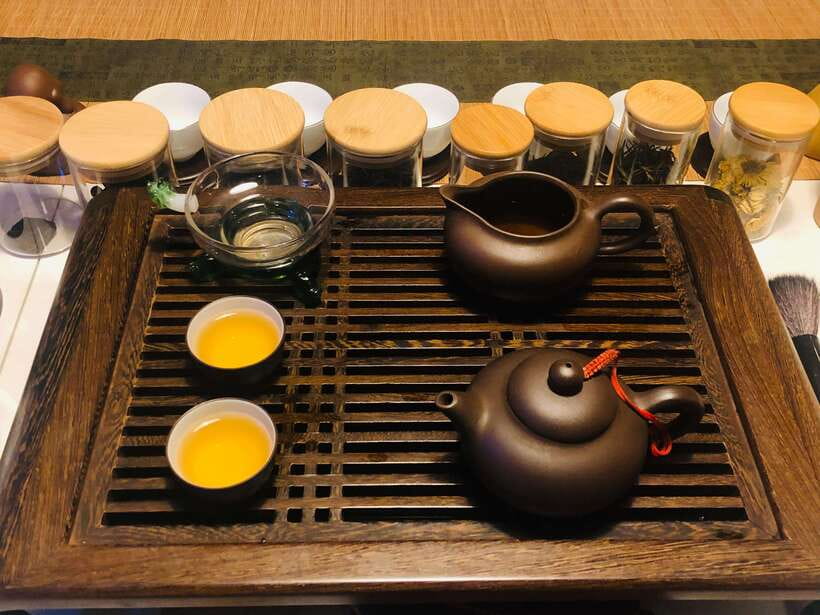
Beijing can be loud, crowded, and tiring. A tea ceremony offers a useful change of pace. You sit, watch, smell, taste, and listen while a tea master explains why Chinese tea is prepared with such care.
This is not simply a row of cups placed in front of you. The ceremony treats brewing as a small ritual. The pot is warmed first. The leaves are handled with attention. Water is used at the right heat, and the tea is steeped for a measured length of time. Even the pouring has a purpose.
I like this kind of activity early in a Beijing visit because it gives you cultural context without demanding much energy. It also works well after a major sight such as the Forbidden City, when your feet may need a rest but you still want to do something connected to China.
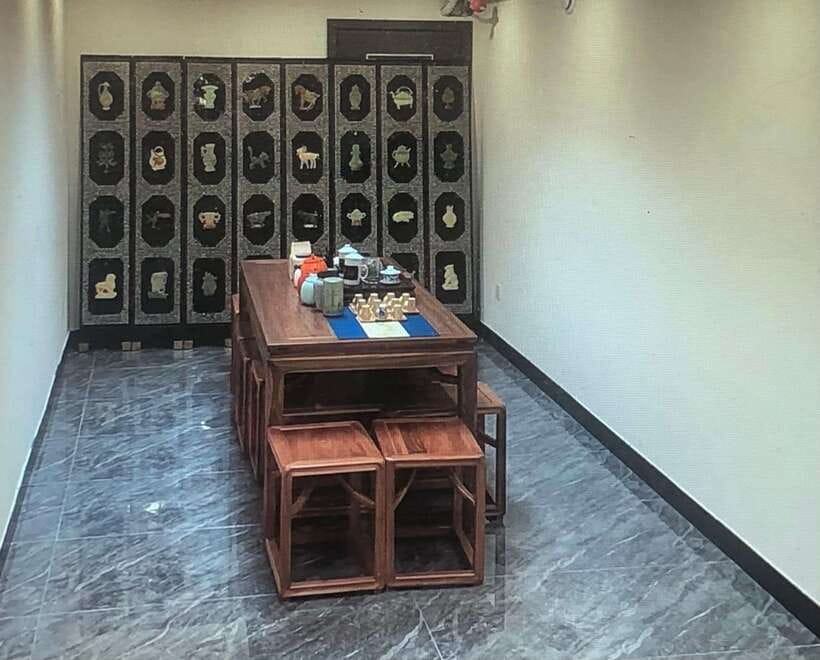
The setting is described as a traditional tea house or tea space, though the exact venue depends on the option you book. Do not expect a long walking tour or a broad lesson in Beijing history. You are here for tea, technique, and conversation.
Other Beijing days worth booking alongside this:
- From Beijing: Mutianyu Great Wall Tours with Options
★ 4.9 · 9,216 reviews - Beijing: Forbidden City Tour(Group/Private)-Tickets Included
★ 4.8 · 7,974 reviews - Beijing: T-Square & Forbidden City Group or Private Tour
★ 4.8 · 4,446 reviews
What happens when you arrive
Your arrival is handled by a host or greeter. English is available, and several hosts have been praised for speaking fluently and explaining the ceremony clearly. Richard is one name that comes up often, while Feye has been described as friendly, humorous, and able to explain Chinese tea in English. Kostya has hosted in Russian for at least one booking.
The meeting point may change according to the option you select. That matters in Beijing, where a familiar neighborhood name does not always tell you exactly which entrance or tea house to use. Leave your WhatsApp number when booking so the host can contact you with useful meeting information.
Transportation is not included. Some visitors have received help finding the meeting point or been met near a subway station, but you should not treat that as guaranteed transport. Plan your own route and allow extra time. One group arrived late and was still accommodated, but punctuality remains the sensible choice.
The experience does not include a separate tour guide. The tea master or host leads the ceremony itself, but this is not the same as hiring a guide for the city. If you want detailed commentary on Beijing streets, imperial buildings, or local neighborhoods, arrange that separately.
The first cup: learning to look and smell
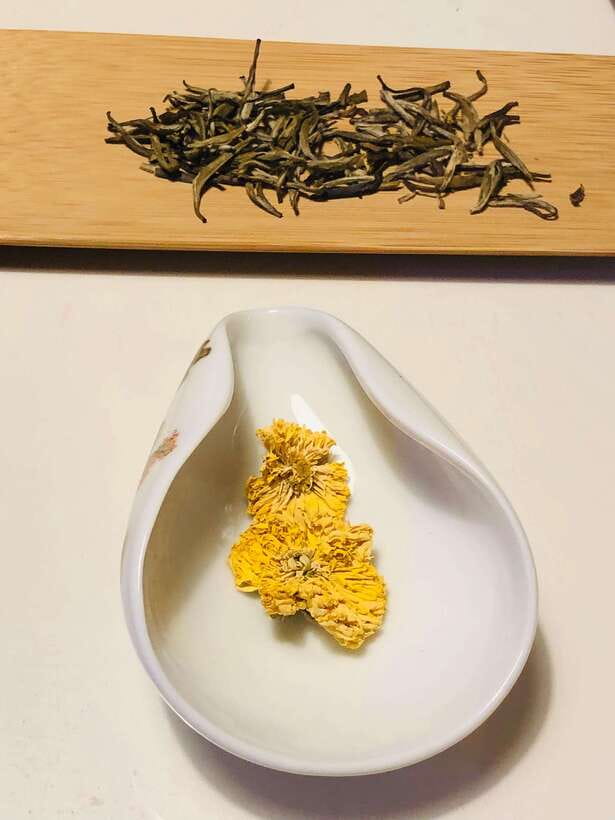
The tea master begins by introducing the leaves and equipment. You may be invited to examine the dry tea, notice its shape, and smell it before any water is added. This simple step changes how you approach the drink.
Most people begin by tasting tea as a finished beverage. Here, you see how much depends on preparation. The same leaves can taste different when the water is hotter, the steeping is longer, or the quantity of leaf changes.
The lesson is sensory rather than academic. You use your eyes to watch the leaves open. You use your nose to detect floral, earthy, grassy, or roasted notes. Then you taste the result in a small cup.
I especially like this part for people who think they do not know much about tea. You are not expected to arrive with specialist knowledge. The process gives you a vocabulary and a method, so you can compare one cup with the next instead of simply deciding that you like or dislike tea.
Five tea styles, five different personalities
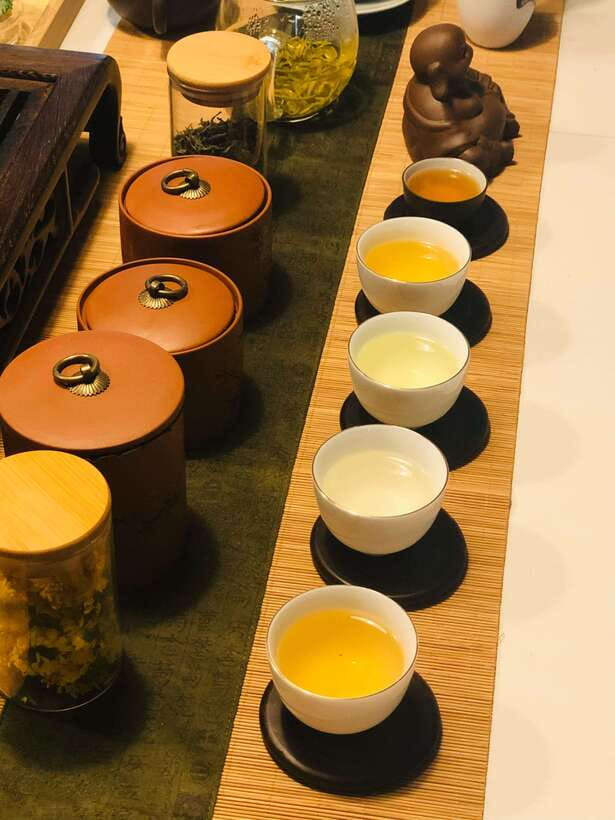
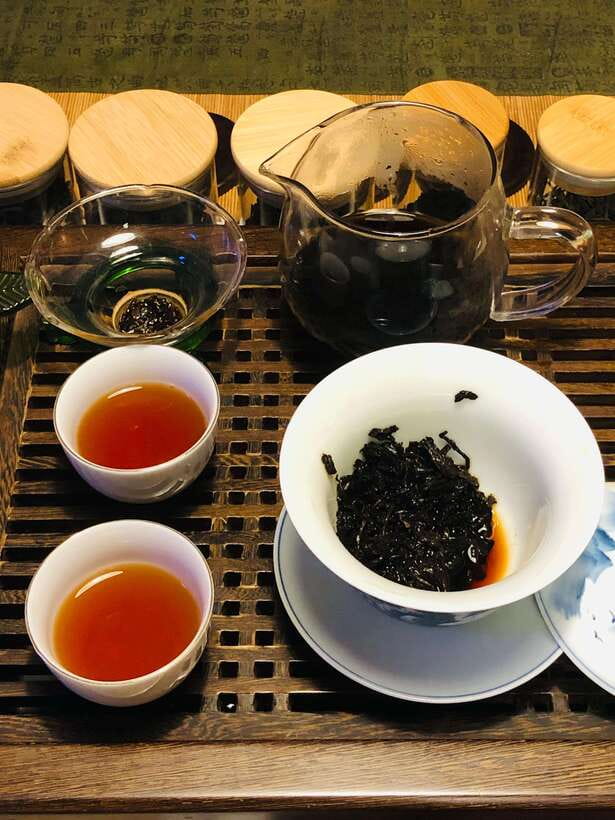
The included tasting consists of five mini cups. The tea types named for the experience include Oolong, Pu-erh, green tea, jasmine tea, and flower tea. The exact lineup may vary, and one booking reported six teas, so think of the list as a guide rather than a fixed promise.
Oolong tea is a useful introduction to the range of Chinese tea. Depending on how it is processed, it can be light and floral or darker and more roasted. The ceremony gives you a chance to notice those differences without having to buy a full package.
Pu-erh tends to offer a more earthy profile. It is often a good comparison with green tea because the two cups can feel completely different in aroma, body, and finish.
Green tea brings a lighter, fresher character. The water temperature matters here, since water that is too hot can affect the taste. This is where the brewing lesson becomes practical rather than decorative.
Jasmine tea adds a floral scent to the tea itself. Smelling the leaves and then tasting the brewed cup helps you separate fragrance from flavor.
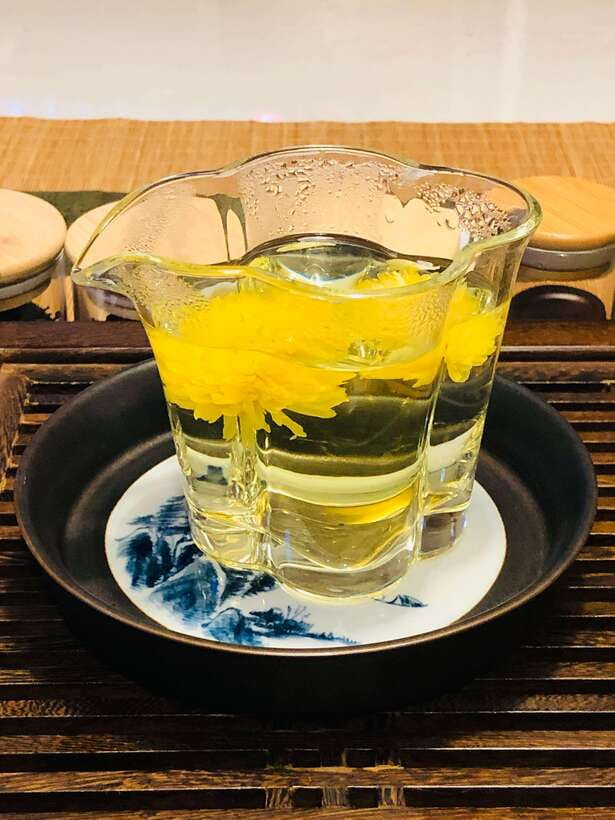
Flower tea makes the ceremony visually appealing, especially for children and first-time tea drinkers. It also shows that Chinese tea culture includes the appearance of the brew, not only its taste.
You will not receive large servings. That is a benefit during a tasting because you can sample several varieties without feeling overfull or overstimulated. It also means this is not a substitute for a full meal or a long afternoon tea service.
Same country, a completely different kind of day:
- Beijing: Mutianyu Great Wall Daily Tour with Ticket & Lunch
★ 5.0 · 3,056 reviews - All-Inclusive Tour: Tiananmen Square, Forbidden City, Great Wall
★ 5.0 · 2,873 reviews - MuBus: Mutianyu Great Wall ENG/ESP/RUS Guided Bus Tour
★ 5.0 · 2,361 reviews - 4-Hour Small Group Tour to Forbidden City with Entry Tickets
★ 5.0 · 1,863 reviews
The craft of water, timing, and pouring
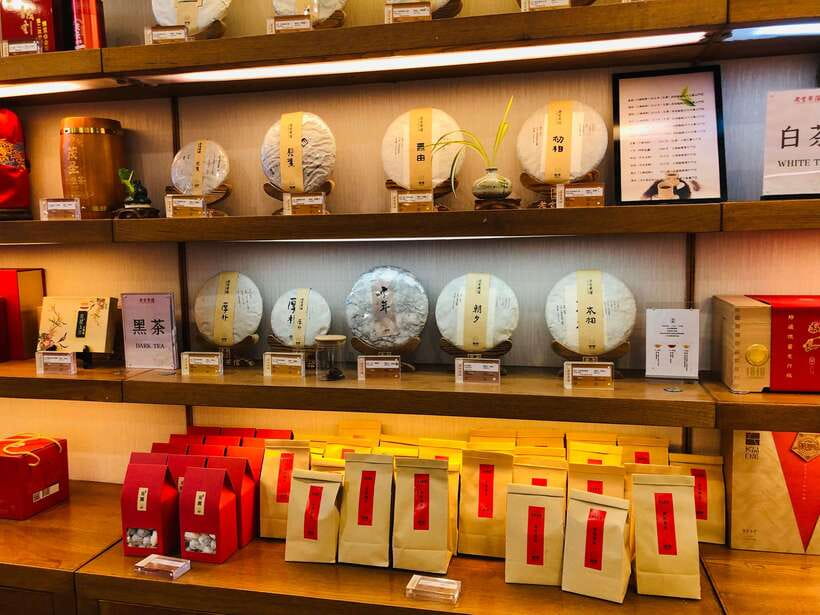
The tea master demonstrates how water temperature changes the result. You learn that boiling water is not automatically correct for every tea. Some leaves require gentler treatment, while others can handle more heat.
Steeping time receives similar attention. A short infusion may reveal a lighter scent, while a longer one can produce more strength. The master controls the process so you can focus on what changes in the cup.
The equipment is part of the experience too. Warming the teapot prepares it for brewing and signals that the ceremony has begun. Pouring is done carefully, creating a steady rhythm rather than a rushed service.
This is where the activity earns its cultural value. Chinese tea is connected with respect, harmony, mindfulness, and social life. Those ideas are not explained only through a lecture. They are shown through the order of the actions and the care given to another person’s cup.
You may also find the host taking photographs during the ceremony. That has been offered on some visits, but it should not be assumed as a guaranteed inclusion. Ask if pictures matter to you.
How long should you allow?
The stated duration ranges from 30 minutes to three hours. That is a wide spread, so check the exact option before booking. A short session should suit you if you want a focused tasting between sightseeing stops. A longer option may leave room for more explanation, more tea, or related activities, but the supplied details do not define every variation.
For most visitors, the value of the short format is its simplicity. You can fit it into an afternoon without giving up half a day. If you are keen on Chinese tea or want a slower cultural activity, select the longer option if available and confirm what it includes.
Do not build a tight connection to a train, flight, or timed attraction unless your selected duration is clear. Beijing traffic and meeting-point changes can make a short gap feel shorter than expected.
Why the $9 price works
At $9 per person, this is one of the easier cultural activities to justify. The fee includes the tea ceremony and five mini cups. You are paying for instruction, tasting, and access to a traditional ritual, not a full-day tour or transportation service.
I see the price as especially good for a first introduction. You can learn which tea styles appeal to you before spending more at a tea shop. The small servings keep the cost low and make the activity easy to add to a day of sightseeing.
The value depends on your expectations. If you want a long formal ceremony, a private scholar-led lecture, or extensive sightseeing, this is not that. If you want a friendly host, several tastings, and a practical explanation of how tea is made and enjoyed, the price is modest.
Tea purchases are optional and not included. The tea house may offer high-quality teas, porcelain, or other items, and some visitors have bought tea with help from the host. Set your own budget before you enter. You can appreciate the tasting without buying anything.
The English-speaking hosts matter
Language can make or break a cultural activity. Tea has its own terms, and a rushed translation would leave you with little more than a pleasant drink. The English-speaking hosts associated with this experience have helped make the technical parts clear.
Richard has been described as friendly, patient, and fluent in English. Feye has been praised for combining humor with detailed explanations. Other bookings have included Ricardo and a Russian-speaking tea master named Kostya.
Names and hosts can vary, so do not book solely because you want one particular person. Still, the repeated emphasis on communication is useful. You can ask questions about the leaves, brewing method, and customs without relying on gestures or a translation app.
The host may also help you reach the meeting point or walk you back afterward. That assistance has been part of some visits, but transportation is officially not included. Think of it as helpful personal support rather than a promised transfer service.
Is it suitable for families?
The activity is not suitable for children under seven. That rule should guide your planning, especially if you are arranging a family day in Beijing.
Older children can enjoy the visual side of the ceremony, the flower tea, the changing aromas, and the hands-on explanation of how tea is brewed. A family with children aged 10 and 13 found the activity pleasing, which suggests that school-age children can follow the lesson when they are interested in trying new flavors.
I would explain the format to children before booking. This is a calm, seated activity. It rewards attention and curiosity rather than running around or constant entertainment.
Pregnant women are also listed as not suitable for the activity. If that applies to you, choose another cultural experience and follow your own medical advice.
What the ceremony does not include
It is important to keep the boundaries clear. The price does not include transportation, shopping expenses, or any other item not listed as included. There is no separate tour guide.
The ceremony includes tea and five mini cups. Extras such as souvenirs, tea packages, porcelain, or additional food are personal purchases. Some visitors received welcome gifts, but those appear to be occasional gestures rather than something to count on.
A few comments connected the tea visit with calligraphy or food activities. Do not assume those are part of this tea ceremony unless your chosen option specifically says so. The core activity is the tea tasting and demonstration.
This clarity helps you compare it with more expensive cultural tours. You are not paying for a packed itinerary. You are paying for a focused encounter that can fit neatly around other Beijing plans.
Booking tips for a smoother visit
Check the meeting point for your exact option. The location may vary, and the experience is in northern China, in Beijing, rather than at one fixed citywide attraction.
Leave a WhatsApp number when you book. This is specifically requested and can help the host reach you with meeting details.
Allow time to get there. The service does not include transportation, even though some hosts have helped people from a subway meeting point or walked them back afterward.
Look carefully at the duration. The available choices range from 30 minutes to three hours, and the difference can affect how you arrange the rest of your day.
If you want to buy tea, decide in advance how much you want to spend. A tasting is a good way to compare products, but a friendly demonstration can make it easy to buy more than planned.
Free cancellation is available up to 24 hours before the activity for a full refund. You can also reserve now and pay later, which helps if your Beijing schedule is still shifting.
Who should book this tea ceremony?
I would recommend it to first-time visitors who want a simple introduction to Chinese customs. It also suits tea drinkers, families with children over seven, couples looking for a quiet afternoon activity, and anyone who wants a break from Beijing’s major sights.
It is a particularly good choice after visiting the Forbidden City or another demanding attraction. The calm pace gives you time to sit down and process the day, while the subject remains firmly connected to Chinese culture.
You may want something else if you dislike seated tastings, have no interest in tea, or need transport included. The activity is also not appropriate for children under seven or pregnant women according to the stated restrictions.
Should you book it?
At $9, I think this is a strong-value cultural stop. You receive five mini cups, a clear demonstration of traditional brewing, and an English-speaking host or tea master who can explain the meaning behind the ritual.
Book it if you want a short, affordable way to understand tea beyond the teabag. Just confirm the meeting point, duration, and exact inclusions, and keep shopping optional. For a low-cost Beijing experience with real cultural content, this one deserves a place on your shortlist.
FAQ
Where does the traditional Chinese tea ceremony take place?
It takes place in Beijing, in northern China. The meeting point may vary depending on the option you book.
How much does the tea ceremony cost?
The listed price is $9 per person.
How long does the activity last?
Available durations range from 30 minutes to three hours. Check the available starting times and the exact option when booking.
What teas will I taste?
The experience includes five mini cups. The named tea styles include Oolong, Pu-erh, green tea, jasmine tea, and flower tea. The exact selection may vary.
Is transportation included?
No. Transportation is not included, and there is no separate tour guide. Some hosts may help you reach the meeting point or walk you back, but you should arrange your own transport.
Is the activity offered in English?
Yes. The listed language is English, and an English-speaking host or greeter is provided. A Russian-speaking tea master has also hosted one booking.
Can I cancel or pay later?
You can cancel up to 24 hours in advance for a full refund. Reserve now and pay later is also available.
Just added around Beijing
- Private Transfer to Mutianyu Great Wall with professional driver★ 5.0 · 19 reviews
- camp on the Great Wall overnight with sunrise and sunset on the wall★ 5.0 · 11 reviews
- One day tour to downtown Tianjin from Beijing by high speed train★ 5.0 · 3 reviews
- BusDa:Ancient Great Wall &Badaling Great Wall Full-day Bus Tour★ 4.5 · 6 reviews
- ZANBUS: Trip to the Jinshanling Great Wall Departing at 7:30 AM★ 5.0 · 5 reviews
- Yuxiandu Chinese Royal Cuisine Museum with Show and Royal Banquet★ 5.0 · 4 reviews
- Private Wild Great Wall Hiking tour at Simatai (Challenging)★ 5.0 · 16 reviews
- Wild Great Wall Huanghuacheng Half Day Tour★ 5.0 · 15 reviews
Beijing Tours, compared.


Forbidden City Tour(Group/Private)-Tickets Included
Read our review →
Mutianyu Great Wall Daily Tour with Ticket & Lunch
Read our review →
All-Inclusive Tour: Tiananmen Square, Forbidden City, Great Wall
Read our review →
4-Hour Small Group Tour to Forbidden City with Entry Tickets
Read our review →

Tianmen Square, Forbidden City & Royal Museum Tours
Read our review →