Reviewed · BEIJING TOURS
Traditional Chinese Tea Ceremony Experience
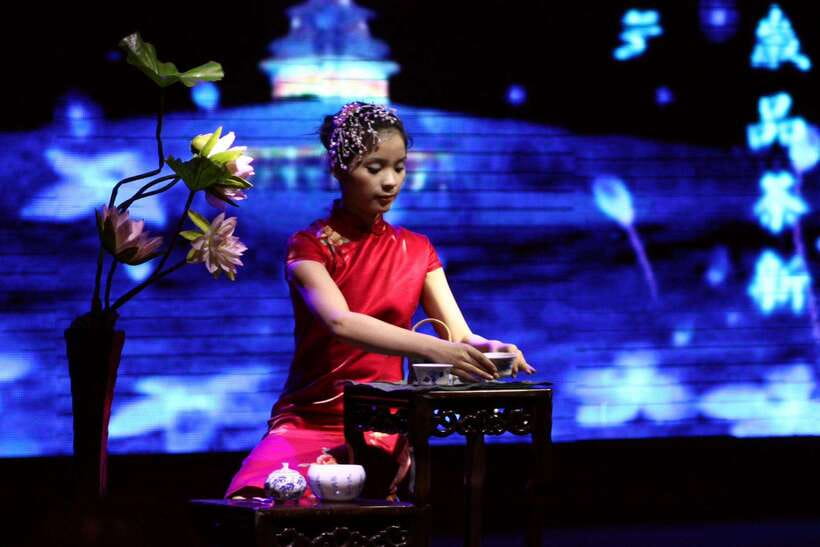
Beijing’s tea culture comes into focus during this 30-minute traditional ceremony, where the careful warming, pouring, and serving of tea matter as much as the taste. You’ll sample several styles, including Oolong, Pu-erh, green, jasmine, and flower tea, while a tea master explains the ritual behind each cup.
I like the low price, $9.90, and the compact format. It fits neatly into a day of sightseeing, and five mini cups give you enough variety to discover what you enjoy. The main consideration is that this is not a guided tour. You come for tea, not city commentary, and optional tea shopping afterward will add to the cost.
Key points to know before you book
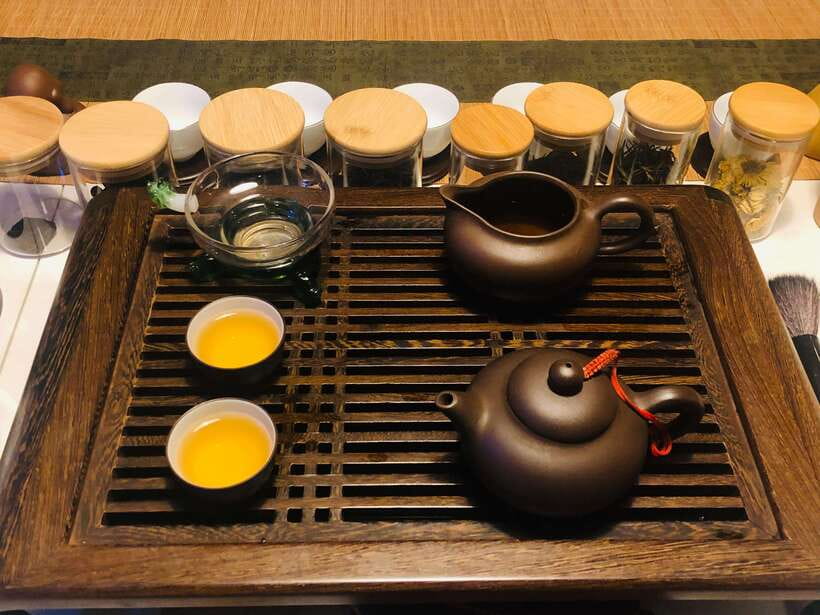
- Five mini cups included: Taste a selection of Chinese teas during the ceremony.
- A focused cultural lesson: The tea master demonstrates brewing with care, from warming the pot to pouring each serving.
- Near Chang An Grand Theater: The meeting point is on Jiannei Avenue in Dongcheng District, with public transportation nearby.
- Only about 30 minutes: This works well as a short cultural pause between larger Beijing sights.
- Small group size: The activity accepts a maximum of 15 people.
- Optional tea purchases: You can buy tea after the ceremony, but shopping is not included in the $9.90 price.
What this Beijing tea ceremony is really about
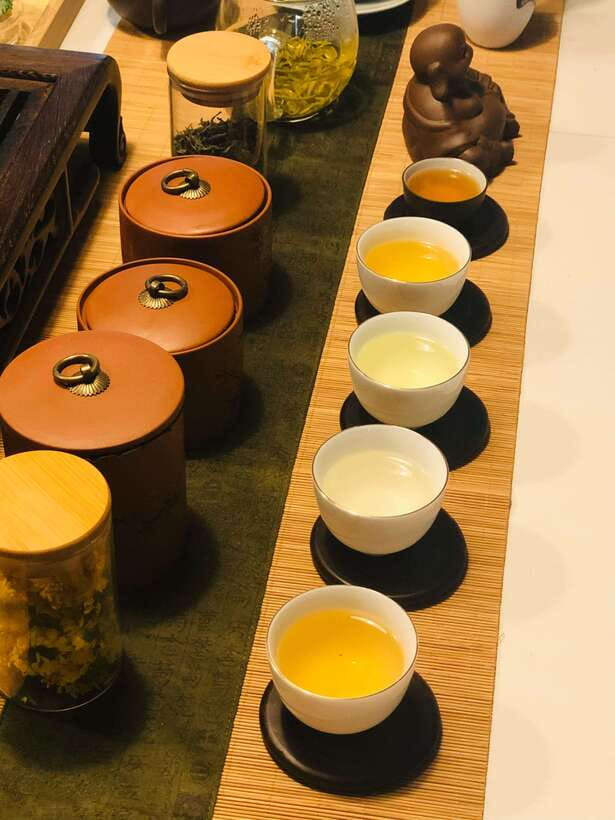
Chinese tea culture is not simply a matter of filling a cup with hot water. This experience presents tea as a small ritual built around respect, harmony, and mindfulness. The tea master handles each step with intention, giving you a chance to notice the process instead of rushing from one taste to the next.
That focus makes the ceremony useful for first-time visitors to China. You do not need prior knowledge of tea, and the setting gives you a simple way to connect an everyday drink with Chinese customs.
The experience is also family-friendly. Children may enjoy the colors, aromas, small cups, and repeated pouring, while adults can pay closer attention to the differences between tea styles. Since the activity lasts only around half an hour, it asks for less patience than a long formal cultural demonstration.
I would think of this as a compact introduction rather than a complete education in tea. You will get a taste of the subject and learn the proper way to enjoy tea in this setting, but the short schedule limits how much history or regional detail can be covered.
Other Beijing days worth booking alongside this:
- From Beijing: Mutianyu Great Wall Tours with Options
★ 4.9 · 9,216 reviews - Beijing: Forbidden City Tour(Group/Private)-Tickets Included
★ 4.8 · 7,974 reviews - Beijing: T-Square & Forbidden City Group or Private Tour
★ 4.8 · 4,446 reviews
Meeting the tea master near Chang An Grand Theater
The activity begins at Jiannei Avenue, Jian Nei Da Jie, in Beijing’s Dongcheng District. Chang An Grand Theater is the listed stop, and the area is near public transportation, which makes this easier to add to a central Beijing day.
Pay close attention to the exact meeting instructions when you book. The activity does not include a hotel pickup, and the supplied details identify a meeting point rather than a broad neighborhood rendezvous. A mobile ticket is provided, so you can keep the booking on your phone.
A friendly tea master greets you and leads the session. Richard is also associated with the welcome, and the available guest response specifically praises the warm treatment from Richard and the tea master. That personal touch matters here because a tea ceremony can feel stiff if the host treats it as a sales presentation or a mechanical demonstration.
There is no separate sightseeing guide included. You should arrive ready for a host-led tea session, not a walking tour of the theater or surrounding district. If you want background on Beijing architecture, palace history, or local neighborhoods, plan that separately.
The brewing ritual, from warmed pot to first sip
The ceremony shows why Chinese tea preparation is often treated as an art. The tea master demonstrates precise movements, beginning with steps such as warming the teapot before the tea is poured.
You will see the tea prepared and served in a deliberate sequence. The point is not speed. It is to give you time to notice the look of the leaves, the scent rising from the vessel, and the taste as it reaches the cup.
Five mini cups of tea are included. The serving size is small, but that is appropriate for a tasting. Small portions let you compare several types without turning the session into a heavy drink stop.
The ceremony is designed to engage sight, smell, and taste. You may find that a tea you expected to like is not your favorite, while another style becomes the one you want to take home. The format encourages you to pay attention to those differences rather than simply choosing the strongest flavor.
The tea master’s manner is important. The session depends on demonstration and explanation, so a welcoming host can make the ritual easier to follow. The positive response connected with Richard and the tea master points to a friendly approach, which is especially helpful if you have never attended a formal tea ceremony.
Five Chinese tea styles in one short sitting
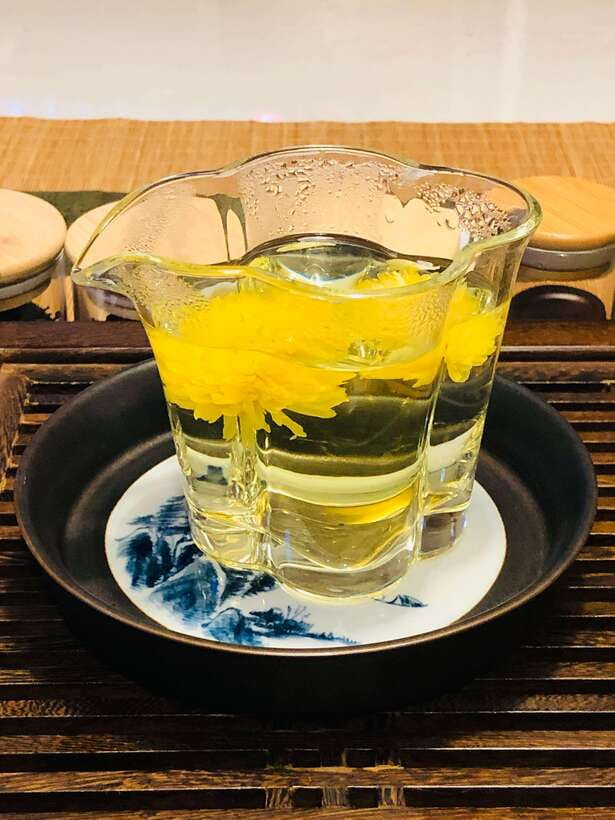
The tasting can include Oolong, Pu-erh, green tea, jasmine tea, and flower tea. These names represent very different drinking experiences, so the variety is one of the strongest reasons to book.
Oolong tea is often a good middle ground for a tasting because it sits between the broad categories of green and more fully oxidized teas. The ceremony gives you a chance to notice how its aroma and flavor differ from lighter green tea.
Pu-erh offers a contrasting style. It is a particularly useful inclusion for anyone curious about tea traditions beyond the familiar green and jasmine varieties. The tasting does not promise a particular Pu-erh age or style, so keep your expectations general.
Green tea gives you a lighter comparison point. Its presence helps you see how brewing technique can affect a delicate tea, especially when the tea master controls the water, timing, and pouring.
Jasmine tea brings a floral scent that may be immediately recognizable even if you do not usually drink Chinese tea. It can be an accessible choice for children and adults who prefer fragrant flavors.
Flower tea adds another visual and aromatic element. Since the description lists these tea styles as examples, the exact selection may vary. You should treat the list as a guide to the kinds of tea offered, not a guarantee of five specific varieties in a fixed order.
Same country, a completely different kind of day:
- Beijing: Mutianyu Great Wall Daily Tour with Ticket & Lunch
★ 5.0 · 3,056 reviews - All-Inclusive Tour: Tiananmen Square, Forbidden City, Great Wall
★ 5.0 · 2,873 reviews - MuBus: Mutianyu Great Wall ENG/ESP/RUS Guided Bus Tour
★ 5.0 · 2,361 reviews - 4-Hour Small Group Tour to Forbidden City with Entry Tickets
★ 5.0 · 1,863 reviews
Why the five mini cups are good value at $9.90
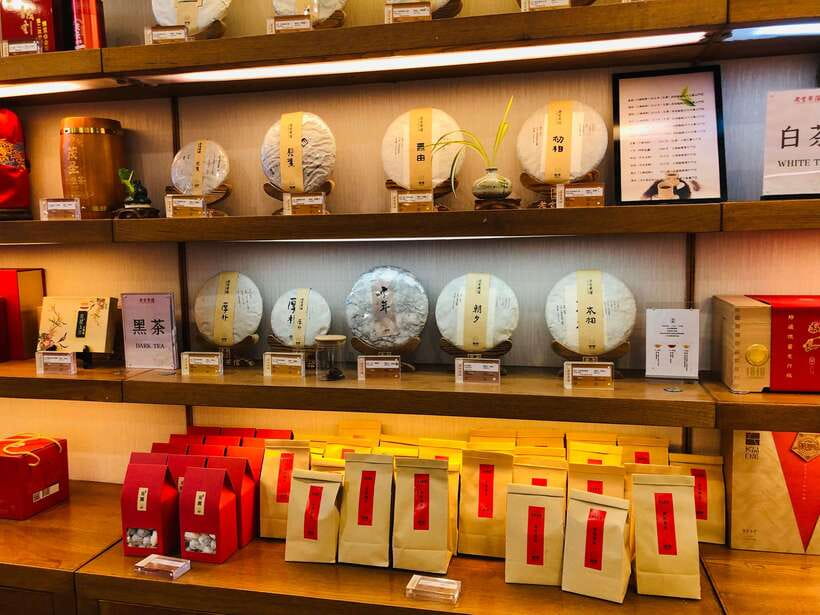
At $9.90 per person, this is priced like a short cultural tasting rather than a major Beijing excursion. I consider that fair value if you want a guided introduction to tea and do not want to spend several hours on the activity.
The price includes the tea ceremony and five mini cups of tea. That is the important comparison point. You are paying for the host’s preparation, the demonstration, and the chance to taste several styles in a formal setting, not just for five drinks.
The short duration also improves the value for many schedules. You can place it between larger plans without losing half a day. It may suit you after visiting nearby sights, provided you allow enough time to reach the meeting point.
The price does not include shopping. After the ceremony, you may have the option to purchase tea for yourself, family, or friends. That can be convenient if you discover a favorite, but it also means you should decide in advance how much you want to spend. The ceremony itself is inexpensive, while any tea purchase is an extra expense.
A small group, but no sightseeing guide
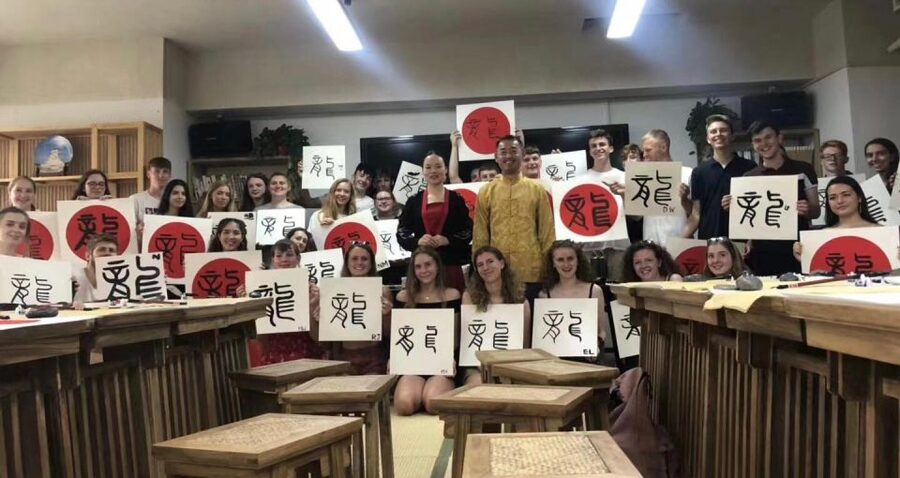
The maximum group size is 15 people. That is small enough for the tea master to demonstrate the process to a defined group, though it is not a private ceremony.
A group of this size can affect how easily you see each step. If the room is full, you may want to position yourself where the teapot and cups are visible. The supplied details do not promise private seating or individual instruction, so book this for a shared cultural activity rather than a one-to-one lesson.
The absence of a tour guide is worth taking seriously. No guide is included to explain Beijing’s wider history or escort you between attractions. The tea master handles the ceremony, while the manager can walk you back to the meeting point or to Jianguomen Subway station afterward.
That short walk-back option is useful at the end of the session. Still, the activity officially ends back at the meeting point, so you should not treat the subway escort as a full transfer service or hotel drop-off.
Who will get the most from this experience
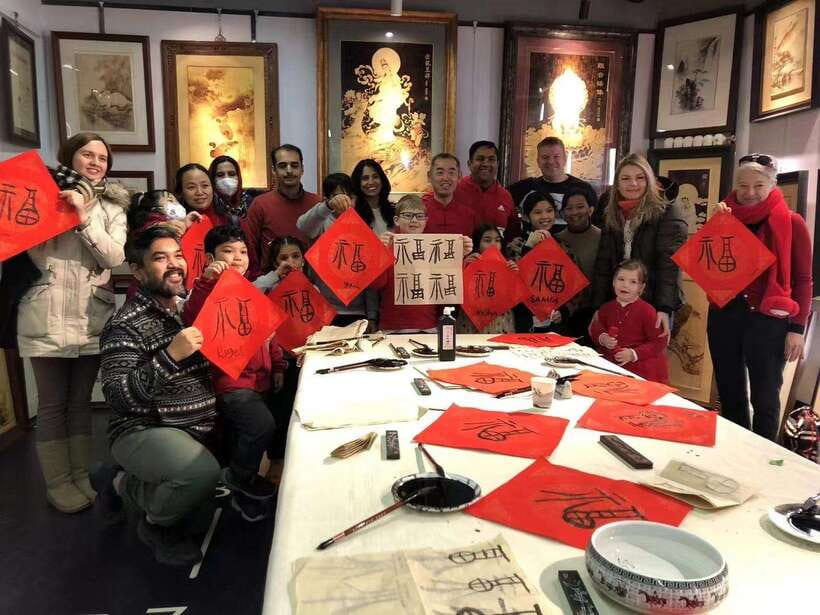
I would recommend this ceremony to you if you want a simple cultural activity that does not require a major time commitment. It is particularly suitable for:
- First-time visitors who want an introduction to Chinese tea customs
- Families looking for a short activity that can hold a child’s attention
- Tea drinkers who want to compare several styles
- Visitors staying or sightseeing near central Beijing and Jianguomen
- Anyone seeking an affordable experience between larger plans
It is less suitable if you want a long lesson, a private tea education, or a guided walk through Beijing. You also may be disappointed if you expect generous cups or an elaborate meal. The format is a tasting, and the servings are mini cups by design.
I like the fact that the experience does not pretend to be something larger. It gives you a small ritual, several tastes, and a friendly host. That modest scope is part of its appeal.
Practical timing, transport, and booking advice
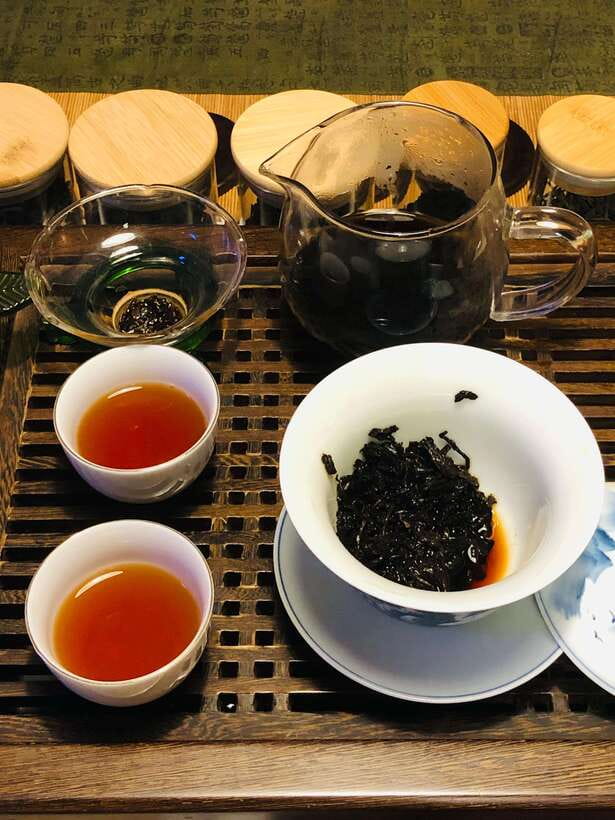
The ceremony lasts approximately 30 minutes, but you should allow extra time to find Jiannei Avenue and the precise meeting location. Confirmation is received at booking, and the mobile ticket makes it easy to carry your reservation without printing paperwork.
The activity is near public transportation. The manager may walk you back to the meeting point or Jianguomen Subway station, which can simplify your next move. The end point is otherwise the same as the start point.
Most people can participate, according to the supplied information. The group limit is 15, but no special accessibility details are provided. If you need specific arrangements, check with the provider before booking rather than assuming the short format solves every access concern.
The activity is often booked about 33 days ahead. That does not mean you must reserve that far in advance, but it does suggest that planning early is sensible if the ceremony is important to your schedule.
Free cancellation is available if you cancel at least 24 hours before the local start time. Inside that 24-hour window, the payment is not refunded, and changes are not accepted. Keep that deadline in mind if your Beijing plans may shift.
Should you buy tea afterward?
The optional shopping stop can be useful, especially if you find a tea you genuinely enjoy. You can take tea home to share with family and friends, and buying after tasting is better than choosing an unfamiliar package at random.
Still, shopping is not part of the included price. I would enjoy the ceremony first and decide afterward. You do not need to purchase anything to receive the five mini cups and take part in the brewing ritual.
Because no prices or product details are provided for the tea shop, set your own spending limit before you arrive. A polite refusal should be enough if you only want the cultural session.
My verdict on this 30-minute Beijing experience
I like this tea ceremony for its narrow focus, friendly welcome, and low cost. The five tea samples give you real variety, while the tea master’s careful movements show that Chinese tea is about attention and etiquette as much as flavor.
Its limits are just as clear. You will not receive a city tour, a long lecture, or a private lesson. The group can reach 15 people, and optional purchases cost extra.
Book it if you want a short, affordable introduction to Chinese tea culture near central Beijing. Skip it if your schedule is too tight to reach the meeting point calmly or if you want an extensive tea course. For the right visitor, this is a pleasant half-hour pause that adds cultural texture without taking over the day.
FAQ
How long does the traditional Chinese tea ceremony last?
The experience lasts approximately 30 minutes.
Where does the activity start?
It starts on Jiannei Avenue, Jian Nei Da Jie, in Dongcheng District, Beijing. Chang An Grand Theater is listed as the activity stop.
Where does the activity end?
The activity ends back at the meeting point. The tea master manager may also walk you to Jianguomen Subway station.
What is included in the price?
The price includes the tea ceremony and five mini cups of tea.
Which types of tea may I taste?
The ceremony may include Oolong, Pu-erh, green tea, jasmine tea, and flower tea.
Is a tour guide included?
No. A tour guide is not included. The tea master leads the ceremony.
How many people can join the activity?
The maximum group size is 15 people.
Is the experience near public transportation?
Yes. The activity is near public transportation, and Jianguomen Subway station is one possible end point.
Can I cancel for a refund?
Yes, if you cancel at least 24 hours before the local start time. Cancellations or changes made within 24 hours are not refunded or accepted.
Just added around Beijing
- Private Transfer to Mutianyu Great Wall with professional driver★ 5.0 · 19 reviews
- camp on the Great Wall overnight with sunrise and sunset on the wall★ 5.0 · 11 reviews
- One day tour to downtown Tianjin from Beijing by high speed train★ 5.0 · 3 reviews
- BusDa:Ancient Great Wall &Badaling Great Wall Full-day Bus Tour★ 4.5 · 6 reviews
- ZANBUS: Trip to the Jinshanling Great Wall Departing at 7:30 AM★ 5.0 · 5 reviews
- Yuxiandu Chinese Royal Cuisine Museum with Show and Royal Banquet★ 5.0 · 4 reviews
- Private Wild Great Wall Hiking tour at Simatai (Challenging)★ 5.0 · 16 reviews
- Wild Great Wall Huanghuacheng Half Day Tour★ 5.0 · 15 reviews
Beijing Tours, compared.


Forbidden City Tour(Group/Private)-Tickets Included
Read our review →
Mutianyu Great Wall Daily Tour with Ticket & Lunch
Read our review →
All-Inclusive Tour: Tiananmen Square, Forbidden City, Great Wall
Read our review →
4-Hour Small Group Tour to Forbidden City with Entry Tickets
Read our review →

Tianmen Square, Forbidden City & Royal Museum Tours
Read our review →