
Reviewed · SUZHOU TOURS
Suzhou:Humble Administrator’s Garden Ticket for Adult
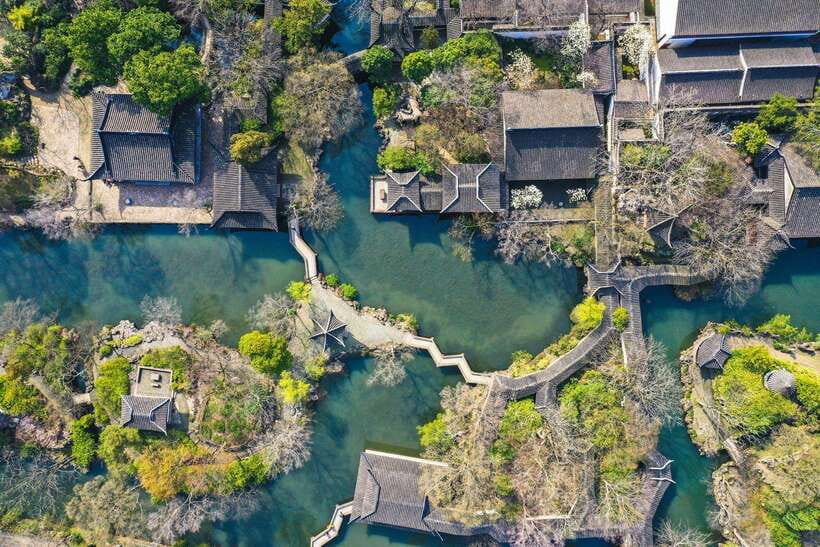
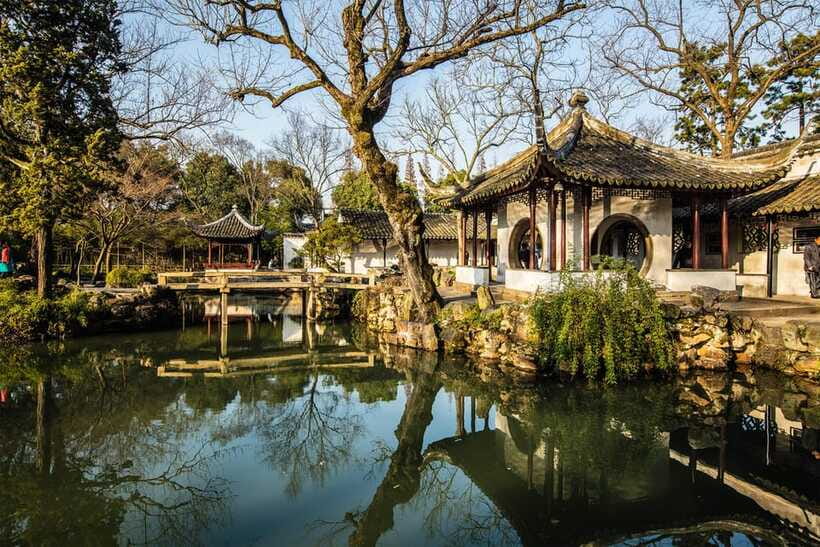
Suzhou’s Humble Administrator’s Garden is a place where a pond can feel as important as a palace. This Ming Dynasty garden spreads across 52,000 square meters, with lotus water, old trees, rockeries, winding paths, and pavilions arranged to make nature feel carefully framed.
I like the garden’s three-part design, since the eastern, central, and western sections each offer a different mood. I also like that the ticket gives you access to one of China’s finest classical gardens without adding a guide or fixed sightseeing schedule. The main concern is practical: two recent bookings had invalid QR codes, and one person reported buying a ticket at the entrance for about half the online price.
- The central section is the visual heart: Expect lotus ponds, pavilions, bridges, and carefully framed views.
- The garden is enormous by Suzhou standards: Its 52,000 square meters reward slow walking rather than a rushed visit.
- Three sections create three different experiences: The eastern, central, and western areas are not simply repeats of one another.
- The Hall of Drifting Fragrance and Pavilion of Lotus are key stops: Both help explain how buildings and water work together.
- This is an admission ticket, not a guided tour: No guide name or live commentary is included.
- Check the QR code before you go: Bring your passport, and keep a backup plan if the electronic voucher fails.
Why Humble Administrator’s Garden Matters
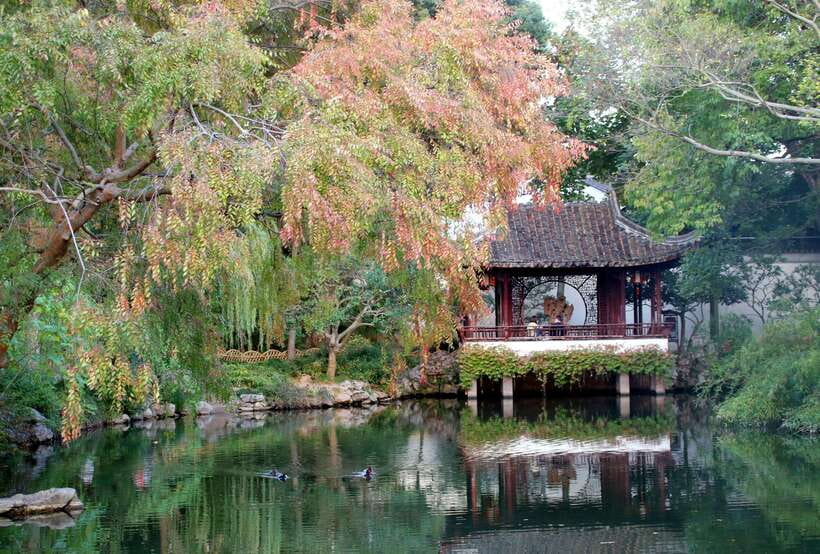
Humble Administrator’s Garden, also called Zhuozheng Garden, is one of Suzhou’s best-known classical gardens and a UNESCO World Heritage Site. It was built during the Ming Dynasty in the early 16th century, when gardens served as more than decorative parks.
These spaces were retreats for scholars and officials. They offered quiet places to think, write, paint, and escape official life. That purpose still shapes the experience today. You are not simply walking past flowers and buildings. You are moving through a design built around pauses, partial views, reflections, and changing angles.
I find the garden most rewarding when I stop trying to see everything at once. A path may hide part of a pond, then reveal it beside a pavilion. A group of rocks may suggest a mountain range. An old tree can give a simple courtyard the weight of centuries.
The garden’s name has an unusual connection to its past. Its first owner was a Ming official who retired and turned to gardening. The title reflects the idea of a modest, quiet life away from public duties. You do not need to know every historical detail to feel the contrast between official power and private calm.
Entering the 52,000-Square-Meter Garden
The ticket is valid for one day and provides admission to Zhuozheng Garden at 178 Dongbei Street in Suzhou’s Gusu District. The electronic voucher is meant for direct verification at the garden, so keep it easy to open on your phone.
Bring the passport used when booking. Passport identification is needed to reserve the ticket, and the instructions also list a passport among the things to bring. This is not the place to leave your identification in your hotel room.
The activity has no stated meeting time, guide, or transport service. You make your own way to the garden and enter during operating hours. That gives you freedom, but it also means you must handle the practical details yourself.
The advertised price is $22 per adult. That can be reasonable if you value advance planning and want the convenience of booking before you arrive. But this is where I would pause before paying. One recent purchaser reported buying directly at the garden for about half the price, with a two-minute line and payment available by Alipay and cash.
That lower price is not guaranteed, and entrance conditions can change. Still, it is important information. If you are already near the garden and the gate line is short, checking the official on-site price may make more sense than committing to the online ticket.
A few more China trips to weigh up
- Beijing: Forbidden City Tour(Group/Private)-Tickets Included
★ 4.8 · 7,974 reviews - Beijing: Mutianyu Great Wall Daily Tour with Ticket & Lunch
★ 5.0 · 3,056 reviews - 4-Hour Small Group Tour to Forbidden City with Entry Tickets
★ 5.0 · 1,863 reviews
The Eastern Section and Its Open Feel
The eastern section gives you a useful introduction to the garden’s larger plan. Instead of rushing toward the most photographed pond, take a moment to notice how the garden shifts between open areas and enclosed spaces.
The three sections were designed with different layouts and moods. The eastern area helps show the garden’s breadth. You may find broader views, more open planting, and a sense of transition as you move toward the central area.
The important idea here is contrast. Classical Chinese garden design often works by controlling what you see and when you see it. A wall, doorway, line of trees, or rock formation can block a view, then reveal another one a few steps later.
I would treat this section as a slow warm-up. It may not produce the single image you came hoping to photograph, but it helps you understand the garden as a sequence rather than one big park. Look for the relationship between buildings, water, and planted areas.
The eastern section also gives you room to appreciate the garden’s scale. At 52,000 square meters, this is not a compact courtyard that you can fully understand in ten minutes. You will get more from it if you allow time for detours and quiet pauses.
The Central Section and Its Lotus Ponds
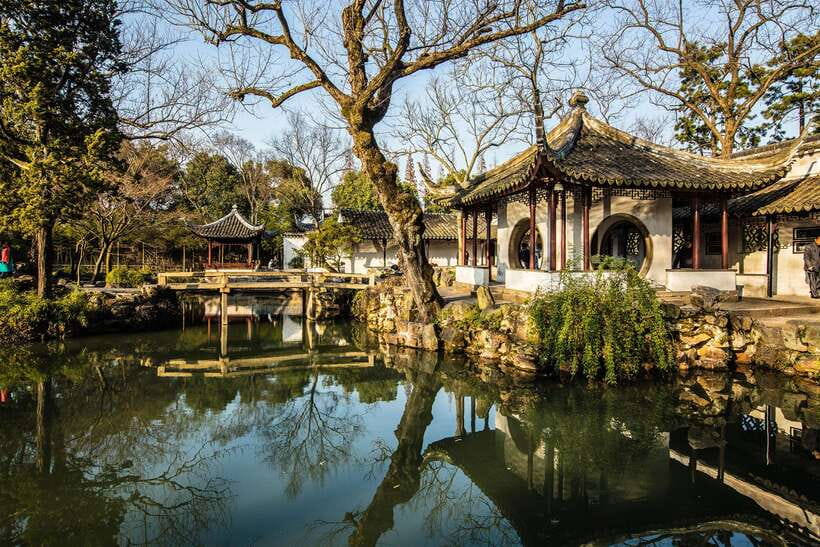
The central section is the garden’s most famous area, and it is easy to see why. Winding paths circle water, pavilions sit beside ponds, and lotus-filled areas create the soft, reflective center of the design.
Water is not just decoration here. It gives the garden space and movement. Ponds reflect roofs and trees, while narrow paths guide you around the edges. The arrangement makes the garden feel larger than the buildings themselves.
The lotus ponds are especially important. Lotus flowers carry strong cultural associations in China, including ideas of purity and graceful growth. Even without a guide explaining the symbolism, you can see why the plant works so well in this setting. Its broad leaves and flowers break up the surface of the water, while the surrounding architecture gives each view a clear frame.
The Pavilion of Lotus is one of the central section’s key places. From here, you can look across the main water area and see how the designers balanced open water with solid structures. The pavilion is not simply a shelter. It is a viewing device, directing your attention toward a particular arrangement of pond, plants, rocks, and roofs.
Expect the central section to attract the most attention. It is likely to be the place where you spend the longest time, especially if the lotus ponds are in bloom. Go slowly, and look back after turning a corner. In this garden, the reverse view can be as good as the first one.
The Hall of Drifting Fragrance
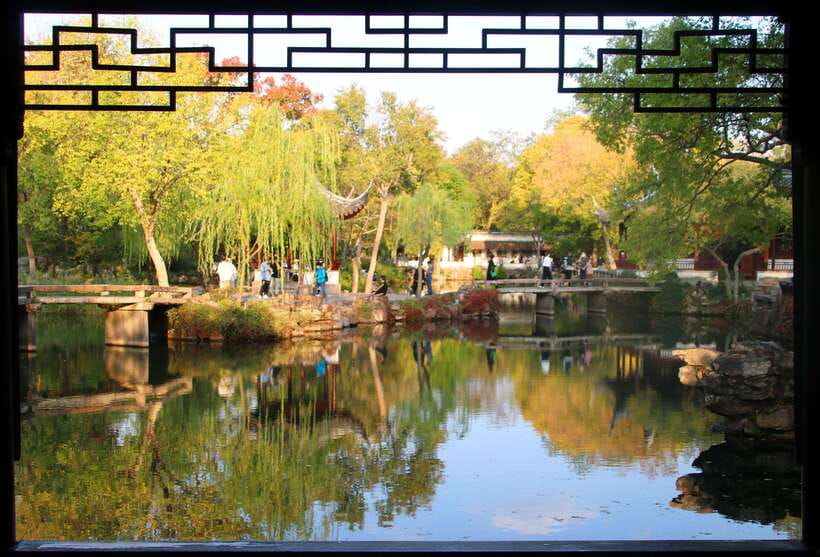
The Hall of Drifting Fragrance overlooks a pond decorated with lotus flowers. Its name points to one of the garden’s most pleasant ideas: fragrance becomes part of the design, not just a visual detail.
The hall gives you another way to read the garden. From a building beside the water, you are not looking at a garden from outside. You are placed inside its composition, with the pond and planting arranged as a living picture.
I like stops such as this because they explain why classical gardens can feel more thoughtful than ordinary public parks. The building, pond, flowers, and nearby views are meant to work together. Each element has a practical role, but each also carries poetic meaning.
Do not treat the hall as a quick photo stop. Spend a few minutes looking across the water and noticing how the view changes from inside the structure. Light, shadow, reflections, and weather can alter the mood considerably.
Same country, a completely different kind of day:
- From Beijing: Mutianyu Great Wall Tours with Options
★ 4.9 · 9,216 reviews - Beijing: T-Square & Forbidden City Group or Private Tour
★ 4.8 · 4,446 reviews - All-Inclusive Tour: Tiananmen Square, Forbidden City, Great Wall
★ 5.0 · 2,873 reviews - MuBus: Mutianyu Great Wall ENG/ESP/RUS Guided Bus Tour
★ 5.0 · 2,361 reviews
Rockeries, Old Trees, and Small Mountain Ideas
The garden’s rockeries represent mountains. This is one of the central ideas in Chinese garden design: a carefully arranged group of stones can suggest distant peaks, cliffs, and rugged terrain within a city garden.
You do not need a full explanation of every stone to appreciate the effect. Look for uneven shapes, narrow passages, and changes in height. Rockeries add a sense of wildness to an otherwise controlled setting.
The old trees do similar work. Their age and irregular forms soften the clean lines of the pavilions and walls. They remind you that the garden is not only a collection of buildings. It is also a living place shaped by time.
This balance between control and natural appearance is the garden’s central trick. Paths are planned, ponds are positioned, and views are framed, yet the result is meant to feel natural rather than stiff.
If you enjoy architecture alone, you may find the garden frustrating because its best features are spread across water, plants, stone, and buildings. If you enjoy the way these parts work together, the visit becomes far more rewarding.
The Western Section and a Change of Mood
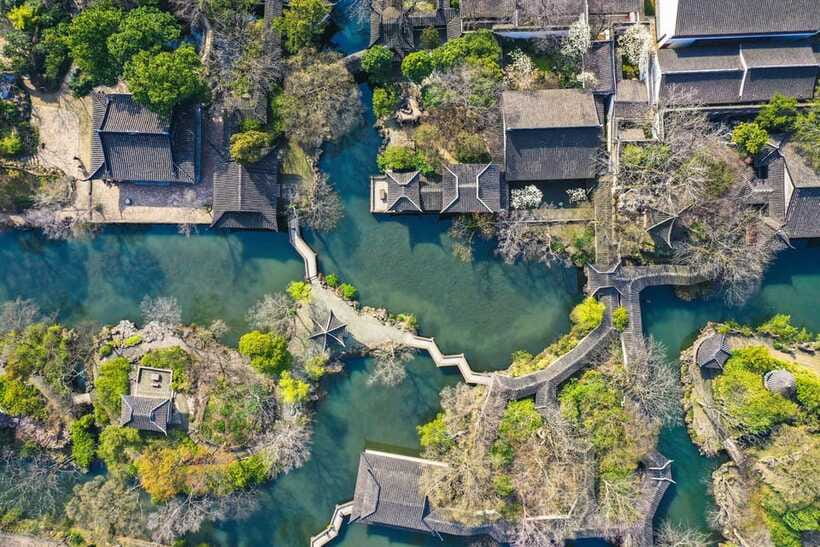
The western section completes the garden’s three-part arrangement. It offers another change in setting and gives you a chance to compare how the same design principles are used in a different area.
Rather than expecting three separate attractions, think of the sections as chapters in one long composition. The eastern area establishes scale, the central area provides the most famous water views, and the western area rounds out the experience with further buildings, planting, and pathways.
The western section can be useful late in your visit, when you already understand the garden’s basic visual language. By then, you may begin to notice details that were easy to miss at first: the way a roofline meets a tree, how a corridor frames a pond, or how a rockery changes the feeling of a small courtyard.
Because the ticket is valid for one day, you are not forced into a short circuit. You can take your time, revisit a favorite view, or pause when the garden begins to feel visually full. That flexibility is one of the ticket’s better features.
Daylight, Night Tours, and What This Ticket Covers
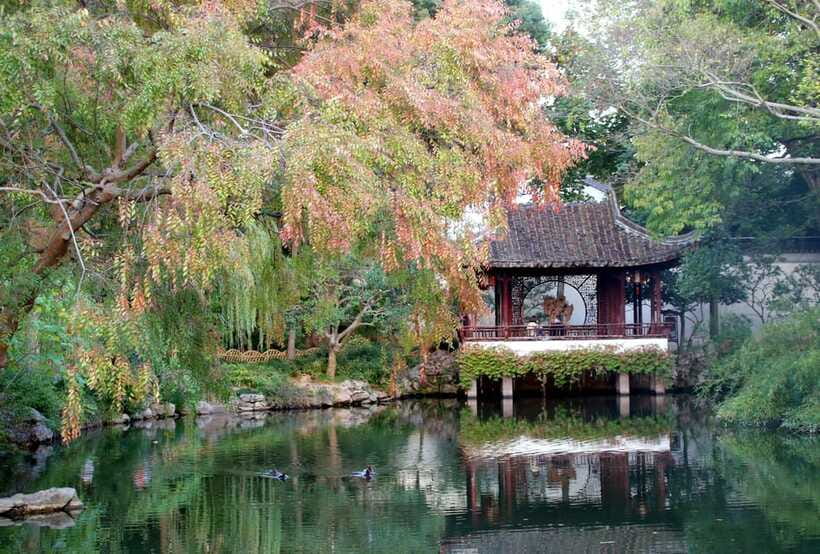
During the day, the garden is about light, reflections, plants, and architecture. Sun and shadow bring out the contrast between pale walls, dark rooflines, green leaves, stone, and water.
The information also describes a separate night experience called Zhuozheng Wenya. It uses soft lighting and cultural performances to present the garden after dark. That sounds like a different event rather than something automatically included with this adult admission ticket.
This distinction matters. The ticket described here includes admission to Humble Administrator’s Garden. It does not list a night performance, guide, transport, or additional show. If the evening program interests you, check its separate availability and ticket conditions before making plans.
A daytime visit is the safer choice if your main aim is to study the garden’s layout. A night presentation may offer a more theatrical mood, but this admission product should not be treated as a combined day-and-night pass.
The QR Code Problem and How to Protect Your Day
The biggest practical weakness is the electronic voucher. Two recent purchasers reported that the QR code did not work. One person was unable to receive a refund and bought another ticket at the garden instead.
That does not prove every voucher will fail, but it is enough to take seriously. Before leaving for the garden, open the voucher and confirm that the code displays correctly. Keep your booking details and passport ready for verification.
If the code is rejected, go directly to the ticket office and ask about buying admission on site. One recent account described a line of only two minutes, with Alipay and cash accepted. Again, conditions can vary, but knowing this option may prevent a failed entry from ruining your day.
The cancellation policy allows a full refund when you cancel at least 24 hours in advance. That is helpful if your plans change before the deadline. It may not protect you from a QR problem discovered at the gate, so do not wait until the last minute to check your voucher.
Is $22 Good Value?
At $22 per adult, the ticket can be fair value for a major cultural site of this size and importance. You are paying for access to a large, carefully designed historic garden, not just a small flower display.
The value is strongest if you want to reserve ahead, have a tight schedule, or prefer to arrive with admission arranged. The one-day validity also gives you room to explore without a fixed tour pace.
The value is weaker if you are already in Suzhou and can easily check the on-site price. A recent purchaser reported paying roughly half the online amount at the entrance. That is a sizable difference, especially for families or groups.
This is also a small-group product with a limit of 10 participants, but do not confuse that with a guided small-group tour. The admission information does not include a guide or group commentary. You are buying entry, not personal interpretation.
Who Will Enjoy This Garden Most?
I would recommend Humble Administrator’s Garden to anyone interested in Chinese art, architecture, poetry, or historic garden design. It also suits photographers and people who enjoy quiet places with plenty of visual detail.
You should allow enough time to walk through all three sections. A rushed visit will show you the headline sights, but it will miss the way the garden reveals itself through changing views.
Families can appreciate the ponds, bridges, rocks, and old trees, though younger children may find the visit less exciting if they need constant action. The garden is best experienced at a calm pace.
This may be less satisfying if you want a guide to explain every building or historical reference. No guide is included, and no guide name is provided. You will need to explore independently or arrange separate commentary.
Should You Book the Adult Ticket?
Book this ticket if you want advance confirmation, value flexible self-guided sightseeing, and are comfortable checking the QR code carefully before arrival. The garden itself deserves a place on a Suzhou itinerary, especially for its central ponds, lotus views, rockeries, and carefully framed pavilions.
I would hesitate to book at $22 without first checking the official on-site price if you are already nearby. The reported QR failures and lower entrance price make this a product where convenience may cost more than necessary.
My practical choice would be simple: compare the current gate price, reserve only if advance booking is useful, bring the passport used for the booking, and keep your phone ready for direct verification. The garden is worth seeing. The ticket deserves a little caution.
FAQ
Where is Humble Administrator’s Garden located?
It is at 178 Dongbei Street, Gusu District, Suzhou, in East China.
How long is the ticket valid?
The admission ticket is valid for one day and can be used during the garden’s operating hours.
What does the ticket include?
It includes admission to Humble Administrator’s Garden. No guide, transport, or cultural performance is listed as included.
Do I need to bring my passport?
Yes. Passport identification is needed to book, and the instructions also say to bring a passport for use at the garden.
Can I cancel for a full refund?
Yes, you can cancel up to 24 hours in advance for a full refund.
Is the night program included?
The information describes Zhuozheng Wenya as a separate night experience. The adult admission ticket listed here includes garden entry, but does not state that the night program is included.
Just added around China
- Hong Kong Airport to Hong Kong City Private Arrival Transfer★ 4.5 · 3 reviews
- Hong Kong Observation Wheel Ticket★ 5.0 · 3 reviews
- Hong Kong Palace Museum Ticket★ 5.0 · 3 reviews
- Hong Kong Peak Tram and Sky Terrace 428 Tickets (Optional)★ 3.5 · 22 reviews
- Hong Kong Private Walking Tour with a Local★ 5.0 · 6 reviews
- Hong Kong Market Walking Tour & Chinese Cooking Class★ 5.0 · 24 reviews
- Hong Kong : Must-See Attractions Walking Tour With A Guide★ 5.0 · 7 reviews
- Hong Kong: Lantau Island & Tai O Cruise, Skip The Line Cable Car★ 3.5 · 4 reviews
Suzhou Tours, compared.
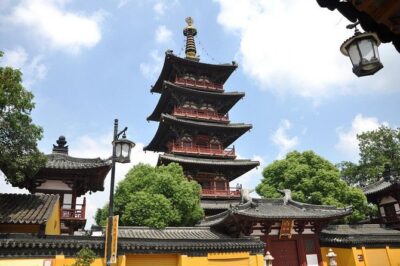
Unveil Suzhou’s Essence: Ultimate Private Day Tour
Read our review →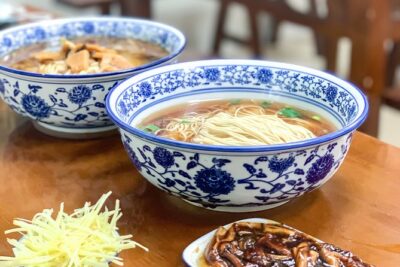
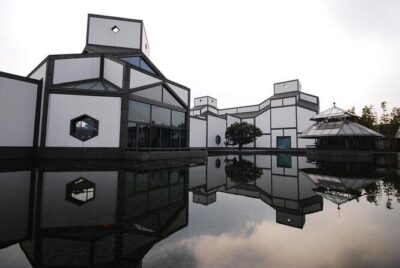
Suzhou Private Flexible City Tour with Lunch Option
Read our review →
Private Flexible Suzhou City Tour with Tongli or Zhouzhuang Water Town Options
Read our review →
Suzhou and Tongli Water Town Private Day Trip from Shanghai
Read our review →
Suzhouand Zhouzhuang Private Guided Day Trip from Shanghai
Read our review →
Suzhou Flexible Guided Day Trip from Shanghai by Private Car
Read our review →Browse the lists this tour appears in