
Reviewed · MASSAGE & RELAXATION
Shanghai:Authentic Chinese Body/Foot Massage, Hair& Head SPA
Shanghai’s most useful souvenir may be a looser neck and lighter feet. This experience combines traditional Tui Na meridian massage with foot care, optional cupping, moxibustion, and a hair and scalp wash. I like the choice of treatments, and I especially like the personal help from Bonnie, who can explain the process, translate, and help you feel at ease.
I also like the simple finish: Chinese herbal tea and snacks after the treatment. The main thing to watch is the price. The advertised $2 covers the reservation commission, while the massage and spa services cost extra, with options ranging from 220 CNY to 370 CNY. Pregnant women should not book this activity.
Key points at a glance
- Bonnie’s hands-on help: She can meet you, explain the treatment, translate with the staff, and help with practical details.
- Several traditional choices: Pick Tui Na, oil massage, foot massage, cupping, moxibustion, or the hair and scalp spa.
- A useful post-sightseeing break: The 60-minute treatments are well suited to tired feet, stiff shoulders, and travel knots.
- Tea and snacks included: You finish with Chinese herbal tea and a small snack rather than simply walking out.
- Good value only when priced correctly: The low headline price is not the treatment price, so check your chosen option before paying.
- Simple rather than fancy: The setting is described as clean and comfortable, but not luxurious.
Why this Shanghai massage experience works after a long day
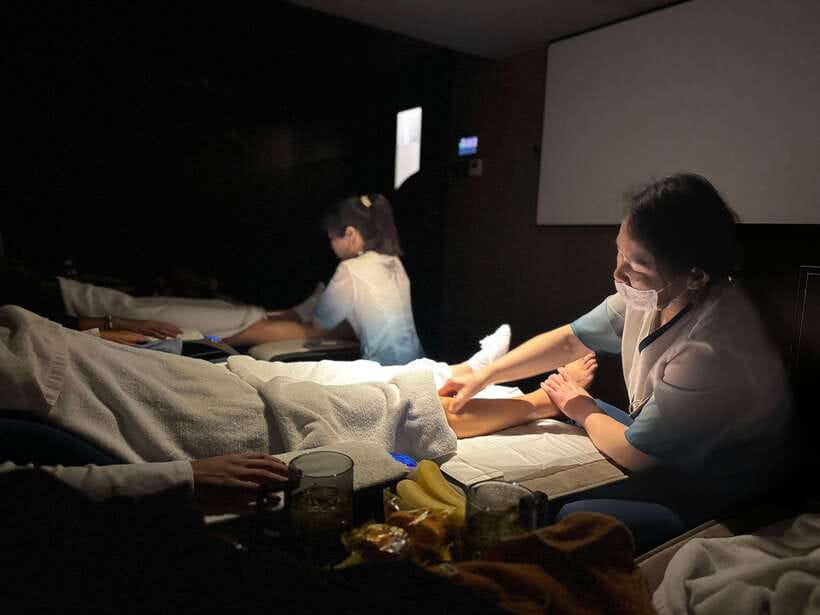
Shanghai is a city of long walks, crowded sights, and plenty of time on your feet. A one-hour massage gives you a practical pause without taking half a day from your sightseeing schedule.
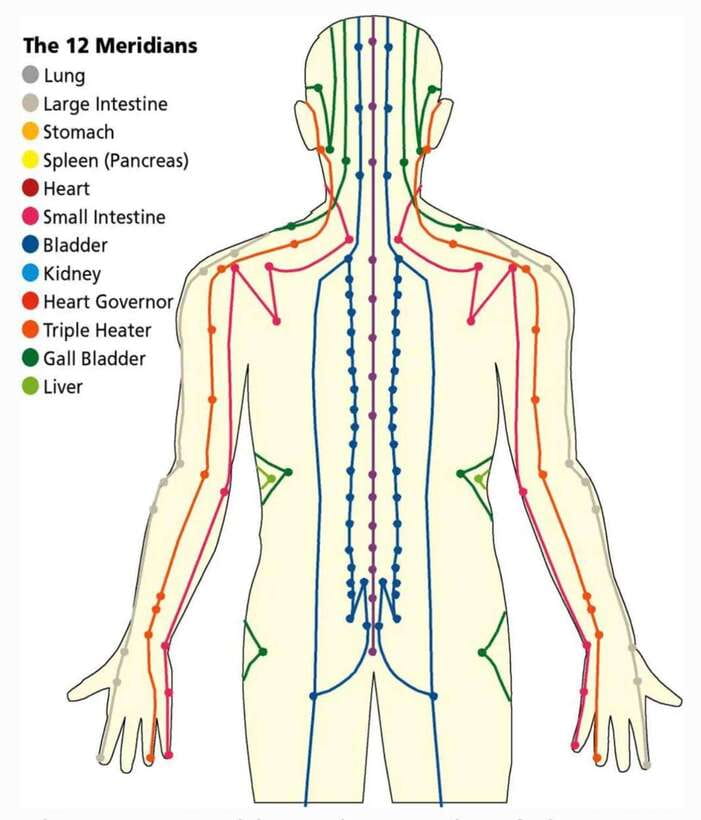
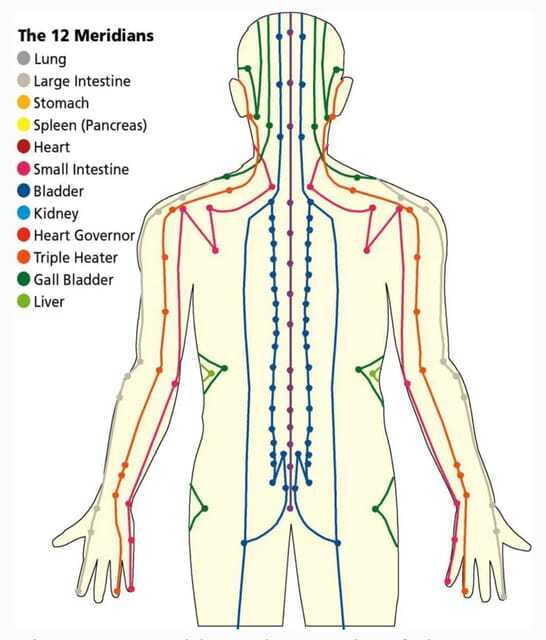
The experience focuses on traditional Chinese medicine techniques. The main treatment, Tui Na, uses pressure points, firm strokes, and work along the body’s meridian areas. You may find it more active than a gentle Western-style relaxation massage. The goal is not only to lie still, but to work on areas of tightness.
I like that the menu lets you choose your level of intensity and focus. You can book a traditional meridian massage, add oil for a different feel, concentrate on your feet, or choose a treatment involving heat or suction. The hair and head spa offers a change of pace, with washing, scalp care, relaxation, and shoulder massage.
Bonnie is an important part of the arrangement. Several bookings were helped by her explanations and translation, and she has also met people who had trouble finding the place. If you do not speak Chinese, that support can make the treatment feel much simpler from the start.
A few more Shanghai trips to weigh up
- Beijing : SHUIGUO luxury SPA & Recreation Club day ticket
★ 4.5 · 27 reviews - Chongqing Luxury Hot Spring and Massage Luxury Meal Private Tour
★ 5.0 · 6 reviews - 3-Day Beijing Tour Tai Chi, Peking Duck, Hotpot and Spa
★ 5.0 · 3 reviews
What happens during the 60-minute Tui Na session
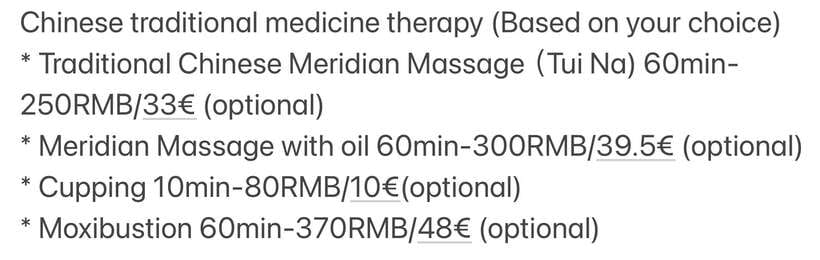
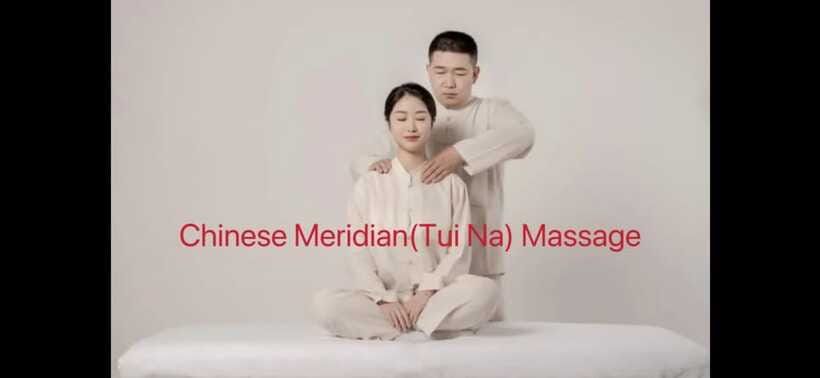
The standard Tui Na option lasts 60 minutes and costs 250 CNY, listed as about 30 euros. The massage uses traditional Chinese pressure-point methods and flowing movements to work on tension in the muscles and joints.
You should expect a firmer, more focused treatment than a light oil massage. That can be useful after flights or several days of walking, especially if your neck, shoulders, or back feel tight. One booking described better neck movement after the meridian massage, which gives you a practical idea of what this treatment may be good for.
The therapist’s pressure is part of the experience. If it is too strong, too light, or uncomfortable, tell Bonnie or ask her to translate your request. That simple step matters, since a treatment designed to release tightness should not leave you struggling through pain.
The oil version costs 300 CNY, or about 37 euros, for 60 minutes. Choose it if you prefer a smoother massage or do not want the drier, more direct feel of traditional Tui Na. The price difference is modest, but the treatment style may feel noticeably different.
This is a good choice for you if you want a full-body treatment and are curious about one of China’s traditional massage methods. It may be less suitable if you only want a very gentle, quiet spa treatment.
Foot massage for worn-out Shanghai feet
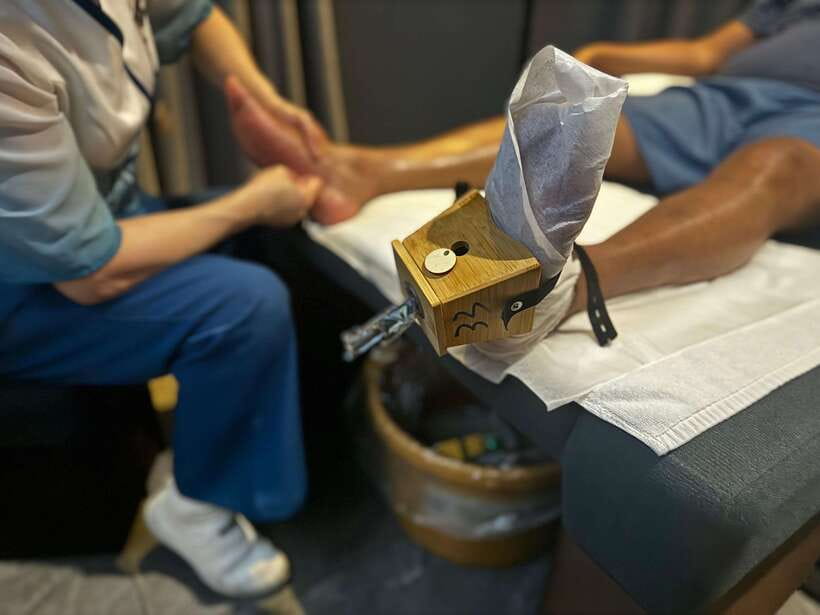
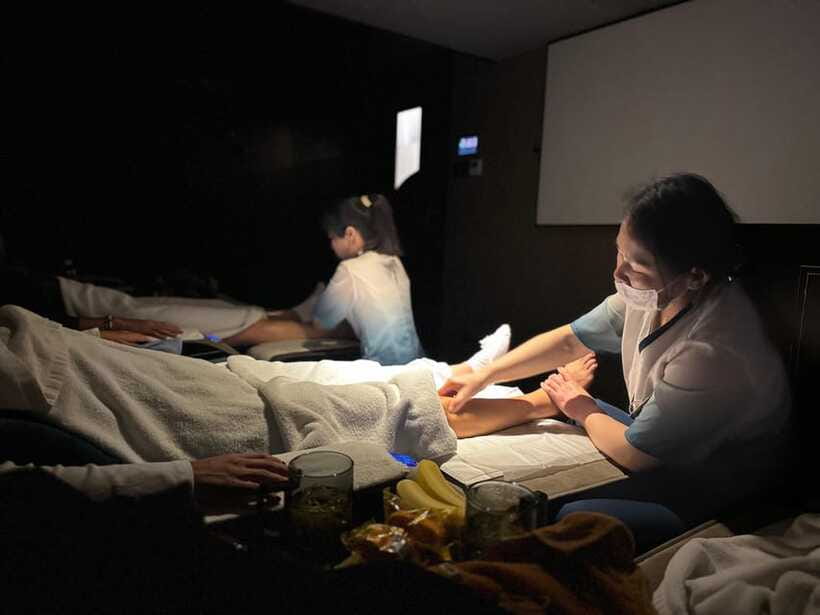
The traditional foot massage costs 220 CNY, about 27 euros, for 60 minutes. It is the least expensive of the main treatment choices and makes sense after a day spent walking around Shanghai.
The treatment uses pressure points on the feet. The description also connects it with traditional Chinese methods, so you should expect purposeful pressure rather than a quick cosmetic foot rub. Some people may find the pressure intense. Again, clear communication is useful, especially if your feet are tender from sightseeing.
A foot massage also leaves your day flexible. You can book it before dinner, after a day of museums, or near the end of a trip when your feet need attention more than another attraction. It is a sensible pick for anyone who likes massage but does not want a full-body session.
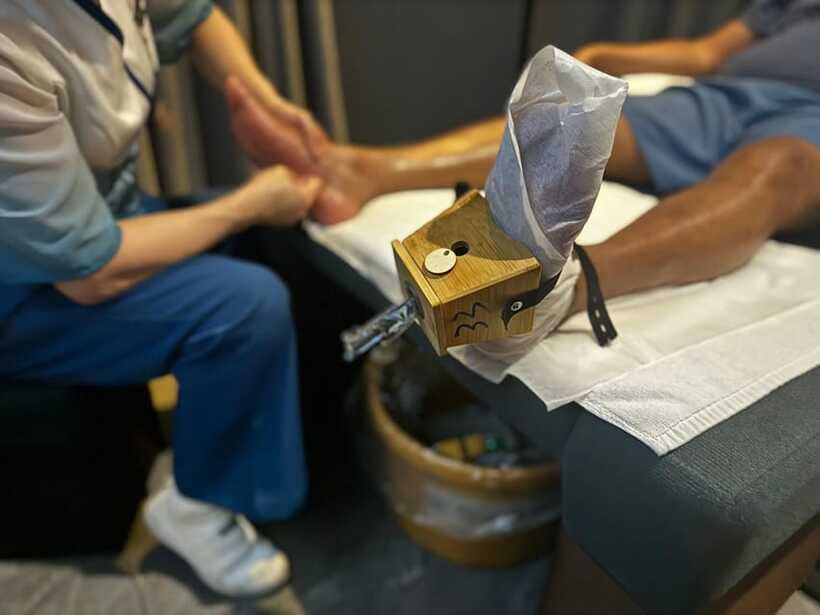
One booking paired the foot treatment with moxibustion. That combination costs more, but it adds a warm treatment aimed at specific points. If you are deciding between foot massage and full-body Tui Na, choose based on your actual need: tired feet point toward the former, while general muscle tension points toward the latter.
Cupping and moxibustion: know what you are choosing
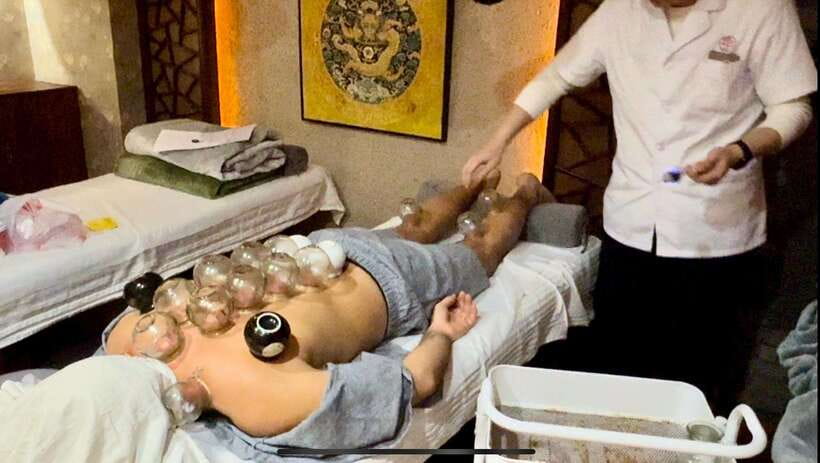
Cupping is an optional 10-minute treatment. The listed price appears in two places as 100 CNY, about 12 euros, and 120 CNY, about 15 euros. Because the information is inconsistent, confirm the current price before treatment.
During cupping, suction cups are placed on the skin. The experience description explains that the cups create a localized vacuum and may leave red or purple marks that fade over time. If you have plans involving sleeveless clothing, swimming, or photographs, ask about the likely marks before agreeing.
Cupping is best viewed as an add-on, not a replacement for the 60-minute massage. Ten minutes gives you a short taste of the technique. It may appeal to you if you want to try a well-known traditional practice, but it is not the right pick if you mainly want a long, quiet massage.
Moxibustion costs 370 CNY, about 45 euros, for 60 minutes. It uses dried mugwort to apply heat to selected points. The recommendation is to take this treatment during the daytime, so plan accordingly.
The warmth may sound relaxing, but moxibustion is a distinct traditional therapy, not simply a heated massage. Ask for a clear explanation before starting, particularly if you are unfamiliar with it. Pregnant women are specifically excluded from this activity, and anyone unsure about the suitability of heat-based treatment should ask questions before booking.
Same country, a completely different kind of day:
- Authentic Local Food Tour in Central Shanghai
★ 5.0 · 1,382 reviews - Zhujiajiao Water Town and Shanghai City Private Day Tour
★ 5.0 · 1,016 reviews - Private Shanghai Full Day City Tour with Old and New Highlights
★ 5.0 · 995 reviews - Shanghai: Hop-on Hop-off Bus Ticket and Optional Attractions
★ 3.4 · 692 reviews
The hair, head, and scalp spa
The hair, head, and scalp treatment costs 300 CNY, about 37 euros, for 60 minutes. It includes hair and scalp washing, relaxation spa care, and shoulder massage.
This is the most unusual option in the menu. It combines personal care with massage, so it may suit you if you want to freshen up after a hot day or long journey. One person specifically noted that their hair felt soft and shiny afterward, while others praised the relaxing effect.
Do not think of this as only a shampoo. The shoulder massage adds a useful touch for anyone carrying bags or sitting through long journeys. The scalp work can also feel more soothing than a standard body treatment if you prefer gentle care around the head.
The tradeoff is that this option does not replace a full-body massage. If your back and legs are the main problem, Tui Na or foot massage will probably give you more targeted relief. If you want relaxation, clean hair, scalp attention, and some shoulder work, this is a smart alternative.
Bonnie’s role makes the booking easier
The treatment itself is provided by spa staff, but Bonnie from China Voyagers handles much of the visitor support. She can explain the choices before the appointment, help arrange the session, and translate with the spa team.
That matters because treatment menus can be confusing when prices and names are translated. Bonnie has also helped people find the location and assisted with communication about transport. Meeting points can vary depending on the option booked, so pay close attention to the instructions you receive.
Her support is especially useful if you want to ask about pressure, treatment length, or what happens next. You do not have to guess at the process or rely on gestures. You can also ask her to confirm the cost of optional services before you begin.
The experience is available as a small group, though the exact arrangement depends on the option. If you want a private treatment room or a specific setup, ask before booking rather than assuming.
A clean, caring setting, but not a luxury hotel spa
The setting is described as clean, calm, comfortable, and supportive. That is enough for a good massage, but you should not book this expecting a polished five-star hotel spa.
I see that as part of the value. You are paying for the treatment and personal assistance rather than a grand reception area or elaborate design. The strongest praise centers on care, professionalism, and the quality of the massage, not luxury decor.
The therapists are described as polite, attentive, and professional. That does not mean every treatment will feel identical, since pressure and technique vary between people. Tell the staff what you need, and use Bonnie’s translation help if communication becomes difficult.
Afterward, you receive traditional Chinese herbal tea and tea snacks. Some sessions also included fresh fruit, according to the experience details provided by the organizer. This small ritual gives the appointment a pleasant ending and lets you take a moment before returning to Shanghai’s noise.
Price, payment, and what the $2 really means
The $2 price can be misleading if you read it as the cost of a massage. It covers the reservation commission fee. The treatment itself is optional and charged separately.
Current listed treatment prices are:
- Traditional Tui Na meridian massage, 60 minutes: 250 CNY, about 30 euros
- Meridian massage with oil, 60 minutes: 300 CNY, about 37 euros
- Traditional foot massage, 60 minutes: 220 CNY, about 27 euros
- Cupping, 10 minutes: listed as 100 to 120 CNY, about 12 to 15 euros
- Moxibustion, 60 minutes: 370 CNY, about 45 euros
- Hair, head, and scalp wash with shoulder massage, 60 minutes: 300 CNY, about 37 euros
You can pay with Alipay or cash. I would confirm the complete amount for your selected services before the treatment begins. That is especially important for cupping, since two different prices are provided.
For a full one-hour massage in Shanghai, these prices offer reasonable value, particularly if you want a traditional technique rather than a generic hotel massage. The value drops if you book without understanding the separate charges. Think of the booking fee as access and coordination, not as the treatment itself.
Who should book this experience?
I would recommend it to you if you:
- Want a traditional Chinese massage after several days of walking
- Prefer help with translation and local arrangements
- Are curious about Tui Na, cupping, or moxibustion
- Want a scalp and shoulder treatment rather than a standard body massage
- Value a friendly organizer more than a luxury spa interior
- Need a flexible one-hour activity
It is especially useful at the beginning of a China trip, after a long flight, or near the end of a sightseeing-heavy day. The one-hour length gives you a real treatment without consuming an entire afternoon.
You may want to skip it if you dislike firm pressure, do not want possible cupping marks, or expect a high-end resort spa. Pregnant women should not book. For everyone else, explain any concerns before treatment and confirm the price of every add-on.
Cancellation is free up to 24 hours before the appointment, and you can reserve now and pay later. The activity is listed as wheelchair accessible, though the meeting point may vary by option, so confirm the exact arrangement when you book.
Should you book the Shanghai Chinese massage and scalp spa?
Yes, if you want a practical, culturally specific way to rest between Shanghai sightseeing stops. I would choose the 60-minute Tui Na massage for general stiffness, the foot massage for tired legs, and the hair and scalp spa if you want washing, head care, and shoulder work.
Cupping and moxibustion are better for curious visitors who understand that these are traditional therapies with their own sensations and considerations. Do not add them simply because the headline price looks low.
The best reason to book is the combination of treatment choice and Bonnie’s personal help. The main caution is equally clear: the $2 is not the massage price. Confirm your treatment, meeting point, and final cost, then this makes a useful and friendly addition to a Shanghai itinerary.
FAQ
How long does the massage or spa treatment last?
The main treatments last 60 minutes. Cupping is the shorter option and lasts 10 minutes.
What treatments can I choose?
You can choose traditional Tui Na meridian massage, meridian massage with oil, traditional foot massage, cupping, moxibustion, or hair, head, and scalp washing with shoulder massage.
Is the treatment price included in the $2 booking price?
No. The $2 covers the reservation commission fee. The massage and spa treatments have separate prices.
How much does the traditional Tui Na massage cost?
The 60-minute traditional Tui Na meridian massage costs 250 CNY, listed as about 30 euros. The oil version costs 300 CNY, about 37 euros.
Can I pay with Alipay?
Yes. Alipay and cash are both accepted.
Is Bonnie available to help with translation?
Bonnie from China Voyagers can explain the treatments and help translate with the spa staff. She may also help with directions and other practical arrangements connected with the appointment.
Can pregnant women take part?
No. Pregnant women are listed as not suitable for this activity.
More Massage in Shanghai
- Shanghai Guided Royal Banquet Photo (Incl) with Massage Opt
★ 5.0 · 47 reviews
Just added around Shanghai
- Suzhou Private Guided Day Trip from Shanghai by Bullet Train★ 5.0 · 46 reviews
- Suzhou and Zhujiajiao Private Guided Day Trip from Shanghai★ 5.0 · 27 reviews
- Shanghai:Old Town, Yu Garden, Zhujiajiao Water Town Bus Tour★ 4.7 · 16 reviews
- Shanghai: Yuyuan, City God Temple Old City Tour-Tip Based★ 5.0 · 10 reviews
- Shanghai: Zhujiajiao Water Town with Calligraphy Experience★ 5.0 · 17 reviews
- Shanghai: Yu Garden with Entry Tickets(optional)★ 4.5 · 28 reviews
- Shanghai: Yu Garden Entry Ticket with PDF Guidebook★ 4.1 · 45 reviews
- Shanghai: Yu/Yuyuan Garden Entry Ticket–E ticket★ 4.4 · 24 reviews
Massage & Relaxation, compared.
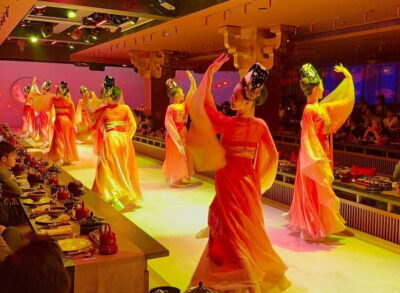
Shanghai Guided Royal Banquet Photo (Incl) with Massage Opt
Read our review →
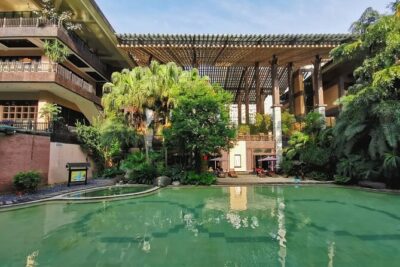
Chongqing Luxury Hot Spring and Massage Luxury Meal Private Tour
Read our review →
Small-Group Gong Relaxation Experience in Hong Kong
Read our review →
3-Day Beijing Tour Tai Chi, Peking Duck, Hotpot and Spa
Read our review →Browse the lists this tour appears in