
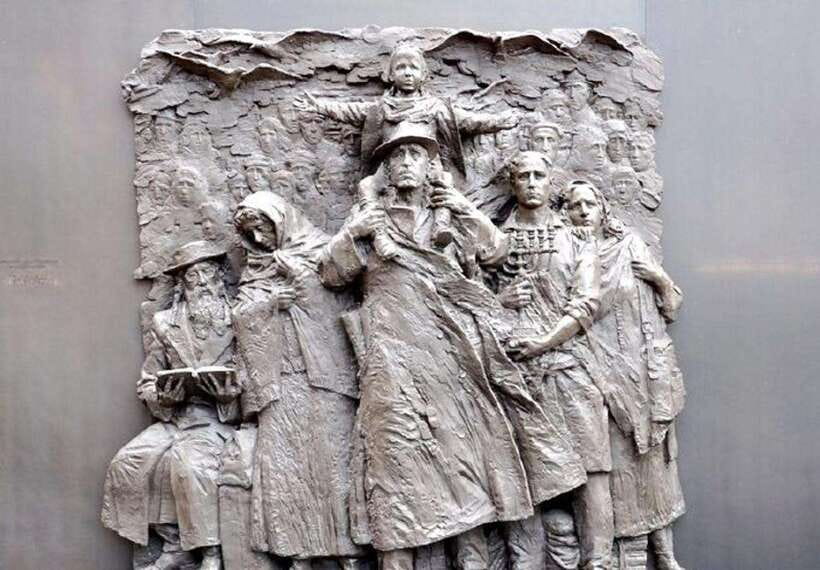
Reviewed · SHANGHAI TOURS
Shanghai: Jewish Ghetto and Shanghai Bund Private Tour
Shanghai’s Jewish Refugee Museum tells a remarkable and often overlooked story: thousands of Jewish people found refuge here during World War II. This private tour connects the museum with old neighborhood lanes and the Bund, so you get both human history and Shanghai’s famous river views in a single three-hour outing.
I like the personal scale of a private guide, especially for a subject that can be emotional and complex. I also like the smart pairing of the museum with the Bund and Peace Hotel. You move from refugee life and old stone-framed homes to Shanghai’s grand colonial-era waterfront and modern skyline.
The main drawback is time. Three hours goes quickly, and the museum, neighborhood walk, and Bund each deserve attention. At $113 per person, the value is strongest for couples, families, or small groups who want a focused guide rather than a large shared tour.
Key points to know before booking
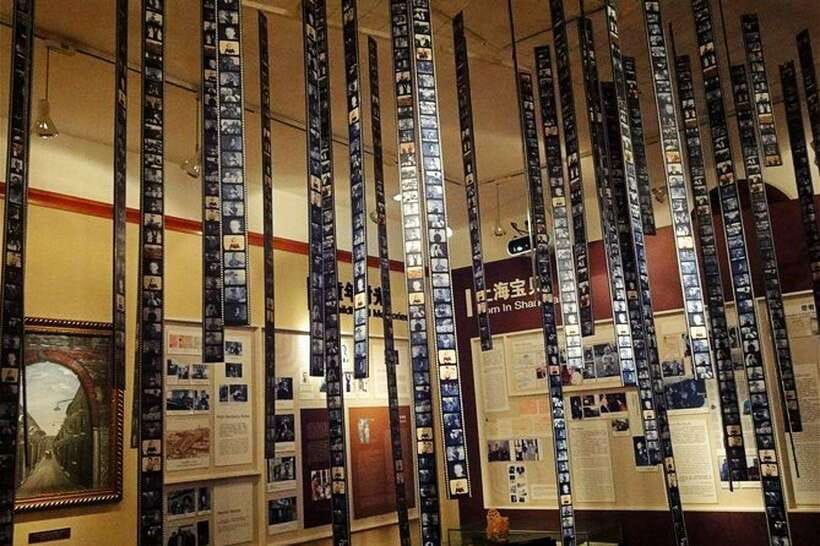
- The Jewish Refugees Museum is the tour’s heart: See documents, photographs, films, and personal objects connected with Jewish refugees in Shanghai.
- The old neighborhood walk adds useful context: You pass former refuge-era homes, the old JDC center, alley streets, and a former Jewish park.
- The Bund gives the tour a strong finish: Walk beside the river and compare Shanghai’s historic buildings with the newer skyline.
- Your guide can shape the experience: Guides named Mason, Lea, Lia, Robert, and Sunny have led recent tours, with several praised for warmth and flexibility.
- Transport is arranged for you: Downtown hotel pickup and local transportation are included, but hotel drop-off is not.
- This is a private English-language tour: Groups of one to four use a premium local Uber, while larger groups receive an air-conditioned minivan.
Why Shanghai’s Jewish refuge story matters
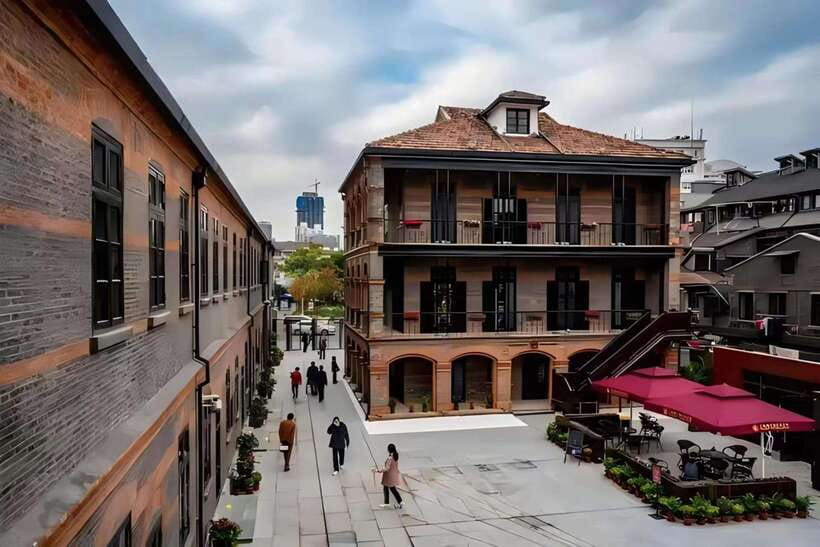
Shanghai is often introduced through skyscrapers, shopping streets, and the Bund. This tour takes you to a quieter part of the city and explains how Shanghai became a place of refuge for Jewish people escaping persecution in Europe during World War II.
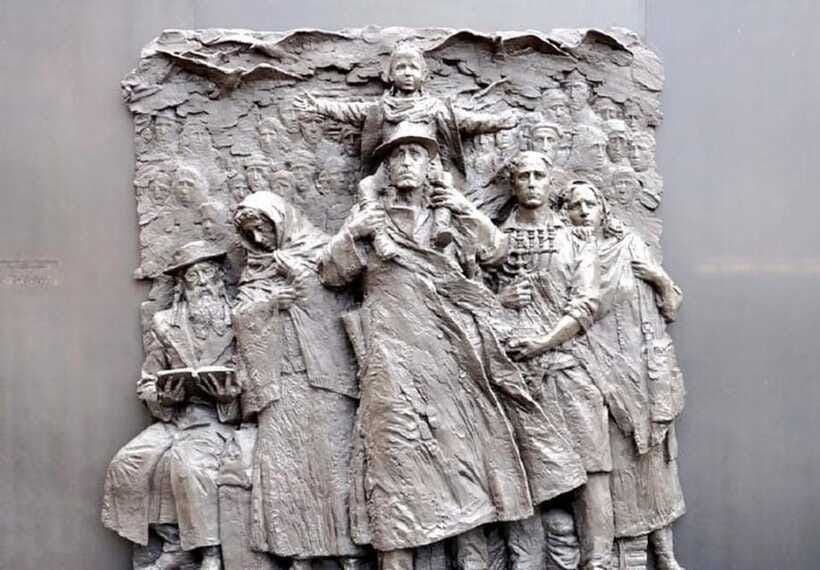
The subject is not treated as a short footnote. At the Jewish Refugees Museum, you can examine life documents, photographs, films, and personal belongings. These objects help turn a large historical event into something more direct and human. You see how people lived, organized their lives, and made a home in unfamiliar surroundings.
I especially value the museum visit because it gives the rest of the tour a clear purpose. The old streets and homes are not just photogenic remnants. Your guide can explain how they relate to the refugee community and the wider neighborhood.
This part of Shanghai’s past is not as familiar to many international visitors as the city’s imperial-era concessions or Communist history. If you have a family connection to Jewish history, the tour may carry particular weight. One participant described the experience as emotional because it connected with family history. That is worth considering before booking: this is not only a sightseeing trip.
A few more Shanghai trips to weigh up
- Zhujiajiao Water Town and Shanghai City Private Day Tour
★ 5.0 · 1,016 reviews - Private Shanghai Full Day City Tour with Old and New Highlights
★ 5.0 · 995 reviews - Shanghai Private Tour: Zhujiajiao Water Town and Boat Ride
★ 5.0 · 661 reviews
Inside the Jewish Refugees Museum and Ohel Moishe Synagogue
The tour begins at the Jewish Refugees Museum, also known as Ohel Moishe Synagogue. Your guide takes you through the museum’s different sections, where the exhibitions use documents, images, film, and personal items to explain the refugee experience.
The museum is the one place where admission is included in the tour price. That matters because you can focus on the displays instead of sorting out an extra ticket. Your guide also gives the material a local setting, helping you understand why this part of Shanghai became important during the war years.
Allow yourself time to look closely. A three-hour schedule means the museum cannot be treated as a full-day archive visit, but it is still the longest and most substantial stop in the itinerary. If you prefer to read every panel in detail, you may need to move at a steady pace.
A private tour helps here. You can ask about a photograph, document, or personal object as soon as it catches your attention. Guides such as Mason, Lea, Lia, Robert, and Sunny have been praised for clear explanations, friendly conversation, and the ability to adjust the pace to the group.
The museum is also a sensible stop on a hot day because it gives you time indoors before the walking portion. One recent booking specifically noted that the guide made it easier to explore during very warm weather. Still, the tour includes outdoor streets and the Bund, so dress for Shanghai’s conditions and be ready for a fair amount of walking.
Walking the old refuge-era streets
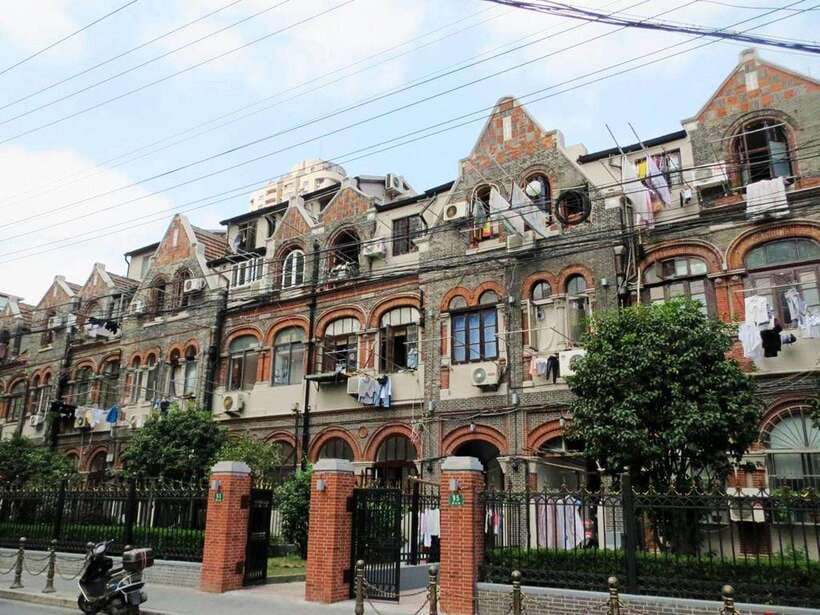
After the museum, you walk through the surrounding Jewish area. This is where the tour moves beyond formal exhibits and into everyday Shanghai.
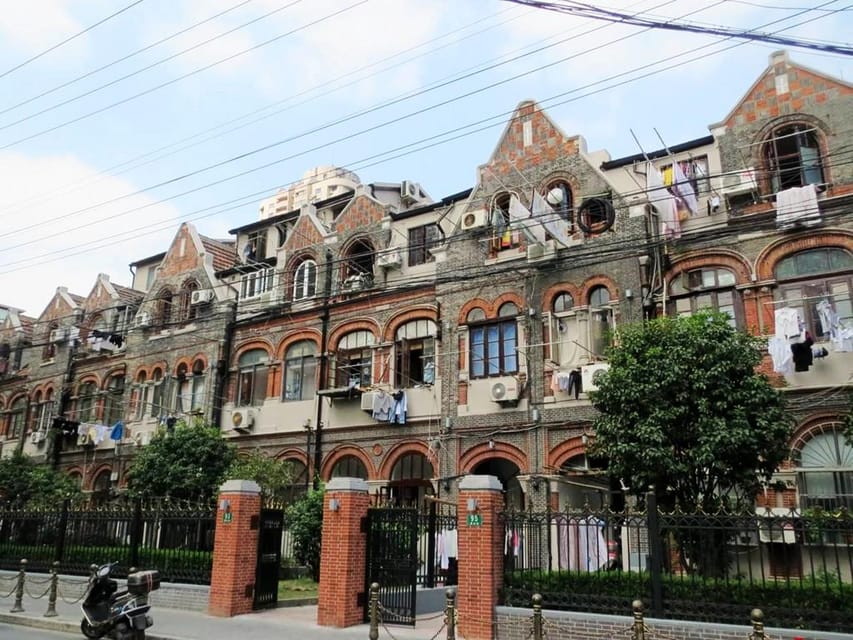
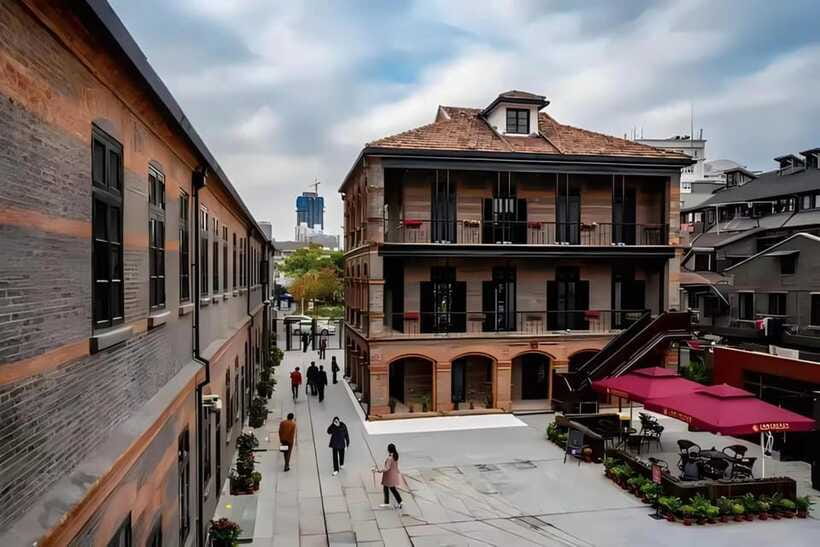
You see old alley streets, former stone-framed houses, and buildings that were once home to thousands of refugees. The old JDC center is another important stop. Together, these places show how a refugee community was supported and housed within an existing Chinese neighborhood.
The appeal here is not polished architecture. Some areas may feel ordinary, worn, or busy with local life. That is part of the point. You are seeing a living neighborhood rather than a recreated historical village.
The former Jewish park offers another change of pace. You can pause and watch local residents go about their day while your guide explains the area’s past. This combination of ordinary present-day life and difficult wartime history gives the walk more meaning than a string of disconnected photo stops.
I would not book this tour expecting every building to be perfectly preserved or clearly marked. The value comes from your guide’s explanation and from understanding how the neighborhood fits together. Without that context, the lanes and houses could be easy to miss.
The private format is useful during this section. You can ask to spend longer at a particular site, and the guide may adjust the rhythm to suit your interests. The tour is advertised as a three-hour experience, though, so flexibility has limits. If your group becomes absorbed in the museum, the neighborhood walk or Bund portion may need to move faster.
The Peace Hotel and Shanghai’s grand waterfront
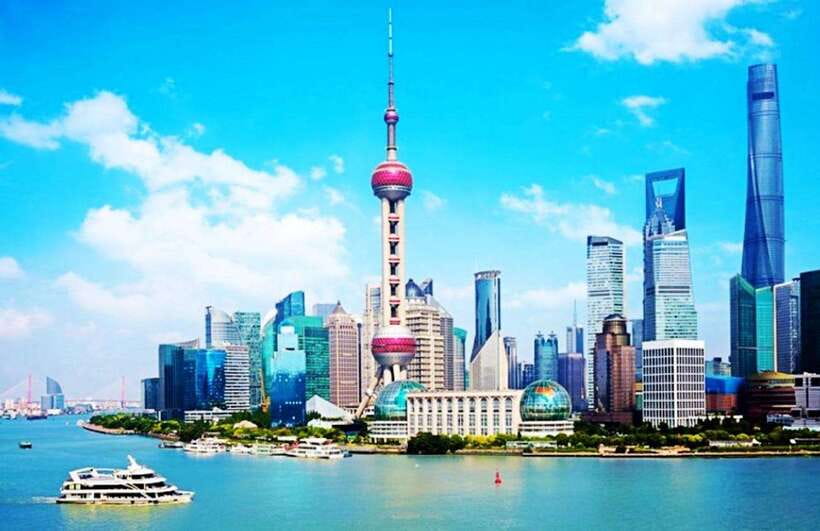
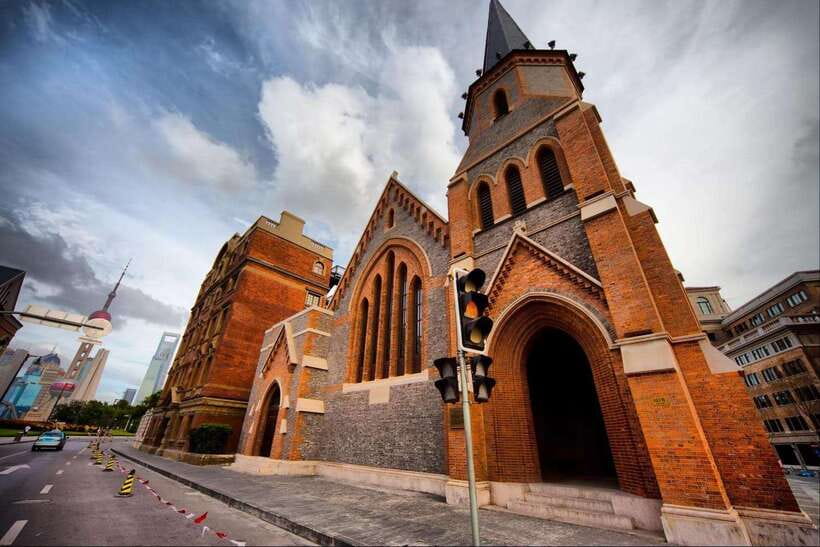
The final section takes you to the Bund, Shanghai’s famous riverfront. Before reaching the riverside, the itinerary includes the Peace Hotel, linked with the Sassoon family, a prominent British Jewish family whose influence shaped part of Shanghai’s early twentieth-century commercial world.
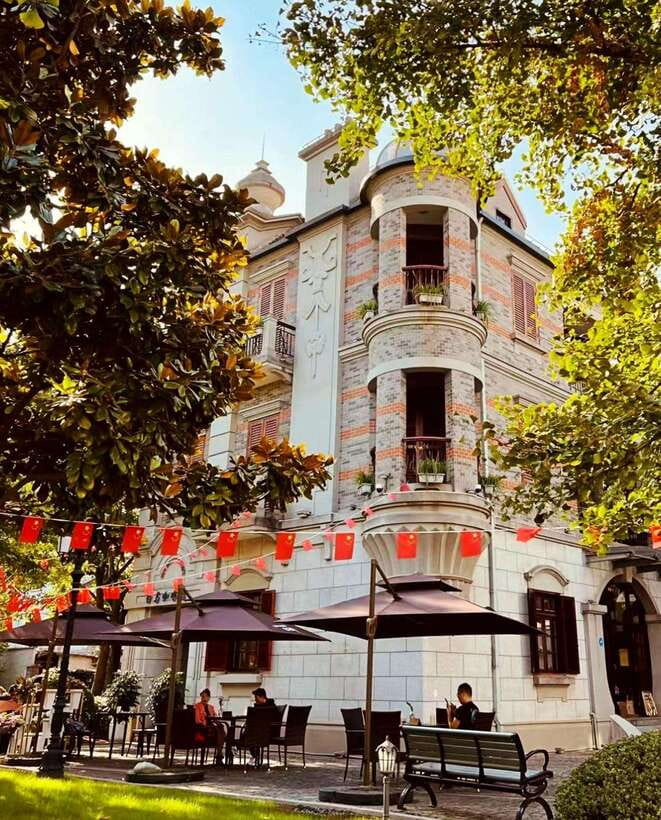
The hotel’s art-deco architecture gives the stop a strong visual contrast with the refugee neighborhood. Here, Jewish history is connected with finance, luxury, international business, and the old foreign concessions. It is a reminder that Jewish life in Shanghai was not one single story. Refugees, business families, workers, and established residents had different experiences.
From the Peace Hotel, you walk along the Bund riverfront. This is the tour’s best-known view: historic buildings on one side and the newer Shanghai skyline across the water. Your guide explains how the waterfront developed while you take in the contrast between old and new city forms.
The Bund can be crowded, and the riverfront is exposed. That may make this section less comfortable in hot or busy conditions, but it also gives you the classic Shanghai setting that many first-time visitors want. Since the tour ends here, you can continue exploring afterward on your own, although hotel drop-off is not included.
The Bund is more than a final photo stop. After spending time with refugee documents and modest neighborhood homes, the grand waterfront helps you place that story within Shanghai’s wider international past. I like that the itinerary does not isolate the Jewish history from the rest of the city.
Same country, a completely different kind of day:
- Authentic Local Food Tour in Central Shanghai
★ 5.0 · 1,382 reviews - Shanghai: Hop-on Hop-off Bus Ticket and Optional Attractions
★ 3.4 · 692 reviews - Eat Like A Local: Shanghai Night Food Tour
★ 5.0 · 616 reviews - Huangpu Night Cruise: Cozy Vibe & Modern Shanghai Glow
★ 4.3 · 520 reviews
What the $113 price includes
At $113 per person, this is not the cheapest way to see the Jewish Refugees Museum and the Bund. You are paying for a private experience, an English-speaking local guide, hotel pickup from downtown, local transportation, and museum admission.
For one person, the price may feel high for only three hours. For two or more people, the calculation improves because the private guide and transport serve your group rather than a large busload. Families and small groups also gain the ability to ask questions freely and request some flexibility.
For groups of one to four, transport is provided by a premium local Uber. Groups larger than four receive an air-conditioned minivan. This keeps the arrangement practical, though it also means the exact vehicle depends on group size rather than being a dedicated luxury car for every booking.
Food and drinks are not included. That is not a major issue for a three-hour city tour, but plan to eat before or after if you need a meal. Hotel drop-off is also excluded, so treat the Bund as the end point when planning the rest of your day.
Downtown hotel pickup is included. If you stay near Pudong Airport, Disneyland, Songjiang, or Hongqiao, pickup and drop-off are not included in the usual way. You will receive a meeting point instead, so check your hotel location before booking and allow extra time to reach it.
The tour allows cancellation up to 24 hours before the start for a full refund, and you can reserve now and pay later. Those terms make it easier to fit the outing into a changing Shanghai itinerary.
The guides make a real difference
A tour about war, displacement, and family history needs more than a guide who simply recites dates. The strongest part of this experience appears to be the human approach of the guides.
Mason is repeatedly identified as friendly, attentive, and strong at explaining both the museum and the Bund. Lea and Lia are also named as warm, helpful guides, with Lia noted for making the tour easier on a hot day. Sunny is described as explaining the material clearly and adding an old-town stop on one occasion. Robert is praised for being especially friendly and informative.
Because this is a private tour, the guide can respond to your interests. You can ask more about the refugee story, the Sassoon family, architecture, local life, or the Bund. If the subject connects with your family, tell the guide at the beginning. That gives the tour a chance to feel more personal without turning it into something the itinerary does not promise.
Guide assignments can change, so you should not book on the assumption that one particular person will lead your tour. The important feature is the private English-language format and the chance to have a direct conversation throughout the route.
Who will get the most from this tour?
I would recommend it most strongly to:
- People interested in Jewish history and World War II
- Visitors with a family connection to Jewish refugees or Shanghai
- First-time visitors who want the Bund with more historical context
- Couples and families who prefer a private guide
- Small groups that want arranged transport and a compact itinerary
- Visitors with only a few hours available in central Shanghai
It may be less suitable if you want a relaxed, food-focused, or shopping-heavy outing. It is also not ideal if you dislike museums, walking through older neighborhoods, or emotionally serious subjects.
Architecture fans will enjoy the Peace Hotel and Bund buildings, but this is not primarily an architectural tour. The buildings support the larger story. Likewise, the Jewish Refugees Museum is the main attraction, while the Bund provides a memorable city setting at the end.
Practical advice for making the three hours count
Wait in your hotel lobby at the agreed start time. Downtown pickup is included, but transport time can affect how long you spend at each stop, especially in Shanghai traffic.
Wear comfortable shoes. The itinerary includes the museum, old lanes, neighborhood stops, and a riverfront walk. Bring water, especially in warm weather, since part of the tour takes place outdoors.
Think about your priorities before the guide arrives. If the museum matters most, say so early. If you are more interested in architecture and the Bund, mention that too. The private format gives the guide useful direction.
Keep the schedule open after the tour if you want to remain at the Bund. Since drop-off is not included, the end of the tour can work well as a transition to your next Shanghai activity.
Should you book this Shanghai Jewish history tour?
Book it if you want to understand a less familiar side of Shanghai and prefer a private guide who can explain what you are seeing. The museum, old refuge streets, Peace Hotel, and Bund form a thoughtful three-hour route, and the included transport removes some city-planning work.
At $113 per person, the tour is easiest to justify for a pair or small group, or for anyone with a strong personal interest in Jewish history. If you have only one free afternoon and want a standard list of major Shanghai attractions, you may find the museum and neighborhood portion more serious than expected.
For the right visitor, this is a valuable choice. It gives you a human story, physical places connected to that story, and one of Shanghai’s great city views, all without spending a full day on the subject.
FAQ
How long does the tour last?
The tour lasts three hours.
Is the tour private?
Yes. It is offered as a private group experience.
Is the tour conducted in English?
Yes. The live tour guide language is English.
Does hotel pickup come with the tour?
Downtown Shanghai hotel pickup is included. If you stay near Pudong Airport, Disneyland, Songjiang, or Hongqiao, a separate meeting point is provided instead.
Is hotel drop-off included?
No. Hotel drop-off is not included.
What transportation is provided?
Groups of one to four use a premium local Uber. Groups larger than four use an air-conditioned minivan.
Is admission to the Jewish Refugees Museum included?
Yes. The entry ticket to the Jewish Museum is included. Food and drinks are not included.
Just added around Shanghai
- Suzhou Private Guided Day Trip from Shanghai by Bullet Train★ 5.0 · 46 reviews
- Suzhou and Zhujiajiao Private Guided Day Trip from Shanghai★ 5.0 · 27 reviews
- Shanghai:Old Town, Yu Garden, Zhujiajiao Water Town Bus Tour★ 4.7 · 16 reviews
- Shanghai: Yuyuan, City God Temple Old City Tour-Tip Based★ 5.0 · 10 reviews
- Shanghai: Zhujiajiao Water Town with Calligraphy Experience★ 5.0 · 17 reviews
- Shanghai: Yu Garden with Entry Tickets(optional)★ 4.5 · 28 reviews
- Shanghai: Yu/Yuyuan Garden Entry Ticket–E ticket★ 4.4 · 24 reviews
- Shanghai: Wild Animal Park Ticket★ 4.9 · 43 reviews
Shanghai Tours, compared.

Authentic Local Food Tour in Central Shanghai
Read our review →
Zhujiajiao Water Town and Shanghai City Private Day Tour
Read our review →
Private Shanghai Full Day City Tour with Old and New Highlights
Read our review →
Hop-on Hop-off Bus Ticket and Optional Attractions
Read our review →
Shanghai Private Tour: Zhujiajiao Water Town and Boat Ride
Read our review →
Suzhou and Zhouzhuang Water Village Day Trip from Shanghai
Read our review →Browse the lists this tour appears in