
Reviewed · SHANGHAI TOURS
Shanghai: Chinese Tea Ceremony Experience
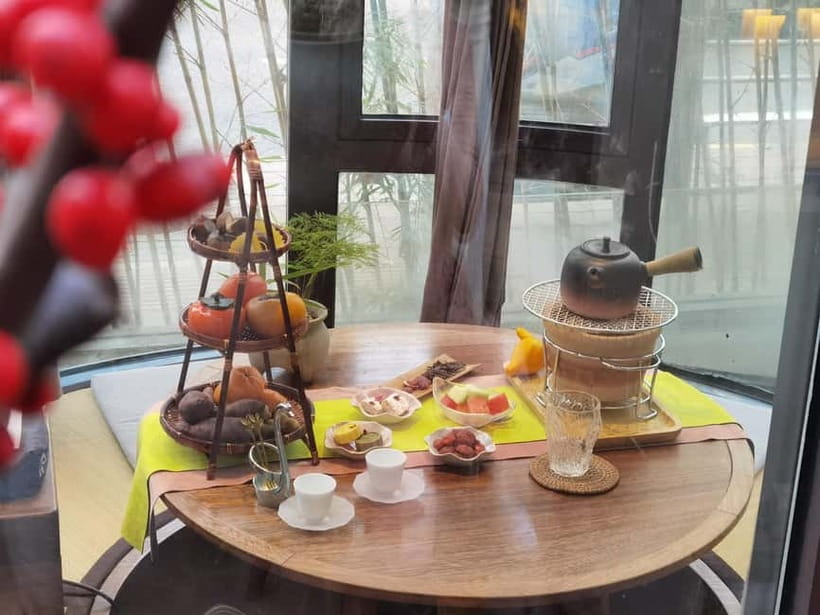
The most unusual part of this Shanghai experience is the chance to try Song Dynasty tea whisking, an old preparation method that turns tea making into a careful, hands-on ritual. You also taste several Chinese teas without seeing them first, which makes you pay attention to aroma, texture, and flavor instead of relying on a label.
I like the small group of up to eight, since tea ceremonies work best when you can watch closely and ask questions. I also like the mix of history and tasting: this is not just a pretty cup of tea, but a practical look at how Chinese tea is prepared and understood. The main consideration is the price, $143 per person, which makes this a special-interest activity rather than a casual stop for a quick drink.
Key points at a glance
- Blind tasting: Compare teas by aroma, flavor, and texture before knowing exactly what is in your cup.
- Three Chinese tea classes: Learn how China’s major tea categories differ as you taste each one.
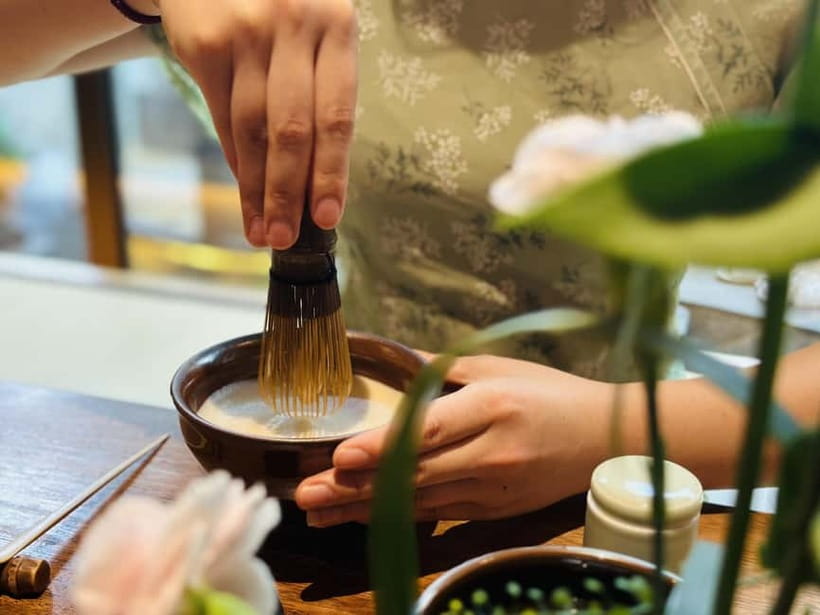
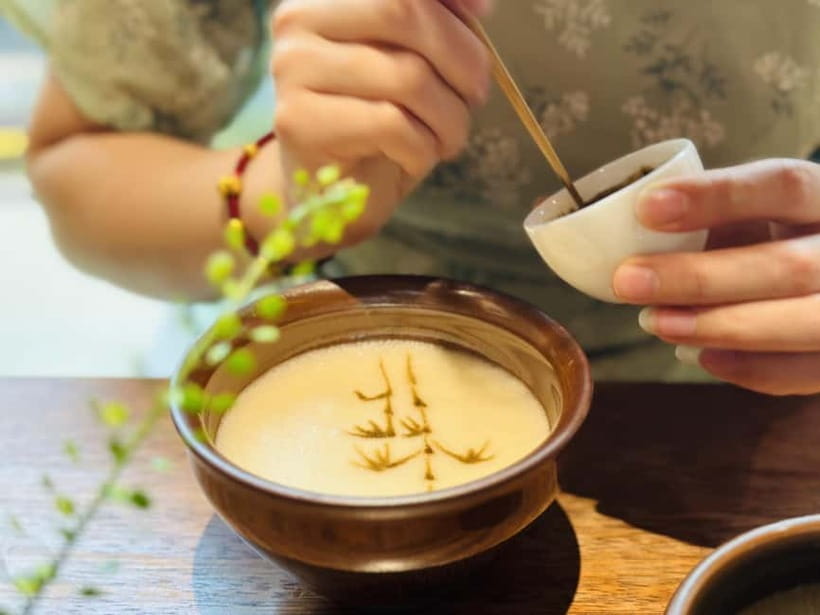
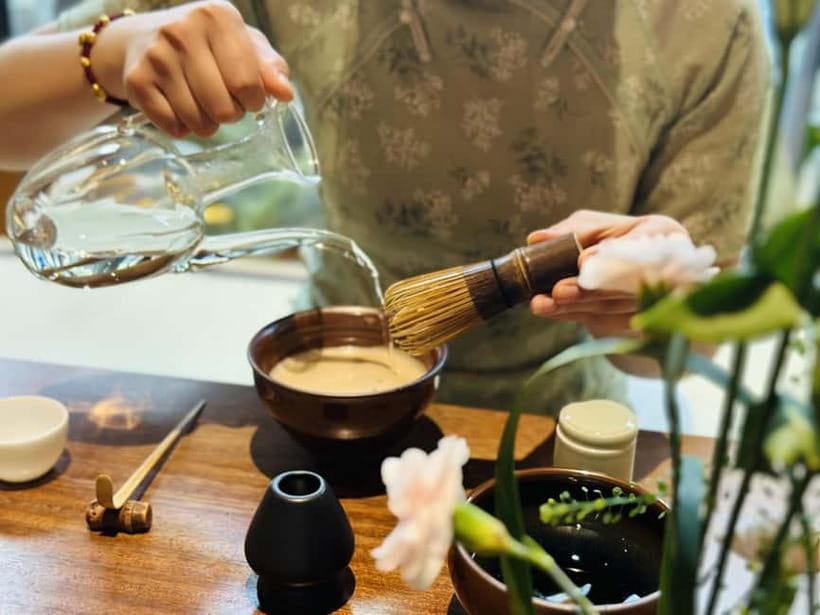
- Song Dynasty technique: Try the art of whisking tea in a style linked to the Song period.
- Small-group setting: With no more than eight participants, you get room to observe and ask questions.
- Tea master guidance: An English or Chinese-speaking expert explains the customs, methods, and meaning behind the ceremony.
- A calm three-hour pace: Snacks, conversation, tasting, and optional dress-up photos give the session a social side.
What this Shanghai tea ceremony is really about
Many tea stops in China are built around buying something. This one is built around paying attention. For three hours, you focus on the way tea smells before you drink it, how the flavor changes across your palate, and how preparation affects the final cup.
That makes the activity a good fit if you want more than a standard sightseeing stop. You are not simply watching a host pour tea while you take photos. The format gives you a chance to handle the process, taste carefully, and ask why one tea feels light, floral, roasted, soft, or bitter.
The tea master leads the session in English or Chinese. No individual guide names are provided, but the teaching is clearly central to the program. A good tea ceremony guide does more than identify leaves. The guide helps you notice small differences that are easy to miss when you drink tea quickly.
The tone is refined and unhurried. That can be a welcome change after busy days in Shanghai, especially if you want a cultural activity that does not involve racing between several sights.
Other Shanghai days worth booking alongside this:
- Authentic Local Food Tour in Central Shanghai
★ 5.0 · 1,382 reviews - Zhujiajiao Water Town and Shanghai City Private Day Tour
★ 5.0 · 1,016 reviews - Private Shanghai Full Day City Tour with Old and New Highlights
★ 5.0 · 995 reviews
Starting with ancient hospitality
The ceremony begins with a graceful welcome shaped by old Chinese hospitality. The details of the opening can vary, but the purpose is clear: you settle into the setting before the tasting begins.
This opening matters because tea culture is not only about the beverage. It also includes how tea is offered, received, prepared, and shared. The ceremony gives those actions time and meaning instead of treating them as decoration.
I would arrive ready to slow down. Comfortable clothing and shoes are recommended, and you should avoid strong perfume. Tea aromas can be delicate, so heavy fragrance may get in the way of the very thing you are there to notice.
A camera is welcome, and one of the more playful extras is optional dress-up for photos. This is not required to take part, but it can add a visual memory to an otherwise quiet activity. If you prefer a serious tasting session, you can simply focus on the tea.
The blind tasting puts your senses first
The blind tasting is one of the strongest parts of the program. Without seeing the tea name first, you have to judge what is in the cup by smell, taste, and feel.
That sounds simple, but it changes how you drink. You may notice a sweet scent before the first sip, a drying sensation afterward, or a texture that feels smooth rather than sharp. You may also find that your first guess is wrong. That is part of the fun.
The tea master can then connect your impressions to the tea itself. This gives the tasting a useful structure. Instead of memorizing a list of tea names, you learn how to look for clues.
You do not need to be a tea expert. In fact, beginners may gain the most because the activity gives you a vocabulary for things you already sense but may not know how to describe. Experienced tea drinkers can use the session to compare familiar ideas with the guide’s explanation.
The blind format also keeps the tasting from becoming a shopping demonstration. You are encouraged to form your own opinion before a name or category shapes your expectations.
Tasting China’s three main tea classes
The program introduces China’s three major tea classes and lets you taste each one. The supplied details do not identify the exact tea varieties, so you should not expect a fixed list of named teas in advance.
That flexibility may be useful. Tea selection can change, and the guide can focus on the samples available for the session. What stays consistent is the comparison between broad classes and the way each one expresses aroma, flavor, and texture.
As you taste, pay attention to four things:
- The dry scent before brewing
- The first aroma rising from the cup
- The body and texture on your tongue
- The aftertaste once you have swallowed
You might find one class gentle and fragrant, another fuller or more roasted, and another more direct or drying. The point is not to declare one best. It is to understand why Chinese tea offers such a wide range of sensations.
This section is also useful for anyone planning to buy tea during a China trip. Once you know what qualities you enjoy, you can make better choices at a shop instead of selecting a tin based only on its packaging.
Same country, a completely different kind of day:
- Shanghai: Hop-on Hop-off Bus Ticket and Optional Attractions
★ 3.4 · 692 reviews - Shanghai Private Tour: Zhujiajiao Water Town and Boat Ride
★ 5.0 · 661 reviews - Eat Like A Local: Shanghai Night Food Tour
★ 5.0 · 616 reviews - Huangpu Night Cruise: Cozy Vibe & Modern Shanghai Glow
★ 4.3 · 520 reviews
Learning Song Dynasty tea whisking
The hands-on Song Dynasty whisking lesson gives the activity its most distinctive cultural feature. You learn a preparation method tied to the Song period, when whisked tea held an important place in Chinese tea culture.
This is different from the quick steeping method most people picture today. The process calls for care, control, and attention to texture. You get to take part rather than only observe, which makes the historical lesson easier to remember.
The exact tools and sequence are not specified, so I would not book this expecting a full reconstruction of a museum display. Think of it as a guided introduction to a historic technique, taught in a manageable small-group format.
The group size helps here. With up to eight people, you should have a clearer view of the demonstration and more opportunity to try the method yourself. The small setting also makes it easier to ask basic questions without feeling you are holding up a large tour.
This is a good example of why the experience costs more than an ordinary tea tasting. Part of the fee pays for instruction, preparation, and access to a cultural practice that you would not normally encounter during a standard café visit.
Snacks add a social touch
Snacks are included, giving you something to enjoy between tastings. The snacks are described as traditional, but the exact selection is not provided, so anyone with strict dietary needs should ask ahead of time.
You are also advised to inform the provider about food allergies or dietary restrictions before the activity. At the same time, the experience is listed as unsuitable for people with food allergies. That is an important point to clarify before booking. If your allergy is serious, this may not be the right activity even if you plan to skip the snacks.
The food is not the main event, but it helps the three-hour session feel less formal. Small bites can also show how tea works alongside food, though no specific pairing program is promised.
You may bring your own snacks as well, but that does not change the allergy restriction. Avoid alcohol, and remember that smoking is not allowed.
Is three hours the right length?
Three hours gives the program enough time to cover the welcome, blind tasting, three tea classes, whisking lesson, snacks, and questions without forcing every part into a rush.
For some people, that will feel ideal. Tea rewards a slower pace, and the quiet format can be refreshing after Shanghai’s louder, faster attractions. The time also allows the tea master to adjust explanations to the group rather than delivering only a short scripted talk.
For others, three hours may feel long, especially if you drink tea only occasionally. You should book this when you genuinely want to spend a good part of an afternoon or morning on one subject. It is not a quick cultural add-on.
The exact starting time depends on availability. Since transportation is not included, allow extra time to reach the meeting area. The precise meeting point is provided after booking and will be near the marked location, so check those final directions carefully before setting out.
Why the small group matters
A group limit of eight is one of the clearest strengths. Tea preparation involves small movements, and a large crowd could make the whisking lesson hard to see or turn the tasting into a passive demonstration.
In a small group, you can ask about a tea that surprises you, repeat a step if needed, or compare your impressions with other people at the table. That personal attention was also highlighted by Patrick from Singapore, who specifically appreciated the chance to learn the techniques closely.
Small groups do not guarantee a private lesson. You are still sharing the session with other participants, and the amount of individual instruction will depend on the group. Still, eight is a workable number for a hands-on ceremony.
The setting should suit solo visitors, couples, and small parties who want a quiet cultural activity. It may also appeal to people who enjoy food and drink experiences but want more explanation than a standard tasting provides.
What the $143 price includes
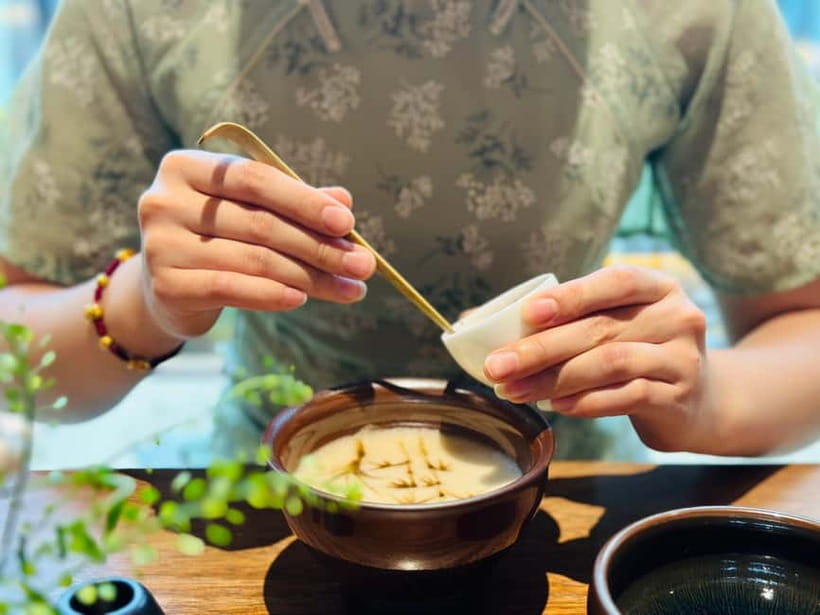
At $143 per person, this is a premium three-hour activity. The fee includes the tea expert, an assortment of Chinese teas, snacks, and the instruction connected to the ceremony.
I would judge the value by asking what you want from your Shanghai schedule. If you only want to sample tea, the cost will likely feel high. If you want guided education, a historic preparation method, a small group, and time to ask questions, the price makes more sense.
The experience also offers something that a self-guided tea shop visit cannot easily provide: a planned progression from hospitality to sensory tasting to hands-on whisking. You do not have to research the tea categories or work out how to compare them on your own.
Transportation and personal expenses are not included. Plan to get yourself to and from the meeting point, and allow room in your budget for anything you buy separately. The exact meeting location is supplied after booking.
Who should book this experience?
I would recommend it most strongly to:
- Tea drinkers who want to understand Chinese tea beyond basic labels
- Visitors interested in historic customs and hands-on demonstrations
- Couples looking for a calm cultural activity in Shanghai
- Solo visitors who value a small group and guided conversation
- Food and drink enthusiasts who enjoy careful tasting
- People who want optional traditional dress-up photos along with the ceremony
It may be less suitable if you dislike tea, want a fast-moving sightseeing tour, or have a food allergy. Wheelchair users should also note that the activity is not suitable for wheelchair access.
You do not need prior tea knowledge. The guide teaches the techniques and explains the categories during the session. Comfortable clothes and shoes are the sensible choice, particularly since walking may be involved.
Practical tips for getting more from the ceremony
Avoid perfume on the day. This is the easiest way to improve the tasting, since strong scents can cover the tea’s natural aromas.
Eat lightly beforehand if you tend to feel hungry, but remember that snacks are included. If you have dietary restrictions, contact the provider before booking rather than waiting until arrival.
Bring a camera if you want photos, especially if you plan to use the optional dress-up feature. Keep it secondary, though. The best part of the session is noticing the tea while it is being prepared and tasting it before you know what it is.
Wear something comfortable and easy to sit in for three hours. Smoking and alcohol are not permitted, and alcoholic drinks are not allowed in the vehicle.
The experience has a five out of five rating from three verified bookings, including Patrick’s note about the personal attention and Song Dynasty technique. Alessia from Italy also praised the history, meaning, snacks, and gentle pace, describing the session as both relaxing and informative. Those details point to the experience’s strongest qualities: careful teaching, a welcoming guide, and a sense of genuine cultural contact.
Booking flexibility and final decision
You can cancel up to 24 hours before the activity for a full refund, and the reserve-now, pay-later option keeps your schedule flexible. Starting times vary, so check availability before planning the rest of your day.
I would book this if you want to give tea a proper place in your Shanghai itinerary. The blind tasting and whisking lesson make it more substantial than a simple cup of tea, while the group size keeps the setting personal.
I would skip it if $143 feels too steep for a beverage tasting, if you need wheelchair access, or if food allergies make the snack portion unsafe. For everyone else, especially anyone curious about Chinese customs, this offers a calm, focused afternoon with real instruction rather than a quick photo stop.
FAQ
How long does the Chinese tea ceremony last?
The experience lasts three hours. Starting times vary, so check availability when choosing a date.
How much does the experience cost?
The listed price is $143 per person.
What teas will I taste?
You will taste an assortment of Chinese teas from China’s three major tea classes. The exact tea varieties are not specified.
Is the tasting blind?
Yes. The experience includes a blind tasting that focuses on the teas’ flavors, aromas, and textures.
Will I learn how to prepare tea?
Yes. The program includes instruction in Song Dynasty tea whisking and brewing.
What languages does the tea expert speak?
The activity is offered in English and Chinese.
How large is the group?
It is a small-group activity limited to eight participants.
Are tea and snacks included?
Yes. An assortment of Chinese teas and snacks is included, along with the tea expert guide. Personal expenses and transportation are not included.
Just added around Shanghai
- Suzhou Private Guided Day Trip from Shanghai by Bullet Train★ 5.0 · 46 reviews
- Suzhou and Zhujiajiao Private Guided Day Trip from Shanghai★ 5.0 · 27 reviews
- Shanghai:Old Town, Yu Garden, Zhujiajiao Water Town Bus Tour★ 4.7 · 16 reviews
- Shanghai: Yuyuan, City God Temple Old City Tour-Tip Based★ 5.0 · 10 reviews
- Shanghai: Zhujiajiao Water Town with Calligraphy Experience★ 5.0 · 17 reviews
- Shanghai: Yu Garden with Entry Tickets(optional)★ 4.5 · 28 reviews
- Shanghai: Wild Animal Park Ticket★ 4.9 · 43 reviews
- Shanghai: Yu Garden Entry Ticket with PDF Guidebook★ 4.1 · 45 reviews
Shanghai Tours, compared.

Authentic Local Food Tour in Central Shanghai
Read our review →
Zhujiajiao Water Town and Shanghai City Private Day Tour
Read our review →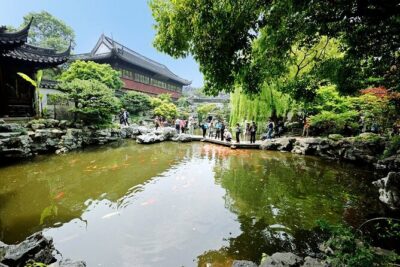
Private Shanghai Full Day City Tour with Old and New Highlights
Read our review →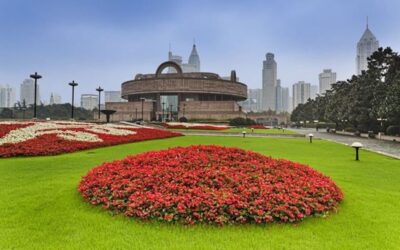
Hop-on Hop-off Bus Ticket and Optional Attractions
Read our review →
Shanghai Private Tour: Zhujiajiao Water Town and Boat Ride
Read our review →

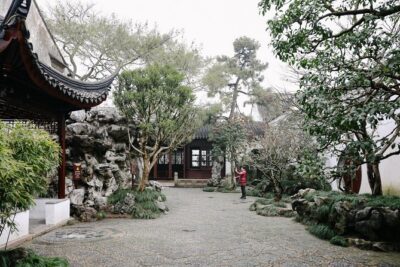
Suzhou and Zhouzhuang Water Village Day Trip from Shanghai
Read our review →Browse the lists this tour appears in