
Reviewed · TERRACOTTA WARRIORS TOURS
Private Tour of Terracotta Army & Tomb of First Emperor
The Terracotta Army is one of those sights that can feel almost too large to take in at once. More than 7,000 clay soldiers, horses, weapons, and bronze chariots were made for Qinshihuang, China’s first emperor, more than 2,000 years ago. An early start helps you see the pits before the heaviest crowds.
I like the no-shopping-detour policy, which keeps the day focused on the archaeological site. I also like the choice of a private or small-group format, with guides such as Linda, Eddie, Tina, and Nana praised for clear English and lively explanations. The main consideration is that the many tour options do not include the same services, and the tomb mound may feel less rewarding than the main museum halls.
Key points to know before booking
- Start at 7:30: The early departure is designed to reach the museum before the largest crowds.
- Three major pits: You will see ranks of warriors, horses, weapons, and restoration work in the excavated halls.
- A guide can change the visit: Linda, Eddie, Tina, and Nana have been singled out for strong English, warmth, and useful detail.
- The tomb stop is quieter: Qinshihuang’s burial mound and nearby royal carriage displays add context, but the mound itself is more modest than the main pits.
- Pick the right option: Guided choices include downtown pickup and drop-off, while the ticket-only choice provides no transport or guide.
- Bring your passport: Admission is tied to the passport name and number supplied during booking.
Why an early start matters at the Terracotta Army
The tour begins around 7:30 from Xi’an, depending on the option and availability you choose. That timing is practical, not decorative. The Terracotta Army is a major stop on the Xi’an sightseeing circuit, and arriving early gives you a better chance to enter with less waiting and see the first pit before it becomes crowded.
You are picked up from major hotels within Xi’an’s Third Ring Road when you choose an option that includes transport. The listed downtown districts include Xincheng, Lianhu, Yanta, and Beilin. If your hotel is outside that area, pickup and drop-off are not included, so check the address before paying.
The drive takes you out toward the Emperor Qinshihuang’s Mausoleum Site Museum. Your guide should give you an introduction to Qin rule and the creation of the army before arrival. That preparation matters because the first sight of the main pit can be overwhelming. Without some context, you may simply see row after row of clay figures. With a guide, you can better understand the scale, purpose, and long process of excavation and restoration.
The tour is advertised as free of factory or shopping stops. I consider that a real advantage. Your eight hours are spent on the archaeological site and transport, not on sales visits that can turn a cultural excursion into a commercial outing.
More Terracotta Warriors Tours in Xi An:
- Xi’an: Terracotta Army Mini Group or Private Tour
★ 5.0 · 926 reviews - Xian: Terracotta Army Ticket & Guided Bus Tour with Options
★ 4.6 · 579 reviews - Xi’an: Exclusive Terracotta Army Tour & Local Family Lunch
★ 4.9 · 484 reviews
Entering the three Terracotta Army pits
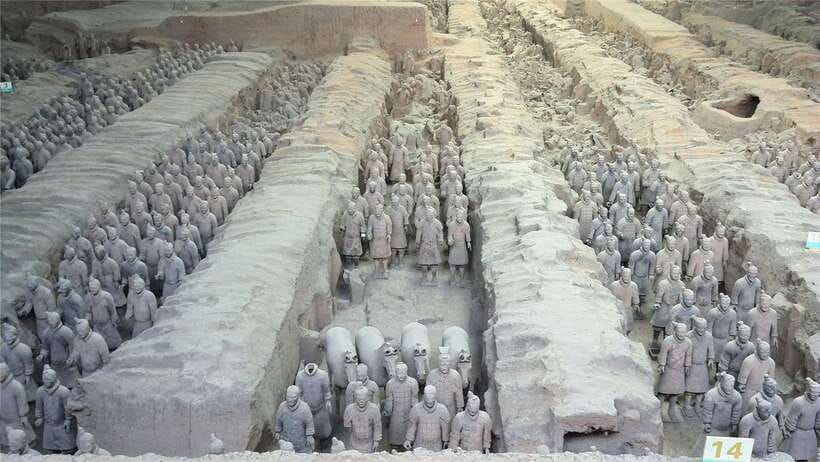
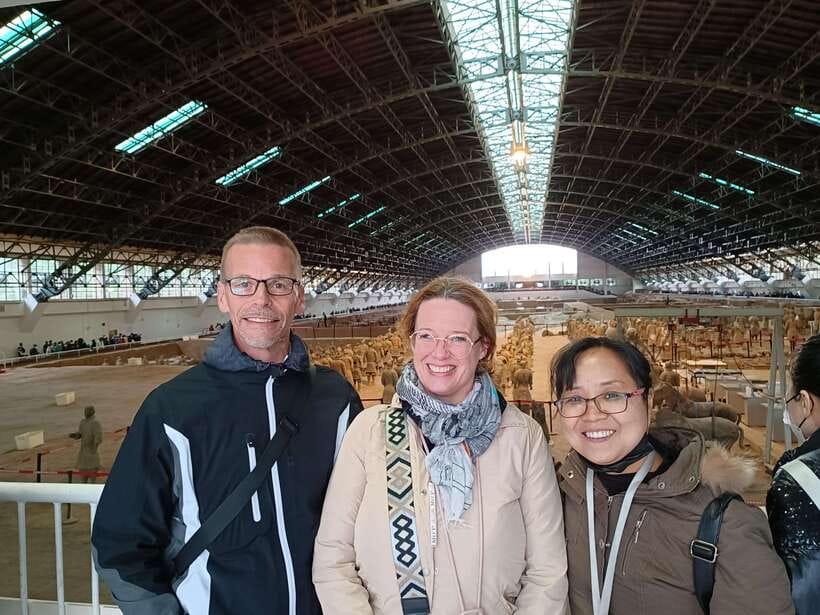
The museum’s three excavated pits are the heart of the day. The largest hall gives you the classic view: long ranks of life-size warriors and horses arranged in military formation. Some figures are complete, while others show the ongoing work of putting broken pieces back together.
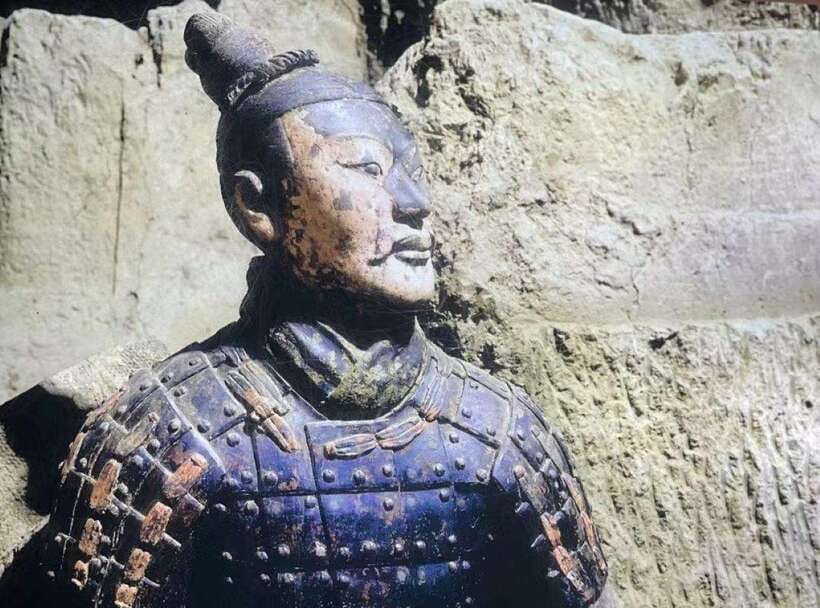
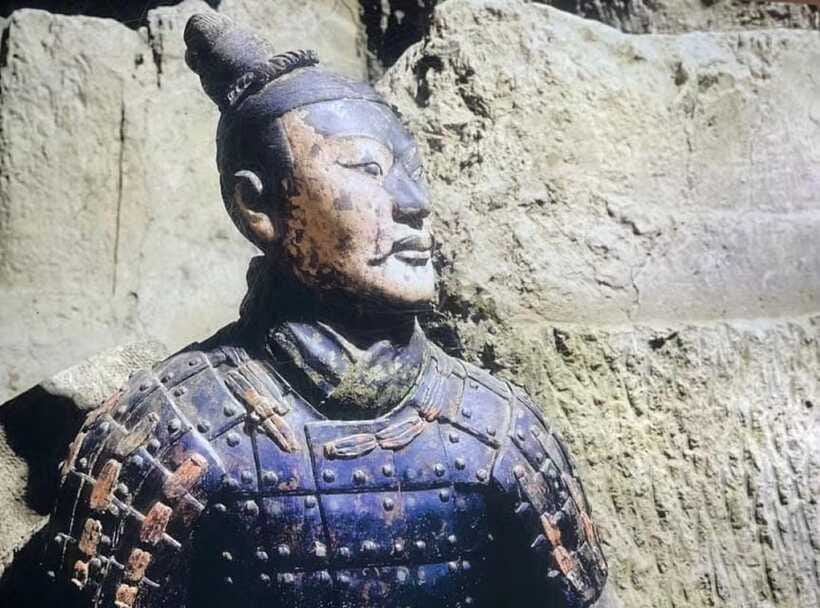
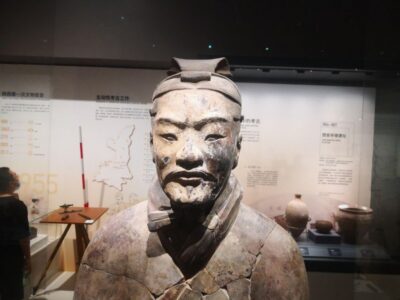
Look closely at the differences between the soldiers. They were not made as identical figures. Faces, hairstyles, clothing, rank, and posture vary, which makes the army feel less like a single mass-produced display and more like a deliberately organized imperial force.
The second and third pits offer a different feel from the biggest hall. You can see other formations and get a clearer sense of how archaeologists interpret the site. The bronze chariots and weapons add another layer. They help connect the clay soldiers to the emperor’s military power rather than treating them as isolated statues.
The museum is large enough that walking can become tiring. On the full guided option, an electric vehicle is included to reduce the walk to the pits. This is especially useful if you want to save energy for the halls themselves. Do check the exact inclusions you select, since internal transport is not part of every ticket arrangement.
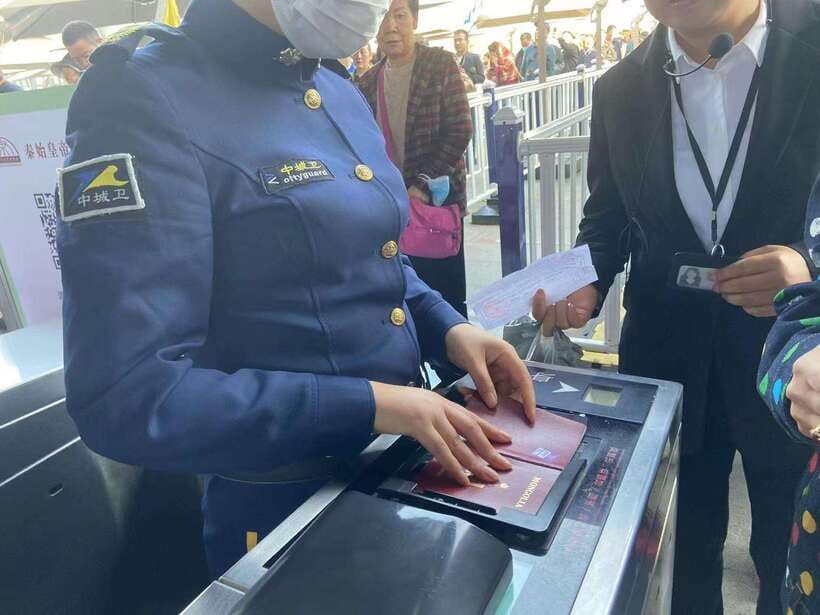
Your passport is essential. The museum requires each ticket to be booked in advance with the visitor’s passport name and number. Chinese nationals use their ID card details. A mismatch can lead to refusal at admission, so enter the information carefully when booking and carry the same passport on the day.
What a private guide adds to the museum
A guide is most useful here not for pointing out the obvious, but for explaining how the pieces fit together. The subject includes Qinshihuang’s rise, the first unified empire in Chinese history, imperial burial customs, and the scale of the workforce behind the mausoleum complex.
Several guides have earned especially strong praise for their style. Linda is noted for excellent English and for drawing attention to details you might otherwise miss. Eddie has been described as giving a full account of why the warriors were created and how the Qin Empire developed. Tina is praised for her command of the subject and for arranging a smooth hotel pickup and return.
Nana’s style is described as especially funny and distinctive. One unusual account also says she helped with an evening show after the scheduled outing, but you should not count on extra service beyond the booked tour. The useful point is that the guiding can feel personal rather than like a memorized speech.
A private tour lets you ask questions at your own pace. You can spend longer in the main pit, move more quickly through a less interesting section, or ask for more explanation about Qinshihuang, the bronze chariots, or the burial complex. A small group can offer much of that benefit at a lower cost, but the pace will be less flexible.
There is no headset included. In a private setting, this may not matter much. In a larger small group, it can make it harder to hear, particularly if the guide is speaking while other groups are nearby.
The Tomb of the First Emperor and its royal carriages
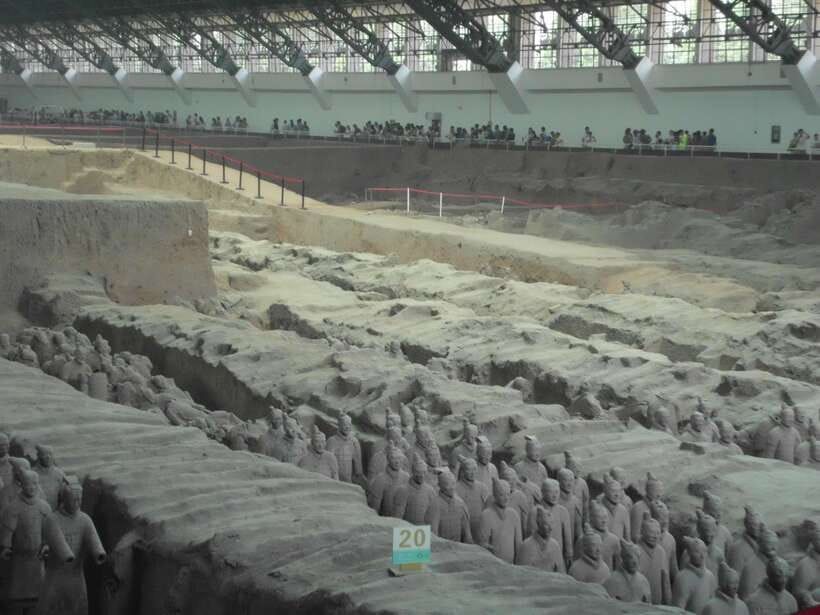
After the main museum halls, the tour continues to the Tomb of the First Emperor. The burial mound is connected with Qinshihuang’s mausoleum complex, but it does not deliver the same visual impact as the pits. You will not see the emperor’s burial chamber opened up for inspection. Instead, you visit the mound area and see displays connected with the royal burial project.
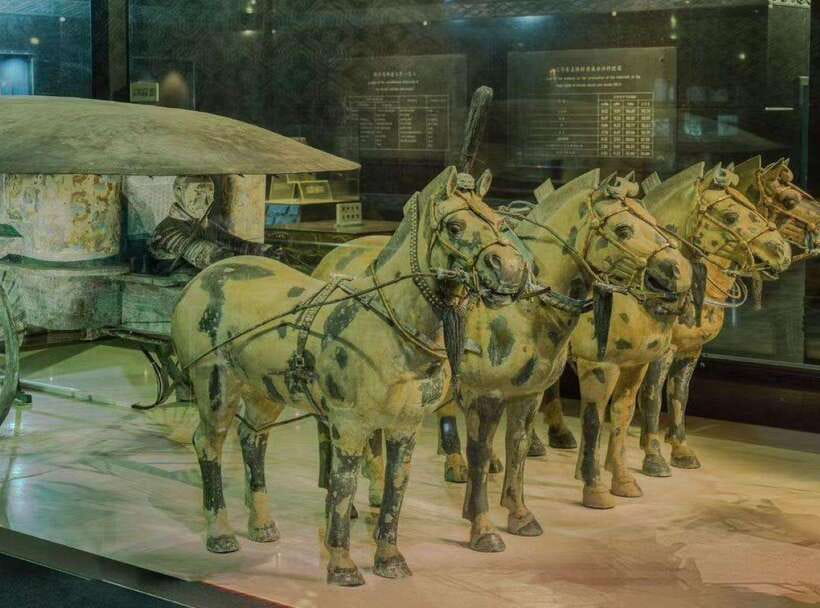
The bronze carriages are a key part of this stop. They are detailed models of imperial vehicles and offer a more refined counterpoint to the military rows in the pits. Other nearby pits and displays are also part of the visit, including areas many people miss when they focus only on the famous army.
I would treat this portion as useful context rather than the main event. One honest point from the tour experience is that some people may decide the tomb mound itself is not essential after seeing the three pits. If your time is tight, or if you prefer a concentrated museum visit, ask your guide how much time will be spent there.
On the full option, shuttle electric carts at the tomb area are included. This can make the grounds easier to cover. Still, check your selected package closely because ticket-only arrangements do not provide the same transport services.
A few more Xi An trips to weigh up
- Private Terracotta Army 5-Hour Tour with Options
★ 4.9 · 71 reviews - Xi’an: Terracotta Warriors Private Tour with Optional Lunch
★ 4.7 · 61 reviews - Xi’an: Private Half-Day Terracotta Warriors Tour with Pickup
★ 4.9 · 60 reviews - Customized Private Day Tour of Terracotta Army and Xi’an
★ 5.0 · 12 reviews
Choosing among the tour options
The price begins at about $30 per person, which can be good value if your selected option includes the guide, transport, and admission. The value comes from combining several practical services in one day: advance ticket handling, a direct route from downtown Xi’an, English explanations, and a return to your hotel.
The price is less compelling if you select the ticket-only choice and expect a complete guided outing. That option provides a skip-the-line ticket but no pickup, drop-off, or guide. It suits someone who already has transport arranged and wants help avoiding queues or sold-out tickets during holidays.
Read the option names and inclusions before booking. The main differences are:
- Some choices include downtown hotel pickup and drop-off.
- Some include an English-speaking guide.
- The full option includes electric vehicle transport at the tomb area.
- The ticket-only option includes admission assistance but no transport or guiding.
- Pickup outside the downtown service area is not included.
The no-shopping format adds value for anyone with only one day in Xi’an. You are not losing part of the schedule to a factory stop, and you finish in downtown Xi’an with time to explore on your own.
Transport, timing, and the return to Xi’an
The total duration is about eight hours. That includes the journey from Xi’an, time at the museum complex, the tomb area, and the return to a downtown hotel when included.
The day ends with a drop-off in one of the central Xi’an districts. That gives you a useful afternoon or evening base for your own plans. You can continue sightseeing downtown rather than arranging a second transfer from the museum.
The early start and full-day length are worth considering. You should be comfortable with a morning departure and a substantial amount of walking and standing, even with electric cart assistance. The schedule is designed for the major sights, not for a slow, unstructured day.
If you book the ticket-only option, you must handle the transport yourself. You also will not have a guide to explain the Qin Empire or help manage the order of the visit. That can work well for independent visitors, but the savings come with less support.
What the strongest parts of the day are
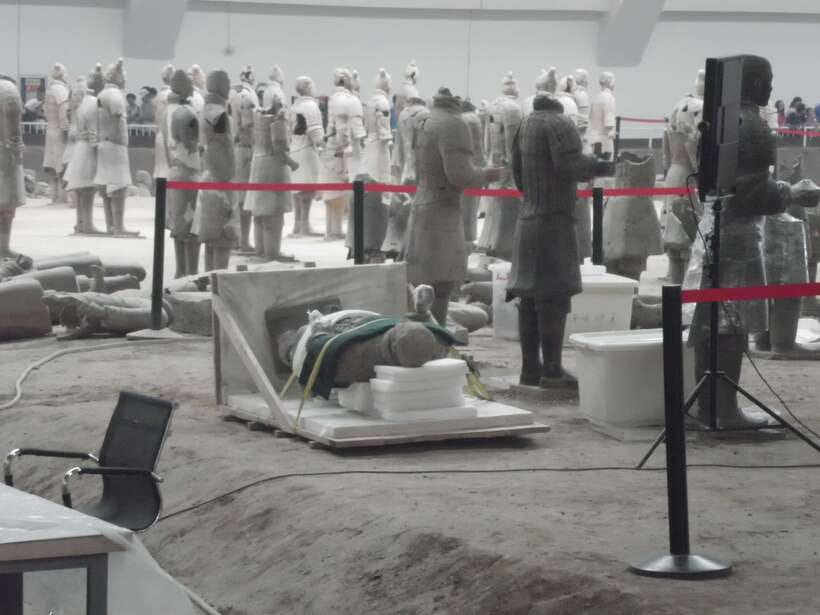
The museum’s scale is the clear highlight. The largest pit makes the emperor’s ambition visible in a way that books and photographs cannot. Seeing thousands of figures arranged in formation, with some restored and others still broken, gives you a direct sense of both the original project and modern archaeological work.
The guide is the second major strength. Linda’s attention to small details, Eddie’s full historical explanation, Tina’s careful organization, and Nana’s lively manner represent the kind of personal service that can make a vast site easier to understand. Your assigned guide may be different, but the private and small-group structure gives you a better chance to ask questions than a large coach tour.
The advance ticket arrangement is also useful. The museum requires passport-linked reservations, and holiday demand can make same-day admission difficult. Booking ahead reduces that risk, provided your passport information is correct.
The main weakness is the uneven value between options. A visitor who chooses ticket-only may receive exactly what is needed, but someone expecting a guide and hotel transport could be disappointed. The tomb stop is another point to weigh. It adds breadth, but the excavated pits are far more dramatic.
Who should book this Xi’an experience

I would recommend the full guided option to first-time visitors who want the site explained in clear English and prefer not to arrange transport. It is also a good fit for couples, families, and small groups who want a flexible pace and a direct day without shopping stops.
The tour suits you if you want:
- A private or small-group visit rather than a large coach outing
- Early access planning for a major museum
- Hotel transport from central Xi’an
- Historical explanation in English
- A visit to both the Terracotta Army and the emperor’s tomb complex
- Help with passport-linked admission
The ticket-only option makes more sense if you already know the site, can reach it independently, and mainly want protection against long queues or holiday sellouts. You will save on guiding and transport, but you also give up the explanations that help connect the pits, emperor, army, and burial complex.
The tour may not suit you if you want a very slow visit focused only on the main pit. The eight-hour plan includes transport and the tomb area, so it covers more than one museum hall. If the mound feels optional to you, ask about the day’s pacing before you book.
Cancellation is flexible up to 24 hours before the activity for a full refund, and you can reserve now and pay later. Those terms help if your Xi’an schedule is still moving, but they do not replace the need to enter your passport details accurately.
FAQ
How long does the tour last?
The tour lasts about eight hours, including transport from Xi’an, the museum visit, the Tomb of the First Emperor area, and return transport when included.
Is hotel pickup provided?
Pickup and drop-off are included with selected options for major hotels within Xi’an’s Third Ring Road. The service covers central districts including Xincheng, Lianhu, Yanta, and Beilin. Non-downtown hotel transport is not included.
Does every option include a guide?
No. The private and small-group guided options include an English-speaking guide. The ticket-only option does not include a guide, pickup, or drop-off.
What must I bring to enter the museum?
Bring your passport. The museum requires each ticket to match the passport name and number supplied during booking. Incorrect information can result in denied admission.
Are electric carts included?
Electric vehicle transport to the pits is included with the specified full option, and shuttle carts at the Tomb of the First Emperor are included with option 1. Other ticket choices may not include internal transport, so confirm the package details before booking.
Can I cancel the booking?
You can cancel up to 24 hours in advance for a full refund. The activity also offers a reserve-now, pay-later option.
Should you book it?
Book this tour if you want the Terracotta Army handled in a straightforward way: early departure, advance admission, central hotel transport, no shopping stops, and a guide who can explain what you are seeing. At around $30 per person, the full package offers solid value when you use the transport and guiding.
Choose ticket-only if you are confident arranging your own route and want only admission protection. Before you confirm, compare the inclusions carefully and decide how much you care about the tomb stop. For most first visits, I would choose the guided option because the army’s scale is unforgettable, but its meaning becomes much clearer when a good guide points out what the clay ranks alone cannot explain.
Just added around Xi An
- Top 3 Xian Sites to Terracotta Army & Dinner Show w/ Options★ 4.7 · 11 reviews
- The Legend Of Camel Bell In Xi’An★ 5.0 · 4 reviews
- Terracotta Warriors And Xi’An DowntownTour★ 5.0 · 6 reviews
- Terracotta Army, Huaqing Palace & Song of Everlasting Sorrow★ 5.0 · 3 reviews
- Terracotta Army E Ticket with Optional Transfer or Guide★ 5.0 · 32 reviews
- Terracotta Army Day Tour from Xi’an-Tickets&Flexible Pickup★ 5.0 · 8 reviews
- From Xi’an: Mt. Huashan Private Tour and Cable Car Ride★ 4.8 · 3 reviews
- Private Tour: Xi’an’s Must-See 3 UNESCO Sites in One Day★ 4.7 · 4 reviews
Terracotta Warriors Tours, compared.

Mini Group Xian Day Tour to Terracotta Army, City Wall, Pagoda and Muslim Bazaar
Read our review →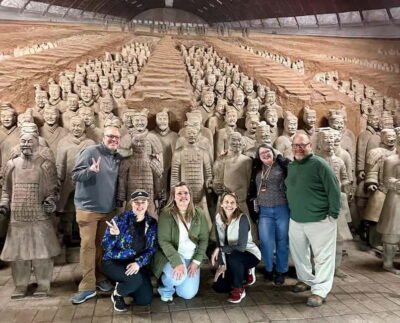
Terracotta Army Ticket & Guided Bus Tour with Options
Read our review →
Customized Private Day Tour of Terracotta Warriors and Xi’an
Read our review →
Exclusive Terracotta Army Tour & Local Family Lunch
Read our review →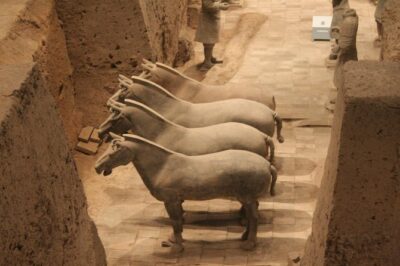
Half-Day Mini Group Xian Tour to Terracotta Warriors Museum
Read our review →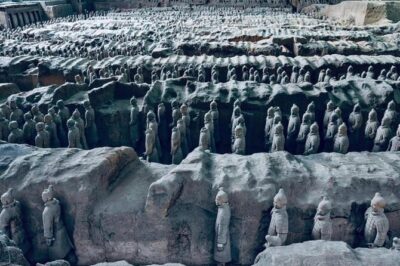

Private Customizable Terracotta Warriors Day Tour with Options
Read our review →Browse the lists this tour appears in