
Reviewed · COOKING CLASSES
Online Cooking Class Hand Pulled Noodles by Sunflower Li
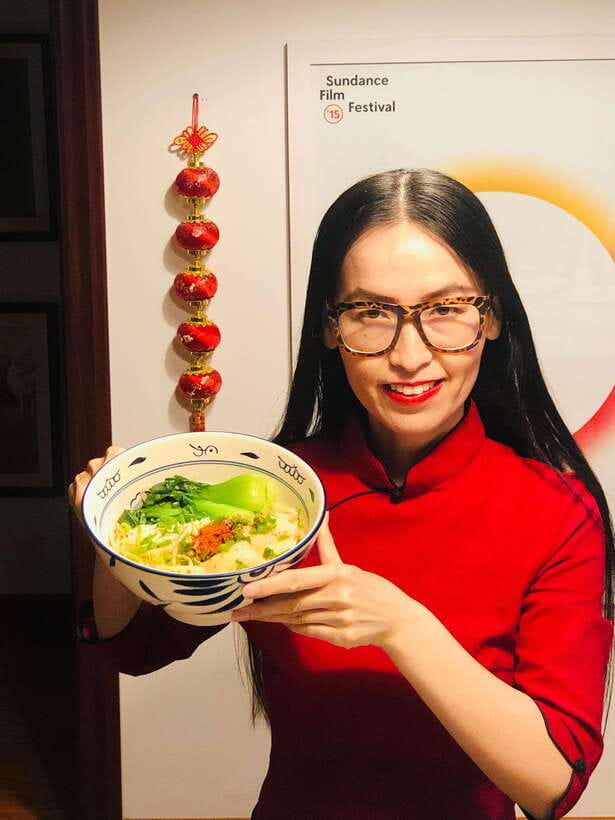
Making noodles wide enough to look like belts is the star of this private Zoom cooking class with Chef Sunflower Li. I like the hands-on dough work, and I like that the class also brings in Chinese culture and writing. The main catch is timing: you must check Beijing time carefully, since your class may fall on a different date from the one shown where you live.
I also like the small-group setup, with one booking covering up to five people for $99. That makes it a fair pick for a family or team event, though the price is harder to justify if only one person joins. You will also need to buy and prepare the ingredients yourself before class.
Key points to know before booking
- Pull Xi’an-style belt noodles: Learn to make broad, hand-pulled biang biang noodles from scratch.
- Cook with Chef Sunflower Li: The English-language class is private, friendly, and built around direct instruction.
- Plan for two hours: Classes usually run from 90 minutes to two hours, depending on the group and pace.
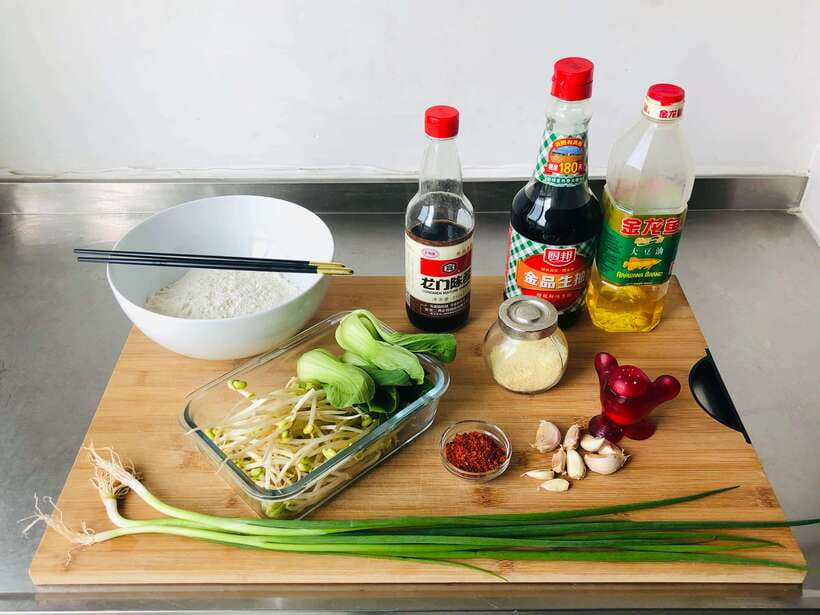
- Bring your own ingredients: Bean sprouts, bok choy, green onion, garlic, seasonings, oil, salt, and other items are not included.
- Make it a group event: The $99 rate covers up to five people and works well for birthdays, bridal showers, and team building.
- Choose a flexible time: Sessions are arranged for European or US lunch and dinner hours, but Beijing time controls the schedule.
Why biang biang noodles make a good online class
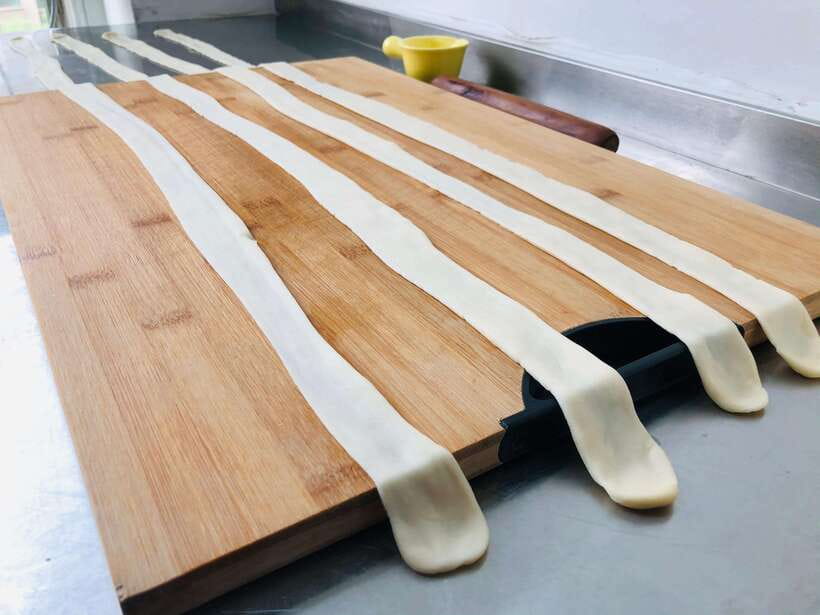
Chinese noodles have a history reaching back more than 1,800 years, and biang biang noodles are one of the most entertaining styles to make. They come from Xi’an in northern China, the city known for the Terra Cotta Army, and are famous for their broad, belt-like shape.
The name refers to the sound made when the dough is slapped against the work surface during pulling. You are not simply rolling out pasta and cutting it into neat strips. You stretch the dough by hand, creating noodles that are wide, springy, and pleasantly irregular.
That physical motion gives the class a clear purpose. You can see the dough change as you work it, and the finished noodles look very different from the dried noodles you might normally buy. I like cooking classes that teach a technique you can repeat later, and this one gives you exactly that.
The dish also suits a home kitchen. You do not need a complicated piece of equipment to pull the noodles. You will need space to work, ingredients prepared in advance, and enough attention to follow the dough instructions. Chef Li’s job is to show you the process and correct you as you go.
A few more Beijing trips to weigh up
- Online Cooking Class Beijing Dumplings and Cuisine by Sunflowerli Renowned Chef
★ 5.0 · 65 reviews - China’s Favourite Street Food Cooking Workshop
★ 5.0 · 16 reviews - Private Hutong Culture Tour with Dumpling Cooking Class plus Cricket Fighting Game
★ 5.0 · 5 reviews
Meeting Chef Sunflower Li on Zoom
You meet Chef Sunflower Li online through Zoom. This is a private class rather than a public session, so your group can ask questions without competing with a room full of strangers.
The class is in English. That matters for a technique like this, since the dough needs clear instructions at each stage. A previous session included discussion of Chinese culture and writing along with the cooking, so you may get more than a recipe demonstration. Still, the main focus remains the noodles and sauce.
Chef Li has taught people from the United States, Canada, Brazil, Israel, Australia, the United Kingdom, Germany, the Netherlands, Italy, Spain, Austria, Japan, and Singapore. She has also led team events for companies including LinkedIn, eBay, Meta, TikTok, DoorDash, and others. That background makes the class a natural fit for groups that want a shared activity rather than a formal cooking lecture.
A private teacher can also adjust the pace more easily. Children and adults are welcome, and the session can be arranged around your group’s schedule. You should still be ready to follow directions and handle the dough yourself. This is not a show where Chef Li cooks while you watch.
The ingredients you need before class
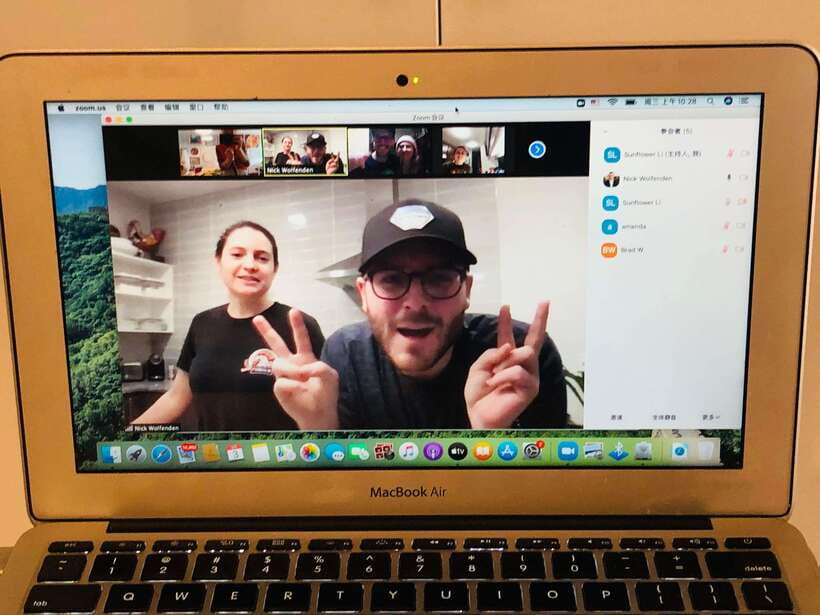
After booking, you receive the Zoom link and a detailed ingredient list through WhatsApp or iMessage. Buy and measure everything before the class starts. That simple bit of preparation will keep you from searching through cupboards while the dough is already in motion.
The listed ingredients include:
- 4 ounces, or 112 grams, of bean sprouts
- 4 ounces, or 112 grams, of bok choy
- 5 tablespoons of diced green onion
- 4 tablespoons of minced garlic
- Chili powder, optional
- Toasted sesame seeds
- Vinegar
- Thirteen-spice powder, with five-spice powder as a substitute
- Olive oil
- Salt
The noodles themselves also require ingredients, but the supplied information tells you that the full list arrives after booking. Follow that final list rather than relying on a partial shopping list.
The vegetables and seasonings matter because the finished dish is not just plain noodles. Bean sprouts and bok choy add freshness and texture, while garlic, vinegar, sesame, and spice create the sauce and topping. A vegan version is available, but you should confirm the exact ingredient changes when arranging the class.
Starting with dough from scratch
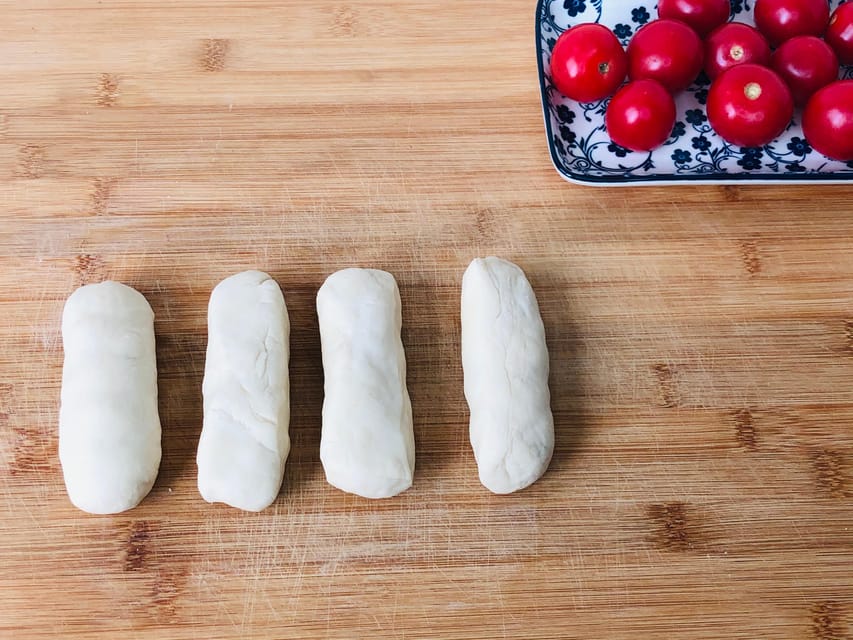
The class begins with the basics of making the noodle dough. You work from scratch rather than using prepared noodles, which gives you a better feel for how flour and water become a dough that can stretch.
This stage requires patience. The dough has to reach the right texture before it can be pulled, and rushing it will make the later steps harder. Chef Li’s role is especially useful here because she can show what the dough should look and feel like before you try the next move.
You should clear a wide work area before the session. The noodles are broad, and pulling them requires room to handle the dough without crowding your cutting board or counter. Keep your ingredients measured, your hands ready, and your computer positioned where you can see the demonstration without putting it in the way of your cooking.
The class is listed at two hours, though sessions can last from 90 minutes to two hours. Your actual length may depend on the number of people, the group’s pace, and how much time you spend practicing.
Same country, a completely different kind of day:
- From Beijing: Mutianyu Great Wall Tours with Options
★ 4.9 · 9,216 reviews - Beijing: Forbidden City Tour(Group/Private)-Tickets Included
★ 4.8 · 7,974 reviews - Beijing: T-Square & Forbidden City Group or Private Tour
★ 4.8 · 4,446 reviews - Beijing: Mutianyu Great Wall Daily Tour with Ticket & Lunch
★ 5.0 · 3,056 reviews
Pulling the wide belt noodles
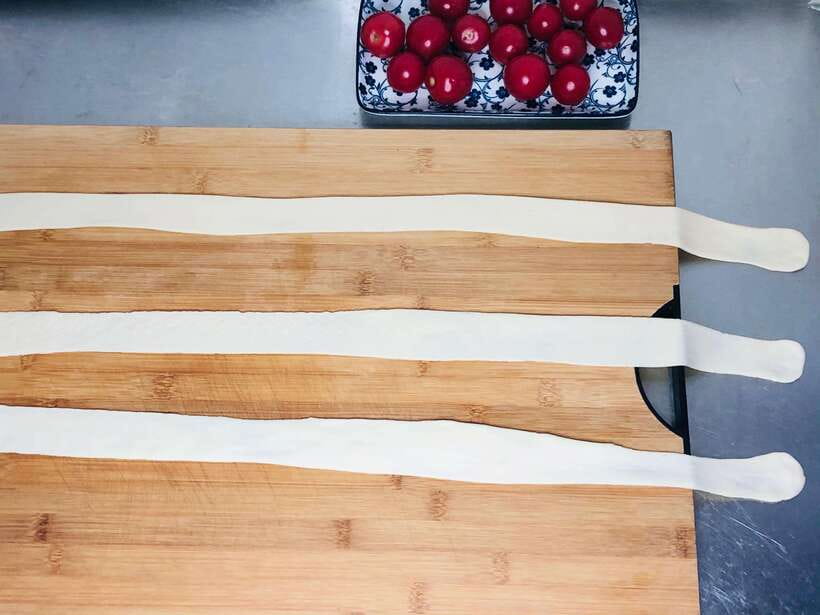
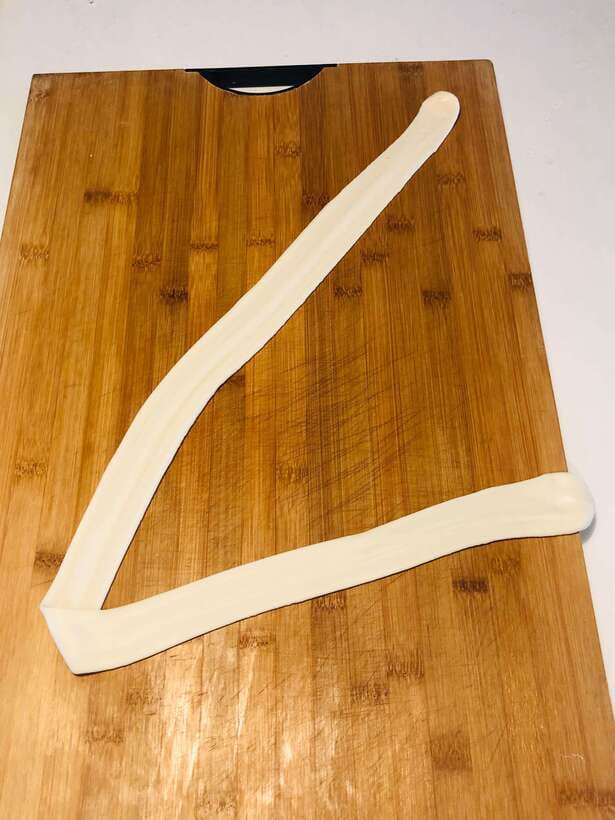
This is the memorable part. You stretch the dough into long, wide strips and smack them against the work surface as you pull. The result is the signature biang biang shape, closer to a ribbon or belt than to a thin strand of pasta.
Do not expect every noodle to look perfect. Their uneven width is part of the character of the dish. The point is to learn the movement and make noodles that cook well, not to produce factory-uniform strips.
This is also where a live class earns its place. A written recipe can tell you to pull and stretch, but it cannot easily show the timing or explain why the dough is resisting. With Chef Li watching, you can ask for help as the dough changes in your hands.
The activity has a playful side, which is why it suits birthday parties and bridal showers. It also gives a work team something concrete to do together. Everyone can take part in the same task, compare results, and sit down to eat the dish they made.
Finishing the noodles with sauce and vegetables
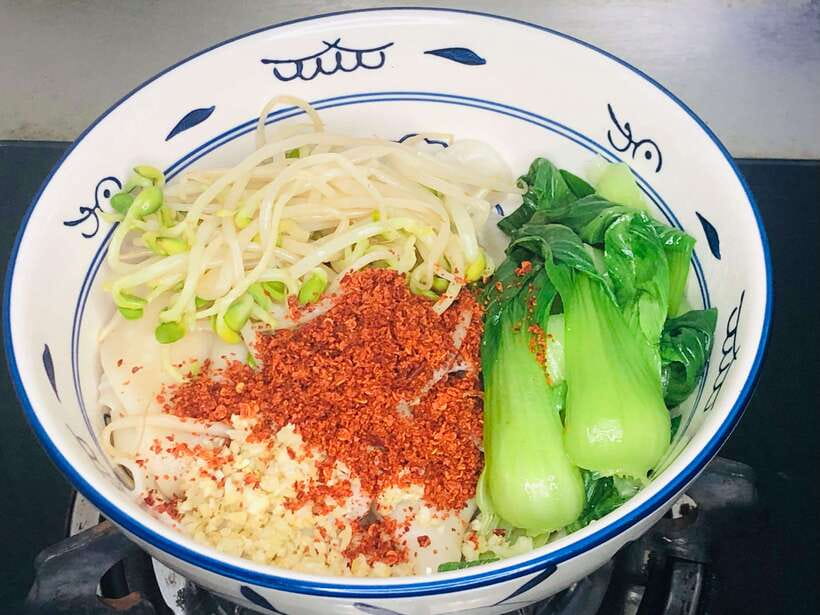
Once the noodles are prepared, the class moves to the finishing ingredients. You add bean sprouts, bok choy, green onion, garlic, sesame seeds, vinegar, spice, olive oil, and salt according to the recipe and your taste.
Chili powder is optional, so you can keep the heat mild or add more kick. The thirteen-spice seasoning has a distinctly Chinese flavor, but five-spice powder can be used as a substitute. That substitution is useful if your local grocery store does not carry the original seasoning.
The quick sauce is one of the strongest parts of the class. It comes together near the end, and it gives the noodles a sharp, savory finish rather than leaving them plain. The sauce can also become the part you remember most easily and make again for other noodles or vegetables.
The finished dish is described as refreshing and well suited to summer. That makes sense: the wide noodles have a satisfying chew, while the vegetables, vinegar, and herbs keep the bowl from feeling heavy. You are making a complete meal, not just practicing a dough trick.
What the class adds beyond the recipe
A good online cooking class should give you more than a list of measurements. Here, the food connects to Xi’an and to the long history of noodles in China. You may also hear about Chinese culture and writing during the session.
That cultural side is a useful bonus, especially for a group that wants an activity with some sense of place. You are learning a dish linked to Xi’an, rather than making a generic noodle recipe with a Chinese label attached to it.
At the same time, keep your expectations realistic. This is a two-hour virtual lesson, not a full course in Xi’an cuisine or a substitute for visiting China. The cultural material supports the cooking, but the noodles remain the center of the experience.
The strongest practical payoff is that you can make the dish again. One participant group found the instructions detailed enough for everyone to produce a successful meal, even though the technique was new to them. That is the standard I would use when judging the class: can you repeat it at home after the screen goes dark?
Timing, time zones, and the Beijing date
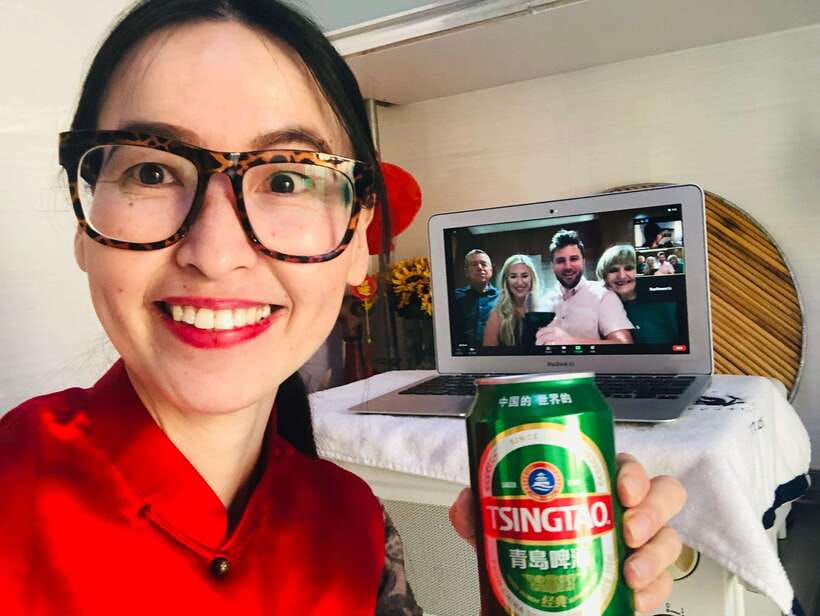
Scheduling deserves close attention. The class can be arranged to suit European or US time zones for lunch or dinner, and the time may be changed to fit your schedule. But the appointment is based on Beijing time.
Check the conversion before you choose a slot. A class that appears to be on one day for you may take place on a different date in Beijing, and late-night sessions can be very late for Chef Li. Do not rely on a casual time-zone conversion from memory.
The flexibility is valuable for families spread across countries and for company teams working across offices. It also means you should confirm the final time clearly after booking. The meeting link arrives through WhatsApp or iMessage, along with the ingredient instructions.
Is $99 good value for your group?
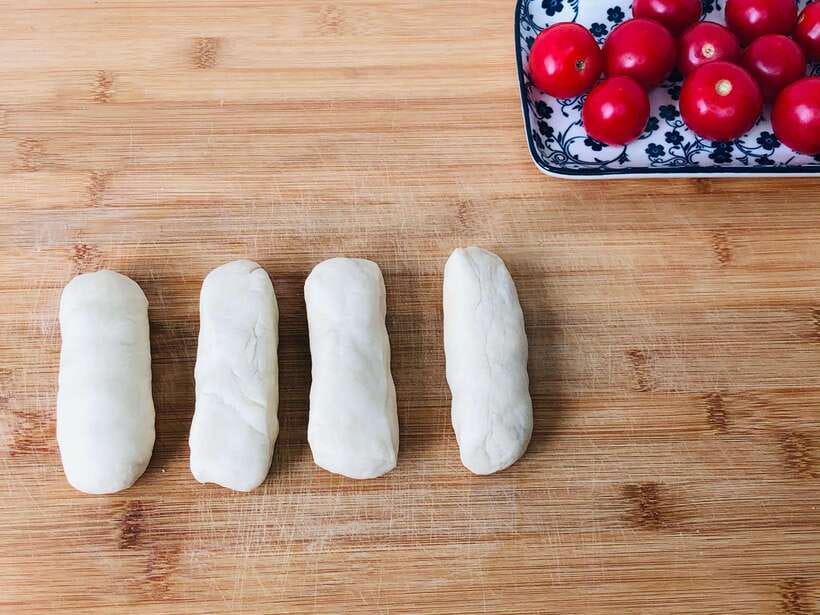
The price is $99 per group of up to five people. That works out to $19.80 each if five people take part, before ingredients. For a birthday, bridal shower, or company event, that is a reasonable group price for a private teacher and a two-hour activity.
The value drops if you book alone. A single person pays the full group rate, and the ingredients are not included. I would get the most from this experience with three to five people who already know each other and want to cook together.
You also avoid transportation costs because the class comes to your kitchen through Zoom. There is no meeting point to reach and no in-person travel time. That convenience is useful for families with children, remote teams, and anyone who wants a scheduled activity at home.
The tradeoff is that you must supply your own cooking equipment and groceries. The class also depends on your internet connection and your ability to position the screen so you can cook while watching. The listed wheelchair accessibility applies to the online experience, but you should still make sure your own kitchen setup works for you.
Free cancellation is available up to 24 hours before the class for a full refund. You can also reserve and pay later, which helps if you are coordinating a group across several schedules.
Who will enjoy this noodle class most?
I would recommend it most for people who enjoy making food with their hands. The noodle-pulling technique is the attraction, and you should be ready for a little mess, repetition, and imperfect shapes.
It suits:
- Families with children and adults cooking together
- Birthday parties and bridal showers
- Private groups that want a shared meal
- Company teams looking for a practical online activity
- People interested in Chinese food and culture
- Anyone who wants a vegan cooking option
It is less suitable if you want a passive demonstration, a short class, or a fully supplied cooking kit. It is also not the right pick if your schedule cannot handle Beijing-based timing.
My booking advice
Book this class if you can gather at least three people, prepare the ingredients in advance, and make the time-zone conversion carefully. The combination of hand-pulled noodles, an easy-to-repeat sauce, and Chef Sunflower Li’s lively instruction gives the session a clear purpose.
The strongest reasons to choose it are the private format and the chance to make a genuine Xi’an dish from scratch. The main reasons to pause are the self-supplied ingredients, the two-hour commitment, and the fact that one person pays the same $99 group price.
For a team event or celebration, I think it offers good value. For a solo cook, I would book only if learning biang biang noodles is a specific goal. Get your group together, check Beijing time twice, and have the vegetables chopped before Chef Li appears on screen.
FAQ
Where does the cooking class take place?
It takes place online through Zoom. You do not meet Chef Sunflower Li in person.
Who teaches the class?
Chef Sunflower Li teaches the class in English.
How long does the class last?
The scheduled duration is two hours. Classes usually run from 90 minutes to two hours.
How many people can join for the $99 price?
The private group price covers up to five people.
Are cooking ingredients included?
No. You must purchase and prepare the ingredients yourself. The detailed list is sent after booking.
Is a vegan option available?
Yes. A vegan option is available.
Can I cancel for a refund?
Yes. You can cancel up to 24 hours in advance for a full refund.
Just added around Beijing
- Private Transfer to Mutianyu Great Wall with professional driver★ 5.0 · 19 reviews
- camp on the Great Wall overnight with sunrise and sunset on the wall★ 5.0 · 11 reviews
- One day tour to downtown Tianjin from Beijing by high speed train★ 5.0 · 3 reviews
- BusDa:Ancient Great Wall &Badaling Great Wall Full-day Bus Tour★ 4.5 · 6 reviews
- ZANBUS: Trip to the Jinshanling Great Wall Departing at 7:30 AM★ 5.0 · 5 reviews
- Yuxiandu Chinese Royal Cuisine Museum with Show and Royal Banquet★ 5.0 · 4 reviews
- Wild Great Wall Huanghuacheng Half Day Tour★ 5.0 · 15 reviews
- Wild Great Wall Hikes★ 5.0 · 10 reviews
Cooking Classes, compared.

Half-Day Chengdu Cooking Class with a Local Market Visit
Read our review →
Online Cooking Class Beijing Dumplings and Cuisine by Sunflowerli Renowned Chef
Read our review →
Lijiang Naxi Cuisine Cooking Class & Market Visit
Read our review →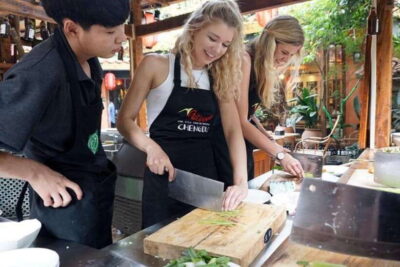
Cooking Class with Fresh Market Half Day Experience
Read our review →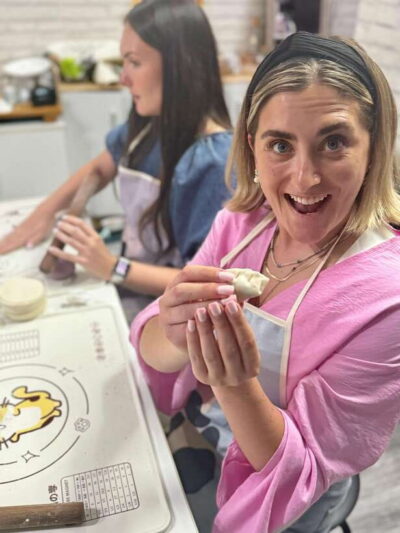
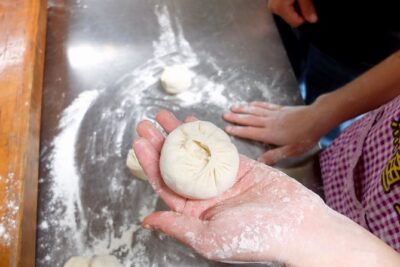
Half-Day steamed Buns Cooking Class with a Local Market Visit
Read our review →
Hong Kong Market Walking Tour & Chinese Cooking Class
Read our review →
Half-Day Professional Mapo Tofu Cooking with a Local Market Visit
Read our review →Browse the lists this tour appears in