
Reviewed · WORKSHOPS
One Hour Chinese Calligraphy or Painting Lessons in Yangshuo
Chinese calligraphy turns writing into art, and this private one-hour lesson gives you a direct way to try it rather than only admire it in a museum. You can choose calligraphy or painting, work with an English-speaking instructor, and begin at your hotel lobby with paper, ink, and brushes supplied.
I like the hands-on format and the fact that the teacher starts with the basics, including how to grind ink and hold the brush. I also like the low $19 price for private instruction. The main consideration is time: one hour passes quickly, so this is an introduction, not a full course. Pickup from the Xingping area also costs an extra 150 RMB.
Key points to know before booking
- Choose your art form: Select Chinese calligraphy or an introductory lesson in classical Chinese painting.
- Practice, do not just watch: The teacher demonstrates each step, then guides you as you try the brush techniques yourself.
- Begin at your hotel lobby: The lesson is arranged at your hotel, making it easy to fit into a Yangshuo stay.
- Materials are included: Paper, ink, brushes, and other calligraphy or painting supplies are provided.
- Private instruction: You receive direct attention from an English and Chinese-speaking instructor, with a private group option available.
- Xingping costs extra: Hotel transfers to the Xingping area require an additional 150 RMB transfer fee.
A quiet art lesson in the middle of Yangshuo
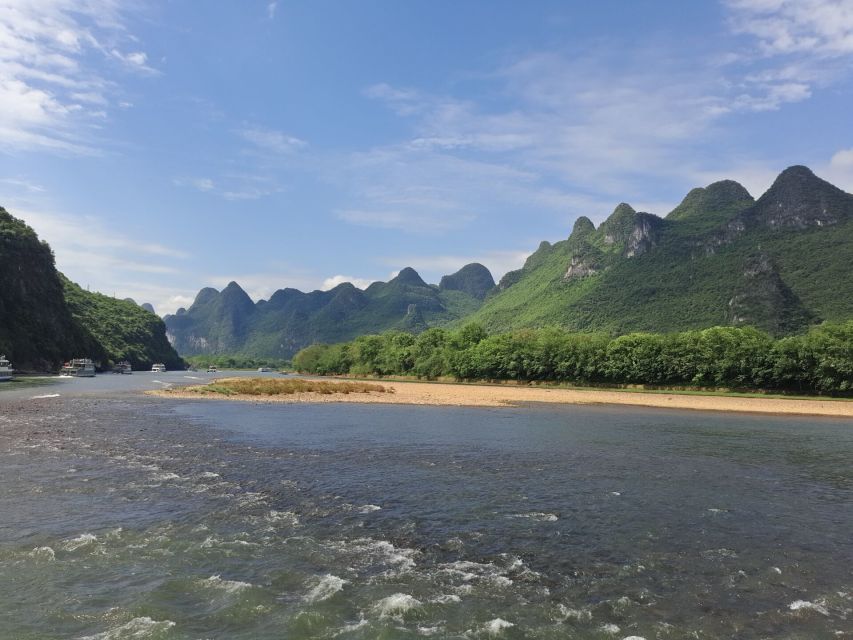
Yangshuo is best known for the Li River, limestone peaks, cycling routes, and busy town streets. This lesson offers a different side of the area: a short, calm look at one of China’s most recognizable art traditions.
You do not need to spend a full day at a museum to learn why Chinese calligraphy matters. The class puts the tools in your hands. You see how ink is prepared, how the brush is held, and how pressure changes the shape of each stroke.
That physical process is important. A Western pen usually gives you a fairly fixed line. A Chinese brush responds to angle, pressure, speed, and the amount of ink it carries. Even a simple character can look different depending on how your hand moves.
The class is private, so you are not working at the pace of a large group. If you need the brush-holding demonstration repeated, you can ask. If you already paint or draw, you can spend more time comparing brush control and composition with methods you know from home.
The instructor speaks English and Chinese. The supplied details do not give the teacher’s name, so confirm that point when you book if having a named instructor matters to you. The experience is provided by Andy’s private China tours.
A few more Guilin trips to weigh up
- Half-Day Chengdu Cooking Class with a Local Market Visit
★ 5.0 · 465 reviews - Beijing Calligraphy Class
★ 4.9 · 112 reviews - Chinese Calligraphy Class for Small Group
★ 5.0 · 104 reviews
Choosing calligraphy or Chinese painting
Your first decision is simple: calligraphy or painting. Both use related tools, but the focus differs.
Calligraphy centers on Chinese characters. You learn how paper is used, how ink is ground, how the brush is held, and how basic strokes come together to form characters. The appeal is not just learning to write a word. Chinese characters can be shaped, balanced, and spaced like a visual composition.
If you enjoy careful, repetitive practice, calligraphy may suit you best. It asks you to pay attention to small movements. The character on the page is the result of many choices made in a few seconds.
Painting offers a broader introduction to classical Chinese styles. The lesson includes brush techniques used by Chinese masters, though the supplied information does not specify a particular subject, school, or painting model. Ask what you will paint when arranging the class if you have a particular interest.
Painting may be the better pick if you already sketch, paint, or work with visual composition. You can compare the local brush methods with your own training. The hour is still brief, but it gives you a useful first look at how Chinese painting treats line, ink, and empty space.
I would not choose based only on which finished picture looks more attractive. Think about the kind of practice you want. Calligraphy is more focused on character forms and controlled strokes. Painting gives you a wider introduction to classical brush work.
What happens during the one-hour class
The lesson starts in your hotel lobby. This makes the experience easy to add to a Yangshuo itinerary, especially if you have a free hour between other plans. You are not told to meet at an unfamiliar studio or find a separate classroom.
The instructor provides all calligraphy or painting materials. You should expect a demonstration of the basic tools and techniques, followed by your own practice. For calligraphy, the lesson covers paper, ink grinding, brush handling, and basic Chinese character techniques.
Grinding ink is part of the lesson’s cultural value. It is slower than opening a bottle of ink, and that is the point. The process helps you understand that traditional calligraphy is not just a quick writing exercise. Preparation, posture, and control all form part of the art.
After the demonstration, you get to work. This is where the private format earns its keep. The teacher can watch how you hold the brush and correct your technique directly rather than leaving you to copy from a board.
The available description does not promise a framed piece, a certificate, or a finished artwork to take home. You receive instruction and materials, but ask ahead if you want to know what you can keep after the session.
One hour is enough to learn the basic movements and produce a first attempt. It is not enough to master Chinese calligraphy or classical painting. Go in expecting a cultural introduction and a practical try, not a polished professional result.
Why the private format matters
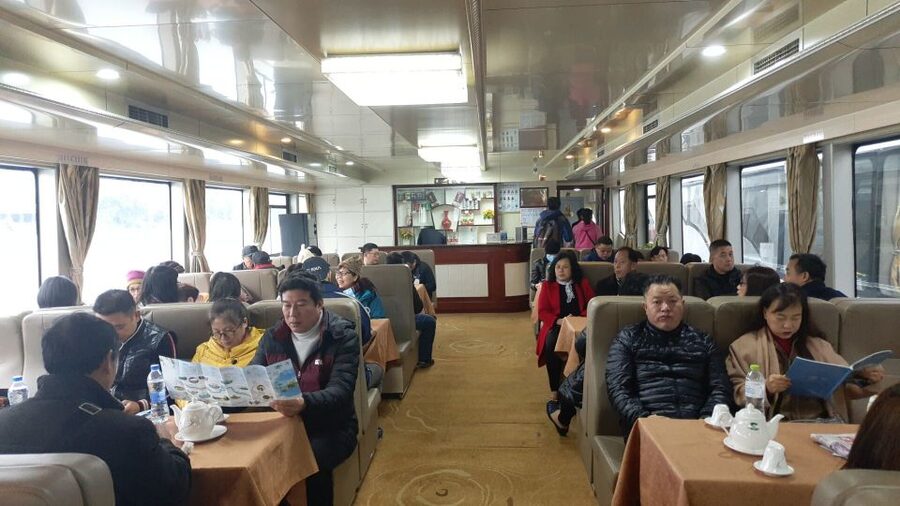
A private lesson gives you more control than a standard demonstration. You can choose calligraphy or painting, ask questions in English, and spend your limited time on the parts that interest you most.
This matters for beginners. Holding a Chinese brush can feel awkward at first, and a teacher can spot small problems quickly. You may find that the correction is simple: change the angle, reduce pressure, slow the stroke, or use less ink.
It also helps experienced artists. If you have studied painting, ink work, or lettering at home, you can use the class to compare techniques. The instructor can introduce methods used in Chinese painting and explain the role of the brush in a way that a general sightseeing tour cannot.
The experience is also a good choice for people who want something quiet. Yangshuo sightseeing can involve transport, river activities, and crowded public areas. This class gives you a seated activity with a clear start and finish.
The drawback is that private does not mean long. At $19 per person, the price is modest, but the lesson remains a short session. If you want sustained correction or several hours of practice, you will need to ask about arranging extra time.
Same country, a completely different kind of day:
- 1 Day Li River Cruise from Guilin to Yangshuo with Private Guide & Driver
★ 5.0 · 148 reviews - Longji Rice Terraces with Minority Village Private Day Tour
★ 5.0 · 122 reviews - Guilin: Classic Private Full–Day Tour
★ 4.9 · 113 reviews - Guilin: Li River Cruise with Transfer to Yangshuo
★ 4.2 · 89 reviews
The $19 price and what you receive
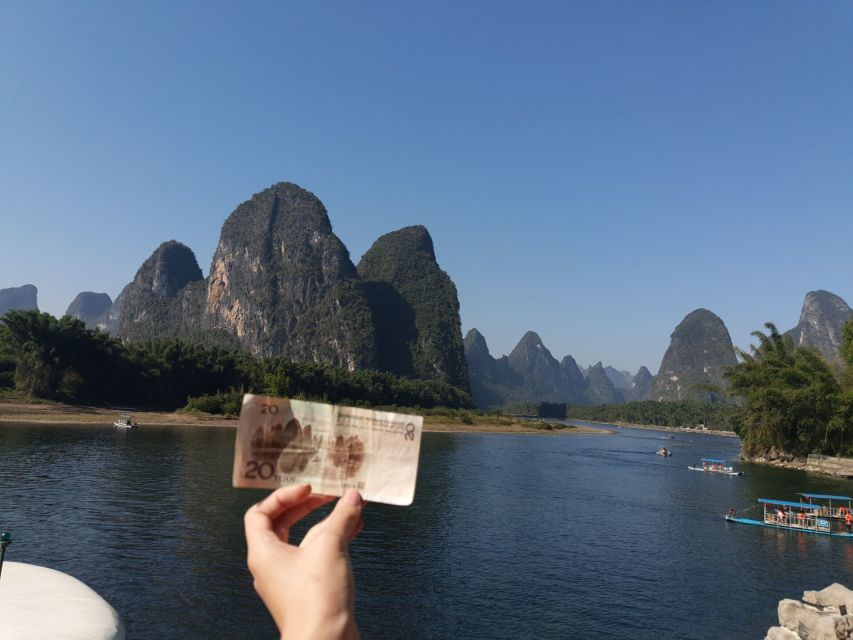
At $19 per person, the lesson offers solid value if you want direct instruction rather than a souvenir purchased in a shop. The fee includes a private teacher and all calligraphy or painting materials.
That bundled price matters. You do not have to buy brushes, ink, or paper before the class, and you avoid paying for a longer sightseeing package when art is your main interest. For a short cultural activity, the cost is easy to fit into a Yangshuo budget.
The value depends on your expectations. If you want a deep study of Chinese art, one hour will feel limited. If you want to understand the tools, try the brush, and leave with a better sense of how the art works, the price is more appealing.
The activity is arranged at your hotel lobby, which can also save time and effort. There is no stated standard transfer charge for a regular Yangshuo hotel. If your hotel is in the Xingping area, the transfer costs an extra 150 RMB. That surcharge can change the value calculation, especially for one person.
If you are staying in Xingping, ask whether the 150 RMB covers the necessary transfer for your booking and whether any other pickup details apply. The supplied information only identifies it as a transfer fee, so do not assume it includes anything beyond transport.
Planning the lesson around your day
The class lasts one hour, but the starting time depends on availability. Check the schedule before you build the rest of your day around it.
Starting in the hotel lobby is helpful if you have a tight plan. You might place the class before a sightseeing outing, after returning from the river, or during a quieter part of the day. The information does not give a fixed daily schedule, so confirm the available time when booking.
The activity is listed for Yangshuo in southern China. Pickup is possible for hotels in the Xingping area, but the added fee applies. If you are not staying in either area, confirm the meeting and transfer details rather than assuming hotel service is available everywhere.
The packing list includes a passport or ID card, comfortable shoes, sunglasses, a sun hat, and a camera. The shoes and sun protection make sense if your lesson is part of a larger day outside, though the class itself begins at the hotel lobby. Pets are not allowed.
There is also a note about needing a full name and passport number to book the boat ticket. No boat ride is described as part of this calligraphy or painting class. Because that note appears alongside other Yangshuo activities, I would confirm whether it applies to your booking before sending passport details.
The experience is marked as not suitable for people with altitude sickness. Yangshuo is not presented here as an altitude activity, but that restriction is part of the booking information and should be taken seriously if it applies to you.
What the guide adds to the experience
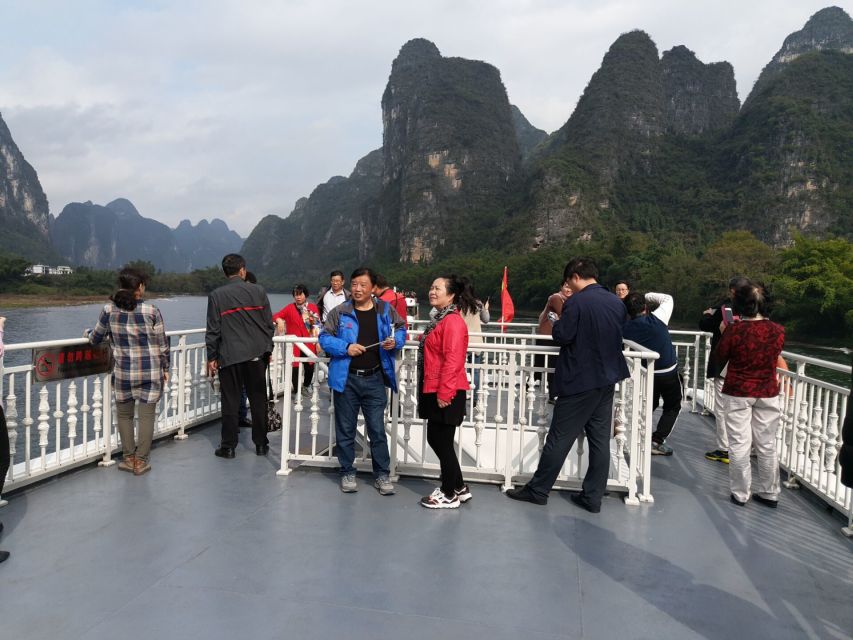
The English-speaking instructor is central to the lesson. A brush demonstration is useful, but clear explanations make it much easier to understand why the hand moves in a certain way.
The instructor can explain the tools in English and Chinese, then guide your attempt. That is particularly useful for calligraphy, where a small change in pressure can alter a stroke. It also helps in painting, where the same brush may be used in several ways.
The provider’s broader tours have used guides named Andy and Felipe, with strong praise for English, organization, and practical help. The available information does not identify either person as the instructor for this art lesson, so I would not book expecting one of them to teach your class. If a particular guide is important to you, request confirmation.
The private group option gives you another reason to ask about group size. The activity is described as private, but the booking details also say a private group is available. Confirm whether your reservation is for an individual private lesson or a private group booking.
Who will enjoy this Yangshuo activity
I would recommend the class to you if you want a small cultural experience with real participation. It suits first-time visitors who want more than photographs, couples looking for a calm shared activity, and families with older children who can follow a short brush demonstration.
It also suits artists who want a quick comparison with Chinese brush methods. You will not receive a full art-school course, but you can ask focused questions and use the hour to study how the instructor handles paper, ink, and brush.
The class may not suit you if you want a long workshop, a formal museum lecture, or a guaranteed finished masterpiece. It is also a poor fit if your schedule cannot accommodate the available start times or if the extra Xingping transfer fee makes a one-hour lesson too costly.
Bring your ID and camera, but do not expect the packing list to tell you exactly what happens after the lesson. The provided details confirm materials and instruction, not a specific take-home item or final display.
Cancellation and booking flexibility
You can cancel up to 24 hours in advance for a full refund. You can also reserve now and pay later, which is useful when your Yangshuo plans may change.
Check availability for the start time, select calligraphy or painting, and confirm your hotel location. If you are staying in Xingping, include the 150 RMB transfer charge in your budget before deciding.
Should you book the calligraphy or painting lesson?
Book it if you want a low-cost, private introduction to Chinese brush art and like the idea of trying the tools yourself. The hotel-lobby start, included materials, English-speaking instruction, and choice of calligraphy or painting make it easy to fit into a Yangshuo visit.
Choose calligraphy if you are drawn to Chinese characters and patient, controlled practice. Choose painting if you prefer broader brush techniques or already have experience with visual art.
I would treat the lesson as a one-hour cultural workshop, not a serious course. For $19 in a regular Yangshuo hotel, it is a sensible buy. For Xingping visitors, calculate the extra 150 RMB transfer fee first. If that added cost still works for you, this is a pleasant way to slow down and put a traditional Chinese art form directly in your hands.
FAQ
How long does the Chinese calligraphy or painting lesson last?
The lesson lasts one hour.
Can I choose between calligraphy and painting?
Yes. You can choose a Chinese calligraphy lesson or an introductory Chinese painting lesson.
Where does the lesson begin?
The lesson begins at your hotel lobby.
Is hotel service available in the Xingping area?
The instructor can go to a hotel in the Xingping area, but an additional 150 RMB transfer fee applies.
Are art materials included?
Yes. The private teacher and all calligraphy or painting materials are included.
Is the instructor able to speak English?
Yes. Instruction is available in English and Chinese.
Is the lesson private?
A private group is available, and the activity is described as a private lesson.
How much does the experience cost?
The listed price is $19 per person. Xingping-area hotel transfers cost an extra 150 RMB.
Can I cancel for a full refund?
Yes. You can cancel up to 24 hours in advance for a full refund.
Just added around Guilin
- Xianggong Hill Cormorant fishing show Fuli ancient bridge DayTour★ 4.5 · 7 reviews
- Fully-Guided Private Day Tour of Longji Terraces From Guilin★ 5.0 · 3 reviews
- Full/Half-Day Yangshuo Xianggong Mountain Sunrise Private Tour★ 5.0 · 10 reviews
- Short Li-River cruise and Longji Rice Terraces Private Day Tour★ 5.0 · 4 reviews
- 3-Day Private Guilin Tour with Li River Cruise and Yangshuo★ 5.0 · 35 reviews
- 4 Days Guilin Essence and Yangshuo Countryside Tour★ 5.0 · 18 reviews
- Private Arrival Transfer: Guilin International Airport (KWL) to Downtown Hotel★ 5.0 · 3 reviews
- Private Guilin Half Day Tour: Fubo Mountain, Reed Flute Cave and Elephant Hill★ 4.0 · 7 reviews
Workshops, compared.

Half-Day Chengdu Cooking Class with a Local Market Visit
Read our review →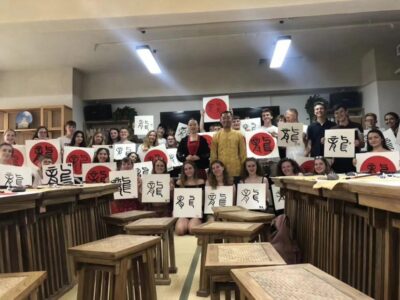
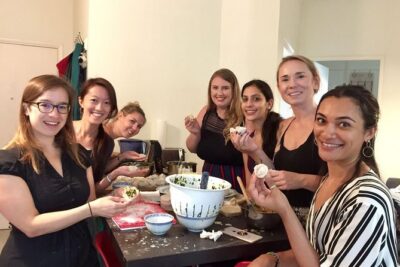
Organic Chinese Dumpling Class with Market Walk
Read our review →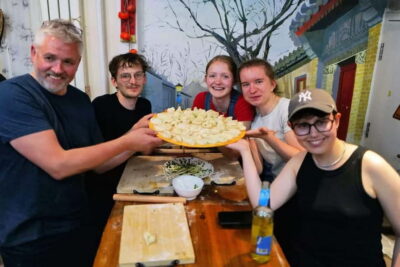
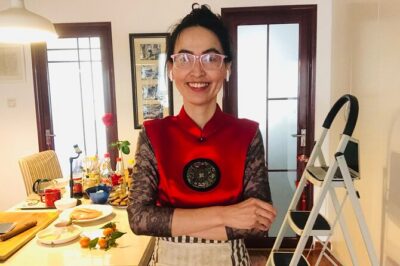
Online Cooking Class Beijing Dumplings and Cuisine by Sunflowerli Renowned Chef
Read our review →
Organic Xiao Long Bao Soup Dumpling Class & Market Walk
Read our review →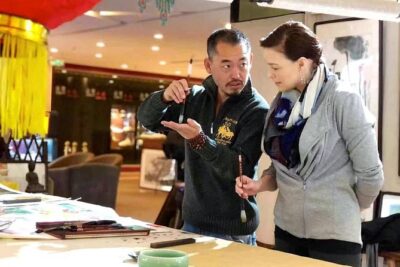
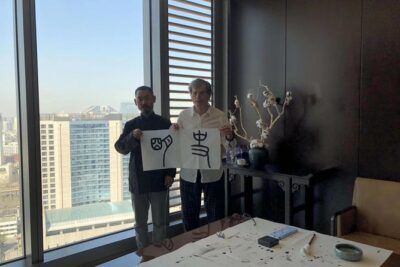
Beijing Wangfujing Calligraphy Class by Forbidden City
Read our review →Browse the lists this tour appears in