
Reviewed · DINNER EXPERIENCES
Old Beijing Dinner Tour
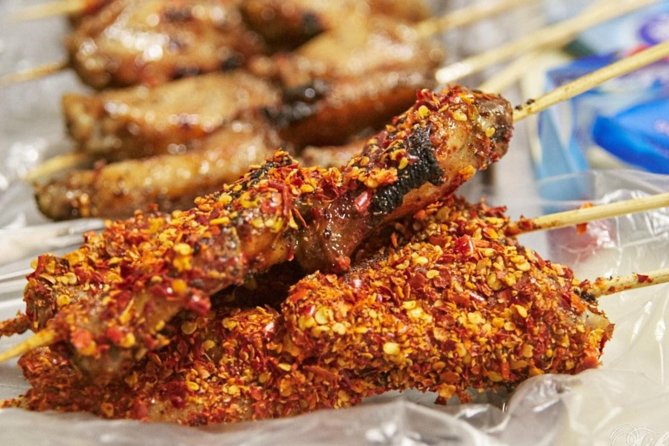
Beijing’s best dinner may be hiding down a lane too narrow for a tour bus. This three-hour walk takes you through old hutong neighborhoods, where small restaurants and food stalls serve the dishes locals eat, not just the familiar tourist standards. Mongolian-style hotpot, hand-stuffed dumplings, sauced meats, and jianbing crepes can all appear along the route.
I like two things right away: the small group, normally about eight people and never more than twelve, and the guides’ ability to explain both the food and the neighborhood. Guides including Garth, Kelly, Shan, Eric, and others have brought history, ordering help, and plenty of good humor to the evening. I also like that the meal includes drinks and ends with a rice wine tasting.
The main consideration is quantity. This is a full dinner made up of many stops, and one past participant found there was simply too much food to finish. You should also expect about two hours of walking through narrow lanes, with no hotel pickup or drop-off.
Key points to know before booking
- A food crawl through real hutongs: You walk through old lane neighborhoods rather than staying on a main restaurant street.
- Several substantial tastings: Hotpot, dumplings, sauced meats, noodles, crepes, and other local specialties may fill the evening.
- Small groups help: The standard group has eight people, with a maximum of twelve when a second guide is used.
- Guides add cultural context: Garth, Kelly, Shan, Eric, Jesus, Zeben, Katie, and Julia have all led tours, depending on the date.
- Drinks are part of dinner: Bottled water, soft drinks, local beer, alcoholic drinks, and a rice wine tasting are included.
- Easy metro access: Meet at Beixinqiao Station at 7 p.m. and finish near Zhangzizhong Road Metro on Line 5.
Why this Beijing food walk feels different
Many Beijing food experiences begin and end at a polished restaurant. This one uses dinner as a reason to explore. You meet near Beixinqiao Station, then follow your guide into the lanes around the Lama Temple area and other old neighborhoods in Dongcheng.
A hutong is more than a pretty alley. It is a traditional neighborhood pattern of narrow passages, courtyard homes, small shops, and everyday food businesses. The lanes can be confusing, especially after dark, so having someone who knows which turn leads to a busy little dumpling shop matters. You are not just being shown a dish. You are seeing where that dish fits into ordinary Beijing life.
The group size keeps the evening sociable without making it feel like a procession. Eight people is the standard size, and groups can reach twelve if a second guide joins. That is large enough for conversation and small enough for a guide to help you order, explain ingredients, and keep track of dietary needs.
The tone also seems to depend on the guide, but the guide list includes people with strong language and cultural skills. Garth has been praised for clear explanations of food origins and Chinese history. Kelly has led groups through several stops with careful attention to each person. Eric and Kelly have also guided together, combining local knowledge with a perspective familiar to English-speaking visitors. Other named guides include Shan, Jesus, Zeben, Katie, and Julia.
A few more Beijing trips to weigh up
- 4-Hour Private Illuminated Beijing Tour with Authentic Chinese Dinner on Hutong Street
★ 5.0 · 34 reviews - Din Tai Fung Dinner and VIP Class River Cruise Experience in Shanghai
★ 5.0 · 31 reviews - Beijing:Temple of Heaven Private Tour w/Option Show & Dinner
★ 4.8 · 18 reviews
Starting at Beixinqiao Station at 7 p.m.
The meeting point is near Beixinqiao Station in Dongcheng, close to Line 5. You should plan to arrive early enough to find the correct station exit and meeting area. A large, busy intersection can be confusing, and one past participant needed a phone call from the guide to get properly connected.
The metro is the sensible way to reach the start. Beijing traffic can be slow, while the subway is inexpensive and puts you near the action. Your mobile ticket and booking confirmation should be ready, and you should keep your phone charged for meeting instructions.
Once the group is together, the guide introduces the route and gets dinner underway. This is not a demonstration where you watch someone else eat. The guide orders for the group, explains what arrives, and helps you understand how each stop fits into the meal.
That support is particularly useful if you do not read Chinese or are unsure about unfamiliar dishes. You can focus on tasting rather than trying to decode menus in a crowded shop.
First courses: hotpot, dumplings, and northern flavors
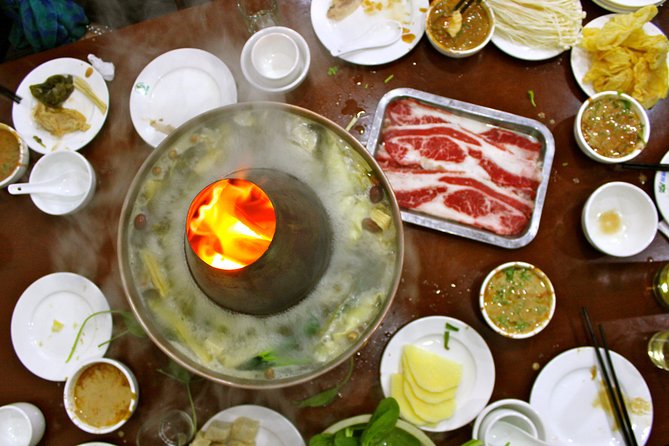
The first major stop may be a Mongolian-style hotpot. It is a hearty start, so pace yourself. The tour includes many more dishes, and the hotpot alone can feel like a complete dinner.
Hotpot is useful for understanding how a meal can be shared. Ingredients are cooked at the table, and the group experiences the dish together rather than receiving isolated plates. Your guide can explain the ingredients and the place hotpot holds in northern Chinese cooking.
Hand-stuffed boiled dumplings are another possible stop. The appeal here is not only the filling. It is the contrast between a small, carefully made dumpling and the more communal rhythm of hotpot. The guide can also explain how the dumplings differ from versions you may already know from Chinese restaurants at home.
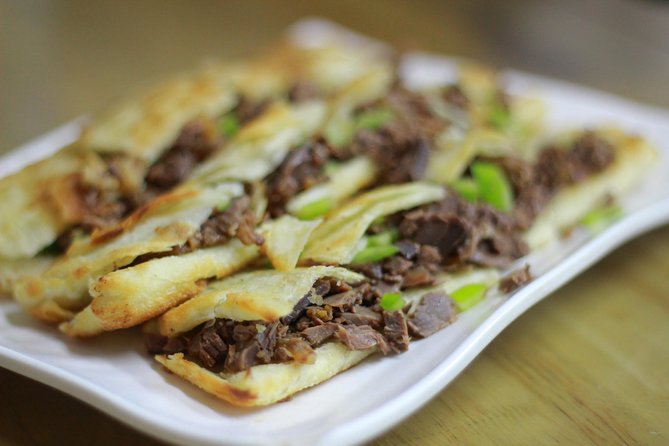
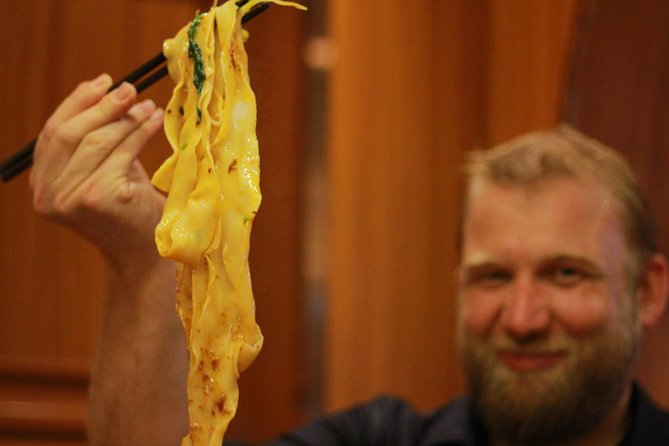
Past tours have included noodles and jianbing, a Beijing-style egg crepe often served with a crisp element. One participant singled out the noodles and crepes as favorites, while another praised an egg crepe with crispy wonton. These are the kinds of foods that are easy to miss if you stay with restaurant dishes designed for international visitors.
Beijing’s food culture is tied to northern wheat-based cooking, hearty portions, preserved and sauced foods, and practical street meals. The route gives you several examples in one evening, with explanations that connect food to trade, migration, and old city life.
Small family-run shops hidden in the lanes
The food stops are selected for their local character. You may eat at small restaurants or street stalls that are difficult to identify from the outside and harder to locate without someone who knows the neighborhood.
That is the tour’s real value. You are paying for access and guidance as much as for the food itself. A meal at a single restaurant might cost less than $75, but finding several good, independent stops, ordering a sensible progression, and navigating between them would be difficult on your own.
The route is not designed as a checklist of famous attractions. You will see lane life, restaurant workers, residents eating dinner, and the less polished side of the city. Some passages may be dark or cramped. You should wear comfortable shoes and expect a walking tour rather than a seated banquet.
There can also be practical delays. One group had a reservation mix-up at a chicken stop and waited about thirty minutes. The guide handled the problem by taking the group to a nearby microbrewery, serving fresh fruit, and providing beer while the issue was sorted out. That kind of detour can affect timing, but it also shows why a flexible guide is useful.
Same country, a completely different kind of day:
- From Beijing: Mutianyu Great Wall Tours with Options
★ 4.9 · 9,216 reviews - Beijing: Forbidden City Tour(Group/Private)-Tickets Included
★ 4.8 · 7,974 reviews - Beijing: T-Square & Forbidden City Group or Private Tour
★ 4.8 · 4,446 reviews - Beijing: Mutianyu Great Wall Daily Tour with Ticket & Lunch
★ 5.0 · 3,056 reviews
Drinks make this a full evening meal
The tour includes bottled water, soft drinks, and local alcoholic drinks. Beer is paired with the food, and several stops may include something to drink. You do not need to budget separately for the listed beverages.
The portions are generous enough that you should not eat a large dinner beforehand. The included food is described as a very large meal, and you may not want another substantial meal for several hours afterward.
That abundance is a plus if you want a serious introduction to Beijing cooking. It is less ideal if you prefer a restrained tasting menu or have a small appetite. You can ask the guide about pacing, and advance notice is required for dietary restrictions. Do not wait until the first stop to mention an allergy or dietary need.
The tour is especially useful for cautious eaters. A guide can explain what you are trying, identify ingredients as far as the route allows, and help you sample dishes you might otherwise avoid. Still, dietary requests must be shared at booking time, and the experience is built around shared local food rather than a fully customizable private menu.
The rice wine finish at Nuoyan
The evening ends at Nuoyan Rice Wine Shop, a boutique producer where you sample a small flight of rice wines. The guide explains the traditional drink and its place in Chinese food culture.
This is a good change of pace after the heavier food stops. Instead of ending with one more large plate, the tour closes with a short tasting and a conversation about how rice wine is made and consumed.
The tasting is modest, not a separate drinking night. If you do not drink alcohol, the tour includes water and soft drinks, but you should confirm your needs when booking because local alcoholic beverages are part of the standard experience.
The final stop also gives the meal a cultural thread. You begin with everyday foods served in neighborhood shops and finish with a traditional drink connected to a long history of Chinese brewing. The guide’s explanations are a central part of the value here.
A glimpse of Ghost Street before the tour ends
The route finishes near Guijie, commonly called Ghost Street, one of Beijing’s well-known snack streets. The stop is brief, around ten minutes, but it gives you a look at a more famous food corridor after spending most of the evening in quieter lanes.
Ghost Street is not the same type of experience as the hutongs. It is more recognizable and restaurant-focused, while the earlier stops emphasize small neighborhood businesses. Seeing both helps you compare Beijing’s public food scene with the tucked-away places that depend on local regulars.
The official end is near the intersection of Dongsi North Street and Dongsi 10th Alley, close to Zhangzizhong Road Metro on Line 5. The guide can help you work out directions back to your hotel. Hotel transportation is not included, so you should be comfortable making the final journey independently.
What the $75 price really covers
At $75 per person, this is not the cheapest way to eat dinner in Beijing. It can be good value if you want a large meal, several drinks, a neighborhood walk, ordering assistance, and cultural interpretation in one package.
The food tastings are substantial, not token samples. You may try at least six different foods, along with beer and other drinks, depending on the route. You also receive a post-tour packet with restaurant suggestions and local travel tips, which can help you plan later meals.
The stronger value comes from avoiding guesswork. Without a guide, you might find a good restaurant, but you are unlikely to reproduce this exact chain of small stops or know which dishes to order. The tour also saves you from spending your first evening in Beijing searching menus and wondering if a quiet-looking shop is open to outsiders.
If you already speak Chinese, know Beijing well, and enjoy planning your own food route, you may prefer to explore independently. For a first visit, the combination of food, walking, and practical help makes the price easier to justify.
The practical drawbacks to weigh
This is an active evening. You walk for roughly two hours through narrow lanes, and seating conditions may vary from stop to stop. Anyone who wants a quiet, formal dinner should choose a restaurant reservation instead.
The full meal can also be too much. One participant specifically found the portions excessive, and another advised not filling up at the opening hotpot stop. Take small portions early so you have room for later dishes.
The tour begins and ends in different places. That is useful for seeing more of the city, but it means you must arrange your own transport to Beixinqiao and back from the Zhangzizhong Road area.
The tour requires good weather and a minimum number of participants. If poor weather or low enrollment cancels the experience, you are offered another date or a full refund. You can cancel for a full refund up to 24 hours before the start time, but changes or cancellations inside that window are not accepted.
Who will get the most from this dinner tour
I would choose this experience for a first or second visit to Beijing, especially if you want food to introduce you to the city. It works well for solo visitors who want a small social group, couples who like trying unfamiliar dishes, and families with older children who can manage the walking.
It is also a strong first-night activity. The guide can explain what you are eating, point out useful restaurant ideas, and provide directions and local tips for the rest of your stay.
Food-focused visitors should enjoy the range. You are not limited to one regional specialty. The route can include hotpot, dumplings, noodles, crepes, sauced meats, chicken, street snacks, beer, and rice wine.
You should think twice if you need guaranteed wheelchair access, dislike shared meals, have severe dietary restrictions, or want to avoid alcohol completely. The supplied information says most people can participate, but it does not provide detailed accessibility information, so ask before booking if you have mobility concerns.
Should you book the Old Beijing Dinner Tour?
I would book it if you want a generous dinner and a guided look at Beijing’s hutongs, not simply a restaurant meal. The best parts are the hard-to-find food stops, the small group, and guides such as Garth, Kelly, Shan, and Eric, who bring food history and practical help to the walk.
Book with an empty stomach, comfortable shoes, and your dietary information ready. If your idea of a good evening is six or more tastings, local beer, a rice wine finish, and a few wrong-looking turns down old lanes, this is a smart use of $75. If you prefer a short, polished dinner with fixed courses and no walking, spend the money elsewhere.
FAQ
Where does the Old Beijing Dinner Tour begin?
The tour begins near Beixinqiao Station in Dongcheng, Beijing. The scheduled start time is 7 p.m.
Where does the tour end?
It ends near the intersection of Dongsi North Street and Dongsi 10th Alley, close to Zhangzizhong Road Metro on Line 5.
How long does the tour last?
The experience lasts approximately three hours. The hutong walk is listed at about two hours, and the rice wine stop lasts about thirty minutes.
How large is the group?
The standard group size is eight people. In some cases, a second guide may be added and the group can reach twelve people. The maximum is twelve.
What food and drinks are included?
Dinner tastings can include Mongolian-style hotpot, hand-stuffed boiled dumplings, Beijing sauced meats, noodles, crepes, chicken, and other local specialties. Bottled water, soft drinks, local beer, alcoholic beverages, and a rice wine tasting are included.
Can I cancel for a full refund?
Yes. You can cancel at least 24 hours before the experience start time for a full refund. Cancellations or changes made less than 24 hours beforehand are not accepted. If poor weather or insufficient enrollment causes cancellation, you are offered another date or a full refund.
Just added around Beijing
- Private Transfer to Mutianyu Great Wall with professional driver★ 5.0 · 19 reviews
- camp on the Great Wall overnight with sunrise and sunset on the wall★ 5.0 · 11 reviews
- One day tour to downtown Tianjin from Beijing by high speed train★ 5.0 · 3 reviews
- BusDa:Ancient Great Wall &Badaling Great Wall Full-day Bus Tour★ 4.5 · 6 reviews
- ZANBUS: Trip to the Jinshanling Great Wall Departing at 7:30 AM★ 5.0 · 5 reviews
- Yuxiandu Chinese Royal Cuisine Museum with Show and Royal Banquet★ 5.0 · 4 reviews
- Private Wild Great Wall Hiking tour at Simatai (Challenging)★ 5.0 · 16 reviews
- Wild Great Wall Huanghuacheng Half Day Tour★ 5.0 · 15 reviews
Dinner Experiences, compared.
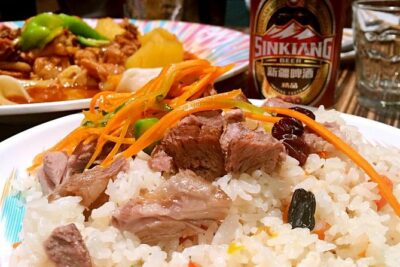
Shanghai Night River Cruise Tour with Xinjiang Style Dining Experience
Read our review →
Night River Cruise Tour with Xinjiang Style Dining
Read our review →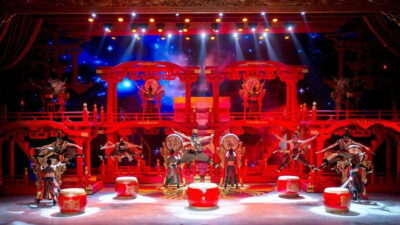
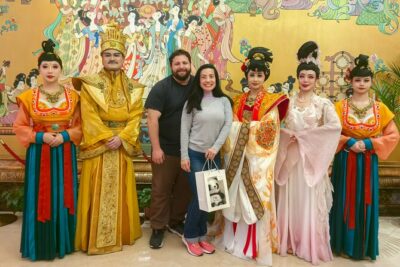
Xi’an Tang Dynasty Show Ticket Optional Dumplings or Royal Dinner
Read our review →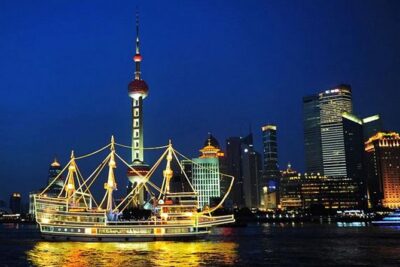
Shanghai Night River Cruise VIP Seating with Private Transfer and Dinner Option
Read our review →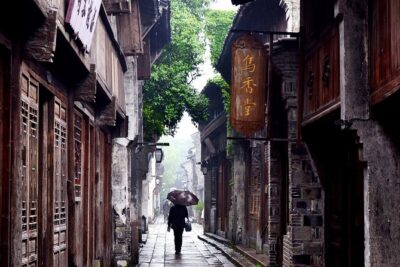
Wuzhen and Xitang Water Town Private Full Day Trip from Shanghai with Lunch and Dinner
Read our review →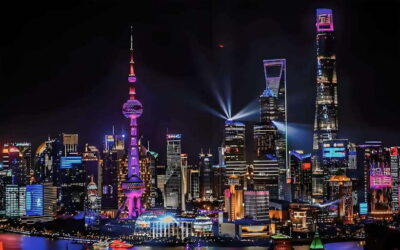
Shanghai Night River Cruise VIP Seat with Authentic Dinner
Read our review →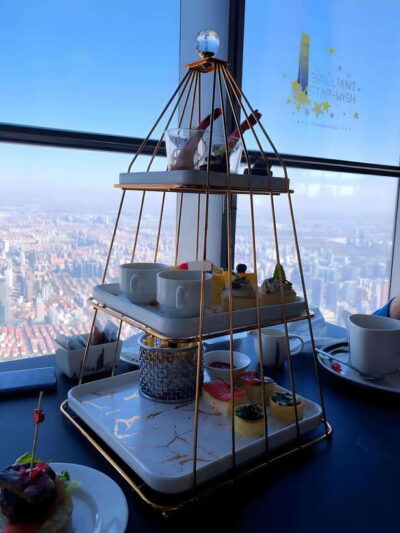
Shanghai Tower: Lunch or Dinner on the 119th Floor
Read our review →Browse the lists this tour appears in