
Reviewed · FOOD & DRINK
Guangzhou: Food Tour – Eat Like Local + Rice Roll Workshop
Guangzhou is one of China’s great eating cities, and this four-hour tour gets straight to the point: you eat your way through local restaurants and food shops, then make a Cantonese rice roll with your own hands. The cheung fun workshop is the most unusual part, since you spread the batter, add shrimp or beef, fold the roll, and season it yourself.
I like the range. In one morning, you can move from flaky BBQ pork buns and shrimp dumplings to bamboo-pressed noodles, claypot rice, beef ho fun, fishball noodles, and old-style Cantonese sweets. I also like that Roger adjusts the food stops and spice levels instead of forcing every group through the same menu.
The main catch is important: the rice-roll workshop is unavailable until the end of February 2026 while its venue is under construction. Until then, two additional restaurants replace it, so the tour still offers plenty to eat, but you will not get the hands-on cooking part.
Key points to know before you book
- Roger leads a small group of no more than 10 people, making it easier to ask questions and request food changes.
- Expect at least five food stops, including at least three Cantonese restaurants or street-food shops and two dessert shops.
- The food can add up to one or two full meals, so arrive hungry and consider skipping breakfast.
- The route begins at Caihong Bridge Metro Station Entry A and ends at Yongqing Fang, a useful area for continuing your afternoon.
- The menu can be adjusted, including spice levels, but the tour is not suitable for vegans, vegetarians, or people with food allergies.
- The rice-roll class is temporarily paused until the end of February 2026, with two restaurant visits taking its place.
Why this Guangzhou food walk works
Guangzhou food is not simply a collection of famous dishes. It reflects a local habit of eating several small portions, comparing textures, adding tea, and returning to favorite shops. This tour gives you that pattern in a practical way. You are not confined to one restaurant, and you are not asked to make sense of Cantonese cooking from a single tasting plate.
The small-group format matters here. With a maximum of 10 people, Roger can hear what you like, explain unfamiliar dishes, and change the pace when the group needs it. The food choices can also be tailored to your preferences. Tell him about spice levels and dietary needs at the start, rather than waiting until a dish arrives.
The tour is led in English or Chinese and includes food and drink at five or more restaurants, snack spots, or dessert shops. At $99 per person, that is not a budget street-food stroll. Still, the price includes enough food for one or two full meals, a guide for four hours, local background, and the cost of multiple tastings. If you were trying to reproduce the same morning by ordering freely at several unfamiliar shops, you could easily waste money on dishes you do not understand.
A few more Guangzhou trips to weigh up
- Private Guangzhou Food Tour Michelin Restaurant&Local Food Market
★ 5.0 · 32 reviews - Guangzhou Evening Food Tour Through Local Neighborhood
★ 5.0 · 19 reviews - 5-Hour Sai Kwan Walking Tour with Unique Food Tasting
★ 5.0 · 17 reviews
Starting with dim sum and Lingnan tea
The morning begins with a traditional Guangzhou dim sum breakfast. This is a sensible opening because dim sum introduces several key Cantonese habits at once: shared plates, careful steaming, light seasoning, and attention to texture.
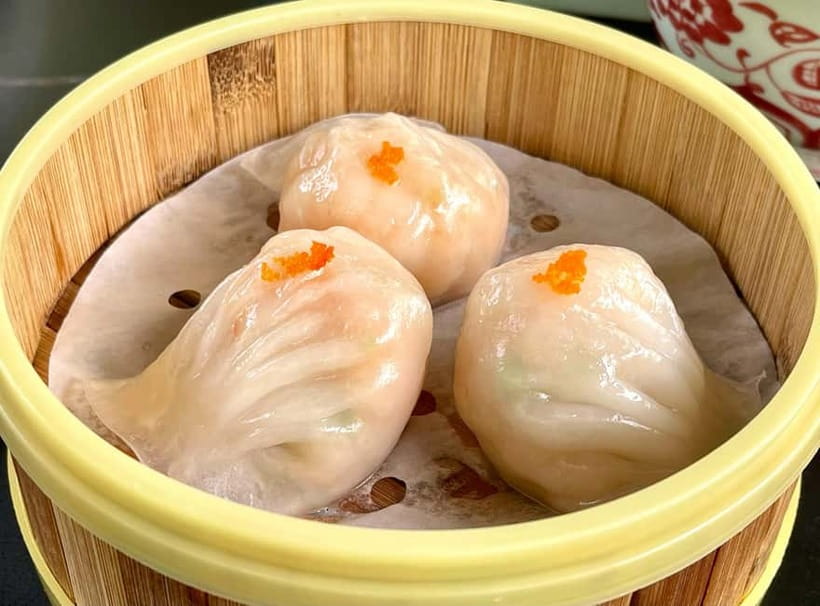
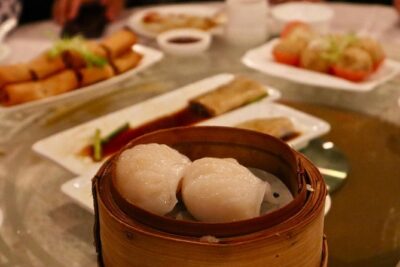
You might begin with BBQ pork buns, their soft dough wrapped around sweet-savory roast pork. Shrimp dumplings bring a different feel, with translucent wrappers and a springier filling. Chrysanthemum tea adds a floral, slightly earthy drink to the table and gives Roger a chance to explain Lingnan tea culture.
Do not treat this first stop as a quick snack. You will have many more dishes ahead, and the breakfast can become substantial. The advice to come hungry is serious. One useful strategy is to eat lightly the night before and avoid breakfast on the tour morning.
Dim sum is also a good place to tell Roger what you enjoy. If you prefer milder food, need less spice, or want to avoid a particular ingredient, say so early. The experience is built around shared eating, but you still need to be clear about your own limits.
Bamboo-pressed noodles and the craft of texture
One of the more distinctive food stops features zhusheng noodles, springy noodles made with a traditional bamboo-pole technique. The chefs still knead the dough with bamboo poles, a method that gives the story some physical weight. You are not just hearing that an old process exists. You can connect it to the firmness of the noodles in your bowl.
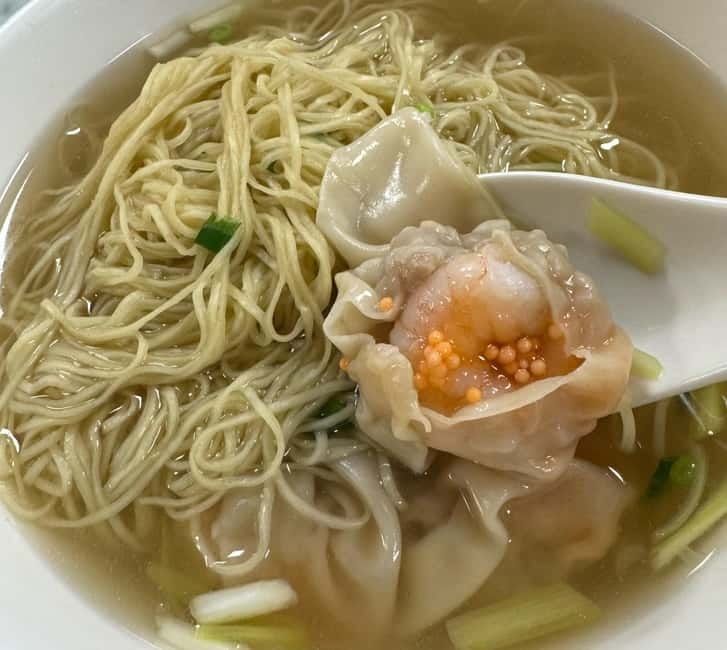
These noodles arrive in clear broth with plump shrimp wontons. The dish is more restrained than some of the wok-fired plates later in the tour. That makes it useful for understanding Cantonese cooking, where a clean broth and fresh texture can matter as much as heavy seasoning.
For you, the value of this stop is context. A noodle bowl ordered alone might seem simple. With an explanation of the preparation and a chance to compare it with stir-fried noodles later, it becomes part of a larger picture of how Cantonese cooks handle dough, broth, seafood, and heat.
The exact restaurant choices are customized, so the order and selection may change. That flexibility is helpful, but it also means you should not expect a fixed checklist of every dish described in the tour plan. The guide chooses from several Cantonese specialties according to the group.
Claypot rice in a narrow alley
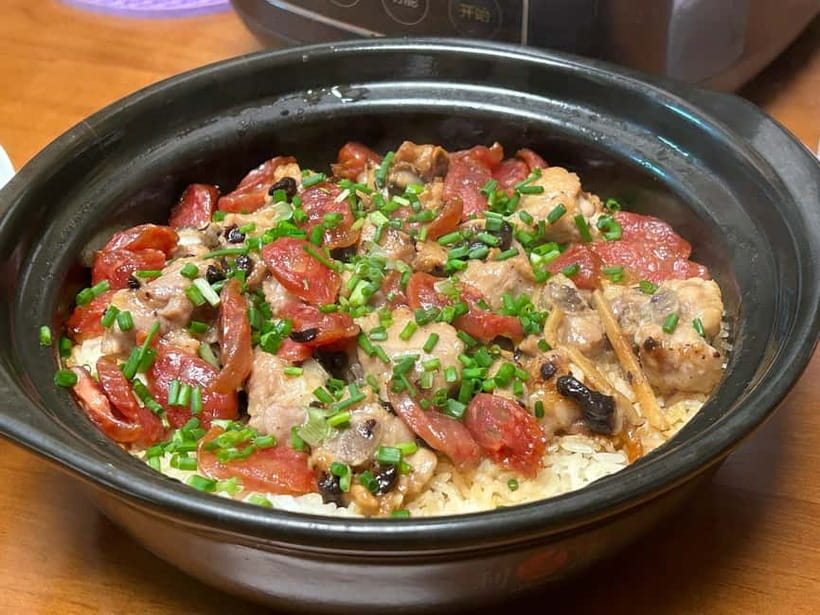
Claypot rice brings a more forceful flavor and texture. The rice cooks in a clay pot until the bottom develops a caramelized crust. Cured meats add salt, fat, and a savory aroma.
This is the kind of dish that rewards patience. The appealing part is not only the topping. It is the contrast between the tender rice above and the crisp, browned layer underneath. If you enjoy rice dishes, this may become one of the morning’s most satisfying bites.
The stop is described as an alley food shop, which is exactly the sort of setting that makes a guided route useful. The address alone would not tell you what to order, how much to share, or why the browned rice matters. Roger’s role is to make the unfamiliar shop feel manageable without turning the meal into a lecture.
There is a practical issue here: claypot rice, noodles, dumplings, and desserts can fill you quickly. Share portions when possible and pace yourself. The tour promises at least five stops, not five tiny samples.
Same country, a completely different kind of day:
- Guided Cycle Tour of Guangzhou
★ 5.0 · 164 reviews - Customised Private Guangzhou City Tour with Flexible Itinerary
★ 5.0 · 107 reviews - Gulong Gorge Skywalk Glass Bridge and Waterfall View Private Tour
★ 5.0 · 103 reviews - Private Guangzhou Full Day City Tour with Old and New Highlights
★ 5.0 · 62 reviews
Wok-fired beef ho fun and fishball noodles
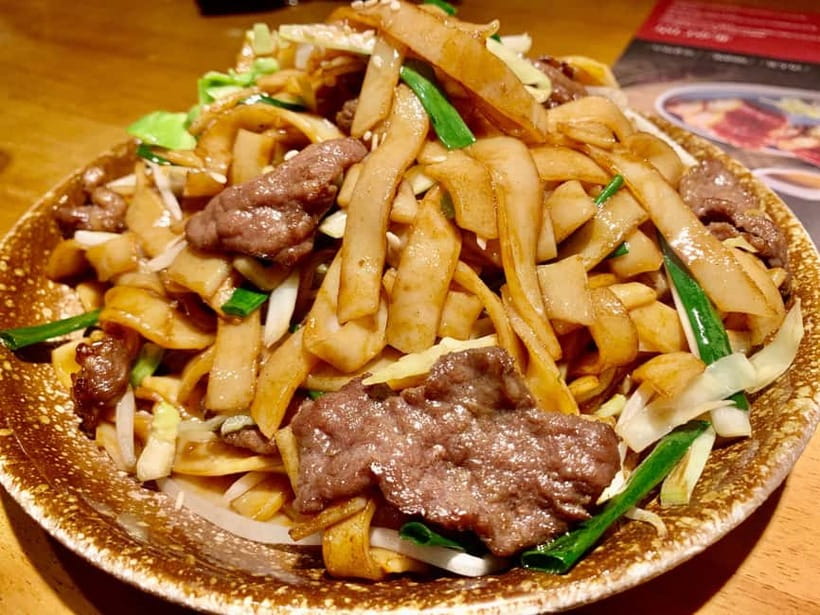
The tour also includes stir-fried beef ho fun or fishball noodles, depending on the route and your group’s preferences. Beef ho fun uses broad rice noodles, which take on a smoky flavor from the wok. That high-heat quality is often called wok hei, and it is best appreciated when the noodles arrive hot and the edges have picked up a little char.
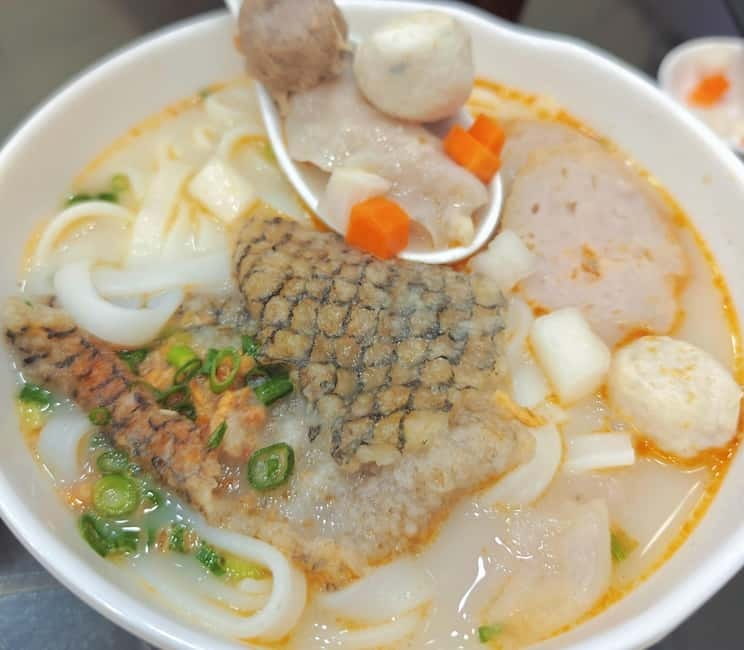
Fishball noodles offer another change. The fishballs bring a bouncy texture, while the noodles and broth keep the dish fairly direct. If you are comparing the two, focus on texture rather than searching for one universally better dish. The noodles are wider and more substantial in the ho fun, while fishball noodles give you a lighter, more compact bite.
These stops show why a multi-stop route is more useful than a single large meal. You get to compare steaming, boiling, pressing, and stir-frying within a few hours. You also see how Guangzhou food can shift from delicate to smoky without losing its basic focus on texture and freshness.
The route includes at least three Cantonese restaurants or street-food shops. The possible choices include dim sum, rice noodle rolls, bamboo-pressed noodles, claypot rice, beef ho fun, and fishball noodles. You may not receive every one of these dishes, so contact the guide if a particular specialty matters most to you.
The cheung fun workshop, when it is operating
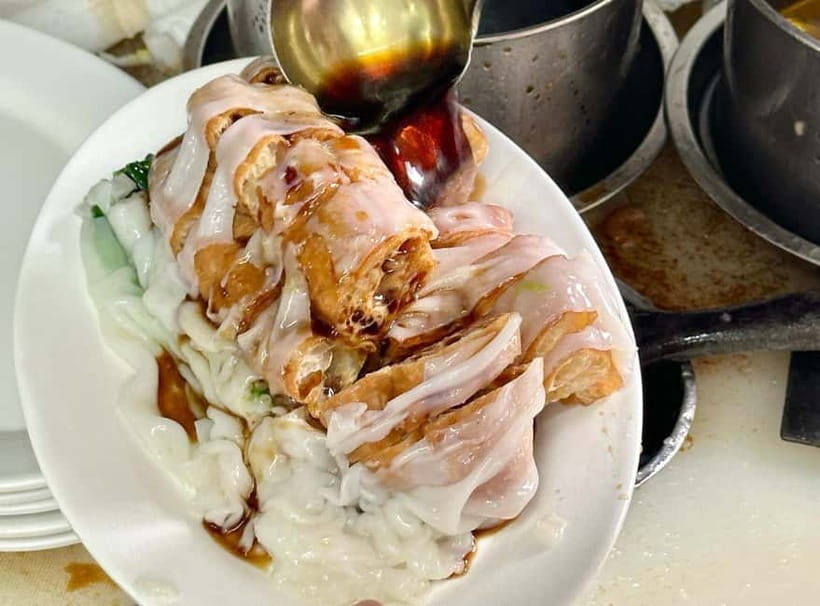
The planned finale is a short class devoted to cheung fun, the silky Cantonese rice noodle roll. You spread warm rice batter over cloth or a tray, add shrimp or savory beef, steam it, and fold the thin sheet into a roll. Soy sauce finishes the dish.
This is more than a photo opportunity. Cheung fun can look simple when it arrives on a plate, but making it shows how thin and delicate the rice sheet must be. You also learn why the dish depends on timing. Too little care can tear the sheet; too much handling can spoil its smooth texture.
Families may especially like this part. The activity gives children a clear task and a dish they can eat immediately. One family experience with Roger was particularly positive because the children enjoyed making the rolls. The same hands-on element also gives adults a break from simply sitting down and tasting.
The workshop is not currently available. The venue is under construction, and the activity will not be arranged until the end of February 2026. During this period, two more restaurant visits replace the class. That is a fair substitute for someone focused on food, but it is not equivalent if the cooking lesson is the main reason you are booking.
If you are booking for a date after the stated reopening period, confirm the workshop status before paying. The activity description allows for changes, and the food route itself is flexible.
Cantonese desserts to finish the morning
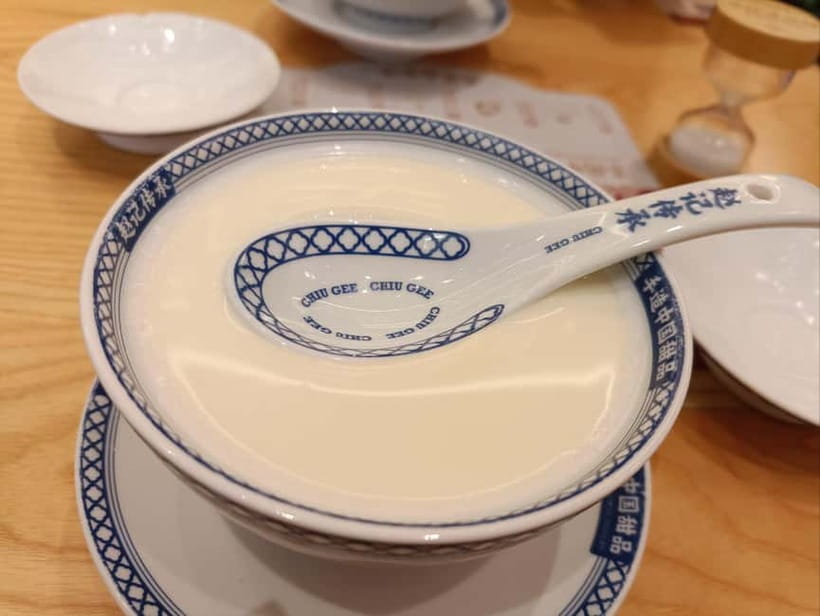
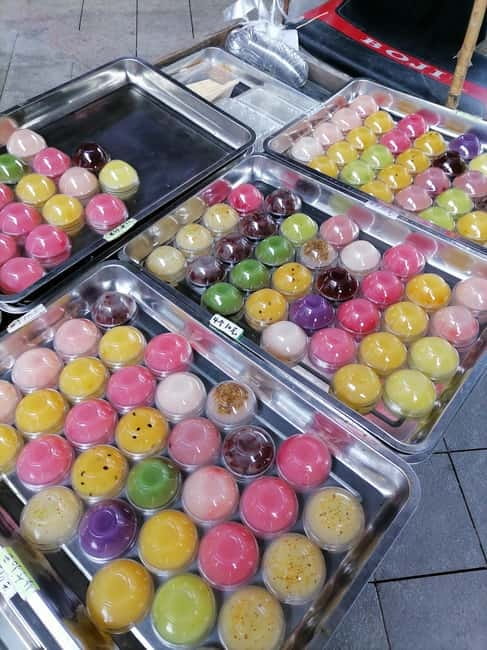
The dessert section gives the tour a gentler finish. Expect two traditional Cantonese dessert shops, with possible treats including double-skin milk, ginger milk curd, rice pudding cups, black sesame paste, and classic sweet soups.
Double-skin milk is silky and mild, traditionally made with water buffalo milk. Ginger milk curd has a different personality. The ginger brings a warm, sharp note that cuts through the sweetness and leaves a lingering heat.
Rice pudding cups add a chewy texture, while black sesame paste is nutty and dense. These are not interchangeable Western-style desserts. They are useful for understanding how Cantonese sweets often focus on grain, milk, seeds, and gentle sweetness rather than a large final flourish.
By this point, you will probably be full. That makes the dessert portion worth pacing for. Take small bites, compare textures, and resist the temptation to judge a dish by appearance alone. The black sesame paste, for example, may look plain, but its roasted flavor can be more interesting than a bright, sugary dessert.
Roger’s guiding style and group size
Roger’s strongest role is explaining the food while staying responsive to the group. He is described as highly informed about Guangzhou street food, and his organization is flexible when plans change. That combination matters in a food tour, where restaurant queues, appetite, and personal preferences can affect the morning.
The group limit is 10 people. That is small enough for direct conversation, although the exact feel will depend on how many people join and how quickly the group eats. You can ask questions in English or Chinese, and the guide can help you continue from Yongqing Fang afterward.
The route is not designed as a formal cooking course. The cheung fun session, when open, is short and practical. You should book this for a broad taste of Guangzhou with some food instruction, not for technical culinary training.
Route, timing, and what to bring
The tour lasts four hours. It begins at Entry A of Caihong Bridge Metro Station, served by Guangzhou Metro Lines 8 and 11. Starting at a metro station is convenient because you can reach the meeting point without arranging a private transfer.
The tour ends at Yongqing Fang. Afterward, Roger can guide you toward a nearby metro station or help you call a taxi. You can also stay in the area and walk around on your own, which makes the ending practical for a longer day of sightseeing.
Wear comfortable shoes. You will be moving between food stops, and a heavy meal is less pleasant when your footwear is already bothering you. Bring water and a camera. Smoking is not allowed during the activity.
The booking terms are flexible: you can cancel up to 24 hours in advance for a full refund, and you can reserve now and pay later. Check the available starting times when booking, since the activity runs for four hours and the schedule can vary.
Who should book this food tour
I would recommend it to first-time visitors who want help ordering Cantonese food without spending days guessing at menus. It also suits repeat visitors who want to move beyond familiar dim sum restaurants and try noodles, claypot rice, local sweets, and small shops in one organized morning.
Families can benefit from the variety and the planned hands-on rice-roll session, once it reopens. The small group and Roger’s ability to respond to children’s preferences are useful advantages, though the amount of eating may be demanding for young children.
This is not a good choice for vegans, vegetarians, or people with food allergies. The listed foods center on shrimp, pork, beef, fish, milk, and other animal products. Spice levels can be adjusted, but that does not solve serious allergy concerns. If you have a dietary need, tell Roger upfront and confirm that the route can work for you.
Is $99 a fair price?
At $99, this tour costs more than wandering through one Guangzhou food street and buying a few snacks. The difference is the structure. You receive at least five tastings, usually across three savory food stops and two dessert shops, plus drinks, a four-hour English-speaking guide, food history, and the planned cooking materials when the workshop is operating.
The food amount is also significant. The experience can provide one or two full meals, so you are not paying $99 for sample-sized bites alone. The value improves if you are new to Guangzhou and would otherwise need to order blindly or miss dishes that are not obvious to visitors.
The price is harder to justify if you already know Guangzhou well, speak Chinese comfortably, and enjoy finding food shops on your own. It is also less appealing if the rice-roll class is your main goal and your date falls before the end of February 2026.
Should you book it?
Book this tour if you want a full morning of Cantonese food, clear guidance, and a route that moves beyond the usual tourist meal. Roger’s flexibility, the small group, and the mix of savory dishes and desserts are the main reasons to choose it.
If you are booking before the end of February 2026, make your decision based on the restaurant crawl, not the workshop. If the rice-roll class is essential, check that it has reopened for your date. Arrive very hungry, tell Roger what you can eat, and plan to keep the afternoon open around Yongqing Fang.
FAQ
How long does the Guangzhou food tour last?
The tour lasts four hours.
Where does the tour begin?
It begins at Entry A of Guangzhou Metro’s Caihong Bridge Station, served by Lines 8 and 11.
Where does the tour end?
The tour ends at Yongqing Fang. The guide can lead you to a nearby metro station or help you call a taxi.
How many food stops are included?
You will visit at least five restaurants, snack spots, or dessert shops. The route includes at least three Cantonese savory food stops and two traditional dessert shops.
Is the cheung fun workshop available?
The workshop is currently unavailable because its venue is under construction. It is not expected to be arranged until the end of February 2026. Until then, two additional restaurant visits replace it.
Is the tour suitable for vegetarians or people with food allergies?
No. The tour is not suitable for vegans, vegetarians, or people with food allergies. Spice levels and some dietary preferences can be discussed with Roger in advance.
Can I cancel or pay later?
Yes. You can cancel up to 24 hours before the tour for a full refund, and you can reserve now and pay later.
More Workshops in Guangzhou
- Private Guangzhou Night Tour with Canton Tower and Pearl River VIP Class Cruise
★ 5.0 · 6 reviews - Half-Day Chengdu Cooking Class with a Local Market Visit
★ 5.0 · 465 reviews - Beijing Calligraphy Class
★ 4.9 · 112 reviews - Chinese Calligraphy Class for Small Group
★ 5.0 · 104 reviews
Just added around Guangzhou
- Big Buddha Mountain Martial Art Culture Countryside Private Tour★ 5.0 · 31 reviews
- Hong Kong One Day Private Tour from Guangzhou by Bullet Train★ 5.0 · 3 reviews
- Day Tour learning Kung Fu and Lion Dance in Bruce Lee’s Hometown★ 5.0 · 7 reviews
- Glass Bridge and Water Falls Private Car Service from Guangzou★ 4.5 · 3 reviews
- Seven Star Crag and Dinghu Mountain private day tour from Guangzhou★ 5.0 · 5 reviews
- Seven Star Crags Karst Cave Mirror Lake Bird Islands Private Tour★ 5.0 · 30 reviews
- Private Tour: Guangzhou City Sightseeing Including Yuexiu Park★ 3.5 · 3 reviews
- Private flexible Guangzhou City Sightseeing Tour with Dim-Sum Tasting★ 5.0 · 5 reviews
Food & Drink, compared.

Authentic Local Food Tour in Central Shanghai
Read our review →
Beijing Hutong Walking Food and Beer Tour at Hidden Restaurants
Read our review →

Hong Kong’s Tin Hau Hidden Eats Food Tour with 7+ Local Tastings
Read our review →

Hong Kong Food Tour: Central and Sheung Wan Districts
Read our review →Browse the lists this tour appears in