
Reviewed · MUSEUMS
Chengdu: Sichuan Museum – Cultural and Historical Heritage
The Sichuan Museum brings Sichuan’s long past into one large, well-organized visit. You can move from ancient bronze and Han dynasty stone carvings to calligraphy, ceramics, Tibetan Thangka paintings, and works by Zhang Daqian without paying an admission charge for the permanent exhibits. Sanxingdui artifacts add a special local connection, linking the museum to one of China’s most intriguing archaeological sites.
I like the mix of serious history and easy pacing, since you can spend a full day here without being tied to a fixed tour schedule. I also like the practical extras: free museum guided tours, a souvenir shop, and a tearoom. The main catch is that you must reserve an entry slot, provide your passport name and number in time, and remember that special exhibitions may cost extra.
Key points to know before you go
- Sanxingdui connections: See objects linked to Sichuan’s famous ancient archaeological culture.
- 300,000 artifacts: The collection covers bronze, ceramics, calligraphy, stone carvings, and Tibetan art.
- Free permanent exhibits: The museum’s main displays and museum-provided guided tours are included.
- Two entry windows: Reserve either 09:00 to 12:00 or 12:01 to 16:00.
- Passport details required: Send your full name and passport number before the booking can be completed.
- A pleasant finish: Allow time for the souvenir shop and tearoom, both noted as useful additions to the visit.
Why the Sichuan Museum deserves a place in Chengdu
Chengdu is famous for pandas, spicy food, and teahouses, but the Sichuan Museum gives you a much wider view of the province. Its displays connect local archaeology, Chinese art, religion, writing, and daily life across many centuries.
The museum was founded in 1941 and now holds more than 300,000 artifacts. You will not see all of them in one day, of course. That number matters because it explains the museum’s range. This is not a small room of highlights that you can finish in half an hour. It is a serious cultural institution with enough material for a careful visit.
The permanent displays are the best value. Admission to them is free, while the booking price is listed at about $5 per person. Since the museum requires an advance reservation, treat that charge as the cost of securing your visit rather than assuming it is a standard museum ticket. Check the final booking details so you know exactly what the fee covers.
I would set aside several hours, even though the activity is valid for one day. A hurried visit would give you only a blur of names and dates. With more time, you can compare objects from different periods and see how Sichuan developed its own artistic character while remaining part of the wider Chinese world.
A few more Chengdu trips to weigh up
- Private Chengdu Day Tour: Giant Pandas and Jinsha Site Museum
★ 5.0 · 142 reviews - Sanxingdui Museum+Chengdu Panda Base or Jinsha Site Tour
★ 5.0 · 10 reviews - Sanxingdui Museum Small Group Tour with Optional Panda Base
★ 5.0 · 3 reviews
Starting with ancient Sichuan and Sanxingdui
The Sanxingdui material is one of the strongest reasons to visit this museum. Sanxingdui, an archaeological site in Sichuan, is known for unusual bronze objects and striking forms that differ from the familiar image many people have of ancient China.
The museum’s Sanxingdui-related pieces help place Sichuan on the map of early Chinese civilization. Look closely at the bronze work rather than treating it as a parade of old objects. The shapes, scale, and details show how skilled metalworkers were and how much regional variety existed in ancient China.
This section can be especially useful if you plan to visit the Sanxingdui Museum outside Chengdu. Seeing the Sichuan Museum first gives you a helpful introduction. You can then approach Sanxingdui as part of a larger story rather than as an isolated archaeological surprise.
The display is also a good point for families. Children often respond to the unusual faces and forms of the bronze pieces, while adults can spend time with the historical setting. The museum’s size means you can move at different speeds without forcing everyone to follow the same rhythm.
Do not expect every object to have a long English explanation. The supplied information does not promise a particular language service, so you should be prepared for some displays to require patience, translation tools, or a guide. The free guided tours may help, but tour times and languages are not specified.
Ceramics, calligraphy, and the craft of looking closely
After the ancient bronze displays, the ceramics offer a quieter kind of interest. Their value is not only in age. Shape, glaze, decoration, and practical use can reveal changing tastes and technical skill.
I find ceramics easiest to appreciate when I compare several pieces rather than searching for one spectacular object. Notice how a simple vessel can show control of proportion, while a decorated example may reveal beliefs, status, or patterns of trade. The museum’s broad collection gives you room to make those comparisons.
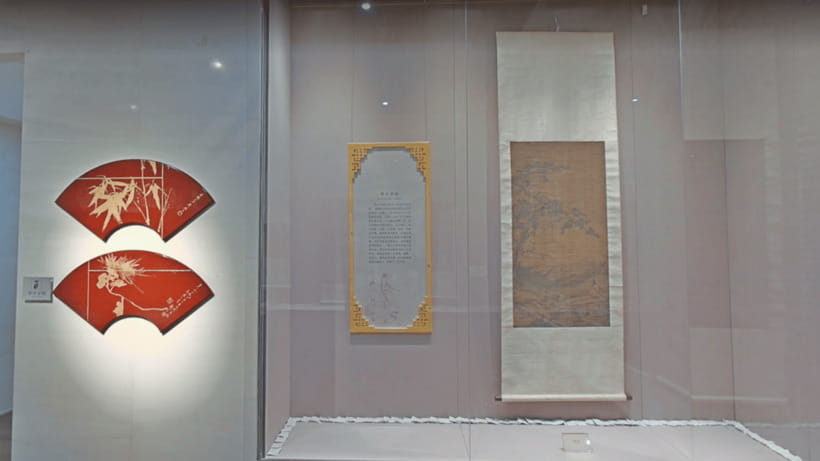
The calligraphy displays require a slower pace. Chinese calligraphy is both writing and visual art, but it can be hard to read if you do not know the language. Even so, you can follow the movement of the brush, the balance of the characters, and the way the work fills the paper.
This is one area where a guided tour can add real value. A museum guide may explain the script, the artist, and the role of the piece in Chinese culture. Since guided tours are provided free by the museum, ask about them when you arrive. The booking details do not give a guide’s name or a guaranteed schedule, so do not build your entire day around a specific tour time.
For you, the practical lesson is simple: do not judge the museum only by its most dramatic ancient objects. The ceramics and calligraphy reward attention and help show how Chinese culture was preserved not only in monuments, but also in objects made for use, study, worship, and display.
Tibetan Thangka paintings and Sichuan’s wider cultural reach
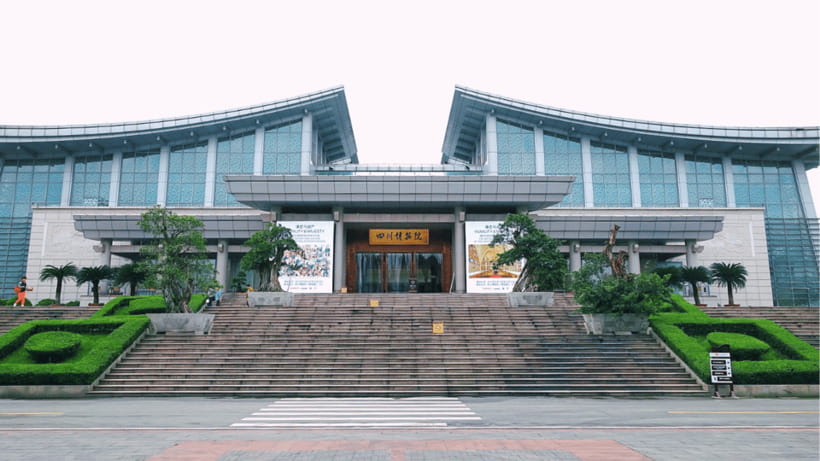
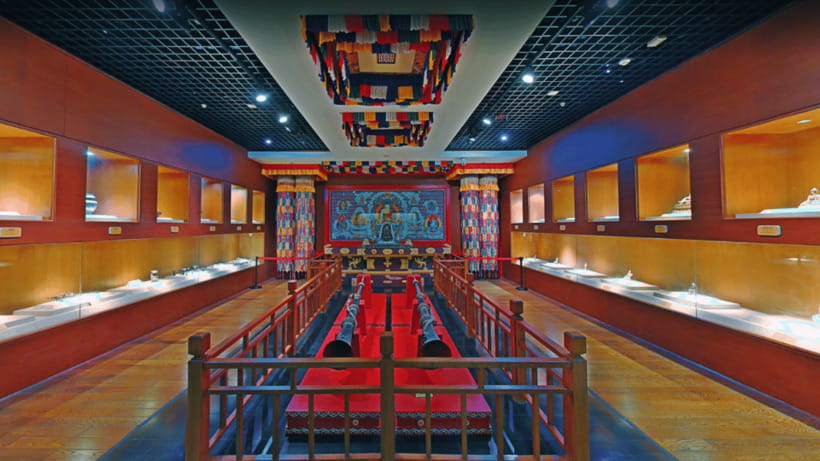
The Tibetan Thangka paintings add a very different visual note. These works are religious paintings made for Buddhist practice, and they often contain dense detail, symbolic figures, and carefully arranged scenes.
You may find the Thangkas slower to read than the bronze displays. Their purpose is not simply decoration, and the meaning of colors, figures, and gestures may not be obvious at first glance. Give yourself time to look at the whole composition, then move closer to the smaller details.
Their presence also broadens your idea of Sichuan. The province is not culturally one-note. Its location in southwestern China has brought it into contact with different communities, belief systems, and artistic traditions. The museum’s Tibetan collection lets you see that wider cultural picture within the same building.
If you are visiting with children, this section may work best as a short stop rather than the main event. For adults interested in religion, painting, or regional art, it can be one of the most rewarding parts of the museum.
Photography is listed as something to bring, but always follow the museum’s rules before taking pictures. Special displays can have their own restrictions, and a camera is useful only where photography is allowed.
Same country, a completely different kind of day:
- Chengdu: Giant Panda Breeding Research Base Ticket
★ 4.5 · 580 reviews - Half-Day Chengdu Cooking Class with a Local Market Visit
★ 5.0 · 465 reviews - Tuktuk Food Tour Through Chengdu’s Local Eats
★ 5.0 · 435 reviews - Private Half-Day Chengdu Panda Breeding Center Tour with Optional Volunteer
★ 5.0 · 353 reviews
Zhang Daqian and the museum’s art collection
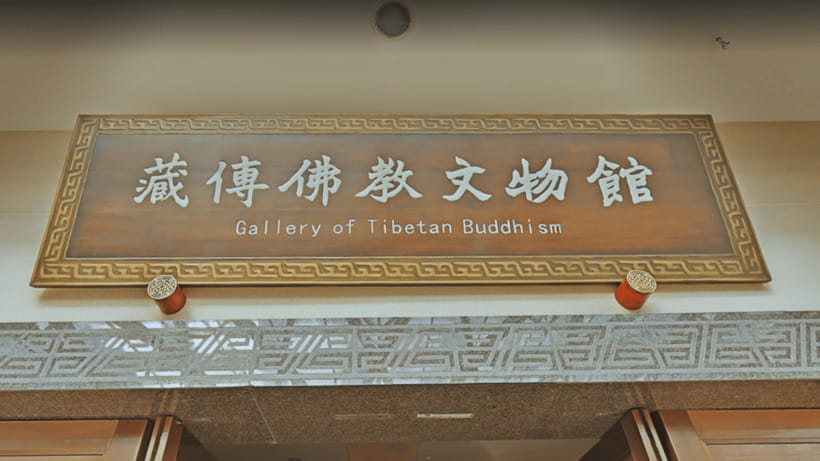
The museum also features works by Zhang Daqian, one of China’s best-known painters. His work gives the visit a bridge from older traditions to more recent Chinese art.
Zhang Daqian is important here because his paintings can be considered alongside the museum’s calligraphy and older religious art. You can look for links in brushwork, composition, and the treatment of nature. The collection lets you see how modern artists worked with established Chinese methods rather than abandoning the past altogether.
The information provided does not specify how many Zhang Daqian works are displayed or whether a dedicated gallery is always open. Think of this as a key collection to seek out, not a promise of a certain temporary arrangement. Museum displays can change, especially when special exhibitions rotate.
That uncertainty is another reason to avoid planning your visit around just one object. The museum offers enough variety that a change in one gallery should not ruin your day. You are paying for access to a broad cultural visit, not a single guaranteed artwork.
Han dynasty stone carvings and the story told in images
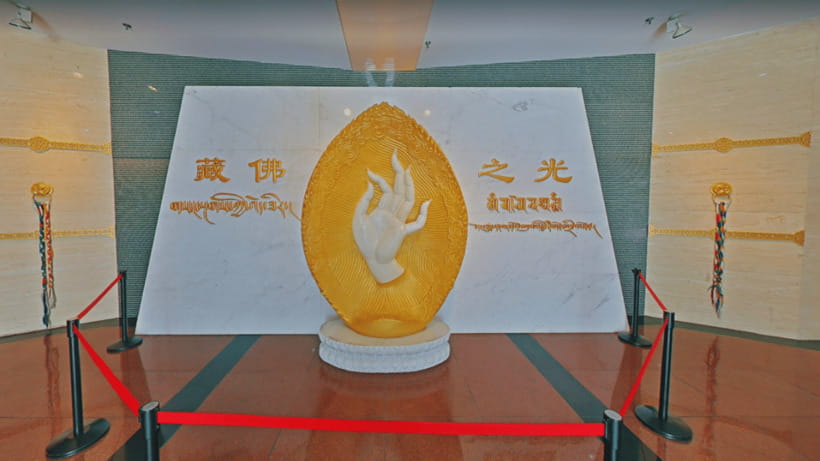
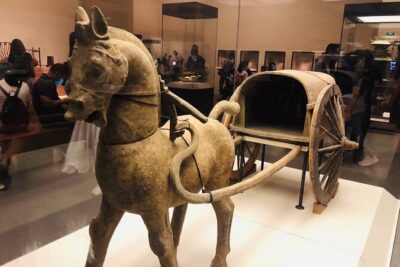
The Han dynasty stone carvings give you another way to study ancient China. Unlike delicate ceramics or brush paintings, stone carvings can feel direct and physical. Their carved scenes and forms preserve ideas about power, ritual, daily life, and the afterlife.
Look at how the figures are arranged and how movement is suggested in a hard surface. Even without reading every label, you can notice repeated poses, animals, vehicles, or ceremonial scenes. These details help turn a distant dynasty into something easier to picture.
The carvings also work well as a link between history and art. You are not looking only at beautiful objects. You are examining evidence of how people understood society and the world around them.
This section may appeal most to visitors who like archaeology and historical storytelling. If your main interest is contemporary art, you may spend less time here. The museum is at its best when you accept that some galleries will speak to you more strongly than others.
Planning the morning or afternoon entry slot
The museum requires you to reserve one of two entry windows: 09:00 to 12:00 or 12:01 to 16:00. This is important. You are not simply turning up at any point and expecting open-ended admission.
The morning slot gives you the most time to explore. Choose it if you want to study the collection carefully, join a guided tour if one is available, and visit the shop and tearoom without watching the clock.
The afternoon slot suits a shorter Chengdu plan. You can spend the morning elsewhere, enter after 12:01, and focus on the galleries that interest you most. The drawback is obvious: a large museum can feel rushed when you have only part of the day.
Book ahead for weekends and holidays. The museum’s popularity, free permanent admission, and timed entry system make advance planning sensible. The reservation is for your place at the museum, not a promise that every special exhibition is included.
There is also an important booking rule for international visitors. Your full name must match your passport, and you must provide your passport number to complete the reservation. The GetYourGuide QR code is not valid for entry, so do not rely on showing that code at the door. Wait for the required email or communication and follow the instructions provided.
If the passport information is not sent in time, the booking may be canceled and a cancellation fee can apply. This is a small administrative task, but it is the kind of detail that can spoil an otherwise easy museum day.
What the $5 price really means
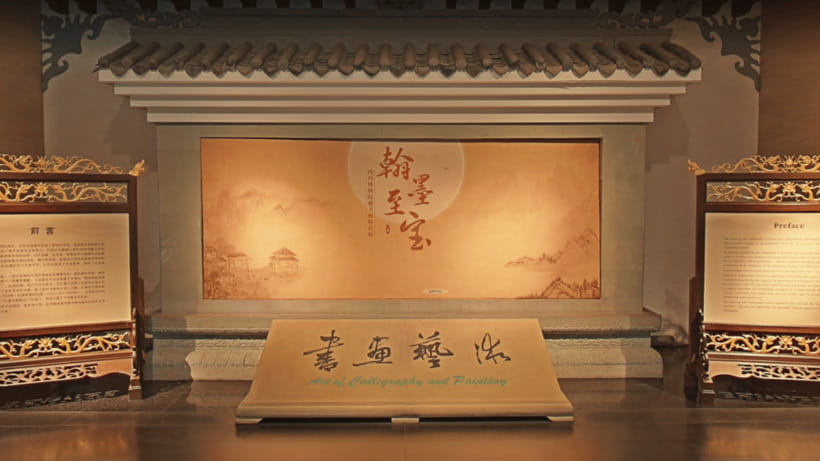
At about $5 per person, this is inexpensive for a full cultural day in Chengdu. The value is strongest if you use the booking to gain access to several permanent galleries, not if you rush in for one famous object.
Permanent exhibition admission and museum-provided guided tours are free. That makes the listed price worth checking carefully before payment, since it may be tied to reservation handling rather than a normal entry charge. Special exhibitions may require a separate ticket, so do not assume every room is covered.
I like the flexibility of reserving now and paying later. You can hold a place while keeping your plans open, and cancellation is allowed up to 24 hours in advance for a full refund under the stated terms. Still, passport verification rules remain important even when payment is deferred.
The value is especially good for families, students, art lovers, and anyone who wants a break from Chengdu’s food-focused attractions. It is less useful if you have only a brief stop in the city and prefer a quick sightseeing hit. A museum this broad rewards time and attention.
The tearoom, shop, and a comfortable finish
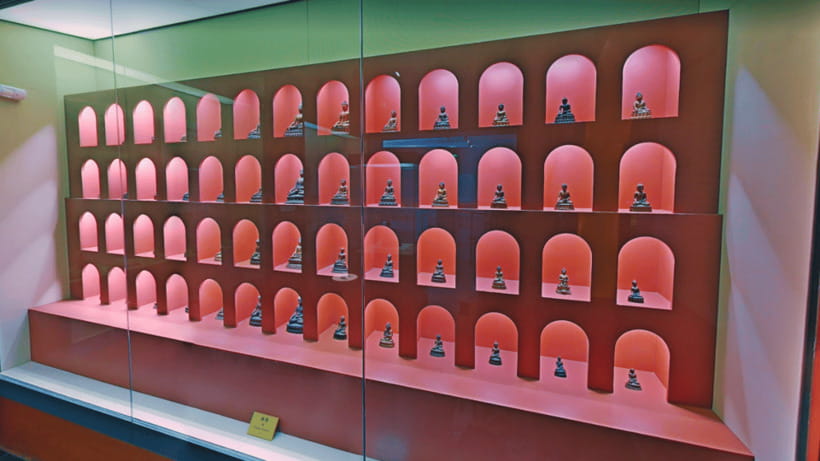
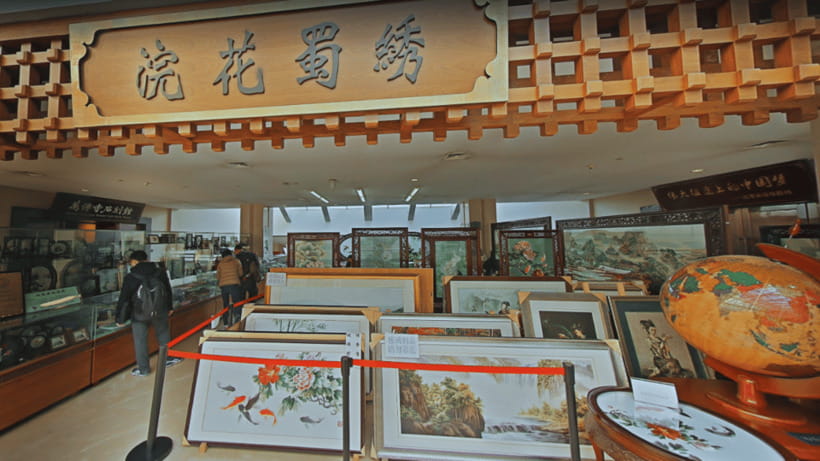
The museum has a souvenir shop and a tearoom, which add a practical finish to the visit. The shop gives you a chance to browse after seeing the art, while the tearoom offers a place to pause before leaving.
I would not treat these as the main reason to book. Their value is that they make the day feel less like a bare sequence of galleries. After several hours of looking at small details, a quiet break can help you remember what you saw.
Comfortable shoes are a sensible choice. The museum covers a lot of material, and even a relaxed visit involves plenty of walking and standing. Bring your passport, since it is required for verification, and a camera if you want to record permitted displays.
Pets are not allowed. The supplied information does not provide details about transport, parking, accessibility, group size, or guided-tour languages, so check those points directly if they affect your plans.
Who will enjoy this museum most
I would recommend the Sichuan Museum to you if you like archaeology, traditional art, Chinese history, or museums where several periods and media appear under one roof.
It is a particularly good choice for:
- People planning to visit Sanxingdui and wanting useful context first
- Families who need a flexible indoor activity
- Art students and painters interested in calligraphy and Zhang Daqian
- Anyone curious about Tibetan religious art
- Visitors who prefer a self-paced cultural stop with optional guided help
You may want to skip it if you dislike large museums or have only an hour available. The museum’s range is its strength, but that same range can feel broad if you want one tightly focused story.
Should you reserve the Sichuan Museum?
Yes, if you can spare at least half a day and want to understand more of Sichuan than its food and pandas. The combination of Sanxingdui-related bronze, Han stone carvings, ceramics, calligraphy, Tibetan Thangka paintings, and Zhang Daqian works gives you a strong cultural overview at a modest price.
Reserve in advance, choose the time window that fits your day, and send your passport details promptly. If you want the best value, choose the morning slot and ask about the free guided tours. If you prefer a shorter visit, the afternoon window still works, but select your priority galleries before you arrive.
FAQ
How much does the Sichuan Museum experience cost?
The listed price is $5 per person. Admission to the permanent exhibitions is free, so check the final booking details to confirm what the charge covers.
How long is the experience valid?
The reservation is valid for one day. You must enter during the time window selected for your visit.
What entry times are available?
You can reserve a morning slot from 09:00 to 12:00 or an afternoon slot from 12:01 to 16:00.
Do I need to reserve in advance?
Yes. Visitors must reserve an entry time slot, and advance booking is recommended for weekends and holidays.
Is the GetYourGuide QR code valid for entry?
No. The provided QR code is not valid for museum entry. Follow the booking communication and wait for the required instructions.
What passport information must I provide?
You must send your full name exactly as it appears on your passport and your passport number for verification.
Are guided tours included?
Yes. Museum-provided guided tours are included at no extra charge, although the available tour times and languages are not specified.
Are special exhibitions included?
Not necessarily. Certain special exhibitions may require a separate ticket, even though the permanent exhibitions are free.
Just added around Chengdu
- Visiting Chengdu Panda Base in a Half Day★ 5.0 · 4 reviews
- Classsic sichuan Opera at sichuan Provincial Theater★ 5.0 · 4 reviews
- Tea Village in lost Town and Buddha 1 day tour★ 5.0 · 32 reviews
- Sichuan Opera with face-changing at Sichuan opera theater★ 4.5 · 6 reviews
- Sichuan Opera Show with Hotel Pickup★ 5.0 · 3 reviews
- Mini Group: Half-Day Chengdu Pandas Guided Tour★ 5.0 · 3 reviews
- Panda, Leshan, and Emei Mountain 2-day tour★ 5.0 · 4 reviews
- Shu Feng Ya Yun Sichuan Opera Ticket★ 5.0 · 13 reviews
Museums, compared.

Tianmen Square, Forbidden City & Royal Museum Tours
Read our review →
Half-Day Mini Group Xian Tour to Terracotta Warriors Museum
Read our review →
Beijing:Jingshan Park (Palace Museum Garden) Ticket
Read our review →
Private Chengdu Day Tour: Giant Pandas and Jinsha Site Museum
Read our review →
Private Xi’an Tour: Terracotta Warriors, Hanyangling Museum, Cave Homes
Read our review →
Beijing Half Day: National Museum of China In-depth Tour with Subway Transfer
Read our review →
Terracotta Warriors Museum Ticket with Professional English-speaking tour guide
Read our review →Browse the lists this tour appears in