Reviewed · TICKETS
Beijing: Zhongshan Park Entrance Ticket
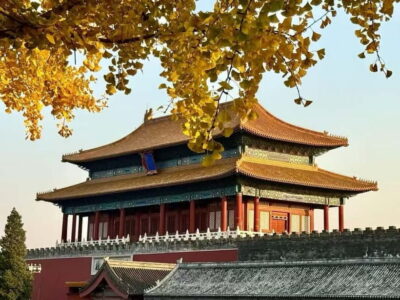
Zhongshan Park gives you a quieter look at imperial Beijing, right beside Tian’anmen Square. Its central attraction is the Five-color Soil Altar, where Ming and Qing emperors honored the gods of land and agriculture. This is not simply a city park. It was part of the ritual machinery of the empire.
I like the freedom of a self-guided visit, since you can move at your own pace and spend more time at the buildings or gardens that interest you. I also like the easy location and the chance to see Yu Garden’s precious goldfish and the century-old Laijin Yuxuan teahouse without committing to a full guided tour.
The main drawback is the ticket process. You must book at least one day ahead, then send every visitor’s full name, passport number, and contact details so the electronic QR codes can be issued. One recent booking had a voucher problem that led to a 30-minute discussion at the entrance, so check your QR code well before you arrive.
Key points to know before you book

- The Five-color Soil Altar is the park’s central sight: This ceremonial platform explains why the park mattered to China’s emperors.
- The setting is beside Tian’anmen Square: You can pair the visit with other central Beijing sights, but the park itself is calmer and more reflective.
- Your ticket is entrance only: There is no guide, hotel pickup, transportation, or meal included.
- You must send passport details: Full name, passport number, and an email address or WhatsApp contact are needed for the QR ticket.
- The ticket is valid for one day: Plan your visit around the date and availability shown when booking.
- Allow extra care at the gate: A recent ticket problem caused a 30-minute delay, despite the ticket being sold as a way to skip the line.
Why Zhongshan Park is more than a pleasant green space
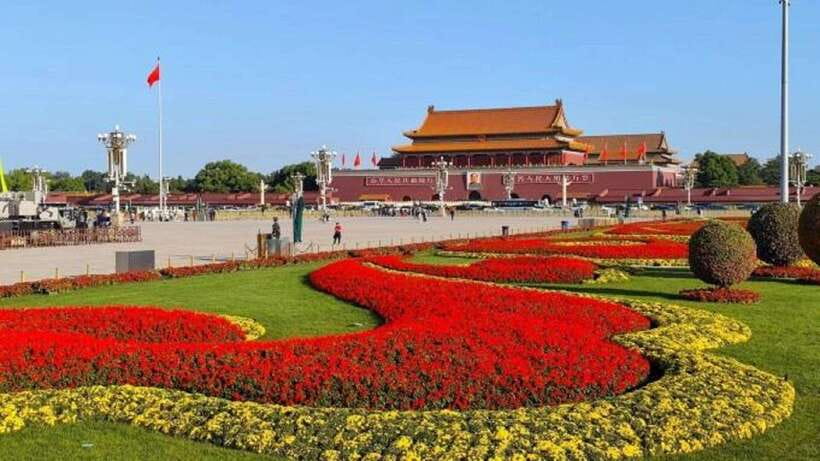
Zhongshan Park covers about 23.8 hectares in the heart of Beijing. Its location is useful, but its purpose is what makes it worth your time. The park began as the Shejitan, or Altar of Land and Grain, built in 1421 under the Ming dynasty.
The layout followed the old imperial rule of a left ancestral temple and a right altar when facing the palace. Zhongshan Park occupies the altar side, west of Tian’anmen Square. Emperors of the Ming and Qing dynasties came here to offer sacrifices to the gods of earth and agriculture.
That ceremony had a practical meaning. Imperial power depended on harvests, and the altar represented the emperor’s duty to protect the country’s land and food supply. You are looking at a place tied to government, farming, and religious ritual, not just ornamental scenery.
In 1913, the site became a public park called Central Park. It took the name Zhongshan Park in 1928 to honor Sun Yat-sen, an important figure in modern Chinese history. The change from restricted imperial altar to public park gives the grounds several layers of meaning.
I recommend pausing to notice that contrast. The same site served emperors in formal ceremonies and later became a place for ordinary city residents to enjoy gardens, buildings, and quiet paths. You can see both eras in a single visit.
A few more Beijing trips to weigh up
- Beijing: Forbidden City Tour(Group/Private)-Tickets Included
★ 4.8 · 7,974 reviews - Beijing: Mutianyu Great Wall Daily Tour with Ticket & Lunch
★ 5.0 · 3,056 reviews - 4-Hour Small Group Tour to Forbidden City with Entry Tickets
★ 5.0 · 1,863 reviews
Entering beside Tian’anmen Square
The meeting point is the Zhongshan Park entrance gate. The park is directly west of Tian’anmen Square, so it fits naturally into a day spent around Beijing’s central ceremonial district.
The ticket is designed for independent entry. You do not meet a guide, join a group, or wait for hotel transportation. That keeps the plan simple, but it also means you need to organize your route to the gate yourself.
Your electronic ticket arrives as a QR code after you provide the required information. Since ticket images cannot be received through ordinary booking messages, you need to give a valid address, such as an email address, or provide an appropriate WhatsApp contact. Keep the QR code easy to open on your phone.
Bring your passport. The ticket process requires each visitor’s full name and passport number, so your identification details should match what you submit. I would send the information soon after booking rather than waiting until the last moment.
The advance requirement is important. You must book at least one day before visiting. This is not a ticket to buy casually while walking past the gate. If Zhongshan Park is part of a tightly timed Beijing day, arrange the ticket first and leave room for possible entry questions.
The experience is advertised as allowing you to skip the ticket line. In practical terms, that means your QR code should help you proceed through admission without buying a standard ticket on site. Still, an electronic ticket is only useful if the gate staff can read and accept it. A recent visitor spent about 30 minutes discussing a voucher issue with access control, so check that you have the latest QR code before setting out.
The Five-color Soil Altar and imperial ceremony
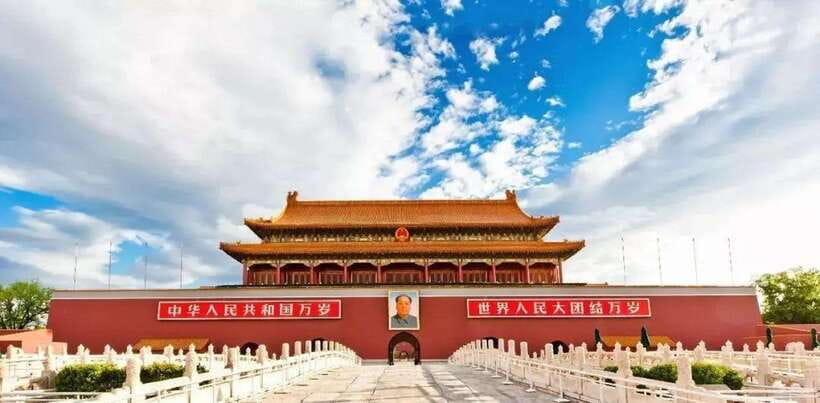
Once inside, make the Five-color Soil Altar your first major stop. It is the part of the park that best explains the site’s original purpose.
The altar represents the different soils of the empire. Its name points to the five colors of earth associated with the traditional imperial ritual system. Here, the emperor performed sacrifices connected to land and agriculture. The ceremony was symbolic, but it also expressed a basic political promise: the ruler was responsible for the country’s harvests.
You will not get a guided explanation with this ticket, so read the signs available in the park and take your time with the layout. Without a guide, it helps to arrive with the historical outline already in mind. The place makes more sense when you understand that its design was meant for state ritual rather than everyday worship.
The altar is also a good reminder that central Beijing was planned around imperial authority. Tian’anmen Square, the former palace district, ancestral sites, and ceremonial grounds were not placed at random. Zhongshan Park gives you a closer look at one part of that grand arrangement.
I like this stop because it is visually more restrained than some of Beijing’s palaces and temples. There is no need for a long performance or staged presentation. The meaning comes from the open ceremonial space, the surviving buildings, and the connection to the old court system.
Sacrificial Kitchen, Storehouse, and Animal Sacrifice Pavilion
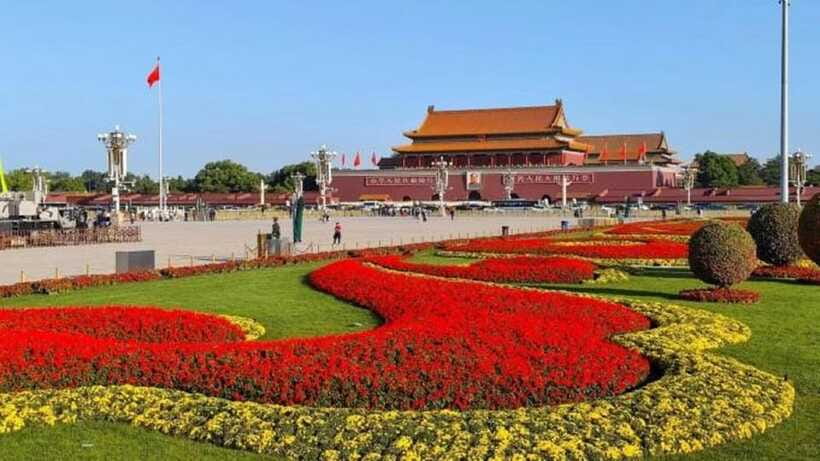
The park preserves several buildings connected with the ceremonies. These include the Sacrificial Kitchen, Sacrificial Storehouse, and Animal Sacrifice Pavilion.
Their names are plain, but that is part of their value. They show the working side of imperial ritual. Large ceremonies required food preparation, storage, animals, staff, and careful organization. The altar was the public focus, but these supporting buildings made the ceremony possible.
I would not rush past them in search of only the most famous sight. They help you understand how ritual operated as a full system. The kitchen and storehouse suggest preparation and supply, while the Animal Sacrifice Pavilion points to the offerings made during ceremonies.
Because this is an entrance ticket rather than a guided tour, you will need to connect those pieces yourself. That can be a pleasant part of the visit if you enjoy history and architecture. If you prefer a detailed explanation at every stop, the lack of a guide may feel limiting.
The buildings also give the park a useful balance. You have the formal altar, then the practical structures behind the formal event. Together they create a clearer picture of the site than the main ceremonial platform could provide by itself.
Same country, a completely different kind of day:
- From Beijing: Mutianyu Great Wall Tours with Options
★ 4.9 · 9,216 reviews - Beijing: T-Square & Forbidden City Group or Private Tour
★ 4.8 · 4,446 reviews - All-Inclusive Tour: Tiananmen Square, Forbidden City, Great Wall
★ 5.0 · 2,873 reviews - MuBus: Mutianyu Great Wall ENG/ESP/RUS Guided Bus Tour
★ 5.0 · 2,361 reviews
Yu Garden and the park’s quieter side
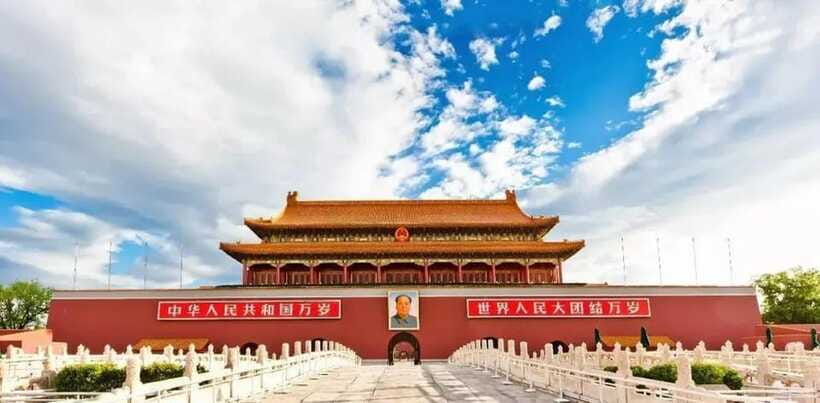
Yu Garden offers a change of mood from the imperial altar grounds. It is one of the park’s scenic areas and is known for precious goldfish.
This is a good place to slow down. After looking at ceremonial structures and learning about imperial obligations, the garden gives you a more relaxed part of the visit. The goldfish add a small, appealing detail that works well for families and anyone who wants a gentler break from monuments.
Do not expect the ticket to include a special activity or a guided garden walk. You are simply entering the park and exploring its features independently. That is exactly what makes the ticket useful for a flexible schedule, but it also means the quality of your visit depends on how much time you choose to give each area.
The garden helps show how Zhongshan Park changed after it became public. The old altar remained important, but the grounds also developed into a place for recreation and everyday city life. You can move from state ceremony to garden enjoyment without leaving the same 23.8-hectare park.
Laijin Yuxuan, a century-old teahouse
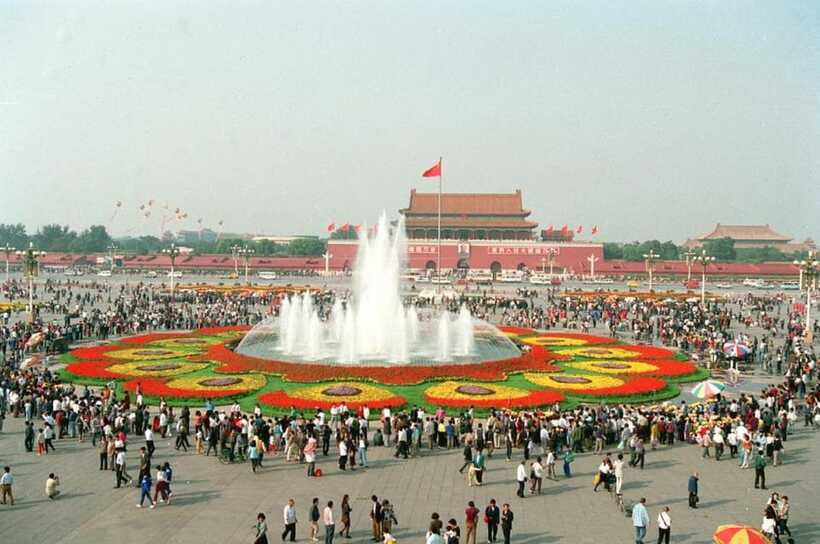
In the eastern part of the park, Laijin Yuxuan provides another reason to linger. It is described as a century-old teahouse, giving the park a more social and lived-in character.
A teahouse is a fitting feature here. Zhongshan Park is not only a record of imperial ceremony. It has also served as a public park since 1913, and places such as Laijin Yuxuan connect the grounds with the slower rhythms of city life.
The admission ticket does not include meals, so plan to pay separately if you choose to eat or drink there. The ticket gives you access to the park, not a tea service or meal package.
I would treat the teahouse as an optional pause rather than the reason to book. Its presence adds character, especially if you like historic public spaces, but the main value of the visit remains the combination of altar, ritual buildings, gardens, and central location.
What the $12 price really buys you
At $12 per person, this is a modest admission purchase rather than a full Beijing sightseeing package. You are paying for access to Zhongshan Park for one day, with the added convenience of an electronic QR ticket.
The price is easier to justify if you already plan to visit Tian’anmen Square. The park’s location allows you to add a historical site without booking transportation, a guide, or a separate half-day excursion. You control the pace and can leave when you are ready.
The value is lower if you expect a guided history lesson or a carefully arranged city tour. Nothing in the ticket includes interpretation, hotel pickup, drop-off, meals, or a personal guide. You receive entry, not a complete sightseeing service.
For independent planners, that simplicity is a strength. You can spend extra time at the Five-color Soil Altar, move quickly through the supporting buildings, or stop at Yu Garden and Laijin Yuxuan. For first-time visitors who want every detail explained, you may need to prepare by reading about the Shejitan and the imperial ritual system before arriving.
The ticket also includes a practical benefit: skip-the-line entry is offered. That can save time at a busy central Beijing attraction. Still, the voucher issue reported at the gate means I would not treat the QR process as foolproof. The safest approach is to confirm that your ticket has been sent, open it before leaving your hotel, and keep your passport available.
Who will enjoy this self-guided visit

I recommend Zhongshan Park to you if you like historic sites that reward a slower look. The park suits people interested in imperial ritual, traditional architecture, public gardens, and the way Beijing’s central spaces have changed over time.
It also works well if you want a flexible stop near Tian’anmen Square. You can visit without committing to a fixed guided itinerary, and the one-day validity gives you room to organize the date around your plans.
Families may appreciate the garden setting and goldfish at Yu Garden. The mix of open grounds, old buildings, and scenic areas gives younger visitors more variety than a site made up only of formal halls.
The park is also wheelchair accessible, which makes the independent format more practical for visitors who want to move at their own pace. Since no specific route or access details are provided, you should still confirm any personal mobility needs when planning your visit.
I would hesitate to recommend it if your main goal is an expert explanation of every building. There is no tour guide included, and you will need to make sense of the site independently. I would also be cautious if you cannot send passport details and a working email address or WhatsApp contact in advance.
How to avoid ticket trouble
The most important preparation is administrative, not historical. Book at least one day before your intended visit and send the required details for every person in your party.
Use this checklist:
- Full name for each visitor
- Passport number for each visitor
- Email address or WhatsApp contact for receiving the QR ticket
- Passport to bring to the entrance
- Electronic QR code ready to display
After booking, contact the provider to request the new electronic ticket QR code. Do not assume that completing the payment or reservation alone means you already have the usable entrance code.
The information provided for this experience says you can reserve now and pay later, keeping your plans flexible. It also allows free cancellation up to 24 hours in advance for a full refund. Check the current availability and cancellation terms when you book, since your chosen date still needs to be available.
A recent booking was described as well organized, while another ran into a voucher dispute at the gate. Those two facts point to a sensible conclusion: the process usually may be straightforward, but you should verify the actual QR code rather than relying on a confirmation screen.
Should you book Zhongshan Park?
Book this ticket if you want an independent visit to an important imperial site beside Tian’anmen Square, and you are happy to supply passport details in advance. The Five-color Soil Altar, the sacrificial buildings, Yu Garden, and Laijin Yuxuan make the park more varied than a simple garden walk.
At $12, the ticket offers fair value for a one-day admission, particularly when you are already exploring central Beijing. The strongest reason to choose it is flexibility. You can set your own pace, skip a guided group, and focus on the parts that interest you.
Do not book it expecting transportation, food, or a personal explanation. And because of the reported 30-minute voucher problem, treat the QR code as an important travel document. Confirm it early, bring your passport, and leave a little breathing room at the gate.
FAQ
How far in advance must I book the Zhongshan Park ticket?
You must book the ticket at least one day before your planned visit.
What information is required after booking?
You need to provide each visitor’s full name, passport number, and contact details. An email address or WhatsApp contact is needed to receive the electronic QR ticket.
What does the ticket include?
The ticket includes admission to Zhongshan Park for one day.
Is a tour guide included?
No. This is an entrance ticket only and does not include a guided tour.
Is hotel pickup and drop-off included?
No. You must make your own way to the Zhongshan Park entrance gate.
Do I need to bring my passport?
Yes. Your passport is listed as an item to bring, and passport details are required for ticket issuance.
Can I cancel the ticket for a refund?
Yes. You can cancel up to 24 hours in advance for a full refund.
Just added around Beijing
- Private Transfer to Mutianyu Great Wall with professional driver★ 5.0 · 19 reviews
- One day tour to downtown Tianjin from Beijing by high speed train★ 5.0 · 3 reviews
- camp on the Great Wall overnight with sunrise and sunset on the wall★ 5.0 · 11 reviews
- BusDa:Ancient Great Wall &Badaling Great Wall Full-day Bus Tour★ 4.5 · 6 reviews
- ZANBUS: Trip to the Jinshanling Great Wall Departing at 7:30 AM★ 5.0 · 5 reviews
- Yuxiandu Chinese Royal Cuisine Museum with Show and Royal Banquet★ 5.0 · 4 reviews
- Private Wild Great Wall Hiking tour at Simatai (Challenging)★ 5.0 · 16 reviews
- Wild Great Wall Huanghuacheng Half Day Tour★ 5.0 · 15 reviews
Tickets, compared.

Forbidden City Tour(Group/Private)-Tickets Included
Read our review →
Mutianyu Great Wall Daily Tour with Ticket & Lunch
Read our review →
4-Hour Small Group Tour to Forbidden City with Entry Tickets
Read our review →
Ngong Ping 360: Cable Car Return Tickets & Combos
Read our review →
The Temple of Heaven or Summer Palace Entry Ticket
Read our review →
Beijing Forbidden City Ticket Booking (Optional: guide service)
Read our review →