Reviewed · BEIJING TOURS
Beijing Royal Dinning Experience with cultural performance
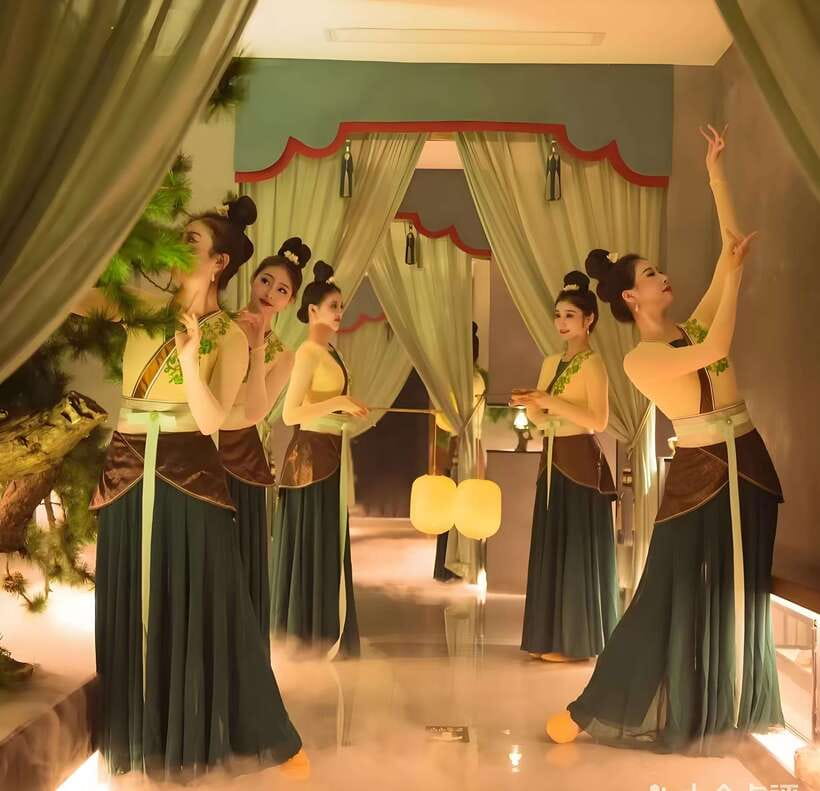
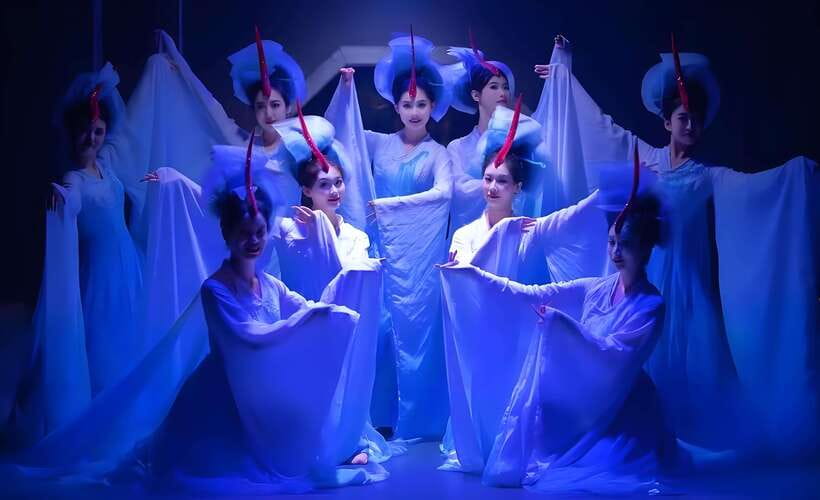
The most unusual part of this Beijing evening is the way dinner and theater share the same script. In a Qing Dynasty courtyard linked to Tan Zongjun, an imperial examination official, each dish arrives with a piece of the story behind Tan’s cuisine. The meal is part of the performance, not a plate of food served after the curtain falls.
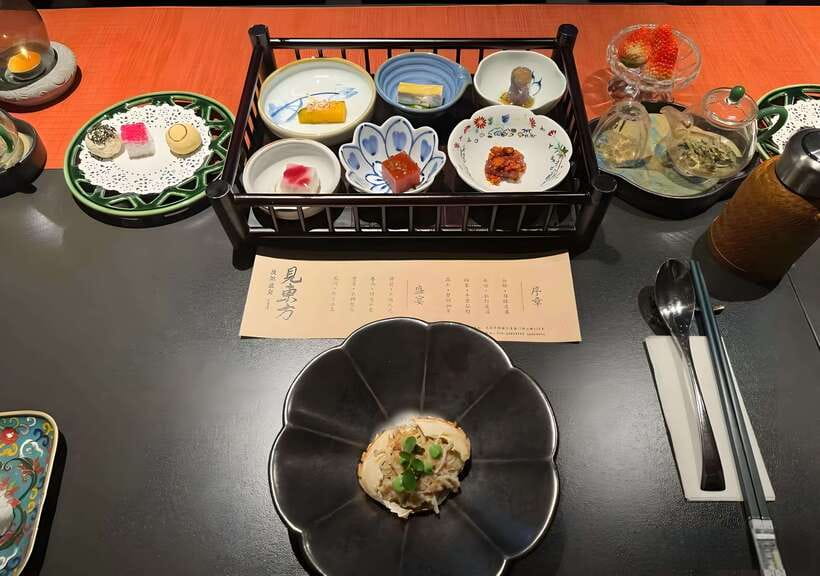
I like the setting and the pacing. You dine in a refined courtyard only 2 kilometers from the Forbidden City, and the show moves in chronological order as the courses appear. I also like the small visual touches: carefully arranged dishes, tea, dessert, and meaningful wine, plus rooftop views toward the White Pagoda Temple and the Temple of Emperors of All Dynasties.
The main caution is language. The performance is in Mandarin, and you may not receive much explanation of what you are eating. The food is local and traditional, but sea cucumber, abalone, and other dishes may not suit every Western palate. Arrive 30 minutes early, and use the supplied address in Didi if your map app points to the wrong place.
Key points to know before booking
- Tan Zongjun’s former residence: The courtyard was once home to a Qing Dynasty official who placed second in the imperial examination.
- Two hours of food and theater: The performance follows a timeline, with each course tied to a story or stage moment.
- Main dishes include sea cucumber and abalone: The menu also includes appetizers, tea, dessert, and wine.
- Central Beijing location: You are about 2 kilometers from the Forbidden City, with rooftop views of two notable temples.
- Mandarin-only performance: You can still follow the visual action, but the spoken story may be difficult without Chinese.
- Lunch or dinner timing: Lunch begins at 12:00 PM, dinner at 6:30 PM, and early arrival matters.
A Qing Dynasty courtyard near the Forbidden City
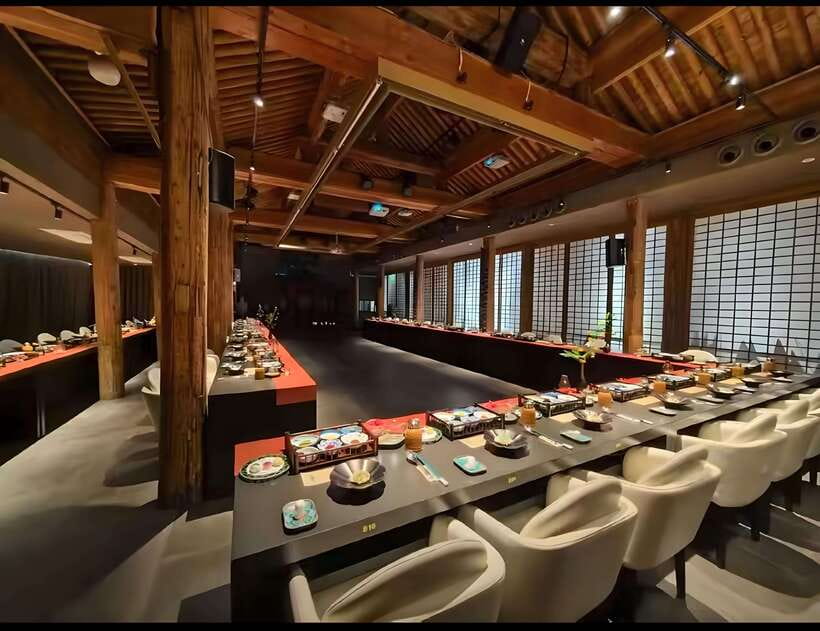
This experience begins with place, not a bus ride or a modern theater lobby. The dining room occupies a luxurious courtyard in central Beijing, close enough to the Forbidden City to combine easily with sightseeing in the same part of town.
The property was originally the residence of Tan Zongjun, who placed second in the imperial examination during the Qing Dynasty. That detail gives the meal a useful historical frame. You are not simply eating a modern banquet marketed as royal. You are dining in a space connected to the official class that helped shape imperial China.
The courtyard style is carefully retained. Its appeal will change with the season, so the setting is part of the experience even before the first course arrives. If you enjoy architecture, courtyards, and old Beijing details, give yourself time to look around rather than rushing straight to your table.
The central location is also practical. At roughly 2 kilometers from the Forbidden City, it can fit after a day around the palace grounds or before an evening walk through central Beijing. I would not treat the distance as a guarantee of a quick journey, though. Beijing traffic and confusing map pins can make a short distance take longer than expected.
Other Beijing days worth booking alongside this:
- From Beijing: Mutianyu Great Wall Tours with Options
★ 4.9 · 9,216 reviews - Beijing: Forbidden City Tour(Group/Private)-Tickets Included
★ 4.8 · 7,974 reviews - Beijing: T-Square & Forbidden City Group or Private Tour
★ 4.8 · 4,446 reviews
How the two-hour royal dinner unfolds
The meal and performance are arranged in chronological order. That structure matters because it gives the dinner a beginning, middle, and end instead of making the theater feel like decoration between courses.
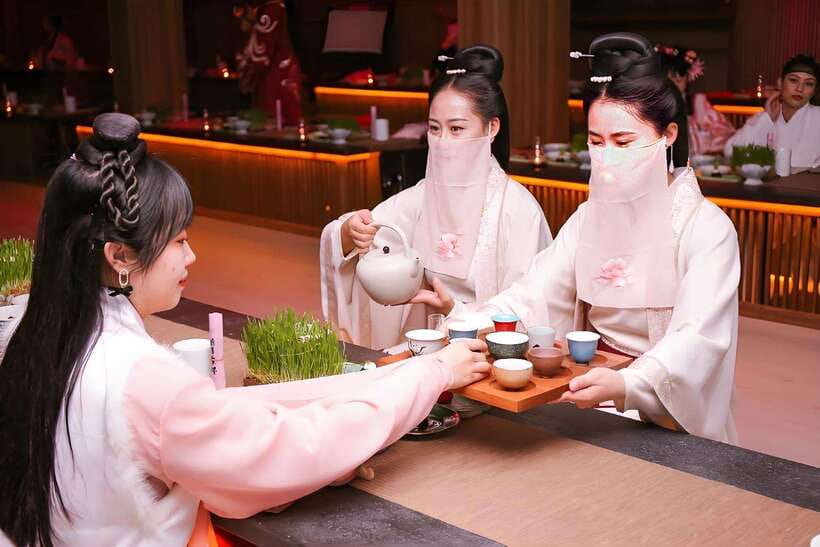
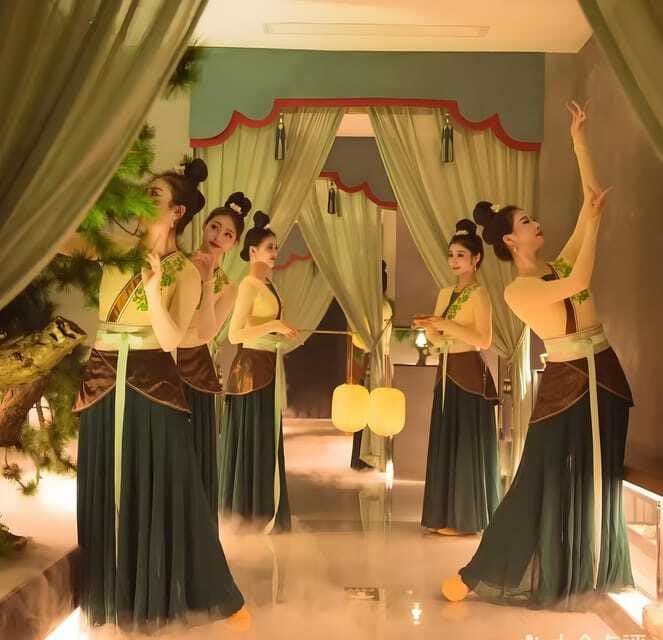
You can expect the actors to perform as the dishes are served. Each dish has its own story moment, so the arrival of food becomes part of the stage action. This is the experience’s strongest idea: your attention moves between the performers, the table, and the details on the plate.
The format also gives you a reason to notice the presentation. The dishes are arranged with care, and the menu has more range than one large main course. Appetizers lead into the principal food, while tea, dessert, and wine round out the meal.
The exact number of courses and the full menu are not specified, so you should not book this expecting a fixed Western-style sequence with every item explained in English. Instead, think of it as a staged Chinese banquet where the visual order and timing matter as much as the menu description.
The main meal includes sea cucumber and abalone. Both are associated with high-end Chinese banquet cooking, and their presence supports the royal theme. They can also be unfamiliar in texture and flavor. If you prefer mild, familiar food or need detailed information about ingredients, the limited explanation may be frustrating.
Tan’s cuisine and the meaning behind the plates
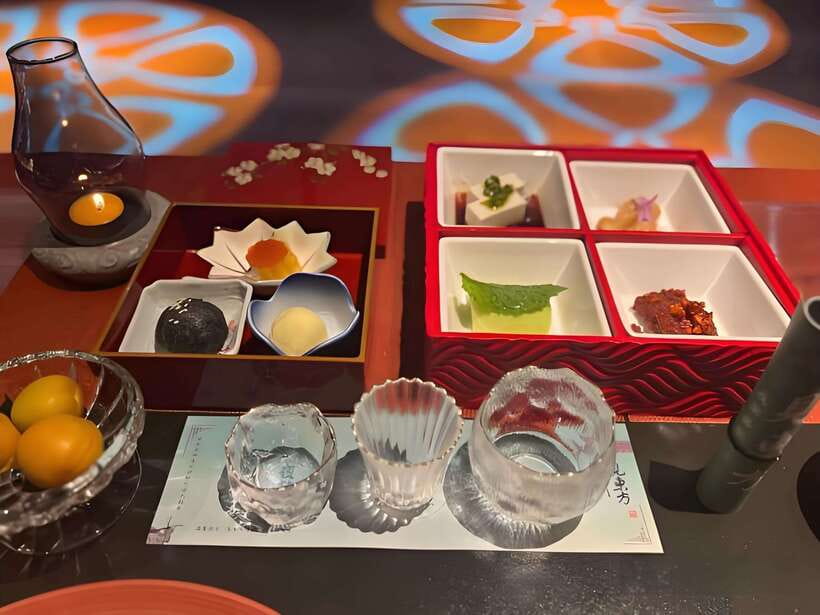
The venue is described as the birthplace of Tan’s cuisine, a style connected with Tan Zongjun’s family and official background. That gives the dinner more cultural purpose than a generic palace-themed show.
You may not understand every spoken line, but you can still watch the order of the performance and the relationship between the actors and the servers. One useful way to approach it is to treat the dishes as props with a culinary role. Notice when a plate arrives, how it is presented, and what action or story follows.
The food itself has received a mixed response. The variety, plating, and unusual local character are clear strengths. Some diners found the flavor less impressive, and one specific concern was that it was difficult to learn what each dish was. That is important if you see food knowledge as a major part of the evening.
I would also keep your expectations in check around the word royal. Here, it points to the venue, the official-cuisine connection, the presentation, and the ingredients. It does not necessarily mean every dish will match your idea of luxury dining. At $99 per person, you are paying for the combination of meal, performance, setting, and location, not only for the food.
A classical performance that works without full translation
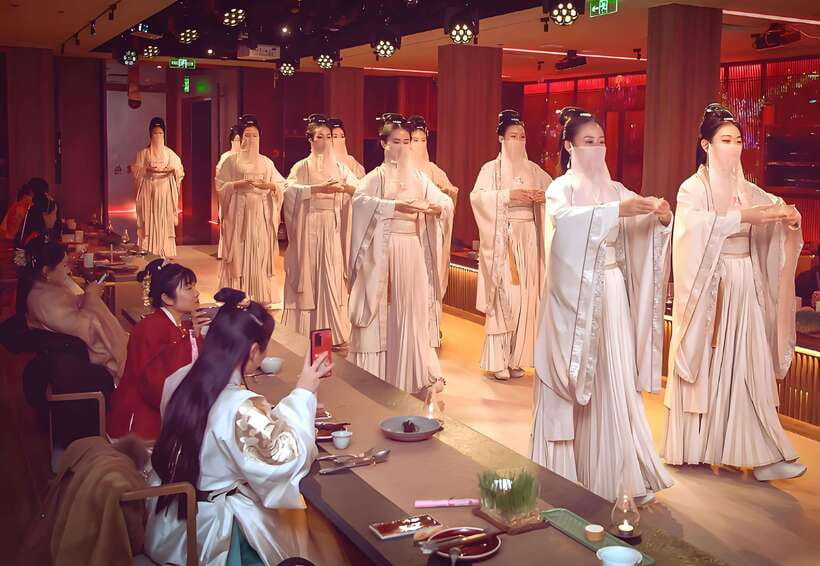
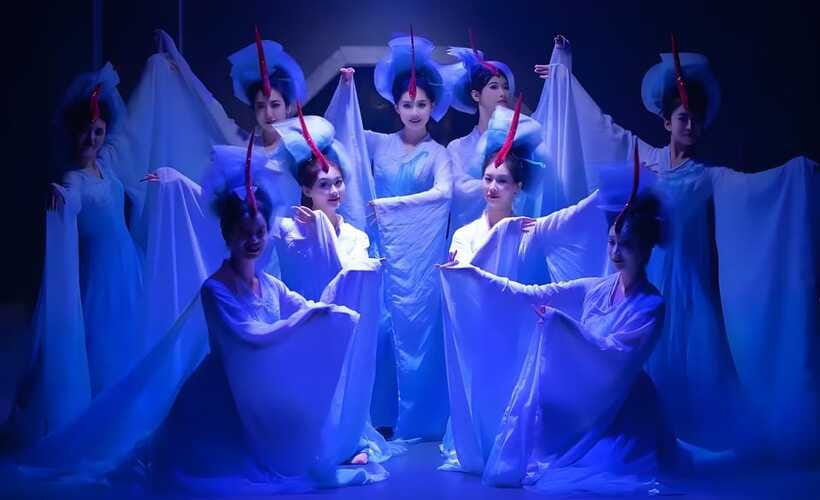
The classical drama is the other major reason to book. The actors are described as committed, and the performance is built into the meal rather than added as a short entertainment slot.
The lack of English remains the chief limitation. The show is in Chinese, and at least one diner found it hard to understand for that reason. Another found the language did not prevent enjoyment, since the staging and visual action still carried the evening.
Your reaction will depend on what you want from theater. If you need a clear spoken explanation of the plot, characters, and historical setting, this may feel incomplete. If you are comfortable watching movement, costumes, music, timing, and gestures, you can still get a strong sense of the performance.
I would suggest reading about the venue and Tan’s cuisine before you arrive, but only as preparation, not as a substitute for translation. Since there is no named guide or English-speaking host listed for this experience, you should not count on a personal interpreter walking you through each course.
The best approach is to let the show work visually. Watch the actors, notice how the courses appear, and accept that some of the meaning may remain out of reach. That is not ideal for every diner, but it can still be an interesting way to encounter Chinese performance culture.
Same country, a completely different kind of day:
- Beijing: Mutianyu Great Wall Daily Tour with Ticket & Lunch
★ 5.0 · 3,056 reviews - All-Inclusive Tour: Tiananmen Square, Forbidden City, Great Wall
★ 5.0 · 2,873 reviews - MuBus: Mutianyu Great Wall ENG/ESP/RUS Guided Bus Tour
★ 5.0 · 2,361 reviews - 4-Hour Small Group Tour to Forbidden City with Entry Tickets
★ 5.0 · 1,863 reviews
Rooftop views and seasonal courtyard details
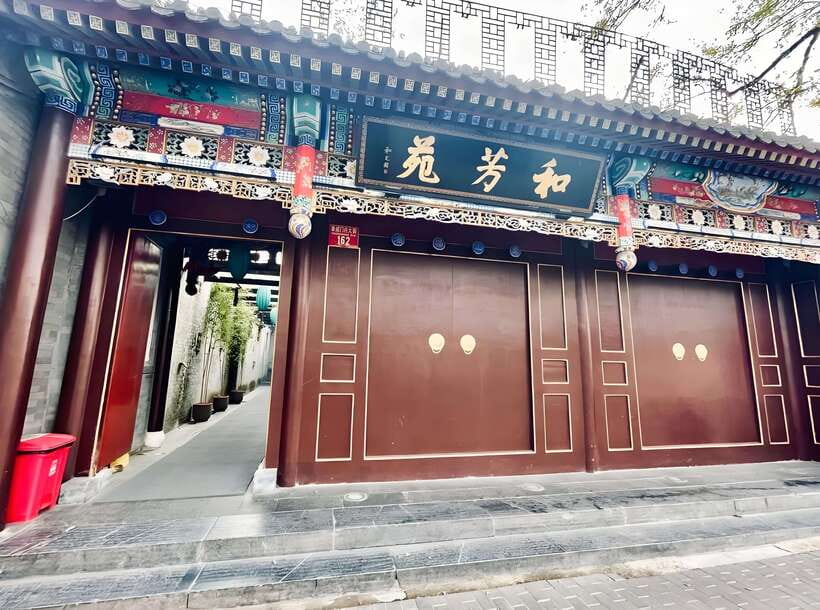
The venue has another attraction above the dining rooms. From the top floor, you can see the White Pagoda Temple and the Temple of Emperors of All Dynasties. The views add a useful sense of place, especially if you want photographs connected to Beijing’s older religious and imperial landmarks.
These are not described as panoramic city views, so I would not book the experience as a dedicated observation deck visit. Think of the rooftop as an extra chance to take photographs and orient yourself in central Beijing.
The courtyard changes with the seasons. That gives repeat visitors a reason to see it at another time of year, and it means your photographs may look quite different depending on when you go. You may find the outdoor setting more important at one time of year than another, but the indoor performance and meal remain the core of the experience.
Try to arrive early enough to see the property before the performance gets underway. The required arrival time is 30 minutes before the show, and that is especially sensible here because finding the entrance may take effort.
Getting there without losing the opening scene
The location is one of the experience’s strengths, but navigation needs attention. A map app may show another location, so check the exact address supplied with your booking.
Didi is the most useful practical tip available here. Enter the provided address directly rather than relying on a general map pin. If you are still unsure, ask local residents for help, as one diner did after finding the map information confusing.
The schedule is fixed:
- Lunch performance: 12:00 PM
- Dinner performance: 6:30 PM
- Recommended arrival: 30 minutes before the start
This is not a flexible drop-in meal. If you arrive at the last minute, you risk missing the opening performance and the first dish, which may also introduce the story. Build in extra time for Beijing traffic and for finding the correct courtyard.
The venue is wheelchair accessible, which makes the experience possible for many visitors with mobility needs. The available details do not specify every access feature inside the building, so you may want to confirm any particular requirement before booking.
Is $99 a fair price?
At $99 per person, this is not a budget meal. If you judge the cost by food alone, you may find it hard to justify, particularly if sea cucumber and abalone are not foods you seek out or if you prefer familiar flavors.
The value improves when you count the whole evening. You are paying for a two-hour cultural performance, a meal associated with official cuisine, a restored courtyard, central Beijing access, tea, dessert, wine, and the chance to see the rooftop views. A separate theater ticket and upscale dinner in this part of the city could easily become a similar expense, though the quality of the food and the amount of English support will matter to you.
I see this as a special-occasion experience rather than a replacement for ordinary Beijing dining. It suits you if you want one polished evening that combines food, history, architecture, and theater. It is less suitable if your main goal is a cheap way to eat traditional dishes or to receive detailed culinary explanations.
The 4.4 rating from 57 reviews suggests a generally positive experience, but the split in reactions is useful. The performance and atmosphere earn the strongest praise. Food quality and language support are the areas most likely to affect your satisfaction.
Who will enjoy this Beijing evening?
I would recommend it most strongly to people who enjoy cultural shows but do not need every line translated. Couples and families looking for a memorable dinner, photographers interested in courtyard architecture, and first-time Beijing visitors who want something beyond standard palace sightseeing should find plenty to appreciate.
It can also work well after visiting the Forbidden City, since the venue is only about 2 kilometers away. Check your energy, though. The palace complex is large, and you may prefer to schedule the dinner on a day when you are not already worn out.
Families should pay close attention to the height-based ticket rule. Children under 120 centimeters need a child ticket. Children over 120 centimeters need an adult ticket. That is unusual enough to check before you reserve.
I would hesitate to recommend it to you if you need English narration, have strict dietary requirements that must be explained in detail, or care more about refined flavor than the theater setting. The available information does not provide a complete menu or ingredient guide, so this is not the easiest choice for a highly controlled dining plan.
Booking, cancellation, and timing details
The experience lasts two hours, with availability shown for the scheduled starting times. You can cancel up to 24 hours in advance for a full refund, and the reserve-now, pay-later option lets you keep your plans flexible.
The cultural performance and royal dining experience are included in the listed price. No separate guide, transport service, or hotel pickup is specified, so plan to make your own way to the courtyard.
Because the show begins at a set time, the early arrival instruction is more than a formality. It gives you a buffer for navigation, check-in, and finding your seat before the first course and opening scene.
Should you book the Tan’s cuisine dinner?
Book it if you want a carefully staged cultural evening in a historic courtyard near the Forbidden City. The strongest reasons are the chronological food-and-drama format, the serious classical performance, the official-cuisine connection, and the central location.
Skip it if you need English explanations, familiar Western-style food, or a meal judged only by taste. At $99, the experience makes sense when you value the setting and performance as much as the dinner.
My practical advice is simple: use the exact Didi address, arrive by 6:00 PM for the 6:30 PM dinner or by 11:30 AM for the noon lunch, and treat the Mandarin performance as visual theater. Do that, and you give the evening its best chance to work.
FAQ
Where is the royal dining experience located?
It is in a luxurious courtyard in central Beijing, approximately 2 kilometers from the Forbidden City.
How long does the experience last?
The dining and cultural performance last about two hours.
What time does the lunch performance begin?
The lunch performance starts at 12:00 PM.
What time does the dinner performance begin?
The dinner performance starts at 6:30 PM.
How early should I arrive?
You should arrive 30 minutes before the performance begins.
Is the performance in English?
The performance is in Mandarin. The available information does not list English translation or an English-speaking guide.
What food is included?
The meal includes appetizers, tea, dessert, meaningful wine, sea cucumber, and abalone. The full menu is not specified.
Are child tickets available?
Yes. Children under 120 centimeters must buy a child ticket. Children over 120 centimeters must buy an adult ticket.
Can I cancel for a refund?
Yes. You can cancel up to 24 hours in advance for a full refund. You can also reserve now and pay later.
Just added around Beijing
- Private Transfer to Mutianyu Great Wall with professional driver★ 5.0 · 19 reviews
- camp on the Great Wall overnight with sunrise and sunset on the wall★ 5.0 · 11 reviews
- One day tour to downtown Tianjin from Beijing by high speed train★ 5.0 · 3 reviews
- BusDa:Ancient Great Wall &Badaling Great Wall Full-day Bus Tour★ 4.5 · 6 reviews
- ZANBUS: Trip to the Jinshanling Great Wall Departing at 7:30 AM★ 5.0 · 5 reviews
- Yuxiandu Chinese Royal Cuisine Museum with Show and Royal Banquet★ 5.0 · 4 reviews
- Private Wild Great Wall Hiking tour at Simatai (Challenging)★ 5.0 · 16 reviews
- Wild Great Wall Huanghuacheng Half Day Tour★ 5.0 · 15 reviews
Beijing Tours, compared.


Forbidden City Tour(Group/Private)-Tickets Included
Read our review →
Mutianyu Great Wall Daily Tour with Ticket & Lunch
Read our review →
All-Inclusive Tour: Tiananmen Square, Forbidden City, Great Wall
Read our review →
4-Hour Small Group Tour to Forbidden City with Entry Tickets
Read our review →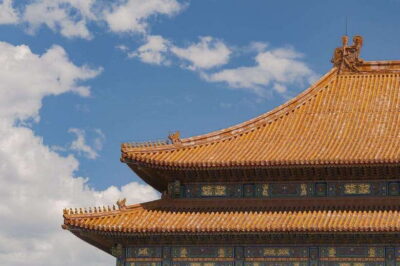

Tianmen Square, Forbidden City & Royal Museum Tours
Read our review →