Reviewed · TICKETS
Beijing: Natinonal Center For The Peformance Arts Ticket
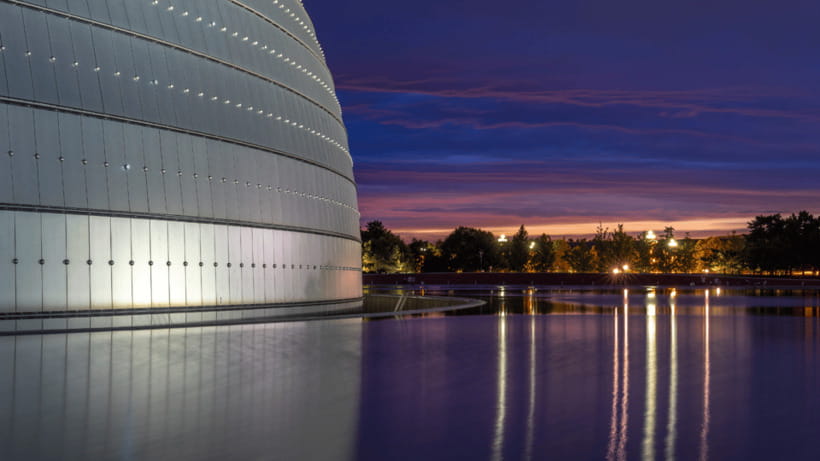
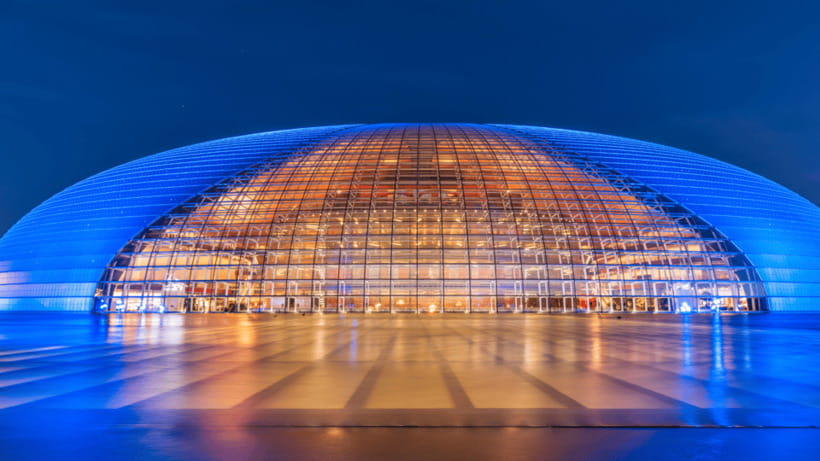
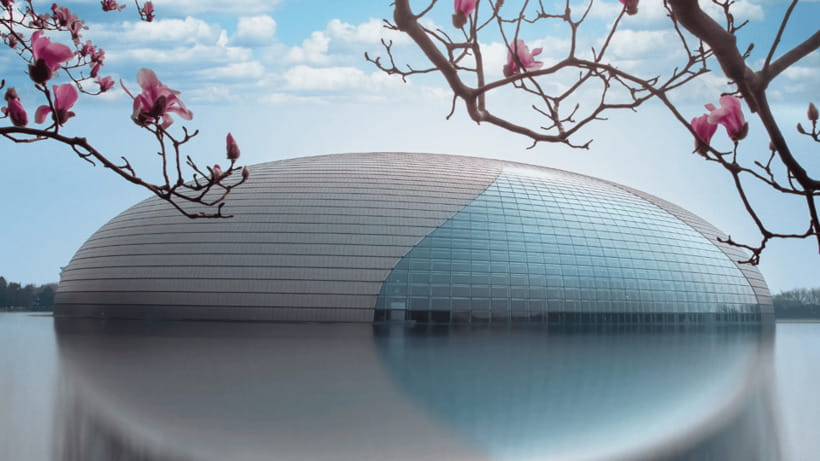
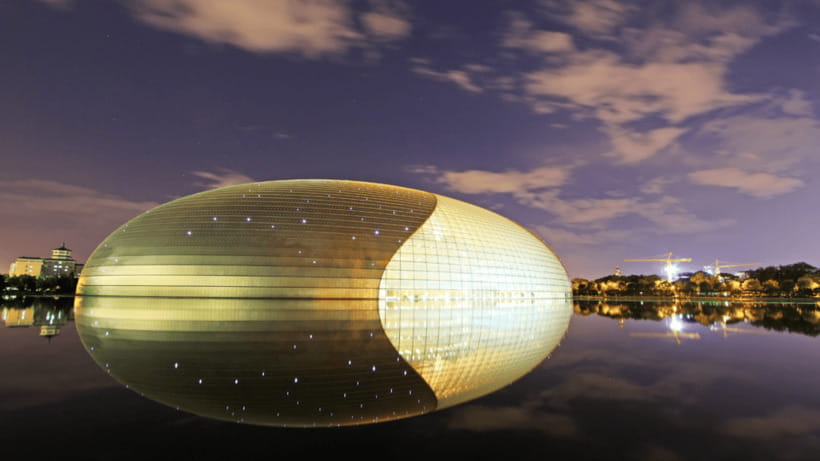
Beijing’s National Centre for the Performing Arts looks like a giant silver egg floating on water, and that is before you step inside. French architect Paul Andreu designed this striking building as a modern counterpoint to the historic monuments around central Beijing. The titanium-and-glass shell changes character with the sky, the hour, and the water below it.
I like two things here. First, the architecture gives you plenty to see even when no performance is scheduled. Second, the visit lets you enter spaces that most sightseeing stops only allow you to admire from outside, including the opera and theatre areas. The main point to consider is that this is an admission ticket, not a ticket to a concert or opera. If no show is running, some interior areas may feel quiet and dim.
- A silver egg on an artificial lake: The NCPA’s elliptical shell and 100,000-square-meter lake create Beijing’s most unusual architectural view.
- Three major performance spaces: See the opera house, concert hall, and theatre, each built for a different kind of performance.
- Self-guided flexibility: Explore independently with an English PDF guide rather than following a live group.
- Controlled entry: Bring your passport or ID card, and book ahead because access can be tightly managed for foreign visitors.
- Optional evening atmosphere: Light displays and cultural performances may add color, but performance admission is not part of this ticket.
- Wheelchair access: The attraction is listed as wheelchair accessible, making the visit easier for many mobility-conscious visitors.
The silver shell beside Tiananmen Square
The National Centre for the Performing Arts sits in the heart of Beijing, close to the city’s major historic sights. Its location makes it easy to pair with a day of central Beijing sightseeing, although you should plan the timing carefully if you also want to visit nearby attractions.
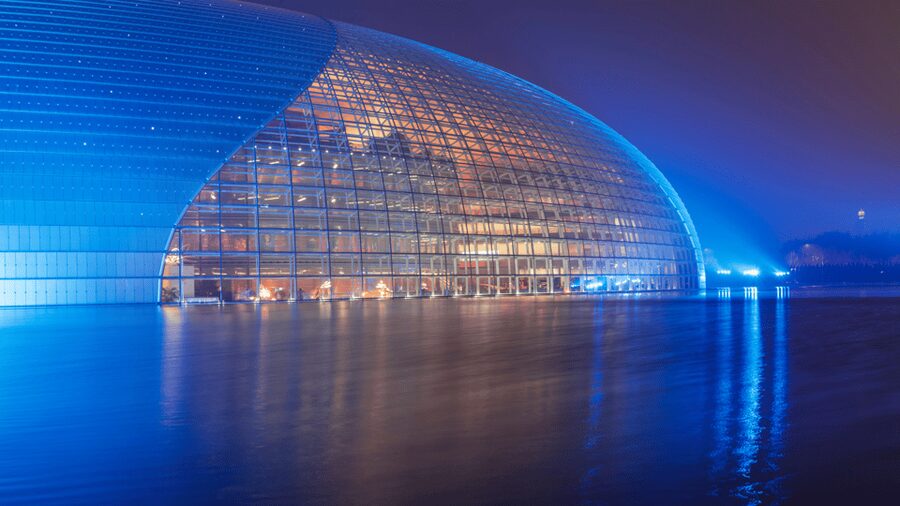
From outside, the building is wonderfully strange. The giant elliptical shell appears to float on the artificial lake, with only a narrow entrance passage connecting the structure to the surrounding ground. At different times of day, the titanium surface can look silver, gray, or faintly gold. The curved glass sections catch the sky and reflect the water, softening an otherwise highly engineered building.
I would allow time to walk around the exterior before entering. The lake covers about 100,000 square meters, so the building’s appearance changes as you move. A quick photograph from the approach shows the basic shape. A longer look from beside the water reveals how carefully the shell, glass, reflections, and open space work together.
This is the strongest part of the experience for anyone interested in architecture. You do not need to know much about modern design to appreciate the contrast between the low waterline and the enormous curved roof. You can also see why the building has become a sightseeing stop in its own right, not just a place to watch a performance.
Entering through the North Gate
Your meeting point is the North Gate of the National Centre for the Performing Arts. Bring your passport or ID card. Entry is controlled, and online reservations can be especially important for foreign visitors. One useful practical lesson from the feedback is that arriving without a reservation may make access difficult when checks are strict.
The ticket covers entry for a visit lasting up to four hours. That does not mean you must spend four full hours inside. You can make this a focused architectural stop or use the full time for exhibitions, interior views, and a slower look at the performance areas.
The experience is wheelchair accessible. The listing does not provide details about every route or facility, so anyone with specific mobility needs should confirm current arrangements before booking. Still, the accessibility designation is useful, particularly in a large building where walking distances can add up.
There is no live tour guide or audio guide included. Instead, you receive an English PDF guide book. That arrangement suits you if you like to move at your own pace, pause for photographs, and read only when something catches your attention. It is less suitable if you want a person to explain the design, answer questions, or lead you through the building in a set order.
A few more Beijing trips to weigh up
- Beijing: Forbidden City Tour(Group/Private)-Tickets Included
★ 4.8 · 7,974 reviews - Beijing: Mutianyu Great Wall Daily Tour with Ticket & Lunch
★ 5.0 · 3,056 reviews - 4-Hour Small Group Tour to Forbidden City with Entry Tickets
★ 5.0 · 1,863 reviews
A self-guided look inside Paul Andreu’s design
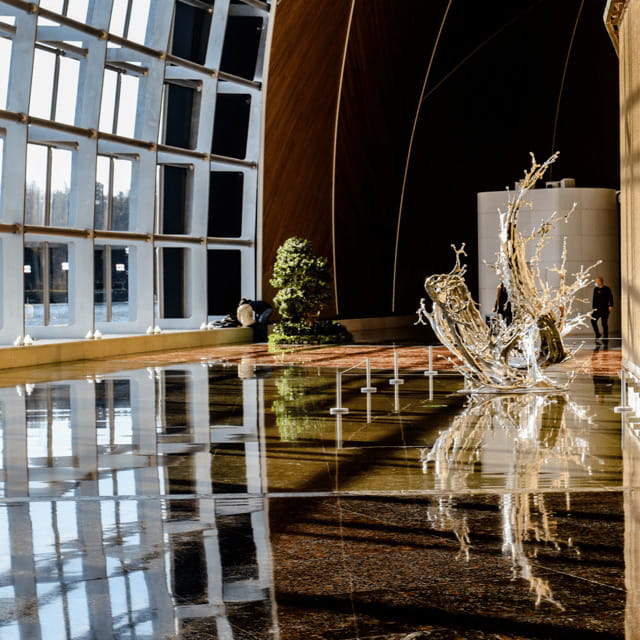
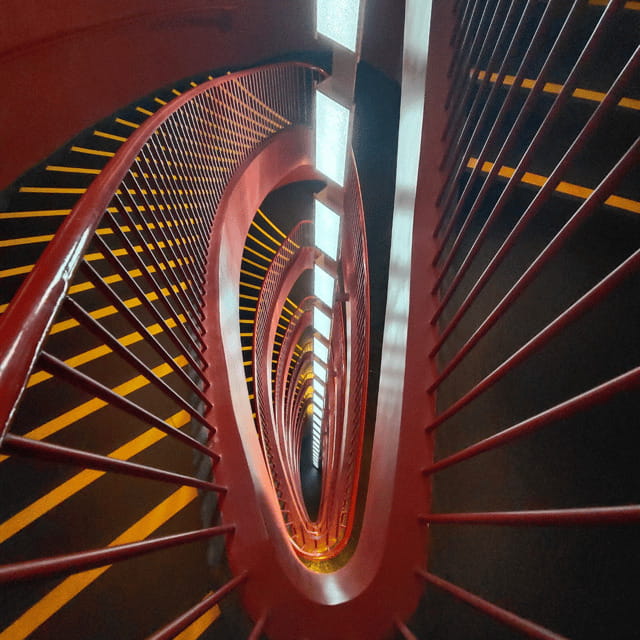
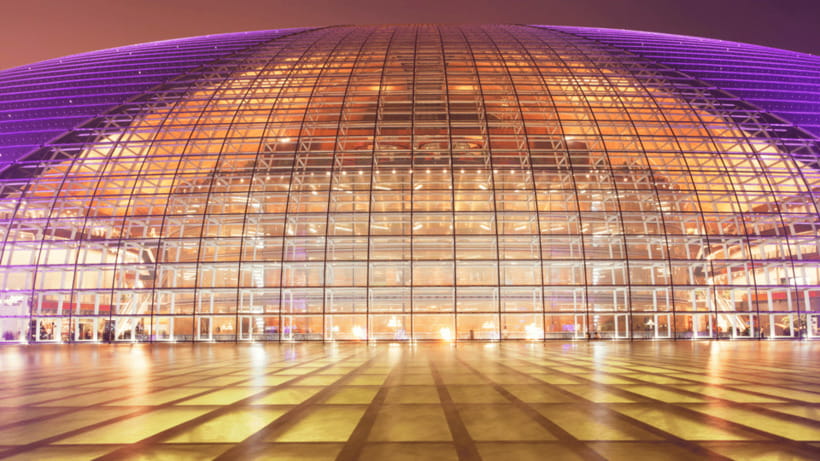
Inside, the building feels more open and less heavy than its exterior suggests. The curved glass helps bring in daylight, while the rounded forms continue the egg-shaped idea beyond the outer shell. The design is not simply a large decorated hall. The building’s shape controls the way you enter, move, look outward, and approach the performance rooms.
The English PDF guide helps give structure to the visit. I recommend reading a little before you arrive, then using the guide to focus on the building’s design concept and background rather than trying to study every paragraph on site. A self-guided visit works best when you give yourself permission to stop and look.
The indoor route also gives you a different view of the lake. From outside, the building seems detached from the city. From inside, the water and surrounding city become part of the composition. The curved glass acts like a moving picture frame, with reflections changing as the weather and light change.
You should not expect a museum-style collection filling every room. This is a working cultural center, and the main attraction is the building, its performance spaces, and the exhibitions available during your visit. The exact interior mood can depend on what is happening that day.
The Opera House, Concert Hall, and Theatre
The NCPA contains three principal performance spaces, each with its own purpose.
The Opera House seats more than 2,000 people and is the largest of the three. Its scale is impressive even when the room is not in use. If you have never attended a major opera venue in China, this is likely to be the most memorable interior stop. You can get a sense of the size required for large productions, orchestras, scenery, and formal audience seating.
The Concert Hall accommodates more than 1,200 people and is designed mainly for symphonic concerts and other musical performances. Its function gives it a different character from the opera house. The building is not one giant auditorium repeated three times. Each space is shaped around the sound, sightlines, and staging needs of its performances.
The Theatre seats around 1,000 people and is used for drama and dance. It provides a smaller setting than the opera house, while still belonging to a major national arts center. Seeing all three spaces helps you understand how the NCPA serves several art forms rather than focusing on opera alone.
Access to particular rooms can depend on the day’s schedule and operating arrangements. Do not assume every hall will be fully lit or open in exactly the same way during every visit. A November visit described the opera and theatre areas as gloomy because no performance was running and most lights were off. That is an important expectation to set: the architecture remains worth seeing, but it can look less dramatic without stage lighting and activity.
Exhibitions, costumes, and the human side of the visit
The building is not only a shell and a set of auditoriums. Cultural exhibitions may be part of the visit, and one visitor particularly enjoyed the displays and the chance to enter the opera area. These exhibits can make the stop feel more connected to Chinese performing arts instead of being only a modern architecture tour.
You may also find opportunities for photographs in traditional Chinese clothing. A visitor from Mexico described putting on a Chinese costume and taking a photograph inside. Treat this as an available feature rather than a guaranteed part of every visit, since the information does not give a fixed schedule or separate cost for it.
This kind of small cultural activity can be valuable if you are sightseeing with children or want a personal souvenir beyond another exterior photograph. It also gives the building a lighter, more playful side. The main architecture is grand and formal. A costume photograph can make the visit feel more personal.
The quality and amount of exhibition material may vary, so I would not book this ticket solely for a guaranteed display. Book it for the building and performance spaces first, then regard the exhibitions and costume photograph as welcome additions.
Same country, a completely different kind of day:
- From Beijing: Mutianyu Great Wall Tours with Options
★ 4.9 · 9,216 reviews - Beijing: T-Square & Forbidden City Group or Private Tour
★ 4.8 · 4,446 reviews - All-Inclusive Tour: Tiananmen Square, Forbidden City, Great Wall
★ 5.0 · 2,873 reviews - MuBus: Mutianyu Great Wall ENG/ESP/RUS Guided Bus Tour
★ 5.0 · 2,361 reviews
Light, water, and the evening view
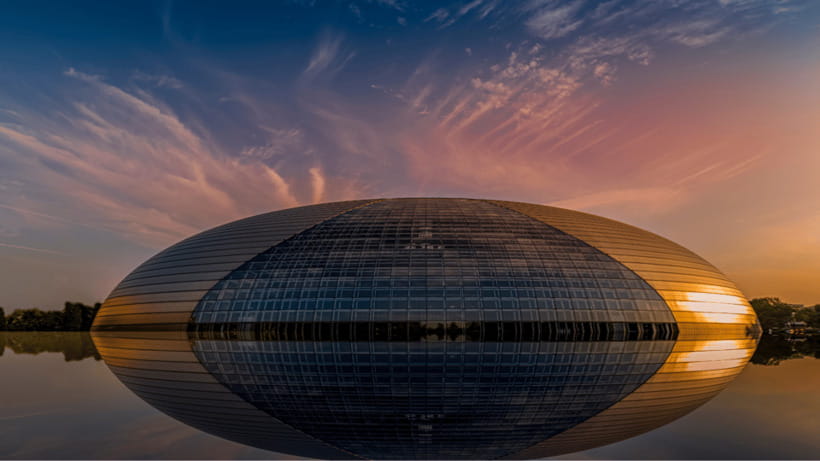
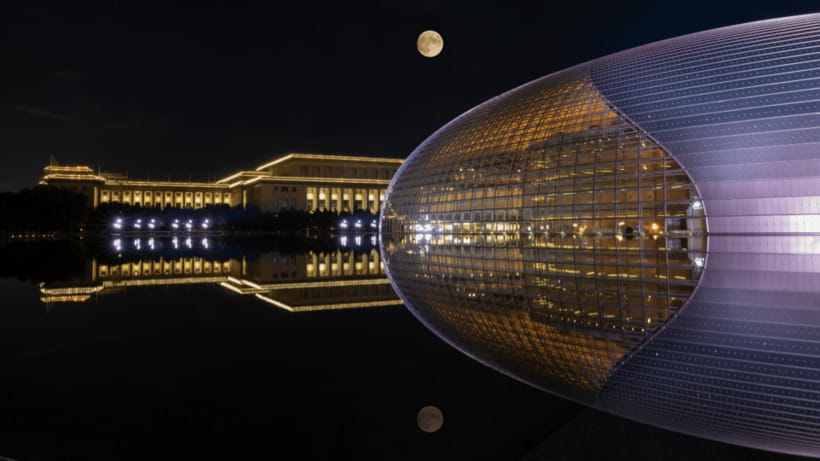
The NCPA is especially attractive when the exterior lighting begins to show against the water. The shell’s reflection gives the building a second outline, and the artificial lake helps separate it from the busy city around it. If your schedule allows, an afternoon visit that continues toward evening may give you more than one version of the building.
The experience information also highlights a light show and cultural performance. Here you need to read the fine distinction carefully. This admission ticket allows you to visit the NCPA, but tickets for performances are not included. A special evening show may require a separate ticket, and the exact light or cultural program may depend on the date.
That distinction affects value. If you are mainly interested in architecture, the daytime visit is enough. If you want music, opera, dance, drama, or a staged evening event, check the NCPA’s separate performance schedule and budget for another ticket. Do not assume that the $20 admission includes a seat in one of the halls.
The dark side of an evening visit is that interior lighting may be limited when no show is underway. The building can look atmospheric from outside but somewhat subdued inside. For the best balance, I would favor a time that gives you daylight for the lake and shell, unless a confirmed evening program is your main reason for going.
Is $20 a fair price?
At $20 per person, this is a reasonable admission price for a major architectural site in central Beijing, especially if you take time to see the exterior, interior design, exhibitions, and performance spaces. You are paying for access to a landmark cultural building, not simply for a viewpoint or a short photo stop.
The value is strongest for three kinds of visitors:
- You care about modern architecture and want to see Paul Andreu’s design from inside.
- You want a quieter cultural stop between Beijing’s larger historic sights.
- You prefer independent sightseeing and do not need a live explanation at every stage.
The value is weaker if you expect a full guided tour, a guaranteed show, or a long list of active performances included in the admission. The English PDF guide gives you basic support, but it cannot respond to questions or adjust the route around your interests.
A four-hour duration also needs context. Four hours gives you plenty of time, but many people will not need that long unless they read carefully, take photographs, visit exhibitions, and wait for changing light outside. The generous time allowance is useful because you do not have to rush through a large public building. It does not mean the ticket provides four hours of live entertainment.
Self-guided or guided expectations
The experience is promoted with flexible options for independent or guided visits, but the included items clearly list no live tour guide and no audio guide. Plan on a self-guided visit using the English PDF guide. If you see a guided option during booking, check exactly what it adds before paying more.
This matters because the NCPA’s design raises questions that a guide could answer well. Why is the shell separated from the city by water? How does the curved glass affect the interior? Why are the halls shaped for different art forms? The PDF may cover some of this, but a personal guide would offer more conversation and local context.
On the other hand, independent access has real advantages. You can spend ten minutes studying the reflections, skip sections that do not interest you, and pause for photographs without holding up a group. For many architecture fans, that freedom is worth more than a scripted explanation.
The strong rating of 4.8 from nine reviews fits the experience’s main strengths: convenient access, striking architecture, and the chance to go inside the opera spaces. The less positive experience also makes sense. Without a show, some areas can feel dark and inactive. Both points should shape your expectations.
Who will enjoy the NCPA most?
I would recommend this visit to architecture enthusiasts, photographers, design students, and anyone who wants a break from Beijing’s temples, palaces, and old neighborhoods. The NCPA offers a very different view of the capital. It shows China presenting itself through a bold modern cultural building rather than through imperial structures.
It also works well for an independent sightseeing day. The four-hour window gives you room to combine the visit with other central Beijing plans, though you should allow time for entry checks and the size of the site.
Families may like the unusual egg shape, the water, the open interior, and the possibility of a Chinese costume photograph. The building is large, so younger children may need a clear plan and a few short stops rather than a long reading session with the PDF guide.
I would be more cautious if your main goal is live opera, a concert, dance, or drama. The admission ticket does not cover those performances. Book a separate performance ticket if that is the centerpiece of your evening.
Practical advice before you book
Reserve ahead, especially if you are visiting from outside China. Bring the same passport or ID card used for the booking, since identification is specifically required.
Meet at the North Gate, not simply somewhere near the lake. Give yourself enough time to find the correct entrance and pass controlled access.
Plan your timing around light. Daylight gives you the clearest view of the curved glass and water reflections. Evening can add exterior lighting, but interior spaces may be dim if no performance is taking place.
Read the English PDF guide before arrival if possible. That lets you spend more time looking and less time trying to understand the building’s design while moving through it.
Finally, check whether a performance is scheduled on your chosen date. A show can change the atmosphere of the building, but its ticket is separate from this entry.
Should you book the National Centre for the Performing Arts?
Book it if you want to see one of Beijing’s most unusual modern buildings from both sides of its glass shell. The $20 price is fair for an architectural and cultural visit, and the self-guided format gives you useful freedom. The strongest moments are the lake reflections, the curved interior, the opera house, and the chance to see a national arts venue at close range.
Skip it if you want a guaranteed concert or a live guide included in the price. Also lower your expectations for a dramatic interior if no performance is running. For the right visitor, this is a memorable two to four-hour stop. For everyone else, it may be a beautiful building viewed from outside.
FAQ
Where is the National Centre for the Performing Arts located?
It is in the heart of Beijing, in northern China. The meeting point is the North Gate of the National Centre for the Performing Arts.
How much does the visit cost?
The listed price is $20 per person.
How long does the experience last?
The stated duration is four hours. You can use the time for the exterior, interior, exhibitions, and performance areas.
Is a live guide included?
No. A live tour guide is not included. An English PDF guide book is included instead.
Is an audio guide included?
No. An audio guide is not included.
Does the ticket include an opera or concert?
No. Tickets for performances at the National Centre for the Performing Arts are not included.
What should I bring?
Bring your passport or ID card.
Is the National Centre for the Performing Arts wheelchair accessible?
Yes. The experience is listed as wheelchair accessible.
Just added around Beijing
- Private Transfer to Mutianyu Great Wall with professional driver★ 5.0 · 19 reviews
- camp on the Great Wall overnight with sunrise and sunset on the wall★ 5.0 · 11 reviews
- One day tour to downtown Tianjin from Beijing by high speed train★ 5.0 · 3 reviews
- Yuxiandu Chinese Royal Cuisine Museum with Show and Royal Banquet★ 5.0 · 4 reviews
- BusDa:Ancient Great Wall &Badaling Great Wall Full-day Bus Tour★ 4.5 · 6 reviews
- ZANBUS: Trip to the Jinshanling Great Wall Departing at 7:30 AM★ 5.0 · 5 reviews
- Private Wild Great Wall Hiking tour at Simatai (Challenging)★ 5.0 · 16 reviews
- Wild Great Wall Huanghuacheng Half Day Tour★ 5.0 · 15 reviews
Tickets, compared.

Forbidden City Tour(Group/Private)-Tickets Included
Read our review →
Mutianyu Great Wall Daily Tour with Ticket & Lunch
Read our review →
4-Hour Small Group Tour to Forbidden City with Entry Tickets
Read our review →
Ngong Ping 360: Cable Car Return Tickets & Combos
Read our review →
The Temple of Heaven or Summer Palace Entry Ticket
Read our review →
Beijing Forbidden City Ticket Booking (Optional: guide service)
Read our review →