
Reviewed · BEIJING HUTONG TOURS
Beijing: Hutong Private Culinary Walking Tour
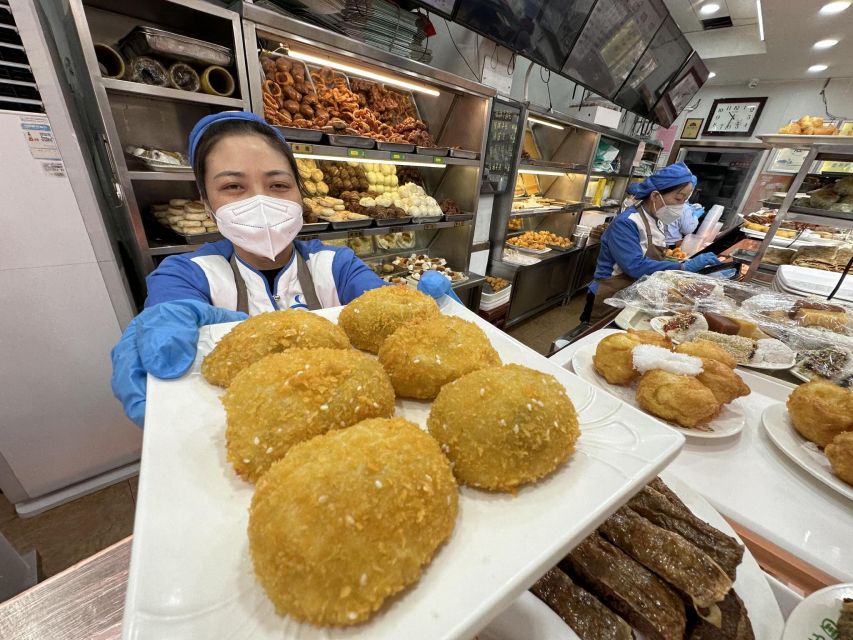
Beijing’s hutongs are best understood with your appetite switched on. This four-hour private walk takes you through local markets, bakeries, small shops, and restaurants, with more than 20 tastings along the way. You may try everything from fried sugar cakes and donkey burger to Beijing yogurt, Muslim kebabs, baozi, and fermented mung bean curd.
I like the personal format, since your guide can adjust the food to suit your tastes and dietary needs. I also like the range: this is not one long restaurant meal, but a moving introduction to Beijing snacks, regional Chinese cooking, local food habits, and the people who sell them. The main thing to consider is the sheer amount of food, especially if you add Peking Duck or hot pot. Come hungry, and tell your guide early what you do and do not eat.
Key points to know before you book
- More than 20 tastings at seven or more stops: Expect a full meal’s worth of small portions across markets, bakeries, shops, and restaurants.
- A genuinely private tour: You can ask questions freely and have the route adjusted to your preferences.
- Local hutong food, not just famous dishes: Try items such as jianbing, roujiamo, Beijing yogurt, shaobing, and Muslim kebabs.
- Guide quality matters here: Andy, Mike, Miko, Jimmy, Jay, Lucy, and Anson have all led highly praised tours, with strong English and a friendly manner.
- Optional Peking Duck or hot pot: Add one of Beijing’s best-known shared meals when booking for a longer evening of eating.
- Transport depends on the option you choose: A private car or minivan is available with the relevant option. Without it, subway or taxi costs are yours.
Why the hutongs make such a good food tour setting
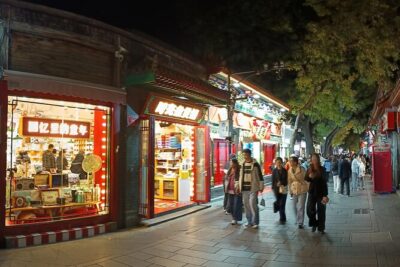
A hutong is more than an old lane. It is a neighborhood pattern of narrow streets, small courtyards, local shops, and everyday places to eat. The setting gives this tour its value because you are not simply seated at a restaurant while someone explains Beijing food. You move through the places where people shop, snack, and meet friends.
The walk also helps put food into context. Your guide can explain Chinese eating habits, the food traditions of different regions, and the background of selected dishes. That matters in Beijing, where a snack may tell you about northern wheat cooking, Muslim culinary traditions, imperial tastes, or the city’s fondness for quick street food.
You should expect the route to include places that are easy to miss without help. These may be modest bakeries, small counters, market stalls, or restaurants with little English signage. That is one reason the private guide format works well. Your guide handles the ordering and explains what is arriving, while you concentrate on tasting and asking questions.
The atmosphere is personal rather than polished. Some stops may feel plain, crowded, or unfamiliar. That is part of the point, but it also means this tour is better suited to an open-minded eater than someone seeking a carefully staged food show.
More Beijing Hutong Tours in Beijing:
- Beijing Hutong Walking Food and Beer Tour at Hidden Restaurants
★ 5.0 · 1,132 reviews - Temple Heaven, Summer Palace, Lama Temple, Hutong Bus Tour
★ 4.7 · 319 reviews - Temple of Heaven, Summer Palace, Lama Temple, Hutong Tours
★ 5.0 · 311 reviews
Meeting your guide and reaching the hutongs
Your English-speaking guide meets you in the lobby of your Beijing city hotel, holding a sign with your name. The pickup is useful in a city where getting to the right lane or neighborhood can be confusing, particularly if you are new to Beijing.
The transport arrangement deserves a close look when you book. With the private transfer option, you travel by private car or minivan. The supplied details also describe hotel pickup and drop-off as included with that option. If you choose the tour without transfer, your guide still meets you at the hotel, but you pay for the subway or taxi to the hutong area yourself.
This difference can affect the total value. At $79 per person, the tour already includes the guide and food tastings. If you are traveling with several people, the private vehicle may make the outing easier. If you are comfortable using the subway and want to keep the cost down, the no-transfer option may be sensible.
The tour lasts four hours, and starting times depend on availability. An evening departure makes sense if you plan to add Peking Duck or hot pot, while an earlier start may work better if you want the experience to focus on snacks and neighborhood life.
The first tastings: Beijing’s sweet, fried, and fermented side
The early stops introduce the less familiar side of northern Chinese snack culture. One possible tasting is ma dou fu, a dried fermented mung bean product made from the ingredients associated with mung bean juice. It has a sharp, unusual character and is not designed to please every first-time taster.
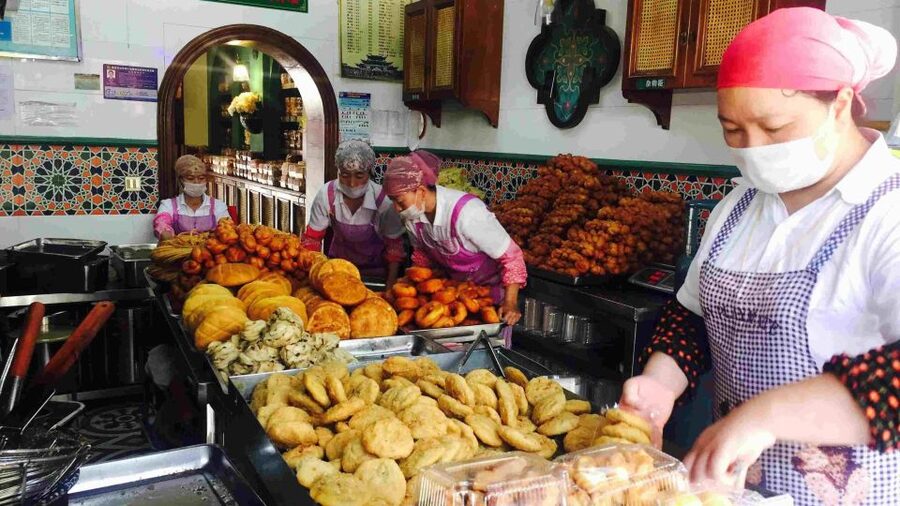
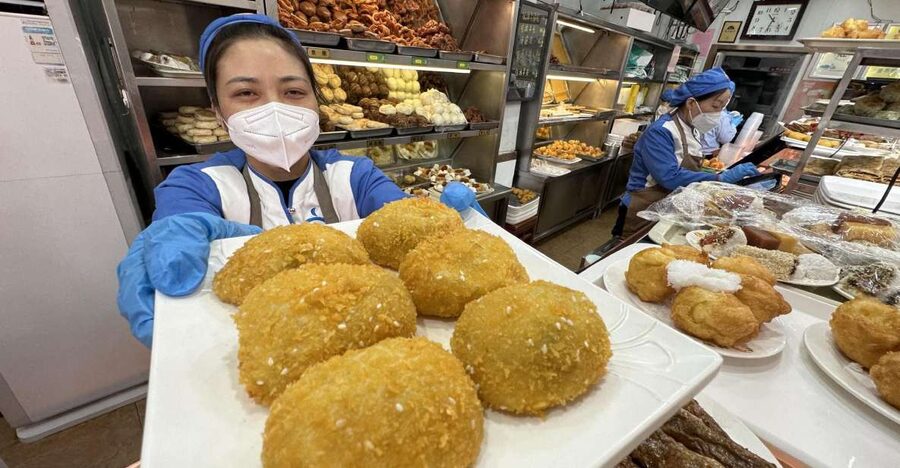
You might also try tang er duo, a fried sugar cake, and ma hua, a twisted fried flour snack. These are easier introductions, with crisp textures and a sweet or lightly savory profile. Moon cake with red bean and fried bread with red beans add more familiar notes, though the texture can still be different from Western pastries.
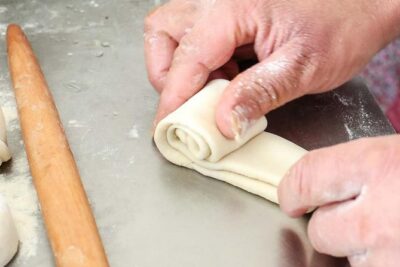
Beijing yogurt is another likely stop. It is a simple local-style dairy snack that provides a cool break between fried foods. Shaobing, a baked sesame-seed cake, shows how much northern Chinese cooking relies on wheat and baked dough rather than rice alone.
Your guide’s role is important here. Instead of handing you an unexplained plate, the guide can describe how the dish fits into local eating habits and point out how it differs from food in other parts of China. If you dislike strong fermented flavors, tell the guide before ordering. The itinerary can be adapted, and there are plenty of other foods to try.
Jianbing, baozi, and the everyday foods of Beijing
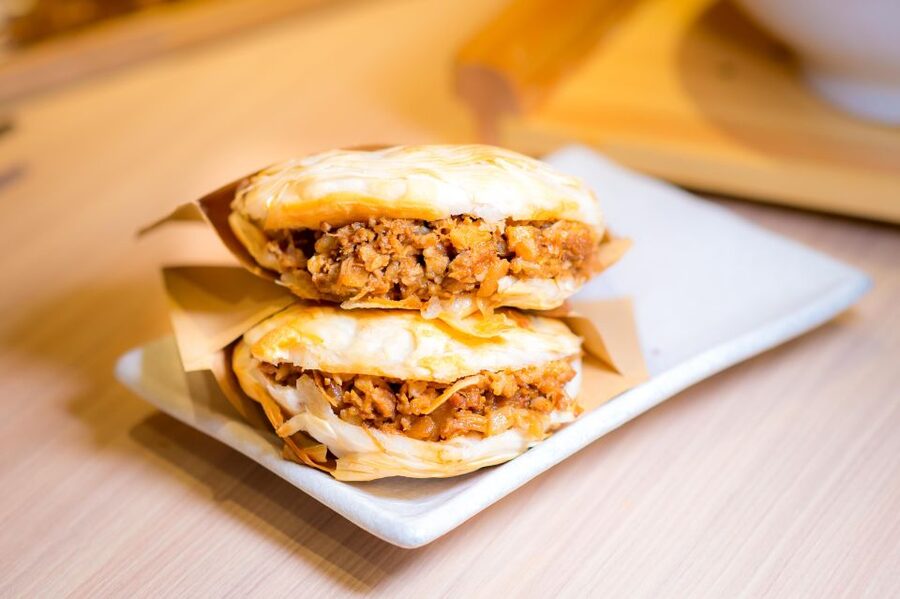
Jianbing is one of the most useful tastings on the route because it shows how a quick breakfast can become a complete meal. It is a thin millet-flour pancake, usually built with fillings and sauces. The combination of crisp and soft textures makes it more interesting than its plain appearance suggests.
Baozi gives you another everyday staple: round steamed dumplings filled with savory ingredients. They are filling, soft, and easy to share. Roujiamo, beef served in bread, brings a different style of northern comfort food, with seasoned meat tucked into a baked or pressed roll.
Luzhu huoshao is more adventurous. It combines a wheaten cake with a broth made from meat, pig intestine, and liver. Zha guan chang, fried corn-flour cakes, offers another local specialty with a distinctive texture.
These foods are useful because they show the gap between restaurant versions of Chinese food abroad and the snacks people actually eat in Beijing. You may not love every item, but you will leave with a better sense of how dough, broth, meat, and quick cooking shape northern food.
The tour is not aimed at diners who want only mild, familiar flavors. It includes offal and fermented foods, and your guide may offer dishes that challenge your comfort zone. The private setting helps because you can decline an item without holding up a large group.
A few more Beijing trips to weigh up
- Private Beijing Walking Tour of the Forbidden City with 7 Options
★ 5.0 · 675 reviews - Forbidden City Private Walking Tour with Optional Sights
★ 5.0 · 400 reviews - Beijing Private Hutong Food Walking Tour
★ 5.0 · 299 reviews - Beijing: Hutong Culinary Walking Tour with 15+ Tastings
★ 5.0 · 162 reviews
Markets, shops, bakeries, and the people behind the food
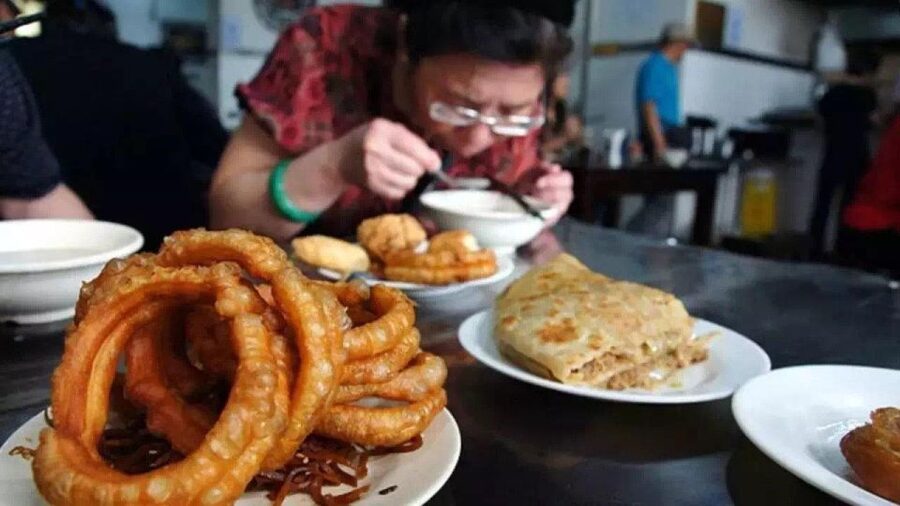
The route moves through more than seven types of stops, including markets, shops, bakeries, and restaurants. Each one gives you a different view of the food system. At a market, you may see ingredients and prepared snacks in a working neighborhood setting. At a bakery, the focus shifts to baked dough, sesame, sugar, and regional styles.
Meeting shop and restaurant owners adds a human touch. You can see where an item is prepared and ask your guide about its ingredients, local popularity, and place in Beijing life. The experience is less about memorizing dish names and more about learning how to recognize the foods you may encounter later on your own.
This is where the private format earns its keep. You can stop to ask why one shop specializes in a certain snack, how a dish is eaten, or how Beijing food differs from Hunan or Muslim cooking. Guides such as Anson, Andy, Miko, Mike, and Jimmy have been praised for clear English, humor, local stories, and the ability to keep the evening relaxed.
The route can vary according to your tastes and dietary requirements. That flexibility is especially useful for vegetarians or anyone avoiding specific meats. Still, you should explain your restrictions clearly when booking and again at the start. The tour includes dishes with pork, beef, lamb, offal, dairy, and alcohol-related tastings, so a careful conversation is worthwhile.
Hunan snacks, Muslim kebabs, and stronger flavors
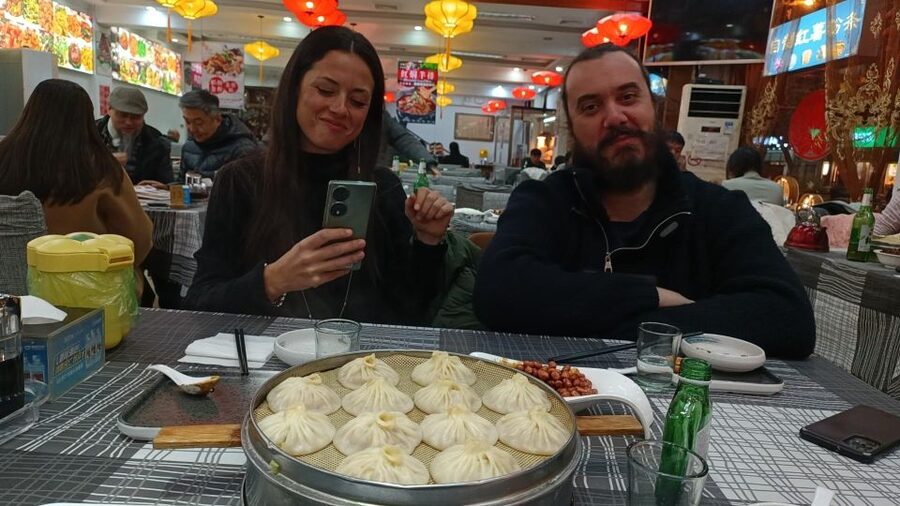
The food is not limited to Beijing classics. You may also sample Hunan snacks, including steamed and fried cakes made from sticky rice. Hunan cooking is known for stronger seasoning, so these items can add a different regional note to a Beijing-based food walk.
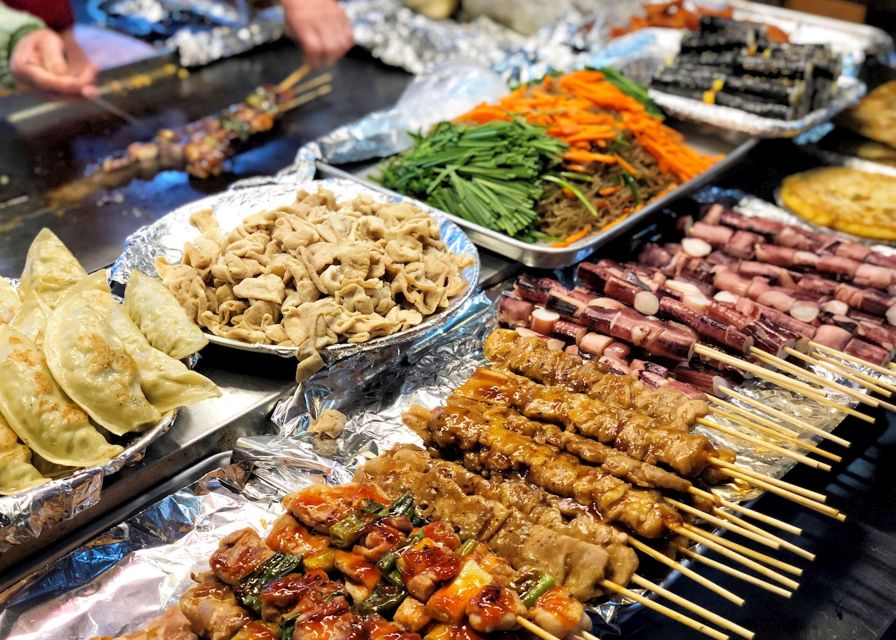
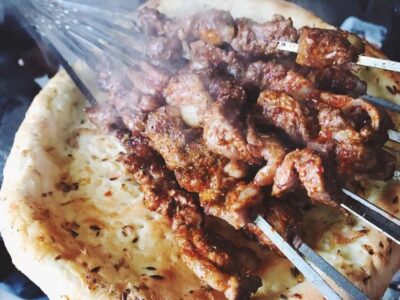
Muslim kebabs may include lamb, leek, and eggplant. These show the influence of China’s Muslim communities and add grilled flavors to a route otherwise heavy on dough, frying, and steamed foods. They are also useful for comparing how similar ingredients change when cooked in different regional styles.
Stinky tofu is listed as an option. The name is an honest warning about the aroma, but the taste can be less forceful than the smell. If you are curious, this is the kind of item worth trying with a guide who can explain what to expect. If not, skip it and use your appetite for something else.
Spicy hot pot may include meat or vegetables served on sticks. This can feel more like a shared social meal than a quick snack. You choose from the ingredients and cook them in the broth, making it a lively way to see how food and conversation fit together in Chinese dining.
The optional Peking Duck or hot pot upgrade
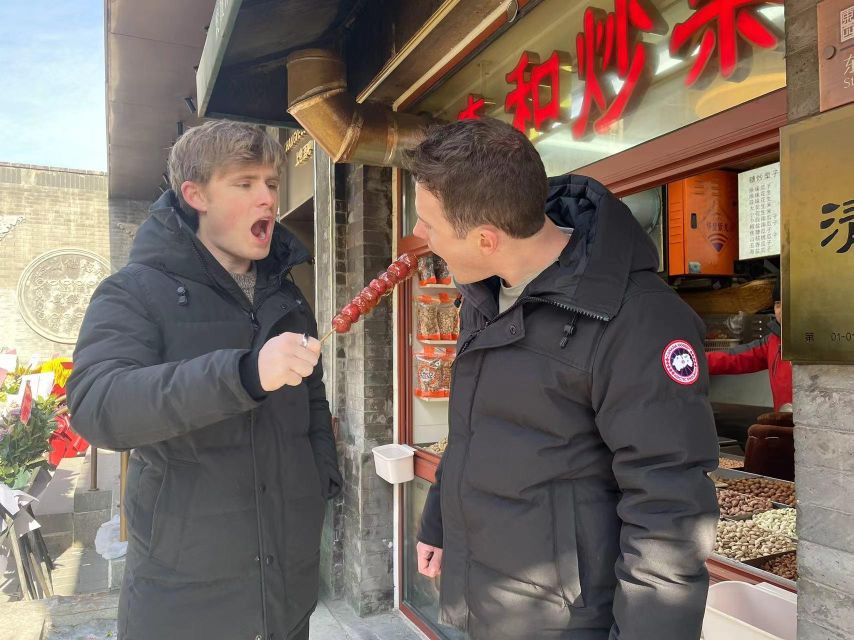
You can add Peking Duck or hot pot when booking. This is the right choice if you want the tour to finish with a substantial meal rather than end after the snack stops.
Peking Duck is the more obvious Beijing choice. The tour gives you a chance to eat it with local context, rather than treating it as a stand-alone restaurant booking. One guest singled out both donkey burger and Peking Duck as highlights, so the duck appears to be a memorable part of the extended version.
Hot pot offers a different experience. It is communal, interactive, and easy to adjust for meat or vegetables. If your group has mixed preferences, hot pot may be the more flexible option. Keep in mind that adding either meal can make the four-hour food schedule very filling. You may want to pace yourself at the early stops.
Alcohol is not included. Baijiu, a Chinese liquor, may appear among the tastings, but you should expect to pay separately for alcohol. If you do not drink, say so before the route begins and focus on the food.
How much food do you really get for $79?
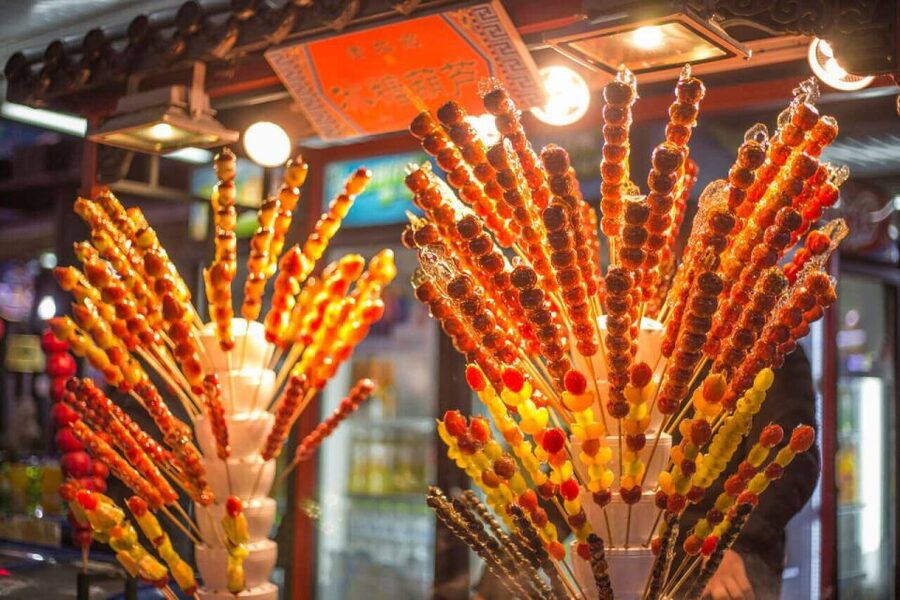
At $79 per person, the price is reasonable if you value the guide, private format, and wide range of tastings. More than 20 samples at seven or more stops can add up quickly, even before you count the time spent arranging orders, explaining dishes, and managing the route.
The value is strongest for first-time visitors to Beijing who want help finding local food. You are paying for access and interpretation as much as for calories. A self-guided snack walk might cost less, but it would be harder to find the same range of stops and know what you are eating.
The price needs a little care because transportation varies. The private car or minivan is tied to the relevant option, while subway or taxi costs are extra if you choose the tour without transfer. Peking Duck and hot pot are also additions, not part of the basic food tasting package.
For a private group, the cost can make sense as a special evening, especially if you are short on time in Beijing. It is less attractive if you already know the hutongs well, speak Chinese, and prefer to choose every stop yourself.
Which guide style suits this experience?
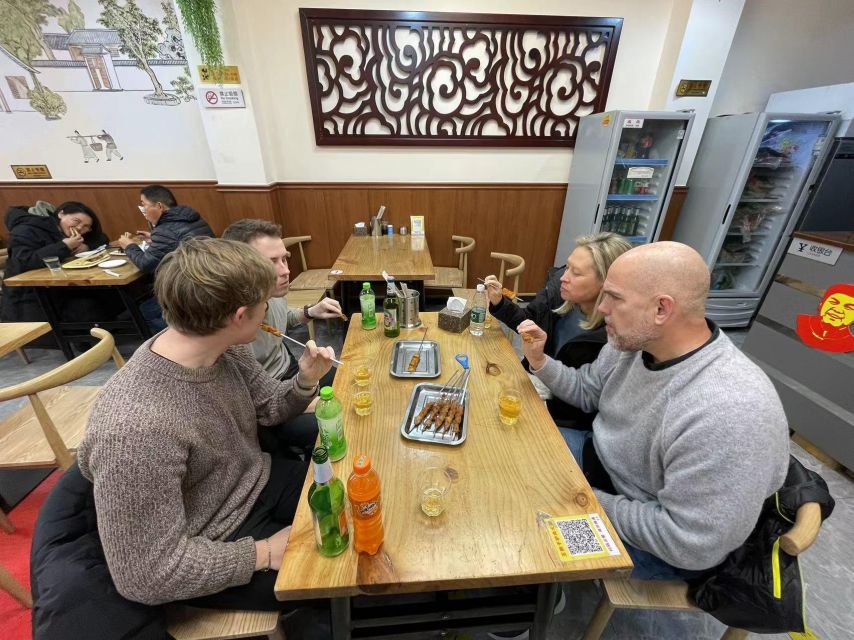
The guide can make or break a food tour, and the people assigned here seem to bring different strengths. Anson is described as an excellent English speaker who found places visitors would not easily locate alone. Andy is praised for history, food facts, and a warm way of explaining Beijing.
Miko has adjusted routes for dietary needs and adds humor. Jimmy is a good fit if you want the food chosen around your personal preferences, since he asks what you like before ordering. Mike has been especially attentive with arrangements, arriving early, confirming details, and providing a clean car with water on one outing.
Jay and Lucy have also been praised for friendly hosting and cultural explanations. You cannot select a particular guide with certainty from the details provided, but you can expect an English-speaking guide and a private experience. If food restrictions or strong preferences matter to you, mention them at booking so the guide has a clear starting point.
Who should book this hutong food walk?
I would recommend this tour to first-time visitors who want an easy introduction to Beijing food without spending hours planning a route. It also suits couples, families, and small private groups who like asking questions and trying several small portions instead of sitting through one formal meal.
It is a good pick for adventurous eaters. You may encounter fermented mung bean products, pork intestine, liver, stinky tofu, baijiu, and spicy dishes. You can request changes, but the character of the tour comes from trying foods that do not appear on standard Chinese restaurant menus abroad.
I would be more cautious if you have severe allergies, a very restricted diet, or little interest in unfamiliar textures. The food can be tailored, but the tour covers a broad Chinese food culture rather than a narrow vegetarian or allergy-specific menu. Confirm your needs before paying.
Book the Peking Duck or hot pot addition if you want a full dinner and a longer look at local dining customs. Skip the upgrade if your main goal is to sample snacks and explore the lanes without ending the evening uncomfortably full.
Should you book it?
Book this tour if you want variety, local guidance, and a private route through Beijing’s hutongs. The strongest reasons are the number of tastings, the ability to adjust the food, and the chance to ask questions as you move from one small stop to the next.
Be realistic about the format: it is a food-heavy four hours, some dishes are unusual, and transport costs depend on your selected option. Tell your guide what you eat, arrive ready to share small portions, and leave room for the final meal if you add Peking Duck or hot pot. For many visitors, this is a smart way to turn a Beijing evening into a practical lesson in Chinese food.
FAQ
How long does the Beijing Hutong Private Culinary Walking Tour last?
The tour lasts four hours. Starting times depend on availability when you book.
What language does the guide speak?
The live guide speaks English.
Where does the tour begin?
Your guide meets you in the lobby of your Beijing city hotel and waits with a sign showing your name. You then travel to the hutong area.
Is transportation included?
Transportation depends on the option you select. A private car or minivan is available with the relevant transfer option. If you choose the tour without transfer, subway or taxi costs are your responsibility.
How many foods can I taste?
The tour includes more than 20 different tastings at seven or more stops, including markets, shops, bakeries, and restaurants.
Can the food be adjusted for dietary requirements?
Yes. The itinerary and food choices can be tailored to suit dietary requirements. Tell the tour provider and guide about your needs when booking.
Are Peking Duck and hot pot included?
They are optional additions that you can request when booking. The standard tour includes food tastings, but the Peking Duck or hot pot dinner is not listed as part of the basic package.
Is alcohol included?
No. Alcohol is not included. Baijiu may be among the possible tastings, but alcoholic drinks are an extra cost.
Just added around Beijing
- Private Transfer to Mutianyu Great Wall with professional driver★ 5.0 · 19 reviews
- camp on the Great Wall overnight with sunrise and sunset on the wall★ 5.0 · 11 reviews
- One day tour to downtown Tianjin from Beijing by high speed train★ 5.0 · 3 reviews
- BusDa:Ancient Great Wall &Badaling Great Wall Full-day Bus Tour★ 4.5 · 6 reviews
- ZANBUS: Trip to the Jinshanling Great Wall Departing at 7:30 AM★ 5.0 · 5 reviews
- Yuxiandu Chinese Royal Cuisine Museum with Show and Royal Banquet★ 5.0 · 4 reviews
- Wild Great Wall Hikes★ 5.0 · 10 reviews
- Private Wild Great Wall Hiking tour at Simatai (Challenging)★ 5.0 · 16 reviews
Beijing Hutong Tours, compared.

Beijing Hutong Walking Food and Beer Tour at Hidden Restaurants
Read our review →
Temple Heaven, Summer Palace, Lama Temple, Hutong Bus Tour
Read our review →
Temple of Heaven, Summer Palace, Lama Temple, Hutong Tours
Read our review →
Beijing City Walk: Explore Hutongs Life and Old Beijing
Read our review →Browse the lists this tour appears in