
Reviewed · COOKING CLASSES
Asian Favorites Cooking Class in Hong Kong (4-Course Meal)
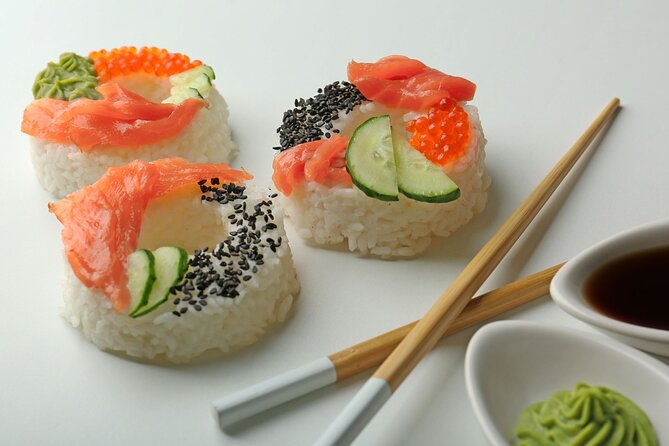
The most unusual part of this Hong Kong cooking class is the sushi donut: Japanese rice shaped into a ring, then topped with seaweed, raw fish, salmon roe, prawns, and squid. You also cook a full four-course meal, so this is more than a quick lesson in rolling sushi.
I like the tiny group size, capped at four, because you get real time with the chef. I also like the menu’s range, from a seafood scallion pancake and wok-fried choy sum to a cool mango coconut dessert. The main drawback is the location in Yuen Long, which may take extra planning if you are staying on Hong Kong Island or in central Kowloon.
Key points to know before booking
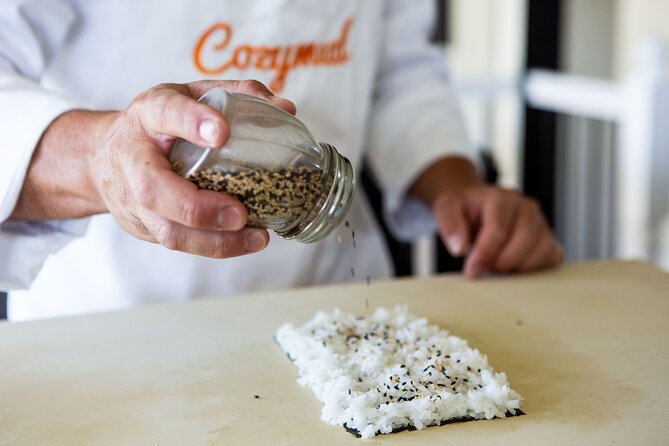
- Sushi donuts are the main event: You learn to season rice, shape the ring, and decorate it with seafood and salmon roe.
- Four dishes fill about three hours: The meal includes a seafood scallion pancake, sushi donuts, garlic choy sum, and mango coconut soup.
- The group is capped at four people: This gives the chef room to guide you through seafood preparation and plating.
- The class meets at SummitHongKong: The address is 99A Tai Tong Road in Yuen Long, and the activity finishes at the same spot.
- You can bring your own drinks: Wine and beer are welcome because this is a BYOB class.
- Dietary needs can be discussed in advance: Tell the provider before the class so the menu can be adjusted where possible.
Making sushi donuts in a four-person kitchen
This class takes a playful route into Japanese cooking. Rather than focusing only on standard rolls, the chef shows you how to season Japanese rice and shape it into a donut form. You then add seaweed, raw fish, salmon roe, prawns, and squid.
That shape changes the feel of the lesson. A sushi donut is easier to display than a tightly rolled maki, but it still demands care. The rice needs the right texture, the ring needs to hold together, and the toppings need to be placed so each bite has balance.
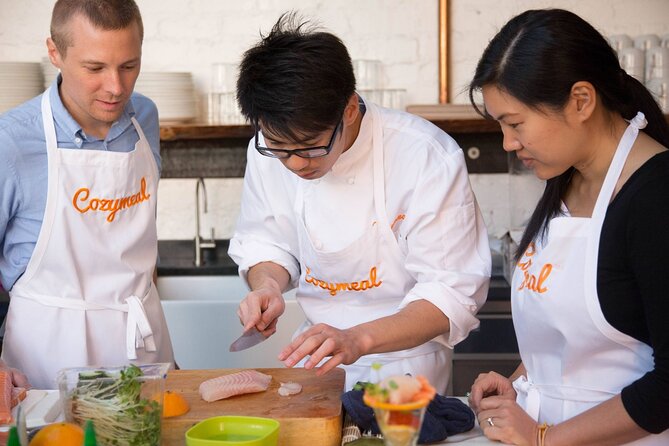
You should expect hands-on work rather than a demonstration where you simply watch. The chef guides you through the process, then gives you room to assemble your own food. The small group matters here. With only four people, you have a better chance to ask about rice, seafood cuts, or the order in which toppings should be added.
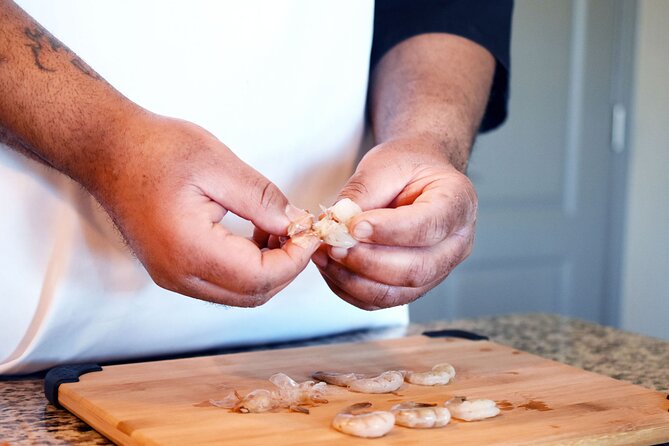
The class also includes instruction on cutting fish and handling sushi ingredients. Depending on the flow of the session, you may work with different sushi forms, including maki, nigiri, and hand rolls, along with the featured donuts. The key value is confidence: you leave with a clearer sense of how to prepare and present seafood at home.
A few more Hong Kong trips to weigh up
- Hong Kong Market Walking Tour & Chinese Cooking Class
★ 5.0 · 24 reviews - Half-Day Chengdu Cooking Class with a Local Market Visit
★ 5.0 · 465 reviews - Online Cooking Class Beijing Dumplings and Cuisine by Sunflowerli Renowned Chef
★ 5.0 · 65 reviews
Course one: seafood scallion pancake with chili sauce
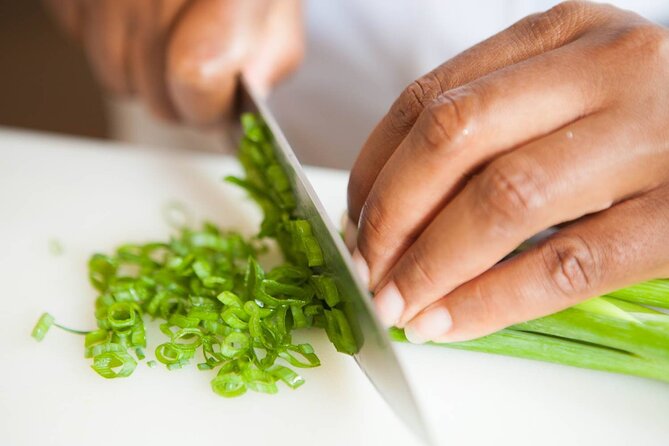
The first dish moves away from Japanese sushi and toward a savory seafood pancake. Oysters, squid, prawns, scallions, and chili sauce give you several textures to manage in one recipe.
This is a useful opening course because it introduces seafood cooking before you work with raw fish. Oysters and prawns cook differently from squid, so the dish rewards attention to timing. The scallions add freshness, while the chili sauce gives the pancake a sharper finish.
The pancake is also shaped like a donut in the class description, which adds another visual twist. That presentation makes the dish feel party-ready, but do not confuse appearance with simplicity. Seafood can turn tough when overcooked, and the chef’s guidance is especially useful here.
If you are less comfortable with oysters or squid, this is a good chance to ask questions in a low-pressure setting. If you already cook seafood often, the appeal is the combination of ingredients and the unusual shape.
Course two: the sushi donut workshop
The sushi donut is the centerpiece, and you should allow the most attention for this course. You begin with Japanese rice, then work with seaweed, raw fish, salmon roe, prawns, and squid.
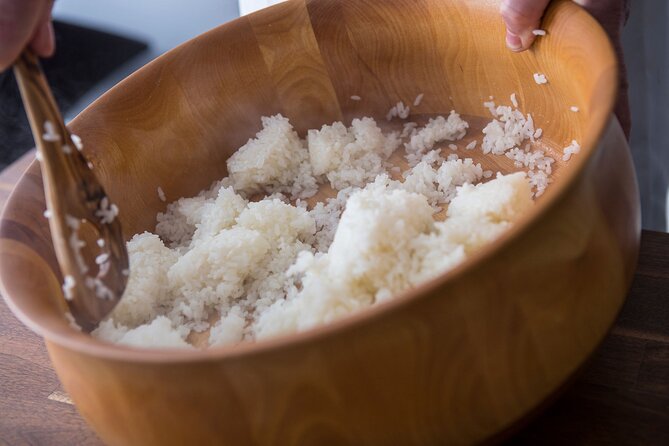
The chef’s role is important at several points. You need to season the rice without making it wet or heavy. You need to shape the donut firmly enough to hold its form. You also need to cut and arrange seafood so the finished piece looks neat and remains easy to eat.
I like this format because it teaches both technique and presentation. You are not just learning how to prepare sushi. You are learning how to make a dish that looks special on a table, even if the ingredients are familiar.
The raw seafood element also means you should pay close attention to handling instructions. The supplied details do not specify the exact fish used on the day, so the selection may vary. Ask the chef what is available and how each fish should be cut.
Some of the class feedback describes instruction in sushi rice, fish cutting, maki, nigiri, and hand rolls as well as the donuts. That makes the class useful for a first sushi lesson, while the donut format keeps it different from a standard introductory workshop.
Course three: garlic stir-fried choy sum
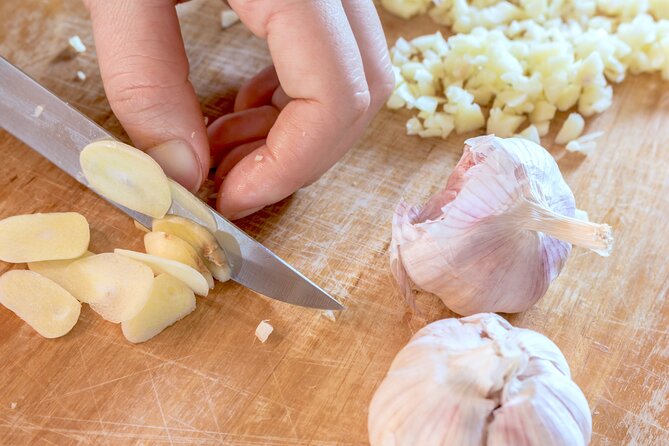
After the seafood-heavy first two courses, the garlic choy sum gives the meal a simpler, greener balance. You stir-fry local leafy vegetables with garlic paste.
This course is short on showmanship but strong on practical value. Wok-fried greens look easy, yet the best result depends on heat, timing, and keeping the vegetables crisp rather than limp. A chef can show you when to add the garlic and how to keep the leaves from becoming watery.
The dish also reflects the local side of the menu. The sushi donuts borrow from Japanese presentation, while choy sum is a familiar Hong Kong vegetable. That mix keeps the class from feeling like a single-theme Japanese lesson.
You should not expect a long lecture on Hong Kong food culture from the information provided. Instead, the local touch comes through the ingredients and the way the meal moves between seafood, vegetables, and dessert.
Same country, a completely different kind of day:
- Hong Kong: Dolphin Cruise, Big Buddha & Lantau Island Tour
★ 4.2 · 1,512 reviews - Ngong Ping 360: Cable Car Return Tickets & Combos
★ 4.6 · 1,431 reviews - Lantau Island Day Trip – Big Buddha & Tai O
★ 4.5 · 1,328 reviews - Big Bus Hong Kong Open Top Hop-On Hop-Off Sightseeing Tour
★ 4.0 · 1,077 reviews
Dessert: mango coconut soup with pomelo
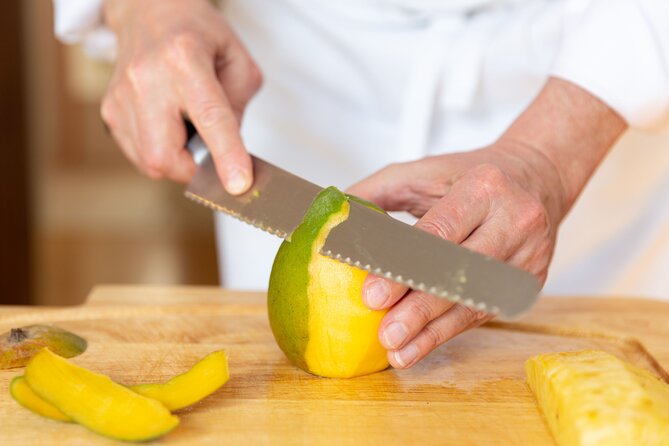
The final course is a chilled-style mango coconut soup made with mango, sago, coconut cream, and pomelo. It offers a sweet, creamy finish after the salty seafood and garlic greens.
The textures are what make this dessert appealing. Mango brings fruitiness, coconut cream adds body, sago gives small chewy pearls, and pomelo cuts through the richness with a light citrus note.
This is a smart menu ending because it requires a different set of skills from sushi preparation. You get practice with balancing sweetness and creaminess rather than shaping or cutting. It also gives the class a clear finish, with all four courses prepared and ready to eat.
The available comments describe the dessert as creamy and delicious, but your exact result will depend on your own preparation and the chef’s method. If you like Southeast Asian-style fruit desserts, this may be one of the strongest reasons to choose this menu over a sushi-only workshop.
Why the tiny group changes the class
The maximum of four people is one of the class’s best features. Cooking lessons can lose their value when a large crowd gathers around one work surface. Here, you should have a more direct chance to handle ingredients, ask questions, and get corrections.
That matters most during the sushi section. Rice texture, fish cutting, and shaping are hard to learn from the back of a room. A small group lets the chef spot problems early, before your donut falls apart or your seafood is cut unevenly.
The class is also described as relaxed and welcoming. The chef is presented as friendly and patient, with an approachable teaching style. That tone suits beginners who may feel nervous about raw fish or unfamiliar equipment.
Still, the small group can be a drawback for people who enjoy the energy of a larger food tour. With only four participants, the session may feel more like a private kitchen lesson than a social event. That is usually an advantage for learning, but it is worth knowing before you book.
The Yuen Long setting and meeting point
The class begins at SummitHongKong, at 99A Tai Tong Road in Yuen Long. It ends at the same meeting point, so you do not need to arrange a separate return location after the meal.
The address is the most important planning detail. Yuen Long is not the most central base for many Hong Kong visitors, so check your route before booking and leave enough time to arrive. The activity lasts about three hours, but your total outing will be longer once you include transport to and from Tai Tong Road.
The provided details do not include hotel pickup or transport. You should therefore plan to reach SummitHongKong independently. A mobile ticket is provided, and booking confirmation is issued at the time of reservation.
The location may work especially well if you are already exploring the New Territories. If your Hong Kong plans are concentrated around Central, Tsim Sha Tsui, or Causeway Bay, compare the extra travel time with your interest in the menu.
What the price includes at $184.51
At $184.51 per person, this is not a budget meal or a casual market snack. You are paying for a three-hour, small-group cooking lesson, a four-course meal, chef instruction, and the chance to work directly with seafood and sushi ingredients.
The value improves if you want skills you can repeat at home. You are not simply eating four prepared dishes. You are learning rice seasoning, sushi shaping, seafood preparation, wok cooking, and a fruit dessert. The class also gives you a visually striking recipe, the sushi donut, that can work well for a dinner party.
The price is harder to justify if you mainly want to taste Hong Kong food or see a famous neighborhood. This is a focused cooking activity, not a sightseeing tour. There is no stated city tour, market visit, or cultural walk attached to it.
The BYOB policy helps keep the meal flexible. You may bring wine or beer to enjoy during the class, though drinks are not included. If you plan to bring alcohol, remember that the class still requires concentration around knives, heat, and seafood.
Dietary requests, access, and cancellation
The class is designed to accommodate a range of dietary needs, but you must provide notice in advance. Do not wait until you arrive. The menu includes oysters, squid, prawns, raw fish, salmon roe, coconut, mango, and pomelo, so early communication is important if you have allergies, restrictions, or strong dislikes.
Service animals are allowed. The supplied information does not describe step-free access, kitchen layout, seating, or specific equipment for mobility needs, so contact the provider before booking if you need those details.
You can cancel for a full refund up to 24 hours before the local start time. Cancellations or changes made inside that period are not accepted for a refund. The class also requires a minimum number of participants. If the provider cancels because that minimum is not met, you will be offered another date or experience, or receive a full refund.
Who will get the most from this class
I would recommend this class to sushi fans who want more than a standard roll-making lesson. The donut shape adds a creative challenge, while the scallion pancake, choy sum, and mango dessert make the session feel like a full meal rather than a single recipe.
It also suits couples, small families, and friends who prefer a private-feeling activity. The four-person limit gives you more contact with the chef, and the BYOB setup can make the meal feel informal and personal.
Beginners should feel comfortable booking. The chef is described as patient and approachable, and the lesson covers basic steps such as sushi rice, fish cutting, shaping, and assembly.
I would be more cautious if you have serious seafood allergies or strict dietary requirements. Adjustments are possible, but they are not guaranteed for every ingredient or restriction. Ask before paying.
Should you book the Asian Favorites Cooking Class?
Book it if you want a hands-on food activity with a small group, enjoy sushi, and do not mind traveling to Yuen Long. The strongest reasons are the four-person limit, the patient chef-led instruction, and the unusual menu, especially the sushi donuts and mango coconut soup.
Skip it if you are looking for a central Hong Kong activity, a sightseeing tour, or a low-cost meal. At $184.51, the value rests in the teaching and participation, not in the amount of food alone.
For the right person, this is a memorable way to spend three hours: you prepare the meal, learn techniques you can reuse, and sit down to eat the results. Just confirm your dietary needs in advance and plan the journey to SummitHongKong carefully.
FAQ
Where does the cooking class begin?
The class begins at SummitHongKong, located at 99A Tai Tong Road in Yuen Long, Hong Kong.
Where does the activity end?
The activity ends back at the meeting point at SummitHongKong.
How long does the class last?
The cooking class lasts approximately three hours.
How many people can join the class?
The activity has a maximum of four participants.
What dishes will I prepare?
You will prepare a mixed seafood scallion pancake, sushi donuts, garlic stir-fried choy sum, and mango coconut soup with pomelo.
Can I bring alcohol?
Yes. This is a BYOB event, and you may bring wine or beer to enjoy during the class.
Can dietary restrictions be accommodated?
The class can accommodate a variety of dietary needs when notified in advance. Contact the provider before the activity so they can try to adjust the menu.
What is the cancellation policy?
You can cancel up to 24 hours before the local start time for a full refund. Cancellations or changes made less than 24 hours before the start time are not refunded or accepted.
Just added around Hong Kong
- Lantau Island Private Tour to Big Buddha and Tai O Village★ 5.0 · 24 reviews
- Lantau Island Day Trip Big Buddha & Tai O Includes Cable Car★ 5.0 · 44 reviews
- Lantau Peak Sunrise Climb★ 5.0 · 4 reviews
- Small Group Hiking Day Tour to Lai Chi Wo★ 5.0 · 3 reviews
- Three Dragon Gorge River Walking Tour★ 4.5 · 3 reviews
- Hong Kong Lantau Tour with Big Buddha, Tai O Village & Snacks★ 4.0 · 34 reviews
- Introduction to Watchmaking★ 5.0 · 3 reviews
- Hong Kong Layover Tour Private & Personalized with Local Guide★ 5.0 · 5 reviews
Cooking Classes, compared.

Half-Day Chengdu Cooking Class with a Local Market Visit
Read our review →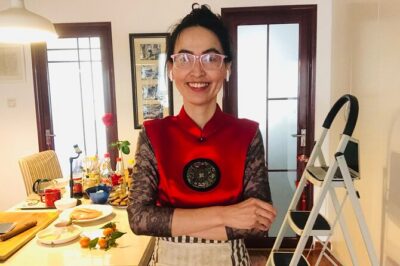
Online Cooking Class Beijing Dumplings and Cuisine by Sunflowerli Renowned Chef
Read our review →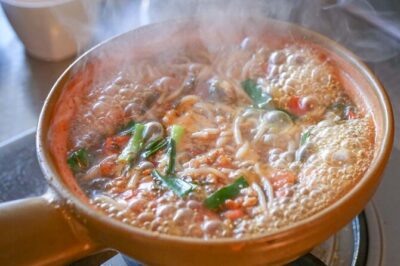
Lijiang Naxi Cuisine Cooking Class & Market Visit
Read our review →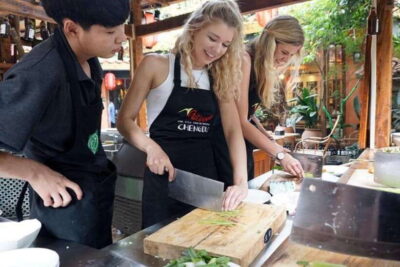
Cooking Class with Fresh Market Half Day Experience
Read our review →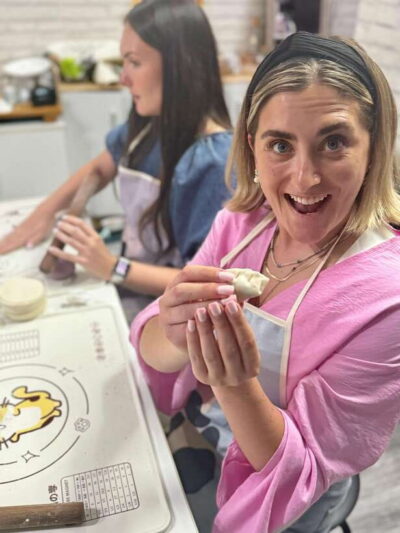
Half-Day steamed Buns Cooking Class with a Local Market Visit
Read our review →
Hong Kong Market Walking Tour & Chinese Cooking Class
Read our review →
Half-Day Professional Mapo Tofu Cooking with a Local Market Visit
Read our review →Browse the lists this tour appears in