
Reviewed · DATONG TOURS
Private Tour Datong Hengshan Hanging Temple Yungang Grottoes
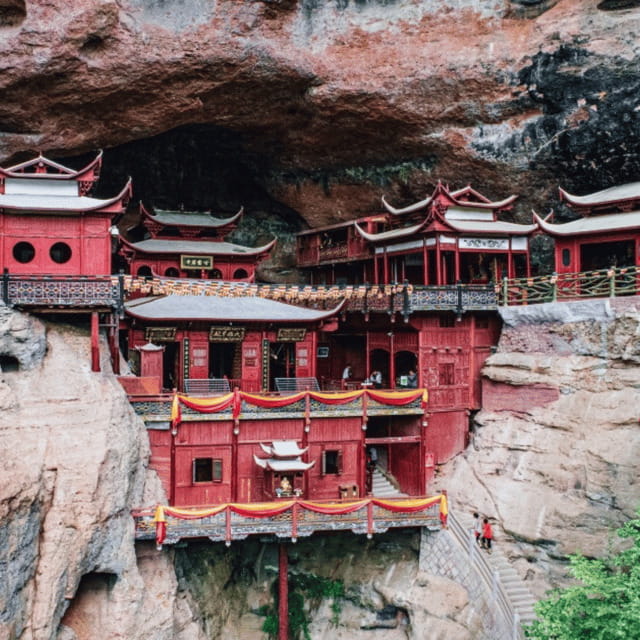
The most striking part of this Datong day is the contrast: Hengshan Hanging Temple clings to a cliff with wooden halls and walkways, while the Yungang Grottoes reveal thousands of Buddhist statues carved into rock. One feels like an engineering dare; the other feels like a vast outdoor gallery.
I like two things here. First, a private guide can make the religious mix at the Hanging Temple and the artwork at Yungang much easier to understand. Second, hotel or train station pickup and drop-off remove a major transport headache. The main consideration is cost: at $200 per person, you still pay entrance fees and lunch separately.
Key points at a glance
- Hanging Temple on Mount Heng: See a 1,500-year-old wooden temple attached to a cliff face.
- Yungang’s Buddhist art: Explore more than 51,000 statues and carvings at a UNESCO World Heritage site.
- Private English-speaking guide: Guides such as Sara, Lia, Ms Yao, and Ms Zhang have provided personal, patient explanations on past departures, though your guide may differ.
- Hotel or station transfers: Start and finish in Datong in a clean, air-conditioned vehicle.
- Local food stop: Use the lunch break to try knife-cut Dao Xiao Mian noodles, lamb buns, and Shanxi vinegar.
- Eight-hour schedule: The route fits two major sights into one day, but it leaves little room for a slow, unplanned visit.
Two very different sides of Datong
Datong is one of northern China’s strongest destinations for a concentrated dose of architecture, religion, and food. This tour pairs two sites that should not be confused with one another.
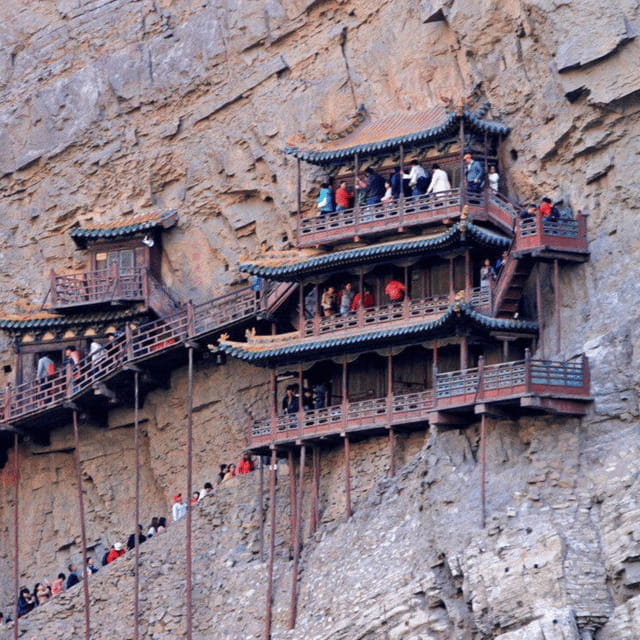
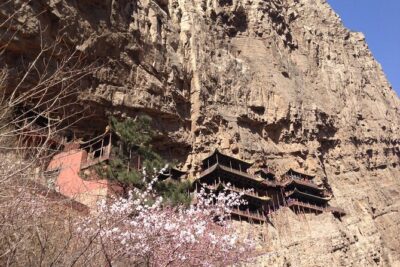
The Hanging Temple is about physical drama. Wooden structures appear to hang from a sheer cliff, supported by beams, posts, and the rock face. The setting makes the visit memorable before you learn a single fact.
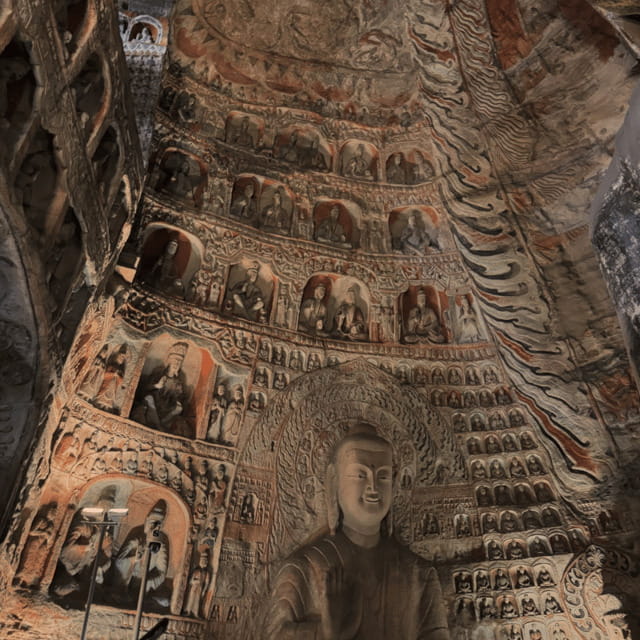
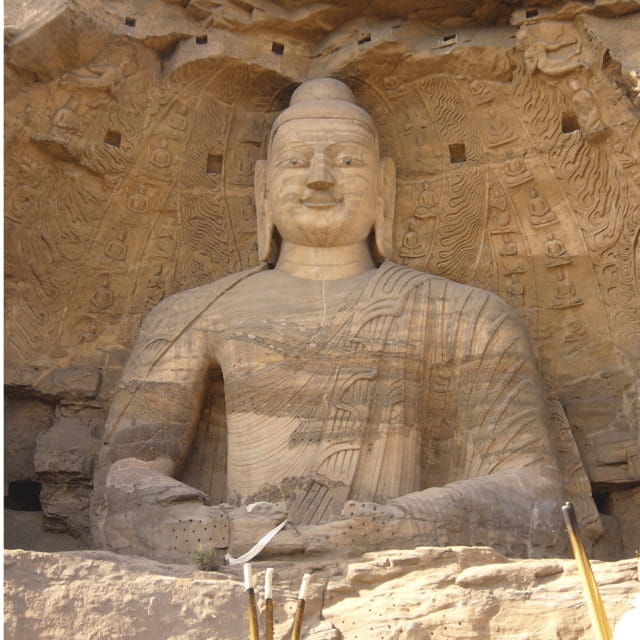
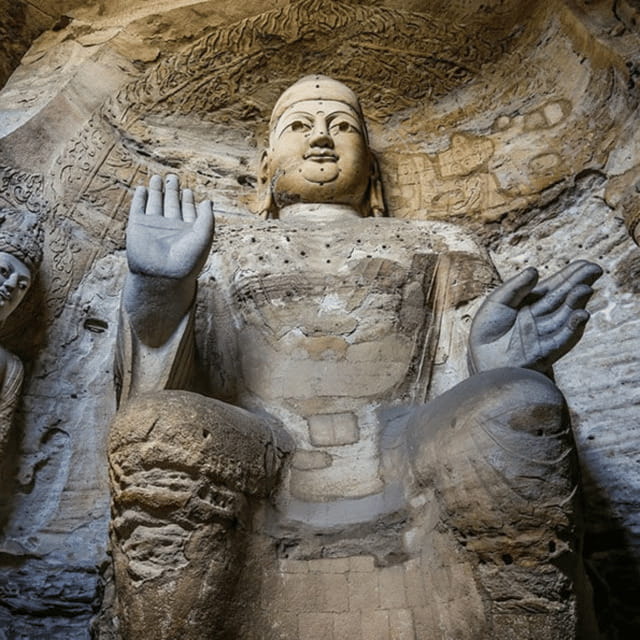
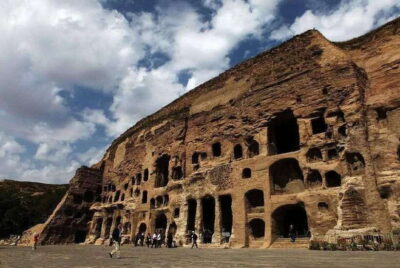
Yungang is about scale and detail. The caves and carved chambers preserve Buddhist sculpture dating from the fifth century. You can spend time looking at large figures, small decorative work, and the different styles that developed across the site.
I like this pairing because it gives your day a good rhythm. You begin with a building that demands attention from the outside, then spend longer looking closely at art and religious imagery. The sites also show two very different ways people shaped the mountain environment.
A few more China trips to weigh up
- Beijing: Forbidden City Tour(Group/Private)-Tickets Included
★ 4.8 · 7,974 reviews - Beijing: T-Square & Forbidden City Group or Private Tour
★ 4.8 · 4,446 reviews - Beijing:Mutianyu Great Wall Private Trip with English Driver
★ 5.0 · 1,263 reviews
Starting from Datong by private vehicle
The day includes pickup from a Datong hotel or train station and a return transfer. That arrangement is especially useful if you are arriving by rail, since you do not have to work out a separate taxi connection before beginning a full day of sightseeing.
You ride in a clean, air-conditioned vehicle with your own group and an English-speaking guide. The private format matters here. You can ask for clarification, adjust the pace within the eight-hour limit, and have explanations focused on your interests rather than a large group’s needs.
Do not read private as unlimited flexibility. The tour still has to fit two major attractions, lunch, and transport into eight hours. If you want every gallery, cave, and walkway at a slow pace, you may need to accept a quicker visit at one of the sites.
The exact running order can depend on the day’s arrangements, but the experience is built around both Hengshan Hanging Temple and Yungang Grottoes, with a Datong food stop in between or during the scheduled city portion. Confirm the meeting time and sequence when you book, especially if you are connecting with a train.
Seeing the Hanging Temple cling to Mount Heng
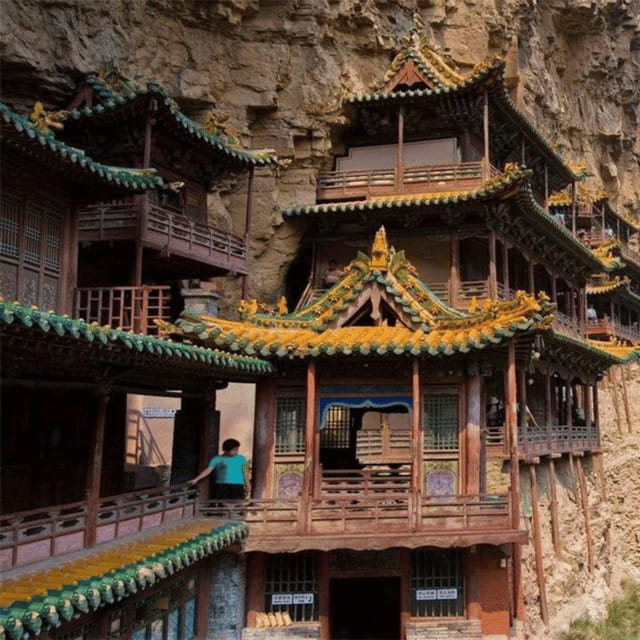
Hengshan Hanging Temple is the visual star of the first part of the day. Built more than 1,500 years ago, it is attached to the side of Mount Heng and uses narrow wooden structures to connect halls and passages above the ground.
The temple is important not only because it looks improbable. Its religious identity brings together Buddhism, Taoism, and Confucianism. That combination gives your guide plenty to explain, and a good explanation helps turn a quick photo stop into a more meaningful visit.
You will see halls, wooden supports, cliffside routes, and mountain views. The architecture rewards close attention. Look at how the buildings fit into the rock rather than treating the temple as a single object to photograph from below.
The visit can feel compact compared with the scale of the mountain around it. You are not wandering through a huge temple complex for hours. Instead, the appeal comes from the unusual construction, the setting, and the story of how the site survived for centuries.
Allow yourself time to look down and outward, not only at the timber buildings. The surrounding mountain views are part of the experience. At the same time, take care on the elevated walkways and stairs. The supplied information does not describe accessibility arrangements, so anyone with mobility concerns should ask the operator for current details before paying.
A guide is particularly useful at this stop. Without context, you may see an extraordinary structure and move on. With clear explanations, you can understand why the temple has such a distinctive religious character and why its construction is considered so remarkable.
A two-hour food and market break in Datong
The scheduled city portion includes lunch, shopping, and a food market visit, with roughly two hours assigned to this part of the day. Lunch is not included in the $200 price, so keep extra money available.
The dish to seek is Dao Xiao Mian, Datong’s famous knife-cut noodle preparation. The noodles are thick and chewy, then served in broth with savory meat and vegetables. It is filling northern food, well suited to a busy sightseeing day.
Crispy lamb buns are another local suggestion. They are made with tender, spiced lamb inside a crisp bun, and they give you a different texture from the noodles. Shanxi vinegar adds a sharp, tangy note that can cut through the heavier flavors.
The food stop is more than a box to tick. Datong’s cuisine helps explain the region in a practical way. These are hearty dishes, made for cold northern weather and active days, rather than delicate snacks designed only for appearance.
Because lunch and market time share a two-hour block, your stop may feel more functional than leisurely. You may need to choose between lingering over food, browsing a market, and shopping. Tell your guide what matters most to you. If you care more about local eating than purchases, say so early.
The tour does not promise a specific restaurant or a set meal. That is helpful if you want some choice, but it also means you should not expect a fully planned tasting menu. Meals remain your own expense, and personal purchases are not included.
Same country, a completely different kind of day:
- From Beijing: Mutianyu Great Wall Tours with Options
★ 4.9 · 9,216 reviews - Beijing: Mutianyu Great Wall Daily Tour with Ticket & Lunch
★ 5.0 · 3,056 reviews - All-Inclusive Tour: Tiananmen Square, Forbidden City, Great Wall
★ 5.0 · 2,873 reviews - MuBus: Mutianyu Great Wall ENG/ESP/RUS Guided Bus Tour
★ 5.0 · 2,361 reviews
Reading the Yungang Grottoes in two hours
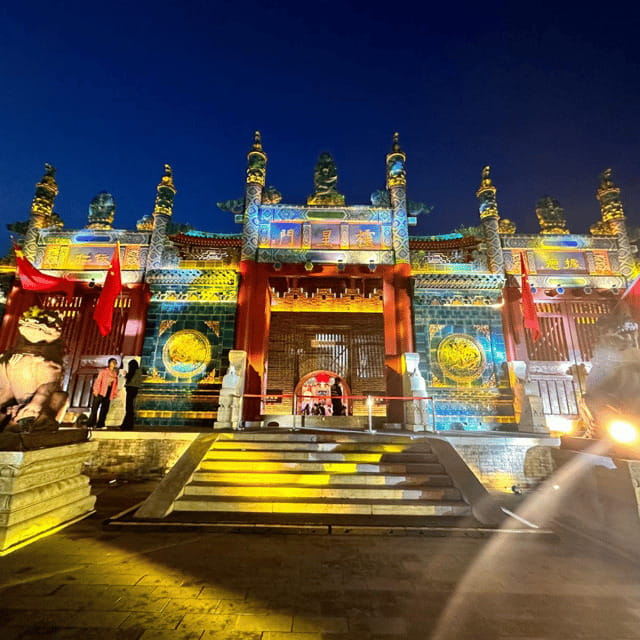
The Yungang Grottoes are the day’s major art stop and a UNESCO World Heritage site. The complex dates from the fifth century and contains more than 51,000 Buddhist statues and carvings.
Two hours gives you a useful introduction, but not a complete study of every cave. The number of carvings is so large that a guide’s selection becomes important. You need someone to point out the works that best explain the site’s religious purpose, artistic development, and place in ancient China.
This is where the private format earns its keep. You can ask why particular statues look different, what details to notice, or how the cave art connects to the wider Buddhist tradition. An English-speaking guide also helps you keep track of what you are seeing when several chambers begin to blur together.
Approach the grottoes with patience. Large statues catch the eye first, but smaller carvings and surface details reward a slower look. Your guide can help you focus rather than simply moving from one chamber to the next.
The site carries a strong sense of age, but it is not just an ancient-art display. These sculptures show how religious ideas, artistic methods, and political power came together in early China. That wider context is the difference between taking photographs and understanding why Yungang matters.
Two hours may suit you if you are fitting Datong into a short rail-based itinerary. If Yungang is your main reason for visiting the city, you may wish you had more time. The tour is designed to combine it with another major sight, not to give the grottoes an entire day.
How much help does a private guide add?
The strongest practical reason to book this experience is the guide. The sites are visually impressive, but their meaning is not always obvious from the buildings and carvings alone.
Past departures have included guides named Sara, Lia, Ms Yao, and Ms Zhang. The guide assigned to you may be different, but the service is described as English-speaking and private. Ms Zhang, in particular, was praised for explanations about Datong, the Hanging Temple, and Yungang, while Ms Yao was noted for patience and attention to comfort.
Those details matter because this is not simply a ride between two attractions. The guide helps with timing, explains what you are looking at, and makes it easier to manage both landmarks in one day. That last point is important if you are unfamiliar with local transport or cannot read Chinese.
A guide cannot change the basic limits of the schedule. You will still have entrance fees to pay, lunch to arrange, and only eight hours for the whole outing. But the private setup gives you a better chance of using those hours well.
What the $200 price really covers
At $200 per person, this is a premium day trip rather than a low-cost sightseeing option. The price covers private transport, an air-conditioned vehicle, an English-speaking local guide, and pickup and drop-off at a Datong hotel or train station.
It does not cover entrance fees, lunch, accommodation, or other personal expenses. This is the key point for budgeting. Your final cost will be higher than the advertised tour price once admission and food are added.
The value depends on your priorities. If you are comfortable arranging transport, finding both sites, and handling the schedule alone, you may prefer a cheaper independent plan. If you have one day in Datong and want someone to coordinate the route, explain the sights, and return you to your hotel or station, the price becomes easier to justify.
The private group format also matters if you dislike large tour buses. You do not have to wait for a crowd at every stop, and you can ask direct questions. The value is less about luxury and more about saving planning time.
Free cancellation up to 24 hours before the start and reserve-now, pay-later terms add flexibility. They do not reduce the extra costs at the sites, so check the full budget before booking.
Who will get the most from this day?
I would recommend this tour to a first-time Datong visitor with only one full day. It gives you two of the area’s defining sights, includes the transport between them, and adds a local food break.
It also suits history and religion enthusiasts who want explanation rather than a quick photo stop. The Hanging Temple and Yungang Grottoes are much easier to appreciate when someone can connect the architecture and sculpture to their religious and cultural setting.
Rail passengers are another good match. Pickup at the station and drop-off at a Datong hotel make the day easier to fit around a wider China itinerary. Confirm the timing if you need to catch a train afterward, since the tour lasts eight hours and traffic or site conditions can affect the return.
You may want another plan if your main goal is unhurried photography, extended cave study, or a long meal. The schedule is full, and the two-hour Yungang visit is an introduction rather than a complete examination.
Practical tips for a smoother visit
- Bring a food budget: Lunch is extra, as are entrance tickets and personal purchases.
- Tell the guide your priorities: Use the two-hour city block for food, shopping, or the market according to your interests.
- Ask about the order: The day centers on both major sites, but the exact sequence and start time should be confirmed.
- Use the guide at Yungang: Ask for a suggested route through the cave art so you do not spend the visit trying to see everything.
- Wear suitable footwear: The Hanging Temple includes halls and walkways attached to a cliff, so practical shoes are sensible.
- Consider your pace: Eight hours is efficient, but it is not designed for a slow, exhaustive visit.
FAQ
How long does the tour last?
The tour lasts eight hours, including transport, the sightseeing stops, and the Datong food and market portion.
Where can I be picked up and dropped off?
Pickup and drop-off are available at a Datong hotel or train station.
Is the tour private?
Yes. It is offered as a private group experience with a dedicated vehicle and English-speaking guide.
Are entrance fees included?
No. Entrance fees are not included in the $200 per person price.
Is lunch included?
No. Lunch and other meals are at your own expense. Dao Xiao Mian, crispy lamb buns, and Shanxi vinegar are suggested local choices.
Can I cancel for a full refund?
You can cancel up to 24 hours in advance for a full refund. The reserve-now, pay-later option also lets you hold a place without paying immediately.
Should you book this Datong tour?
Book it if you have one day, want both the Hanging Temple and Yungang Grottoes, and value a private guide more than the lowest possible price. The combination is excellent: one stop delivers cliffside architecture, the other delivers ancient Buddhist art, and the food break adds a taste of Datong beyond its monuments.
The strongest reason to go with this arrangement is practical. Managing both sites independently can be difficult in one day, especially if you are arriving by train or need English explanations. The private vehicle and guide take away much of that friction.
Skip it if you want to spend a full day at Yungang, avoid extra admission costs, or prefer to arrange every stop yourself. For most short-stay visitors, though, the eight-hour format gives you a focused and worthwhile look at Datong, provided you budget for tickets and lunch on top of the tour price.
Just added around China
- Hong Kong Airport to Hong Kong City Private Arrival Transfer★ 4.5 · 3 reviews
- Hong Kong Observation Wheel Ticket★ 5.0 · 3 reviews
- Hong Kong Palace Museum Ticket★ 5.0 · 3 reviews
- Hong Kong Peak Tram and Sky Terrace 428 Tickets (Optional)★ 3.5 · 22 reviews
- Hong Kong Private Walking Tour with a Local★ 5.0 · 6 reviews
- Hong Kong Market Walking Tour & Chinese Cooking Class★ 5.0 · 24 reviews
- Hong Kong : Must-See Attractions Walking Tour With A Guide★ 5.0 · 7 reviews
- Hong Kong: Lantau Island & Tai O Cruise, Skip The Line Cable Car★ 3.5 · 4 reviews
Datong Tours, compared.
Private Datong Day Tour Arranged by Local Tour Guide Nancy
Read our review →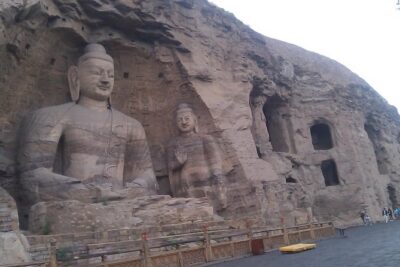
Datong Private Self-guided Tour with Chartered Car
Read our review →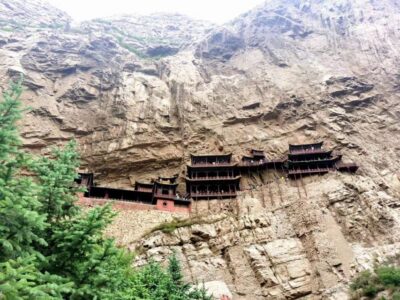
Temples and Grottoes day tour with tickets options
Read our review →
Pingyao Ancient City Scenic Area Pass Ticket Only
Read our review →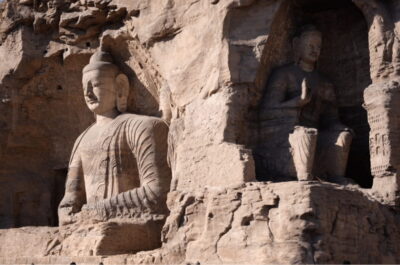
Transfer or Tour to Yungang Grottoes&Hanging Temple
Read our review →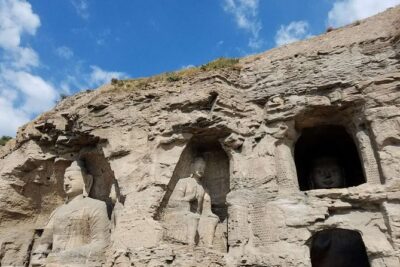
Private Tour to Yungang Grottoes, Hanging Temple and Wooden Pagoda from Datong
Read our review →Browse the lists this tour appears in