
Reviewed · DATONG TOURS
Datong Classic Day Tour
Datong’s two great sights make an awkward public-transport pairing, but this private day tour puts both within reach: the cliffside Hengshan Hanging Temple and the vast Buddhist carvings of the Yungang Grottoes. You spend the day with your own guide, driver, and air-conditioned vehicle instead of wrestling with Chinese-language transport.
I like the efficient route and the flexibility of a private tour. An early start can help you handle busy holiday crowds, and guides such as Nancy can advise on timing. I also like the easy railway-station pickup, which makes this a practical choice if Datong is a stop between trains.
The main drawback is the price, $208 per person, especially for solo visitors. Also, the admission information is inconsistent: one part says entrance fees are excluded, while the included-services list says entrance tickets are covered. Confirm this before paying.
Key points at a glance
- Two major Datong sights in one day: Visit the Yungang Grottoes and Hengshan Hanging Temple in roughly 7 to 8 hours.
- A genuinely private outing: Only your own group takes part, with a local English-speaking guide and private vehicle.
- Useful railway-station service: Pickup and drop-off are offered at Datong Railway Station or your hotel.
- An early start can matter: Nancy has advised guests to begin earlier during a Chinese National Holiday weekend, when crowds were especially heavy.
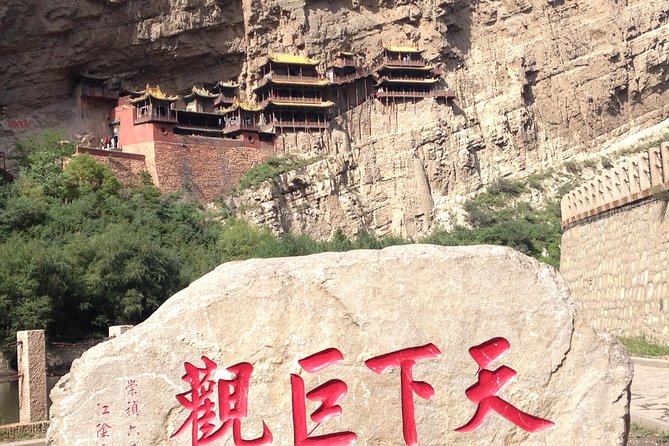
- A striking architectural stop: The Hanging Temple is built into the cliff of Cuiping Peak and contains more than 40 halls and over 80 sculptures.
- Check the ticket wording: The tour details conflict on whether admission fees are included, so ask for a clear answer before booking.
Why Datong works best with a private vehicle
Datong’s sights are spread out, and this is not a simple walk-from-the-station kind of day. A private car saves you the effort of piecing together public transport, especially when Chinese-language signs and schedules may slow you down.
You get pickup and drop-off at your Datong hotel or railway station. That is particularly useful if you are arriving by train in the morning or leaving Datong the same day. You do not need to spend part of your visit finding a taxi or arranging a second transfer.
The vehicle is air-conditioned and clean, and the tour includes fuel, tolls, and parking fees. Those details sound ordinary, but they matter on a long sightseeing day. You can focus on the two sites instead of watching the meter or negotiating separate rides.
This is a private activity, so only your group joins. That gives you room to ask questions, adjust the pace where possible, and spend more time on the parts that interest you. The advertised duration is about 7 to 8 hours, with approximately 2 hours and 30 minutes allocated to each main stop. The remaining time covers driving and the day’s practical transitions.
Other China days worth booking alongside this:
- From Beijing: Mutianyu Great Wall Tours with Options
★ 4.9 · 9,216 reviews - Beijing: Forbidden City Tour(Group/Private)-Tickets Included
★ 4.8 · 7,974 reviews - Beijing: T-Square & Forbidden City Group or Private Tour
★ 4.8 · 4,446 reviews
The Hengshan Hanging Temple, built into the cliff
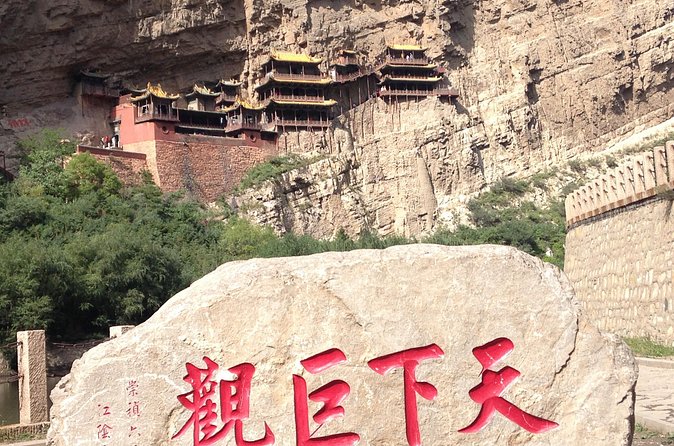
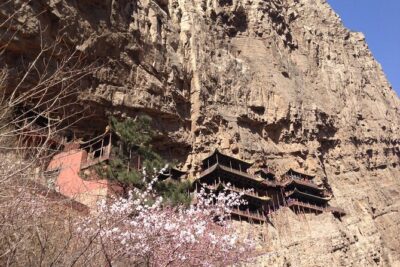
The Hanging Temple, also called Xuankong Si, is the day’s most visually startling stop. It sits halfway up a steep cliff on Cuiping Peak of Hengshan Mountain, with wooden buildings fitted against the rock face.
Historical records trace its beginnings to the later Northern Wei period, from 386 to 534, though later dynasties rebuilt much of what you see today. The site is about 1,400 years old, but it is not a preserved single-period building. It is better understood as an old religious and engineering site shaped by repeated rebuilding.
The temple is made almost entirely of wood. More than 40 halls, large and small, contain over 80 sculptures. From below, the structure appears to cling to the cliff with narrow walkways and carefully balanced supports. The unusual setting is not just a pretty backdrop. The placement and construction are the reason the temple is regarded as such a remarkable feat of Chinese architecture.
You have about 2 hours and 30 minutes here, enough time to take in the overall structure and examine the halls and sculptures. Your guide can add context about the building’s religious role, construction, and place in local history. The private format is useful at a site where you may want to pause, look back at the cliff face, or ask about details that are easy to miss on your own.
I would plan for a slower, more careful visit rather than racing through the temple. The description emphasizes its precipitous cliffside location, so anyone uneasy with heights should consider how comfortable they are with the setting. The tour data does not provide detailed information about stairways, railings, or access conditions, so ask the operator if those points matter to you.
The Hanging Temple is also the stop most likely to benefit from an early arrival. During a Chinese National Holiday weekend, Nancy recommended starting earlier than the usual departure time because the site was especially busy. That kind of local timing advice can make a real difference at a narrow cliffside attraction.
The Yungang Grottoes and 51,000 Buddhist statues
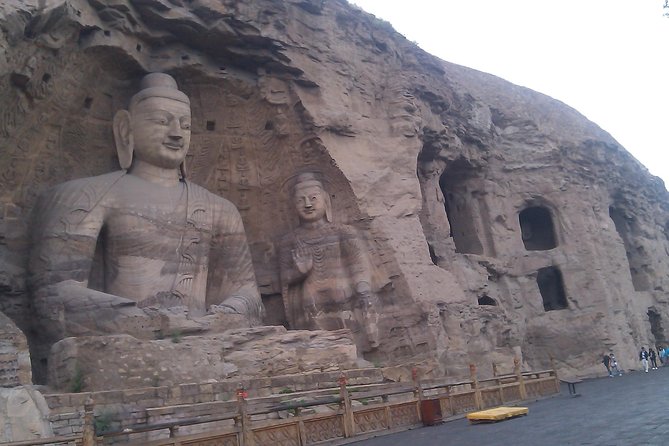
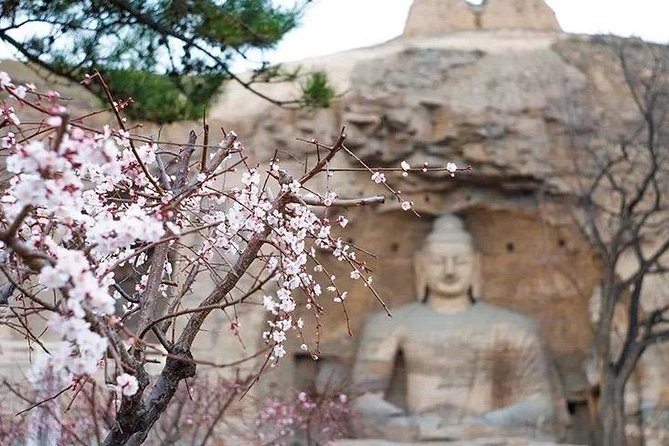
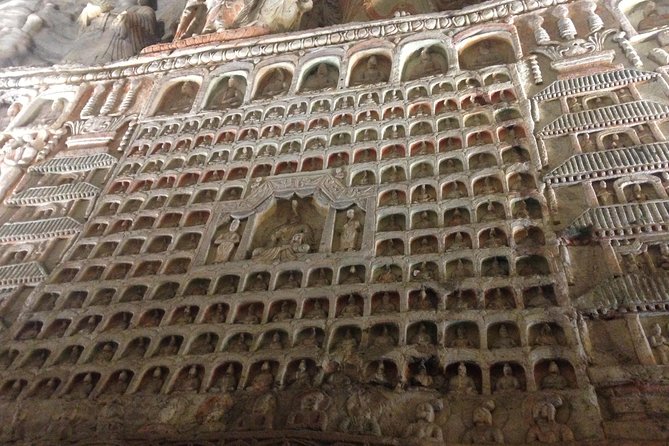
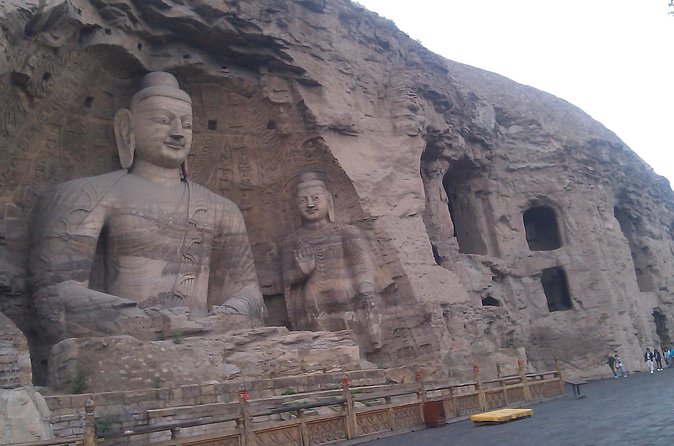
The Yungang Grottoes provide a very different experience. Instead of one dramatic structure attached to a cliff, you see a long series of Buddhist caves, niches, and carved figures.
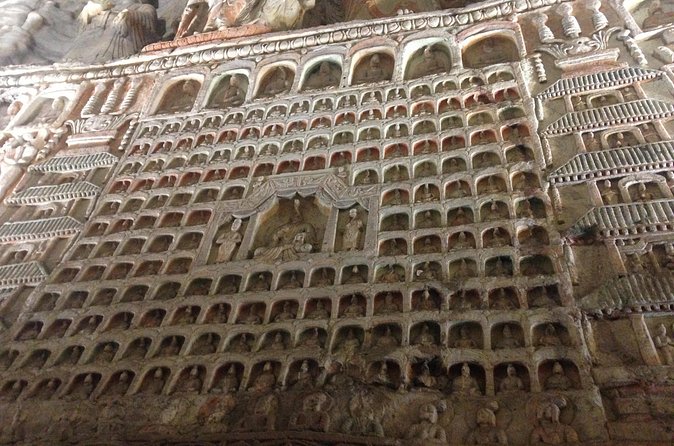
The site contains 45 caves and around 254 niches, with approximately 51,000 statues. These numbers are easy to skim past, but they give you a sense of the scale. This is not one decorated chamber. It is a large body of Buddhist art spread across a historic cave-temple complex.
Yungang is recognized as a UNESCO World Heritage Site and is described as one of the three most famous Buddhist cave-temple sites in China. Its carvings are linked to the first major period of Chinese Buddhist art, giving the site importance beyond Datong itself.
Your visit lasts about 2 hours and 30 minutes. That is a useful amount of time for a guided introduction and a closer look at the caves, though you should not expect to study every carving in equal detail. The site has complexity and variety, and a guide can help you understand what you are seeing instead of leaving you to move from cave to cave without a framework.
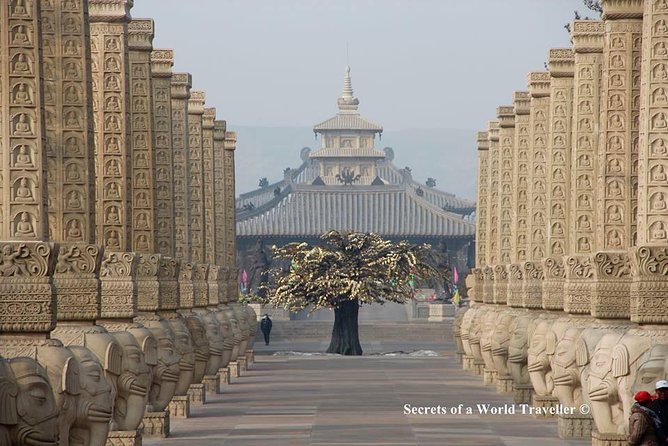
An expansion project in 2010 developed the area into a larger sightseeing destination combining the ancient Buddhist caves with a royal garden and an older architectural complex. That means the visit is not limited to dark cave interiors. The broader setting adds another layer, though the central reason to come remains the carved Buddhist art.
I like the contrast between the two stops. The Hanging Temple makes you look at structure, height, and engineering. Yungang asks you to slow down and study carved stone, religious imagery, and the scale of a long artistic tradition. Seeing both in one day gives Datong a stronger sense of place than visiting either one alone.
What the English-speaking guide adds
The guide service is one of the tour’s main benefits. You receive a local English-speaking guide rather than only a driver, and that distinction matters at places with long histories and many details.
A good guide can explain why the Hanging Temple was built where it is, point out how the halls fit into the cliff, and give you a way to read the Yungang carvings. You also have someone to answer practical questions during the day. One available account describes an English-speaking guide who provided background about the region and daily life in China, not just a list of dates.
Nancy is the guide name connected with the holiday-weekend experience. Her advice to start earlier is a useful example of what private guiding can offer: not merely translation, but help with timing when conditions change.
The quality of any private tour still depends on the individual guide assigned to your date. The tour promises English-language service, but it does not promise a particular guide for every booking. If Nancy is important to you, ask whether she is available before confirming.
Same country, a completely different kind of day:
- Beijing: Mutianyu Great Wall Daily Tour with Ticket & Lunch
★ 5.0 · 3,056 reviews - All-Inclusive Tour: Tiananmen Square, Forbidden City, Great Wall
★ 5.0 · 2,873 reviews - MuBus: Mutianyu Great Wall ENG/ESP/RUS Guided Bus Tour
★ 5.0 · 2,361 reviews - 4-Hour Small Group Tour to Forbidden City with Entry Tickets
★ 5.0 · 1,863 reviews
Is $208 per person a fair price?
At $208 per person, this is not the cheapest way to see Datong. Its value depends heavily on how many people are in your group and what you would otherwise pay for transport, guiding, and convenience.
For a solo visitor, the cost is a serious consideration. You are paying for a private vehicle, driver, guide, fuel, tolls, parking, hotel or station transfers, and a full day connecting two major sights. The price may feel reasonable if you have limited time and want to avoid transport complications, but it is harder to call a bargain for one person.
For a couple or small private group, the cost becomes easier to justify because the private service is priced per person while the car and guide serve the whole group. You also avoid spending time arranging separate rides between Datong and the two sites.
The tour details conflict about entrance fees. The overview says the tour excludes entrance fees, while the included section lists entrance tickets. This is not a small point because the sites are major paid attractions. Get the ticket arrangement in writing before booking and ask if the $208 total includes both attractions.
Meals are not included, so plan for your own food during the day. Tips for the guide and driver are also separate, and accommodation is not part of the service. Those exclusions are normal for a day tour, but they should be part of your budget.
Who will get the most from this day
I would choose this tour if you have one day in Datong and want the two headline cultural sites without arranging local transport yourself. It fits history-focused visitors, first-time visitors to the region, and anyone arriving or departing by train.
It is also a good match if you prefer direct explanations in English. The guide can connect the architecture, sculptures, regional background, and daily life in China rather than leaving you to rely on signs or an audio guide.
The private setup suits families and small groups that want their own schedule. A vegetarian meal option is available, but you need to request it when booking. Since meals are not included, clarify how that option will be handled.
I would think twice if you prefer independent travel, have a very limited budget, or want to linger at one site for most of the day. The tour is built around covering both attractions, with about 2 hours and 30 minutes at each. It is efficient, not leisurely.
Most people can take part, according to the provided information, but specific details about mobility access are not given. If you have concerns about the cliffside temple, stairs, or walking distance, ask before reserving.
Timing, crowds, and the best way to use the day
The normal outing lasts approximately 7 to 8 hours, but the exact rhythm depends on your pickup time, driving conditions, and how long your group spends at each stop. A private tour gives you some control, though the two-stop plan still sets the basic shape of the day.
If your visit falls during a major Chinese holiday, ask about an earlier start. The advice given to Nancy’s group during National Holiday weekend suggests that crowd levels can change the feel of the experience. At the Hanging Temple, narrow spaces and a cliffside route make congestion more noticeable.
I would keep the day focused. The strength of this outing is that it links the two key cultural sights efficiently. Adding extra stops could make the schedule rushed, especially if you want proper time at Yungang.
Wear practical footwear and keep your attention on the route at the Hanging Temple. The information supplied does not specify footwear rules or access details, but the temple’s position on a precipitous cliff makes careful movement sensible.
Booking details worth checking first
Confirmation is sent within 48 hours of booking, subject to availability. If your train schedule is tight, do not assume the tour is confirmed immediately. Build in enough time to receive the confirmation and check the pickup plan.
Pickup and drop-off are available at a Datong hotel or railway station. Give the operator your exact location and train information so the meeting point is clear. This is especially important at a station, where a precise pickup arrangement saves time.
Free cancellation is available if you cancel at least 24 hours before the local start time. Changes or cancellations made less than 24 hours ahead are not accepted for a refund. Keep that deadline in mind when your Datong plans depend on train availability.
Should you book the Datong Classic Day Tour?
Book it if you want Yungang and the Hanging Temple in one well-organized day, value a private car and English-speaking guide, and are willing to pay for convenience. The railway-station pickup, private format, and local timing advice are the strongest reasons to choose it.
Before booking, settle the entrance-fee question and ask about the start time for your date. If you are visiting during a holiday weekend, request the earliest practical departure. For a solo visitor on a strict budget, independent arrangements may cost less. For a couple or small group with limited time, this tour offers a sensible way to see Datong’s two essential sights without losing a day to transport problems.
FAQ
How long does the Datong Classic Day Tour last?
The tour lasts approximately 7 to 8 hours.
Which attractions are included in the route?
The route includes Hengshan Hanging Temple, also called Xuankong Si, and the Yungang Grottoes.
Is the tour private?
Yes. Only your own group participates in the activity.
Where can pickup and drop-off take place?
Pickup and drop-off are offered at your hotel or Datong Railway Station.
Is an English-speaking guide included?
Yes. The tour includes a local English-speaking guide.
Is private transportation included?
Yes. The tour includes a clean, air-conditioned private vehicle, along with fuel, tolls, and parking fees.
Are entrance tickets included?
The supplied tour information is inconsistent. One section says entrance fees are excluded, while another says entrance tickets are included. Confirm this directly before booking.
Are meals included?
No. Meals are not included.
Is a vegetarian option available?
Yes. A vegetarian option is available if you request it when booking.
What is the cancellation policy?
You can cancel at least 24 hours before the experience starts for a full refund. Cancellations or changes made less than 24 hours before the start time are not accepted for a refund.
Just added around China
- Hong Kong Airport to Hong Kong City Private Arrival Transfer★ 4.5 · 3 reviews
- Hong Kong Peak Tram and Sky Terrace 428 Tickets (Optional)★ 3.5 · 22 reviews
- Hong Kong Observation Wheel Ticket★ 5.0 · 3 reviews
- Hong Kong Palace Museum Ticket★ 5.0 · 3 reviews
- Hong Kong Private Walking Tour with a Local★ 5.0 · 6 reviews
- Hong Kong Market Walking Tour & Chinese Cooking Class★ 5.0 · 24 reviews
- Hong Kong : Must-See Attractions Walking Tour With A Guide★ 5.0 · 7 reviews
- Hong Kong: Lantau Island & Tai O Cruise, Skip The Line Cable Car★ 3.5 · 4 reviews
Datong Tours, compared.
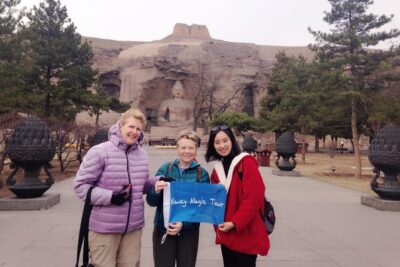
Private Datong Day Tour Arranged by Local Tour Guide Nancy
Read our review →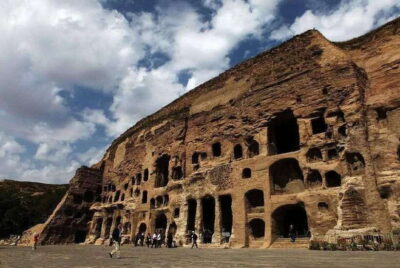
Datong Private Self-guided Tour with Chartered Car
Read our review →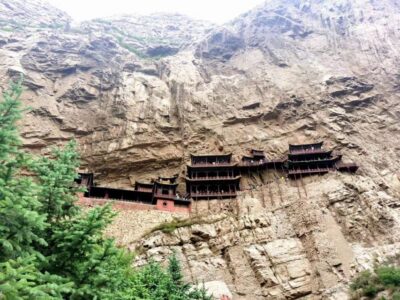
Temples and Grottoes day tour with tickets options
Read our review →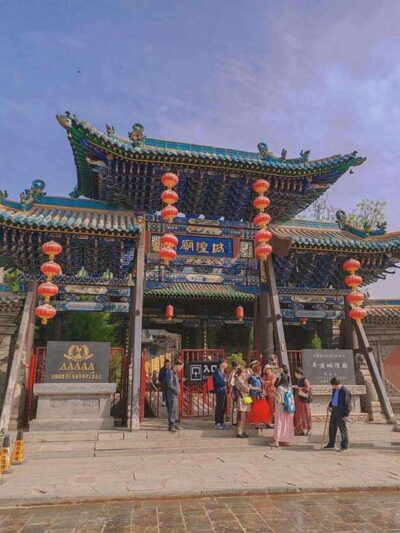
Pingyao Ancient City Scenic Area Pass Ticket Only
Read our review →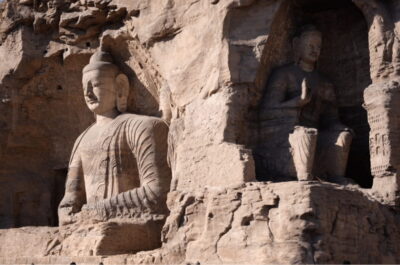
Transfer or Tour to Yungang Grottoes&Hanging Temple
Read our review →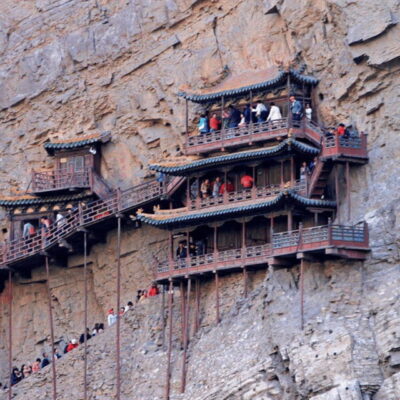
Private Tour Datong Hengshan Hanging Temple Yungang Grottoes
Read our review →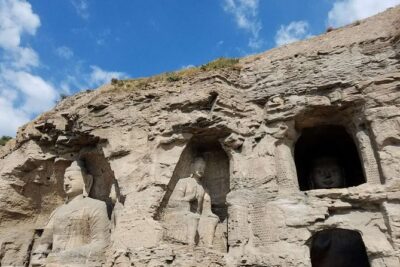
Private Tour to Yungang Grottoes, Hanging Temple and Wooden Pagoda from Datong
Read our review →Browse the lists this tour appears in