
Reviewed · BEIJING HUTONG TOURS
Hutong Walking Tour: Discover Real Beijing without Crowds
Beijing’s old hutongs are best understood at walking speed, and this tour takes you beyond the postcard lanes into places where daily life still unfolds. You’ll compare quiet courtyards and religious buildings with the city’s modern financial side, guided by locals such as Dee, Tracy, and Heidi.
I like the mix of architecture and ordinary life, from siheyuan courtyards to temples, a church, and an old bookshop. I also like the practical finish: a traditional drink, often plum juice with herbs, plus useful suggestions for food, shopping, and getting around Beijing.
The main consideration is simple: this is not a hutong-only walk. About half the 3-kilometre route is in hutongs, while the rest covers nearby landmarks and distinctive buildings, so book it for a broad introduction to old Beijing rather than a nonstop alley walk.
Key points at a glance
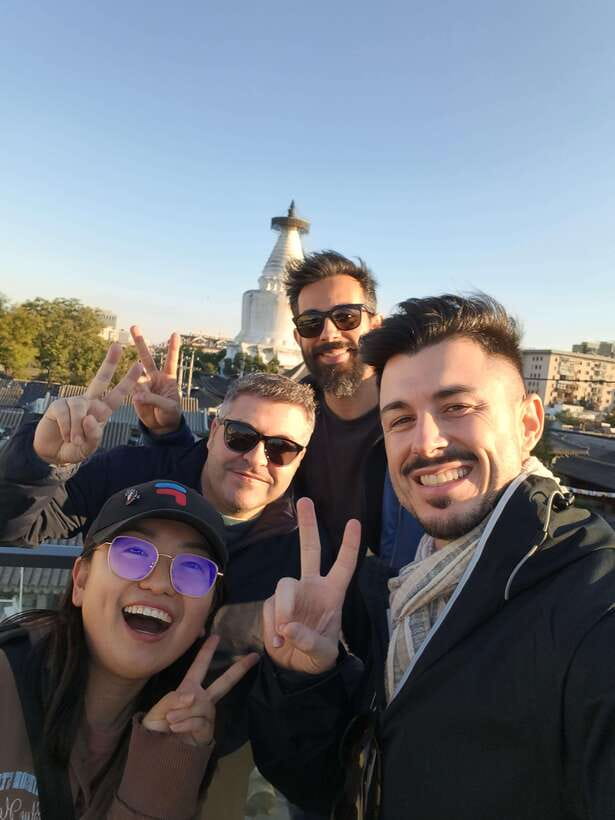
- A small group of up to eight: You get room to ask questions and keep a comfortable walking pace.
- A thoughtful mix of places: See Guangji Temple, a Catholic church, Zhuanta Hutong, the Temple of Ancient Monarchs, and Miaoying Temple.
- Local life, not just grand monuments: The route shows courtyards, neighborhood streets, traditional customs, and how Beijing’s urban design has changed.
- A useful first-day tour: Guides explain architecture and symbols that can help you make more sense of later visits to places such as the Forbidden City.
- A traditional drink included: The final stop may feature a sour plum drink with Chinese herbs, served at a local café or rooftop terrace.
- A genuine walking workout: Expect around 3 kilometres in 2.5 hours, with no transportation included.
Why this walk gives you a better start in Beijing
The usual first picture of Beijing is imperial: the Forbidden City, enormous gates, formal courtyards, and grand avenues. This walk adds the human scale. You pass through older neighborhoods, look at the shape of courtyard homes, and see how temples and churches sit among present-day streets.
That contrast is the real subject. Beijing’s hutongs are not simply preserved museum lanes. They are part of a changing city, and the guide explains how urban planning, redevelopment, and modern buildings have altered the old neighborhoods. You will spend only around half the tour inside hutongs, but that broader route helps explain where those lanes fit into Beijing today.
I would book this early in your stay. Several guides, especially Dee and Tracy, are praised for explaining Chinese architecture, history, and everyday customs in a way that makes later sightseeing easier. The advice on restaurants, shopping, and navigating the city is also more useful at the start of a trip than on your final morning.
The group limit of eight matters. In narrow lanes and quiet religious sites, a small party is easier to manage than a large parade. You can ask about roof decorations, courtyard layouts, local worship, or the meaning of a building without holding up a crowd.
More Beijing Hutong Tours in Beijing:
- Beijing Hutong Walking Food and Beer Tour at Hidden Restaurants
★ 5.0 · 1,132 reviews - Temple Heaven, Summer Palace, Lama Temple, Hutong Bus Tour
★ 4.7 · 319 reviews - Temple of Heaven, Summer Palace, Lama Temple, Hutong Tours
★ 5.0 · 311 reviews
Starting at Xisi Station and entering old Beijing
Meet at Xisi Subway Station, Exit D, on Metro Line 4. The tour begins in a central part of Beijing, so the metro is the sensible way to arrive. Transportation during the walk is not included, and you should plan your own way to the meeting point and from the finish at 410 Funei Street.
The first stretch sets up the old and new contrast. You may notice modern commercial buildings and the city’s financial center before turning toward streets with older forms and quieter corners. A good guide will help you read this transition rather than simply hurry you from one stop to the next.
This is a place where context makes a big difference. On your own, a plain gray wall or narrow lane can look unremarkable. With an explanation of courtyard design, street planning, and the way Beijing families once shared compounds, the same view becomes a clue to how the city worked.
The route is not designed for speed. Expect frequent stops, short explanations, and time to look closely. The guides Dee, Tracy, and Heidi have all been singled out for a friendly manner and patient answers, though your guide may be someone else depending on the departure.
Guangji Temple and the quiet side of local worship
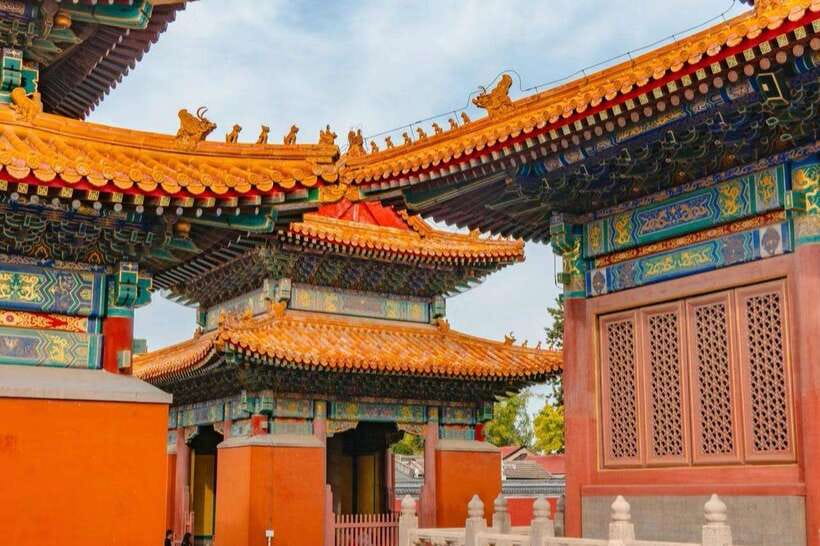
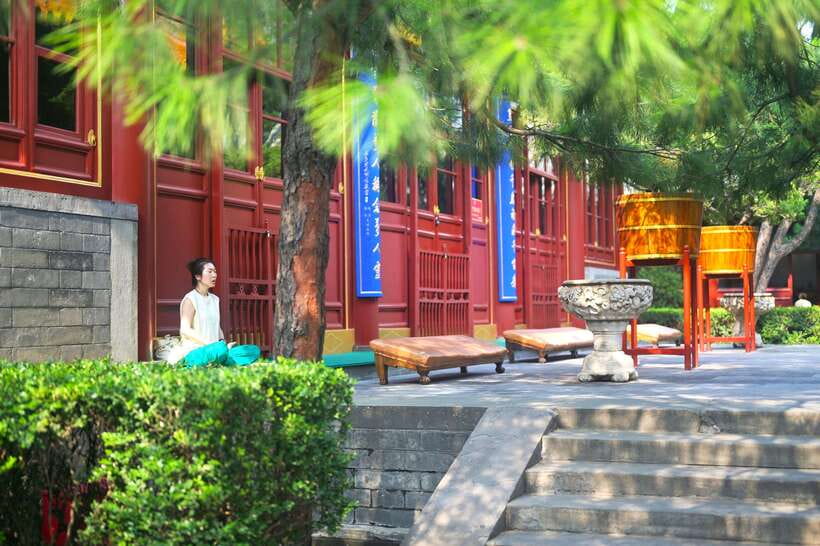
Guangji Temple brings you into one of the walk’s main themes: religious buildings are not only historic sights, but active places of worship. The temple offers a calmer setting than Beijing’s major imperial attractions, and the guide explains its role, design, and customs.
You do not need to know much about Chinese Buddhism beforehand. This is one of the useful features of a guided visit. Details that might otherwise pass unnoticed, such as symbols, roof forms, courtyards, and the arrangement of buildings, are given a clear purpose.
Visitors should behave quietly and respectfully. Dress need not be formal based on the information provided, but modest behavior, low voices, and care around people who are praying are good practice. Photography should also be handled with common sense, particularly around worshippers.
The temple is one of the stronger stops for anyone interested in culture rather than just photographs. It also helps prepare you for later visits to Beijing’s larger religious and imperial sites.
Church of the Saviour, Beijing, and a wider view of the city
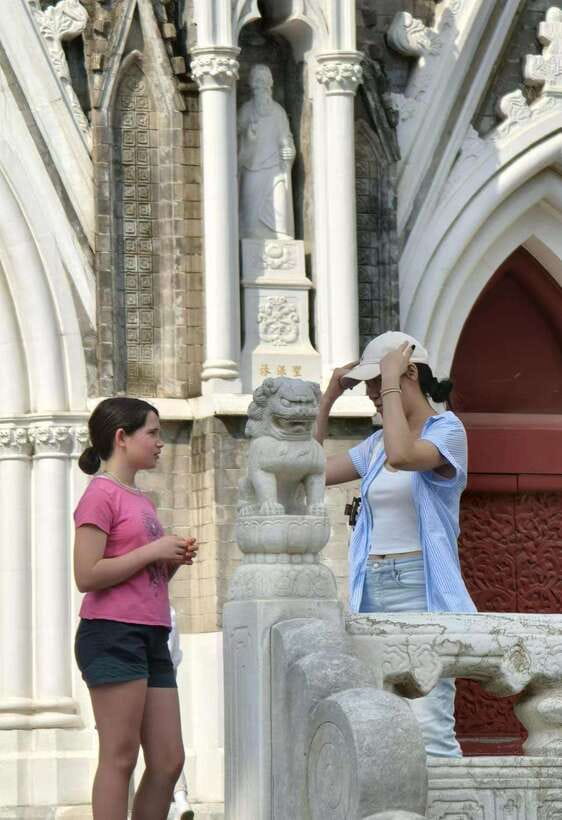
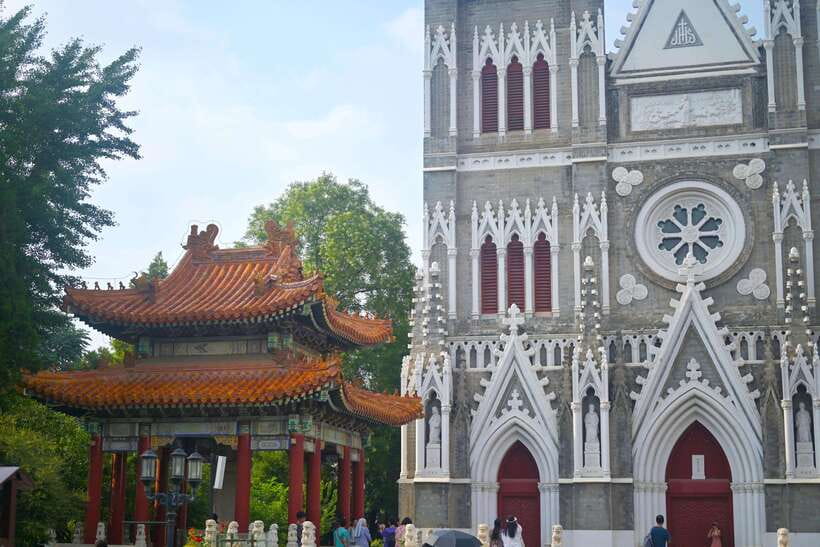
The Church of the Saviour adds a different layer to the route. After a Buddhist temple, you see a Christian building with its own history and visual language. That change prevents the tour from presenting Beijing as a single, fixed version of Chinese culture.
The church is valuable because it broadens the conversation. You can ask about religion, architecture, and the presence of different communities in the capital. The tour’s strength is this side-by-side comparison: Buddhist temple, Christian church, palace-related buildings, and ordinary residential lanes all appear within one compact walk.
For photographers, this is another welcome change from the standard imperial sequence. You are not only collecting grand views. You are seeing how different traditions have occupied the same city over time.
A few more Beijing trips to weigh up
- Private Beijing Walking Tour of the Forbidden City with 7 Options
★ 5.0 · 675 reviews - Forbidden City Private Walking Tour with Optional Sights
★ 5.0 · 400 reviews - Beijing Private Hutong Food Walking Tour
★ 5.0 · 299 reviews - Beijing: Hutong Culinary Walking Tour with 15+ Tastings
★ 5.0 · 162 reviews
Zhengyang Bookstore and the texture of local culture
The stop at Zhengyang Bookstore, written as 正阳书局 in the route details, provides a break from monuments. It is a place to browse and shop, with the guide helping you understand its connection to Beijing culture and local publishing.
This is the kind of stop that can be easy to skip on an independent walk. A bookshop may not sound as dramatic as a temple, but it gives you a closer look at how the city presents and preserves its own story. If you enjoy books, design, or small local businesses, allow a little attention here rather than treating it as a quick pass-through.
Shopping is optional, and personal purchases are not included in the $49 price. Still, the stop adds variety and keeps the experience tied to present-day Beijing instead of turning every building into a lesson from the distant past.
Zhuanta Hutong, where the route feels most local
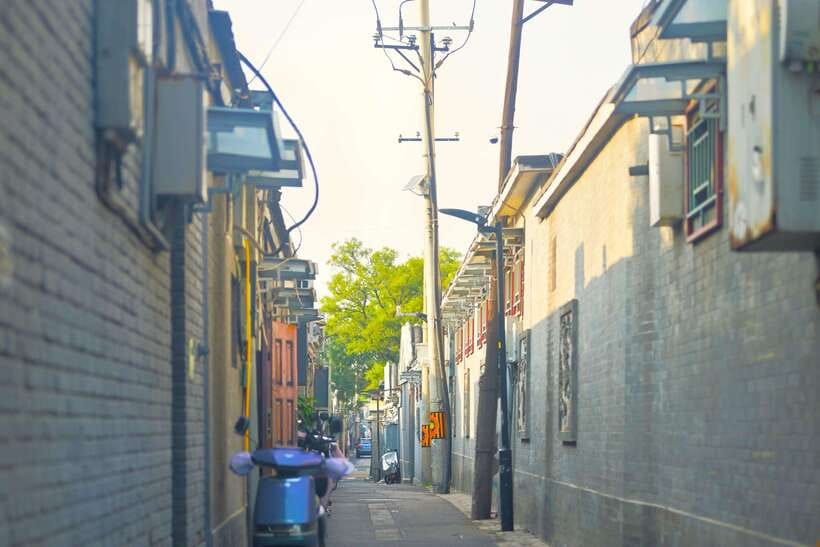
Zhuanta Hutong is likely the part you picture when you hear the word hutong: a narrow neighborhood lane, older courtyard houses, and evidence of ordinary city life. This is where the tour moves closest to residential Beijing.
The guide discusses the hutong’s age, layout, and cultural meaning while asking you to respect the people who live there. That point is important. These lanes are not a theme park. Residents may be cooking, resting, parking bicycles, or coming home from work, so keep voices down and avoid photographing private spaces without permission.
The route gives you a chance to consider what has changed in Beijing’s neighborhoods. Courtyard homes and traditional lanes can sit near new construction and busy roads. The contrast is not always pretty or tidy, but it is honest, and it gives you a better sense of the pressure on older parts of the city.
If your main goal is to spend the entire 2.5 hours wandering hutongs, this tour may disappoint. The route uses Zhuanta Hutong as part of a wider cultural walk, not as an extended residential exploration.
The Temple of Ancient Monarchs and the meaning of formal design
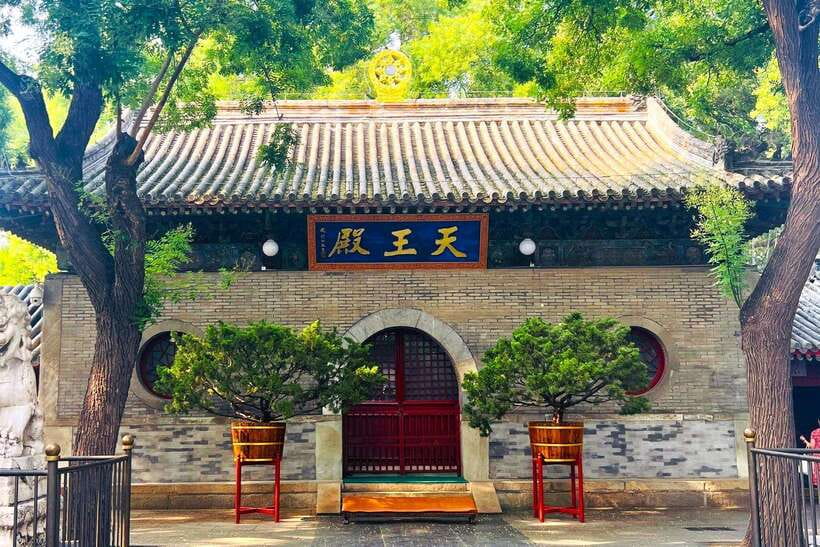
The Temple of Ancient Monarchs, also known as the Palace of Ancient Monarchs in the included-features information, is one of the tour’s key historic stops. The entrance fee is included, although the site is closed on Mondays.
This place helps explain the formal side of Chinese architecture and ritual. The guide connects its buildings and layout with ideas of authority, ceremony, and historical memory. You begin to see why symmetry, gateways, courtyards, and carefully ordered spaces matter so much in Beijing.
I would pay close attention here if you plan to visit the Forbidden City. The same broad ideas about hierarchy, movement, and symbolic design appear on a much larger scale there. A guide such as Tracy can make those patterns easier to spot later, rather than leaving you with a blur of halls and roofs.
The site also offers a useful pause from the residential lanes. It is more ceremonial and controlled, while the hutongs feel improvised and lived-in. Together, the two settings show different versions of Beijing’s past.
The café break and a traditional Beijing drink
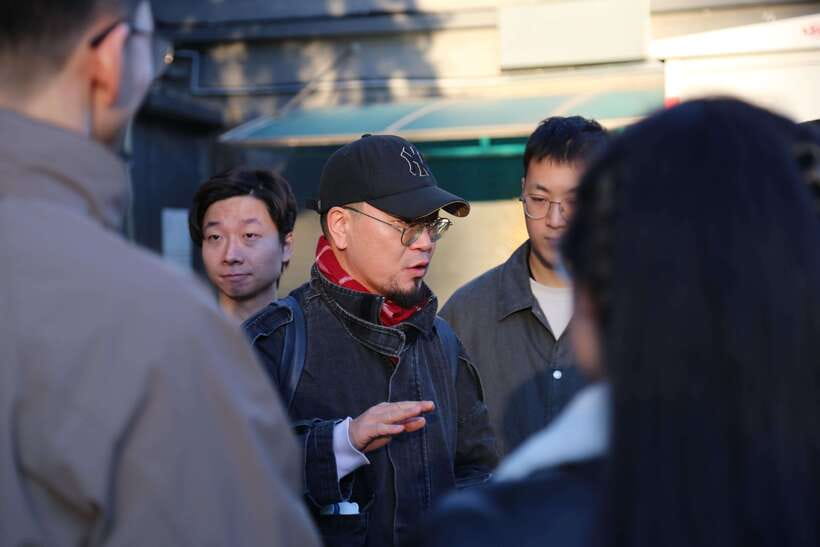
The café stop is more than a chance to sit down. It is the social finish to the walk, and the included traditional Beijing drink gives the tour a local taste without adding a separate food expense.
Past participants have enjoyed iced tea, coffee, and a sour plum drink with Chinese herbs. The exact drink may vary, but the experience is intended to introduce a Beijing specialty rather than provide a full meal. One version of the stop takes place on a rooftop terrace with views over old Beijing, which makes a pleasant final pause after several kilometres on foot.
Do not arrive expecting lunch. Meals and other personal expenses are not included, so eat beforehand or plan a proper meal after the tour. The guide can suggest restaurants and local food spots, which is especially handy if you are still figuring out Beijing’s dining customs.
This final conversation is also where the tour becomes most personal. Guides have helped people choose places to shop, eat, and explore on their own. That practical exchange can be worth as much as another monument, particularly if you use the walk as your first orientation to the city.
Miaoying Temple and the final look at Beijing’s skyline
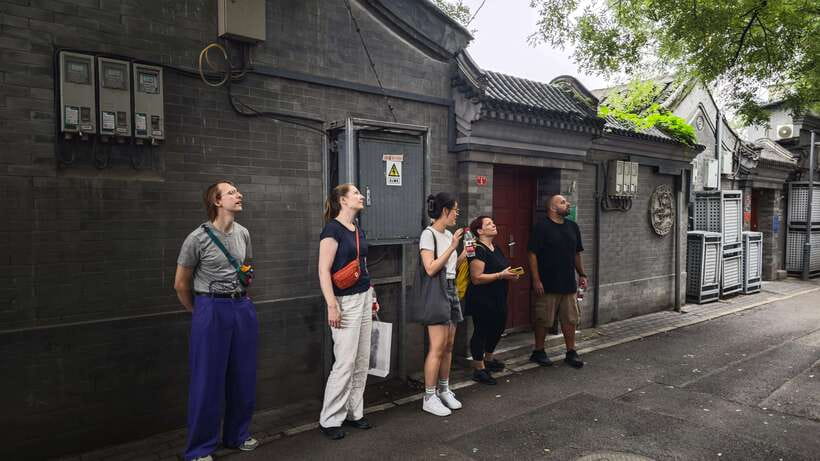
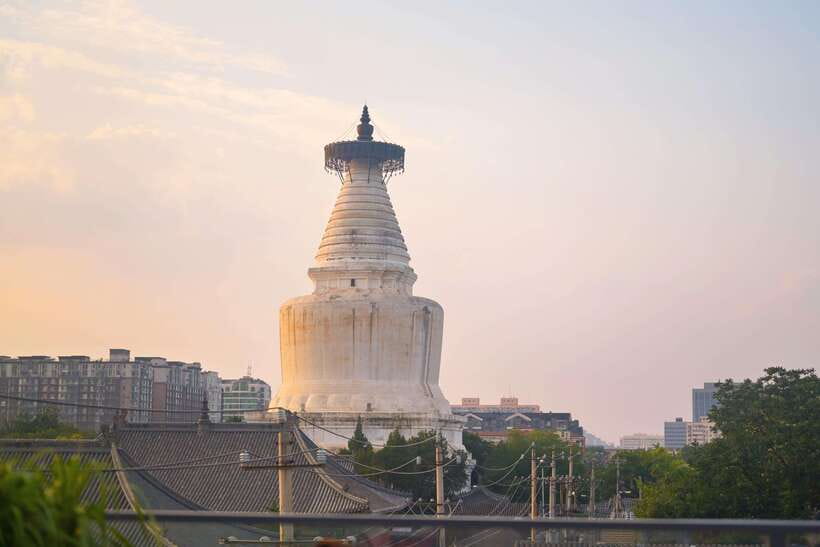
The last major stop is Miaoying Temple, visited for photographs and a guided explanation. Its large white stupa gives the area a distinctive profile and adds another style of Buddhist architecture to the day.
The temple reinforces one of the walk’s best lessons: Beijing’s past is not confined to one imperial compound. Religious sites, churches, bookstores, courtyards, and modern streets overlap. You get a broader picture of the capital by moving among them.
The route ends at 410 Funei Street. Check your onward plans before setting out, since the tour does not include transportation after the walk. Your guide can offer suggestions, but you should still allow time to orient yourself and arrange your next metro or taxi ride.
What $49 buys you, and what it does not
At $49 per person, the tour is a reasonable buy if you value explanation and access to a small group. The price covers 2.5 hours, a local English- or Chinese-speaking guide, the entrance fee for the Temple of Ancient Monarchs, and the traditional drink.
You are not paying for transportation, lunch, or a long list of paid attractions. The value comes from the route design and the guide’s ability to connect places that would otherwise feel unrelated. For a first visit to Beijing, that can save you time and help you choose what to see next.
The small-group limit improves the value. With no more than eight participants, the guide can answer questions and adjust the pace more easily. In some cases, a booking has turned into a private walk when other people canceled, though you should not book assuming that will happen.
Free cancellation up to 24 hours before the start and the option to reserve now and pay later make the tour easier to fit into a changing itinerary. The schedule has different starting times, so check availability before choosing a date.
Who should book this Beijing walk
You will get the most from this experience if you:
- Want a calm introduction to Beijing before visiting the Forbidden City.
- Care about architecture, religious sites, and local customs.
- Prefer small groups to large sightseeing crowds.
- Like asking questions and talking with a guide.
- Want restaurant and shopping suggestions for the rest of your stay.
- Can comfortably walk around 3 kilometres.
The tour is less suitable if you want a full food tour, a long shopping outing, or an uninterrupted hutong walk. It is also not suitable for wheelchair users or people with mobility impairments, and the route includes substantial walking.
Bring comfortable shoes, water, sunscreen, and a hat. Beijing weather can make a paved walk feel much longer, especially on a hot sunny day. Smoking is not allowed during the activity, and you should treat residential lanes as homes rather than photo sets.
Should you book the Hutong Walking Tour?
I would book this tour for your first or second day in Beijing if you want the city explained through more than its famous imperial sights. The strongest parts are the small group, the mix of Buddhist, Christian, residential, and ceremonial places, and guides such as Dee and Tracy, who are praised for clear explanations and practical advice.
The decision depends on your expectations. Book it if you want a thoughtful introduction to Beijing’s old neighborhoods and cultural design. Skip it if your only goal is several hours of hutong wandering or a food-focused outing.
For $49, the tour offers a useful blend of orientation, history, local life, and a traditional drink. It will not show you every corner of the hutongs, but it can help you understand what you are seeing when you explore Beijing on your own.
FAQ
How long is the Hutong Walking Tour?
The tour lasts 2.5 hours and covers approximately 3 kilometres on foot.
Where does the tour begin?
Meet at Xisi Subway Station, Exit D, on Metro Line 4.
Where does the tour finish?
The walk finishes at 410 Funei Street.
Is the entire tour spent in the hutongs?
No. About half of the experience takes place in hutongs. The rest includes local attractions, temples, a church, a bookshop, and other distinctive buildings.
What languages are available?
The tour is offered with a live guide in English or Chinese.
Is the traditional drink included?
Yes. A traditional Beijing drink is included. Past examples include iced tea and sour plum juice with Chinese herbs.
Is the tour suitable for wheelchair users?
No. The tour is not suitable for wheelchair users or people with mobility impairments because it involves significant walking.
Just added around Beijing
- Private Transfer to Mutianyu Great Wall with professional driver★ 5.0 · 19 reviews
- One day tour to downtown Tianjin from Beijing by high speed train★ 5.0 · 3 reviews
- camp on the Great Wall overnight with sunrise and sunset on the wall★ 5.0 · 11 reviews
- BusDa:Ancient Great Wall &Badaling Great Wall Full-day Bus Tour★ 4.5 · 6 reviews
- ZANBUS: Trip to the Jinshanling Great Wall Departing at 7:30 AM★ 5.0 · 5 reviews
- Yuxiandu Chinese Royal Cuisine Museum with Show and Royal Banquet★ 5.0 · 4 reviews
- Private Wild Great Wall Hiking tour at Simatai (Challenging)★ 5.0 · 16 reviews
- Wild Great Wall Huanghuacheng Half Day Tour★ 5.0 · 15 reviews
Beijing Hutong Tours, compared.

Beijing Hutong Walking Food and Beer Tour at Hidden Restaurants
Read our review →
Temple Heaven, Summer Palace, Lama Temple, Hutong Bus Tour
Read our review →
Temple of Heaven, Summer Palace, Lama Temple, Hutong Tours
Read our review →


Beijing City Walk: Explore Hutongs Life and Old Beijing
Read our review →Browse the lists this tour appears in