
Reviewed · BEIJING HUTONG TOURS
Discover Old Beijing: Hutong Walking Tour & Calligraphy
Beijing’s old neighborhoods make the city easier to understand, and this 3.5-hour walking tour connects several of the most interesting streets in the historic center. You’ll move from an old opera theatre through hutongs, a working residential district, old cinemas, shopping streets, and Qianmen, with plenty of local stories along the way.
I like the courtyard visit, because it takes you beyond the main roads and into the type of residential space that gives old Beijing its character. I also like the calligraphy session, a simple hands-on activity that leaves you with something more personal than another photograph. The main consideration is value: the advertised price is $25, while one recent booking account described the outing as a tip-supported free walking tour, so check exactly how payment and tipping work before you commit.
Key points to know
- A real hutong courtyard visit gives you a closer look at old Beijing life than a walk along a commercial street.
- The calligraphy activity lets you make and take home your own Chinese artwork at no extra charge.
- Huguang Guild Theatre opens the tour with Beijing’s opera and performance traditions.
- Yangmeizhu Byway and Dashilar mix old shops, homes, food stalls, and changing city life.
- Qianmen and Zhengyang Gate provide a strong finish, with Tiananmen Square viewed from outside.
- The yellow umbrella meeting point is important, especially if you are finding your way through Beijing’s large metro system.
Why This Walk Helps You Read Beijing
Beijing can feel enormous on arrival. Imperial gates, wide avenues, office towers, packed shopping streets, and narrow lanes all sit close together, but the city does not always explain itself.
This walk gives you a useful thread. You begin at Huguang Guild Theatre and gradually move through the older parts of the city toward Qianmen and Tiananmen Square. Along the way, the guide explains how Beijing grew from an imperial capital into China’s political center, while also dealing with the pressures of redevelopment and modern city planning.
That mix is more useful than a simple list of monuments. You are not only looking at old buildings. You are seeing how people lived in them, how commercial streets changed, and how older neighborhoods now fit into a modern capital.
The tour is led in English, and the provider says its guides have been running walks since 2017. The strongest feedback centers on the guides’ ability to explain Beijing’s past, present, and future. Carrie is specifically praised for explaining hutong planning and change, while Shery is described as friendly and clear.
More Beijing Hutong Tours in Beijing:
- Beijing Hutong Walking Food and Beer Tour at Hidden Restaurants
★ 5.0 · 1,132 reviews - Temple Heaven, Summer Palace, Lama Temple, Hutong Bus Tour
★ 4.7 · 319 reviews - Temple of Heaven, Summer Palace, Lama Temple, Hutong Tours
★ 5.0 · 311 reviews
Starting at Hufangqiao and Huguang Guild Theatre
The meeting point is Hufangqiao Metro Station on Line 7, Exit D, also marked as the southwest exit. After leaving the station, walk straight to the main road, turn right, and continue about 60 meters east toward the green space at the corner of Hufang Road and Luomashi Avenue.
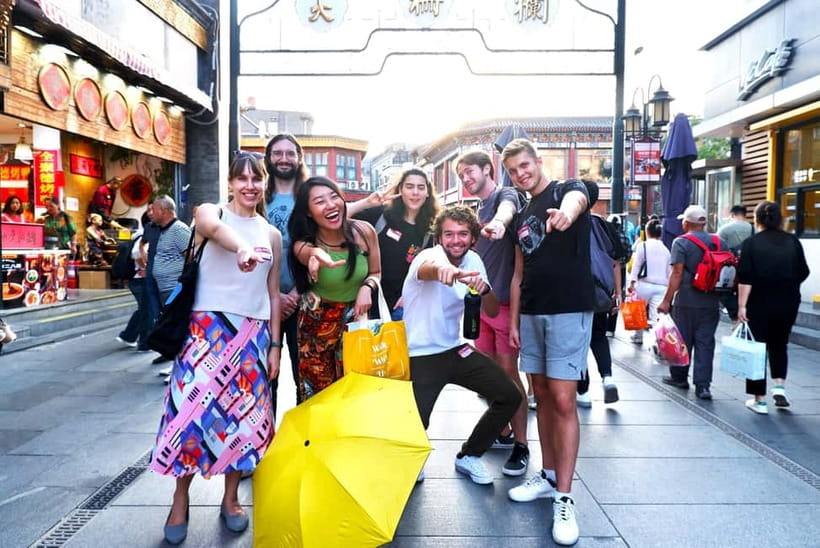
Look for the yellow umbrella. The guide waits there, not deep inside the station or at an unclear street corner.
Arrive five to ten minutes early. Beijing’s metro stations can be large, and the tour cannot hold its start for late arrivals. The guide may wait up to 20 minutes while giving the opening talk, but you should not count on that extra time.
The first stop is Huguang Guild Opera Theatre, also called Huguang Guild Hall. You spend about 30 minutes here with a guide. The theatre gives you an early look at the traditional performance culture that once brought people together from across China.
This is a good opening because it sets the tone before the walk reaches the streets. You get cultural context without committing to a full theatre performance. The stop is relatively short, so think of it as an introduction rather than a complete visit to every part of the building.
Entering Beijing’s Hutongs and a Courtyard
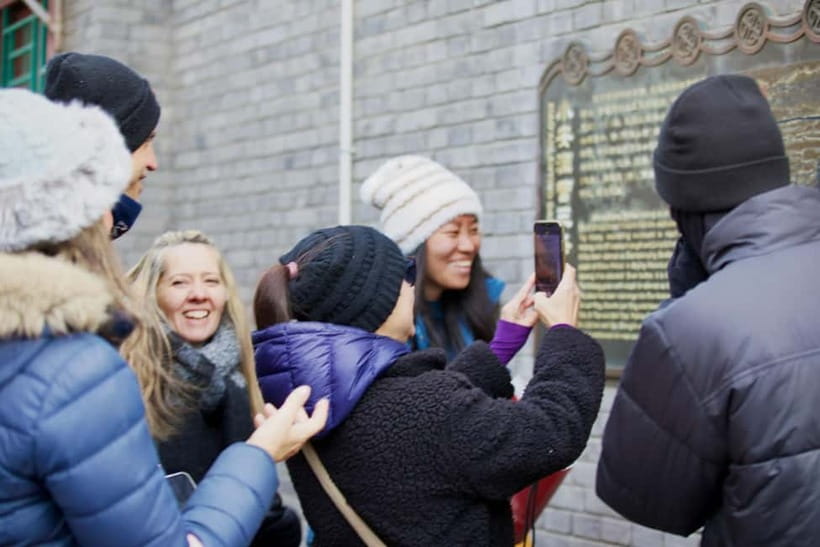
From the theatre, the group moves into Beijing’s hutongs for around 30 minutes. These narrow lanes are one of the clearest ways to see how the city differs from its grand imperial avenues.
A hutong is not just a photo backdrop. It is a neighborhood pattern, with lanes connecting homes, small businesses, and shared public spaces. As you walk, the guide talks about people who have spent much of their lives in these districts and about the changes old neighborhoods face.
The stories matter because a quick solo walk can leave you seeing only brick walls and busy doorways. A local guide can point out how homes function, what certain lanes once meant, and why redevelopment is a sensitive subject.
The tour then makes a 20-minute secret stop at an authentic hutong courtyard. The exact location is not given ahead of time, which is part of the appeal. You get a chance to see a residential setting instead of staying only on the main tourist routes.
This is one of the most valuable parts of the experience, but keep your expectations sensible. A 20-minute visit is a brief look, not a long home visit or a detailed architectural tour. Still, it adds a human scale that many sightseeing walks miss.
Making Your Own Calligraphy in Beijing
The calligraphy visit is the tour’s hands-on feature. You visit a local calligraphy studio and create your own Chinese calligraphy artwork to take home.
I like this stop because it gives you a quiet change of pace after walking through lanes and streets. You are not simply watching someone demonstrate a traditional art. You make a piece yourself, which gives you a practical memory of Beijing that fits easily in your luggage.
The supplied details describe the artwork as included at no extra charge. They do not specify how long the studio session lasts or which characters you will write, so the guide will explain the exact format on the day.
If you care about the result, take your time and ask for help with brush control and the meaning of the characters you are using. The point is not to produce museum-quality work. It is to understand a small part of a writing tradition and leave with something you made.
A few more Beijing trips to weigh up
- Private Beijing Walking Tour of the Forbidden City with 7 Options
★ 5.0 · 675 reviews - Forbidden City Private Walking Tour with Optional Sights
★ 5.0 · 400 reviews - Beijing Private Hutong Food Walking Tour
★ 5.0 · 299 reviews - Beijing: Hutong Culinary Walking Tour with 15+ Tastings
★ 5.0 · 162 reviews
Yangmeizhu Byway and the Old Cinema District
The group spends about 30 minutes on Yangmeizhu Byway. This street is known for its older commercial feel, independent shops, and connection to Beijing’s changing creative and urban life.
The tour also stops at Daguanlou Cinema for around 20 minutes. The cinema is presented as the birthplace of Chinese cinema, giving the stop a different focus from the opera theatre. Together, the two locations show how public entertainment changed from traditional stage performance to film.
Do not expect a long indoor cinema visit based on the published timing. The value here is the explanation and the setting. The guide helps you connect an old street and a historic cinema with the wider story of modern Chinese culture.
Yangmeizhu Byway is also a good place for photographs. The tour description includes several photo stops, but you should remember that this is a group walk. You may have only a short time at each location, especially if the streets are crowded.
Dashilar, Local Snacks, and Everyday Beijing
The next section takes about 30 minutes through the Dashilar residential district. This area combines old homes, shops, commercial activity, and long-established streets close to Qianmen.
The district is useful because it shows Beijing at street level. You see more than formal monuments. You get the sound and movement of a neighborhood where daily life and sightseeing occupy the same space.
A snack break is included, with local street food and drinks along the way. The exact food is not specified, so anyone with allergies, dietary restrictions, or strong food concerns should ask the guide before eating.
The snack stop is short, but it gives the walk a welcome local touch. You can try something without planning a separate food tour, and the guide may help explain what you are eating. Treat it as a taste rather than a full meal. You should still eat breakfast or lunch according to the tour’s start time.
The tour also includes a visit to a local antique shopping street. This can be fun for browsing, but you should treat purchases carefully. The information provided does not promise that the guide authenticates antiques or helps with bargaining, so consider it a street scene and shopping opportunity rather than a guarantee of genuine historical objects.
Qianmen Street and the View Toward Tiananmen
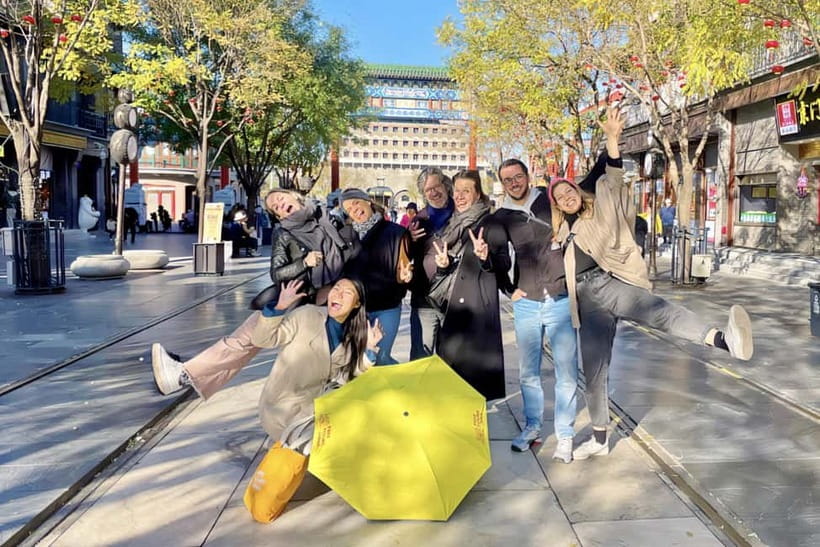
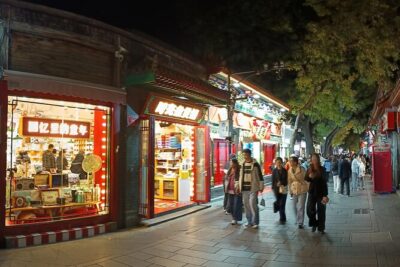
The final 40-minute section takes you along Qianmen Pedestrian Street. This is one of central Beijing’s best-known commercial corridors, with historic-looking shopfronts, old brands, food businesses, and a steady stream of visitors.
Qianmen can feel more polished and commercial than the hutongs. That contrast is useful. Earlier, you see residential lanes and older urban fabric. Here, you see how historic areas are presented for shopping, dining, and sightseeing.
The route also includes Zhengyang Gate and its Arrow Tower. These fortification buildings help explain the old city’s defensive structure and the importance of the gates around Beijing’s historic center.
The walk finishes with a view of Tiananmen Square from outside. This is an important distinction. You are not booking an interior visit to the square’s surrounding attractions, and the tour does not promise entry into museums, government buildings, or the Forbidden City.
For a first day in Beijing, an outside view can still be worthwhile. You get a sense of the scale and political importance of the area, while the guide provides context. If Tiananmen Square is a major priority for you, plan a separate visit and check current entry and security rules.
How Much Value Do You Get for $25?
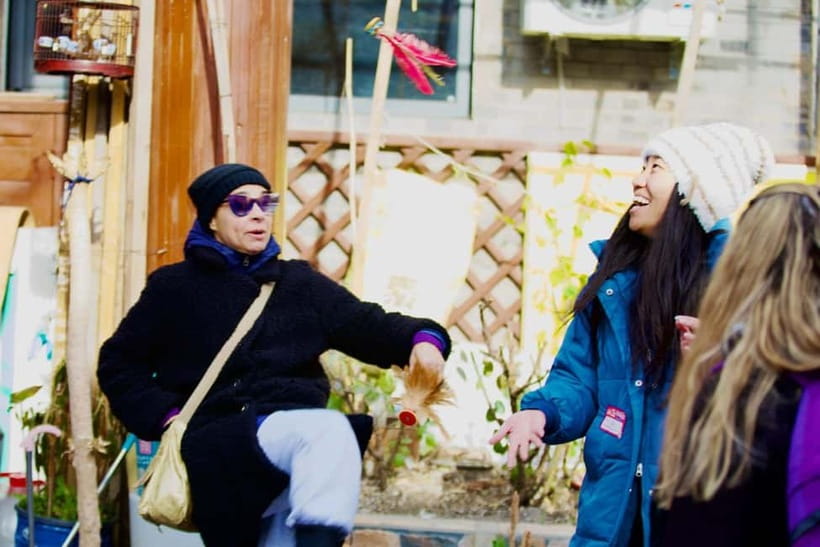
At $25 per person, this is priced as an affordable half-day city walk. You receive an English-speaking guide, the calligraphy activity, a welcome gift and China survival guide, and snack breaks with local food and drinks.
The value depends on what you want from a tour. If you mainly want transportation between famous landmarks, this is not the right format. You walk for most of the experience, and the best parts are the explanations, neighborhood access, and small cultural activities.
If you would otherwise visit the hutongs, Qianmen, Dashilar, and Yangmeizhu Byway without understanding what you are seeing, the guide can make the $25 worthwhile. The calligraphy session and courtyard visit add experiences that are harder to arrange on your own.
There is one payment detail you should clarify. A recent booking account described the outing as a free walking tour based on tips, despite the $25 charge shown for booking. That may reflect a misunderstanding, a change in the payment model, or a separate gratuity expectation. Before booking, ask how the listed price relates to tips and whether any additional payment is expected.
The cancellation terms are traveler-friendly. You can cancel up to 24 hours ahead for a full refund, and you can reserve now and pay later. Starting times vary, so you need to check the date you want.
Who Will Enjoy This Tour Most?
I would choose this for a first visit to Beijing, especially if you want the old city explained by a local English-speaking guide rather than visited as a string of disconnected sights.
It suits you if you enjoy walking, street food, local stories, small workshops, and a mix of major landmarks and ordinary neighborhoods. It is also a good choice for solo visitors who want an easy way to meet other people. The group format gives you a natural chance to make new travel companions.
Families with older children may also find the calligraphy activity more engaging than a long museum visit, though the tour still involves several hours on foot. Anyone who prefers a slow pace, frequent seated breaks, or a very small private group should check the format before booking.
You should skip it if you want extensive time inside major monuments, a full opera performance, a dedicated antique-shopping guide, or a food-focused tour. Those are not the main purpose here.
Practical Tips for a Smoother Walk
Wear comfortable shoes. The tour covers several districts and lasts three and a half hours, with most movement on foot.
Save the written meeting instructions before leaving your hotel. Google Maps does not work reliably in China, so do not depend on the map pin. Use Hufangqiao Station, Exit D, walk to the green space, and find the yellow umbrella.
Keep your phone charged for photos and navigation after the tour. It is also wise to carry water, even though drinks are included during the snack break.
Arrive early enough to find the station exit without rushing. The instructions use both English and Chinese, including the address for a taxi: the corner of Hufang Road and Luomashi Avenue, beside Huguang Guild Theatre.
The tour is offered in English only. If you need another language, this experience will not meet that need.
Should You Book the Hutong and Calligraphy Walk?
I would book it if you want a compact introduction to old Beijing that mixes major streets with local neighborhoods. The courtyard visit, calligraphy artwork, and guide-led stories give the experience more substance than a basic landmark walk.
The $25 price is reasonable if the payment terms are clear and you value interpretation more than entrance-heavy sightseeing. Ask about the tip arrangement before paying, arrive early at the yellow umbrella, and expect a busy walking route rather than a leisurely private outing.
For a first or second day in Beijing, this is a useful way to get your bearings and see how the old city is changing. For repeat visitors who already know Qianmen and the hutongs, the calligraphy studio and courtyard visit may still make it worthwhile.
FAQ
How long does the Beijing hutong and calligraphy tour last?
The tour lasts 3.5 hours.
What language is the tour offered in?
The live tour guide speaks English.
Where is the meeting point?
Meet at Hufangqiao Metro Station on Line 7, Exit D, the southwest exit. Walk about 60 meters east to the green space at the intersection of Hufang Road and Luomashi Avenue, beside Huguang Guild Theatre. Look for the yellow umbrella.
What places does the walking tour visit?
The route includes Huguang Guild Opera Theatre, Beijing hutongs, an authentic courtyard, Yangmeizhu Byway, Daguanlou Cinema, Dashilar Residential District, Qianmen Street, Zhengyang Gate and Arrow Tower, and an outside view of Tiananmen Square.
Is calligraphy included?
Yes. You visit a local calligraphy studio, create your own Chinese calligraphy artwork, and take it home. The artwork is included at no extra charge.
Can I cancel the booking?
Yes. You can cancel up to 24 hours in advance for a full refund. You can also reserve now and pay later.
Just added around Beijing
- Private Transfer to Mutianyu Great Wall with professional driver★ 5.0 · 19 reviews
- camp on the Great Wall overnight with sunrise and sunset on the wall★ 5.0 · 11 reviews
- One day tour to downtown Tianjin from Beijing by high speed train★ 5.0 · 3 reviews
- Yuxiandu Chinese Royal Cuisine Museum with Show and Royal Banquet★ 5.0 · 4 reviews
- BusDa:Ancient Great Wall &Badaling Great Wall Full-day Bus Tour★ 4.5 · 6 reviews
- ZANBUS: Trip to the Jinshanling Great Wall Departing at 7:30 AM★ 5.0 · 5 reviews
- Private Wild Great Wall Hiking tour at Simatai (Challenging)★ 5.0 · 16 reviews
- Wild Great Wall Huanghuacheng Half Day Tour★ 5.0 · 15 reviews
Beijing Hutong Tours, compared.

Beijing Hutong Walking Food and Beer Tour at Hidden Restaurants
Read our review →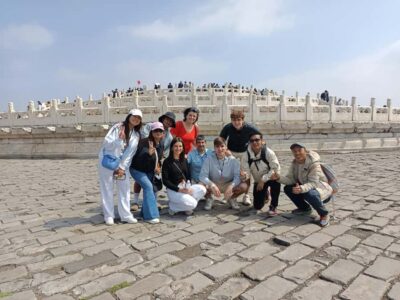
Temple Heaven, Summer Palace, Lama Temple, Hutong Bus Tour
Read our review →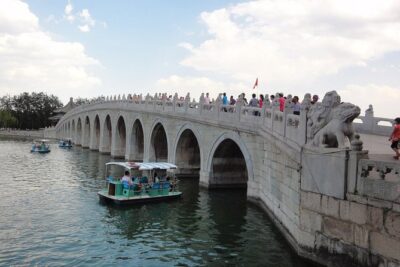
Temple of Heaven, Summer Palace, Lama Temple, Hutong Tours
Read our review →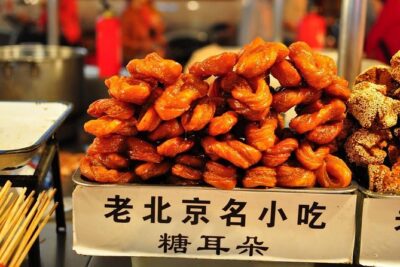
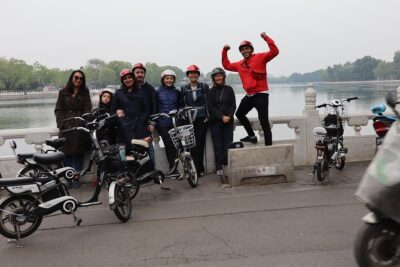

Beijing City Walk: Explore Hutongs Life and Old Beijing
Read our review →Browse the lists this tour appears in