
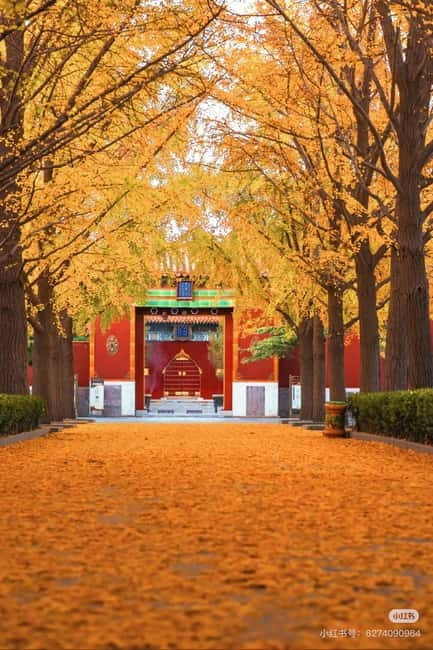
Reviewed · LAMA TEMPLE TOURS
Beijing: Yonghe Lama Temple Tickets with guide (optional)
The first thing you notice about Yonghe Lama Temple is its scale and changing rhythm. Three archways lead into courtyards that grow narrower as you move north, while the halls rise higher and feel more imposing. This is not just a quick look at a pretty temple gate. It is a carefully planned religious complex with more than 1,000 rooms.
I like the pre-booked admission, especially if you want to avoid sorting out tickets at the entrance. I also like the chance to add an English-speaking guide, since the mix of Tibetan Buddhist and Chinese features is much easier to understand with context. The main caution is timing: entry ends before closing, and the temple is not suitable for wheelchair users.
Key points
- Three archways and five main halls create a clear route through the temple complex.
- Tibetan Buddhist details meet Qing-era Chinese design, with Han, Manchu, Mongolian, and Tibetan influences.
- Pre-booked entry saves time, though you still need your passport.
- English guiding is available, with a small-group option.
- Opening hours change by season, so plan to arrive well before the final admission time.
- The $12 price covers the temple ticket and information service fee, not a full day of sightseeing.
Why Yonghe Lama Temple deserves time in Beijing
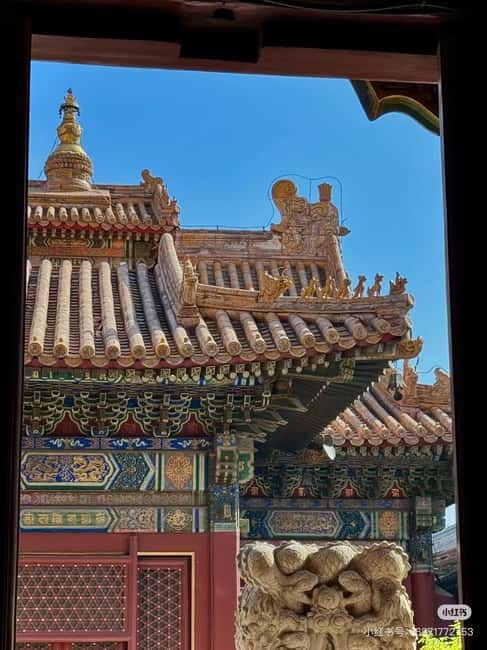
Yonghe Lama Temple, also called Yonghegong, sits at No. 12 Yonghegong Street in Beijing’s Dongcheng District. It began in 1694, during the Qing Dynasty, and later became one of the most important Buddhist temples in late Qing Beijing.
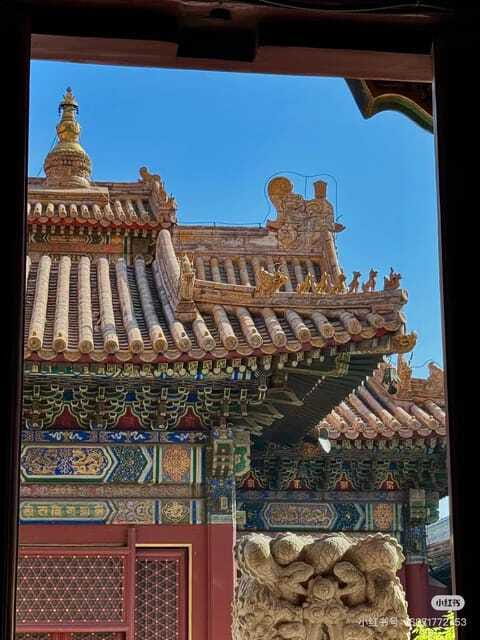
I find the site especially interesting because it does not fit neatly into one architectural category. The buildings use familiar Chinese courtyard planning, tiled roofs, gates, towers, and formal axial lines. At the same time, the temple is closely linked with Tibetan Buddhism, giving the complex a different visual and religious character from a standard Chinese imperial site.
The temple also reflects the cultural connections among Han, Manchu, Mongolian, and Tibetan communities. You do not need to be an expert in Buddhist art to appreciate this. The value comes from seeing how several traditions were brought together in one working religious setting.
For a visitor, the site offers more substance than its modest ticket price suggests. You receive access to a large historic complex rather than a single hall or isolated monument. Still, the $12 cost covers entry and an information service fee, so you should not expect an all-day guided tour unless you select the guide option.
More Lama Temple Tours in Beijing:
- Temple Heaven, Lama Temple, Summer Palace & Peking Duck Bus Tour
★ 5.0 · 377 reviews - Temple Heaven, Summer Palace, Lama Temple, Hutong Bus Tour
★ 4.7 · 319 reviews - Temple of Heaven, Summer Palace, Lama Temple, Hutong Tours
★ 5.0 · 311 reviews
Getting there by Beijing Metro Line 5
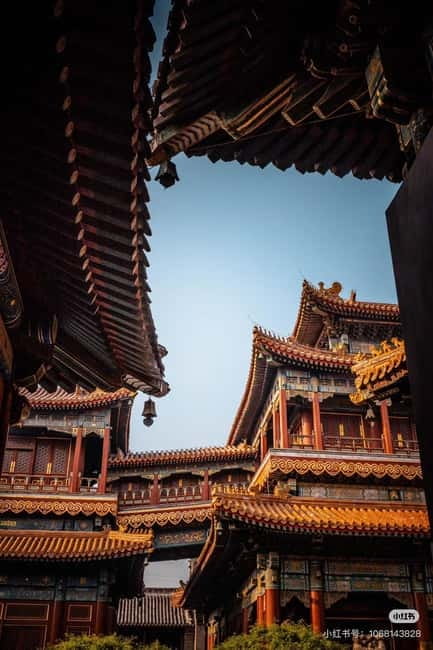
The simplest stated transport option is Beijing Metro Line 5. Get off at Yonghe Lama Temple station, which places you near the temple on Yonghegong Street.
I would use the metro rather than plan around a private transfer, since the location is clear and the station name is easy to match with the attraction. Your booking details provide the address, No. 12 Yonghegong Street, Dongcheng District, so keep that available if you need to confirm the entrance area.
The ticket is valid for one day, but that does not mean you can arrive at any hour without checking. The temple opens at 9:00 in both seasons, and the final entry time changes with the calendar.
The three archways and the first courtyards
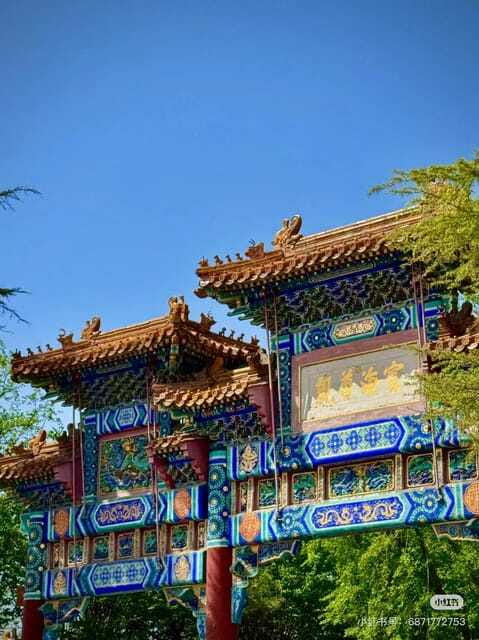
Your visit begins with the temple’s three carefully designed archways. These entrances set up the formal north-south route and help you understand the complex before you reach the principal halls.
The courtyards gradually become narrower as you proceed north. That change gives the visit a sense of movement. You begin with a broad, formal approach, then pass through spaces that feel more focused and enclosed.
Look back as you move forward. The sequence of gates and courtyards is part of the design, not just a way to get from one building to the next. The changing proportions help make the final halls feel larger and more important.
The first group of structures includes Zhaotai Gate, along with the Bell Tower and Drum Tower. These buildings show how sound, ceremony, and movement were built into the temple plan. Even if you spend only a short time at each one, they help explain how the complex functions as more than a collection of attractive buildings.
Yonghe Gate and the Grand Hall
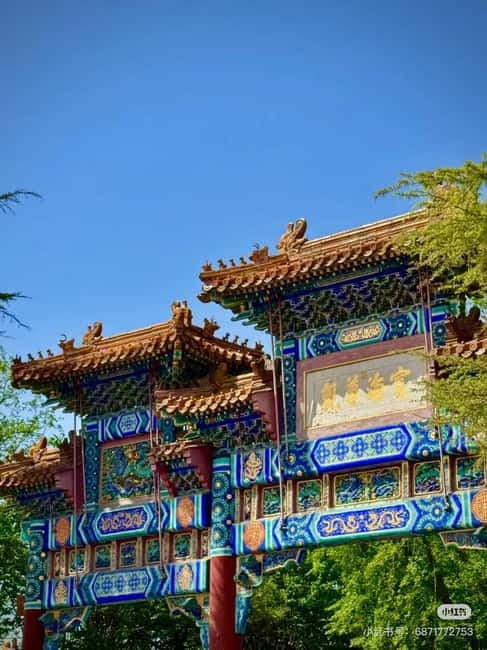
Yonghe Gate leads toward the Grand Hall, also called the Hall of Great Buddha. This is one of the key points in the visit, and the rising height of the buildings becomes more obvious as you progress.
The layout is intentionally grand. The halls increase in height in sequence, creating a stronger vertical effect toward the center and northern part of the complex. I like this kind of architecture because the route itself tells you where to focus. You do not need a map full of arrows to understand which buildings carry the most weight.
The Grand Hall is also a useful place to pause and consider the temple’s blended identity. Traditional Chinese construction gives the setting its formal structure, while the Buddhist purpose and Tibetan connections shape the atmosphere and decoration.
Your ticket lets you see the main complex, but the information supplied for this activity does not list specific exhibits, objects, or interior displays. Keep your expectations centered on the buildings, courtyards, and religious setting rather than a museum-style collection.
A few more Beijing trips to weigh up
- Beijing: Forbidden City Tour(Group/Private)-Tickets Included
★ 4.8 · 7,974 reviews - Beijing: Mutianyu Great Wall Daily Tour with Ticket & Lunch
★ 5.0 · 3,056 reviews - 4-Hour Small Group Tour to Forbidden City with Entry Tickets
★ 5.0 · 1,863 reviews - Beijing: Tiananmen Square Registration Service(Ticket)
★ 4.5 · 1,704 reviews
Yongyou Hall and the Wheel of the Dharma
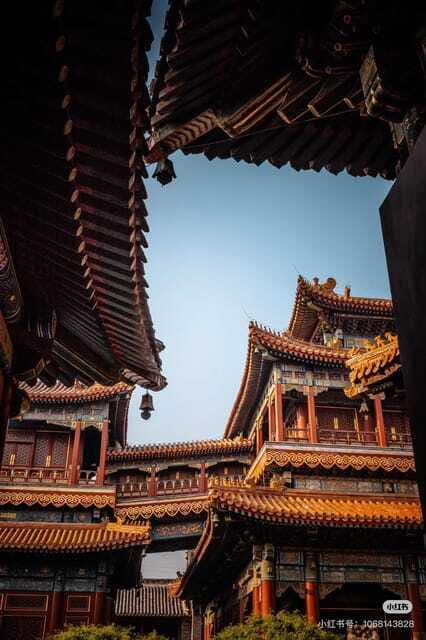
Farther along, you reach Yongyou Hall and the Hall of the Wheel of the Dharma. These names point to the temple’s Buddhist role and add variety to the visit after the more formal entrance sequence.
The Hall of the Wheel of the Dharma is particularly important to the overall identity of Yonghegong. It is one of the principal structures named in the route, and it shows how the temple’s buildings are organized around religious use rather than only visual display.
This is where an optional English-speaking guide can make the experience more useful. The basic ticket gives you access, but a guide can explain why certain halls matter and how Tibetan Buddhist practice connects with the Chinese architectural plan.
A small group is available. That can be a good middle ground if you want some explanation without committing to a large, crowded tour. The exact guide’s name is not provided, so you should not book this expecting a named guide in advance.
The Pavilion of Ten Thousand Blessings
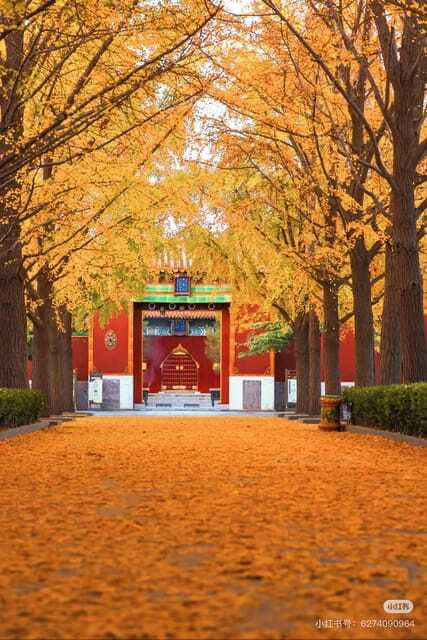
The Pavilion of Ten Thousand Blessings is among the best-known structures included in the temple’s layout. Its name gives the northern part of the complex a strong ceremonial finish.
By this point, the courtyards are narrower and the halls are taller than at the entrance. That gradual change is one of the most memorable features of Yonghe Lama Temple. You can read the site from south to north as a carefully controlled progression, with each section preparing you for the next.
The temple covers about 66,400 square meters and contains more than 1,000 rooms. You will not inspect every room during a normal visit, of course. The figure matters because it gives you a sense of the complex’s original scale and explains why a short walk through the main route can still feel substantial.
Tibetan Buddhist design with Qing Chinese planning
The appeal of Yonghe Lama Temple lies in the combination of styles. The complex shows Tibetan Buddhist influence while retaining the courtyards, gates, towers, and hall arrangement associated with traditional Chinese architecture.
The temple also carries Han, Manchu, Mongolian, and Tibetan cultural elements. I would pay attention to this point if you are comparing the visit with Beijing’s imperial palaces or other Buddhist sites. Yonghegong is not simply another red-and-gold historical stop. Its design reflects a meeting of communities and religious traditions within the Qing period.
That does not mean every building will look radically different from Chinese architecture elsewhere. Much of the pleasure comes from seeing familiar forms used for a different religious setting. The result is more layered than a quick photograph from the street can suggest.
An English guide is most useful here. Without one, you can still follow the physical route and appreciate the architecture. With one, you have a better chance of understanding why the temple became such an important Buddhist center and how its design reflects several cultural influences.
How much time should you allow?
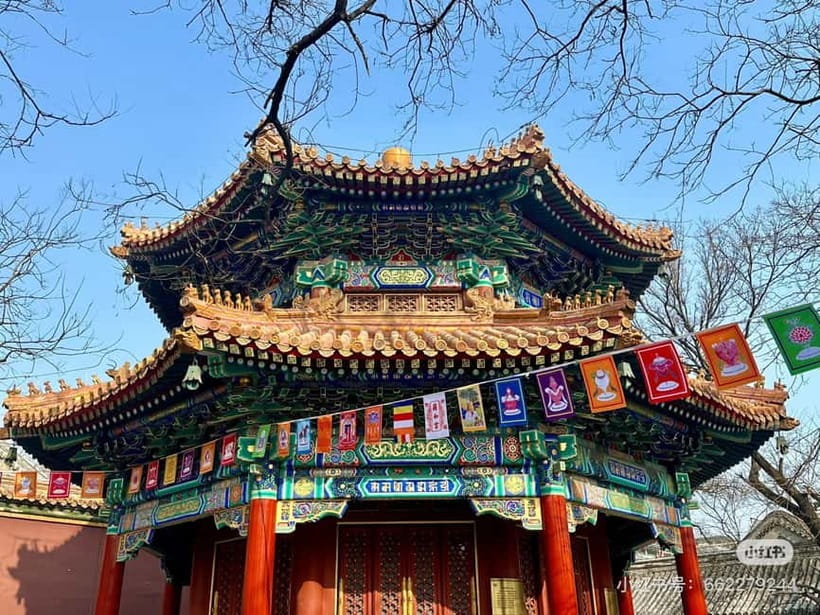
The activity is listed as valid for one day, not as a fixed walking duration. That gives you flexibility, but the temple’s opening hours set a firm limit.
From April 1 through October 31, the temple is open from 9:00 AM to 5:00 PM. The stated last admission is 4:30 PM, with the grounds cleared by 5:00 PM.
From November 1 through March 31, it is open from 9:00 AM to 4:30 PM. The stated last admission is 4:00 PM, and the grounds are cleared by 4:30 PM.
A separate general note says entry stops at 4:00 PM. Since the detailed seasonal hours give 4:30 PM as the summer and autumn last admission, I would not plan around that final half-hour. Arrive well before 4:00 PM, especially if you want time for all five main halls and the northern courtyards.
The temple is large enough that rushing would reduce its value. Give yourself time to notice the changing courtyard width and the rising height of the halls. If you choose a guide, allow enough room for explanations rather than treating the visit as a fast entrance-and-exit stop.
Is the $12 ticket good value?
At $12 per person, this is a reasonable way to visit one of Beijing’s major religious and architectural sites. The price includes the Yonghegong Lama Temple ticket and an information service fee.
I see the strongest value in the pre-booked entry. You avoid the uncertainty of buying at the temple, and you can make the stop part of a wider Beijing day without spending much on a separate arrangement.
The value is different depending on what you want. If you only need entrance and prefer to explore at your own pace, the basic ticket should suit you. If you want the temple explained in English, select the guide option and consider the small-group format.
The price does not appear to include transportation, meals, or a broader Beijing sightseeing program. It is best understood as admission to one substantial attraction, with optional explanation, not a full-day city tour.
Practical details before you book
Bring your passport. This is specifically required, so do not treat it as optional identification.
Alcohol, drugs, and making fire are not allowed. The temple is a religious site, and you should approach it with the same basic care you would use at any active place of worship.
Wheelchair users should note that this experience is not considered suitable for them. The available information does not give further detail about ramps, lifts, or accessible routes, so do not assume that the entire complex can be reached without difficulty.
Free cancellation is available up to 24 hours before the visit for a full refund. You can also reserve now and pay later, which helps if your Beijing schedule is still changing.
The available language is English. Small-group service is offered, but the group size is not specified. If a quiet, personal visit matters to you, the standard ticket may give you more control than a guided format.
Who will enjoy this temple most?
I would recommend this experience to anyone interested in Beijing’s religious buildings, Qing-era architecture, or the links between Chinese and Tibetan Buddhism. It also suits independent visitors who want a single attraction ticket rather than a packed sightseeing itinerary.
The optional guide makes the visit a better fit for you if architecture alone does not tell the full story. The halls and courtyards are impressive, but their purpose and cultural connections are easier to follow with English explanations.
I would be more cautious if you have very limited time in Beijing and can visit only one historical site. Yonghe Lama Temple offers a large complex and an unusual religious identity, but the experience is centered on architecture and temple grounds. Your priorities should decide whether that is more appealing than a palace, museum, or another major city sight.
Should you book Yonghe Lama Temple with a guide?
Book it if you want a straightforward way to enter Yonghe Lama Temple, value pre-arranged admission, and have an interest in the meeting of Tibetan Buddhist and Chinese traditions. The $12 price is fair for access to a large complex with three archways, five main halls, and more than 1,000 rooms.
Choose the English guide if you want the buildings explained rather than simply photographed. Choose the basic ticket if you prefer to set your own pace. In either case, arrive early enough to avoid the seasonal closing cutoff, bring your passport, and plan for a site that is best appreciated slowly.
FAQ
Where is Yonghe Lama Temple located?
It is at No. 12 Yonghegong Street in Beijing’s Dongcheng District, in northern China.
How do I get to the temple by metro?
Take Beijing Metro Line 5 and get off at Yonghe Lama Temple station.
What are the temple’s opening hours from April through October?
From April 1 through October 31, the temple is open from 9:00 AM to 5:00 PM. The stated last admission is 4:30 PM.
What are the opening hours from November through March?
From November 1 through March 31, the temple is open from 9:00 AM to 4:30 PM. The stated last admission is 4:00 PM.
What does the $12 price include?
The price includes the Yonghegong Lama Temple ticket and an information service fee.
Is an English-speaking guide included?
English-language guiding is available as an option. A small-group format is also available.
What should I bring?
Bring your passport.
Can I cancel the booking for a refund?
Yes. You can cancel up to 24 hours in advance for a full refund.
Just added around Beijing
- Private Transfer to Mutianyu Great Wall with professional driver★ 5.0 · 19 reviews
- camp on the Great Wall overnight with sunrise and sunset on the wall★ 5.0 · 11 reviews
- One day tour to downtown Tianjin from Beijing by high speed train★ 5.0 · 3 reviews
- Yuxiandu Chinese Royal Cuisine Museum with Show and Royal Banquet★ 5.0 · 4 reviews
- BusDa:Ancient Great Wall &Badaling Great Wall Full-day Bus Tour★ 4.5 · 6 reviews
- ZANBUS: Trip to the Jinshanling Great Wall Departing at 7:30 AM★ 5.0 · 5 reviews
- Private Wild Great Wall Hiking tour at Simatai (Challenging)★ 5.0 · 16 reviews
- Wild Great Wall Huanghuacheng Half Day Tour★ 5.0 · 15 reviews
Lama Temple Tours, compared.
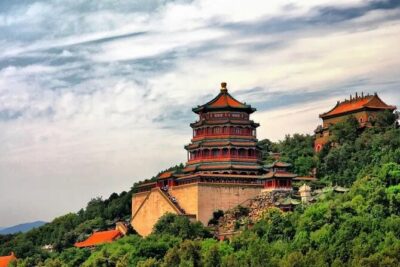
Temple Heaven, Lama Temple, Summer Palace & Peking Duck Bus Tour
Read our review →
Temple Heaven, Summer Palace, Lama Temple, Hutong Bus Tour
Read our review →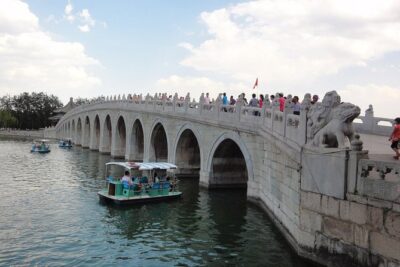
Temple of Heaven, Summer Palace, Lama Temple, Hutong Tours
Read our review →
Beijing Historical Tour II including Summer Palace, Lama Temple & Panda Garden
Read our review →
Beijing Lama temple ticket; #1 efficacious; limited Discount
Read our review →
Panda House, Temple of Heaven, Lama Temple, Summer Palace & Lunch
Read our review →Browse the lists this tour appears in