Reviewed · CITY TOURS
Beijing: 4 hours Discover City by Sidecar
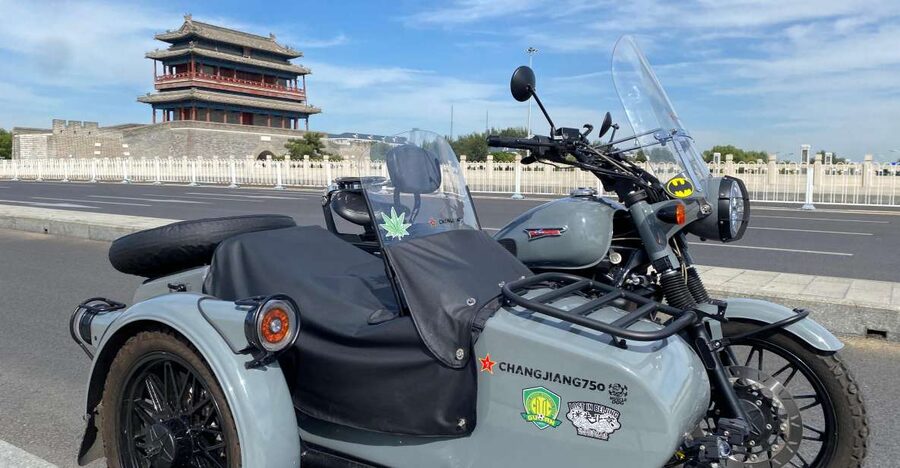
Beijing’s old center makes far more sense from a sidecar. You glide past the Drum and Bell Towers, slip into narrow hutongs, pause at small temples, and reach corners of the city that are easy to miss in a tour bus. John, the guide, also works as the driver, with helmet-based radio communication to keep conversation going on the road.
I like two things right away: the tour gets you close to ordinary Beijing life, and it packs a surprising amount of history into four hours. Local snacks, coffee or tea, and stops such as the 900-year-old White Pagoda add flavor beyond the usual major sights.
The main consideration is the seating. One person rides in the sidecar and one sits behind the driver, with a seat change possible halfway through. That arrangement will not suit everyone, and children under six, pregnant women, people over 80, and babies under one are not permitted.
Key points to know before you book
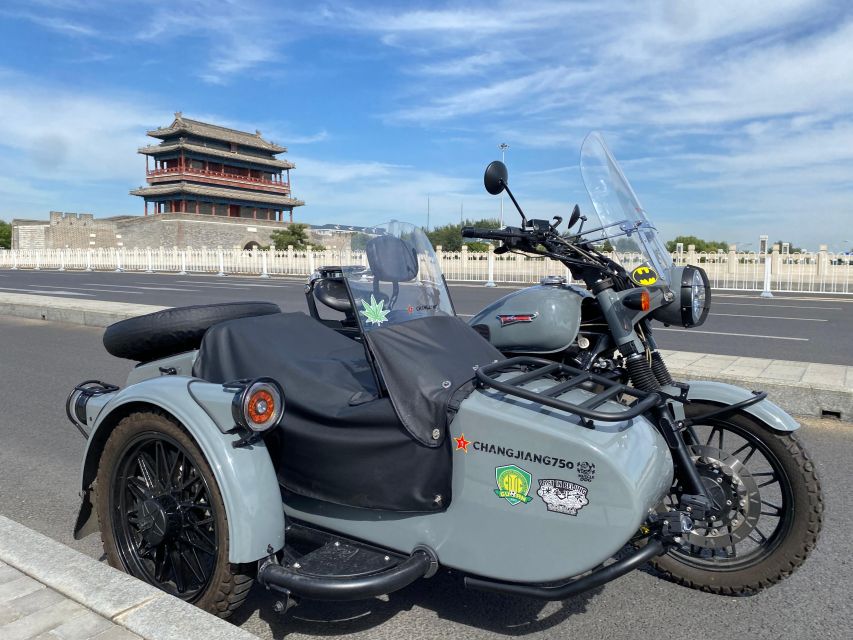
- The route follows old Beijing’s central axis: You see the Drum and Bell Towers in the north and Yongding Gate and the Ming City Wall remains in the south.
- The hutong riding is the heart of the tour: Small alleyways bring you close to local homes and daily city life.
- John speaks English well: Communication takes place through a helmet-integrated radio system while riding.
- The sidecar adds real character: One or two people can share one motorbike sidecar, and switching seats halfway is possible.
- Food is part of the experience: Beijing snacks come with hot coffee or tea in winter, or cold soda and beer in summer.
- It is a private four-hour outing: Hotel pickup and drop-off are included for hotels inside Beijing’s Fourth Ring Road.
Why a sidecar works well in central Beijing
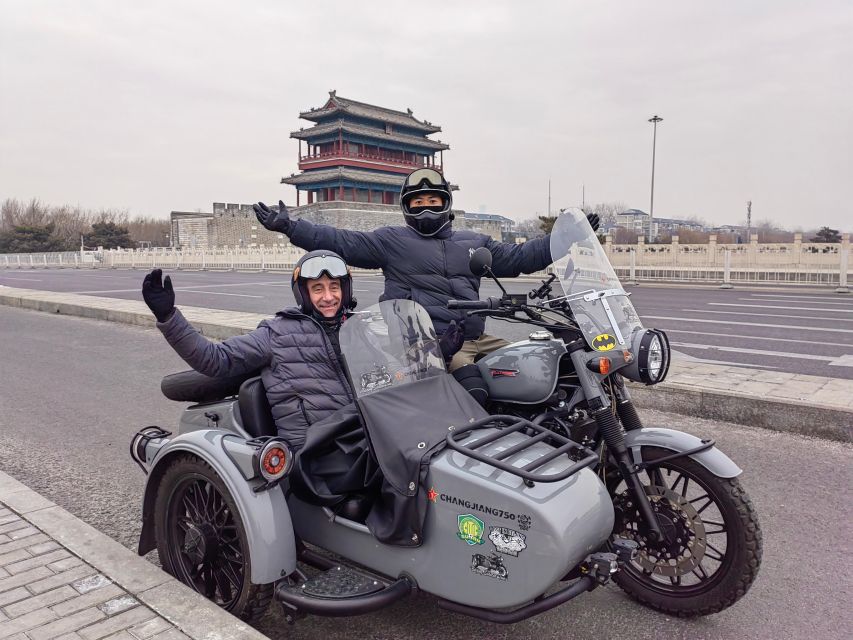
A private sidecar gives you a useful middle ground between walking and riding in a larger vehicle. You cover more ground than you would on foot, but you still move slowly enough to notice courtyard lanes, old walls, temple entrances, and the shape of the city.
The route focuses on the old central area rather than trying to squeeze in every famous Beijing sight. You will not visit the Forbidden City or the Great Wall on this outing. Instead, you get a street-level look at the historic center, with a guide who can explain what you are seeing as you move between stops.
The helmet radio matters. One of the strongest practical details about this experience is that you can communicate with the guide while the motorbike is moving. Without that system, a sidecar ride would often become a silent sightseeing loop. Here, you can ask questions and hear historical notes along the way.
This is a private group tour, so the pace can be more personal than a shared bus outing. The provider also offers tailor-made arrangements on request, though the standard route already gives you a clear first look at central Beijing.
A few more Beijing trips to weigh up
- Beijing: Forbidden City Tour(Group/Private)-Tickets Included
★ 4.8 · 7,974 reviews - Beijing: T-Square & Forbidden City Group or Private Tour
★ 4.8 · 4,446 reviews - All-Inclusive Tour: Tiananmen Square, Forbidden City, Great Wall
★ 5.0 · 2,873 reviews
Drum and Bell Towers: a strong start in the north
The ride begins with the Drum and Bell Towers, two important landmarks along Beijing’s historic north-south axis. You have about 40 minutes for a photo stop and a pass by, giving you time to see the buildings without turning the opening section into a long museum visit.
These towers are useful starting points because they help you understand Beijing’s traditional city plan. The route then heads through Houhai, where you have about 20 minutes passing through the area. The schedule here is not built around a long formal visit, so think of it as part of the city ride rather than a stand-alone attraction.
I like this opening because it sets up the rest of the tour. You begin with large historic landmarks, then move into smaller streets. The contrast is the point: Beijing is not only grand gates and monumental squares. It is also narrow lanes, neighborhood movement, and old structures tucked into working parts of the city.
If you want extended time inside the Drum and Bell Towers, this tour may feel brief. The emphasis is on seeing several parts of old Beijing rather than giving every stop a full guided museum treatment.
Hutongs: the most local-feeling part of the route
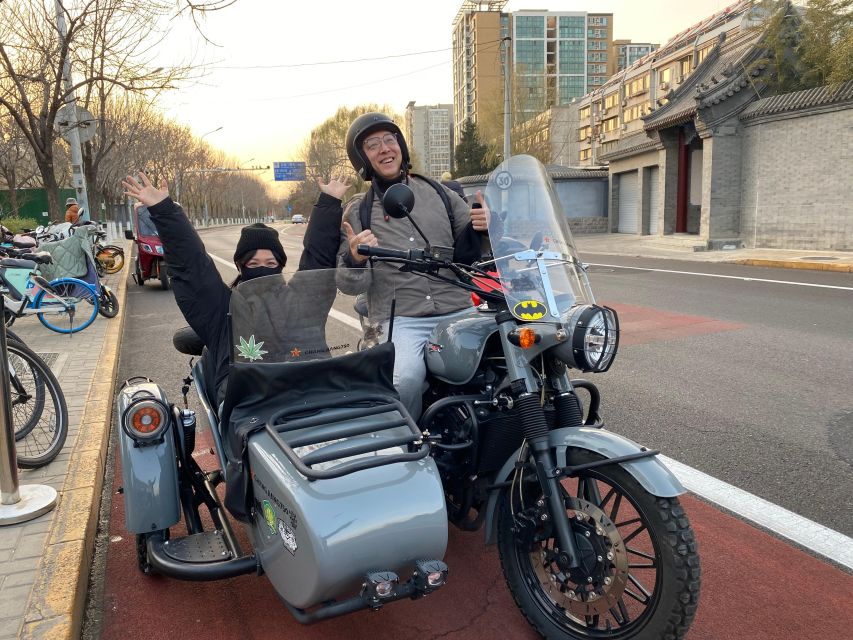
After the northern landmarks, the sidecar heads into the hutongs. These small alleyways are where the experience becomes less like standard sightseeing and more like a moving neighborhood portrait.
You ride close to the daily life of Beijing. The tour description specifically focuses on entering local living areas, and that is important. You are not simply looking at old architecture from a main road. You are taken into the smaller spaces where the city feels more personal and less arranged for visitors.
The route includes short walks into some alleys and temples, giving you the chance to stop, take photographs, and slow down. The guide can add context to what you see, while the private format makes it easier to ask about details that catch your eye.
There is a tradeoff. Hutongs are living areas, not a theme park, so you should expect a look at the city rather than a polished attraction with a fixed display. The appeal lies in the everyday setting. Keep your camera ready, but also give yourself time to watch how the spaces work.
Miaoying Temple and the White Pagoda
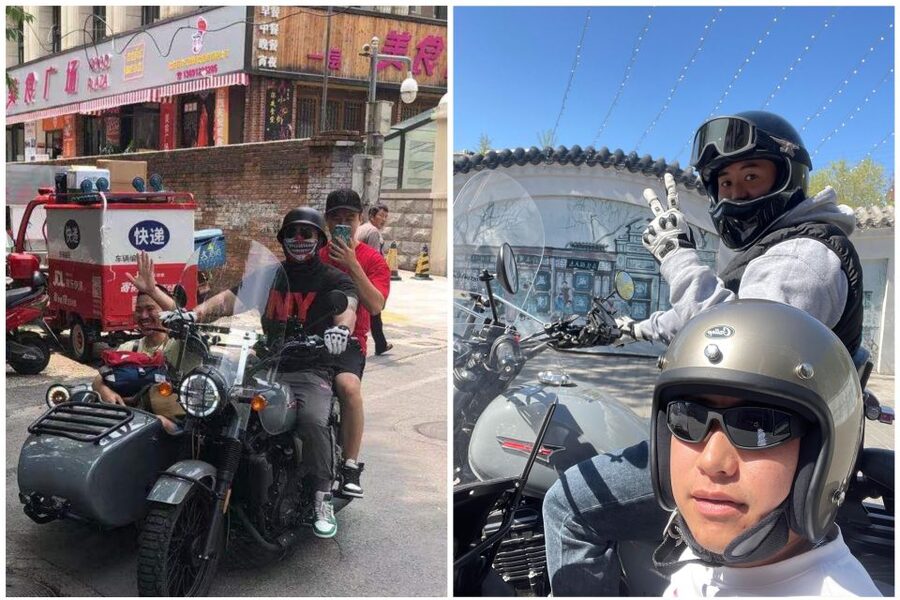
The southern part of the route brings you to Miaoying Temple, also known as the White Pagoda Temple. The scheduled photo stop is about 10 minutes, so this is a quick look rather than a lengthy temple visit.
The White Pagoda is the key detail here. It is described as a valuable remnant connected with Nanjing City in the Liao Dynasty and is more than 900 years old. It is also identified as the oldest preserved above-ground building in Beijing. Those details give the stop real weight, even though the visit itself is short.
I like this part of the route because it adds an older, quieter note after the hutong ride. The large city can make history feel distant. A single preserved pagoda brings that history down to something you can see clearly and photograph.
The exact amount of time you spend walking into the temple area may depend on the day’s pace and conditions. If temple interiors are your main interest, ask the guide how much time is available when you meet.
Same country, a completely different kind of day:
- From Beijing: Mutianyu Great Wall Tours with Options
★ 4.9 · 9,216 reviews - Beijing: Mutianyu Great Wall Daily Tour with Ticket & Lunch
★ 5.0 · 3,056 reviews - MuBus: Mutianyu Great Wall ENG/ESP/RUS Guided Bus Tour
★ 5.0 · 2,361 reviews - 4-Hour Small Group Tour to Forbidden City with Entry Tickets
★ 5.0 · 1,863 reviews
Niujie Street and a taste of Beijing
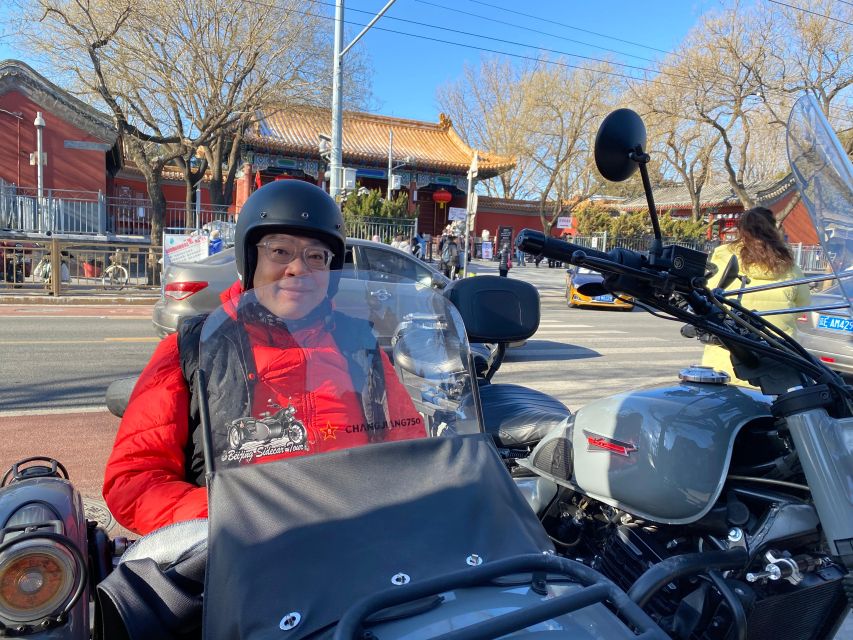
Niujie Street is included as a photo stop and pass by. It is not presented as a long food tour, but it helps connect the sightseeing with the city’s local food culture.
The experience includes Beijing local snacks, plus a drink. In winter, that means hot coffee or tea. In summer, the offering changes to cold soda or beer. This small pause is valuable because food gives you a quick way to experience the city through more than buildings and dates.
You should think of the tasting as an introduction, not a full meal. The available details do not specify every snack or the exact food stop, so anyone with strict dietary needs should ask before booking.
The schedule lists around 30 minutes around Yongding Gate for coffee, tea, food tasting, and a break. That is enough time to pause, eat something, and reset before the last historic section.
Yongding Gate and the southern end of the axis
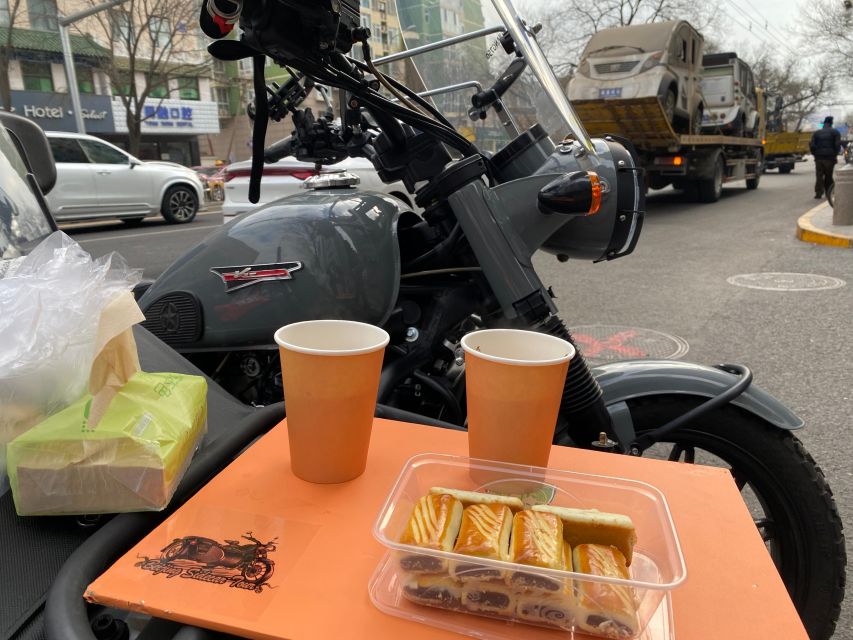
Yongding Gate marks the southern point of the central axis used on this tour. Reaching it after the Drum and Bell Towers gives you a sense of Beijing’s long north-south structure.
The stop is less about entering one major attraction and more about connecting the pieces of the city. You have already seen the northern towers, crossed through hutongs, and passed the White Pagoda. Yongding Gate helps show how those places fit into the old center.
The sidecar is particularly useful on this section because the route can link several areas without asking you to spend the whole afternoon changing taxis or navigating public transport. Pickup and drop-off are included for hotels inside the Fourth Ring Road, so the tour can function as a convenient first outing after arrival.
Ming City Wall Ruin Park: a modest but meaningful finish
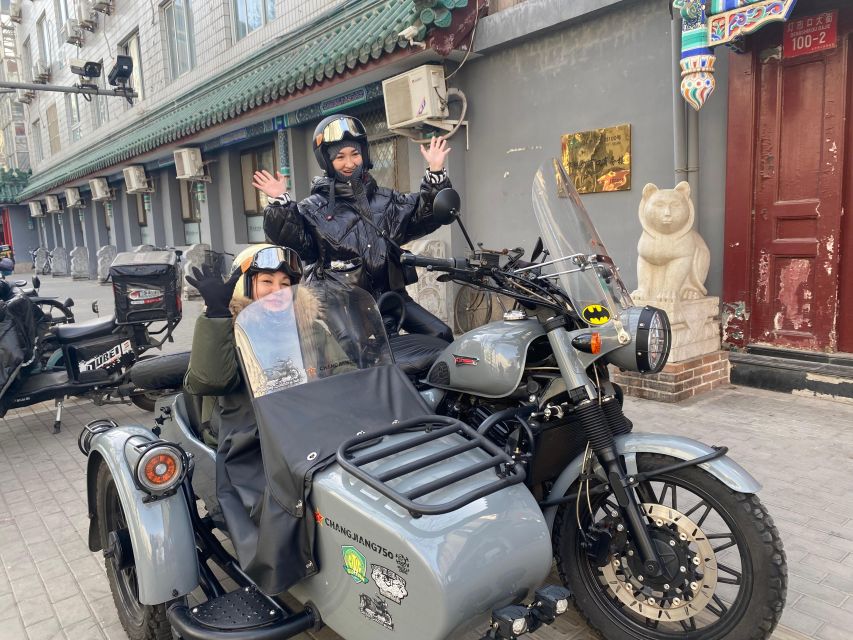
The final sightseeing stop is the Ming City Wall Ruin Park. You get about 20 minutes for photos and sightseeing.
Only a remaining section of the old city wall survives here, making the stop more modest than Beijing’s largest monuments. That is exactly why it works as a finish. You see what remains of the historic city rather than a fully restored, complete structure.
I would not book this tour solely for the wall park. I would treat it as the final piece in a route that has already shown you towers, alleys, temples, food, and the central axis. The wall ruins give the journey a clear ending and offer another chance for photographs.
Afterward, you return to your hotel or can be dropped somewhere else you want to visit. The available information does not promise a specific drop-off area, so confirm your preferred destination with the provider.
What the four-hour schedule really feels like
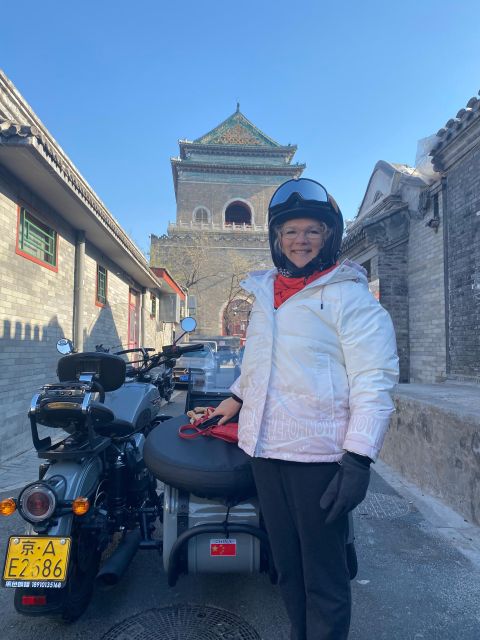
Four hours is enough for an introduction, but the outing is fairly full. The route includes several pass-bys, photo stops, a food and drink break, and short walks. You will see a lot, but you should not expect long, unhurried visits at every site.
That pace suits you if you want to get your bearings quickly. It is especially useful early in a Beijing stay, when you want a feel for the old center before deciding where to return on your own.
The tour also leaves room for photographs. The schedule includes roughly 40 minutes around the Drum and Bell Towers, 20 minutes through Houhai, 30 minutes at the Yongding Gate break, 15 minutes at a viewpoint, 10 minutes at Miaoying Temple, and 20 minutes at the Ming City Wall Ruin Park. Some other stops are pass-bys or brief pauses.
Because the ride is private, you can ask the guide to explain a point or help shape the pace. Still, the tour cannot turn every stop into a long visit without extending the four-hour schedule.
Seats, helmets, weather, and comfort
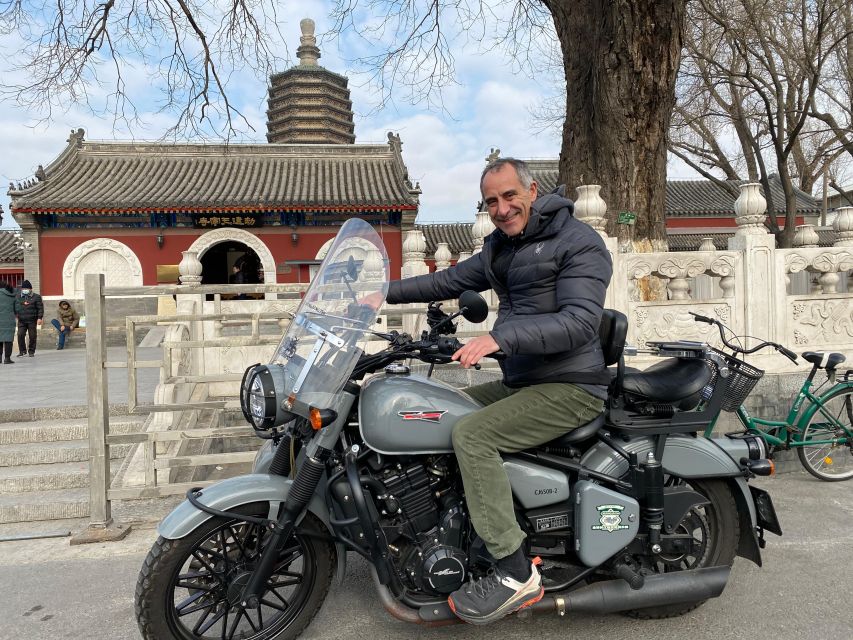
One sidecar serves one or two passengers. One person sits in the sidecar and one rides behind the driver. If two people share, switching halfway is possible, which is worth doing if you want both the sidecar view and the rear seat.
Groups of three or four use two sidecars. Groups of five or six use three, with more sidecars added for larger groups. That keeps the experience private rather than combining you with unrelated participants.
Helmets are included, along with bottled water, raincoats, and phone charging cables. These are practical touches, especially for a four-hour ride. Weather can still affect how enjoyable the outing feels, so dress for the season and expect the ride to be more exposed than a car tour.
A previous rider specifically described the sidecar seat as comfortable and the views as good. That is useful, but comfort remains personal. If you dislike motorcycles, have mobility concerns, or want a completely enclosed vehicle, this is probably not your best fit.
Children under six, pregnant women, people over 80, and babies under one cannot join. Those restrictions are clear and should be treated as firm booking limits.
Guide John and communication on the road
John is the guide name most closely associated with this experience. His role combines professional driving and guiding, so you are not trying to follow a separate vehicle or read a guidebook while moving.
The strongest praise centers on his English and his ability to explain Beijing’s past. One Italian-speaking rider specifically highlighted that John speaks English very well and is well prepared. A French-speaking rider also singled him out as an excellent guide, while another praised the experience from the booking stage through the end.
The helmet-integrated radio system is a major practical advantage. You can hear the guide while riding, and communication on the road is part of the design. That makes the tour more informative than a sidecar ride that only provides transport and photo stops.
Guide availability can change, so it is sensible to confirm the guide’s name and language before departure. Chinese and English are the listed languages.
Is $129 a fair price?
The price is $129 per person for four hours. That is not the cheapest way to move around Beijing, but you are paying for more than transport.
The price includes hotel pickup and drop-off, a private professional driver-guide, helmets, water, a raincoat, a phone charging cable, local snacks, and a seasonal drink. It also covers the use of one or more sidecars based on group size.
The value is strongest if you want a private introduction without arranging several separate taxis, food stops, and visits yourself. You also get a distinctive way to see the hutongs and historic axis. The ride itself is part of the attraction.
For a solo visitor, $129 is a larger outlay than joining a shared walking tour. For two people, the cost buys a private experience with a memorable vehicle and direct access to the guide. If you mainly want entry to major indoor sights, the price may feel less appealing because this outing focuses on streets, views, short stops, and local atmosphere.
Free cancellation is available up to 24 hours before the start time, and you can reserve now and pay later. Those terms make it easier to fit the tour around a changing Beijing schedule.
Who should book this Beijing sidecar tour?
I would recommend it to you if you want a first impression of Beijing that feels active and local rather than formal and museum-based. It is a good match for couples, friends, and solo visitors who enjoy moving through a city and stopping often for photographs.
It also suits repeat visitors who have already seen the biggest landmarks and want more time in the old central neighborhoods. The hutongs, Miaoying Temple, Niujie Street, and remaining city wall offer a different view of Beijing than a standard major-sights circuit.
You should think twice if you need a slow, fully accessible tour, dislike motorbikes, or want long visits inside temples and monuments. The route is packed, and several stops are brief. Families with very young children cannot book it, and the seating arrangement may not suit every pair.
Should you book it?
Book this tour if the idea of seeing Beijing from a sidecar sounds as appealing as the sights themselves. The best reasons to go are the private format, John’s English guiding, the helmet radio, and the ride through living hutongs.
Skip it if your priority is the Forbidden City, the Great Wall, or extended temple visits. For everyone else, $129 buys a lively four-hour introduction to old Beijing, with enough history to make the city’s streets more meaningful and enough local flavor to keep the outing from feeling like a checklist.
FAQ
How long is the Beijing sidecar tour?
The tour lasts four hours, including the ride, photo stops, short walks, food tasting, and the return journey.
Where does pickup take place?
Pickup is available in Beijing. Hotels inside the Fourth Ring Road are included, and you should provide the hotel name when booking.
Is the tour private?
Yes. The experience is arranged as a private group tour.
How many people can ride in one sidecar?
One sidecar carries one or two passengers. One passenger sits in the sidecar and one sits behind the driver. Switching halfway is possible.
What happens for groups larger than two people?
Groups of three or four use two sidecars. Groups of five or six use three sidecars, with additional sidecars for larger groups.
Is an English-speaking guide available?
Yes. Chinese and English are the listed languages. The guide and driver is identified as John, and communication on the road uses a helmet-integrated radio system.
What food and drinks are included?
Local Beijing snacks are included. Hot coffee or tea is provided as the winter option, while cold soda or beer is provided in summer.
Who cannot take this tour?
The tour is not suitable for children under six, pregnant women, people over 80, or babies under one year old.
Just added around Beijing
- Private Transfer to Mutianyu Great Wall with professional driver★ 5.0 · 19 reviews
- camp on the Great Wall overnight with sunrise and sunset on the wall★ 5.0 · 11 reviews
- One day tour to downtown Tianjin from Beijing by high speed train★ 5.0 · 3 reviews
- BusDa:Ancient Great Wall &Badaling Great Wall Full-day Bus Tour★ 4.5 · 6 reviews
- ZANBUS: Trip to the Jinshanling Great Wall Departing at 7:30 AM★ 5.0 · 5 reviews
- Yuxiandu Chinese Royal Cuisine Museum with Show and Royal Banquet★ 5.0 · 4 reviews
- Private Wild Great Wall Hiking tour at Simatai (Challenging)★ 5.0 · 16 reviews
- Wild Great Wall Huanghuacheng Half Day Tour★ 5.0 · 15 reviews
City Tours, compared.

Forbidden City Tour(Group/Private)-Tickets Included
Read our review →
All-Inclusive Tour: Tiananmen Square, Forbidden City, Great Wall
Read our review →
4-Hour Small Group Tour to Forbidden City with Entry Tickets
Read our review →
Mini Group Xian Day Tour to Terracotta Army, City Wall, Pagoda and Muslim Bazaar
Read our review →
Tianmen Square, Forbidden City & Royal Museum Tours
Read our review →
Beijing Forbidden City Ticket Booking (Optional: guide service)
Read our review →
Zhujiajiao Water Town and Shanghai City Private Day Tour
Read our review →