
Reviewed · BEIJING HUTONG TOURS
Beijing Hutong Breakfast Food Tour
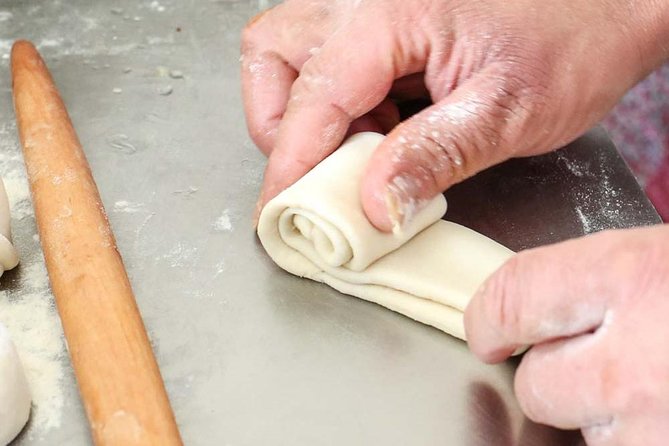
Beijing’s morning food culture comes alive in its hutong alleyways, where residents grab steamed buns, savory crepes, tofu, and soy milk before work. This three-hour walk begins near Lama Temple and takes you to everyday food shops and stalls rather than tourist food streets.
I like the generous range of tastings, and I like the way the guide explains how to order, pay, and understand each dish. Guides such as Garth also add useful context about food and local life. The main drawback is simple: this is a walking tour with a very early start, and the breakfast portions add up to a large meal.
Key points to know before booking
- Breakfast begins at 8:00 am: Start near the Lama Temple subway station, then walk through nearby hutongs.
- The food is substantial: Expect several dishes, drinks, and sweets, not just a few samples.
- The group is capped at eight: That makes it easier to hear the guide and move through small local shops.
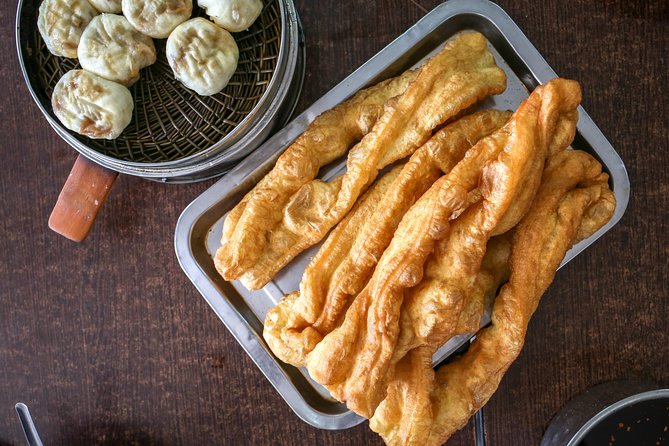
- The menu covers sweet and savory classics: Tastings may include baozi, jianbing, silken tofu, fried dough, brown sugar donuts, sweet soy milk, and almond pudding.
- The route ends near the Bell and Drum Towers: You finish around 219 An Nei Da Jie, useful for continuing your morning in central Beijing.
- Dietary needs require advance notice: Contact the operator when booking so they have time to plan.
Why a hutong breakfast is a smart first taste of Beijing
A breakfast tour gives you a side of Beijing that is easy to miss. Many visitors head out later in the day, when major sights open and restaurant districts fill up. This tour starts while the city is getting ready for work and school, placing you in the middle of ordinary morning routines.
The setting matters as much as the food. Hutongs are traditional alleyway neighborhoods, and the route passes through the lanes behind Lama Temple, toward the Temple of Confucius and Guozijian area, and eventually near the Bell and Drum Towers. You are not simply sitting down for one meal. You are walking between small food stops and seeing how food fits into the neighborhood.
I especially like this format for a first morning in Beijing. The guide does more than point at dishes. You learn what to order, how the food is prepared, and how local breakfast habits differ from the familiar hotel buffet. That practical introduction can make the rest of your time in China easier.
The tour is also useful for people who feel unsure about ordering in small shops. You can watch the guide handle the process and learn how payment and ordering work in a setting where menus may not be aimed at international visitors.
More Beijing Hutong Tours in Beijing:
- Beijing Hutong Walking Food and Beer Tour at Hidden Restaurants
★ 5.0 · 1,132 reviews - Temple Heaven, Summer Palace, Lama Temple, Hutong Bus Tour
★ 4.7 · 319 reviews - Temple of Heaven, Summer Palace, Lama Temple, Hutong Tours
★ 5.0 · 311 reviews
Starting near Lama Temple at 8:00 am
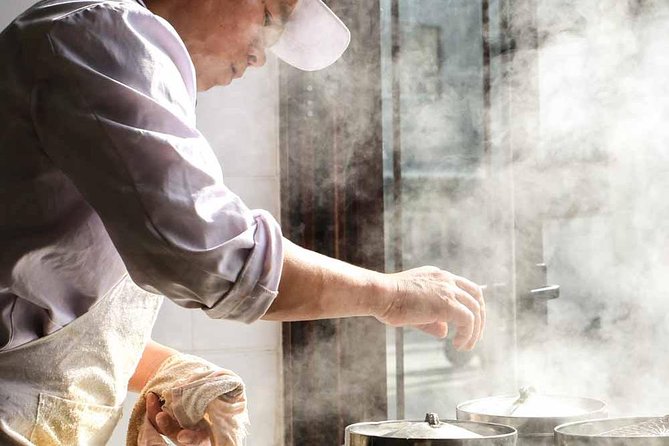
The meeting point is at the Subway Lama Temple C Kouzhan Bike Rental Station, near the southeast entrance to Guozijian in Dongcheng District. The tour begins at 8:00 am, so plan your route carefully and allow time to find the exact corner.
The start point is close to Lama Temple, also called Yonghe Temple, but the tour is focused on breakfast and hutongs rather than a temple visit. You meet the guide just around the corner, then head into the lanes behind this well-known site.
That location gives the morning a useful sense of place. Lama Temple draws plenty of visitors, but the surrounding alleys quickly feel more local once you leave the main approach. You move from a major sight into small shops, cafes, stalls, and neighborhood streets.
The early hour is part of the appeal, but it can also be the hardest part of the booking. If you prefer slow mornings or have just arrived after a long flight, 8:00 am may feel demanding. If you can manage it, you gain a look at Beijing before the day’s sightseeing rush begins.
The first food stops: tofu, buns, and fried dough
The exact order of dishes can vary, but the meal is built around several classic Beijing breakfast foods. Early tastings may include silken tofu with savory toppings, steamed baozi, fried dough, and sweet soy milk.
Silken tofu gives you a good introduction to the savory side of breakfast. It is soft and delicate, with toppings that add salt, seasoning, and texture. If you normally think of tofu as a dinner ingredient, this is a useful reminder that it can be a morning staple.
Baozi, or steamed buns, are more familiar to many people, but they are best understood in the setting where locals eat them quickly at the start of the day. Fried dough adds a crisp and oily contrast to the soft tofu and buns. These are filling foods, not dainty bites.
Sweet soy milk balances the savory dishes. The tour may also include brown sugar donuts, which bring a sweet finish to the first part of the meal. You should arrive hungry, but not so hungry that you rush through the food. The stops keep coming.
The guide’s role is important here. Rather than leaving you to guess at unfamiliar dishes, the guide explains what you are eating and how it is part of daily life. You can ask questions as you go, which is much more useful than reading a short menu translation after the fact.
Watching jianbing being made fresh
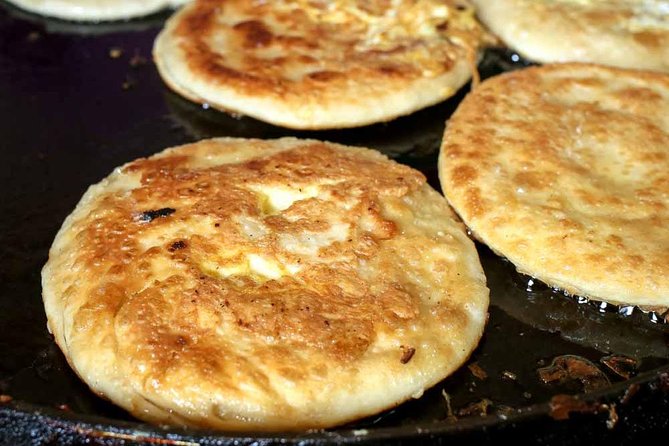
One of the most enjoyable parts of the route is the jianbing stop. Jianbing is a savory Chinese breakfast crepe, prepared by spreading batter on a hot surface and adding fillings and sauces.
The preparation is quick and visual. You can watch the crepe being made rather than receiving something that has been sitting around. The combination of a fresh cooking process and a familiar breakfast format makes jianbing an easy dish to appreciate, even if you are cautious about trying new foods.
The jianbing also shows how practical Beijing breakfast can be. It is prepared to order, built for a quick meal, and eaten as part of the morning commute. That everyday quality is one reason this tour works better than a standard restaurant breakfast for understanding local food habits.
The tour is not a cooking class, and you should not expect to prepare the food yourself. The value is in seeing the process, tasting the finished dish, and learning why it is so common.
A few more Beijing trips to weigh up
- Beijing: Hidden Gems Guided Food Tour with Beer and Tastings
★ 4.9 · 306 reviews - Beijing Private Hutong Food Walking Tour
★ 5.0 · 299 reviews - Beijing Hutong Breakfast Food Tour
★ 5.0 · 155 reviews - Beijing Walking Food Tour with a Local Friend
★ 5.0 · 73 reviews
Walking through the hutongs behind Lama Temple
Between tastings, the route winds through hutong neighborhoods. These alleyways offer a closer look at residential Beijing than a coach tour or a walk along a major shopping road.
The itinerary includes a leafy hutong route near the Temple of Confucius and the Imperial Academy area. You also pass a large Chinese gate before continuing through the lanes. These details help connect the food stops with the older structure of central Beijing.
I like that the walking is not treated as dead time between restaurants. The guide uses the route to explain local routines, neighborhood life, and the cultural background of the food. You get a better sense of why small breakfast shops matter to the people who live nearby.
Still, remember that this is an active walking tour. You will move between stops for about three hours, and the route takes place in alleyways and local shops rather than in a single comfortable dining room. Wear practical shoes and keep your schedule flexible.
The group limit of eight is a real advantage. Small hutong businesses can be tight, and a large group would make the experience slower and less comfortable. With fewer people, you have a better chance to hear the guide and ask questions without holding up the whole route.
The Temple of Confucius and Guozijian section
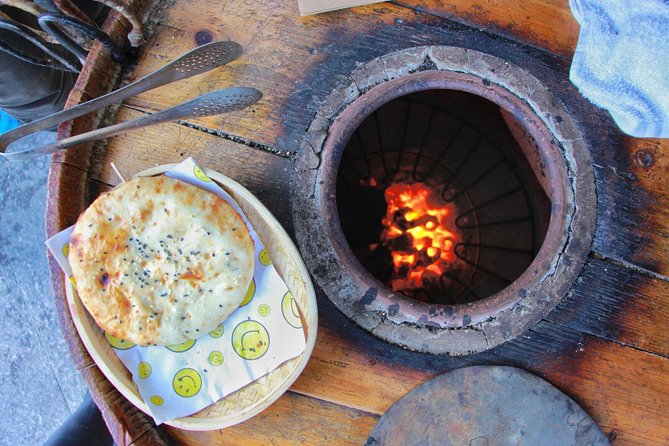
A portion of the tour takes about 30 minutes around the Temple of Confucius and Guozijian Museum area. Admission to this part is listed as free, and the route uses the surroundings as a cultural backdrop rather than making a full museum visit the main purpose.
This section helps place the hutongs in Beijing’s broader story. You see formal gates, older lanes, and important educational and religious sites close together. The contrast between grand entrances and modest food shops is part of what makes this neighborhood interesting.
Be clear about the format: the tour is not a dedicated Temple of Confucius or museum tour. If you want a detailed interior visit, you would need to arrange that separately. Here, the stop gives you orientation and context while keeping the focus on breakfast and local streets.
That balance suits me. You get some cultural background without losing the food-centered pace. The guide can explain what you are seeing, then lead you onward to the next dish.
Finishing with almond pudding near the Bell and Drum Towers
The final tasting may be a bowl of almond pudding, a sweet and soft dessert that brings the meal to a calm close. After the savory foods, fried dough, soy milk, and jianbing, this lighter texture makes sense as an ending.
The tour finishes near the intersection of Andingmen Nei Dajie and Gulou Dong Dajie, close to the famous Bell and Drum Towers. These towers once helped mark the hours of the day and sit along Beijing’s central axis.
This is a handy finish. You are left in a part of central Beijing with clear points of reference and several options for continuing your sightseeing. The ending is about a 15-minute walk from Beixinqiao Metro Station on Line 5 or Andingmen Metro Station on Line 2. It is also roughly a 15-minute walk back toward the starting area.
The route does not include hotel pickup or drop-off. You need to reach the meeting point on your own and make your own way onward after the tour. That is normal for a walking food tour, but it is worth factoring into your morning plan.
What the $55 price buys you
At $55 per person, this is not the cheapest breakfast in Beijing. You could spend far less on a single bowl or bun at a local shop. The value comes from the number of stops, the guide, the neighborhood route, drinks, and the help with ordering and understanding unfamiliar food.
The included breakfast is large enough that you likely will not need another full meal for several hours. Bottled water and soft drinks are included, as is a post-tour packet with restaurant suggestions and local travel tips.
That follow-up information can be useful if you are staying in Beijing for more than a day. A food tour is more worthwhile when it sends you toward other places to eat, rather than ending with one meal and no practical guidance for the rest of your visit.
The small group also matters. A maximum of eight people keeps the price from becoming a private-tour cost while preserving a personal feel. If the group is smaller, you may have more time for questions and a little more flexibility at the food stops.
I would consider the price fair for a first or second day in Beijing, especially if you want help navigating local food. If you already know Beijing’s breakfast stalls well, the guided element may be less valuable.
Who will enjoy this tour most
This tour suits you if you:
- Want to see Beijing outside the major sightseeing routes.
- Enjoy trying several foods in one morning.
- Feel uncertain about ordering at small local shops.
- Prefer a walking experience to a formal restaurant meal.
- Want cultural context along with your food.
- Are staying near central Beijing and can reach the meeting point early.
It is also a strong choice for food-focused visitors who want a practical introduction to Chinese breakfast. The food is not presented as a set Western-style meal, so you should be open to different textures, seasoning, and serving styles.
Families and older visitors may need to consider the walking pace and early start. The activity information says most people can participate, but it does not promise a step-free route or list specific accessibility arrangements. If you have mobility or dietary concerns, contact the operator before booking.
Vegetarian and other dietary requirements should be provided at the time of booking by email. Advance notice is required so the operator can try to accommodate them. Do not wait until the morning of the tour.
Guide quality and the human side of the morning
The guide can make or break a food walk, particularly when the route depends on small shops and unfamiliar dishes. Garth is one guide associated with this experience, and he is noted for speaking excellent Mandarin, explaining food clearly, and helping visitors understand how things work in China.
That practical help is important. You are not only learning the names of dishes. You are seeing how food is ordered, how payment works, and how to choose items in places where you might otherwise feel lost.
The guide also adds stories about food origins and the cultural background of the hutongs. This turns the meal into a way of understanding Beijing, not just a list of snacks. The best moments are likely to come when the guide connects a dish with a daily habit or a neighborhood custom.
Guide assignments can change, so you should not assume Garth will lead every departure. Still, the tour’s small size gives any guide a good chance to answer questions and keep the morning personal.
Practical planning for a smooth morning
Arrive with an appetite, but remember that this is a three-hour tasting route. The food includes several savory dishes, sweets, drinks, and a dessert. It is easy to eat too quickly at the first stop and then struggle later.
Use the subway where practical. The start is near Lama Temple, and the finish is within walking distance of Beixinqiao and Andingmen stations. Check the meeting point carefully because the listed location includes Chinese characters and a specific bike rental station near the Guozijian entrance.
Wear shoes suited to walking on local streets. You may spend time standing in food shops or moving through narrow lanes. Keep your morning free after the tour, since you will probably want time before eating again.
The activity includes a mobile ticket and confirmation at booking. Cancellation is free if you cancel at least 24 hours before the start time. Changes or cancellations inside that window are not accepted for a refund.
Should you book the Beijing Hutong Breakfast Food Tour?
I would book this tour if you want a friendly, food-centered introduction to Beijing and do not mind starting early. The combination of local breakfast dishes, hutong walking, practical ordering help, and a group capped at eight gives you more than a meal.
Book it near the start of your stay if possible. You can use the restaurant suggestions and local tips later, and the guide can help you feel more comfortable eating on your own afterward.
Skip it if you want a leisurely sit-down breakfast, a dedicated temple visit, or a short activity with little walking. It is also less useful for people who already know Beijing’s food scene.
For most first-time visitors who enjoy eating and want to see ordinary Beijing before the crowds arrive, $55 is a reasonable price for three hours of food, context, and orientation.
FAQ
What time does the Beijing Hutong Breakfast Food Tour start?
The tour starts at 8:00 am.
Where does the tour begin?
The meeting point is near the Lama Temple subway station, at the Lama Temple C Kouzhan Bike Rental Station near the southeast entrance to Guozijian in Dongcheng District.
Where does the tour end?
The tour ends near the intersection of Andingmen Nei Dajie and Gulou Dong Dajie, close to the Bell and Drum Towers.
How many people can join the tour?
The maximum group size is eight travelers.
What food is included?
Tastings may include silken tofu, baozi, jianbing, fried dough, brown sugar donuts, sweet soy milk, and almond pudding. Bottled water and soft drinks are also included.
Can dietary requirements be accommodated?
You should email the operator with any dietary requirements when booking. Advance notice is required so the operator can try to accommodate them.
More Food in Beijing
- Experience Beijing Walking Food Tour Private
★ 5.0 · 56 reviews - 3-Hour Private Night Tour: Beijing Foodie Experience
★ 5.0 · 53 reviews - Authentic Old Beijing Hutong Food and Beer Private Tour
★ 5.0 · 49 reviews - Beijing Hutong Food Crawl Delights: Peking duck, Hotpot&More
★ 4.9 · 32 reviews
Just added around Beijing
- Private Transfer to Mutianyu Great Wall with professional driver★ 5.0 · 19 reviews
- One day tour to downtown Tianjin from Beijing by high speed train★ 5.0 · 3 reviews
- camp on the Great Wall overnight with sunrise and sunset on the wall★ 5.0 · 11 reviews
- BusDa:Ancient Great Wall &Badaling Great Wall Full-day Bus Tour★ 4.5 · 6 reviews
- ZANBUS: Trip to the Jinshanling Great Wall Departing at 7:30 AM★ 5.0 · 5 reviews
- Yuxiandu Chinese Royal Cuisine Museum with Show and Royal Banquet★ 5.0 · 4 reviews
- Private Wild Great Wall Hiking tour at Simatai (Challenging)★ 5.0 · 16 reviews
- Wild Great Wall Huanghuacheng Half Day Tour★ 5.0 · 15 reviews
Beijing Hutong Tours, compared.

Beijing Hutong Walking Food and Beer Tour at Hidden Restaurants
Read our review →
Temple Heaven, Summer Palace, Lama Temple, Hutong Bus Tour
Read our review →
Temple of Heaven, Summer Palace, Lama Temple, Hutong Tours
Read our review →
Beijing City Walk: Explore Hutongs Life and Old Beijing
Read our review →Browse the lists this tour appears in