
Reviewed · LAMA TEMPLE TOURS
Beijing: Yonghe Lama Temple Entry Ticket
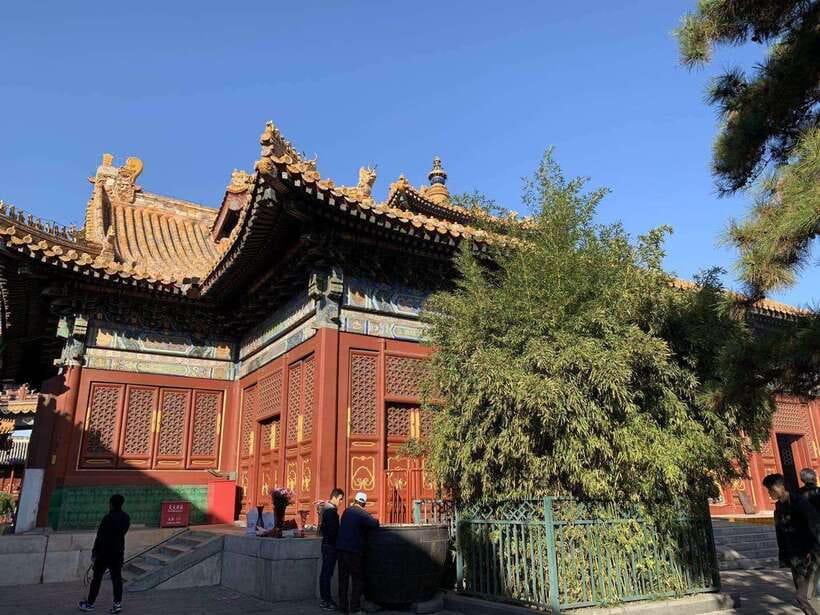
Beijing’s Yonghe Lama Temple is more than an old religious site. It is a former imperial residence turned monastery, and its long sequence of halls gives you a clear look at Tibetan Buddhist influence in the Chinese capital. The QR ticket and passport entry keep the visit simple once you have the correct code.
I like two things here: the low $9 price makes this one of Beijing’s easier cultural stops to add, and the two-hour visit fits neatly around other sights. The temple is also easy to reach by subway, with Yonghegong Station only about two minutes from the entrance.
The main catch is practical rather than cultural. The QR code shown in the booking system may not be the valid one, so you must check your email or WhatsApp for the correct code before setting out.
Key points to know before visiting
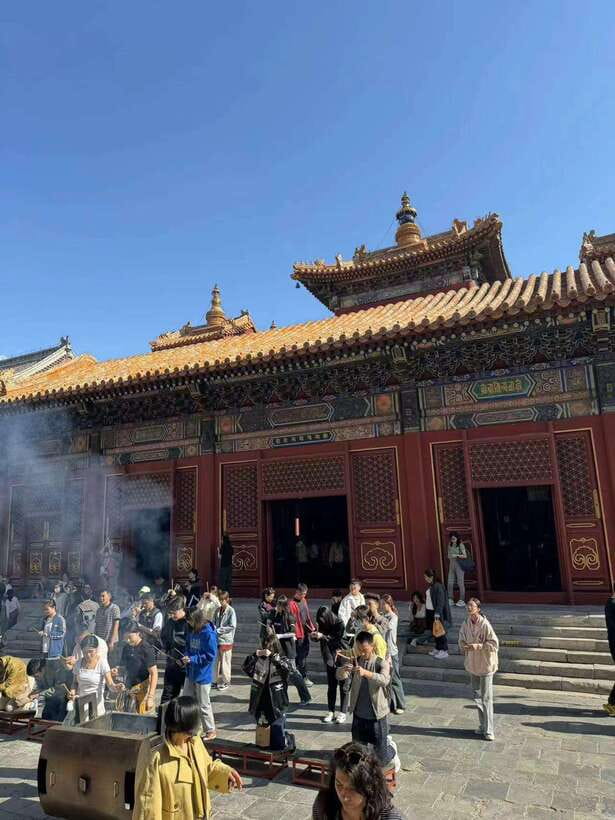
- The valid QR code matters: Use the code sent by email or WhatsApp, not the GetYourGuide code shown elsewhere.
- Bring your passport: Entry is based on the correct QR code and passport.
- Two hours is a useful planning window: You have enough time to see the temple without giving up most of a day.
- The temple has imperial roots: It began as a palace connected with Emperor Yongzheng before becoming a monastery.
- Subway access is excellent: Line 2 or Line 5 takes you to Yonghegong Station, Exit F.
- The $9 fee covers the basics: The ticket and booking service charge are included, with no guide listed as part of the visit.
Why Yonghe Lama Temple deserves a place in your Beijing plans
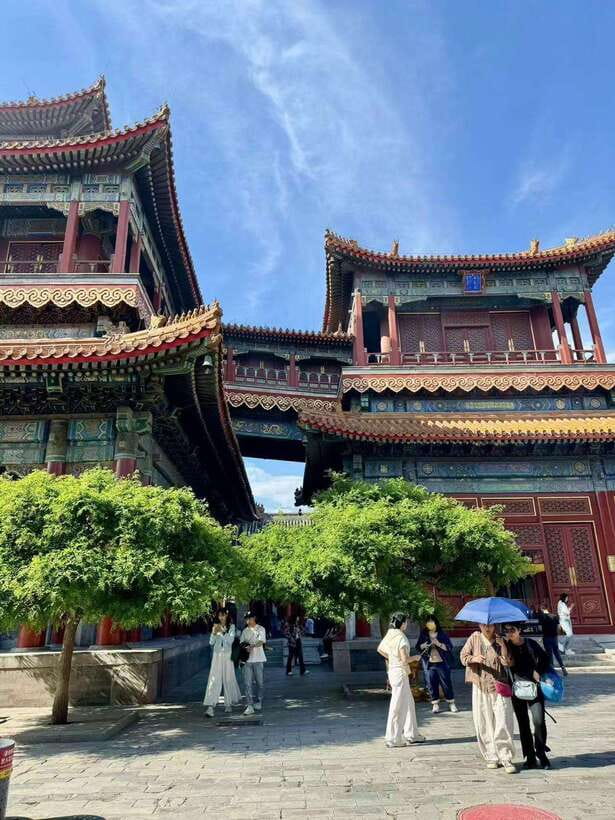
Yonghe Lama Temple, also called Yonghe Lamasery or Lama Temple, is Beijing’s principal and largest Buddhist temple. It is also described as the largest and best-preserved lamasery in present-day China.
That claim matters because this is not just a single hall or a small neighborhood shrine. The visit gives you a substantial temple complex with an imperial past and a continuing Buddhist identity. I find that combination more useful than a site that is only photogenic. You get architecture, history, and a sense of how political power and religious life once overlapped in Beijing.
The temple also has an unusual story. It was built in 1694 as part of the city wall for the future Emperor Yongzheng, who had not yet taken the throne. After Yongzheng’s death, his son, Emperor Qianlong, changed the building’s role in 1744. He brought in 300 Tibetan monks and 200 Chinese students and housed them in the former palace.
From that point, the residence served as a temple and monastery. It became one of the major centers of Buddhism outside Tibet. You do not need to know every imperial date to enjoy the visit, but these details help you read the buildings with more purpose. The halls are not simply decorative leftovers. They reflect a place reshaped for religious study and worship.
More Lama Temple Tours in Beijing:
- Temple Heaven, Lama Temple, Summer Palace & Peking Duck Bus Tour
★ 5.0 · 377 reviews - Temple Heaven, Summer Palace, Lama Temple, Hutong Bus Tour
★ 4.7 · 319 reviews - Temple of Heaven, Summer Palace, Lama Temple, Hutong Tours
★ 5.0 · 311 reviews
What your two-hour visit is really like
This is an entry ticket rather than a guided sightseeing tour. You receive access to Yonghe Lamasery, but no guide is listed as included. That means you can set your own pace and spend more time on the parts that interest you, but you should not expect a planned explanation from a guide or a fixed sequence of commentary.
I like that freedom for a temple visit. You can move quietly through the complex, pause in the courtyards, and decide how much time to give each hall. If you already know a little about Tibetan Buddhism or Qing-era Beijing, you may want to study the architectural details. If not, the main value is the chance to see the former palace and monastery as a complete site.
Two hours is a sensible estimate. It gives you time to enter, walk through the temple grounds, and take in the main buildings without turning this into a full morning or afternoon commitment. You might finish sooner if you prefer a quick look, while a visitor who reads every sign and pauses often could need the full time.
Do not treat the two-hour duration as a scheduled tour length. It is better understood as the amount of time to allow in your day. Check the available starting times when booking, since the activity does not list one fixed departure hour.
Entering with the QR code and passport
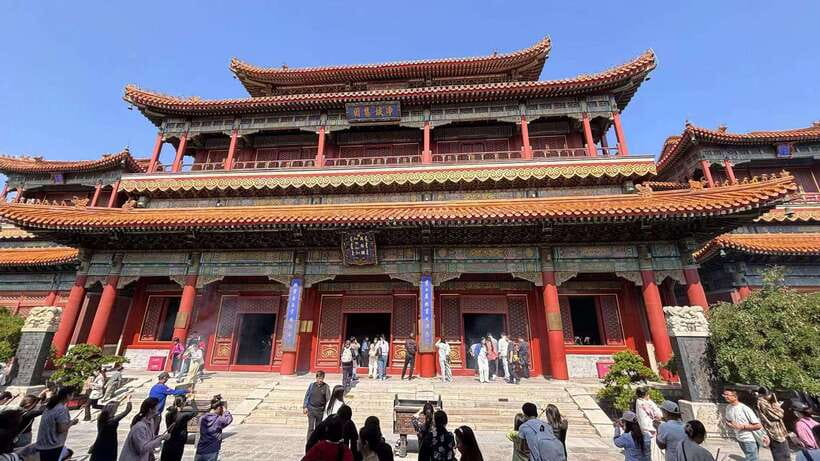
The entry process is designed to be straightforward. Use the correct QR code along with your passport, and you can enter the park. The ticket includes the Yonghe Lamasery admission and the booking service charge.
The most important warning is easy to miss: the GetYourGuide QR code is not valid. You need to check your email or WhatsApp for the proper QR code. I would do this before leaving your hotel, not while standing at the entrance. Open the message, confirm that the code is easy to display, and keep your passport handy.
This small check can make the difference between a quick arrival and an irritating delay. The ticket is marketed as skip-the-ticket-line entry, so the benefit depends on having the right digital pass ready. The booking service is useful here because you are paying for more than a bare admission ticket, but the actual code still needs your attention.
The passport requirement is also worth remembering. A phone alone is not enough if the venue requires passport confirmation. Keep the same passport used for the booking available during entry.
Reaching Yonghe Temple by Beijing subway
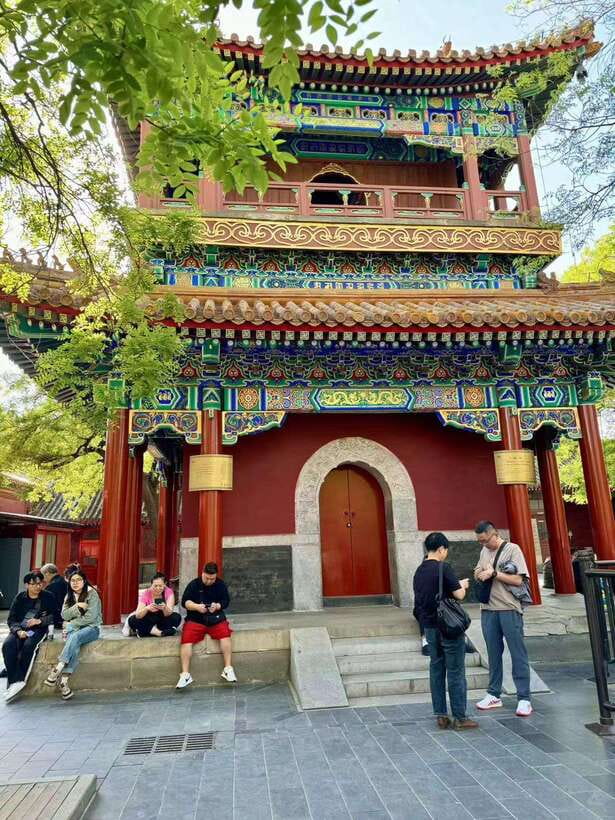
For most visitors, the subway is the simplest choice. Take Subway Line 2 or Line 5 to Yonghegong, also called Yonghe Temple, Station. Leave through Exit F, walk south for a few meters, then turn east. The temple is about a two-minute walk away.
That is excellent access for a major Beijing sight. You avoid arranging a private car and do not need to build a long transfer into your schedule. The station name also makes the destination easy to match with your route, though pay attention to the exit letter. Beijing stations can be large, so using Exit F saves time.
The subway option is especially useful if you are combining Yonghe Lamasery with other central Beijing stops. The supplied information does not provide a complete day plan or say which nearby attractions to pair with it, so I would leave your wider schedule flexible. The key point is that the temple does not require a special transport arrangement.
A few more Beijing trips to weigh up
- Beijing: Forbidden City Tour(Group/Private)-Tickets Included
★ 4.8 · 7,974 reviews - Beijing: Mutianyu Great Wall Daily Tour with Ticket & Lunch
★ 5.0 · 3,056 reviews - 4-Hour Small Group Tour to Forbidden City with Entry Tickets
★ 5.0 · 1,863 reviews - Beijing: Tiananmen Square Registration Service(Ticket)
★ 4.5 · 1,704 reviews
Bus routes for a slower approach
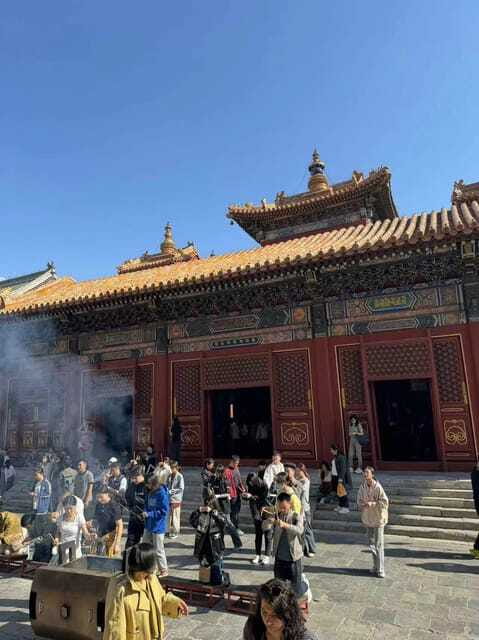
You can also reach the temple by bus. Several routes stop at stations with Yonghegong in the name:
- Buses 13, 116, 117, or 684 stop at Yonghegong Station.
- Buses 13, 18, 44, 75, 116, 684, Te 2, or Te 12 stop at Yonghegong Qiao Dong Station.
- Buses 117 or 125 stop at Yonghegong Qiao Bei Station.
The bus list is helpful if your starting point makes a direct route easier than the subway. It is also a reminder to check the exact stop name before boarding. Yonghegong Station, Yonghegong Qiao Dong Station, and Yonghegong Qiao Bei Station are not interchangeable labels in your planning.
I would favor the subway unless a bus route clearly suits your location. The two-minute walk from Exit F is simple and easy to explain. Still, the bus options give you flexibility, especially if you are already traveling along one of the listed routes.
Reading the temple’s imperial past
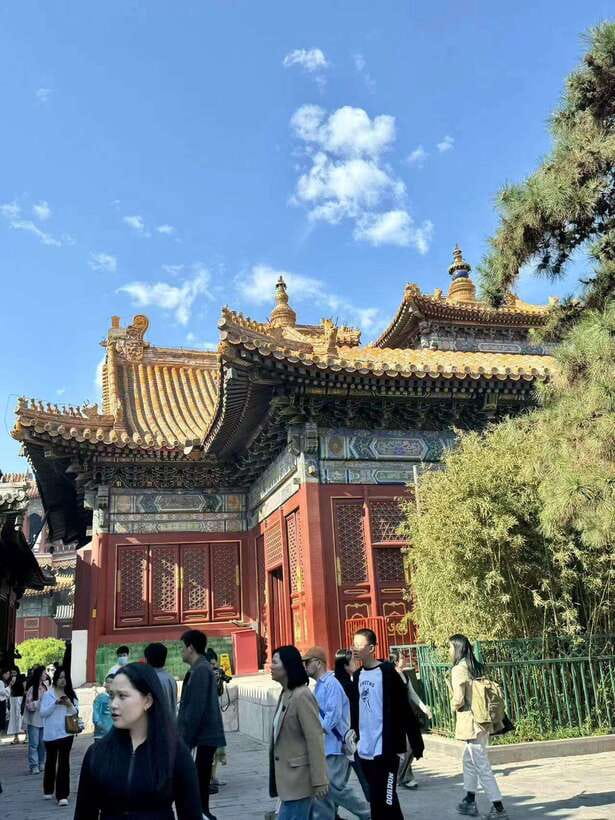
The history here works best when you connect the dates to the change in purpose. In 1694, the site was built as part of the city wall for the future Emperor Yongzheng. At that time, it was tied to the imperial world rather than functioning as the major Buddhist center it later became.
Yongzheng rose to the throne in 1722. His son, Emperor Qianlong, later sent 300 Tibetan monks and 200 Chinese students to the former palace in 1744. The arrival of those religious teachers and students changed the site from an imperial dwelling into a place of Buddhist practice and learning.
That shift gives you something specific to look for as you walk. You are seeing a building complex that carried imperial status and then took on a new religious role. It also explains why the temple is linked to both Chinese and Tibetan Buddhist traditions. The presence of Tibetan monks and Chinese students points to an institution intended to connect different strands of Buddhist learning.
The temple became one of the greatest centers of Buddhism outside Tibet. You should keep that importance in mind without expecting a museum-style history lesson at every turn. This is a working religious site as well as a historic place, so observation and respectful behavior matter.
What the $9 ticket includes
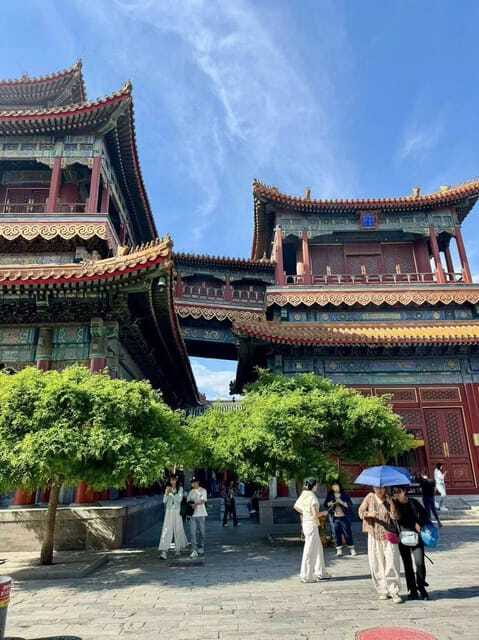
At $9 per person, the ticket is fairly easy to justify if you want to see one of Beijing’s major religious and historic sites. The price includes admission to Yonghe Lamasery and the ticket booking service charge. It does not list transportation, a guide, meals, or any other add-ons.
I see the strongest value in the combination of low cost and convenient access. You are not committing a full day or paying for a private tour. You can reach the temple by subway, spend around two hours inside, and continue with your Beijing plans.
The price is less attractive if you want detailed historical interpretation from a guide. No guide is included in the stated package, and the experience provider is Andy’s private china tours. I would choose this ticket when I am comfortable exploring independently or already have some background on the site.
The skip-the-ticket-line feature adds practical value, but only if you handle the QR code correctly. The real question is not just whether the admission is inexpensive. It is whether the short booking process saves you time at the entrance. With the valid code and passport ready, it should.
Access, flexibility, and useful booking terms
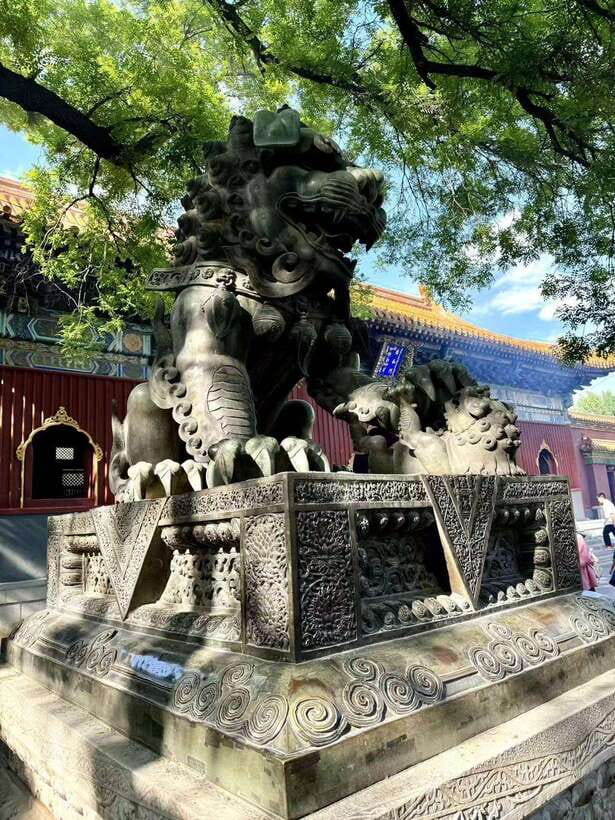
The activity is listed as wheelchair accessible, which makes it a possible option for visitors who need step-free access. The information does not give detailed notes about ramps, surfaces, rest areas, or which parts of the temple may be easiest to navigate, so you may want to confirm those specifics before booking if access needs are important.
The cancellation policy is friendly. You can cancel up to 24 hours in advance for a full refund. You can also reserve now and pay later, which helps if your Beijing schedule is still changing.
Those terms suit a city break with many moving parts. Beijing plans can shift because of weather, transport, or changes to other reservations. Here, you can hold the admission without paying immediately and retain the option to cancel within the stated window.
Languages are not specified in the information provided. Since no guided narration is included, do not book this expecting a particular language service. Treat it as an independent temple visit with digital admission.
Who will get the most from this visit
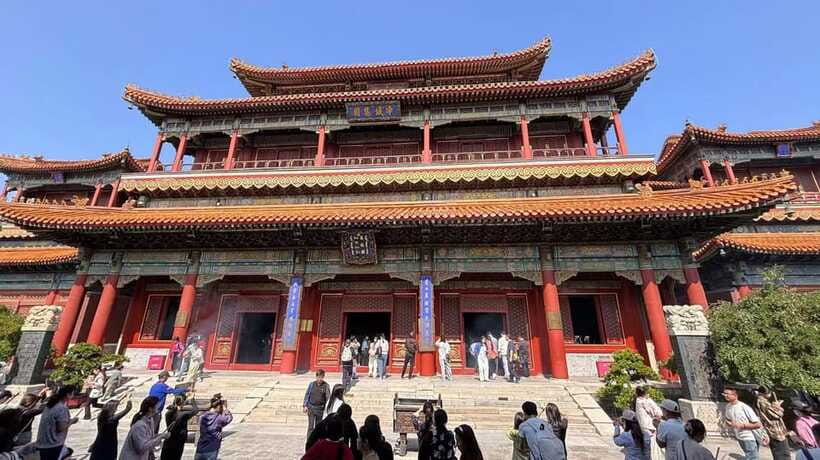
I would recommend Yonghe Lama Temple to anyone interested in religious architecture, imperial Beijing, or the connection between Chinese and Tibetan Buddhist traditions. It is also a good choice if you want a substantial cultural stop that fits into a two-hour block.
Independent planners will appreciate the simple subway route and flexible pace. You can arrive at a time that suits your schedule, provided you check availability, then explore without keeping up with a group.
The ticket also suits visitors who want to control costs. At $9, it is much easier to add than a full-day organized excursion. Families and mixed-interest groups may find the short duration useful, since people can see the main complex without giving up an entire day.
I would be more cautious if you need a detailed explanation at every hall. The package does not include a guide, and the supplied information does not promise audio commentary or written materials. In that case, bring your own background notes or arrange separate interpretation.
Should you book the Yonghe Lama Temple ticket?
Book it if you want an affordable, well-connected visit to one of Beijing’s most important Buddhist sites and you are happy to explore on your own. The imperial-to-monastery story gives the temple real substance, while the $9 admission and two-hour duration make it easy to fit into a busy itinerary.
Skip it only if you need a fully guided experience or cannot manage the QR and passport entry process. If you do book, check your email or WhatsApp for the valid QR code before leaving, use Subway Line 2 or Line 5 to Exit F when convenient, and allow the full two hours if you want to appreciate the complex rather than rush through it.
FAQ
How much does the Yonghe Lama Temple ticket cost?
The ticket costs $9 per person.
How long does the visit take?
The stated duration is two hours. Check availability for the starting times offered on your chosen date.
What do I need for entry?
You need the correct QR code and your passport. The valid QR code should arrive by email or WhatsApp.
Is the GetYourGuide QR code valid?
No. The GetYourGuide QR code is not valid for entry. Use the correct QR code sent by email or WhatsApp.
How do I reach Yonghe Lama Temple by subway?
Take Subway Line 2 or Line 5 to Yonghegong, or Yonghe Temple, Station. Leave through Exit F, walk south for a few meters, then turn east. The temple is about a two-minute walk away.
Is the ticket wheelchair accessible?
The activity is listed as wheelchair accessible.
Can I cancel or pay later?
You can cancel up to 24 hours in advance for a full refund. The reserve-now, pay-later option allows you to book without paying immediately.
Just added around Beijing
- Private Transfer to Mutianyu Great Wall with professional driver★ 5.0 · 19 reviews
- camp on the Great Wall overnight with sunrise and sunset on the wall★ 5.0 · 11 reviews
- One day tour to downtown Tianjin from Beijing by high speed train★ 5.0 · 3 reviews
- Yuxiandu Chinese Royal Cuisine Museum with Show and Royal Banquet★ 5.0 · 4 reviews
- BusDa:Ancient Great Wall &Badaling Great Wall Full-day Bus Tour★ 4.5 · 6 reviews
- ZANBUS: Trip to the Jinshanling Great Wall Departing at 7:30 AM★ 5.0 · 5 reviews
- Private Wild Great Wall Hiking tour at Simatai (Challenging)★ 5.0 · 16 reviews
- Wild Great Wall Huanghuacheng Half Day Tour★ 5.0 · 15 reviews
Lama Temple Tours, compared.
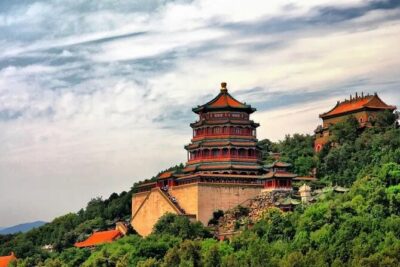
Temple Heaven, Lama Temple, Summer Palace & Peking Duck Bus Tour
Read our review →
Temple Heaven, Summer Palace, Lama Temple, Hutong Bus Tour
Read our review →
Temple of Heaven, Summer Palace, Lama Temple, Hutong Tours
Read our review →
Beijing Historical Tour II including Summer Palace, Lama Temple & Panda Garden
Read our review →
Beijing Lama temple ticket; #1 efficacious; limited Discount
Read our review →
Panda House, Temple of Heaven, Lama Temple, Summer Palace & Lunch
Read our review →
Private Day Tour Forbidden City Lama Temple and Temple of Heaven
Read our review →Browse the lists this tour appears in