
Reviewed · SHENZHEN TOURS
200-year-old Hakka Residence Tour +Ancient Buddhist temple
Shenzhen’s best history lesson may be an hour from its glass towers. This small-group outing takes you to a 200-year-old Hakka residence with more than 300 rooms, then to a peaceful Buddhist temple said to be 1,000 years old. I like the contrast: one stop shows how ordinary families lived, while the other shows how local faith shaped daily life.
I also like the Longgang River visit, where a once-polluted waterway has been restored with wetlands. Guide Jimmy brings humor and patience to the history, and his clear English makes room for questions. The main drawback is simple: this is a walking tour with no meal or bottled water included, and its 2pm start can feel warm and tiring for some people.
Key points at a glance
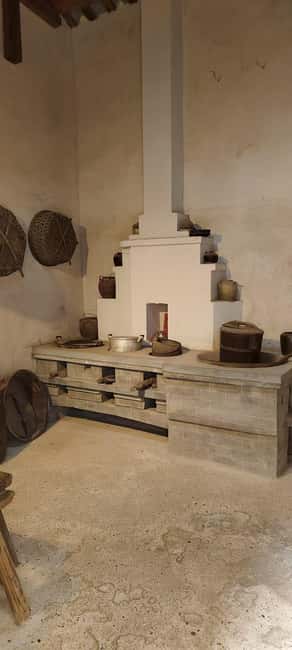
- A 300-room Hakka compound: See original layouts, household furniture, an intact kitchen, and old classrooms in one of China’s larger surviving Hakka residential complexes.
- A 1,000-year-old temple: Visit a peaceful Buddhist monastery with several buildings and a pagoda dedicated to a female deity.
- A restored river wetland: Walk beside Longgang River and learn how wetlands helped bring a damaged waterway back toward its natural condition.
- An easy escape from modern Shenzhen: Reach the meeting point at Nanlian Metro Station, about 60 minutes by MTR from Luohu.
- A genuinely small group: With space for no more than five people, you can ask questions without trying to catch a guide’s attention.
- Strong English guidance: Jimmy is specifically praised for clear English, humor, patience, and a talent for making history easy to follow.
Why this is a worthwhile side of Shenzhen
Shenzhen is famous for speed. It grew from a small settlement into a major modern city in roughly three decades, and much of its older fabric disappeared beneath new construction. That makes this outing useful in a way a standard city-center sightseeing loop is not. You get a look at the people and customs that were here before Shenzhen became a technology and business center.
The tour is not designed as a grand parade of famous monuments. Its appeal is quieter. You walk through rooms where family life, food preparation, study, and worship once fit into a single enclosed community. You also see how local authorities and residents addressed environmental damage along the Longgang River.
At $47 per person, the price is fair if you value interpretation and convenient movement between several outlying sites. You are paying for an English-speaking guide, transport between stops, and a small group limited to five people. It is less attractive if you only want independent entrance access or a quick photo stop.
Other China days worth booking alongside this:
- From Beijing: Mutianyu Great Wall Tours with Options
★ 4.9 · 9,216 reviews - Beijing: Forbidden City Tour(Group/Private)-Tickets Included
★ 4.8 · 7,974 reviews - Beijing: T-Square & Forbidden City Group or Private Tour
★ 4.8 · 4,446 reviews
Meeting Jimmy at Nanlian Metro Station
The meeting point is Nanlian Metro Station, Line 3, Exit C1, at 2pm. The Chinese station name is 南联站 C 1出口, which is useful to keep on your phone if you need to confirm the location.
From Luohu, the MTR ride takes about 60 minutes. That is not a trivial commute, but it is also the reason this experience works well as a half-day outing from central Shenzhen or Hong Kong. You leave the high-rise core behind without committing to a full-day excursion.
The activity lasts 2.5 hours. Transportation between the sites is included, while the walking itself is part of the experience. Wear comfortable shoes and bring water. Water and meals are not provided, so you should eat beforehand or plan around the tour.
The group size matters here. A maximum of five people gives Jimmy space to explain details inside the residence and temple, and you can ask about Hakka customs, family organization, or religious practice without holding up a large crowd. The tone is likely to feel more like a guided conversation than a mass tour.
Reading the Hakka residence room by room
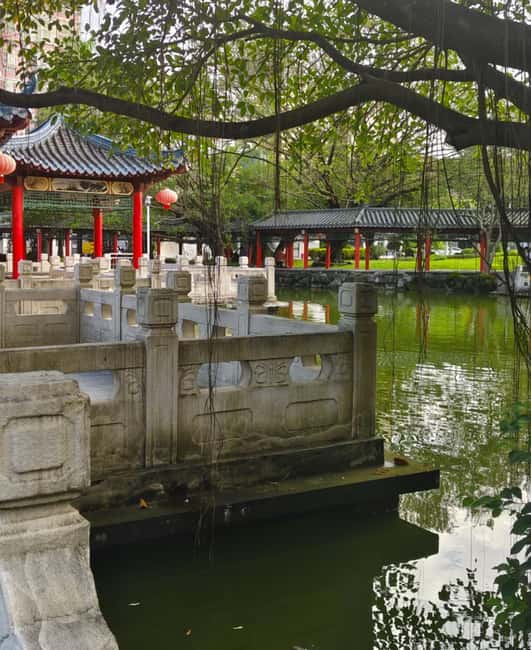
The main stop is a large housing complex built by the Luo clan about 200 years ago. It covers more than 25,000 square meters and contains over 300 rooms. That scale helps you understand that this was not simply one wealthy family’s house. It was a carefully arranged community built around clan life.
Hakka people had migrated from central China toward the Shenzhen area about 500 years ago. Their settlements developed distinctive defensive and communal forms, and the Luo residence lets you see how family structure affected architecture. The original layout remains visible, along with furniture and working areas.
I would pay close attention to the way the compound is organized rather than rushing from room to room. The value is in seeing how separate functions fit together: domestic space, cooking, education, and family life. Even without a specialist background, you can start to picture how an imperial-era household operated.
The historic kitchen is still intact and described as ready for cooking. That detail is more useful than a display case filled with objects because it connects the building to everyday work. Kitchens reveal what a family needed to do each day, and they often explain old homes more clearly than formal rooms do.
You will also see classrooms where children studied Confucianism. This offers an important correction to the idea that historic Chinese homes were only places for eating and sleeping. Education, family discipline, and social values were part of the same compound.
The residence is especially good for visitors who want something concrete. You are not just hearing that Hakka families valued clan ties. You can see those values expressed in the size, layout, and shared spaces of the complex.
There is one practical caution. A large old compound can involve uneven walking and repeated standing while the guide explains different areas. The experience is described as a walking tour, so it is not ideal if you want a seated, low-effort visit. Pregnant women are listed as not suitable for this activity.
What the Hakka buildings reveal about ordinary life
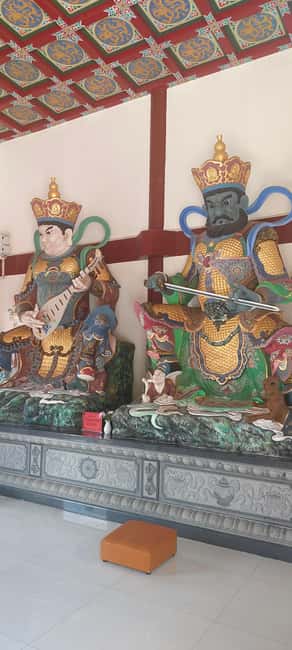
The most rewarding part of the residence is its human scale. Grand Chinese architecture often focuses on emperors, officials, and temples. Here, the emphasis is on ordinary people and the routines that held a large family group together.
Original furniture gives the rooms a stronger sense of place than a completely rebuilt site would provide. The old kitchen and classrooms add practical detail. You can ask Jimmy to explain how these spaces related to one another, and his patient approach is particularly helpful if you are curious about small details.
Past participants have singled out Jimmy’s humor and enthusiasm for teaching. That is important in a site with no single famous monument to carry the visit. A good guide turns walls, doorways, and room plans into a story. Jimmy is also known for answering questions in clear English, so you do not need to arrive with a background in Chinese history.
The compound should appeal to photographers, too. The old buildings provide strong visual material, and the original settings make the visit feel more substantial than a newly constructed heritage park. Still, you should come for the setting and explanation, not only for pictures. The history is the reason the photographs matter.
Same country, a completely different kind of day:
- Beijing: Mutianyu Great Wall Daily Tour with Ticket & Lunch
★ 5.0 · 3,056 reviews - All-Inclusive Tour: Tiananmen Square, Forbidden City, Great Wall
★ 5.0 · 2,873 reviews - MuBus: Mutianyu Great Wall ENG/ESP/RUS Guided Bus Tour
★ 5.0 · 2,361 reviews - 4-Hour Small Group Tour to Forbidden City with Entry Tickets
★ 5.0 · 1,863 reviews
A quiet pause at the 1,000-year-old Buddhist temple
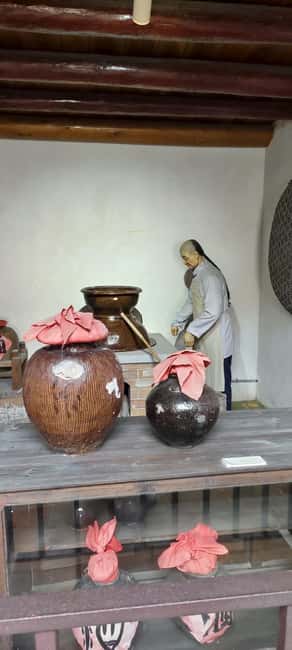
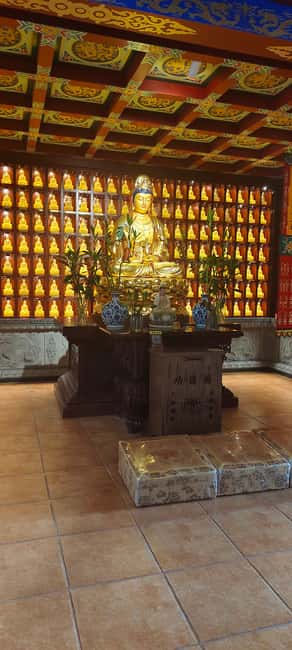
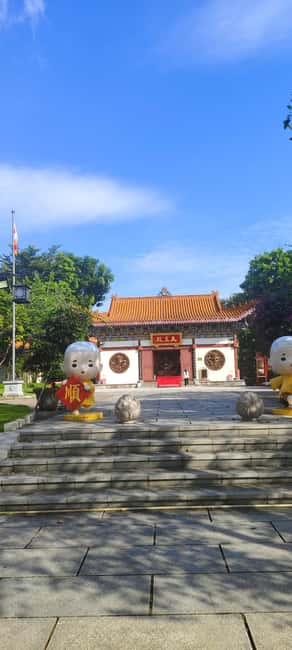
The second major stop is a Buddhist temple in a tranquil setting. The complex includes several structures, forming a monastery rather than a single isolated hall. Its age gives the site historical weight, while the renovated buildings make it easier to appreciate the overall arrangement.
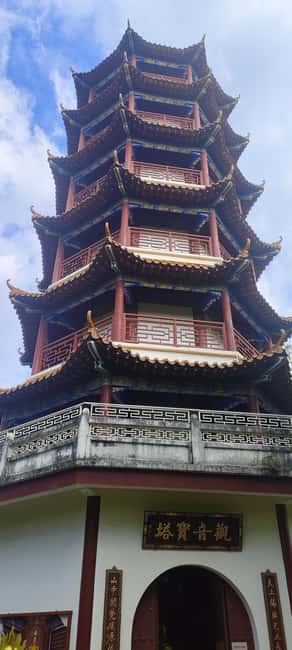
A pagoda dedicated to a female deity is one of the notable features. You can make a wish there, following a local practice connected with luck and fortune. You should treat this as a religious place first and a sightseeing stop second. The calm atmosphere is part of the attraction, so keep your voice low and watch how people pray.
The temple provides a useful change of pace after the Hakka residence. At the compound, your attention goes to architecture and family life. At the monastery, it shifts toward belief, ceremony, and the way sacred buildings organize movement and reflection.
You may find the temple more peaceful than visually overwhelming. That is a plus if you want time away from Shenzhen’s traffic and towers. It may feel modest if you expect a huge, heavily decorated religious complex. The experience is about the collection of structures, the setting, and the chance to understand local worship, not a single spectacular hall.
The restored condition also makes the visit approachable. You can see the major structures clearly, and Jimmy or his colleague can provide context as you move around. The available information confirms English guidance, but it does not promise a formal religious ceremony or special access. Plan on a respectful visit rather than a staged performance.
Following the Longgang River into the wetland
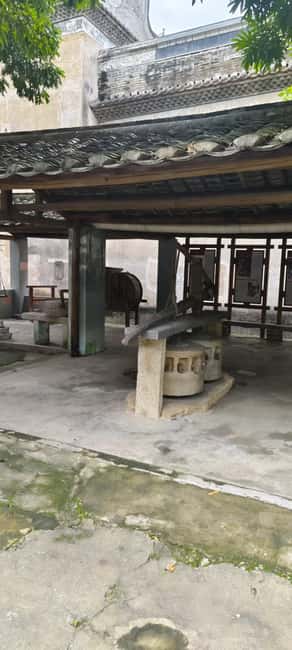
The Longgang River adds an environmental chapter to the tour. It flows into the Shenzhen River, the waterway associated with the boundary between Hong Kong and Shenzhen. The river was once among the more polluted waterways in Shenzhen, but wetland restoration work over the past decade helped filter pollution and return parts of it to a more natural state.
This is a valuable stop because it connects Shenzhen’s past and present in a different way. The Hakka compound shows older settlement patterns. The river shows a modern city trying to repair damage created by growth and development.
The scenery is described as breathtaking, but the real interest is the combination of water, plants, and restoration. Wetlands can slow water, filter pollutants, and provide a more natural river edge. You will not get a technical engineering course, but the stop gives you a clear example of how environmental work can change an urban waterway.
The river walk also gives your legs a different kind of break. You are still walking, but the open setting should feel less enclosed than the residence and less formal than the temple. Bring your own water, especially in warm weather, since it is not included.
Timing, transport, and the small-group advantage
The 2pm start sets a particular rhythm. You have the morning free, then spend the afternoon moving through three very different settings. It is a good fit if you prefer not to rise early, but you should consider heat and humidity when planning what to wear.
The tour includes transport between sites, which saves you the trouble of working out local connections in an area away from the main tourist core. The MTR journey to Nanlian is not included as a tour transfer, so you need to make your own way to the station meeting point.
A 2.5-hour duration keeps the outing manageable. You get a focused introduction rather than a full historical expedition. The tradeoff is that you should not expect long periods for independent exploration at every stop. The guide has several places to cover, and the schedule will keep moving.
The group limit of five is one of the best features for the price. Large groups can make old residences frustrating because you hear only fragments of the explanation and spend much of the time waiting. Here, you can ask why the rooms are arranged as they are, what the classrooms tell you about Hakka family life, or how the wetland restoration changed the river.
What to bring and who should book
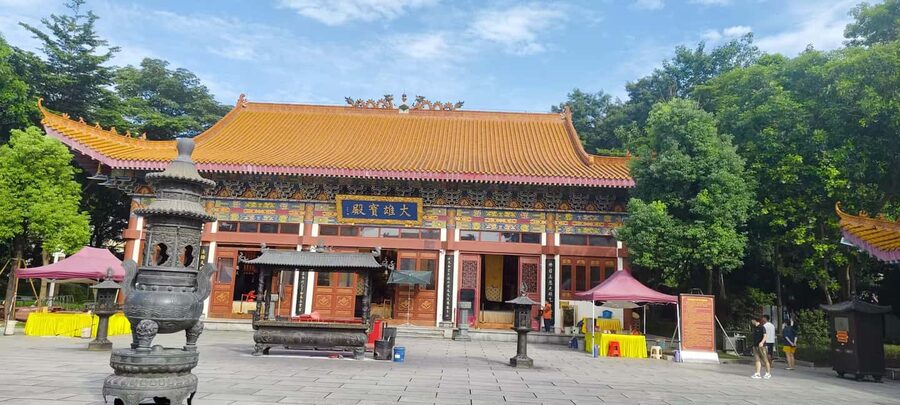
Pack comfortable walking shoes. The tour is explicitly described as a walking activity, and the residence, temple, and river area each require time on your feet.
Bring water and eat before the 2pm meeting time. No meal or water is included, and there is no promise of a food stop. You should also keep your schedule flexible enough to allow the approximately 60-minute MTR ride from Luohu to Nanlian.
This outing suits you best if you:
- Want to see Shenzhen beyond technology, shopping, and skyscrapers
- Enjoy architecture that explains ordinary family life
- Prefer a small group and direct access to an English-speaking guide
- Like combining cultural sites with an environmental stop
- Have a 2.5-hour window and are comfortable walking
It may not suit you if you want a major landmark in central Shenzhen, a relaxed seated tour, a food-focused experience, or a full-day historical survey. The site names are impressive, but the visit is still compact. You will receive an introduction to each place, not an exhaustive study.
The activity also lists pregnant women as unsuitable. If walking comfort is a concern, check the current conditions before booking and ask the provider what the route involves.
Cancellation and booking flexibility
You can cancel up to 24 hours in advance for a full refund. The reserve-now, pay-later option lets you hold a place without paying immediately, which is useful when your Shenzhen schedule depends on weather, transport, or a changing Hong Kong itinerary.
The experience is offered in English and is run by Fantasia Tours. The small group format and named guide, Jimmy, are useful points to consider when comparing it with larger excursions that may cost less but offer less direct explanation.
Should you book this Shenzhen history tour?
I would book this if you want to understand what existed before Shenzhen’s rapid modern growth. The Hakka residence is the strongest reason to go, with its 300-plus rooms, old kitchen, classrooms, furniture, and original plan. The temple adds a calm religious setting, while the Longgang River shows a city working to repair its natural surroundings.
The tour earns its $47 price through the guide, transport between sites, and small group size. Jimmy’s humor, clear English, patience, and enthusiasm are a real advantage because these places depend on explanation. Go prepared to walk, bring water, and allow time to reach Nanlian Metro Station.
Skip it if your priority is central-city convenience or a quick landmark checklist. Choose it if you want a thoughtful half-day away from the towers, with enough local detail to make Shenzhen feel like a place with a long past, not just a new city.
FAQ
How long does the tour last?
The tour lasts 2.5 hours.
Where does the tour meet?
The meeting point is Nanlian Metro Station, Line 3, Exit C1, written in Chinese as 南联站 C 1出口.
What time does the tour begin?
The meeting time is 2pm.
How far is Nanlian from Luohu by MTR?
The meeting point is about a 60-minute MTR ride from Luohu.
Is transportation included?
Transportation between the tour sites is included. Your journey to the Nanlian Metro Station meeting point is not listed as included.
Is the tour offered in English?
Yes. The tour has a live English-speaking guide.
What should I bring?
Bring comfortable shoes for the walking tour. Meals and water are not included, so you should bring water and eat before the activity.
Just added around China
- Hong Kong Airport to Hong Kong City Private Arrival Transfer★ 4.5 · 3 reviews
- Hong Kong Observation Wheel Ticket★ 5.0 · 3 reviews
- Hong Kong Palace Museum Ticket★ 5.0 · 3 reviews
- Hong Kong Peak Tram and Sky Terrace 428 Tickets (Optional)★ 3.5 · 22 reviews
- Hong Kong : Must-See Attractions Walking Tour With A Guide★ 5.0 · 7 reviews
- Hong Kong Private Walking Tour with a Local★ 5.0 · 6 reviews
- Hong Kong Market Walking Tour & Chinese Cooking Class★ 5.0 · 24 reviews
- Hong Kong: Lantau Island & Tai O Cruise, Skip The Line Cable Car★ 3.5 · 4 reviews
Shenzhen Tours, compared.
Customizable Private Shenzhen Tour with Local guide and Car
Read our review →
Shenzhen Private Flexible Day Tour with Guide and Driver Service
Read our review →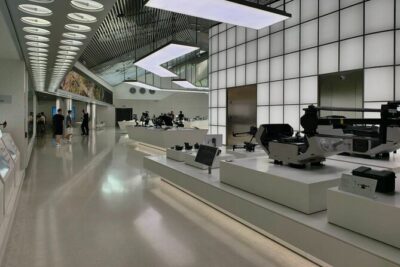
Shenzhen Tech Tour: Robotaxi, Drone Delivery & Innovation Demos
Read our review →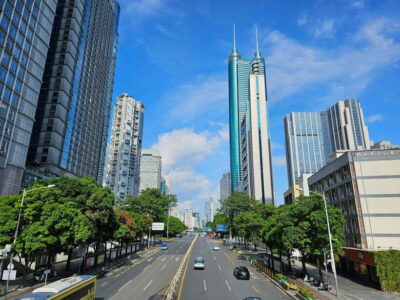
Historia and Entertain Tour of the Youngest City of China
Read our review →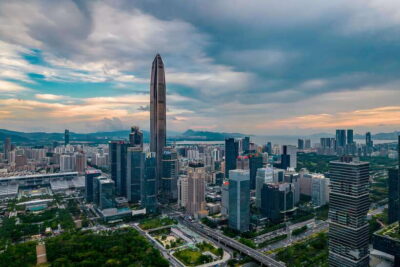
Tallest Building with Luxury Meal on Highest Floor
Read our review →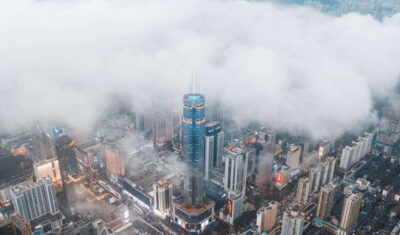
Huaqiangbei Insider Tour: Explore Shenzhen’s Tech Wonderland
Read our review →
Iconic Shenzhen Skyscraper – Ping An Finance Center
Read our review →Browse the lists this tour appears in