

Reviewed · SHANGHAI TOURS
Shanghai: Yu Garden Admission Ticket
Yu Garden gives you a quiet, old-world counterpoint to Shanghai’s modern skyline. Inside this 400-year-old classical garden, you’ll find twisting paths, sculpted rockeries, ponds, pavilions, calligraphy, and preserved furnishings tied to the Ming and Qing periods. I especially like the chance to see traditional Jiangnan design in the middle of a major city, and the simple digital ticket saves time at the entrance.
I also like that the ticket lets you explore at your own pace, without being tied to a guide or group. The main caution is crowding: the garden can fill with tour groups, and several QR codes may arrive, so check your email or WhatsApp carefully and use the correct entry code.
Key points to know before you go

- A 400-year-old private retreat: Pan Yunduan built Yu Garden during the Ming Dynasty for his father.
- Classic Jiangnan details: Expect winding routes, rockeries, ponds, pavilions, calligraphy, and Ming and Qing furnishings.
- Morning or afternoon entry: Choose a 9:00 a.m. to 12:30 p.m. slot or a 12:30 p.m. to 4:00 p.m. slot.
- Digital entry saves time: The correct QR ticket is sent by email or WhatsApp, but the GetYourGuide QR code itself is not valid.
- Crowds are the main drawback: The most photographed parts can become packed with organized groups.
- Good value at $16: You get garden admission, cultural displays, and the freedom to explore without paying for a guide.
Why Yu Garden belongs on a Shanghai itinerary
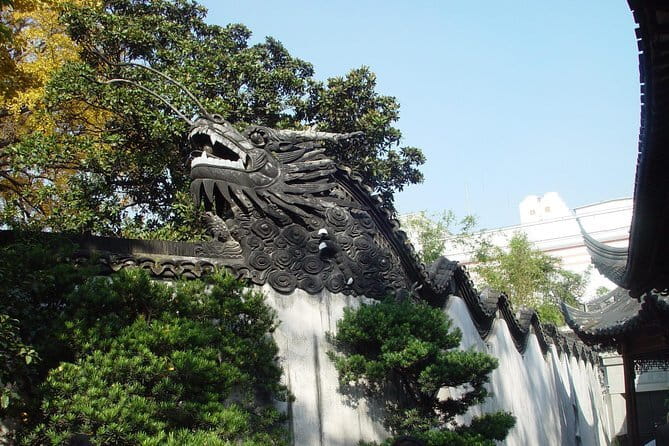
Shanghai is often pictured through skyscrapers, shopping streets, and the broad sweep of the Huangpu River. Yu Garden offers a very different scene. It is a compact historical site where architecture and nature are arranged to create surprises around nearly every turn.
This was originally a private garden built by Pan Yunduan, a high-ranking official of the Ming Dynasty. He created it as a retreat for his father, and the design reflects the refined garden traditions of Jiangnan, the prosperous region south of the Yangtze River.
The garden’s value is not just its age. It shows how Chinese garden designers used walls, windows, rocks, water, and changing views to make a relatively enclosed space feel varied. You may pass through a narrow route and suddenly find a pavilion, pond, or framed view that was hidden moments earlier.
Yu Garden was named a National Key Cultural Relic Protection Unit in 1982. That designation helps explain why the visit feels more like a cultural site than a simple public park. You are looking at protected buildings, furnishings, calligraphy, and design details rather than a newly built recreation area.
A few more Shanghai trips to weigh up
- Shanghai: Hop-on Hop-off Bus Ticket and Optional Attractions
★ 3.4 · 692 reviews - Shanghai Tower: Observation Deck Admission Ticket
★ 4.6 · 373 reviews - Shanghai: Circus World ERA Theatre Acrobatics Ticket
★ 4.9 · 283 reviews
Entering through the digital ticket
At $16 per person, this is a straightforward admission product rather than a guided tour. You receive access to Yu Garden, its historic displays and cultural relics, and the garden views. Meals, shopping, and guide services are not included.
The digital ticket is useful because you do not need to purchase admission on the day. Several people found the process easy, with the QR code arriving through WhatsApp or by email before the visit. Buying ahead can also spare you a ticket counter wait, which matters when your time in Shanghai is tight.
There is one important wrinkle. The GetYourGuide QR code shown with the booking is not the valid entry code. You need to check the email or WhatsApp message for the separate QR code supplied for Yu Garden. The operator may send more than one code, so read the instructions instead of presenting the first code you see.
You also need to provide your full name exactly as it appears on your passport, along with your passport number. If those details are not supplied in time, the booking can be canceled and a cancellation fee may apply. Bring your passport with you.
This is a small amount of preparation, but it makes the entrance much easier. Save the valid code where you can find it quickly, and keep your passport details available when booking.
Choosing between the two entry periods

Yu Garden lists two admission periods:
- Morning: 9:00 a.m. to 12:30 p.m.
- Afternoon: 12:30 p.m. to 4:00 p.m.
The activity information describes the experience as lasting four hours, but the operating periods are divided into these morning and afternoon windows. In practical terms, plan your visit around the slot you select rather than treating the ticket as open admission for the whole day.
A morning visit gives you the first part of the day at the site. An afternoon ticket lets you combine the garden with time around the surrounding Yu Garden area after your visit. One useful pattern is to enter around 3:00 p.m., then continue to the nearby food streets and open areas, as one booking experience did.
The best choice depends on your wider Shanghai plans. If you want plenty of time to look closely at the buildings and furnishings, choose the period that gives you the least rushed schedule. If your day includes other attractions, check the starting times before paying, since availability controls which slot you can book.
What you see inside the garden
Yu Garden is not a single grand viewpoint. It is a series of smaller scenes linked by walls and winding paths. That makes the visit rewarding for people who enjoy details, but it also means the layout can be confusing.
The rockeries are among the garden’s defining features. Their uneven shapes create height and texture, while narrow paths guide you around them. You may find that a rock formation looks different from each angle, which is part of the careful planning behind classical Chinese gardens.
Ponds add calm to the stonework. Water opens up the views and gives the pavilions a place to reflect. The contrast between hard rock, still water, timber buildings, and planted areas is the main visual language of the garden.
The pavilions provide the architectural focus. Look for roof lines, carved details, windows, and the way doorways frame the next section of the garden. The buildings are not simply placed beside the paths. They help control what you see and when you see it.
You can also view historical relics, furniture, and calligraphy connected with the Ming and Qing periods. These displays add context to the buildings. Instead of seeing only an attractive old structure, you get a better sense of the furnishings and artistic traditions associated with the period.
The garden represents Jiangnan-style architecture and design, a tradition prized for its grace, restraint, and close connection between buildings and water. You do not need specialist knowledge to appreciate it. Take your time with the smaller features, especially the roof details, woodwork, stonework, and framed views.
Same country, a completely different kind of day:
- Authentic Local Food Tour in Central Shanghai
★ 5.0 · 1,382 reviews - Zhujiajiao Water Town and Shanghai City Private Day Tour
★ 5.0 · 1,016 reviews - Private Shanghai Full Day City Tour with Old and New Highlights
★ 5.0 · 995 reviews - Shanghai Private Tour: Zhujiajiao Water Town and Boat Ride
★ 5.0 · 661 reviews
How the visit feels when crowds arrive

The main weakness is crowding. Yu Garden is one of Shanghai’s best-known historic attractions, and organized tours can fill the narrow routes. The prettiest sections, especially the spots used for photographs, may become slow-moving.
This does not cancel out the garden’s value, but it changes how you should approach it. You may need patience around the most popular pavilions, and you should not expect a silent private retreat throughout the visit.
The site asks visitors to maintain silence and respect the cultural heritage. That request makes sense in a preserved historical setting, though the presence of groups can make quiet moments difficult. If calm matters most to you, aim for the less crowded part of your available entry period, if your schedule allows.
The surrounding area can also feel different from the garden itself. Some of the streets and highly photographed sections outside the paid garden area are free, while the ticket covers the separated garden section. This distinction is useful: you can enjoy the surrounding streets without admission, but the historic garden is the part that provides the carefully arranged rockeries, ponds, pavilions, and indoor displays.
Is four hours enough?
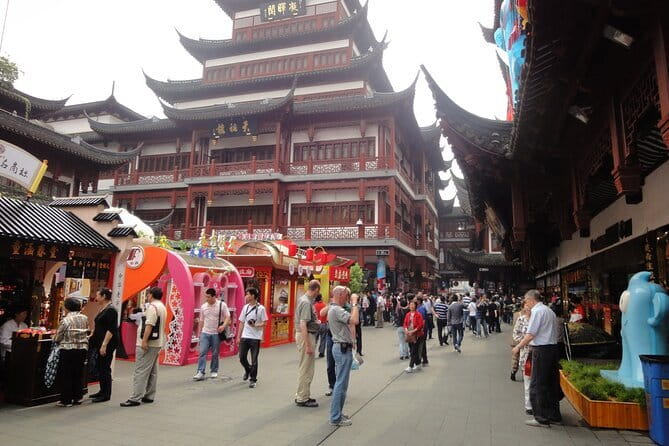
For most people, the four-hour allocation gives plenty of time for a thoughtful visit. You can walk the paths, pause at the ponds, inspect the pavilions, and look at the furnishings and calligraphy without racing from one point to the next.
The garden’s complex layout may slow you down. Bring a map or use mobile navigation so you can get your bearings fast. There is no storage service in the park, so keep your belongings secure and avoid arriving with bags you do not want to manage through crowded routes.
The ticket does not include a professional guide. That is good news if you prefer freedom and already know something about Chinese gardens. It is less ideal if you want someone to explain every building, relic, and design feature as you go.
You can still make the visit more rewarding by reading a little about Pan Yunduan, Ming and Qing furnishings, and Jiangnan garden design before entering. A few minutes of preparation will help you notice why the garden uses enclosed views, water, rocks, and pavilions in such a deliberate way.
The value of $16

At $16, the ticket is fairly priced for a major historic site in central Shanghai. You are paying for direct entry to a protected garden with architectural details, cultural displays, and historic objects, not for transportation, food, or personal guiding.
The strongest value comes from convenience. Digital admission can remove one small task from a busy sightseeing day, and the skip-the-ticket-line feature is useful if the entrance is busy. Several bookings were praised for quick QR delivery and clear communication, including messages sent through WhatsApp on the day of the visit.
The price is less attractive if you only want to photograph the surrounding streets. Some of the area outside the paid section is free, and the garden itself can be crowded. In that case, you should decide if the interior pavilions, rockeries, ponds, furnishings, and cultural relics are worth the admission cost.
For me, they are. Yu Garden is the part of the area that gives you the historical experience, rather than just the atmosphere of an old commercial district.
Who should book this experience?

I would recommend this ticket to first-time Shanghai visitors, architecture fans, garden lovers, and anyone who wants a cultural stop that does not require a full-day excursion. It also suits independent sightseers who prefer to move at their own speed.
Families should note that children under 1.2 meters can enter free. The site may still be challenging with very young children if they dislike crowds or narrow routes, but the free admission rule can make the stop better value for a family.
You should think twice if you want a guided explanation or a quiet, uncrowded garden. This product includes no guide, and the most popular areas may be full of tour groups. It is also not suitable for anyone planning to arrive without submitting the required passport information.
Weapons, sharp objects, alcohol, drugs, explosives, and pets are not allowed. Assistance dogs are permitted. These rules are standard for a protected cultural site, but they are worth checking before you set out.
Practical tips for a smoother visit

- Use the right QR code: The booking platform QR is not valid for entry. Find the separate code in your email or WhatsApp messages.
- Submit passport details early: Your full passport name and passport number are required to complete the booking.
- Carry your passport: It is listed as an item to bring.
- Choose your time carefully: Morning entry runs from 9:00 a.m. to 12:30 p.m., while afternoon entry runs from 12:30 p.m. to 4:00 p.m.
- Bring a map or use mobile navigation: The layout has plenty of turns and can be hard to follow.
- Protect your belongings: There is no storage service in the park.
- Expect crowds: Leave extra patience for the best-known photo areas and organized groups.
- Plan time outside the garden: The nearby food streets and free public areas can complement the paid visit.
Free cancellation is available up to 24 hours before the activity for a full refund, and the reserve-now, pay-later option can help if your Shanghai schedule is still changing. Check the available starting times before booking, since the ticket is tied to an operating period.
Should you book Yu Garden admission?
Yes, if you want to see one of Shanghai’s finest examples of traditional garden design without committing to a guided tour. The $16 fee is reasonable for access to the preserved pavilions, rockeries, ponds, furnishings, calligraphy, and historical displays, and the digital ticket can make arrival easier.
Book it with realistic expectations. You are not buying a private, silent garden, and the wrong QR code can cause confusion unless you check your messages. Choose your entry period with care, submit your passport details promptly, and allow time to move slowly through the crowded sections.
For an independent visit that adds old Shanghai character to a modern-city itinerary, Yu Garden earns its place.
FAQ
What does the Yu Garden admission ticket include?
The ticket includes entry to Yu Garden, access to historical exhibitions and cultural relics, and the garden’s scenic areas. It does not include meals, souvenirs, or professional guide services.
How much does the ticket cost?
The listed price is $16 per person.
How long is the experience?
The activity is listed as four hours. Entry is organized into a morning period from 9:00 a.m. to 12:30 p.m. and an afternoon period from 12:30 p.m. to 4:00 p.m.
Is a guide included?
No. This is an admission ticket, so you explore independently without professional guide services.
Which QR code should I use for entry?
The GetYourGuide QR code is not valid. Check your email or WhatsApp for the correct QR code supplied for entry.
Do I need to provide passport information?
Yes. You must provide your full name as shown on your passport and your passport number to complete the booking. Bring your passport with you.
Can children enter for free?
Children under 1.2 meters can enter for free.
Can I cancel the booking?
You can cancel up to 24 hours in advance for a full refund. A reserve-now, pay-later option is also available.
What should I bring and what is not allowed?
Bring your passport and keep your belongings secure, since no storage service is available. Weapons, sharp objects, pets except assistance dogs, alcohol, drugs, and explosive substances are not allowed.
Just added around Shanghai
- Suzhou Private Guided Day Trip from Shanghai by Bullet Train★ 5.0 · 46 reviews
- Suzhou and Zhujiajiao Private Guided Day Trip from Shanghai★ 5.0 · 27 reviews
- Shanghai:Old Town, Yu Garden, Zhujiajiao Water Town Bus Tour★ 4.7 · 16 reviews
- Shanghai: Yuyuan, City God Temple Old City Tour-Tip Based★ 5.0 · 10 reviews
- Shanghai: Zhujiajiao Water Town with Calligraphy Experience★ 5.0 · 17 reviews
- Shanghai: Yu Garden with Entry Tickets(optional)★ 4.5 · 28 reviews
- Shanghai: Wild Animal Park Ticket★ 4.9 · 43 reviews
- Shanghai: Yu Garden Entry Ticket with PDF Guidebook★ 4.1 · 45 reviews
Shanghai Tours, compared.

Authentic Local Food Tour in Central Shanghai
Read our review →
Zhujiajiao Water Town and Shanghai City Private Day Tour
Read our review →
Private Shanghai Full Day City Tour with Old and New Highlights
Read our review →
Hop-on Hop-off Bus Ticket and Optional Attractions
Read our review →
Shanghai Private Tour: Zhujiajiao Water Town and Boat Ride
Read our review →

Suzhou and Zhouzhuang Water Village Day Trip from Shanghai
Read our review →Browse the lists this tour appears in