
Reviewed · SHANGHAI TOURS
Shanghai: Song Dynasty Tea Ceremony Experience
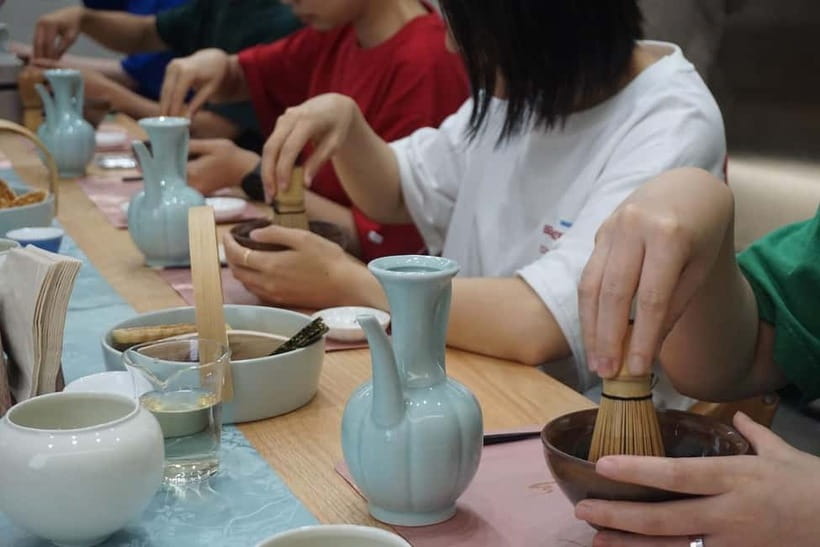
The most unusual part of this Shanghai experience is the tea itself. Instead of steeping leaves in a pot, you whisk fine powdered tea with hot water until a soft foam forms on top. It is part tea lesson, part hands-on craft, and part quiet pause from the city.
I like the direct participation. You handle the bowl, scoop, whisk, cloth, and tea, rather than sitting back while someone performs a ritual. I also like the Song Dynasty focus, since it gives the ceremony a clear place in Chinese history instead of presenting tea culture as one broad, timeless tradition.
The main consideration is the price: $78 per person for 1.5 hours is not a quick tasting deal. You are paying for a private session, an expert tea master, interpretation in several languages, the setting, and the guided activity. If you only want to drink tea, it may feel costly. If you want to learn a skill and understand the ritual, the value is easier to see.
Key points at a glance
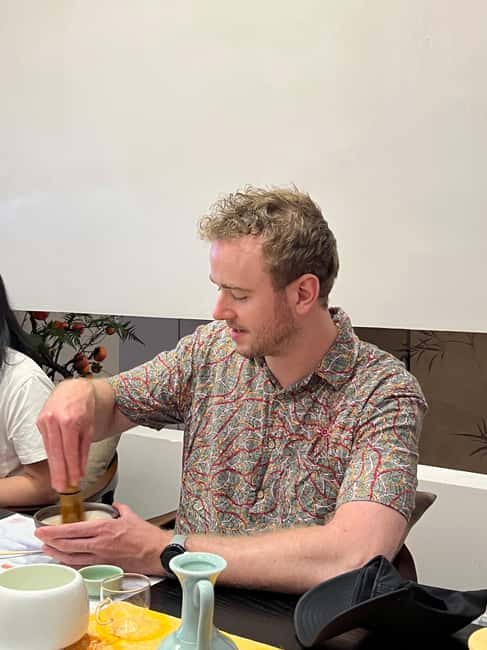
- Whisk powdered tea by hand: Learn the Song Dynasty method with a tea bowl, scoop, and bamboo-style whisk.
- Create a frothy surface: Practice the rhythm that turns hot water and powdered tea into a light, aromatic drink with foam.
- Learn the cultural setting: Hear why tea mattered in daily life and high society during the Song Dynasty.
- Enjoy a private session: The experience is offered for private groups, which suits families, friends, and small teams.
- Use traditional equipment: Tea, bowl, whisk, tray, cloth, kettle, and hot water are included.
- Meet with clear visual help: Find the guide at the main mall entrance by looking for a white hat with a red Eto logo.
Why Song Dynasty tea is different
Many tea experiences in China center on steeping loose leaves in a small pot and pouring several short infusions. This session teaches an older method involving powdered tea. You place the powder in a bowl, add hot water, and work the whisk until the surface becomes foamy.
That change in technique also changes the mood. You are not simply waiting for leaves to release their flavor. You are controlling the water, the whisk, and the speed of your hand. The process has a gentle rhythm, and the act of making the drink becomes as important as tasting it.
During the Song Dynasty, tea was part of ordinary life and also part of refined social settings. The experience uses that period to explain how tea could carry ideas about taste, manners, beauty, and attention. I find this useful because it gives the ritual a reason. The tools and gestures are not just pretty props. They belong to a way of thinking about tea.
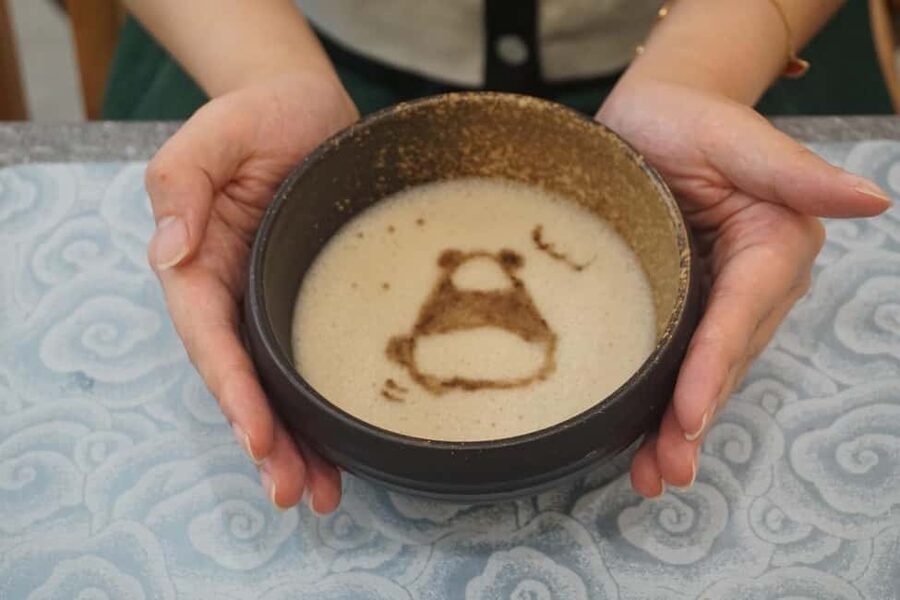
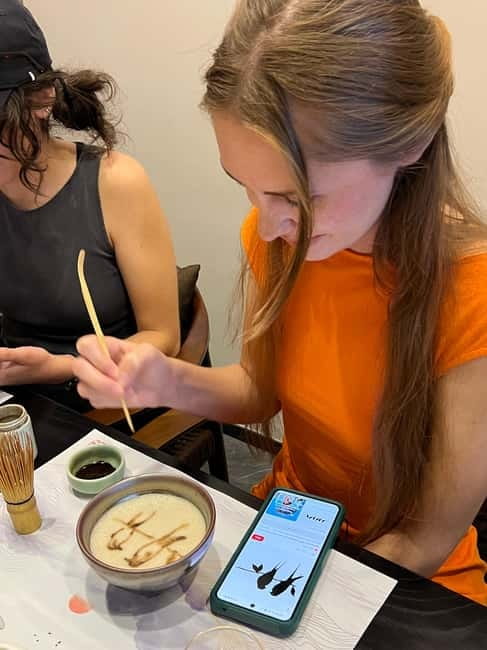
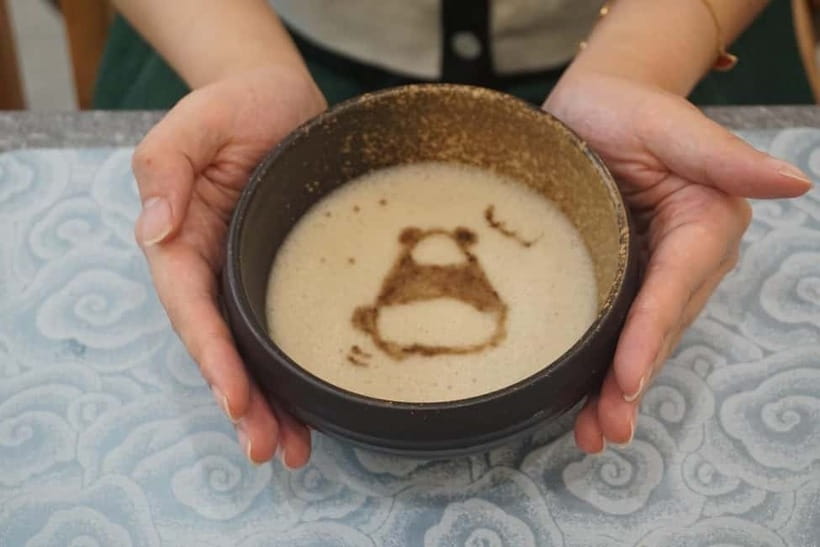
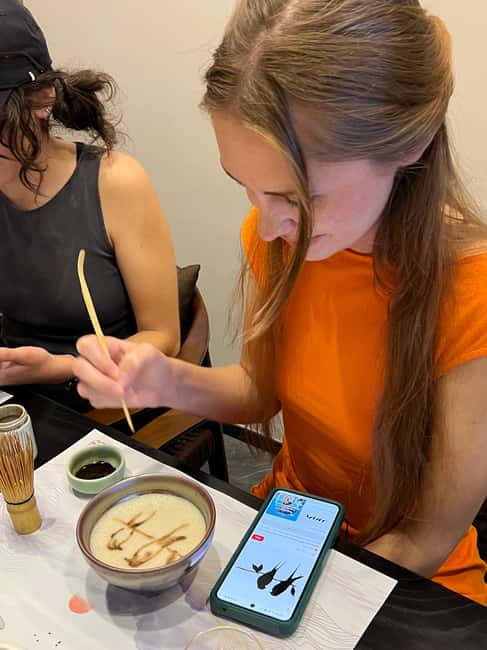
The tea is described as smooth and aromatic, with a delicate foam that can form small patterns on the surface. One participant even enjoyed painting favorite symbols during the session, and a small gift was included for that group. The exact creative extras may depend on the booking, but you should expect the whisking itself to be the central activity.
Other Shanghai days worth booking alongside this:
- Authentic Local Food Tour in Central Shanghai
★ 5.0 · 1,382 reviews - Zhujiajiao Water Town and Shanghai City Private Day Tour
★ 5.0 · 1,016 reviews - Private Shanghai Full Day City Tour with Old and New Highlights
★ 5.0 · 995 reviews
Meeting at 168 Aomen Road
The meeting point is the main entrance of the mall at 168 Aomen Road, Putuo District, Shanghai 200071. You will not receive every meeting detail until the booking is confirmed, so keep an eye on WhatsApp before the appointment.
Look for a guide wearing a white hat with a red Eto logo. That detail matters at a busy mall entrance, where a clear visual sign is far more useful than trying to recognize a stranger from a written description.
The provider sends the address and meeting information through WhatsApp, and live WhatsApp support is included. Make sure the phone number attached to your booking can receive messages while you are in China. If you have a local data plan or working hotel Wi-Fi, check the instructions before leaving for the appointment.
Hotel pickup and drop-off are not included. You will need to make your own way to the mall, then continue independently after the session. The experience is wheelchair accessible, but you should still use WhatsApp to confirm any personal access needs before arriving.
The opening lesson: tea in Song society
The session begins with a short introduction to tea in Chinese culture, with attention to the Song Dynasty. This opening sets the stage for the practical work that follows.
You will learn why tea mattered beyond thirst. It appeared in daily routines and in high society, where preparation and presentation could show refinement. That background helps you notice the small choices in the ceremony, including the order of the tools, the care given to the bowl, and the controlled motion of the whisk.
I appreciate this kind of short history talk because it does not require a full museum visit. You get enough context to understand the activity without spending the entire 1.5 hours listening to a lecture. The strongest version of the experience should keep this section focused, then let you put the ideas into practice.
The presentation is available in English, Chinese, Japanese, Korean, Spanish, and Russian. The exact language arrangement is not specified, so use the booking conversation to confirm how your preferred language will be handled. If you are traveling with people who speak different languages, ask about interpretation before the day of the session.
The tools on the tea tray
The tea master introduces the equipment before you begin. The included set contains a tea bowl, tea whisk, tea scoop, tea tray, hot water kettle, tea cloth, and powdered tea.
Each item has a practical role. The scoop helps portion the powder. The bowl gives you room to whisk. The tray keeps the work area organized, while the cloth is used as part of the careful presentation and cleanup. The kettle provides the hot water needed to make the drink.
This is one reason the activity works well for beginners. You do not need to arrive with specialist equipment or prior knowledge. The tools are ready for you, and the tea master shows you how to use them.
The equipment also gives the session a visual appeal. Traditional utensils and an arrangement based on careful placement make the activity easy to photograph. Still, I would treat the photos as a bonus rather than the main point. Experience photos are included, but the most worthwhile souvenir is the ability to repeat the whisking method and understand what you were doing.
Same country, a completely different kind of day:
- Shanghai: Hop-on Hop-off Bus Ticket and Optional Attractions
★ 3.4 · 692 reviews - Shanghai Private Tour: Zhujiajiao Water Town and Boat Ride
★ 5.0 · 661 reviews - Eat Like A Local: Shanghai Night Food Tour
★ 5.0 · 616 reviews - Huangpu Night Cruise: Cozy Vibe & Modern Shanghai Glow
★ 4.3 · 520 reviews
Whisking the tea yourself
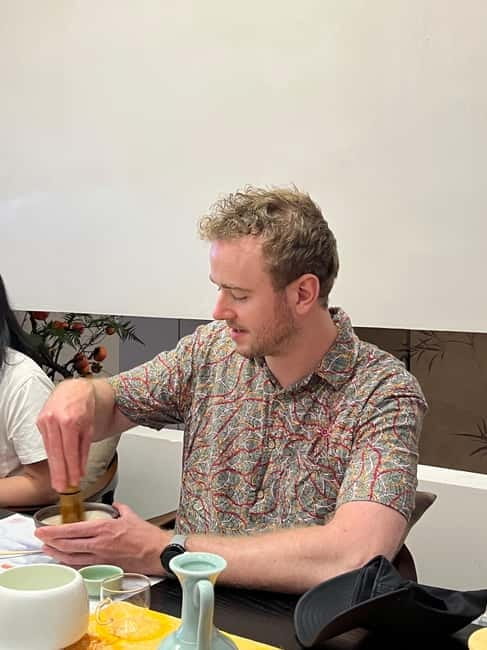
The hands-on portion is the heart of the session. Under the tea master’s direction, you add the powdered tea and hot water, then use the whisk to create a smooth, frothy drink.
This is more physical than a standard tasting, but not strenuous. The challenge is finding a steady rhythm. Move too slowly and the powder may not blend as intended. Rush the motion and you lose the calm, controlled quality that gives the ceremony its character.
You will have a chance to practice rather than simply watch. That makes the lesson useful for families, groups of friends, and team outings. People can compare their whisking technique, help one another, and enjoy the small satisfaction of producing a foam-covered bowl.
The tea master’s guidance is important here. A first attempt at powdered tea can feel awkward, especially if you are used to tea bags or loose leaves. Patient instruction turns that awkwardness into part of the fun. You learn by doing, and the mistakes are low stakes.
The foam is a memorable visual detail. It can appear light and delicate, and the surface may form flower-like shapes as you whisk. That gives the activity a small artistic element without requiring painting or craft skills. You are making a drink, but you are also paying attention to texture, movement, and appearance.
Tasting the finished bowl
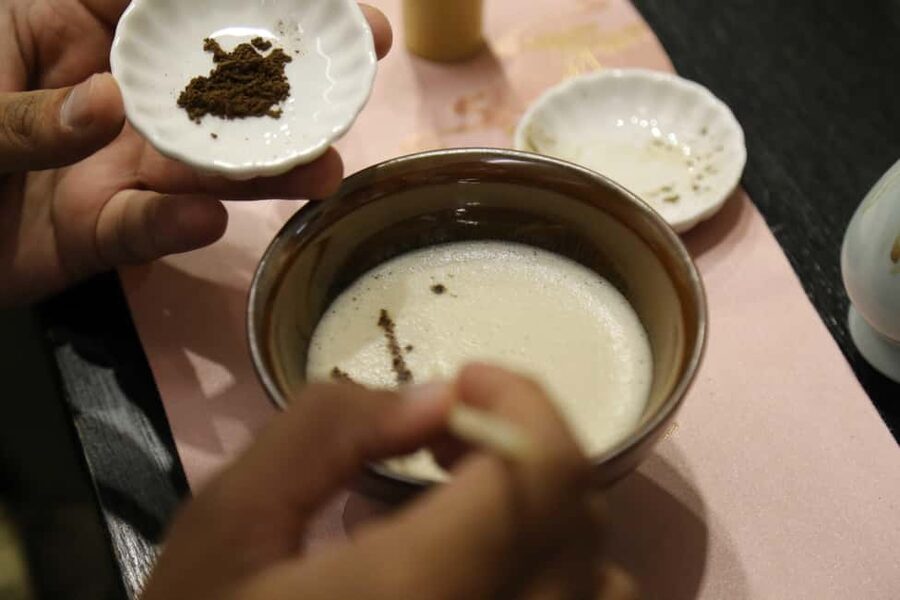
Once you have whisked the tea, you sit with the result and taste it. The flavor is described as smooth and full, with an aroma that becomes clearer when the tea is freshly prepared.
Powdered tea has a different feel from infused tea because the tea remains in the bowl rather than being removed after steeping. That makes the texture and flavor more direct. If you prefer mild, clear tea, the drink may surprise you. If you enjoy trying regional methods and unfamiliar preparations, this is the part that makes the lesson worthwhile.
The tasting is also when the ceremony becomes less about technique and more about attention. You have just made the bowl yourself, so you notice details that might pass by during a demonstration. The temperature, foam, aroma, and finish all connect to the motions you practiced.
Do not expect a large meal or a broad tea flight. The supplied details describe a focused powdered-tea experience, not a food tour or a long series of tastings. Eat beforehand if you need a full meal, and book this for the ritual and the learning rather than for quantity.
A calm activity for groups
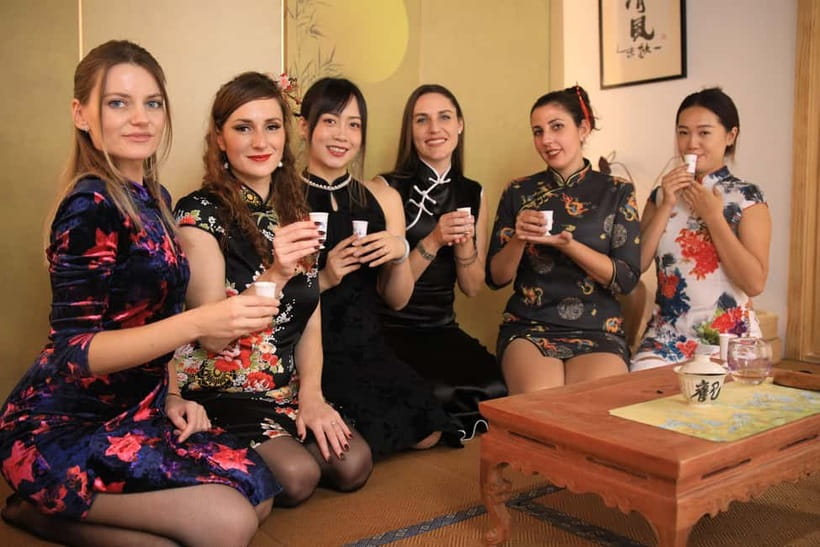
The private-group format is a strong feature. You can share the session with close friends or family without being placed with a large mixed crowd. That gives you more room to ask questions and work at a comfortable pace.
For a group of friends, the activity has a relaxed social side. You can whisk your own bowl, compare the foam, take photos, and talk while learning. One group also painted favorite symbols and took home a small gift, which suggests that some sessions may include creative touches beyond the basic tea preparation.
Families may appreciate the educational angle. Children and teenagers can see how an everyday drink connects to history, design, and hand skills. The hot water kettle means adults should keep an eye on younger children, but the experience is listed as wheelchair accessible and is not described as physically demanding.
Teams can use it as a quiet shared activity rather than a loud competition. The process requires focus and cooperation, and it offers a clear subject for conversation. Still, this is not the right choice if your group wants a fast-paced attraction or a full schedule of sightseeing stops.
What the $78 price includes
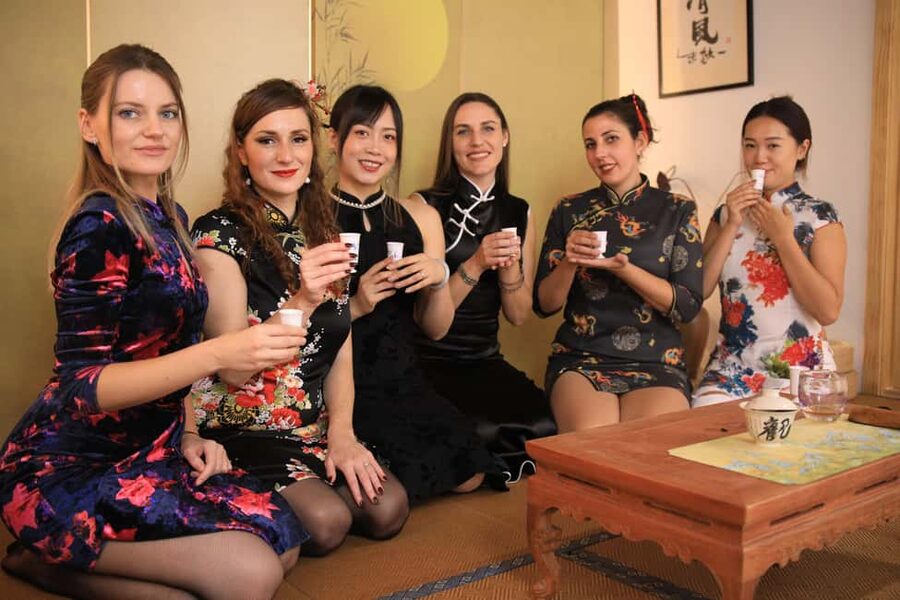
At $78 per person, this is a premium short activity. The 1.5-hour length means the cost is not based on a full day of guiding. The price makes more sense when you count the private format, the tea master, the interpretation options, the traditional equipment, the tea, and the included experience photos.
You are also paying for access to a guided cultural lesson that would be hard to recreate casually. Buying powdered tea and attempting the method alone would give you ingredients, but not the historical explanation or corrections to your technique.
The value depends on your goal. I would consider it worthwhile for a tea lover who wants an unusual method, a first-time visitor seeking a focused cultural activity, or a small group looking for something calm and photo-friendly. I would be more cautious if you are comparing it with inexpensive tea shops and only want to sample a cup.
There is no hotel transportation, and tipping is not included. Those costs are separate, so add your transport budget when comparing this with activities that include transfers. The reserve-now, pay-later option can help if your Shanghai plans are still moving, and free cancellation is available up to 24 hours before the experience for a full refund.
Practical details before you book
Plan around the full 1.5 hours, including the introduction, tool demonstration, whisking practice, and tasting. Starting times vary, so check the available schedule when you choose a date.
The separate entrance is described as a way to skip the line, but you should still arrive with enough time to find the correct mall entrance and identify the white hat with the red logo. Keep WhatsApp available for last-minute meeting instructions or support.
The experience supports English, Chinese, Japanese, Korean, Spanish, and Russian. Because the language arrangement may depend on the guide and group, confirm your preferred language before payment if clear explanation is important to you.
No special tea equipment is required. The bowl, whisk, scoop, tray, kettle, cloth, and powdered tea are provided. Wear something comfortable enough for seated handwork, and avoid scheduling this too tightly against a distant reservation because the session is meant to be enjoyed at an unhurried pace.
The rating is 5 out of 5 from 10 verified bookings, with the strongest praise focused on the tea master’s kindness, the clear interpretation, the beautiful setting, the smooth flavor, and the calming nature of the ritual. That pattern points to a well-focused experience rather than a general sightseeing tour.
Who should book this Shanghai tea experience?
I would recommend it most strongly to tea lovers, history fans, and anyone who enjoys learning through their hands. The powdered-tea method feels different from the tea service many people expect, so it offers a fresh angle on Chinese culture.
It also suits people who want a slower activity during a busy Shanghai itinerary. You are not racing between sights. You are sitting down, handling traditional tools, and concentrating on one small process.
Friends and families should find plenty to enjoy, especially if they like taking photos and trying something together. The private format removes some of the pressure that can come with performing in front of strangers.
I would not make it a top choice for someone who dislikes tea, has very limited time, or expects a substantial meal. It is also less useful if you want a broad survey of Chinese tea styles. This session has a clear subject: Song Dynasty powdered tea and the ritual around it.
Should you book the Song Dynasty Tea Ceremony?
Book it if you want more than a cup of tea. For $78, you receive a private, guided lesson with the tools, tea, historical setting, and chance to whisk your own bowl. The foam, the hand rhythm, and the old preparation method give the experience a real point of difference.
Skip it if your priority is low cost, hotel pickup, or a large tasting menu. For everyone else, this is a thoughtful 1.5-hour addition to a Shanghai stay, especially when you want an activity that connects history, craft, taste, and quiet conversation.
FAQ
How long does the Song Dynasty tea ceremony last?
The experience lasts 1.5 hours.
How much does the experience cost?
The listed price is $78 per person.
Where is the meeting point?
Meet at the main entrance of the mall at 168 Aomen Road, Putuo, Shanghai, 200071, in Putuo District.
How do I identify the guide?
Look for a guide wearing a white hat with a red Eto logo. Further meeting details are sent through WhatsApp after confirmation.
What languages are available?
Instruction or support is listed in English, Chinese, Japanese, Korean, Spanish, and Russian. Confirm your preferred language when booking.
Is the tea equipment included?
Yes. The experience includes the tea bowl, tea whisk, powdered tea, tea scoop, tea tray, hot water kettle, and tea cloth.
Can I cancel or pay later?
You can reserve now and pay later. Free cancellation is available up to 24 hours in advance for a full refund.
Just added around Shanghai
- Suzhou Private Guided Day Trip from Shanghai by Bullet Train★ 5.0 · 46 reviews
- Suzhou and Zhujiajiao Private Guided Day Trip from Shanghai★ 5.0 · 27 reviews
- Shanghai:Old Town, Yu Garden, Zhujiajiao Water Town Bus Tour★ 4.7 · 16 reviews
- Shanghai: Yuyuan, City God Temple Old City Tour-Tip Based★ 5.0 · 10 reviews
- Shanghai: Zhujiajiao Water Town with Calligraphy Experience★ 5.0 · 17 reviews
- Shanghai: Yu Garden with Entry Tickets(optional)★ 4.5 · 28 reviews
- Shanghai: Yu Garden Entry Ticket with PDF Guidebook★ 4.1 · 45 reviews
- Shanghai: Yu/Yuyuan Garden Entry Ticket–E ticket★ 4.4 · 24 reviews
Shanghai Tours, compared.

Authentic Local Food Tour in Central Shanghai
Read our review →
Zhujiajiao Water Town and Shanghai City Private Day Tour
Read our review →
Private Shanghai Full Day City Tour with Old and New Highlights
Read our review →
Hop-on Hop-off Bus Ticket and Optional Attractions
Read our review →
Shanghai Private Tour: Zhujiajiao Water Town and Boat Ride
Read our review →

Suzhou and Zhouzhuang Water Village Day Trip from Shanghai
Read our review →Browse the lists this tour appears in