
Reviewed · SHANGHAI TOURS
Shanghai Mahjong Experience: Discover Art of Chinese Mahjong
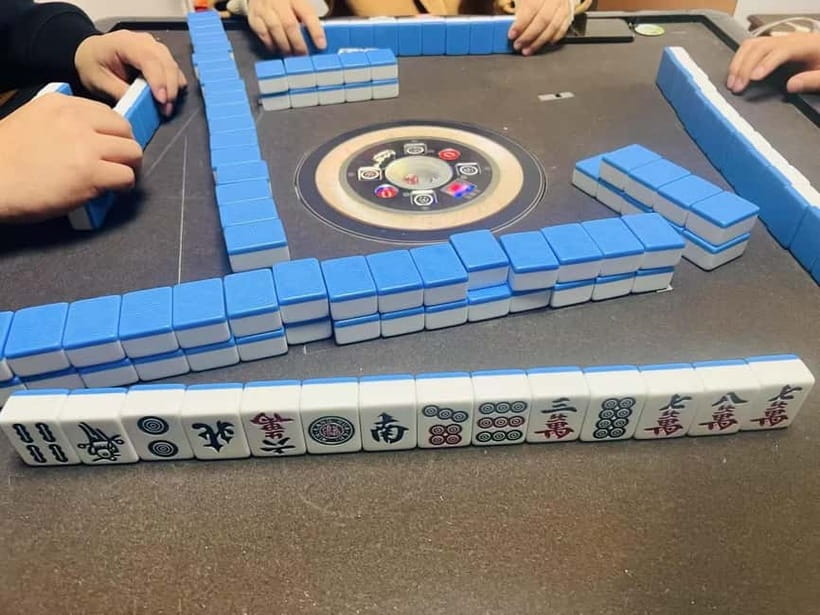
Shanghai Mahjong is not a quick party game you pick up in five minutes. It is a social ritual, a test of memory and judgment, and a familiar part of family life in China. This three-hour private lesson gives you time to learn the rules properly, ask questions through an English translator, and play with a professional Mahjong master.
I like two things right away. First, the setting at a Chinese tea house near the Former French Concession and Tianzifang gives the lesson a local feel. Second, you do not just watch someone explain the tiles. You play, make mistakes, and try China’s automatic Mahjong machines. The main drawback is the price: at $112 per person, this costs more than a casual cultural activity, especially if you are traveling alone.
Key points to know
- A private three-hour lesson: You get personal attention rather than a large classroom session.
- A professional Mahjong master: Play the game with an experienced local player after learning the basic rules.
- Automatic Mahjong machines: See the tables used in ordinary and competitive play in China.
- Tea house setting: Meet at Chinese Tea & Bar, No. 327 Shan Xi Nan Road, near Tianzifang.
- English translation included: A private translator helps explain rules, strategy, and cultural customs.
- Beginner-friendly format: No previous knowledge is needed, but patience helps.
Starting with tiles, tea, and Chinese social life
Your meeting point is Chinese Tea & Bar at No. 327 Shan Xi Nan Road. The location is in the Former French Concession area, close to Tianzifang. You can also arrange to meet at Jia Shan Road Exit 2 of Metro Lines 9 or 12, which may be easier if you are using Shanghai’s subway.
This is a useful location for an afternoon or evening plan. Tianzifang is nearby, and the French Concession area gives you plenty to see before or after the lesson. Transportation is not included, so you need to make your own way there unless you arrange pickup and drop-off for an extra charge.
The setting matters here. Mahjong is played in homes, tea houses, clubs, and community spaces, not only in formal gaming rooms. Sitting down over tea helps you understand why the game works so well as a social activity. You are not simply learning a set of rules. You are learning one of the ways people spend time together.
The tea house also adds a pleasant pause from Shanghai’s main sights. Traditional Chinese tea is served in the setting, and the tea selection is part of the atmosphere. Food and drinks beyond what is provided are not included, so plan to eat separately.
Other Shanghai days worth booking alongside this:
- Authentic Local Food Tour in Central Shanghai
★ 5.0 · 1,382 reviews - Zhujiajiao Water Town and Shanghai City Private Day Tour
★ 5.0 · 1,016 reviews - Private Shanghai Full Day City Tour with Old and New Highlights
★ 5.0 · 995 reviews
The first lesson: how Mahjong works
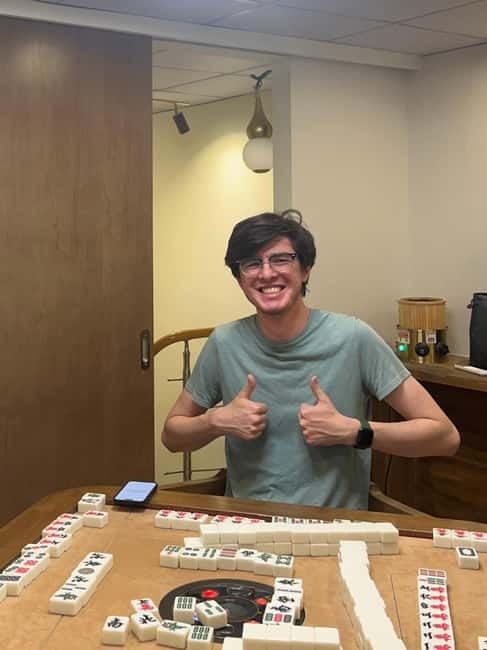
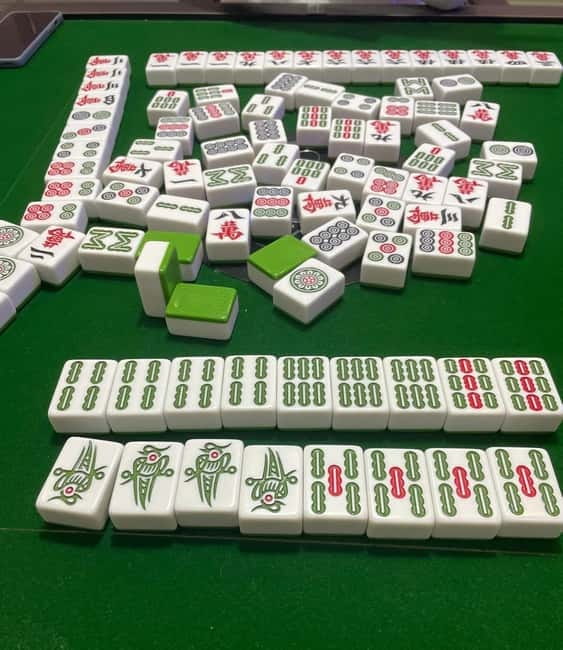
The instructor starts with the basics, making this suitable for someone who has never touched a Mahjong tile. You learn the purpose of the tiles, how they are arranged, how turns work, and how players build combinations.
Mahjong has a lot of moving parts. Four people normally play, and each player must watch the tiles in hand, the tiles already discarded, and the changing options on the table. At first, the game can feel like several card games and a memory test rolled into one. That is normal.
The English translator is important here. A direct translation of the rules is not always enough because the instructor also needs to explain why a move is sensible, how local play works, and what the table manners mean. You can ask questions as they come up instead of trying to remember a long speech before play begins.
The lesson is aimed at beginners, but it is not limited to them. If you already know a version of Mahjong, you can use the session to compare rules and improve your decisions. Mahjong has several regional styles, so you should ask the instructor which rules are being used during your game.
A practical tip: do not worry about trying to memorize everything at once. Focus first on recognizing the tile groups and following the order of play. Once you understand the basic turn, the strategy becomes easier to follow.
Playing with a professional Mahjong master
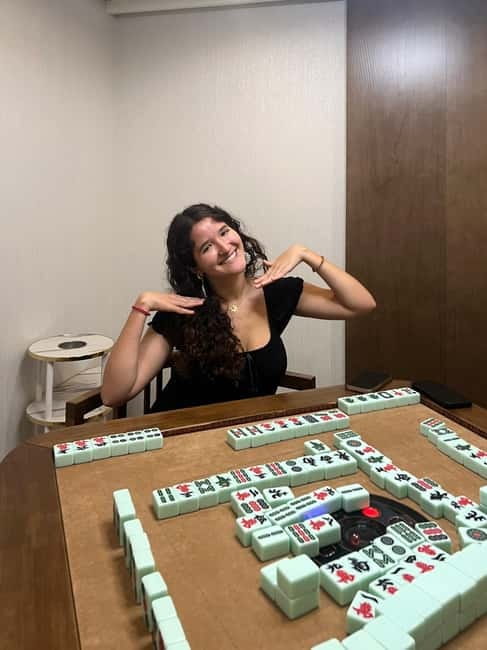
The most useful part of the experience comes when the explanation turns into an actual game. You play with a professional Mahjong master, giving you a chance to see how an experienced player reads the table.
This is where the activity earns its cultural value. A written guide can explain a winning hand, but it cannot show you how players pause, sort their tiles, watch the discards, and decide when to change plans. Playing beside a master lets you see the rhythm of a real table.
Do not expect to become an expert in one afternoon. Mahjong is complicated, and even the basic rules take time to settle in your mind. The goal is to leave knowing how the game works and having enough experience to recognize it when you see a family or group playing in China.
A good instructor should let you make choices instead of moving your tiles for you. The supplied experience promises instruction in rules, strategy, and technique, so use the private format to ask why a particular tile was discarded or kept. Those small questions are likely to teach you more than a general explanation.
The activity has received a 5 out of 5 rating from three verified bookings. The strongest praise centers on the friendly welcome, the patient teaching, and the pleasure of spending time with local Mahjong players. One participant described gradually getting the hang of a complicated game, which is a fair expectation for you too: progress comes during the play, not before it.
China’s automatic Mahjong tables
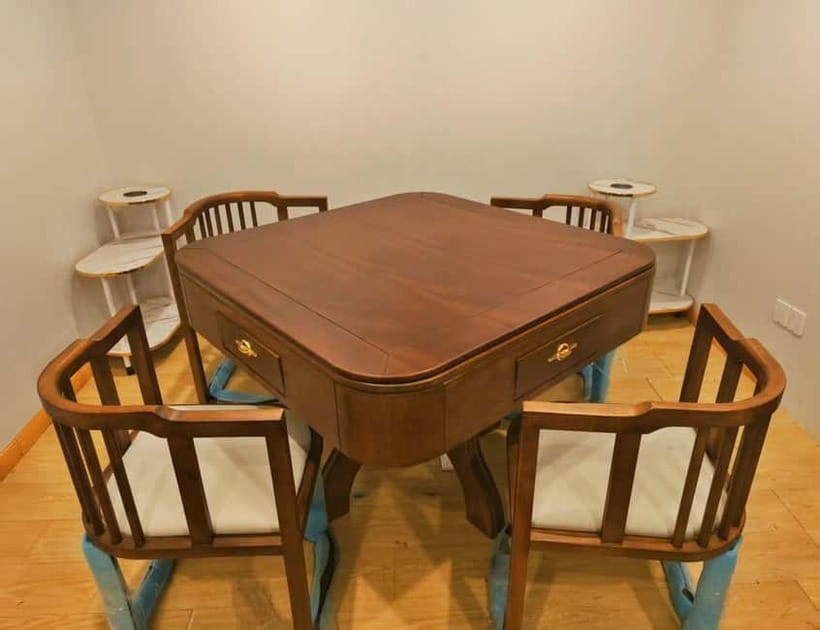
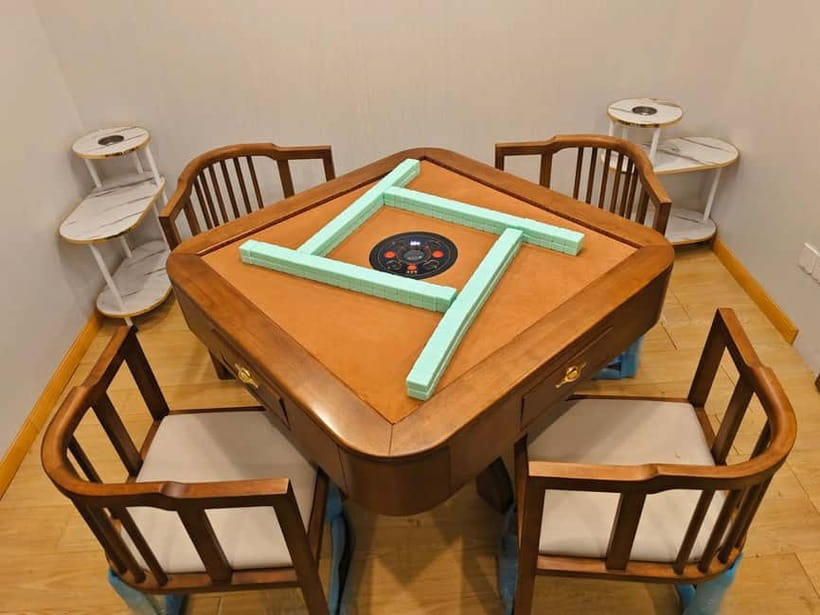
The automatic Mahjong machine is one of the most interesting details in this experience. In China, these tables are commonly used for casual and competitive play. They look like ordinary gaming tables, but they handle the hard work of mixing and resetting the tiles.
After a round, the tiles disappear into the table. The machine shuffles them and prepares another set, reducing the long manual process of gathering and mixing every tile. For a first-time player, this is a fun piece of modern Chinese gaming culture and a useful contrast to older images of Mahjong played entirely by hand.
You get to see how the machines work as part of the lesson. This helps connect tradition with present-day life. Mahjong may have begun as a game played with manually arranged tiles, but the table itself has changed to suit faster, more convenient play.
The machines are not a separate museum demonstration. You experience them while playing, which makes the feature more meaningful. You can see how the table affects the pace of a round and how players use it in a normal social setting.
Same country, a completely different kind of day:
- Shanghai: Hop-on Hop-off Bus Ticket and Optional Attractions
★ 3.4 · 692 reviews - Shanghai Private Tour: Zhujiajiao Water Town and Boat Ride
★ 5.0 · 661 reviews - Eat Like A Local: Shanghai Night Food Tour
★ 5.0 · 616 reviews - Huangpu Night Cruise: Cozy Vibe & Modern Shanghai Glow
★ 4.3 · 520 reviews
Why Mahjong matters beyond the rules
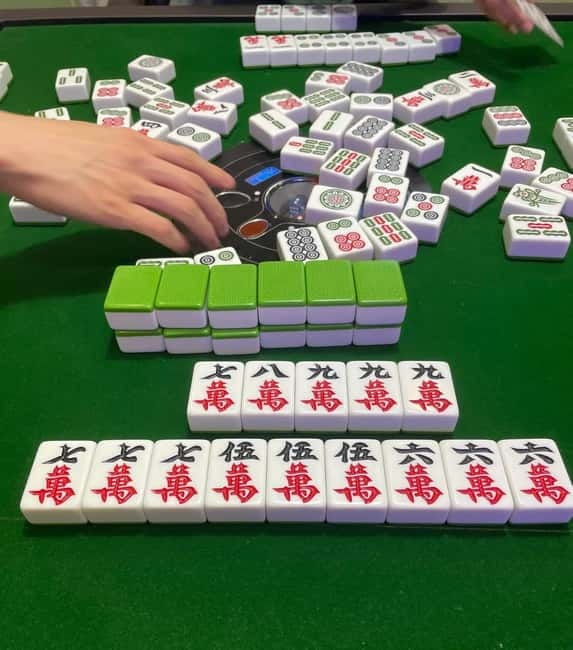
Mahjong developed in China during the Qing Dynasty and has remained part of Chinese social life across generations. Its appeal is not only the challenge of forming winning combinations. The game creates a reason for people to sit together, talk, compete, and spend an evening in one place.
Family gatherings are an important part of that story. Mahjong can appear during celebrations, holidays, and relaxed visits, helping relatives stay connected through a shared activity. The game gives people something to do with their hands while conversation continues around the table.
That social side is easy to miss if you learn Mahjong only from an app. Here, the translator and instructor can explain the customs and meaning behind the game. You can ask how Mahjong fits into family life and why it remains popular despite the many newer forms of entertainment in China.
The game also exercises concentration, memory, and strategic thinking. You must remember discarded tiles, consider possible combinations, and judge when to take a risk. Those mental demands help explain why Mahjong appeals to several age groups. It is social, but it also keeps the mind active.
The cultural discussion should not replace the actual game. The best balance is a little explanation, then a chance to see the ideas in action at the table.
A tea house stop near Tianzifang
Chinese Tea & Bar is more than a pin on the map. It gives the activity a calm place to begin, with tea served in a traditional Chinese manner and a welcoming local atmosphere.
You may want to combine this experience with time in Tianzifang or the Former French Concession. The meeting point is close enough to make the Mahjong lesson part of a wider neighborhood day, though the activity itself lasts three hours. Avoid scheduling it too tightly against another major attraction.
An evening booking could work well because Mahjong is naturally suited to a relaxed night out. An afternoon session also makes sense if you want a quieter cultural activity after visiting the nearby streets. Starting times depend on availability, so check before building your day around it.
Food and drinks are not included. Tea is part of the setting, but you should not treat the booking as a full meal or a tea-tasting tour. If you need dinner, leave time before or after the lesson.
Is $112 per person good value?
The price is $112 per person, which places this well above a basic group game lesson. The value depends on what you want from your Shanghai visit.
You are paying for a private group, a three-hour session, an English-speaking guide and translator, direct instruction, a professional Mahjong master, and access to automatic tables. You are also paying for the chance to ask questions throughout the lesson instead of following a fixed lecture.
I think the cost is easier to justify for two or more people who share a strong interest in Chinese culture, games, or local social customs. The private format can be especially useful for a family or small group because the instructor can adjust the pace and explain confusing points as they appear.
For a solo visitor focused mainly on Shanghai’s famous sights, the price may feel high. You could spend the same money on several lower-cost activities. The difference is that those activities may show you places, while this one gives you a social skill and a story you can carry home.
Food, drinks, and transportation are extra. Pickup and drop-off can be arranged at an additional cost, so ask about that before booking if you do not want to navigate to Shan Xi Nan Road yourself.
Who will enjoy this most?
This is a strong choice for you if you like learning through participation. It suits visitors who want an activity beyond the Bund, museums, shopping streets, and historic buildings.
It is also a good fit for:
- First-time Mahjong players who want patient instruction
- People interested in Chinese family customs and social life
- Small private groups seeking a shared activity
- Board-game and card-game fans who enjoy strategy
- Returning Shanghai visitors looking for something different
- Visitors who want an English explanation of a local tradition
You should be comfortable with a game that takes time to understand. The activity is beginner-friendly, but Mahjong is not simple. If you want a fast, highly visual attraction with little instruction, this is probably not the right choice.
The experience is wheelchair accessible, which is useful to know when comparing activities. It is offered as a private group rather than a large shared class.
Practical details before you book
Plan to arrive at the stated meeting point, No. 327 Shan Xi Nan Road at Chinese Tea & Bar, or Jia Shan Road Metro Exit 2. Confirm the exact meeting arrangement when booking because both locations are provided as possible meeting points.
The session lasts three hours. That is enough time for an introduction, cultural explanation, hands-on play, and practice with the automatic table, but you should not expect advanced mastery by the end.
English translation is included, and no prior knowledge is required. The guide can explain the rules and cultural background, while the Mahjong master provides the table experience. The guide’s personal name is not provided, so you should not assume a named instructor when making your plans.
You can cancel up to 24 hours in advance for a full refund, and a reserve-now, pay-later option is available. Starting times depend on availability, so check the schedule before you commit to nearby plans.
Should you book this Shanghai Mahjong experience?
Book it if you want a personal introduction to Chinese social life and enjoy learning by doing. The tea house setting, English translation, professional player, and automatic table make this more useful than simply watching a Mahjong game from the sidelines.
The price is the main question. At $112 per person, it makes the most sense for someone who values a private lesson and cultural context, not someone looking for the cheapest activity in Shanghai. Give yourself the full three hours, ask plenty of questions, and accept that the first game may feel confusing.
For a patient beginner, this is a memorable way to understand why Mahjong remains part of family gatherings and everyday leisure in China. For a visitor who wants only major sights, save the money for another outing.
FAQ
Where does the Shanghai Mahjong experience meet?
The main meeting point is Chinese Tea & Bar at No. 327 Shan Xi Nan Road in Shanghai. The guide may also meet you at Jia Shan Road Exit 2 of Metro Lines 9 or 12.
How long does the Mahjong activity last?
The experience lasts three hours.
How much does the experience cost?
The listed price is $112 per person.
Do I need to know how to play Mahjong?
No. The activity is designed for beginners, and no previous Mahjong knowledge is needed.
Is an English translator included?
Yes. A professional English translator and guide is included to explain the rules, strategy, and cultural context.
Will I play Mahjong during the lesson?
Yes. You receive instruction and then play Mahjong with a professional Mahjong master.
Can I use an automatic Mahjong machine?
Yes. The activity includes a chance to experience China’s automatic Mahjong tables, which are used in casual and competitive play.
Are food and drinks included?
Food and drinks are not included. The activity takes place at a Chinese tea house, where tea is part of the setting.
Is transportation included?
No. Transportation is not included, but pickup and drop-off may be arranged for an additional cost.
Just added around Shanghai
- Suzhou Private Guided Day Trip from Shanghai by Bullet Train★ 5.0 · 46 reviews
- Suzhou and Zhujiajiao Private Guided Day Trip from Shanghai★ 5.0 · 27 reviews
- Shanghai:Old Town, Yu Garden, Zhujiajiao Water Town Bus Tour★ 4.7 · 16 reviews
- Shanghai: Yuyuan, City God Temple Old City Tour-Tip Based★ 5.0 · 10 reviews
- Shanghai: Zhujiajiao Water Town with Calligraphy Experience★ 5.0 · 17 reviews
- Shanghai: Yu Garden with Entry Tickets(optional)★ 4.5 · 28 reviews
- Shanghai: Wild Animal Park Ticket★ 4.9 · 43 reviews
- Shanghai: Yu Garden Entry Ticket with PDF Guidebook★ 4.1 · 45 reviews
Shanghai Tours, compared.

Authentic Local Food Tour in Central Shanghai
Read our review →
Zhujiajiao Water Town and Shanghai City Private Day Tour
Read our review →
Private Shanghai Full Day City Tour with Old and New Highlights
Read our review →
Hop-on Hop-off Bus Ticket and Optional Attractions
Read our review →
Shanghai Private Tour: Zhujiajiao Water Town and Boat Ride
Read our review →

Suzhou and Zhouzhuang Water Village Day Trip from Shanghai
Read our review →Browse the lists this tour appears in