
Reviewed · WALKING TOURS
5-Hour Private Customized Walking Tour in Hong Kong
Hong Kong rewards a guide who can connect the pieces. In five hours, you can move from Central’s finance towers to a temple, a street market, and a lookout over the harbor, with your route adjusted as you go. This private tour is built around your interests, not a fixed checklist.
I like the one-guide attention and the freedom to choose between food, politics, religion, architecture, or everyday life. I also like that hotel pickup and walking keep the morning simple. The catch is the price: $307 is a serious outlay for one person or a couple, though it becomes much better value for a group of six. You’ll also pay extra for transport, food, and personal expenses.
Key points at a glance
- A private route built around you: Choose history, food, fashion, religion, politics, markets, or a mix.
- A useful first look at Hong Kong: Central, Sheung Wan, Soho, Victoria Peak, Kowloon, and local markets are all possible themes.
- A guide who teaches practical skills: One guide, Nick, was especially praised for his city knowledge and insider tips, while another showed how to use public transport.
- Five hours on foot: Plan on at least 5 kilometers, plus hills, stairs, and uneven pavement.
- Small-group value: Up to six people can join, and children aged 11 and under are free.
- Extra costs matter: MTR rides, trams, taxis, boats, ferries, food, and admission costs are not included.
Why a private Hong Kong walk can work so well
Hong Kong is compact on a map but not always easy to read on the ground. The city shifts quickly from office towers to old medicine shops, from polished shopping streets to crowded neighborhood markets. A private guide can explain those changes while you walk, then alter the plan if one area interests you more than expected.
This is not a tour with one guaranteed sequence of stops. Before the day, you answer questions about your interests. At the meeting, you can talk through the plan again, and the route can change during the morning. That flexibility is the main reason to choose this experience over a standard group outing.
You might want a first lesson in Hong Kong history. That could mean the Opium Wars, British rule, and the 1997 handover to China. You might care more about how Feng Shui affects buildings and business, or how Taoist and Buddhist customs shape temple life. You can also make food the focus, tasting Cantonese favorites such as dim sum, wonton noodles, roast pork, fish balls, and egg puffs.
The open format is useful, but it also means you should arrive with a rough wish list. Five hours goes quickly. Asking for Victoria Peak, Mong Kok, Aberdeen, Stanley, and Sham Shui Po in one morning would create a rushed day, especially if you add food stops and public transport.
A few more Hong Kong trips to weigh up
- Dark Side of Hong Kong – Kowloon Caged Homes Walking Tour
★ 5.0 · 418 reviews - Introduction to Hong Kong: Central Tip Based Walking Tour
★ 5.0 · 202 reviews - Full-Day Private Customized Walking Tour of Hong Kong
★ 5.0 · 106 reviews
Starting at 9:30 am from your hotel
The tour begins at 9:30 am, with hotel pickup included. That is a useful touch in a city where your first problem may simply be figuring out which station exit or neighborhood entrance you need.
At the start, your guide asks what you want from the morning. One particularly well-regarded guide is Nick, praised for his practical tips and strong grasp of Hong Kong. Another guide began by discussing interests, then built a route around markets, a temple, notable buildings, Victoria Peak, and lunch. That is the kind of conversation you want at the beginning: tell the guide what you have already seen, what you want to eat, and how much walking suits you.
Pickup does not mean every transfer is covered. The guide service is included, but you pay for MTR rides, trams, taxis, ferries, boats, and other transport used along the way. These fares are described as minimal, but they still affect the final cost. Food and drinks are also yours to buy.
Central, Sheung Wan, and Soho
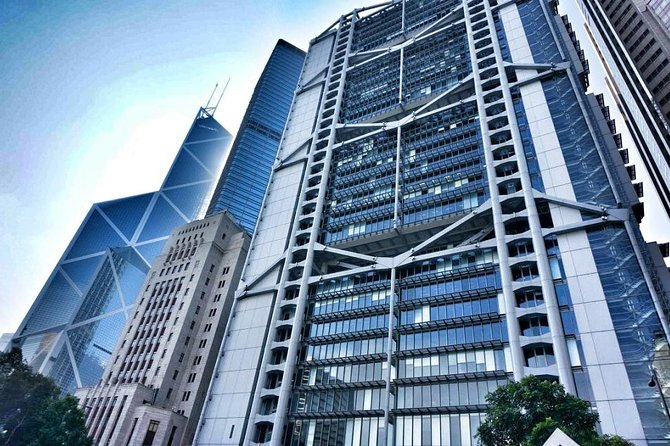
Central gives you Hong Kong’s sharpest contrast between money, tradition, and space. Your guide can explain the banking district, major buildings, and the way the city developed around business and trade. It is also a good place to discuss Feng Shui in architecture and commercial life, a subject that makes more sense when you can look at buildings and street layouts as you walk.
From there, Sheung Wan offers a different mood. The area is linked with Chinese medicine and medicinal foods, so this is a strong choice if you want cultural detail rather than a list of landmarks. A guide can help explain what you are seeing in shopfronts and markets, which is far more useful than simply passing them on your own.
Soho brings a more Western-facing side of Hong Kong. One suggested feature is the world’s longest outdoor escalator system, a practical way to handle part of the city’s slope while watching neighborhoods change around you. This section can suit you if you want restaurants, shopping, architecture, and an easy way to understand Hong Kong’s steep streets.
The drawback is that these central districts can absorb the entire tour. If your goal is to see Kowloon markets or Victoria Peak, tell your guide early. Otherwise, a fascinating conversation in Central can leave little time for the rest.
Victoria Peak and the city from above
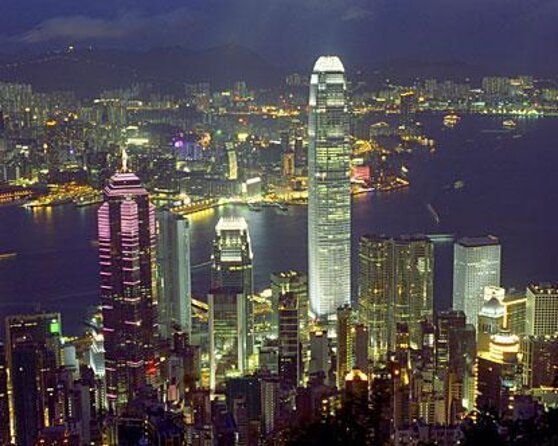
Victoria Peak is the obvious choice if you want a visual introduction to Hong Kong. From above, your guide can point out notable buildings and explain how the city grew. The view gives physical meaning to the relationship between the island, Kowloon, the harbor, and the hills.
It is also a good place to connect geography with daily life. Hong Kong’s limited flat land helps explain its vertical buildings and dense districts. You do not need a long lecture when the view is doing part of the work.
Peak time comes with a practical question: transport. The tour is primarily on foot, but getting to different areas may require MTR rides, taxis, trams, or other transport, all paid separately. The exact route is flexible, so ask your guide how much walking and hill climbing the Peak section will involve.
Weather matters here. The experience requires good weather, and poor conditions can lead to a different date or a full refund. Even in good weather, comfortable shoes are essential. The Peak is best treated as one major part of a five-hour plan, not a quick add-on to a long list of districts.
Same country, a completely different kind of day:
- Hong Kong: Dolphin Cruise, Big Buddha & Lantau Island Tour
★ 4.2 · 1,512 reviews - Ngong Ping 360: Cable Car Return Tickets & Combos
★ 4.6 · 1,431 reviews - Lantau Island Day Trip – Big Buddha & Tai O
★ 4.5 · 1,328 reviews - Big Bus Hong Kong Open Top Hop-On Hop-Off Sightseeing Tour
★ 4.0 · 1,077 reviews
Tsim Sha Tsui and the Kowloon side
Tsim Sha Tsui gives you a chance to see some of Hong Kong’s older and more notable buildings. Possible stops include The Peninsula Hotel and Hullet House, the former marine police headquarters. This part of the city works well if you want architecture, colonial-era stories, and the relationship between waterfront commerce and tourism.
A guide can add context that is easy to miss from a sidewalk. You can ask about the British period, the Opium Wars, and the 1997 return to China while looking at buildings that reflect different stages of Hong Kong’s past.
Tsim Sha Tsui can also make a useful contrast with Central. Instead of focusing mainly on finance and office towers, you get a district shaped by hotels, retail, older buildings, and the harbor. If you have limited time in Hong Kong, this contrast helps you understand the city faster.
Again, keep the route realistic. Tsim Sha Tsui plus Victoria Peak and Mong Kok may be possible only with efficient transport and limited stops. The price does not buy unlimited time, so prioritize the places that matter most to you.
Mong Kok markets and the city’s everyday rhythm
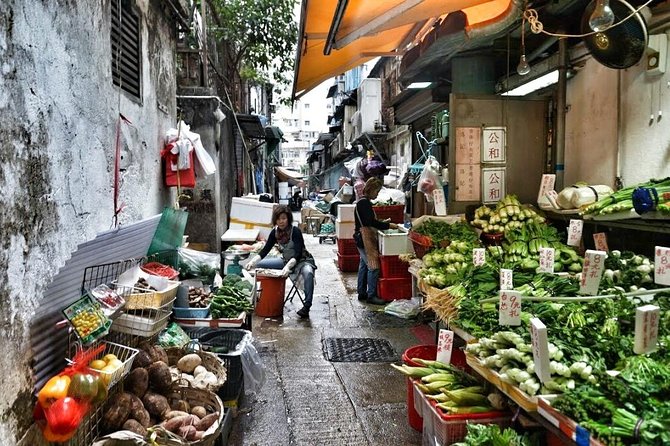
Mong Kok is a natural choice if you want color, shopping, and street life. The possible stops include the Flower Market, Bird Market, Goldfish Market, and Ladies Market. Each has a different focus, and together they show how much commerce in Hong Kong still happens at street level.
The Flower Market is visually appealing and easy to browse. The Bird Market gives you a look at a traditional pastime. The Goldfish Market reflects both pet culture and small-scale retail, while Ladies Market is geared toward inexpensive shopping and souvenirs.
This is a good section for families and first-time visitors who want an immediate sense of local streets. It is also a place where a guide can help you understand what is worth seeing rather than simply walking through rows of stalls.
The tradeoff is that markets can be crowded and noisy. Your five hours can disappear quickly if you stop to shop or eat. Tell the guide if you want time to browse, since a quick market visit and a proper shopping stop are two different plans.
Sham Shui Po and ordinary Hong Kong life
Sham Shui Po offers a less polished look at the city. It is described as Hong Kong’s least affluent area, making it a useful place to discuss the daily life of ordinary residents. This is one of the more meaningful choices on the menu because it moves beyond famous buildings and scenic viewpoints.
You may see a side of Hong Kong that is less designed for sightseeing. The value comes from conversation: housing, work, prices, neighborhood routines, and the gap between the financial center and the lives of people living elsewhere in the city. The supplied details do not promise a set list of stops, so your guide will shape this part around your interests.
I would choose Sham Shui Po if you have already seen major landmarks or if you want social context. It may be less comfortable than a polished shopping district, but that is also why it can teach you more.
Temples, religion, and the meaning behind what you see
You can ask to visit one or more temples and discuss Taoism and Buddhism. The guide can explain offerings, fortune telling, and the role of religious practice in Hong Kong life.
This is where a private format pays off. You can ask basic questions without feeling rushed, and you can discuss what you are seeing in a respectful way. A temple visit is more useful when you understand why people light incense, leave offerings, or consult fortune tellers.
If religion is your main interest, say so before the tour. A market-heavy itinerary may leave too little time for this subject unless the guide plans around it.
Aberdeen Harbour and Stanley
Aberdeen adds a waterfront option. The suggested plan includes a short cruise through Aberdeen Harbour and a visit to the famous floating restaurant JUMBO. Transport and boat costs are extra, so confirm the exact plan and expenses with your guide before committing time to this area.
Stanley offers a slower contrast. You can walk along the promenade, shop at Stanley Market, and learn about the area’s past as a base for pirates. It is a good fit if you want open space, a market, and a story that differs from Central’s business focus.
Both options require careful time planning. They are farther from the central walking areas, and a five-hour tour cannot treat every district as a quick stop. If you choose Aberdeen or Stanley, expect to sacrifice some central neighborhoods or market time.
Eating your way through the morning
Food can be the backbone of the tour instead of a short lunch break. You can ask to try dim sum, wonton noodles, roast pork, fish balls, egg puffs, and other Cantonese favorites.
The guide does not pay for your meals, so set a food budget before you start. You can also decide if you want a sit-down meal or small tastings along the route. A food-focused morning may cover fewer landmarks, but it can give you a more direct connection to the city’s daily habits.
I like this option for repeat visitors and curious first-timers. Food gives you something concrete to talk about, and a private guide can explain what you are ordering and how it fits into Cantonese cooking.
Walking demands, group size, and the real cost
This is a genuine walking tour. You should be able to walk more than 5 kilometers without help, and you may encounter hills, stairs, and uneven pavements. A taxi can reduce the walking distance compared with using the MTR, but it will not remove every step or slope.
Wear comfortable walking shoes. That advice matters more here than any dress code or packing tip. Hong Kong’s vertical streets and busy sidewalks can make a short distance feel longer.
The maximum group size is six. At the full capacity, the $307 price works out to about $51 per person before transport, food, and personal costs. For six people who want a private guide, that can be fair value. For one or two people, it is much harder to justify unless the personalized route is important to you.
Children aged 11 and under are free, while anyone aged 12 or older counts as a person. Children must be accompanied by an adult. Most people can take part, but the walking requirement should guide your decision more than the age policy.
The cancellation rules are strict close to departure. Cancel at least six full days before the start for a full refund. Cancel two to six full days ahead for a 50 percent refund, and cancel less than two full days ahead with no refund. Poor weather is handled differently, with another date or a full refund offered if the tour is canceled.
Who should book this private Hong Kong tour?
I would book this for a first visit with limited time, especially if you want a local introduction rather than a fixed sightseeing circuit. It also suits families or small groups who need a flexible pace and can share the cost.
The tour is a strong match if you want to combine a few interests: markets and food, architecture and politics, or temples and neighborhood life. The guide can also teach you how to use Hong Kong’s public transport, which is a practical skill for the rest of your stay.
I would skip it if you prefer a low-cost self-guided walk, if you dislike adjusting plans during the day, or if long walks and hills are difficult. You should also think twice if you expect every attraction, meal, and transport fare to be included in the $307 price.
Should you book it?
Book this tour if personal attention and a custom route matter more to you than a low price. The best version of the experience is not about checking off every district. It is about choosing a few places, asking good questions, and letting the guide connect Hong Kong’s history, food, faith, business, and daily life.
For the best value, bring a group of up to six, name your top three priorities before arrival, and keep one backup plan for weather. If you do that, the five hours can give you a useful map of Hong Kong and the confidence to explore on your own afterward.
FAQ
What time does the tour start?
The tour starts at 9:30 am.
Is hotel pickup included?
Yes. Hotel pickup is included with the private tour.
How many people can join?
The maximum is six people per booking.
Are children charged?
Children aged 11 and under are free. Anyone aged 12 or older counts as a person, and children must be accompanied by an adult.
Are transport costs included?
No. You pay separately for MTR rides, trams, taxis, boats, and ferries used during the tour.
Is food included?
No. Food and drinks are not included, and any meals or tastings are paid for separately.
How much walking is involved?
You should be able to walk more than 5 kilometers unaided. The route can include hills, stairs, and uneven pavements, although taxis may reduce the walking distance.
Just added around Hong Kong
- Hong Kong Airport to Hong Kong City Private Arrival Transfer★ 4.5 · 3 reviews
- Hong Kong Observation Wheel Ticket★ 5.0 · 3 reviews
- Hong Kong Palace Museum Ticket★ 5.0 · 3 reviews
- Hong Kong Peak Tram and Sky Terrace 428 Tickets (Optional)★ 3.5 · 22 reviews
- Hong Kong Private Walking Tour with a Local★ 5.0 · 6 reviews
- Hong Kong Market Walking Tour & Chinese Cooking Class★ 5.0 · 24 reviews
- Hong Kong : Must-See Attractions Walking Tour With A Guide★ 5.0 · 7 reviews
- Hong Kong: Lantau Island & Tai O Cruise, Skip The Line Cable Car★ 3.5 · 4 reviews
Walking Tours, compared.

Beijing Hutong Walking Food and Beer Tour at Hidden Restaurants
Read our review →
Private Beijing Walking Tour of the Forbidden City with 7 Options
Read our review →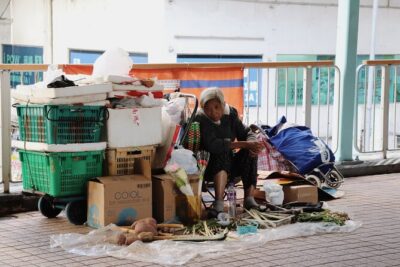
Dark Side of Hong Kong – Kowloon Caged Homes Walking Tour
Read our review →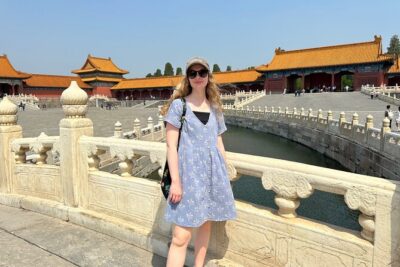
Forbidden City Private Walking Tour with Optional Sights
Read our review →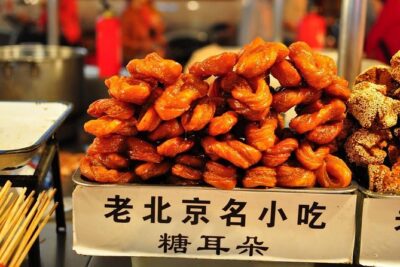
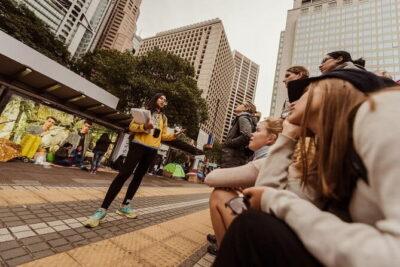
Introduction to Hong Kong: Central Tip Based Walking Tour
Read our review →
Shanghai Highlights Walking Tour With A Real Local
Read our review →Browse the lists this tour appears in