
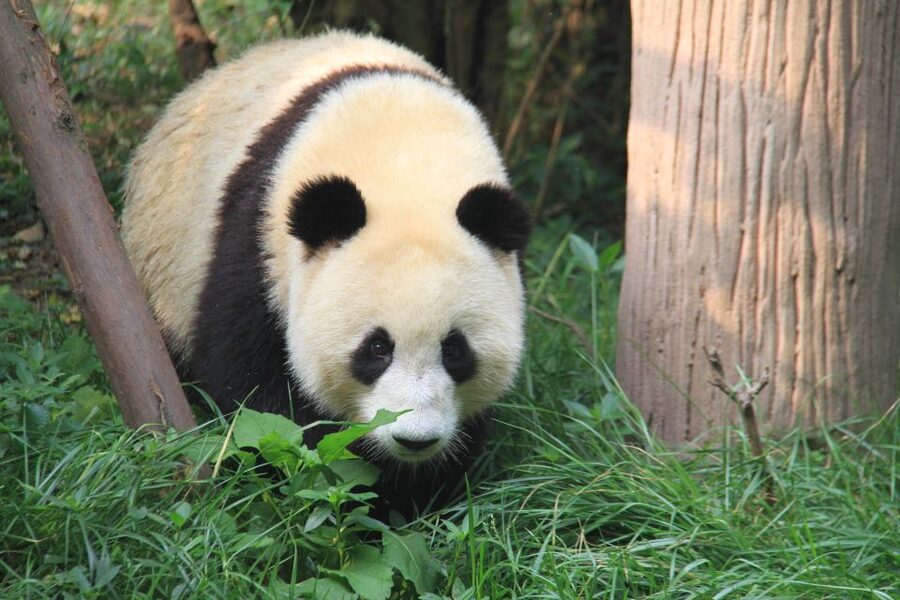
Reviewed · GIANT PANDA BASE TOURS
Sichuan: Big Panda Volunteer Day tour
The most memorable part of this Sichuan day is not simply seeing pandas behind glass. You work beside a keeper, clean enclosures, prepare food, observe behavior, and may even help bathe the animals at Dujiangyan Panda Base. This is a working volunteer program, not just a quick photo stop.
I like the chance to see both giant and red pandas in a green setting, and I like having an English-speaking guide to translate instructions and keep the day moving. The work can be physically demanding, though, and the $347 price is high for seven hours, especially if you want only a short panda viewing.
Key points at a glance
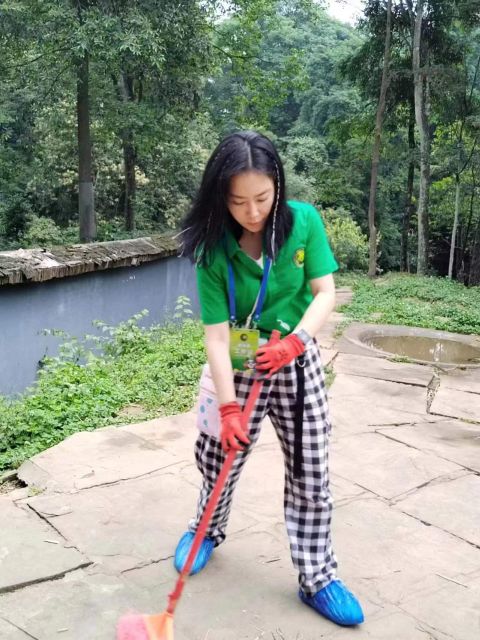
- Hands-on keeper tasks: Help with enclosure cleaning and food preparation, with possible bathing duties depending on the day.
- Behavior research: Watch giant and red pandas at different times and learn how staff study their behavior.
- Private Chengdu pickup: Round-trip transport from a downtown Chengdu hotel is included.
- Personal guide support: English and Chinese are available, and guides such as Joseph and Daniel have helped visitors translate, work with staff, and take photos.
- A real workday: The experience involves manual tasks, not just looking at pandas.
- Optional cub photo opportunity: A separate panda cub experience may be available, with no touching or cuddling.
Why this panda day feels different
Sichuan is the place to come if pandas are high on your China wish list. At Dujiangyan Panda Base, you get more than a few minutes at an enclosure. The focus is on care, conservation, and observation.
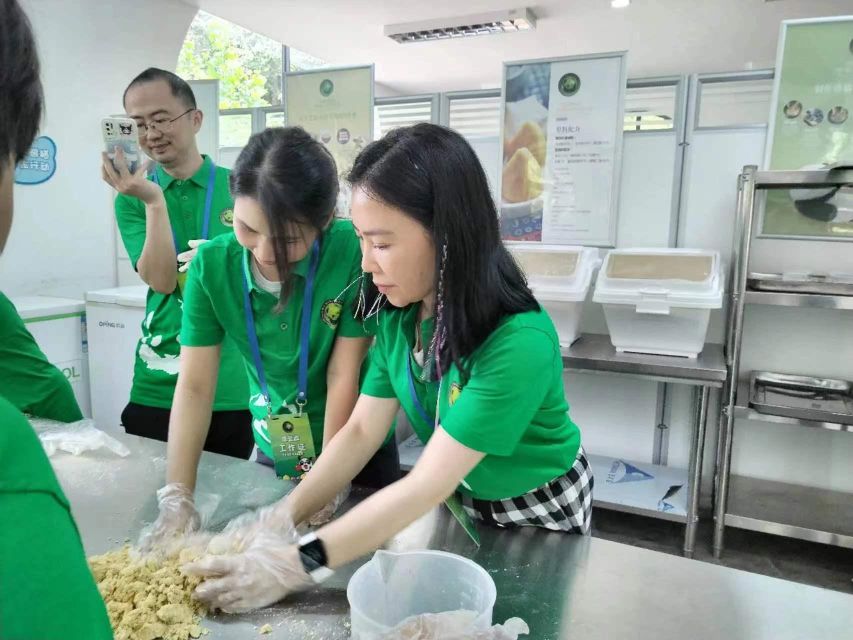
You begin as a visitor, but the day gives you a small taste of the work behind panda care. The keeper assigns tasks, explains what needs to be done, and shows you how staff look after the animals. Cleaning and food preparation may sound ordinary, but they are the practical jobs that keep the animals healthy.
That matters because panda conservation is not only about taking pictures of a cute animal. It also involves daily care, careful observation, controlled routines, and research into behavior. You get a better sense of that work here than you would on a standard sightseeing visit.
The experience also includes red pandas, which are easy to overlook when giant pandas are the main draw. They are a separate species, and seeing both adds variety to the day.
More Giant Panda Base Tours in China:
- Chengdu: Giant Panda Breeding Research Base Ticket
★ 4.5 · 580 reviews - Beijing: The Beijing Zoo Entry Ticket with Pandas
★ 4.1 · 368 reviews - Private Half-Day Chengdu Panda Breeding Center Tour with Optional Volunteer
★ 5.0 · 353 reviews
From Chengdu pickup to the panda base
The day begins with pickup at your downtown Chengdu hotel. The advertised arrival time at the research base is around 8:30 in the morning, so expect an early start. Your round-trip transfer is included, which removes the need to arrange transport to Dujiangyan on your own.
That is a useful part of the price. Chengdu is a large city, and a private pickup gives you a simple way to reach the base without working out connections or worrying about how to find the entrance. Your guide can also help with communication from the start.
The tour is listed as lasting seven hours, with about four hours shown for the guided visit at the panda base. The full day includes the journey, entry, orientation, work sessions, lunch break, and return to Chengdu. Starting times can vary, so check the available departure when you book.
The itinerary labels the main stop as Panda Valley EV Charging Station. The activity description places the volunteer work at Dujiangyan Panda Base, so check your confirmation for the exact meeting and drop-off details. That small naming mismatch is worth clearing up before you leave your hotel.
Meeting the conservation staff
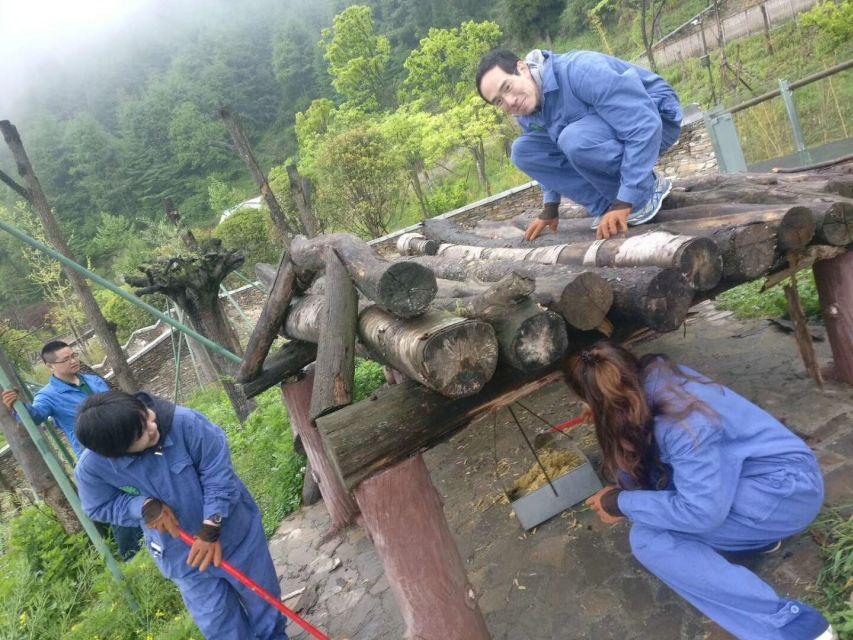
At the entrance, conservation education staff meet you and act as your translator and guide. They escort you to the panda enclosure, where you meet the keeper who teaches you the day’s tasks.
This arrangement is one of the strongest features of the experience. You are not left to guess what to do, and you are not relying on gestures while handling unfamiliar work. The English and Chinese language support helps you understand the instructions and ask questions.
The keeper is the person who controls your work at the enclosure. You should expect a practical introduction rather than a long lecture. The day is built around doing the jobs, watching the animals, and learning through direct contact with the staff routine.
Guides named in past bookings include Joseph and Daniel. Joseph was described as careful about safety while keeping the work enjoyable, and Daniel provided English support, stayed alongside the visitor, and took photographs. These details suggest that guide quality can shape the day, especially if you need regular translation or want help documenting the experience.
The work: cleaning, food, and panda routines

Your assigned jobs may include cleaning the pandas’ enclosures and preparing food. These are not staged activities. They are hands-on chores, so wear comfortable shoes and be ready to spend part of the morning doing manual work.
The work has a useful effect on your visit. Instead of seeing an enclosure as a finished display, you begin to notice the effort behind it. Clean spaces, prepared food, and regular care are all part of keeping the animals well.
One past participant found the manual work challenging but rewarding, particularly because it made the day active rather than passive. That is a fair warning. If you prefer a gentle sightseeing program with plenty of sitting, this may not be your best panda option.
You may also get the chance to help bathe the pandas. The wording is important: bathing is a possibility, not a guaranteed part of every visit. Conditions, animal routines, and staff decisions will determine what you can do.
The keeper and staff remain in charge of all animal contact. That is good practice. You are there to assist with care and observe, not to treat the pandas like domestic pets.
Same country, a completely different kind of day:
- From Beijing: Mutianyu Great Wall Tours with Options
★ 4.9 · 9,216 reviews - Beijing: Forbidden City Tour(Group/Private)-Tickets Included
★ 4.8 · 7,974 reviews - Beijing: T-Square & Forbidden City Group or Private Tour
★ 4.8 · 4,446 reviews - Beijing: Mutianyu Great Wall Daily Tour with Ticket & Lunch
★ 5.0 · 3,056 reviews
Watching behavior and learning conservation
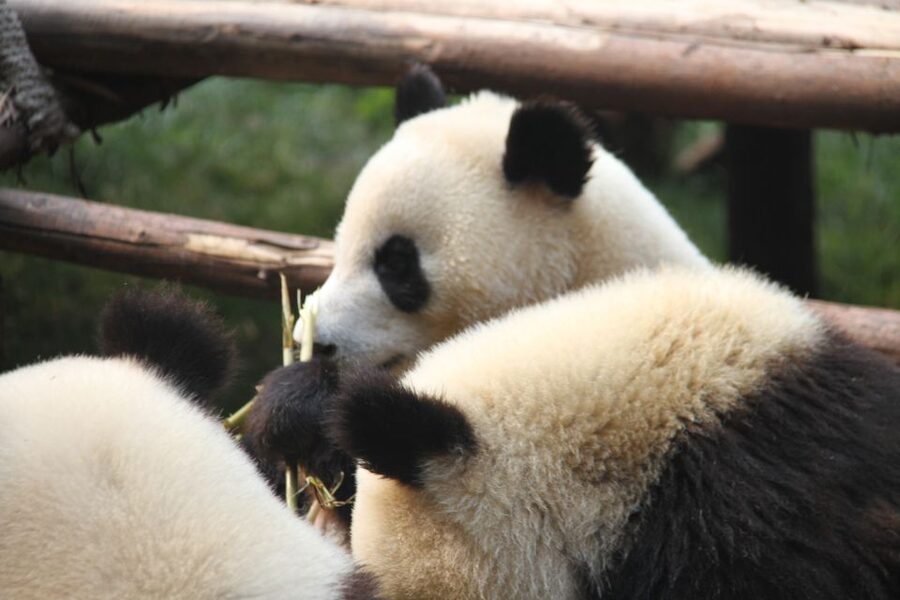
The day includes observation of giant and red pandas at different times. This gives you a look at behavior rather than a single snapshot. Pandas may be active, resting, feeding, or simply doing what pandas do, which can mean a lot of quiet time.
You also learn about behavioral scientific research. The activity presents this as a chance to help conduct research, though the supplied details do not specify a formal data collection task for every participant. Expect to observe and assist under staff direction rather than conduct independent research.
That distinction helps set realistic expectations. You will not become a panda scientist in one day, but you can see how staff pay attention to routine and behavior. The educational value comes from connecting what you see with the work of the keepers and conservation team.
The base is described as large, with a maze of trails. After lunch, staff meet you and escort you back to the enclosure because it is easy to lose your way. This is a small detail, but it tells you that the visit is spread out rather than limited to one compact exhibit.
The surroundings are one of the pleasant parts of the day. Greenery is a major feature of the base, and the enclosures have their own gardens. You still need to remember that these are animals in managed care, not pandas living freely in the wild. The setting may feel calm and spacious, but it is still a research and conservation facility.
Lunch, photos, and the afternoon session
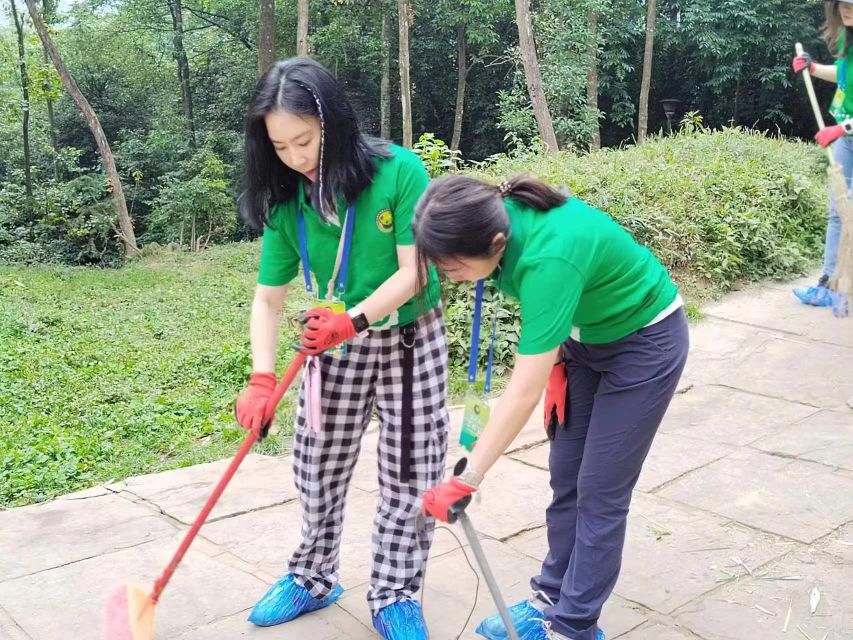
After the morning work, you have a lunch break before returning to the enclosure with the staff. The supplied details do not state that lunch is included, so plan to confirm what you need to arrange for yourself.
The afternoon gives you more time to observe and continue with assigned tasks. It also helps the day feel less rushed. A short panda encounter can be exciting but over quickly. Here, the longer schedule lets you settle into the pace of the base.
Photography is allowed, and a camera is on the recommended packing list. Your guide may be able to take pictures for you, as Daniel did for one visitor. Still, do not expect every work moment to be perfectly photographed. Your first duty is to follow the keeper’s instructions and respect the animals’ routine.
Some bookings may offer a separate panda cub photo opportunity. One past participant considered it the highlight and specifically noted that there was no touching or cuddling. That makes it a different proposition from the kind of close-contact animal encounter that raises ethical concerns.
The cub photo option is not listed among the included features, so treat it as an extra that needs separate confirmation. If it matters to you, ask about availability and cost before booking the main day.
Is $347 a fair price?
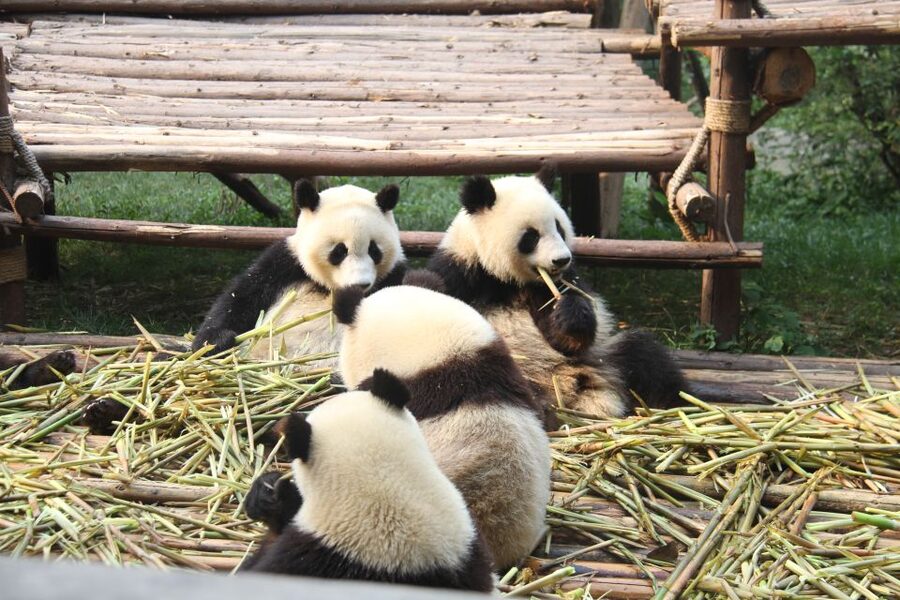
At $347 per person, this is an expensive day by normal Sichuan sightseeing standards. You are paying for more than admission. The price includes round-trip transfers, panda base entry, volunteer fees, an English-speaking guide, and a private-group format.
I think the value depends on your goal. If your main aim is to see a panda once, a standard visit may make more financial sense. If you want a structured work experience with translation, transport, keeper access, and conservation education, the price is easier to justify.
The private format is especially useful if you want direct help from your guide. It may also make the experience feel less confusing at a large base. The available information does not promise a particular guide, so do not book solely on the hope of having Joseph or Daniel. Their names show the kind of personal support that has been available, not a guaranteed assignment.
The program also includes volunteer fees, which gives the cost a different purpose from a simple entrance ticket. Still, you should be comfortable with the fact that part of the experience is paid conservation participation, not conventional sightseeing.
Who should book this experience?
I would recommend it most strongly to people who care deeply about pandas and want an active day. You should enjoy practical tasks, accept that animal behavior cannot be scheduled, and be happy to learn from staff rather than chase constant close-up views.
It suits:
- Panda enthusiasts who want more than a viewing platform
- Visitors staying in central Chengdu who value private pickup
- People comfortable with cleaning and food preparation
- Anyone interested in conservation and animal behavior
- Families or couples who prefer a private arrangement, provided everyone can manage the physical work
- Photographers who want time around pandas and possible guide assistance
It may not suit you if you use a wheelchair, since the program is not suitable for wheelchair users. It is also a poor match if you expect guaranteed bathing, guaranteed cub access, or constant animal interaction.
Bring your passport or ID card, comfortable shoes, sunglasses, and a camera. Pets are not allowed. The shoes matter most. Even if the day is not strenuous for every participant, the cleaning work can be demanding, and the base has many trails.
Practical booking advice for Chengdu
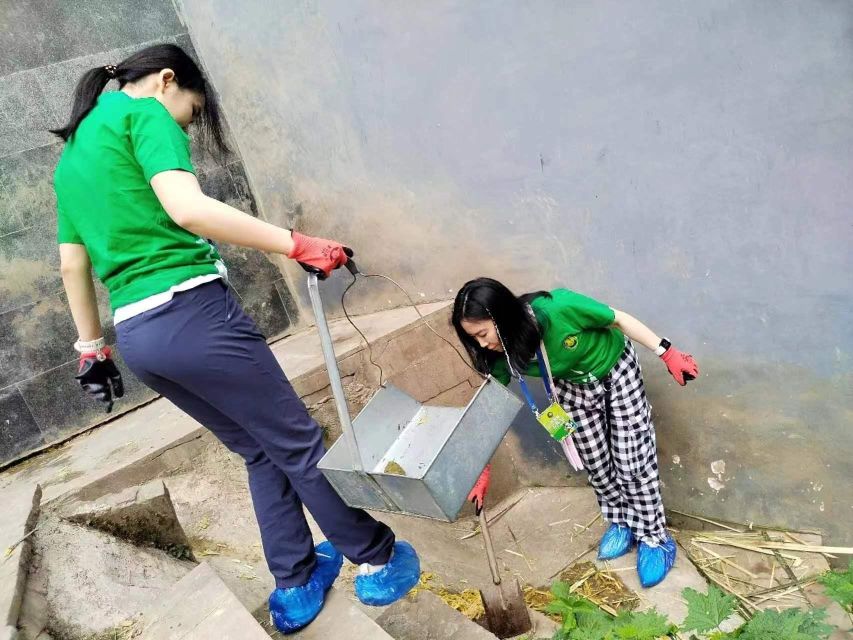
The activity offers free cancellation up to 24 hours before the start for a full refund, and you can reserve now and pay later. Those terms are useful if your Chengdu schedule is still shifting.
Confirm the pickup point as a downtown hotel, and check the starting time rather than assuming 8:30 is the departure time. The base arrival is listed around 8:30, so the hotel pickup will be earlier.
I would also ask these questions before paying:
- Is the panda cub photo opportunity available on your date?
- Is it an additional fee?
- Is lunch provided or should you bring or buy it?
- Which guide will accompany your group?
- How much cleaning and food preparation should you expect?
These questions do not lessen the appeal of the day. They simply help you pay for the experience you actually want.
Should you book the Big Panda Volunteer Day?
Book it if pandas are a major reason you came to Sichuan and you want to contribute through real, supervised work. The keeper-led tasks, red panda sightings, behavior observation, private Chengdu transfers, and translation support make this far more involved than a standard animal park visit.
Skip it if $347 feels too steep for seven hours, or if you prefer a relaxed day of viewing with no physical chores. The work is part of the point, not an inconvenience added around the edges.
For the right person, this can be a powerful day. You clean, prepare food, watch, learn, and leave with a clearer idea of what panda care demands. Just arrive with practical expectations: this is conservation work in a managed setting, not a guaranteed cuddle session.
FAQ
How long does the Big Panda Volunteer Day last?
The activity lasts seven hours. The guided visit at Panda Valley EV Charging Station, identified with the Dujiangyan Panda Base experience, is listed as four hours, with the rest of the time covering transfers and the wider day.
Does the tour include pickup from Chengdu?
Yes. Round-trip transfers are included, with pickup from a downtown Chengdu hotel.
What tasks will I do at the panda base?
You may help clean panda enclosures, prepare food, observe panda behavior, and possibly assist with bathing the pandas. The keeper assigns the work on the day.
Is an English-speaking guide provided?
Yes. English and Chinese are available, and the included guide provides translation and helps escort you around the large base. Guides named in past bookings include Joseph and Daniel, but a specific guide is not guaranteed.
Is the panda cub photo opportunity included?
It is not listed among the included features, so you should confirm whether it is available and whether it costs extra. The experience has been described as allowing photographs without touching or cuddling the cubs.
What should I bring, and are there restrictions?
Bring your passport or ID card, comfortable shoes, sunglasses, and a camera. Pets are not allowed, and the activity is not suitable for wheelchair users.
Just added around China
- Hong Kong Airport to Hong Kong City Private Arrival Transfer★ 4.5 · 3 reviews
- Hong Kong Observation Wheel Ticket★ 5.0 · 3 reviews
- Hong Kong Palace Museum Ticket★ 5.0 · 3 reviews
- Hong Kong Peak Tram and Sky Terrace 428 Tickets (Optional)★ 3.5 · 22 reviews
- Hong Kong : Must-See Attractions Walking Tour With A Guide★ 5.0 · 7 reviews
- Hong Kong Private Walking Tour with a Local★ 5.0 · 6 reviews
- Hong Kong Market Walking Tour & Chinese Cooking Class★ 5.0 · 24 reviews
- Hong Kong: Lantau Island & Tai O Cruise, Skip The Line Cable Car★ 3.5 · 4 reviews
Giant Panda Base Tours, compared.
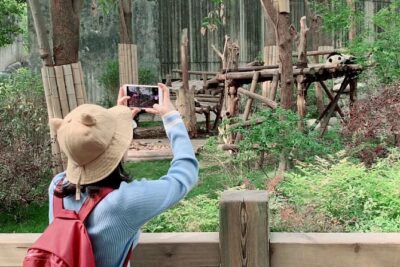


Private Half-Day Chengdu Panda Breeding Center Tour with Optional Volunteer
Read our review →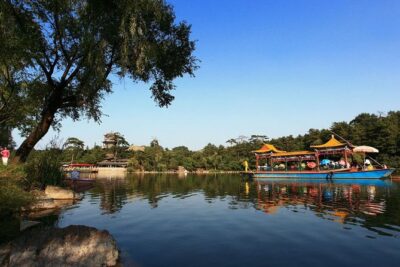
Beijing Historical Tour II including Summer Palace, Lama Temple & Panda Garden
Read our review →
Private Chengdu Day Tour: Giant Pandas and Jinsha Site Museum
Read our review →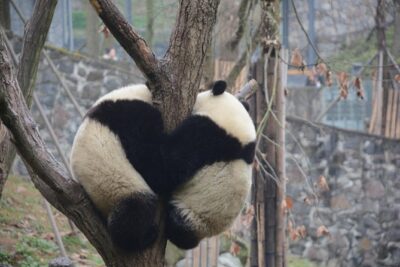
Visiting Dujiangyan Yaan Wolong Panda Base Optional Volunteering
Read our review →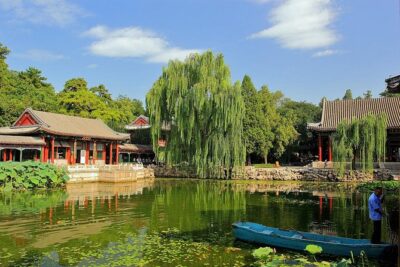
Beijing Private Tour to Temple of Heaven, Panda House and Summer Palace
Read our review →
Panda House, Temple of Heaven, Lama Temple, Summer Palace & Lunch
Read our review →Browse the lists this tour appears in