
Reviewed · GIANT PANDA BASE TOURS
Private Day Tour: Dujiangyan Panda Base Volunteering from Chengdu
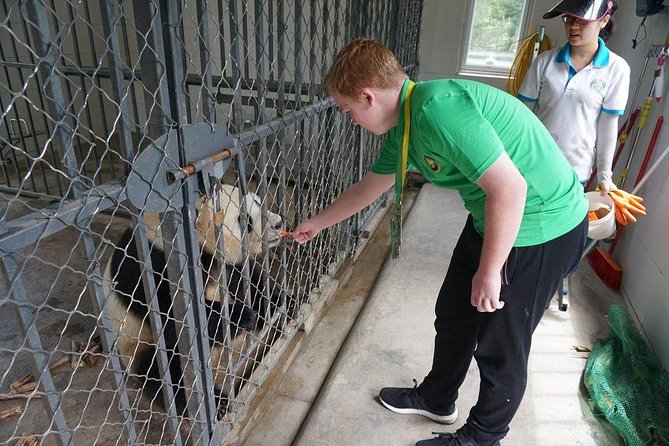
The main appeal here is simple: you do more than peer through a viewing window. At Dujiangyan Panda Base, you help clean enclosures, prepare bamboo, feed the pandas, and make panda cakes before learning how the breeding and conservation work fits together. I like the hands-on keeper tasks and the private hotel pickup, which saves you from sorting out the trip from Chengdu yourself. I also like that lunch, transport, insurance, and an English-speaking guide are included.
The important catch is that this is not a guaranteed cuddling session. One disappointed participant expected close contact and an optional photo or cuddling activity, while the actual day centered on keeper work and observation. Panda access can change with the animals’ health, so book this for a conservation-focused experience, not a promised hug with a panda.
Key points to know before booking
- Fresh bamboo is a real part of the work: You help prepare food for pandas that eat only about 30 percent of the bamboo supplied.
- The day starts early: Pickup is at 7:00 a.m. from hotels within Chengdu’s Third Ring Road.
- Your group stays private: The tour uses a private car, driver, and English-speaking guide for your party only.
- The hands-on work has limits: You clean enclosures and help with feeding, but close cuddling or contact is not guaranteed.
- The program is popular and capped: Only 20 volunteers are accepted each day, so advance booking matters.
- Wear practical clothing: Sneakers are required, and perfume, nail polish, slippers, and large ornaments are discouraged.
Why the Dujiangyan Panda Base day feels different
Many panda visits are built around looking, photographing, and moving on. This one gives you a small share of the daily routine. That does not make you a full panda keeper, but it does help you understand the work behind the cute faces.
The most useful part is the food preparation. Giant pandas need fresh bamboo three times a day, and they waste much of what they are given. The estimate provided for this program is striking: pandas eat about 30 percent of the bamboo and leave 70 percent behind. When you help prepare and clear this food, panda care feels less like a photo opportunity and more like a demanding daily job.
I also like the balance between work and explanation. You are not expected to spend eight straight hours cleaning. The schedule includes a walk around the base, lunch, a documentary, and time to take photos. That makes the day easier for families and first-time panda visitors, though anyone expecting constant animal contact may find the pace more structured than imagined.
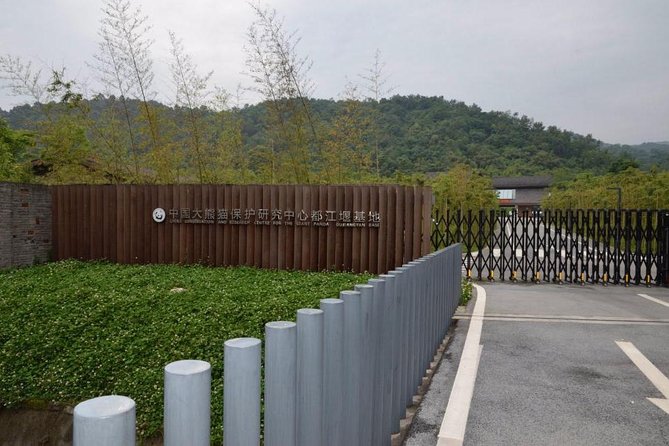
The setting is Dujiangyan, outside central Chengdu, so transport matters. A private pickup at 7:00 a.m. from a hotel within the Third Ring Road removes one of the day’s biggest chores. You ride with your own group in a standard or luxury vehicle, depending on the option selected, rather than joining a large coach.
More Giant Panda Base Tours in Chengdu
- Chengdu: Giant Panda Breeding Research Base Ticket
★ 4.5 · 580 reviews - Private Half-Day Chengdu Panda Breeding Center Tour with Optional Volunteer
★ 5.0 · 353 reviews - Private Chengdu Day Tour: Giant Pandas and Jinsha Site Museum
★ 5.0 · 142 reviews
The 7:00 a.m. pickup from Chengdu
Your guide and driver collect you from your hotel at 7:00 a.m. The included pickup and return apply to hotels within Chengdu’s Third Ring Road, so check your address before paying. If you are staying farther out, do not assume the same arrangement applies.
The early start is practical. You need time to reach the base, check into the volunteer program, change for the work, and begin the morning tasks at about 8:30. This is not a lazy breakfast-and-stroll outing. I would arrange breakfast before pickup or ask the operator about your morning meal plans, since lunch is the meal specifically included.
Private transport is one of the stronger parts of the $279 price. You are not just paying for admission. The cost covers the driver, guide, hotel transfers, volunteer fee, bottled water, lunch, travel insurance, and the vehicle. For a solo participant, the price is substantial. For a family or small group sharing the private service, the value improves, especially if group discounts are available.
The operator offers a normal car or a luxury car. The supplied details do not specify the vehicle models or the exact surcharge, so compare the final booking price rather than assuming luxury transport is essential. The standard option should be enough if your priority is the panda program itself.
8:30 a.m. cleaning, bamboo, and panda cakes
After check-in, the keeper portion begins. You help clean panda enclosures and prepare fresh food. This is the most distinctive part of the day, and it is also the part that calls for realistic expectations.
Cleaning animal areas is useful work, but it is still work. You should wear sneakers and clothing that can handle a practical morning outdoors. The base asks volunteers not to wear perfume, nail polish, slippers, or exaggerated ornaments. These rules are tied to panda health and safe working conditions, not fashion.
Food preparation gives the activity more charm. A highly praised day included feeding the pandas and making panda cakes as well as cleaning the enclosures. The exact tasks may change, since the program can be modified according to panda health and daily conditions. Still, the schedule makes clear that this is not simply a guided walk around cages.
Do not picture yourself entering an enclosure with a large panda beside you. The information promises keeper assistance, feeding, and photos, but it does not promise unrestricted contact. A negative experience arose from expecting a close-contact session and an optional cuddle photograph. Take that warning seriously. If the chance to touch or hold a panda is the sole reason you are booking, this day carries too much uncertainty.
The activity has an age range of 12 to 65 for the volunteer program. Children under 12 may still attend and will be chaperoned accordingly. That wording matters for families: younger children can come along, but they may not take part in every keeper task in the same way as an older child or adult.
10:00 a.m. walking around the base
At about 10:00, you take a break and tour the well-paved base. This hour gives you time to see more of the facility without rushing from one assignment to the next.
The walk also puts the morning work into context. You can hear stories about the pandas, see how the center organizes its spaces, and take photos. The base is not only a place to pose beside an animal. It is also a working conservation center, and this pause lets you notice that broader purpose.
The paved paths should make this portion manageable for most people with moderate fitness. Still, the full day includes an early start, walking, standing, and physical cleaning work. The tour asks for a moderate fitness level, so this is not ideal if you need a fully seated schedule.
Photography is a major part of the appeal, but you should follow the guide and staff instructions. Panda welfare comes first, and the daily plan can change if an animal’s health requires it. That flexibility is sensible, even if it means your day may not match every expected activity.
Same country, a completely different kind of day:
- Half-Day Chengdu Cooking Class with a Local Market Visit
★ 5.0 · 465 reviews - Tuktuk Food Tour Through Chengdu’s Local Eats
★ 5.0 · 435 reviews - Chengdu: Sichuan Opera Shu Feng Yan Yun Evening Show Ticket
★ 4.7 · 185 reviews - Visiting Dujiangyan Yaan Wolong Panda Base Optional Volunteering
★ 5.0 · 105 reviews
Lunch and the long midday pause
Lunch runs from about 11:30 a.m. to 1:00 p.m., with time to rest at the base. This is a generous break after the morning’s physical tasks.
Lunch is included, and you should give the operator any dietary requirements when you book. The available information does not identify the menu, so I would not book this expecting a particular regional dish or a wide range of special choices. Ask ahead if you have allergies or strict dietary needs.
The break also helps explain the difference between the advertised eight-hour tour and the on-site schedule, which covers roughly six hours from the morning work through the film. The remaining time is used for the drive between Chengdu and Dujiangyan and for check-in and return arrangements. Exact road time will depend on traffic and your hotel location.
For families, the rest period is welcome. A 16-year-old joining the program can take part in the full schedule if comfortable with the work. Younger children may attend with a chaperone, but parents should clarify exactly which portions they can join.
1:00 p.m. film and conservation lessons
After lunch, you watch a panda documentary lasting about 40 minutes. It covers how pandas mate, give birth, and raise their young, along with the wider conservation effort.
This might sound less exciting than feeding an animal, but it fills an important gap. Pandas are easy to reduce to a symbol or a perfect photograph. The film gives you a look at the biology and breeding challenges behind the public image. It also helps explain why staff control contact, feeding, clothing, and daily schedules so carefully.
The documentary is also a useful reset after the morning activity. You sit down, learn, and cool off before more time around the base. If you prefer a nonstop action tour, this section may feel slow. I see it as a fair part of the day because the tour aims to show conservation work, not just deliver a photo stop.
The schedule supplied for the tour ends its detailed description partway through the film explanation, so the precise end time and any final certificate ceremony are not fully specified. You do receive a certificate of completion for helping the panda keepers, but ask your guide when and where it will be presented.
The guide, driver, and private format
A private tour gives you more control than a large group outing. Your guide can explain the work in English, help with check-in, manage transport, and answer questions as the day moves along. The named guide experiences supplied for this activity include Summer and Winnie. One family specifically praised Winnie for clear explanations, while another described Summer as punctual and helpful throughout the day.
Those details matter because the base program itself has fixed rules. A good guide cannot promise an animal encounter that staff have withdrawn, but can explain why the plan changed and help you make the most of the available time.
The private format also suits mixed-age groups. You can ask for a slower walk, spend longer taking photos, or get help with practical instructions without waiting for a full coach. The tradeoff is price. At $279, this is not the cheapest way to see pandas, particularly for one person. It makes more sense when you value door-to-door transport, a dedicated guide, included lunch, and the volunteer fee.
The private arrangement does not mean the panda program itself is unlimited or custom-built. The base accepts only 20 volunteers per day, and staff may adjust tasks for animal welfare. Your group is private during the tour, but you still follow the center’s schedule.
What the price includes, and what it does not promise
The $279 rate includes:
- Hotel pickup and drop-off within the stated Chengdu area
- A private vehicle and driver
- An English-speaking guide
- The volunteering fee
- Lunch and bottled water
- Travel insurance
- Admission to the panda base
- A completion certificate
That is a solid package for a full day outside Chengdu. If you were arranging transport, admission, a guide, lunch, and the volunteer booking separately, the convenience would be harder to match. Group discounts may also improve the cost for families or friends.
The price does not remove the central uncertainty: panda behavior and health control the schedule. It also does not guarantee cuddling, touching, or a special photograph with a panda. The description of the day supports cleaning, feeding, food preparation, learning, and photos. Keep your expectations within those lines.
Passport name and number are required for every participant at booking because travel insurance is included. Confirmation is normally sent within 48 hours, subject to availability. Since the daily volunteer limit is 20 people, last-minute space cannot be assumed, even though one booking was accepted with less than 48 hours’ notice for a Saturday.
Clothing, age, and health rules
Treat the clothing advice as part of the booking instructions, not a suggestion to ignore. Wear sneakers. Do not wear slippers. Skip perfume, nail polish, and large or exaggerated ornaments on the volunteering day.
These rules may seem fussy until you remember that the program involves animal care and keeper work. Comfortable shoes will also help with the walk around the paved base and the time spent standing.
The stated volunteer age is 12 to 65. Children under 12 may attend with a chaperone, but the wording does not say that they can complete every task. If you are planning a family outing with young children, contact the operator before booking so the day’s roles are clear.
A moderate fitness level is required. You do not need an athletic background, but cleaning, food preparation, walking, and a full day away from the hotel take some energy. If someone in your group has limited mobility or needs a specific accommodation, ask before paying, since the supplied details do not spell out accessibility arrangements.
Weather, changes, and the strict cancellation rule
The experience requires good weather. If poor weather cancels the tour, you are offered a different date or a full refund.
That is the helpful part. The less flexible part is the normal cancellation policy: the experience is non-refundable and cannot be changed for any reason once booked. I would wait until your Chengdu plans and health are firm before reserving it.
Panda health can also change the program. A task may be altered or removed to protect the animals. I prefer that rule to a forced performance, but you should accept that the day may not include every activity in the advertised order.
Who should book this panda volunteer day?
I would choose this experience if you want a fuller connection to panda care than a standard viewing visit offers. It suits families with older children, couples, small private groups, and anyone who values an English-speaking guide and included transport.
It is especially good for a first visit to Chengdu because the logistics are handled from start to finish. The private car saves time, and the conservation film gives you more context than a quick photo stop.
I would hesitate if you mainly want a guaranteed close-up picture or a panda cuddle. Animal welfare rules and daily health checks control what happens. The strongest parts of the day are the cleaning, feeding, food preparation, explanation, and chance to see how much work goes into caring for these animals.
Should you book it?
Book this Dujiangyan Panda Base day if you want to participate in the routine, not just watch it. The early pickup, private transport, lunch, English-speaking guide, keeper tasks, film, photos, and completion certificate make the $279 price reasonable for a small group that values convenience.
Before you commit, confirm your hotel is within the Third Ring Road, provide passport details and dietary needs, wear sneakers, and accept that the schedule may change. Most important, do not treat cuddling as part of the guarantee. If you are happy cleaning enclosures, preparing bamboo, feeding pandas, and learning how conservation works, this is a memorable and practical day from Chengdu.
FAQ
What time does the tour start?
Pickup starts at 7:00 a.m. from hotels within Chengdu’s Third Ring Road.
How long does the experience last?
The tour lasts about eight hours in total. The on-site panda program schedule covers roughly six hours, with the remaining time used for transport and related arrangements.
What tasks will I do as a volunteer?
You help clean panda enclosures and prepare fresh bamboo. The program may also include feeding pandas and making panda cakes, depending on the day’s conditions.
Is lunch included?
Yes. Lunch, bottled water, and time to rest at the base are included. You should provide any dietary requirements when booking.
What is the age limit?
The volunteer program is intended for people from 12 to 65 years old. Children under 12 may still attend and will be chaperoned accordingly.
What should I wear?
Wear sneakers. Do not wear perfume, nail polish, slippers, or exaggerated ornaments on the volunteering day.
Just added around Chengdu
- Visiting Chengdu Panda Base in a Half Day★ 5.0 · 4 reviews
- Classsic sichuan Opera at sichuan Provincial Theater★ 5.0 · 4 reviews
- Tea Village in lost Town and Buddha 1 day tour★ 5.0 · 32 reviews
- Sichuan Opera with face-changing at Sichuan opera theater★ 4.5 · 6 reviews
- Sichuan Opera Show with Hotel Pickup★ 5.0 · 3 reviews
- Mini Group: Half-Day Chengdu Pandas Guided Tour★ 5.0 · 3 reviews
- Panda, Leshan, and Emei Mountain 2-day tour★ 5.0 · 4 reviews
- Shu Feng Ya Yun Sichuan Opera Ticket★ 5.0 · 13 reviews
Giant Panda Base Tours, compared.


Private Half-Day Chengdu Panda Breeding Center Tour with Optional Volunteer
Read our review →
Beijing Historical Tour II including Summer Palace, Lama Temple & Panda Garden
Read our review →
Private Chengdu Day Tour: Giant Pandas and Jinsha Site Museum
Read our review →
Visiting Dujiangyan Yaan Wolong Panda Base Optional Volunteering
Read our review →
Beijing Private Tour to Temple of Heaven, Panda House and Summer Palace
Read our review →
Panda House, Temple of Heaven, Lama Temple, Summer Palace & Lunch
Read our review →Browse the lists this tour appears in