
Reviewed · CHENGDU TOURS
Mount Qingcheng and Dujiangyan Irrigation System Private Day Tour from Chengdu
Qingcheng Mountain and Dujiangyan make an excellent two-part day: first, quiet forest trails and Taoist temples, then one of China’s great ancient engineering works. In a single outing, you move from mountain spirituality to practical water management.
I like the private format, which gives you room to set the pace and ask questions. I also like the combination of a boat ride, cable car, and hiking, since you get mountain views without having to climb every section on foot.
The catch is the amount of walking. The Qingcheng route includes many stairs and steep stretches, and the schedule can feel tight at Dujiangyan. Bring water, wear proper shoes, and do not expect a slow, leisurely day.
Key points at a glance
- Two UNESCO World Heritage Sites in one day: Combine Qingcheng Mountain’s Taoist temples with Dujiangyan’s ancient irrigation system.
- A genuinely private outing: Only your group joins the guide, with round-trip transport from a centrally located Chengdu hotel.
- Boat and cable car included: Cross Yuecheng Lake and use the round-trip cable car to save time and energy for the mountain paths.
- A strong English-speaking guide matters: Guides such as Wells explain the religious, historical, and engineering details in context.
- Plan for a serious walk: The mountain portion lasts about three hours and includes many steps and steep slopes.
- Lunch and admissions are arranged: The package includes a local restaurant meal, entrance tickets, excursion buses, boat fare, and cable car rides.
Why this Chengdu day trip works so well
Chengdu is easy to enjoy at street level, with teahouses, food, and the famous panda base. But the area around the city tells a different story. Qingcheng Mountain gives you forest, temples, and Taoist traditions. Dujiangyan shows how people shaped the region’s water supply more than 2,000 years ago.
I like the contrast. The two sites do not feel repetitive, and each asks you to look at Sichuan from a different angle. Qingcheng is quiet and physical. Dujiangyan is open, structured, and built around a working hydraulic system.
The private vehicle is useful because both sites lie outside central Chengdu. You do not need to work out unfamiliar roads, arrange separate tickets, or manage a public group schedule. Pickup starts around 8:00 am from a centrally located hotel, and the full outing usually takes six to eight hours, though the walking pace and traffic can affect the return time.
At $230.78 per person, this is not a budget day out. Its value comes from what is bundled: private air-conditioned transport, an English-speaking guide, admission fees, lunch, the mountain shuttle, boat ride, and round-trip cable car. For a small group that wants convenience and explanation, the price can make sense. Solo visitors or couples on a tight budget may find it expensive.
One point deserves a quick check before you go. The tour information says the boat and cable car are included, but one past booking described paying extra for transport and tram fares. Ask for a clear confirmation of what your booking covers so there are no surprises on the day.
A few more Chengdu trips to weigh up
- Private Half-Day Chengdu Panda Breeding Center Tour with Optional Volunteer
★ 5.0 · 353 reviews - Private Chengdu Day Tour: Giant Pandas and Jinsha Site Museum
★ 5.0 · 142 reviews - Chengdu Panda Research Base Tickets And Optional Private Tour
★ 4.5 · 48 reviews
Qingcheng Mountain begins with forest and Taoism
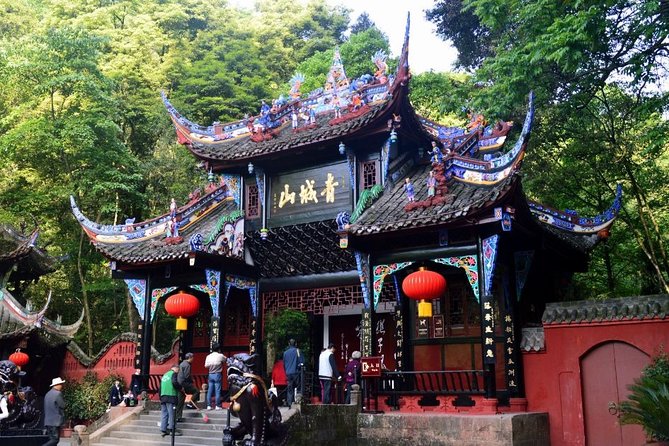
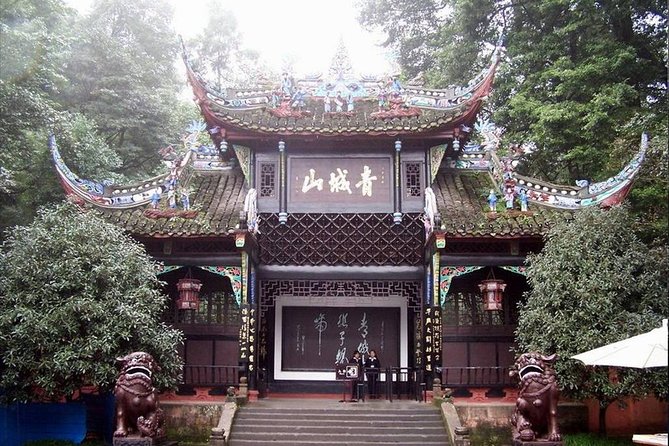
Qingcheng Mountain, or Qingcheng Shan, is known for its wooded slopes and connection to Taoism. The setting is a welcome change from city streets. Shaded paths, bamboo, old buildings, and temple courtyards create a calmer first half of the day.
You begin with the Yuecheng Lake boat ride. It is short, but it breaks up the approach and gives you a pleasant view of the surrounding greenery. From there, the route combines transport and walking. The cable car takes you higher, while the trail sections provide the exercise and close views of the temples.
Do not mistake the cable car for an easy mountain visit. You still walk for about two hours on the main guided section, and the full mountain stop is listed at roughly three hours. There are many stairs, along with a few steep slopes. The cable car simply removes some of the longer uphill work.
Comfortable walking shoes are essential. Extra water is a smart idea, especially on a warm day. One useful clothing tip comes from the mountain itself: the upper sections can feel cold because you are high in the clouds, so bring an extra layer even if Chengdu feels warm at breakfast.
Temples that give the walk a purpose
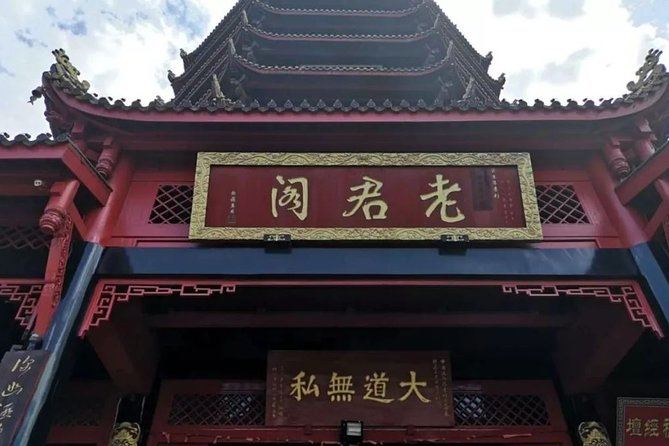
The temples are not just scenic stops. They help explain why Qingcheng matters. Jianfu Temple is associated with the Tang Dynasty, while Tianshi Cave was completed during the Qing Dynasty and is linked with a famous Taoist teacher.
Your guide should explain the religious meaning of these places and point out how Taoism shaped the mountain. This is where the private format pays off. You can stop to ask why a building is important, how the site developed, or what you are seeing in a courtyard, instead of simply following a large group from one gate to the next.
Guides with strong English, including Wells, have been especially useful for this kind of visit. Clear language matters here because the details are not always obvious from the buildings alone. A good guide connects the temples to Taoist practice and to the changes brought during the Tang and Qing periods.
The route can also be fun in a simple, personal way. One past account described a lock wall where you can buy and engrave a lock. It is not a major monument, but it gives you a small souvenir and a memorable pause on the mountain.
At the upper sections, you can generally choose to descend on foot or use the cable car. The written route also describes taking the same trail back down, so confirm the exact plan with your guide. If your legs are tired, ask how much walking remains before making the choice.
Lunch is useful, but it shapes the schedule
Lunch at a local restaurant is included and takes place between the two main sites. This is convenient, especially after the mountain walk. You do not have to search for food while watching the clock, and the meal gives you a chance to sit down before the afternoon visit.
The tradeoff is time. Some portions of the wider temple or park areas may be shortened so lunch and transport stay on schedule. If you care more about seeing every monument than having a planned meal, tell your guide early. You may be able to adjust the pace, though the day still has two major stops to fit in.
One account praised the food at a monastery, including Kung Pao chicken, but the exact meal location can vary with the tour arrangements. Treat lunch as a practical included stop rather than a reason to book the day.
Same country, a completely different kind of day:
- Chengdu: Giant Panda Breeding Research Base Ticket
★ 4.5 · 580 reviews - Half-Day Chengdu Cooking Class with a Local Market Visit
★ 5.0 · 465 reviews - Tuktuk Food Tour Through Chengdu’s Local Eats
★ 5.0 · 435 reviews - Chengdu: Sichuan Opera Shu Feng Yan Yun Evening Show Ticket
★ 4.7 · 185 reviews
Dujiangyan explains how Sichuan gets its water
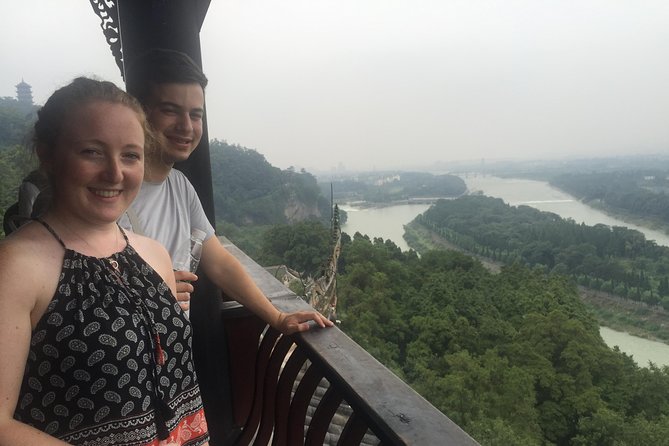
After lunch, you continue to the Dujiangyan Irrigation System. Built in 256 BC during the Qin Dynasty, it was designed for irrigation and flood control. Its importance is easy to understand once you see the channels and structures working together.
The most famous feature is the Fish Mouth Levee. Its pointed shape resembles a fish’s mouth, and its job is tied to directing the flow of the river. Your guide can make the system easier to follow, since the engineering is much clearer when someone explains what each section does.
This is not a dead monument left behind for display. The central idea is still water control. That practical purpose gives Dujiangyan a different feel from Qingcheng Mountain. You are not only looking at old stone and architecture. You are seeing an early solution to a problem that still matters to farming and settlement.
The site also includes traditional buildings, statues, waterways, and gardens. The Two Kings Temple and Dragon-Taming Temple add a religious and historical side to the visit. Lidui Park gives you a more open walk, with gardens that show how the old structures fit into the surrounding setting.
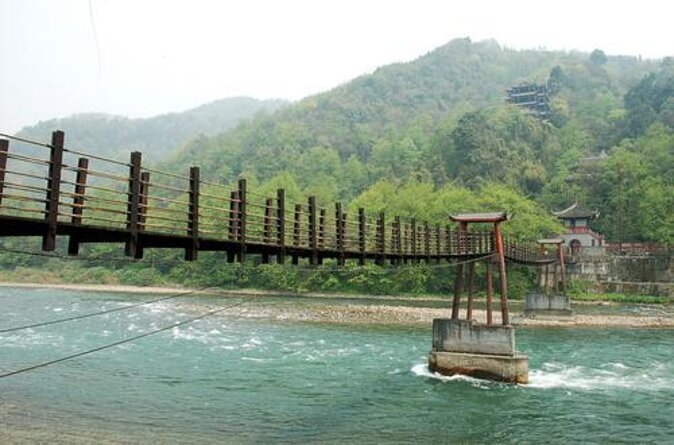
Allow about two hours here, but understand that this may not cover every path. The main sections are the priority on a tightly scheduled day. One past account wanted more time for the trails and the longer swinging bridge to the temple across the water. If that bridge or the park paths matter to you, ask your guide how much time is available before setting off.
What the private guide changes
A private tour is more than a smaller vehicle. It changes how you use the day. You can ask questions without worrying about holding up a bus full of strangers, and the guide can watch your pace on the stairs.
That matters most on Qingcheng Mountain. Some people will want to stop often for photos, temple details, or a rest. Others will want to keep moving. A private guide can usually respond to that difference better than a fixed group tour.
The guide also handles practical details. Tickets are prearranged, and the package includes the excursion buses used around Qingchengshan and Dujiangyan. This keeps you from losing time at ticket windows or trying to work out local transport in an unfamiliar place.
The quality of the day still depends heavily on the guide. The strongest feedback centers on clear English, useful historical explanations, polite service, and attention to safety. Wells is one guide named in the feedback, and his strong English and careful pacing were specifically appreciated. Your assigned guide may be different, but the guide’s communication skills are worth confirming when you book.
Transport, timing, and the real effort involved
The air-conditioned vehicle is a major benefit in Sichuan’s changing weather. You have a private place to rest between the mountain and irrigation system, rather than dealing with transfers on your own.
The trip starts at 8:00 am and returns you to your hotel after the second site. The stated duration is six to eight hours, but a full day outside Chengdu can run longer if the mountain walk slows down or traffic is heavy. One past account reported returning later than expected and losing time for other Chengdu sights.
That means you should avoid scheduling an important evening activity too tightly. If you have a train, flight, or fixed dinner booking, leave a generous buffer. This is especially important if you want to explore Chengdu after returning.
The physical effort is moderate overall, but the mountain section is not suitable for everyone. Most people can take part, yet the stairs and steep slopes may be hard for anyone with limited mobility or poor footwear. The cable car helps, but it does not remove the need to walk.
Who should book this tour
I would choose this day for someone who wants more than Chengdu’s urban sights and prefers a guide to explain what they are seeing. It suits first-time visitors, couples, families with older children, and small groups who value door-to-door transport.
It is also a good choice if you want a mix of nature, religion, history, and engineering. The boat and cable car add variety, while lunch and prearranged admissions keep the day simple.
I would think twice if you dislike stairs, need a slow pace, or want a very detailed visit to every temple and park trail. The schedule covers two large sites, so it favors breadth over complete exploration.
The tour also works best when you accept that the mountain is the main physical challenge. Wear shoes with a firm grip, carry water, and bring a light warm layer for the upper sections. A phone or camera is worthwhile because the forest paths, temples, lake, and bridges offer many photo stops.
Should you book it?
Book this tour if you want an efficient private day from Chengdu and like the idea of pairing Taoist mountain paths with ancient water engineering. The strongest reasons are the private vehicle, personal guide, included lunch, and the useful mix of boat, cable car, and walking.
Skip it if you want a relaxed schedule or have limited tolerance for stairs. At $230.78 per person, the cost is easiest to justify for a small group that would otherwise need to arrange transport, tickets, and interpretation separately. Before paying, confirm the exact fare coverage for the boat, cable car, and local excursion buses, then leave your evening free of tight plans.
FAQ
What time does the tour start?
Pickup begins at 8:00 am from a centrally located Chengdu hotel.
How long does the tour last?
The tour lasts approximately six to eight hours, although the timing can vary with walking speed and road conditions.
Is this a private tour?
Yes. Only your group participates, with a private air-conditioned vehicle and a professional English-speaking guide.
Are lunch and entrance tickets included?
Yes. The package includes lunch at a local restaurant and admission to all listed sites.
How much walking is involved?
A moderate amount of walking is involved. The Qingcheng Mountain hike takes about two hours and includes many stairs and some steep slopes.
What happens if bad weather cancels the tour?
If poor weather causes cancellation, you can choose a different date or receive a full refund. You can also cancel for a full refund if you do so at least 24 hours before the start time.
Just added around Chengdu
- Visiting Chengdu Panda Base in a Half Day★ 5.0 · 4 reviews
- Classsic sichuan Opera at sichuan Provincial Theater★ 5.0 · 4 reviews
- Tea Village in lost Town and Buddha 1 day tour★ 5.0 · 32 reviews
- Sichuan Opera with face-changing at Sichuan opera theater★ 4.5 · 6 reviews
- Sichuan Opera Show with Hotel Pickup★ 5.0 · 3 reviews
- Mini Group: Half-Day Chengdu Pandas Guided Tour★ 5.0 · 3 reviews
- Panda, Leshan, and Emei Mountain 2-day tour★ 5.0 · 4 reviews
- Private Half-Day Tour in Sichuan Culture Show with Hot Pot Dinner in Chengdu★ 4.5 · 15 reviews
Chengdu Tours, compared.
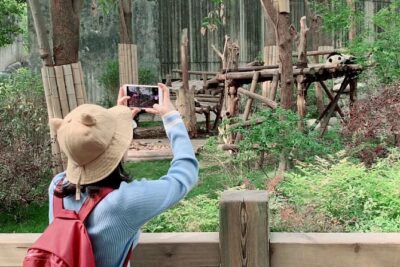

Half-Day Chengdu Cooking Class with a Local Market Visit
Read our review →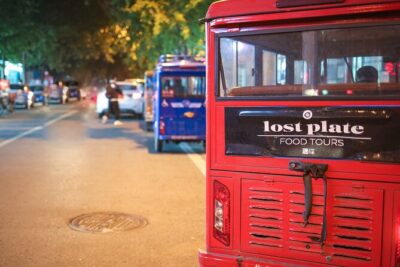

Private Half-Day Chengdu Panda Breeding Center Tour with Optional Volunteer
Read our review →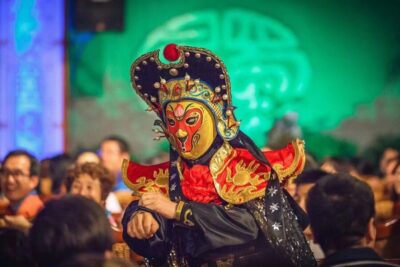
Sichuan Opera Shu Feng Yan Yun Evening Show Ticket
Read our review →
Private Chengdu Day Tour: Giant Pandas and Jinsha Site Museum
Read our review →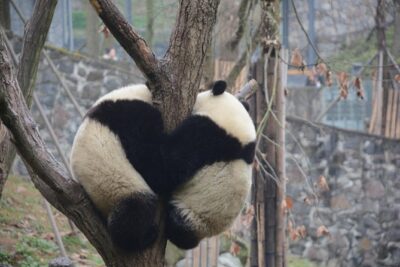
Visiting Dujiangyan Yaan Wolong Panda Base Optional Volunteering
Read our review →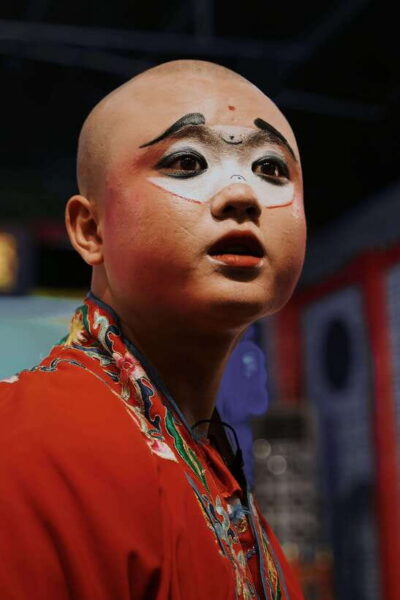
Chengdu Sichuan Opera Show Ticket – Shu Feng Ya Yun
Read our review →Browse the lists this tour appears in