
Reviewed · CHENGDU TOURS
Jinsha&Sanxingdui archaeological site private day tour
Sanxingdui is the kind of archaeological site that makes ordinary ancient history feel wonderfully strange. Its huge bronze faces, gold objects, ivory, jade, and mysterious sacrificial pits point to a powerful Bronze Age culture that left no written record in Chinese history. This private day tour pairs it with Jinsha, the later site linked to the same ancient Shu people.
I like the three-plus hours of English interpretation at Sanxingdui, because the objects are fascinating but their meaning is not always obvious from display cases alone. I also like the stop for Guanghan specialties, including golden slices noodles, wontons, and dumplings. The main caution is the long 10-hour schedule, with four hours at Sanxingdui and up to three hours of driving between Chengdu and Guanghan.
Key points to know before booking
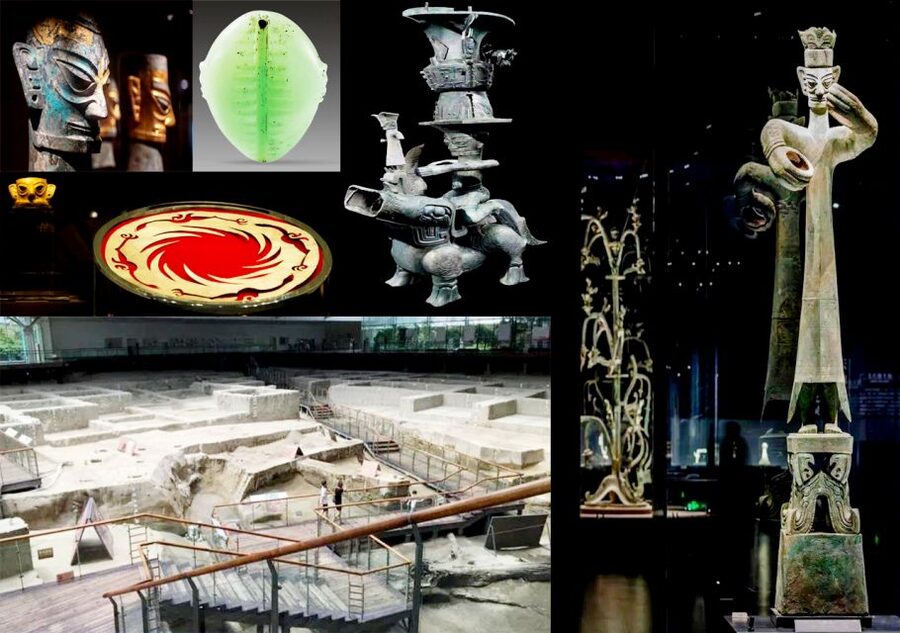
- Two sites explain one ancient culture: Jinsha helps connect the earlier Sanxingdui civilization with what came after it.
- Victor Wang is one guide to look for: He is praised for being enthusiastic, well organized, and exceptionally strong at explaining the sites.
- Sanxingdui gets the most time: Plan on about four hours there, including guided museum visits.
- Lunch is local and simple: The Guanghan food stop focuses on noodles, wontons, and dumplings, but food costs are separate.
- The tour is private: You travel in air-conditioned transport with your own English-speaking guide rather than a large group.
- Budget beyond the headline price: The $180 per-person fee excludes two museum admissions, lunch, and gratuity.
Why Jinsha and Sanxingdui belong on the same day
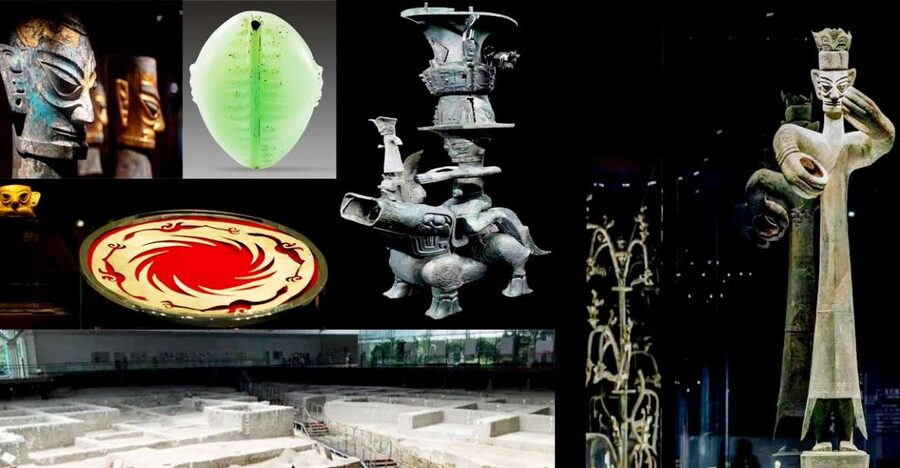
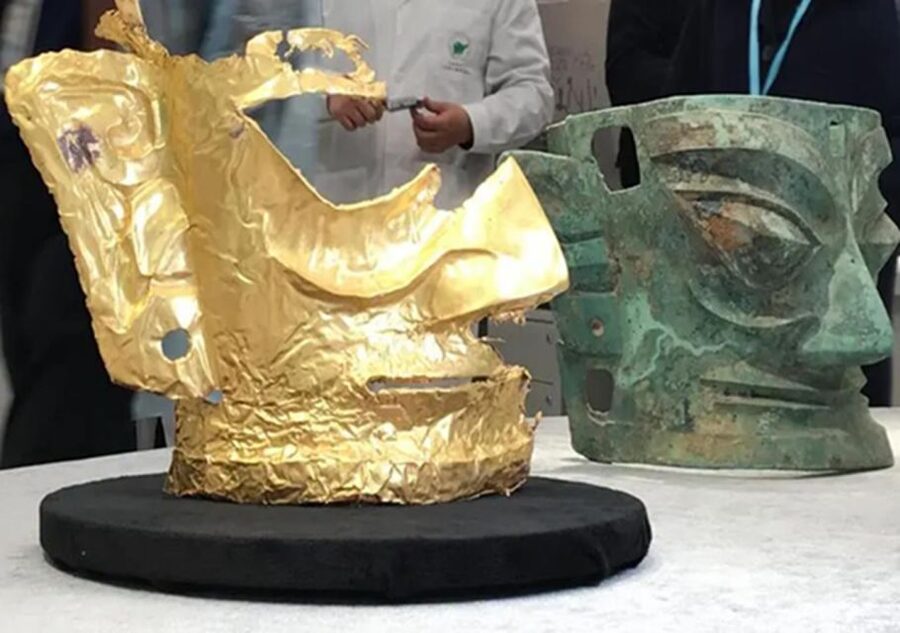
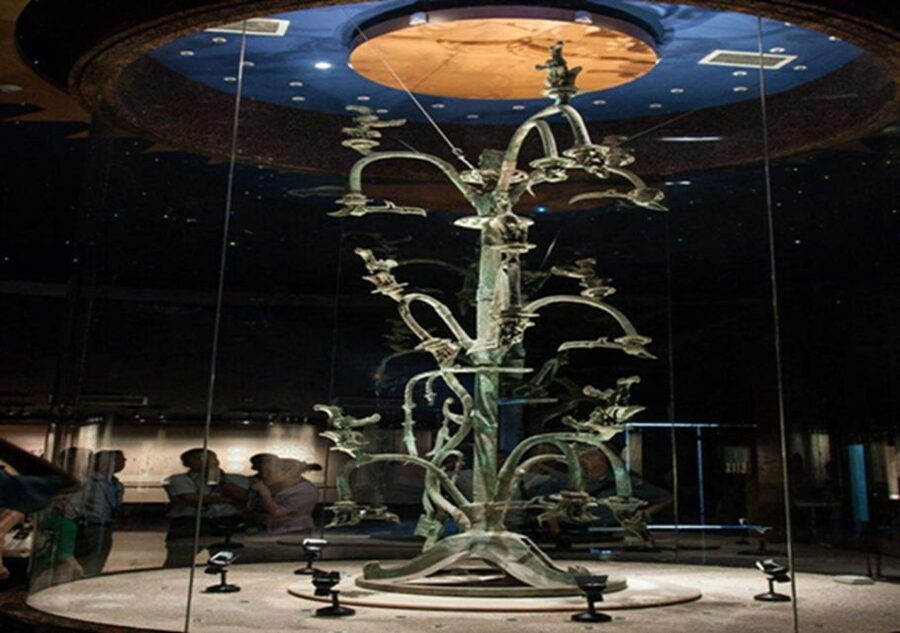
Sanxingdui is often described as one of the major archaeological discoveries of the 20th century. The site’s eight sacrificial pits contain rare objects dating to roughly 1100 to 1000 BC, including striking bronze faces, gold pieces, ivory, jade, and other ritual items.
The mystery is part of the appeal. Sanxingdui produced remarkable objects, yet it did not leave a written account explaining who built the city, why the items were placed in the pits, or what happened to the culture afterward. You get plenty to look at, but not a neat final answer.
Jinsha gives the story a useful second chapter. Discovered in Chengdu in 2001, the site is associated with the successors of the Sanxingdui people, about 3,000 years ago. Visiting both places helps you see a possible path from the earlier city at Sanxingdui to the later center at Jinsha.
I would not treat the two museums as interchangeable. Jinsha is in Chengdu and focuses on the excavation site and objects found there. Sanxingdui, in Guanghan, is the larger time commitment and the place where the unusual bronze and sacrificial material gets the fullest explanation.
A few more Chengdu trips to weigh up
- Private Half-Day Chengdu Panda Breeding Center Tour with Optional Volunteer
★ 5.0 · 353 reviews - Private Chengdu Day Tour: Giant Pandas and Jinsha Site Museum
★ 5.0 · 142 reviews - Chengdu Panda Research Base Tickets And Optional Private Tour
★ 4.5 · 48 reviews
8:00 am pickup and the ride to Jinsha
The day begins with hotel pickup in Chengdu. Your guide waits in the first-floor lobby with a paper showing your name, so provide the hotel name, address, and contact information when booking. If you cannot find the guide within five minutes, use the emergency number in your booking details.
The private vehicle has air-conditioning, a welcome comfort during a full day of museum visits and road time. Since the group is private, you avoid the stop-and-go rhythm of a large coach and can ask your guide to adjust the pace within the tour’s fixed schedule.
You need to bring everyone’s passport or ID card. This is not a minor detail. The tour information specifically asks for passports, so keep them accessible rather than buried in hotel luggage.
The first visit is Jinsha Site Museum, scheduled for about two hours. You will see the actual archaeological excavation area along with objects such as ivory, jade, shells used for divination, gold masks, gold crown lace, and the famous gold sun bird badge.
Jinsha Site Museum and the gold sun bird
Jinsha is valuable because it gives physical shape to a cultural transition that can otherwise feel abstract. At Sanxingdui, the story is dominated by the earlier civilization and its sudden mystery. At Jinsha, you get evidence connected with the people who followed it.
The museum’s real excavation site adds a different layer to the visit. Instead of viewing only finished objects in display cases, you can relate them to the place where archaeological work took place. Your guide’s role matters here, especially if you want to understand why ivory, shells, jade, and gold were important enough to be buried or used in ritual settings.
The gold sun bird badge is one of the objects to watch for. Its design is memorable, and it gives you a visual link between Jinsha and the wider symbols of ancient Shu culture. The gold masks and crown lace also show that the people at Jinsha worked with precious materials in ways that were both ceremonial and highly skilled.
The drawback is timing. The morning includes the Jinsha visit, the transfer to Guanghan, and lunch before the long Sanxingdui session. You will need to keep moving rather than lingering over every case. That is where private guiding helps, since your guide can point out the objects that best explain the site instead of leaving you to sort through everything alone.
Admission to Jinsha is not included in the $180 price. The stated cost is $10 per person, and the operator provides ticket booking service. That arrangement saves you one task, but you should still budget for the separate fee.
10:30 am transfer from Chengdu to Guanghan
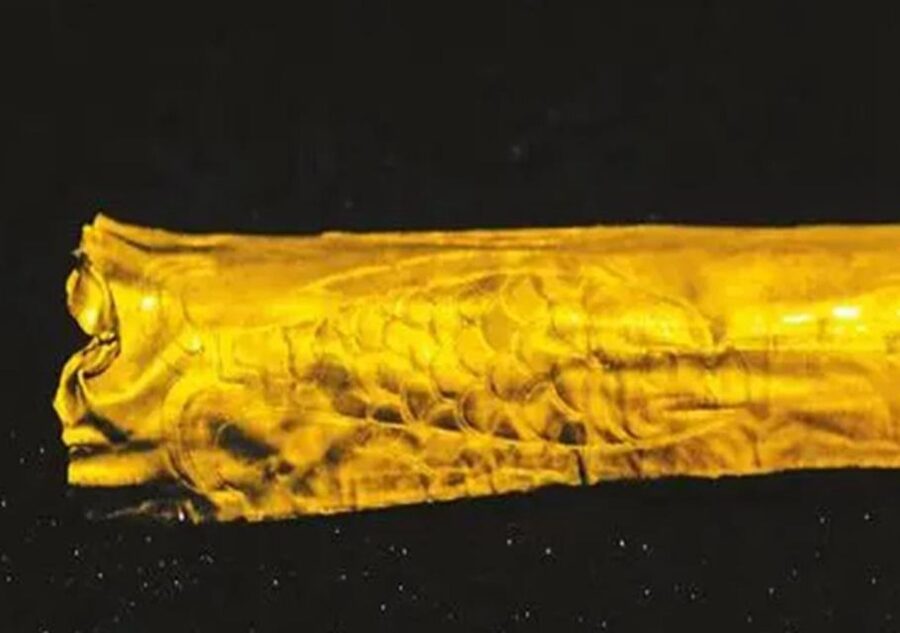
After Jinsha, the tour drives from central Chengdu to Guanghan. The listed transfer takes about an hour and a half. This is not dead time, but it is still a substantial part of the day, so consider the schedule carefully if you dislike long excursions outside the city.
The road connection is one reason the private format makes sense. You are not figuring out rail connections, local transfers, or museum ticket procedures on your own. You can also use the ride to ask questions about the relationship between the two sites before arriving at Sanxingdui.
A bottle of water is included for each person. Bring more if you know you drink often, since the day lasts 10 hours and includes a long museum visit.
Same country, a completely different kind of day:
- Chengdu: Giant Panda Breeding Research Base Ticket
★ 4.5 · 580 reviews - Half-Day Chengdu Cooking Class with a Local Market Visit
★ 5.0 · 465 reviews - Tuktuk Food Tour Through Chengdu’s Local Eats
★ 5.0 · 435 reviews - Chengdu: Sichuan Opera Shu Feng Yan Yun Evening Show Ticket
★ 4.7 · 185 reviews
Guanghan food tour: noodles, wontons, and dumplings
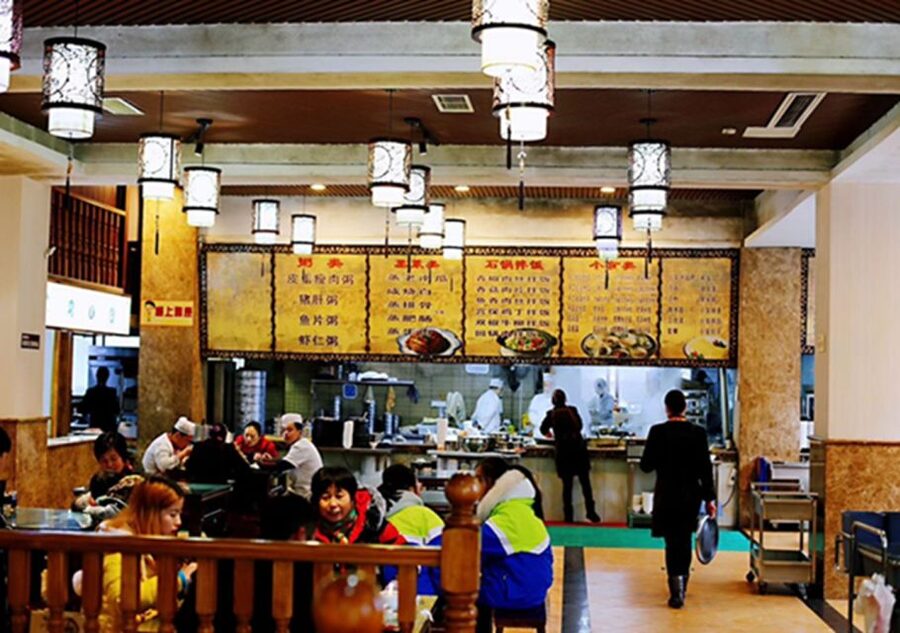
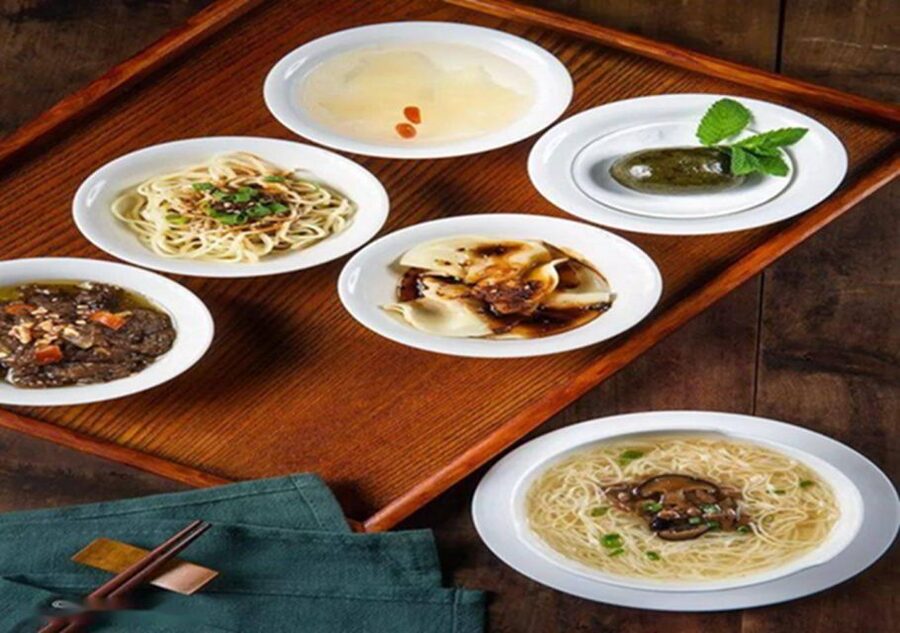
Lunch takes about an hour at a local restaurant in Guanghan. The food focus is on ordinary local specialties, including golden slices noodles, wontons, and dumplings. This is a useful change of pace from museum halls, and it gives you a taste of Guanghan rather than treating the city as a place you simply pass through.
I like this part because it is practical and grounded. A food stop built around local dishes can tell you more about a place than a formal meal chosen only for convenience. At the same time, the description does not promise a long cooking class or an extensive market visit. Think of it as a guided local meal, not a separate food-focused excursion.
Lunch is not included in the tour price. Bring enough money for your meal, and remember that gratuity is also separate. If you have dietary restrictions, contact the provider about customization before booking. The available information confirms the dishes, but it does not specify vegetarian, allergy, or religious-diet arrangements.
Four hours at Sanxingdui, with the guide doing the hard work
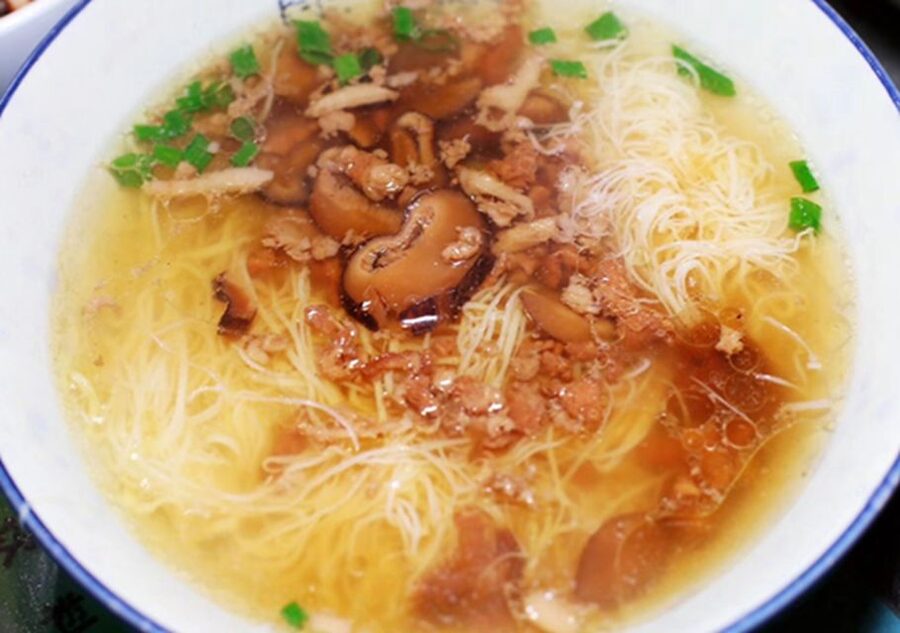
The afternoon visit to Sanxingdui runs from about 1:00 to 5:00 pm. This is the heart of the day. Four hours gives you time to examine the museum in stages rather than rushing through the famous bronze faces and leaving with only a few photographs.
The tour promises more than three hours of professional English interpretation at Sanxingdui. That matters because the site can be visually overwhelming. You may see bronze heads, masks, gold objects, ivory, jade, and ritual material without immediately understanding how they fit together. A guide who explains the sequence and significance can turn a collection of strange objects into a story about an ancient society.
The itinerary describes a step-by-step museum visit. Expect your guide to lead you through the displays in order, rather than simply pointing out the best-known pieces. This is especially useful for first-time visitors who want context, not just an attractive route through the galleries.
Victor Wang is a name worth noting. He is praised for an enthusiastic, organized approach and for explaining these fascinating sites with confidence. Guides can vary, but the experience information identifies Victor as one of the English-speaking guides associated with the tour. If you specifically want him, ask the provider when customizing or booking rather than assuming he is guaranteed.
Sanxingdui’s famous mystery can also frustrate visitors who prefer firm conclusions. Archaeology provides objects and evidence, but the civilization’s origin and fate remain uncertain. A good guide should help you separate what is known from what is still debated. The tour’s value is not that it solves the mystery. It gives you a better way to think about it.
The four-hour block may feel long if museums are not your main interest. For anyone fascinated by archaeology, though, this is a strength. You have time to slow down, return to important displays, and ask questions. Wear comfortable shoes and pace yourself, even though much of the visit is indoors.
Sanxingdui admission is also separate from the tour fee, listed at $10 per person. The operator handles ticket booking, which is included as a service, but the entrance charge itself is not.
What the $180 price really covers
The price is $180 per person for a 10-hour private experience. That is not an all-inclusive admission-and-meals price. Add $10 for Jinsha, $10 for Sanxingdui, the cost of lunch, and any gratuity.
The value comes from the private vehicle, hotel pickup and return, English guiding at both museums, ticket booking assistance, bottled water, a panda mascot souvenir, and government tax. You are paying for time, transport, and interpretation as much as for entry to the sites.
For one person, $180 is a significant spend. For a private group, the price may feel more reasonable when compared with arranging a driver, two museum visits, two sets of tickets, and an English-speaking specialist separately. The tour is best value for people who want the day organized around explanation rather than simply transportation.
The private setup also suits families, couples, and small groups who want to ask questions without holding up strangers. If you are comfortable navigating museums and arranging transport yourself, you may find the package less compelling. The strongest reason to book is the guide service, especially the long English session at Sanxingdui.
Timing, comfort, and practical details
This is a full day: pickup around 8:00 am, return to a Chengdu hotel around 6:30 pm. The schedule gives you a clear structure, but not much spare time. Keep the morning start in mind when choosing it for the day after a late arrival.
Hotel pickup and return are included for Chengdu hotels. The guide waits in the lobby, and you should supply accurate contact information. The tour is offered as a private group and uses air-conditioned transport.
The activity is listed as wheelchair accessible. If you need a particular vehicle setup or assistance beyond standard access, contact the provider in advance. Customization is also available, but the details of possible changes are not specified.
Cancellation is flexible: you can cancel up to 24 hours ahead for a full refund. The reserve-now, pay-later option lets you hold a place without paying immediately. Starting times depend on availability, so confirm the time offered for your date.
Who will get the most from this day
I would recommend this tour to you if you want ancient Shu culture explained in English and prefer a private day over independent museum logistics. It is especially useful for first-time visitors to Sanxingdui, families who benefit from a clear pace, and anyone who wants to see both the earlier and later sites in one outing.
It also suits people who enjoy odd archaeological questions. Sanxingdui is not a conventional palace-and-emperor stop. The objects are powerful precisely because they raise questions about ritual, identity, and cultural change without supplying a complete written explanation.
I would hesitate if you have only a short time in Chengdu, dislike long road transfers, or want an unhurried lunch and flexible museum wandering. The schedule is efficient, not leisurely. You also need to accept the extra costs for two admissions, food, and gratuity.
Should you book the Jinsha and Sanxingdui day tour?
Book it if you want the two sites connected by a single English-speaking guide, private transport, and a local Guanghan meal. The strongest feature is the sustained explanation at Sanxingdui, with guides such as Victor Wang praised for an enthusiastic and organized approach.
Skip it if you mainly want a quick look at the famous bronze faces or prefer to arrange every detail yourself. For most people with a full day to spare, though, the combination makes sense. Jinsha supplies the later chapter, Sanxingdui provides the mystery, and the food stop keeps the day from becoming four straight museum walls.
FAQ
How long does the Jinsha and Sanxingdui tour last?
The tour lasts 10 hours. The planned day runs from about 8:00 am pickup in Chengdu to about 6:30 pm return to your Chengdu hotel.
Is hotel pickup included?
Yes. Pickup and return are included for Chengdu hotels. The guide waits in the hotel’s first-floor lobby with a paper showing your name.
Is the tour private?
Yes. It is offered as a private group experience with private air-conditioned transportation.
Is the guide English-speaking?
Yes. The tour includes a live English-speaking guide for both Jinsha Site Museum and Sanxingdui. Victor Wang is one guide associated with the experience.
Are museum admission tickets included in the price?
No. Jinsha admission is listed at $10 per person, and Sanxingdui admission is also listed at $10 per person. Ticket booking service is included, but the admission charges are separate.
Is lunch included?
No. Lunch is not included. The food stop includes local Guanghan dishes such as golden slices noodles, wontons, and dumplings.
What should I bring?
Bring everyone’s passport or ID card. You should also provide the hotel name, address, and contact information when booking.
Can I cancel the tour or pay later?
You can cancel up to 24 hours in advance for a full refund. The reserve-now, pay-later option allows you to book without paying immediately.
Just added around Chengdu
- Visiting Chengdu Panda Base in a Half Day★ 5.0 · 4 reviews
- Classsic sichuan Opera at sichuan Provincial Theater★ 5.0 · 4 reviews
- Tea Village in lost Town and Buddha 1 day tour★ 5.0 · 32 reviews
- Sichuan Opera with face-changing at Sichuan opera theater★ 4.5 · 6 reviews
- Sichuan Opera Show with Hotel Pickup★ 5.0 · 3 reviews
- Mini Group: Half-Day Chengdu Pandas Guided Tour★ 5.0 · 3 reviews
- Panda, Leshan, and Emei Mountain 2-day tour★ 5.0 · 4 reviews
- Private Half-Day Tour in Sichuan Culture Show with Hot Pot Dinner in Chengdu★ 4.5 · 15 reviews
Chengdu Tours, compared.

Half-Day Chengdu Cooking Class with a Local Market Visit
Read our review →
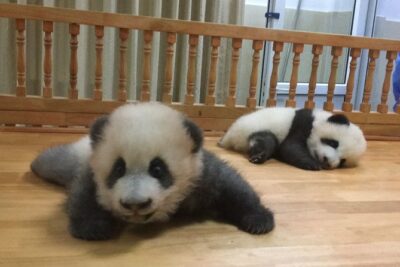
Private Half-Day Chengdu Panda Breeding Center Tour with Optional Volunteer
Read our review →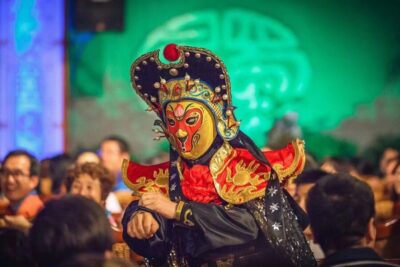
Sichuan Opera Shu Feng Yan Yun Evening Show Ticket
Read our review →
Private Chengdu Day Tour: Giant Pandas and Jinsha Site Museum
Read our review →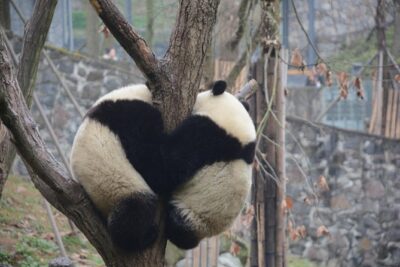
Visiting Dujiangyan Yaan Wolong Panda Base Optional Volunteering
Read our review →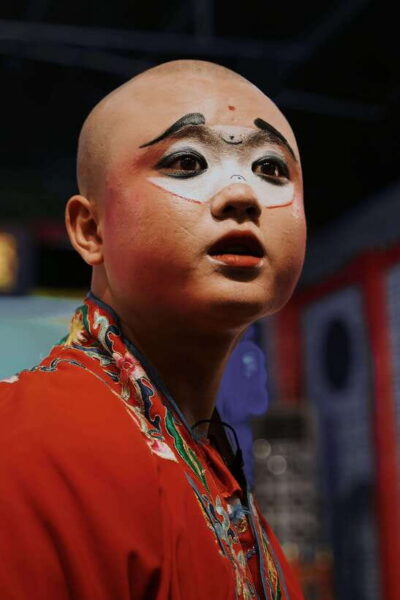
Chengdu Sichuan Opera Show Ticket – Shu Feng Ya Yun
Read our review →Browse the lists this tour appears in